
Reviewed · WINE TASTINGS
Alsace: Full-Day Wine Tour & Tastings from Strasbourg
The best part of this Alsace wine tour is the mix of serious wine tasting and storybook villages. You move through several sections of the Wine Route, from Mittelbergheim’s Grand Cru vineyards to Ribeauvillé and Riquewihr, with three winery visits and time to explore on foot.
I like the small maximum of eight people, which gives guides such as Jerome, Laurence, Pauline, and Florence room to answer questions and adjust the conversation to the group. I also like that some visits may put you face-to-face with the owners or winemakers, rather than only offering a polished tasting-room presentation.
The main drawback is value: at $253 per person, this is not a cheap day out, especially since lunch and only three winery visits are included. You’ll need a good breakfast, too, because Alsace tastings often come without snacks.
In This Review
- Key points to know before you book
- Why this full day works well from Strasbourg
- Mittelbergheim begins with Alsace’s classic white grapes
- Dambach-la-Ville adds a second wine stop
- Lunch and a medieval village break up the tastings
- Ribeauvillé and Riquewihr bring the famous wine country
- The guide shapes the day more than the schedule does
- How good is the $253 value?
- Who will enjoy this tour most?
- Should you book the Alsace wine tour?
- FAQ
- Where does the tour begin?
- How long does the experience last?
- How many people can join the tour?
- What language is the tour conducted in?
- How many wineries do you visit?
- Which wines might I taste?
- Is lunch included?
- Should I bring food?
- Can children join the tour?
- Is the tour suitable for wheelchair users?
- Can I cancel the booking?
Key points to know before you book
- Three distinct winery visits: Taste a broad range of Alsace wines in different settings, with some tastings offering 10 or more samples.
- A maximum of eight people: The compact group makes conversation easier and keeps the minivan practical on narrow village roads.
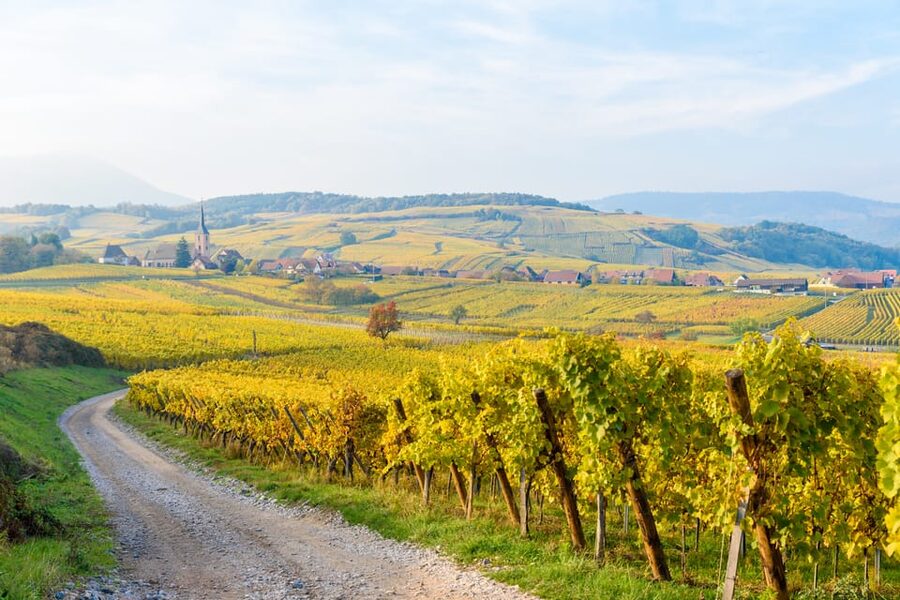
- Mittelbergheim and three Grand Crus: Start with Pinot Blanc, Sylvaner, and Riesling in an area known for Zotzenberg, Kastelberg, and Wiebelsberg.
- Ribeauvillé and Riquewihr: Pair wine country with medieval streets, photo stops, and free time for lunch.
- English only, adults only: You must be at least 18 to take part and drink alcohol, and the tour is not suitable for wheelchair users.
Why this full day works well from Strasbourg
Alsace is easy to admire from Strasbourg, but the best-known wine villages are spread along the foothills of the Vosges. Public transport can get you to some towns, yet it will not give you the same access to several wineries in one day. Here, your driver-guide handles the route while you look out at vineyards and villages instead of worrying about directions or driving after tasting.
The meeting point is at 17 Place de la Cathédrale, a handy spot in central Strasbourg. From there, the day uses a comfortable, fully equipped minivan. The stated capacity is eight participants, and that limit matters: a small group makes it easier to hear live commentary, ask about grape varieties, and get help choosing bottles to take home.
The day lasts about eight hours. That sounds generous, and it is, but the schedule moves at a steady pace. There are drives of about an hour at the start, shorter transfers between early tasting stops, a village break for lunch, an afternoon tasting, and a 45-minute ride back to Strasbourg.
I would book this as a full-day outing rather than trying to squeeze it between other plans. The tour is designed around the rhythm of Alsace wine country, where a tasting, a village walk, and a scenic drive each take their share of the day.
More Wine Tastings in Strasbourg
- Alsace Half-Day Wine Tour from Strasbourg
★ 4.8 · 346 reviews - From Strasbourg: Medieval Villages & Wine Tasting Day Trip
★ 4.8 · 329 reviews - Colmar: Highlights Walking Tour and Wine Tasting
★ 4.9 · 209 reviews
Mittelbergheim begins with Alsace’s classic white grapes
After roughly an hour in the van, you reach the Mittelbergheim wine-producing area. This is an excellent first stop because it introduces you to the region through its grapes and soils before the day shifts toward the more famous medieval towns.
Mittelbergheim is home to the Zotzenberg, Kastelberg, and Wiebelsberg Grand Crus. The local soil is especially favorable for Riesling, a grape that plays a leading role across Alsace. Your first tasting includes Pinot Blanc, Sylvaner, and Riesling, so you get a useful comparison rather than sampling only one familiar style.
Pinot Blanc is often a gentle starting point. Sylvaner gives you a chance to try a grape that is strongly associated with Alsace but may be less familiar than Riesling. Then Riesling shows why the area’s conditions matter. The point is not simply to count glasses. It is to notice how grape choice and place shape the wine.
The first tasting lasts about an hour. That gives your guide time to explain the wines and answer questions without making the stop feel rushed. Guides including Jerome and Laurence have been praised for bringing together wine, local culture, and regional history, while sommelier-trained guides may add more detail to the tasting itself.
One practical point: do not expect a full spread of food at every winery. In France, snacks are often not served during tastings because they can affect how the wine tastes. Eat before departure, and plan to make lunch a real meal rather than a quick bite.
Dambach-la-Ville adds a second wine stop
A short, 15-minute drive takes you to the Dambach-la-Ville area, in the heart of the Alsace wine region. The village is associated with the Grand Cru Frankstein, giving this stop its own identity rather than repeating the first tasting in a new room.
The second tasting lasts about 45 minutes. Three winery visits can sound modest for an eight-hour tour, but the number of wines poured can be much larger than the number of buildings visited. Depending on the producer and the day, you might taste a dozen or more wines across the tour. Some participants have sampled roughly 15 to 16 wines in total, while another group tasted more than 20.
That range is worth keeping in mind. The exact selection depends on the wineries operating that day, so you should not book expecting a fixed flight of named bottles. What you can expect is a broad look at Alsace styles, often with the chance to compare vintages, grape varieties, and producer approaches.
This is also where the human side of the tour can make a difference. Some visits have included time with winery owners or makers, giving you a direct explanation of how their wines are produced. That sort of meeting can be more useful than a formal lecture because you can ask the questions that come to mind as you taste.
If you want to buy wine, the wineries may offer bottles directly from the producer. Direct purchases can cost less than ordering the same wine in a restaurant or buying it through a shop, though the tour information does not promise a specific discount or shipping service. Check luggage rules and your own travel plans before buying heavily.
Lunch and a medieval village break up the tastings
After the second tasting, you drive about 15 minutes to a traditional village for around an hour of free time. This pause is important. Wine tasting all day without a walk or meal can become tiring, and the village stop gives you time to reset.
The route includes the medieval towns of Ribeauvillé and Riquewihr. The precise village used for free time can vary, so listen to your guide’s instructions when you leave the minivan. Both towns offer the kind of half-timbered streets, old facades, and narrow lanes that make Alsace such a pleasure to explore on foot.
Ribeauvillé is associated with the area’s wine culture and makes a practical lunch base. One group enjoyed a meal at Au Passage de la Tour, an Alsatian-themed restaurant in Ribeauvillé, after receiving a recommendation from the guide. That restaurant is not included in the tour, and you are free to choose your own meal, but the example shows why it helps to ask the guide for local suggestions.
An hour is enough for a focused walk and lunch if you keep moving. It is not enough for a relaxed, multi-course meal followed by a full town visit. One participant specifically wanted more lunch time, and I think that is a fair warning. If you like lingering over food, you may feel pressed.
Comfortable shoes are essential. You are not taking a long mountain hike, but medieval streets can be uneven, and the village portion is designed for walking. The tour operates in rain or shine, so bring a coat or rain layer when the forecast looks uncertain.
More Strasbourg & Alsace trips worth a second look
- Alsace Wine Route Small Group Half-Day Tour with Tasting from Strasbourg
★ 4.5 · 291 reviews - Alsace Wine Route Wineries & Tasting Small Group Guided Tour from Strasbourg
★ 5.0 · 229 reviews - ICONICS Tour: 1/2 day on the Wine Route, visit of 2 Villages + Tasting.
★ 5.0 · 159 reviews - Alsace Half Day Wine Tour from Colmar
★ 4.5 · 119 reviews
Ribeauvillé and Riquewihr bring the famous wine country
The afternoon moves into the Ribeauvillé and Riquewihr wine area, home to five Grand Crus: Geisberg, Kirchberg, Osterberg, Schoenenbourg, and Sporen. This gives the final part of the tour a strong wine focus, while the villages provide the visual appeal many people associate with Alsace.
Riesling is the leading grape here, but it is not the only reason to pay attention. Pinot Gris, Muscat, and Gewürztraminer can also produce excellent wines in the area. If you are used to French wine regions organized around red grapes, Alsace offers a refreshing change. The conversation centers on expressive white wines, aromatic varieties, and the differences between dry and sweeter styles.
The region has long-established producers, including the Trimbach family, making wine since 1626, and the Hugel family, established in 1639. You should not assume this tour visits either famous house. Their names provide useful context, though: Alsace has a deep family wine tradition, and small growers operate alongside internationally known producers.
The tour includes two afternoon tasting sessions at selected wineries, with a 20-minute drive between the village stop and the next tasting. These visits complete the day’s progression from the smaller Mittelbergheim and Dambach-la-Ville areas to one of Alsace’s best-known wine zones.
This portion may be the highlight if you care equally about scenery and wine. You can admire the medieval towns, then taste wines from the surrounding hills. If your main goal is to visit a famous cellar or a particular producer, however, this general tour may not meet that exact need. The wineries are selected for the itinerary, not chosen by each participant.
The guide shapes the day more than the schedule does
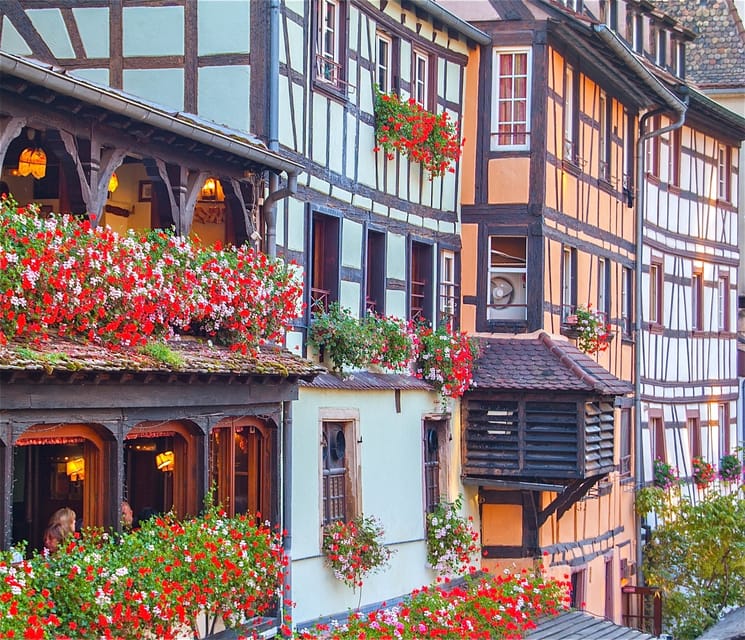
The route is well planned, but your guide will determine how much you get from it. The strongest guides combine driving, local context, wine instruction, and time management without turning the day into a classroom.
Jerome is repeatedly praised for clear English, strong knowledge of the wine region, and an easy sense of humor. Laurence has been described as a sommelier who adds family ties and personal stories from Alsace. Pauline is known for warm energy and careful attention to the group, while Florence has been praised for explaining both the region’s past and its wine.
Those individual guides are not guaranteed for your departure. Still, the pattern is useful: this tour is built around live commentary, not an audio track or self-guided route. Your guide can explain a label, clarify a tasting, recommend a restaurant, or help when a winery presentation becomes difficult to follow.
The English-only format is worth noting. It works well if you are comfortable discussing wine and asking questions in English, but it is not the right choice if you need another language. The minimum group size is two adults. If that minimum is not met, the tour may be cancelled with a refund.
How good is the $253 value?
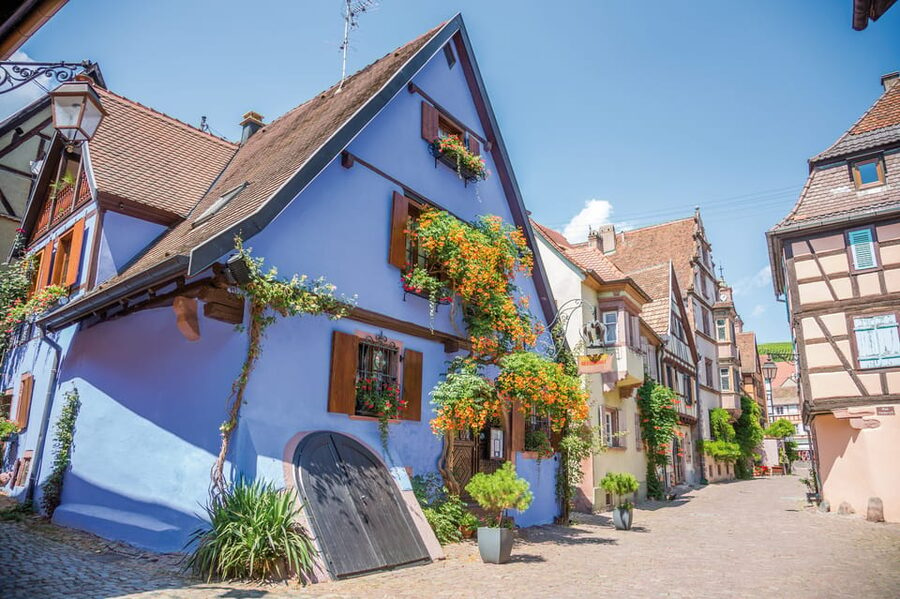
At $253 per person, the tour asks you to pay for convenience, access, guiding, and a full day in the countryside. The price includes tastings at three typical wineries, an English-speaking driver-guide with live commentary, and transport in the minivan.
It does not include lunch, monument or museum entry, personal insurance, or other personal spending. That means your real cost will be higher than the advertised price once you add food and any bottles you purchase.
The value depends on how you would otherwise arrange the day. If you would need a rental car, a designated driver, several winery appointments, and navigation between villages, the tour can make practical sense. It also lets you taste without driving, which is a major benefit in wine country.
The counterargument is simple: three winery visits may feel light for the price. One particularly fair criticism was that the cost seemed high for only three stops. I agree that this tour is not aimed at bargain hunters or people who measure value by the number of cellars entered.
On the other hand, the tastings may include many wines, and some visits offer direct contact with producers. You are also paying for the medieval villages, the regional explanation, and the time saved by having someone else manage the route. For me, it is best value for a first visit to Alsace, especially if you want a broad introduction instead of a single estate visit.
Who will enjoy this tour most?
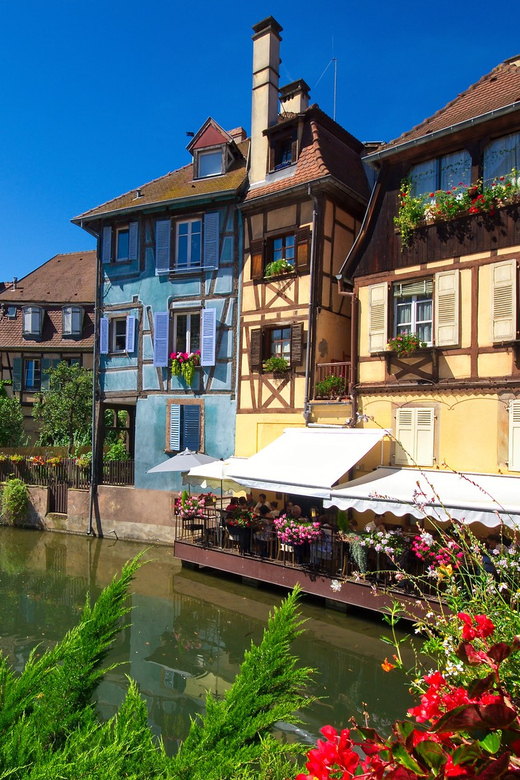
I would recommend it to adults who want wine and scenery in equal measure. You do not need advanced wine knowledge. The mix of grape varieties and the guide’s explanations give beginners a structure for tasting, while more experienced drinkers can ask about Grand Crus, producers, and styles.
It suits couples, friends, and solo visitors who like small groups. With no more than eight participants, it is easier to talk with the guide and other people than on a large coach tour. Several groups have found the small format social without feeling crowded.
It is less suitable for anyone who wants a slow lunch, extensive museum time, or a precise visit to a particular famous winery. It is also not suitable for wheelchair users, pets, children under 18, or anyone who does not drink alcohol.
Bring a passport or ID card and comfortable shoes. The tour runs in all weather. Since the tastings may not include food, start with a good breakfast and keep lunch in mind as part of the day’s cost.
Should you book the Alsace wine tour?
Book it if you want one efficient day that combines three winery tastings, village walks, and an informed English-speaking guide. The route covers several important Alsace wine areas, and the chance to meet local makers can give the day more character than a standard tasting bar.
Think twice if $253 feels steep for three stops or if you prefer complete freedom over lunch and winery choices. For most first-time visitors staying in Strasbourg, I think the tour earns its price through transport, access, and the range of wines. Reserve it when you want a guided introduction to Alsace, not a bargain tasting crawl.
FAQ
Where does the tour begin?
The meeting point is 17 Place de la Cathédrale in Strasbourg.
How long does the experience last?
The tour lasts eight hours and returns to 17 Place de la Cathédrale. During the Christmas period, the return point is just outside Strasbourg’s Grande-Île district, with the exact address arranged with the guide.
How many people can join the tour?
The small-group tour accepts a maximum of eight participants.
What language is the tour conducted in?
The tour is operated in English and includes an English-speaking driver-guide with live commentary.
How many wineries do you visit?
You visit three typical wineries, with tasting sessions in the Mittelbergheim, Dambach-la-Ville, and Ribeauvillé or Riquewihr wine areas.
Which wines might I taste?
The tastings include Pinot Blanc, Sylvaner, and Riesling. In the Ribeauvillé and Riquewihr area, you may also taste Pinot Gris, Muscat, and Gewürztraminer.
Is lunch included?
No. Meals are not included, and you have free time to arrange lunch in one of the traditional villages.
Should I bring food?
A good breakfast is recommended because snacks are usually not provided at French wine tastings. You should also plan on buying lunch during the free-time stop.
Can children join the tour?
No. It is an adults-only activity, and participants must be at least 18 years old to take part and drink alcohol.
Is the tour suitable for wheelchair users?
No. The activity is not suitable for wheelchair users. Comfortable walking shoes are recommended, and the tour operates rain or shine.
Can I cancel the booking?
You can cancel up to 24 hours in advance for a full refund. The tour also offers a reserve-now-and-pay-later option.
More Full-Day in Strasbourg & Alsace
- Strasbourg: Full-Day Small Group Tour to Colmar & Riquewihr
★ 4.3 · 121 reviews - France, Germany and Switzerland Full Day Tour from Colmar
★ 4.5 · 107 reviews - Alsace Full Day Wine Tour from Colmar
★ 5.0 · 104 reviews - Normandy American D-Day Beaches Full Day Tour from Bayeux
★ 5.0 · 2,103 reviews
Recently reviewed around Strasbourg & Alsace
- Guided tour of Nancy, Great History and Little Anecdotes★ 5.0 · 89 reviews
- Guided Tour “Unusual Nancy”★ 5.0 · 36 reviews
- Alsace villages half day tour from Colmar★ 5.0 · 186 reviews
- The Emblematic: visit of villages, Haut-Koenigsbourg, Wine tasting★ 5.0 · 81 reviews
- Segway Tours 2h in Colmar★ 5.0 · 116 reviews
- Alsace’s Gems Small Group Day Tour from Colmar★ 5.0 · 84 reviews
- Private and customizable: Alsace Wine Route HIGHLIGHTS in 3 hours★ 5.0 · 63 reviews
- ICONICS Tour: 1/2 day on the Wine Route, visit of 2 Villages + Tasting.★ 5.0 · 159 reviews
Wine Tastings, compared.
Montmartre Hill French Gourmet Food and Wine Tasting Walking Tour
Read our review →
Loire Valley Castles Day Trip With Wine Tasting
Read our review →
Afternoon Saint-Emilion Wine Tasting & snack
Read our review →
Medoc or Saint Emilion Wine Tasting and Chateau from Bordeaux
Read our review →
Saint Emilion Half-Day Trip with Wine Tasting & Winery Visit from Bordeaux
Read our review →
Champagne Day Trip with 6 Tastings, Reims and Winery from Paris
Read our review →Browse the lists this tour appears in