
Reviewed · WINE TASTINGS
Colmar: Highlights Walking Tour and Wine Tasting
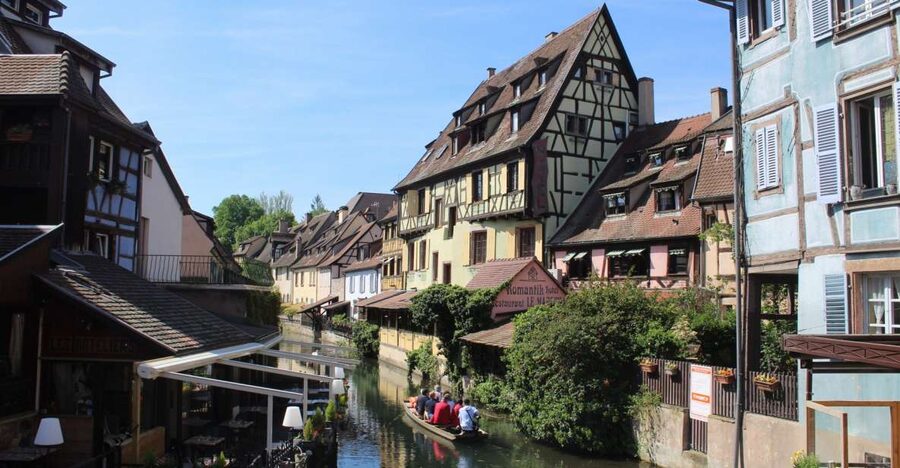
Colmar saves its best trick for the end: after a walk through medieval lanes and colorful half-timbered houses, you sit down in a local cellar to taste the wines that define Alsace. Nicolas, a Colmar native, brings the town’s French and German past to life, then hands you over to a local winery for the tasting.
I like two things here. First, the six-person limit keeps the walk personal and makes it easy to ask questions. Second, the tasting takes place at a working winery in Colmar, not just a generic bar. The main consideration is pace: two hours gives you a useful introduction, but not a full tour of every museum, church, or neighborhood.
In This Review
- Key points at a glance
- Starting at Parc du Champ de Mars
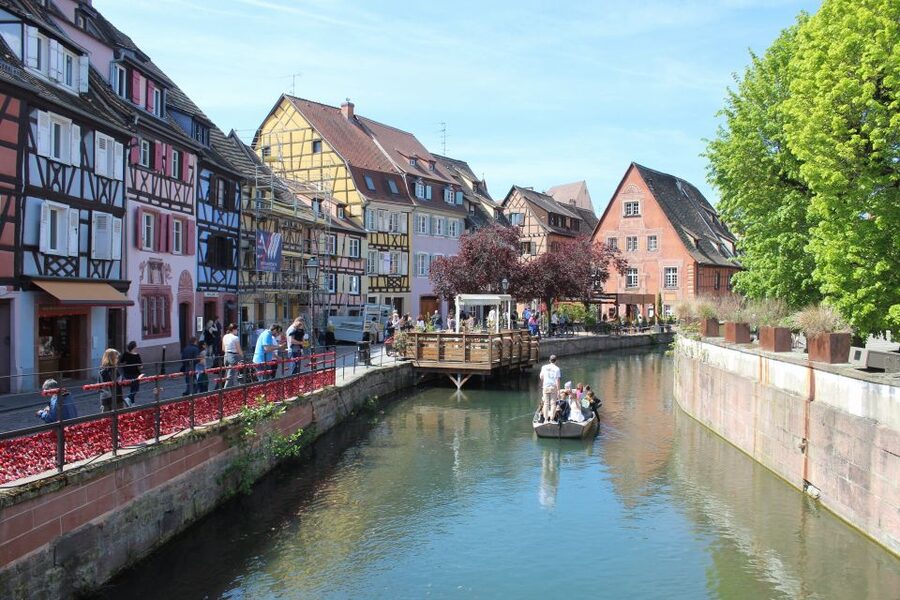
- Reading Colmar through its half-timbered houses
- Gothic buildings, Renaissance homes, and Little Venice
- The Alsace story behind the wine
- Inside the historic cellar
- Why a six-person group changes the experience
- Is $53 a fair price?
- Who should book this Colmar walk?
- Practical details before you go
- Should you book it?
- FAQ
- Where does the Colmar walking tour meet?
- How long does the experience last?
- What languages are available?
- How many people can join the tour?
- What wines are included in the tasting?
- Does the tour take place in a real winery?
- What happens if it rains?
- Can I cancel the booking?
Key points at a glance
- A local guide from Colmar: Nicolas explains the town through personal stories, regional identity, and the long French-German influence on Alsace.
- A compact Old Town walk: See Renaissance homes, Gothic buildings, cobbled lanes, and the Little Venice area.
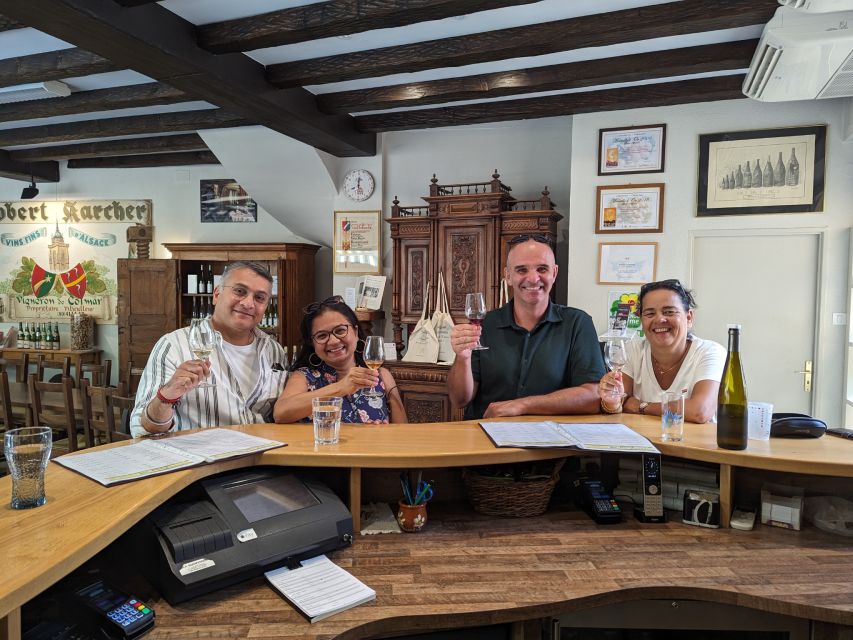
- A cellar with local roots: The tasting may take place at Domaine Karcher, a wine family and cellar associated with a site dating to 1605.
- Three wines can be part of the tasting: Some visitors have selected three wines from a menu of about 24 choices.
- A small group by design: With no more than six people, the guide can answer questions and adjust the conversation.
- A good first-day activity: Nicolas offers suggestions for restaurants, museums, bars, and other places to see around Colmar.
Starting at Parc du Champ de Mars
Your meeting point is the Fontaine Bruat in Parc du Champ de Mars. This is a practical starting place because it gives you a clear landmark before the group heads toward the historic center.
The park itself is not the main event. Think of it as a simple place to find your guide, gather the small group, and begin the walk without the confusion of a crowded square. Check the exact starting time when you book, since the tour lasts two hours and start times can vary by date.
The group limit matters from the first few minutes. A large walking tour can turn Colmar into a lesson delivered to the backs of other people’s heads. Here, you should have a better chance to hear Nicolas, stop for questions, and move through narrow streets without forming a parade.
The tour is offered in English or French. Nicolas has been praised for speaking clear English, which is useful when he explains names, dates, and the complicated shifts between French and German rule. If you have a strong preference, select the language carefully when making your reservation.
More Food Tours in Strasbourg
- ICONICS Tour: 1/2 day on the Wine Route, visit of 2 Villages + Tasting.
★ 5.0 · 159 reviews - From Colmar: Alsace Medieval and Wine Tasting Day Tour
★ 4.7 · 91 reviews - The Emblematic: visit of villages, Haut-Koenigsbourg, Wine tasting
★ 5.0 · 81 reviews
Reading Colmar through its half-timbered houses
Colmar is easy to admire and surprisingly easy to misunderstand. Its colored façades, steep roofs, carved details, and timber framing create the fairytale look, but the buildings are more useful when you know what you are seeing.
The walk focuses on the Old Town, where narrow cobblestone streets lead past Renaissance dwellings, Gothic sanctuaries, and smaller architectural details that can disappear if you only follow a postcard route. Nicolas explains the places rather than simply pointing at them, giving you reasons to pause.
I find a local guide especially useful in Colmar because the town’s identity is not simple. Alsace sits at a cultural crossroads, and its past includes both French and German influence. The guide’s job is not just to list changes of ownership. It is to explain how those shifts helped shape language, architecture, customs, and the way people see themselves as Alsatian.
Nicolas also adds personal stories from growing up in Colmar. That detail changes the feel of the walk. You are not only hearing about monuments from a distance. You are getting a sense of how the town is lived in, remembered, and presented by someone who calls it home.
Expect the walk to include the most recognizable parts of the center, along with less obvious corners. The exact route may change, but the aim is clear: give you the essential sights while showing you details you may miss on your own.
Gothic buildings, Renaissance homes, and Little Venice
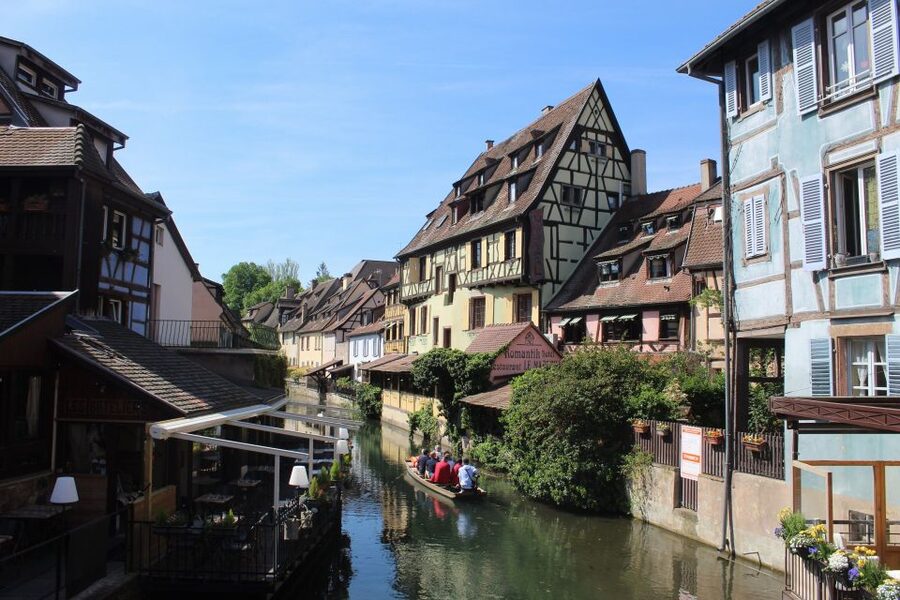
The architectural variety is one of the strongest parts of this experience. You move between decorated Renaissance buildings and Gothic religious sites, with the scale changing from grand façades to intimate lanes.
The half-timbered houses are the visual stars, but the guide helps prevent the walk from becoming a series of pretty photographs with no context. Look for the way the timber frames divide the façades, the use of color, and the small signs of trade and domestic life built into the old streets.
Little Venice is another key part of Colmar’s appeal. The area is known for canals, waterways, and close-set historic buildings. It is one of the town’s most photographed sections, so expect it to feel familiar from pictures, but the guide can show you how it fits into Colmar’s wider story rather than treating it as a stand-alone photo stop.
The narrow lanes can be awkward for anyone who walks with difficulty. The experience is specifically not suitable for people with mobility impairments, and you should take that seriously. This is an outdoor walking tour on cobblestones, not a seated sightseeing excursion.
The tour also runs rain or shine. Colmar can look atmospheric under gray skies, but wet cobbles and rain gear can make the walk less comfortable. Wear shoes with a firm grip and dress for the forecast. That advice is basic, but it matters more here than on a bus tour.
The Alsace story behind the wine
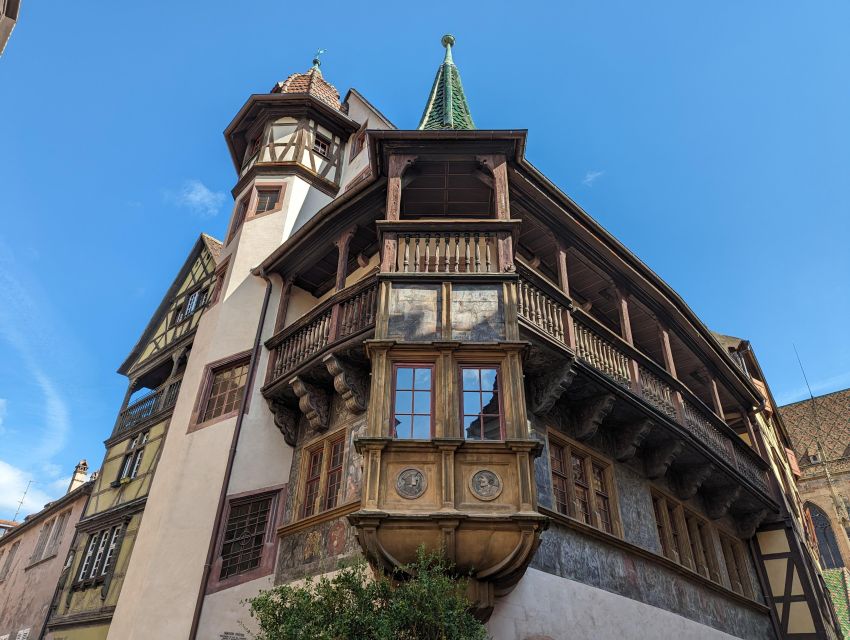
Colmar is called the Capital of Alsace Wines for good reason: it is a natural place to connect the town’s architecture and culture with the vineyards around the region. The tasting gives that idea a practical finish.
Alsace is especially known for white wines, including Gewurztraminer, Riesling, and Pinot Gris. The guide and winery staff explain the grape varieties and the local wine culture, so you are not simply handed glasses without context.
This is helpful if wine labels from Alsace are new to you. Gewurztraminer is often associated with fragrant, richly flavored whites. Riesling is a major regional grape with a reputation for freshness and structure. Pinot Gris gives you another point of comparison. The tasting lets you notice differences rather than trying to remember a list of names.
The experience is not presented as a formal vineyard excursion. You stay in Colmar, which makes it easy to fit into a short visit or a day based in town. You do not need to arrange transport to a village along the Wine Route, and you still get contact with a local producer.
That city location is also the main limit. If you want rows of vines, hillside views, and a full day among village cellars, this is not a replacement for a dedicated Alsace wine tour. It is a two-hour introduction that combines town and wine.
More Walking Tours in Strasbourg
- Colmar: Unusual Walking Tour with a local guide
★ 4.9 · 194 reviews - Colmar: Express Walk with a Local in 60 minutes
★ 4.7 · 39 reviews - Colmar: Private Guided Walking Tour of the City Center
★ 4.1 · 36 reviews - Strasbourg: Walking Tour with a Local Guide
★ 4.3 · 607 reviews
Inside the historic cellar
The tasting follows the walking portion, giving the experience a natural rhythm. First you learn why Colmar looks and feels the way it does. Then you taste one of the products most closely tied to the region.
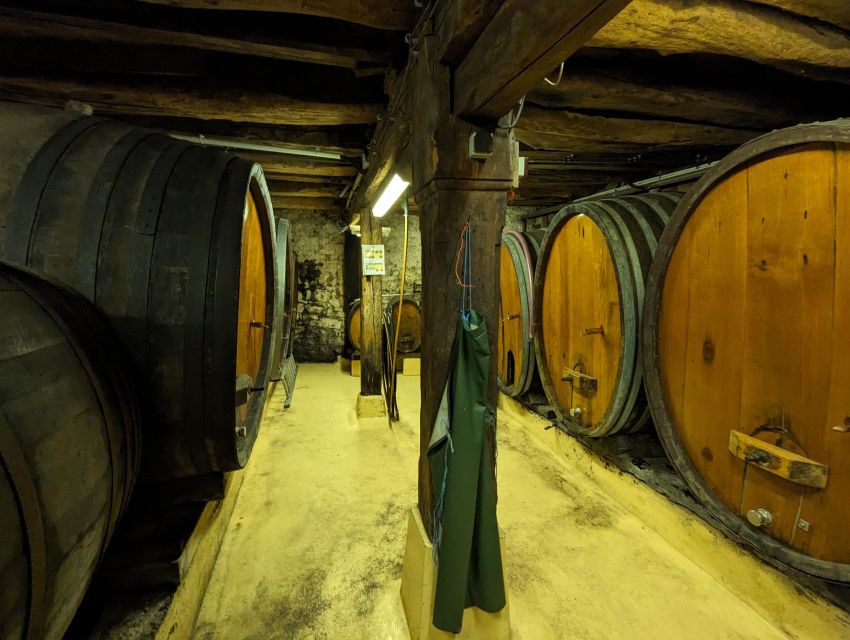
The cellar connected with Domaine Karcher has been described as dating to 1605, and the tasting can include a look at traditional barrels and an explanation of how the wine is produced. It is a more grounded experience than tasting from a restaurant list, since you can connect the glass with the place and the family behind it.
The tasting format can vary, but some sessions allow you to choose three wines from a selection of roughly 24. That is a useful feature for curious drinkers. You can focus on grapes you already like or use the opportunity to compare something familiar with something new.
The pours have also been described as generous. That sounds pleasant, but remember that you are tasting several wines after walking through town. Eat beforehand or plan a proper meal afterward, and avoid treating the session as a quick sample if you are sensitive to alcohol.
You may also be able to buy a bottle at the winery. Several people have done so, and international shipping to the United States has been available through the wine family. Shipping arrangements can change, so ask the winery directly rather than relying on it as a guaranteed part of the tour.
The staff at the cellar add value because they can discuss production and differences from year to year. Nicolas and the winery make a useful team: he explains Colmar and Alsace, while the cellar staff focus on the wine itself.
Why a six-person group changes the experience
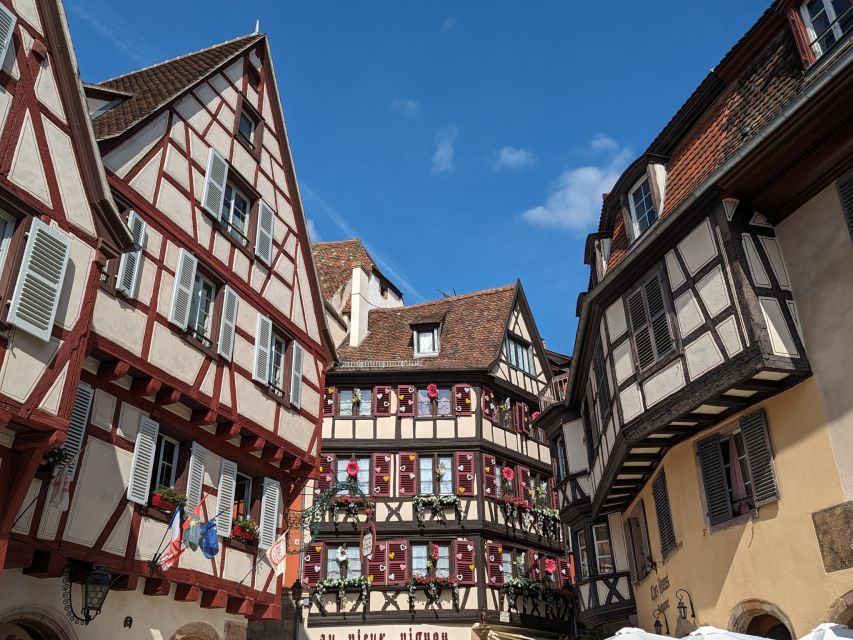
The maximum of six participants is one of the clearest reasons to choose this tour over a larger city walk. You can hear the guide more easily, and the group can pause without blocking half a street.
Small numbers also make the tour more flexible in practice. If you are the only booking, the experience may become a private walk, as has happened on some dates. That can lead to a more tailored route and more time for questions, though you should not book on the assumption that you will have the guide alone.
A small group suits people who enjoy conversation. Nicolas has answered questions about history, local identity, restaurants, museums, bars, and places outside Colmar. He has also offered personal recommendations after the tour, including help with dinner plans.
That local advice may be as useful as the sightseeing itself. Colmar’s center is compact, but deciding where to eat or which museum deserves your limited time is not always simple. A guide who lives in the area can point you toward choices that fit your interests.
The informal tone will not suit everyone. If you want a tightly scripted tour with extensive dates at every stop, you may find the approach relaxed. If you prefer stories, questions, and a sense of being shown around town, the format is a good match.
Is $53 a fair price?
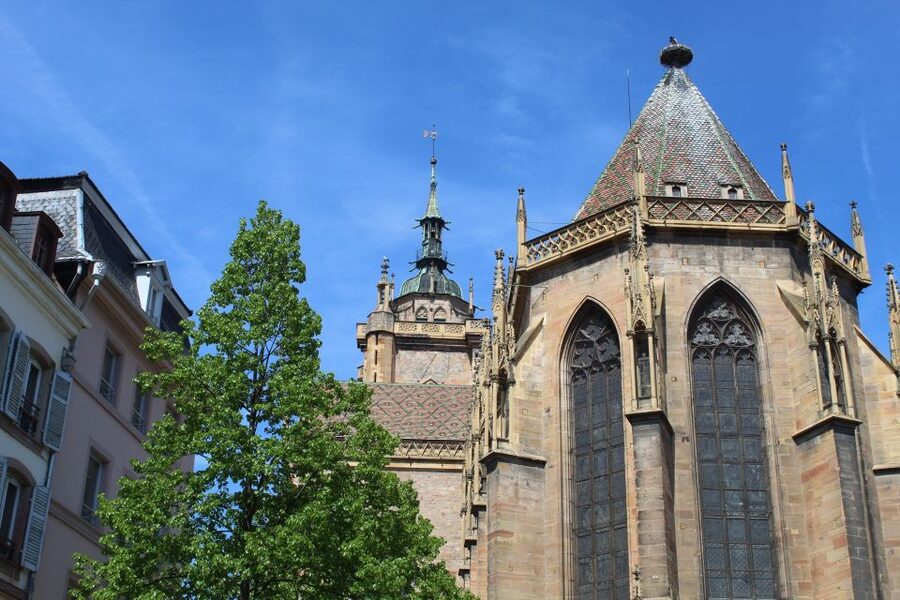
At $53 per person, the value depends on how you would otherwise spend your first two hours in Colmar. The price covers the walking tour, a live guide, and Alsatian wine tasting. You are paying for local interpretation as well as the drinks.
I consider that reasonable for a small-group activity that combines two popular Colmar experiences. A basic self-guided walk costs nothing, but it will not explain the French-German past, point out lesser-seen details, or give you a direct introduction to a local cellar.
The price is less compelling if you only want a quick orientation or if you do not drink wine. You could walk through the Old Town independently, and the tour does not include transportation, a meal, or a full vineyard outing. Its value is strongest when you want history and wine in one short session.
Timing also affects the value. Several people have found it useful on their first day because the restaurant and museum suggestions help shape the rest of a stay. Book it early in your visit if you want those recommendations to guide your plans.
The tasting itself can make the price feel better, especially if you receive several samples and learn how Alsatian varieties differ. Just keep in mind that the exact wine selection and tasting details may depend on the cellar and the day.
Who should book this Colmar walk?
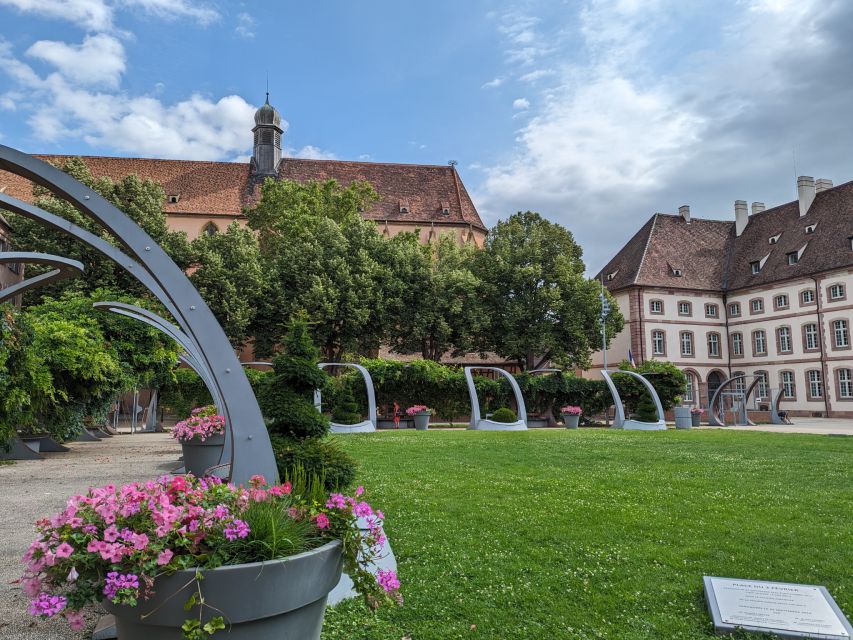
I would choose this experience if you are visiting Colmar for the first time and want a clear introduction without spending half a day on a formal excursion. It is also a good fit for wine drinkers who want to taste local whites in a real winery setting.
History fans will appreciate the attention to Alsace’s mixed cultural identity. Architecture lovers get the colorful façades, Gothic buildings, Renaissance homes, and old lanes. Food and wine fans gain practical guidance for ordering and buying Alsatian wine later in the trip.
Families may find the two-hour length manageable, and one booking included a six-month-old child. Still, the cobblestones and walking pace require you to judge your own situation. The activity is not suitable for pregnant women or people with mobility impairments according to the stated restrictions.
The tour also suits solo visitors. A small group makes it easier to talk with the guide, and a solo booking may occasionally become a private tour. Couples and friends should expect a social but intimate outing rather than a large crowd.
I would skip it if you want a full regional wine day, extensive museum time, or a long food-focused tour. You should also think twice if rain, cobblestones, or several wine samples will make the outing uncomfortable.
Practical details before you go
Meet at Fontaine Bruat in Parc du Champ de Mars. Confirm the starting time when checking availability, since the activity lasts two hours.
The tour is offered in English and French, with a maximum of six participants. It operates rain or shine, so bring suitable clothing and shoes for outdoor walking.
Free cancellation is available up to 24 hours before the activity for a full refund. You can also reserve now and pay later, which helps if your Colmar plans are still shifting.
The tour includes the guide, the walk, and the Alsatian wine tasting. It does not list hotel pickup, transport, meals, or other admissions, so plan the rest of your day separately.
Should you book it?
Book this tour if you want Colmar explained by someone from Colmar, not simply photographed. Nicolas brings together architecture, regional identity, personal stories, and useful local tips, while the cellar visit gives the walk a flavorful finish.
At $53, it offers solid value for a small group and a two-part experience. The main trade-off is that the tour stays within Colmar and moves at an introductory pace. For a first visit, that is often exactly right: you get your bearings, learn what makes Alsace different, and finish with three glasses of local character in front of you.
FAQ
Where does the Colmar walking tour meet?
Meet your guide at the Fontaine Bruat in Parc du Champ de Mars.
How long does the experience last?
The tour lasts two hours, including the Old Town walk and the Alsatian wine tasting.
What languages are available?
The live tour is available in English and French.
How many people can join the tour?
The group is limited to six participants.
What wines are included in the tasting?
The tasting focuses on Alsatian wines, especially white varieties such as Gewurztraminer, Riesling, and Pinot Gris.
Does the tour take place in a real winery?
Yes. The tasting takes place at a local winery or cellar in Colmar. The experience has included Domaine Karcher, also known as Robert Karcher & Fils.
What happens if it rains?
The tour runs rain or shine. You should dress for the weather and wear comfortable shoes suitable for cobblestone streets.
Can I cancel the booking?
You can cancel up to 24 hours in advance for a full refund. A reserve-now, pay-later option is also available.
More Wine Tours in Colmar
- Private and customizable: Alsace Wine Route HIGHLIGHTS in 3 hours
★ 5.0 · 63 reviews - Through Alsace Vineyards and Wine Villages Private Bike Tour
★ 5.0 · 47 reviews - Paris: Moulin Rouge Cabaret Show Ticket with Champagne
★ 4.7 · 16,088 reviews - Authentic Parisian Gourmet Food Tour with 10 Local Dishes & Wines
★ 5.0 · 4,754 reviews
More Wine Tastings in Strasbourg
- Alsace Half Day Wine Tour from Colmar
★ 4.5 · 119 reviews - Alsace Full Day Wine Tour from Colmar
★ 5.0 · 104 reviews - Alsace: Half-Day Wine Tour from Colmar
★ 4.7 · 54 reviews - Alsace Half-Day Wine Tour from Strasbourg
★ 4.8 · 346 reviews
Recently reviewed around Colmar
- Alsace villages half day tour from Colmar★ 5.0 · 186 reviews
- The Emblematic: visit of villages, Haut-Koenigsbourg, Wine tasting★ 5.0 · 81 reviews
- Segway Tours 2h in Colmar★ 5.0 · 116 reviews
- Alsace’s Gems Small Group Day Tour from Colmar★ 5.0 · 84 reviews
- Private and customizable: Alsace Wine Route HIGHLIGHTS in 3 hours★ 5.0 · 63 reviews
- Alsace 4 Wonders Small-Group Day Trip from Colmar★ 5.0 · 380 reviews
- ICONICS Tour: 1/2 day on the Wine Route, visit of 2 Villages + Tasting.★ 5.0 · 159 reviews
- Christmas across the 3 borders★ 5.0 · 33 reviews
Wine Tastings, compared.

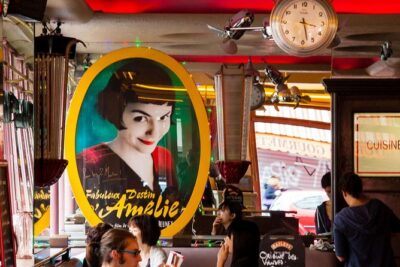
Montmartre Hill French Gourmet Food and Wine Tasting Walking Tour
Read our review →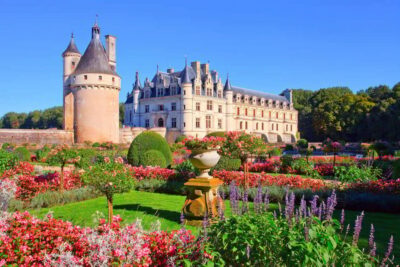
Loire Valley Castles Day Trip With Wine Tasting
Read our review →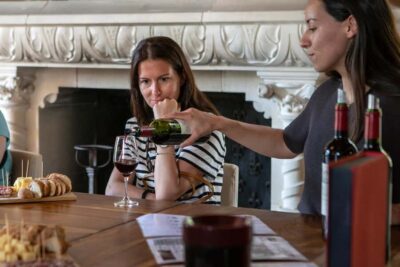
Afternoon Saint-Emilion Wine Tasting & snack
Read our review →
Medoc or Saint Emilion Wine Tasting and Chateau from Bordeaux
Read our review →
Saint Emilion Half-Day Trip with Wine Tasting & Winery Visit from Bordeaux
Read our review →
Champagne Day Trip with 6 Tastings, Reims and Winery from Paris
Read our review →Browse the lists this tour appears in