
Reviewed · WINE TOURS
Authentic Parisian Gourmet Food Tour with 10 Local Dishes & Wines
Paris is easiest to understand through its food, and this three-and-a-half-hour tasting walk gives you a generous helping of it. Depending on your choice, you’ll shop through Montmartre or stroll from Le Marais toward Notre Dame, Île Saint-Louis, Île de la Cité, and the Latin Quarter while sampling classic French specialties.
I like the small group, capped at 12, because it keeps the stops personal and lets you ask questions. I also like the mix of quick tastings and a final shared spread with wine, rather than simply sitting in one restaurant. The main thing to consider is that this is heavy on bread, cheese, cured meats, and pastry, so it is not suitable for vegans or people who cannot eat gluten, dairy, or cheese.
In This Review
- Key points to know before booking
- Two ways to taste Paris
- Montmartre: from chocolates to a shared table
- Notre Dame: food among the islands and old streets
- Why the guides make such a difference
- Ten tastings, wine, and what to expect at the table
- The value of $102.79
- Timing, meeting points, and practical planning
- Montmartre or Notre Dame?
- Should you book it?
- FAQ
- Where does the food tour take place?
- How long does the experience last?
- How many people can join the tour?
- Is the tour offered in English?
- What food is included?
- Can the tour accommodate vegan or gluten-free diets?
- What is the cancellation policy?
Key points to know before booking
- Two very different neighborhoods: Choose Montmartre for food shops, hilltop character, chocolates, crêpes, and charcuterie. Choose Notre Dame for medieval streets, island landmarks, viennoiseries, galettes, oysters, and regional tarts.
- A full meal in tasting form: Ten local dishes and wines add up quickly. Come hungry, and do not schedule a large lunch right afterward.
- A small group of up to 12: The size suits questions, food explanations, and moving through shops without a large crowd.
- Strong guide-led experience: Guides including Matthew, Gaspard, Aicha, Yoyo, Marcel, Sally, and Imran are praised for combining food knowledge with Paris stories.
- Morning or afternoon departures: The later outing can work well as dinner, thanks to the final wine and food spread.
- Food needs matter: Vegan diets and allergies to gluten, dairy, and cheese cannot be accommodated.
Two ways to taste Paris
You choose between Montmartre and the Notre Dame area when booking. Both versions last about three hours and 30 minutes and include macarons, fresh bread, seasonal pastry, French cheeses, red wine, and a secret dish. The rest of the menu changes with the neighborhood.
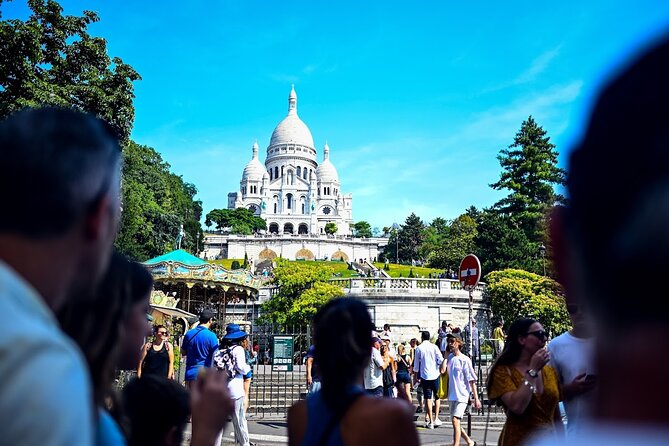
This choice matters. Montmartre is a stronger pick if you want the classic Paris of steep streets, artists, old shops, windmills, and Sacré-Cœur area scenery. The Notre Dame route is better if you want food paired with major sights and old central neighborhoods.
Both are walking tours, so wear comfortable shoes. Hotel pickup and drop-off are not included. The meeting point is in the neighborhood you choose, and the exact food stops can change due to shop availability, weather, or other conditions.
More Food Tours in Paris
- Paris: Seine Cruise & Crepe Tasting near the Eiffel Tower
★ 4.4 · 11,231 reviews - Normandy D-Day Small-Group Day Trip with Omaha Beach, Cemetery & Cider Tasting
★ 5.0 · 2,786 reviews - Paris: Illuminated Evening River Cruise & Waffle Tasting
★ 4.1 · 2,697 reviews
Montmartre: from chocolates to a shared table
The Montmartre route treats the neighborhood as a food-shopping district rather than a string of restaurant reservations. You move from shop to shop, tasting as you go, much as a local might gather ingredients for a meal.
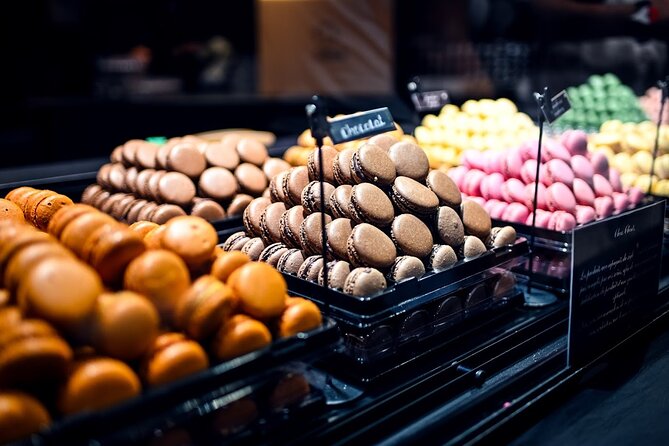
The first stops include artisan chocolates and macarons. These are small portions, but they set the tone: you are comparing French specialties and hearing how they fit into the country’s food habits. Macarons can be sweet and rich, so it is useful that they arrive alongside other foods rather than as the main dessert.
A traditional sweet crêpe follows. This sounds simple, but the quality depends on preparation, freshness, and texture. One important note from the available feedback is that the crêpe was not perfect for every person, with one described as mushy. That is a fair reminder that food tours involve real local stops, not a controlled tasting lab.
The boulangerie visit is one of the most useful parts for first-time visitors. You taste freshly baked bread and learn what makes French loaves different from the generic baguettes found outside France. Warm croissants may also appear, depending on the route and the day. One guide, Matthew, was even praised for meeting the group with warm croissants.
Next comes the savory center of the route: French cheese, cured meats, and ham. You may try several cheese types and learn how to pair them with red wine. The cured meats and pâté help explain the logic of a French meal, where bread, cheese, charcuterie, and wine can make a complete table without a large cooked entrée.
This part is excellent for anyone who wants more than a quick bite at a famous bakery. Guides such as Marcel and Gaspard have been singled out for explaining the different cheeses and matching them with wine. Aicha is also praised for knowing Montmartre well and presenting the stops with warmth and humor.
The final meal takes place at a private or secret stop. The menu can include the food collected along the route, baguettes, cheese, pâté, dessert, and wine, plus the tour’s secret dish. This is where the experience shifts from sampling to sitting down and eating together.
The setting may be simple. One person found the final room cold and austere, with basic facilities outside the building. You should not book this expecting a polished dining room. The reward is the food lesson and the communal meal, not luxury surroundings.
Notre Dame: food among the islands and old streets
The Notre Dame option begins in or near Le Marais and heads through some of central Paris’s most rewarding streets. You pass places such as Notre Dame, Shakespeare and Company, and the Pantheon while crossing Île Saint-Louis and Île de la Cité before reaching the Latin Quarter.
This route has a stronger sightseeing component than the Montmartre version. You are not only visiting food shops. You are also moving through the medieval core of Paris, with the tasting stops providing a reason to slow down.
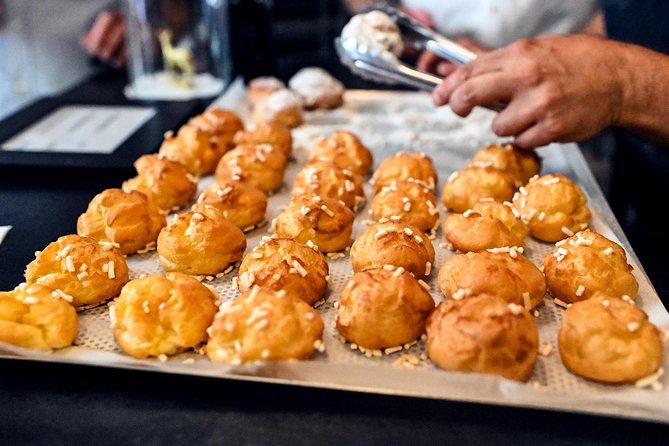
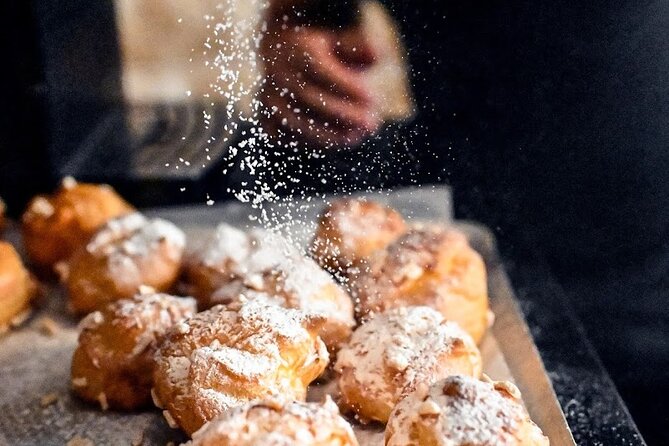
The food begins with viennoiseries, the buttery pastries associated with French mornings. Depending on availability, you might taste croissants or another fresh pastry. This is followed by macarons, seasonal sweets, and a regional pastry.
Savory foods give this route its own identity. A Brittany galette, the buckwheat cousin of the sweet crêpe, is included. You also receive a savory tart with seasonal vegetables. These dishes make the Notre Dame route a better fit if you want more variety beyond bread, cheese, and charcuterie.
Oysters are part of the stated Notre Dame menu as well. Since the exact menu may change, you should treat this as a planned specialty rather than an absolute guarantee for every departure. The same applies to the seasonal tart and other fresh items.
Award-winning cheeses, regional tarts, desserts, and wine round out the route. The final secret dish adds a little mystery, though the bigger value is the chance to connect food with the neighborhoods around it.
There is less specific feedback about the Notre Dame version than the Montmartre route, so I would choose it mainly for its setting. If this is your first visit to Paris and you want food plus major central sights, it is the natural choice. If you have already spent time around Notre Dame, Montmartre may offer a more distinctive neighborhood experience.
Why the guides make such a difference
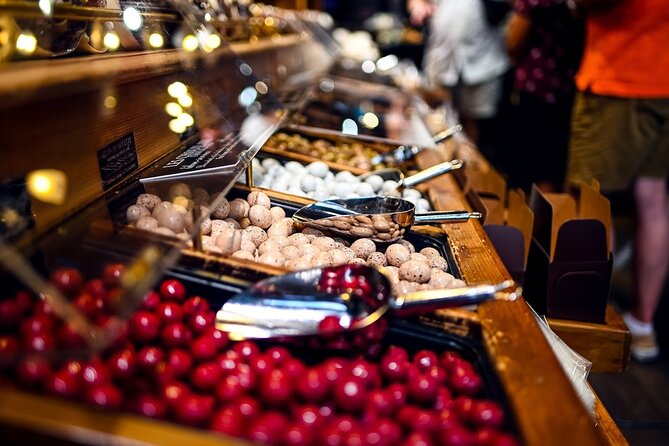
The food is only half the tour. The guide controls the pace, explains unfamiliar items, and gives the walk a human shape.
Names praised in the available feedback include Matthew, Gaspard, Aicha, Yoyo, Marcel, Sally, Imran, Ioana, Coco, Sherif, Naf, Matis, and Emmanuel. Their roles seem to vary from one departure to another, so you cannot book a specific person unless the provider confirms it. Still, the pattern is clear: the guide is expected to explain food origins, local customs, neighborhood stories, and wine pairings.
Matthew is praised for combining Paris history with food knowledge, giving time for photos, and sharing useful links after the tour. Emmanuel led a family group of eight through Montmartre and finished with a communal meal. Sally brought humor and food expertise, while Aicha was described as giving the route the feeling of a local friend showing you around.
That personal contact is especially useful in France, where a cheese name, bread style, or pastry can mean little until someone explains how it is normally served. You also get practical advice about where to eat and what to look for after the tour.
The pace appears moderate rather than rushed. That matters because you need time to listen, taste, take photographs, and move through shops. A group of 12 is small enough for the guide to hear questions, though the exact feel will depend on how many people actually join your departure.
More Paris trips worth a second look
- Paris: Moulin Rouge Cabaret Show Ticket with Champagne
★ 4.7 · 16,088 reviews - Loire Valley Castles Day Trip from Paris with Complementary Wine
★ 4.5 · 3,907 reviews - Montmartre Hill French Gourmet Food and Wine Tasting Walking Tour
★ 5.0 · 2,588 reviews - Paris: Montmartre Cheese, Wine & Pastry Guided Walking Tour
★ 4.8 · 2,255 reviews
Ten tastings, wine, and what to expect at the table
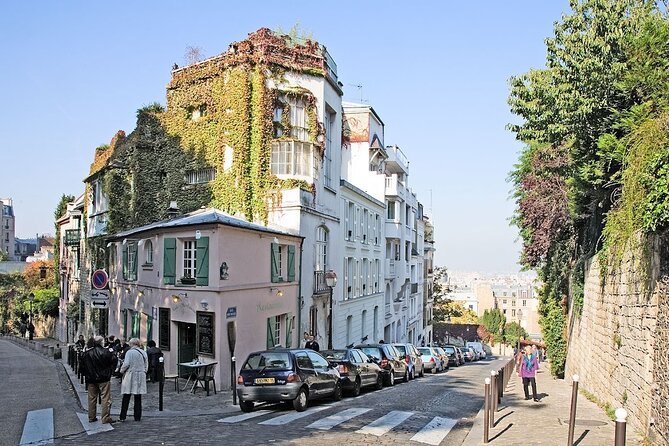
The advertised experience includes ten local dishes and wines, but the exact count and menu can shift. Both routes include macarons, bread, seasonal pastry, several cheeses, red wines, and a secret dish.
Montmartre adds a sweet crêpe, artisan chocolates, and cured meats. Notre Dame adds viennoiseries, a Brittany galette, and a savory tart with seasonal vegetables. Oysters are also part of the Notre Dame description.
This is substantial food. Several portions may be small, but together they can equal more than a normal meal. One vegetarian participant found there was plenty to eat despite skipping one item. Still, the tour is not designed for strict dietary needs, and vegan, gluten-free, dairy-free, and cheese-free diets cannot be accommodated.
Wine is part of the experience, not an optional extra at the end. The guides explain pairings, especially with cheese and charcuterie. If you choose an afternoon departure, the final sit-down spread can function as dinner. The morning start may suit you better if you want to use the tour as a late breakfast and lunch.
Do not plan a major meal afterward. You may want to save room for a later picnic, though take-home leftovers are not promised. One participant used remaining food for a picnic the next day, but you should treat that as a happy possibility rather than part of the service.
The value of $102.79
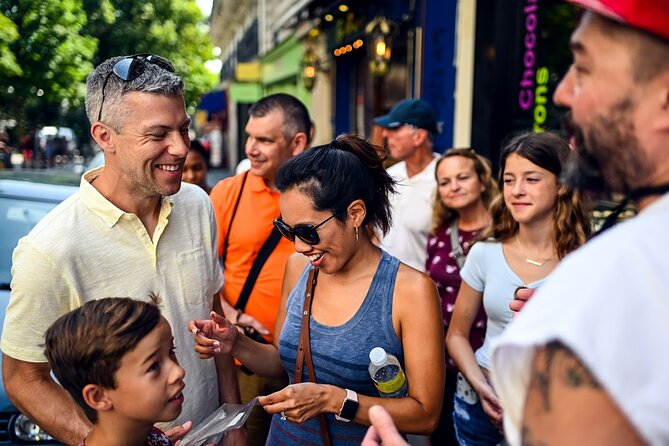
At $102.79 per person, this is not a cheap snack crawl. The value depends on how much you want from the guide and how much you would otherwise spend tasting food on your own.
You are paying for about three and a half hours, multiple tastings, wine, neighborhood walking, and an organized final meal. Buying ten separate specialties in Paris would take planning, and you would miss much of the explanation about how the food is made and served.
The small group also helps justify the price. A group capped at 12 can enter small shops more easily than a large coach group, and the guide can adjust the conversation to the people in front of them.
The price is less compelling if you mainly want a full restaurant dinner or luxury surroundings. The final room may be plain, and one tasting may not suit every palate. Think of this as a guided food lesson with a generous meal, not as a high-end restaurant replacement.
The rating of 4.8 from 4,754 ratings, along with a 95 percent recommendation rate, suggests a strong record. Still, the occasional less-positive experience is useful context. Food texture, menu choices, and the final setting will not please everyone equally.
Timing, meeting points, and practical planning
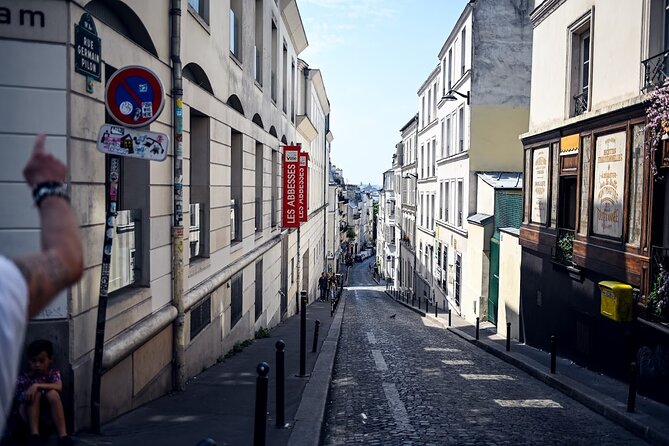
You can choose a morning or afternoon departure in either neighborhood. The afternoon time may suit you if you want the final meal to replace dinner. A morning departure leaves your evening free and can help you get restaurant ideas early in your stay.
The tour is offered in English and uses a mobile ticket. Confirmation is sent within 48 hours of booking, subject to availability. It is near public transportation, but hotel transfers are not provided, so allow time to reach the meeting point.
Book ahead if your Paris dates are fixed. The experience is booked an average of 50 days in advance, which suggests that popular morning and afternoon times can fill early.
The itinerary and menu may change because of shop availability, weather, or other circumstances. That flexibility is normal for a food walk built around local businesses, but it means you should not treat every listed item as guaranteed.
Free cancellation is available up to 24 hours before the start time for a full refund. Changes or cancellations made inside that 24-hour window are not accepted for a refund.
Montmartre or Notre Dame?
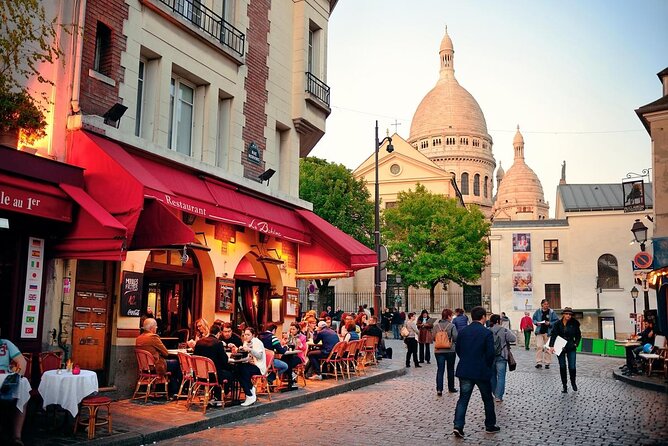
Choose Montmartre if you want the most focused food-shopping experience. You will get chocolates, macarons, a sweet crêpe, bread, cheese, cured meats, and a shared wine meal, with the neighborhood’s churches, windmills, and steep streets woven into the walk.
Choose Notre Dame if you want food combined with central Paris sightseeing. The route covers Le Marais, both river islands, the Latin Quarter, and sights such as Notre Dame, Shakespeare and Company, and the Pantheon. Its menu also brings more savory pastry variety through galettes and tarts.
Families can enjoy either route, especially if children or teenagers like sampling rather than sitting through a long formal meal. The smaller group keeps the walk manageable, but the food is adult in focus and includes wine, cheese, cured meats, and possibly oysters.
This tour is also a good first-day choice. You get an orientation to one neighborhood, learn what French food terms mean, and leave with ideas for later meals. If you dislike cheese, bread, cured meat, or pastry, however, much of the experience will feel repetitive.
Should you book it?
Book this tour if you want to eat your way through Paris while learning how the food fits into daily life. I would choose Montmartre for its stronger local-market feel and distinctive mix of crêpes, chocolates, charcuterie, and cheese. I would choose Notre Dame for the better blend of central sights and regional specialties.
The $102.79 price is fair for a small group, ten tastings, wine, and a final shared meal, but only if you come hungry and accept a simple setting. Skip it if you need strict dietary accommodation, expect a polished restaurant dinner, or prefer to choose every dish yourself.
For most food-focused visitors, this is a practical way to get oriented, taste widely, and learn from a guide such as Matthew, Gaspard, Aicha, or Yoyo. Just book early, wear good shoes, and leave room for the French habit of making bread, cheese, and wine feel like a complete event.
FAQ
Where does the food tour take place?
You can choose a Montmartre route or a Notre Dame area route. The Notre Dame option begins around Le Marais and includes Île Saint-Louis, Île de la Cité, and the Latin Quarter.
How long does the experience last?
The tour lasts approximately three hours and 30 minutes.
How many people can join the tour?
The group is limited to a maximum of 12 participants.
Is the tour offered in English?
Yes. The experience is offered in English.
What food is included?
Both routes include macarons, freshly baked breads, seasonal pastry, artisanal French cheeses, red wines, and a secret dish. Montmartre also includes a sweet crêpe, artisan chocolates, and cured meats. Notre Dame includes viennoiseries, a Brittany galette, and a savory seasonal tart. Oysters are also included in the Notre Dame route description.
Can the tour accommodate vegan or gluten-free diets?
No. Vegan diets and allergies to gluten, dairy, and cheese cannot be accommodated.
What is the cancellation policy?
You can cancel at least 24 hours before the start time for a full refund. Cancellations or changes made less than 24 hours before the experience are not accepted for a refund.
More Food in Paris
- Devour Paris Ultimate Food Tour
★ 5.0 · 2,087 reviews - Private Montmartre Food Tour with Wine, Cheese & Pastries
★ 5.0 · 1,027 reviews - Paris Le Marais Food Tour With 10+ Tastings, Cheese, Wine & More
★ 5.0 · 985 reviews - Paris Le Marais District Original Food and Wine Tasting Tour
★ 4.5 · 880 reviews
Recently reviewed around Paris
- Louvre Private Tour – The Essentials and More with Expert Guide★ 5.0 · 227 reviews
- 2CV tour by night★ 5.0 · 55 reviews
- Eiffel Tower Second or Summit Floor Access by Elevator with Views★ 3.5 · 161 reviews
- The only Paris Wine Tasting experience you need to do – 2 hours★ 5.0 · 265 reviews
- 2 Hour Street-art Walk and Space Invaders Hunt in Paris★ 5.0 · 27 reviews
- 2 hour outdoor group activity in Paris: SAINT GERMAIN★ 5.0 · 48 reviews
- Sainte-Chapelle, Conciergerie & Palais de Justice Private Tour★ 5.0 · 72 reviews
- Private 2 – Hour Paris Landmarks Tour by Golf Cart Mini Moke★ 5.0 · 38 reviews
Wine Tours, compared.

Moulin Rouge Cabaret Show Ticket with Champagne
Read our review →
Loire Valley Castles Day Trip from Paris with Complementary Wine
Read our review →
River Garonne Cruise with Glass of Wine and Canelé
Read our review →
Montmartre Hill French Gourmet Food and Wine Tasting Walking Tour
Read our review →
Montmartre Cheese, Wine & Pastry Guided Walking Tour
Read our review →
Paradis Latin Cabaret Show with Optional Champagne
Read our review →
Loire Valley Castles Day Trip With Wine Tasting
Read our review →Browse the lists this tour appears in