
Reviewed · BURGUNDY TOURS
Beaune: Wine Tasting at Château de Pommard
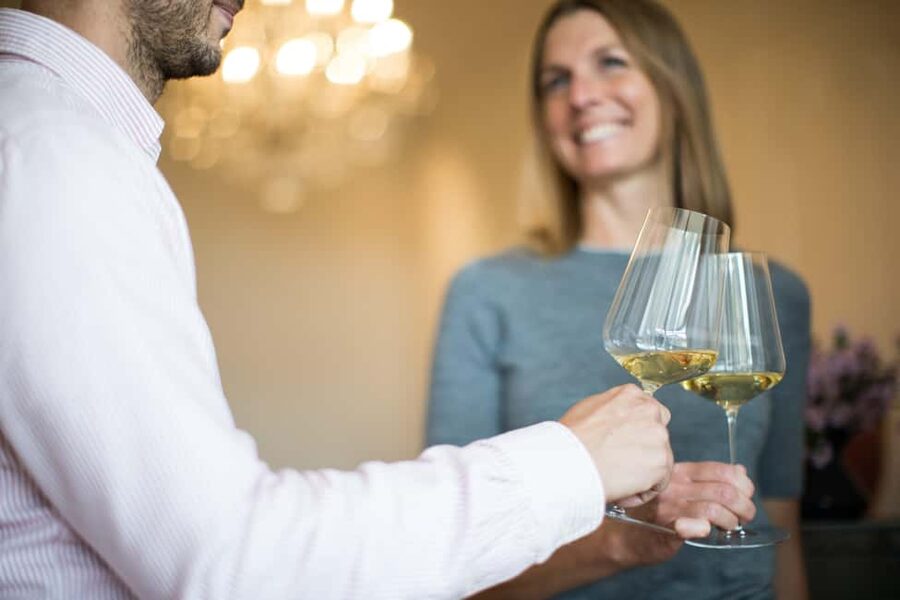
Burgundy wine makes more sense once you understand its terroir, the mix of soil, slope, weather, and vineyard tradition that gives each bottle its character. At Château de Pommard, you’ll connect those ideas to the Clos Marey-Monge vineyard, then taste four wines from Château de Pommard and Famille Carabello-Baum.
I like the small groups of up to eight, which leave room for questions, and the easy one-hour format, a good fit between sightseeing in Beaune and a longer meal. I also like that the price includes access to the French gardens, giving you more than a tasting room stop.
The main drawback is clear: the historic cellars are closed during renovation. The experience currently focuses on the vineyard, the explanation, and the tasting rather than a full cellar or winemaking tour.
In This Review
- Key points to know before booking
- What the Château de Pommard visit is really about
- Starting with Burgundy’s five subregions
- Reading the Clos Marey-Monge vineyard
- Four wines from two producers
- Why the one-hour format works
- The French gardens add a welcome extra
- The renovation changes what you will see
- What the strongest parts of the visit are
- Where the experience could be stronger
- Who should book this Burgundy tasting
- Booking advice and final verdict
- FAQ
- How long does the Château de Pommard wine tasting last?
- How many wines will I taste?
- What will the guide explain?
- Can I visit the Château de Pommard cellars?
- Is access to the gardens included?
- What languages are available?
- How large is the group?
- Is the experience suitable for wheelchair users?
Key points to know before booking
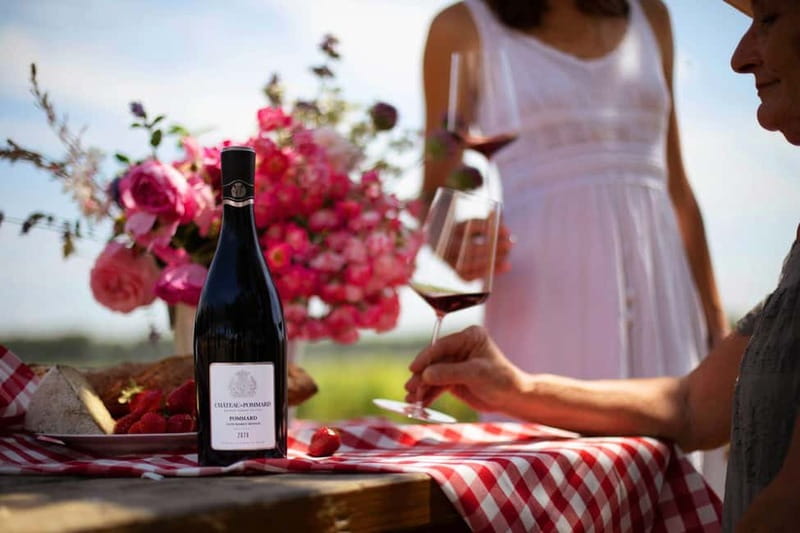
- Four Burgundy wines in one hour: The tasting covers wines from Château de Pommard and Famille Carabello-Baum.
- Clos Marey-Monge vineyard: You’ll learn how local growing conditions affect taste, style, and how long the wines can age.
- A compact, educational visit: The guide covers Burgundy’s past, five subregions, and its classification system.
- Small group setting: The group is limited to eight people, making questions easier than on a large coach tour.
- French gardens included: Plan a little extra time to enjoy the grounds before or after the tasting.
- Cellars closed for renovation: You will not currently visit the underground cellars or a working wine-making area.
What the Château de Pommard visit is really about
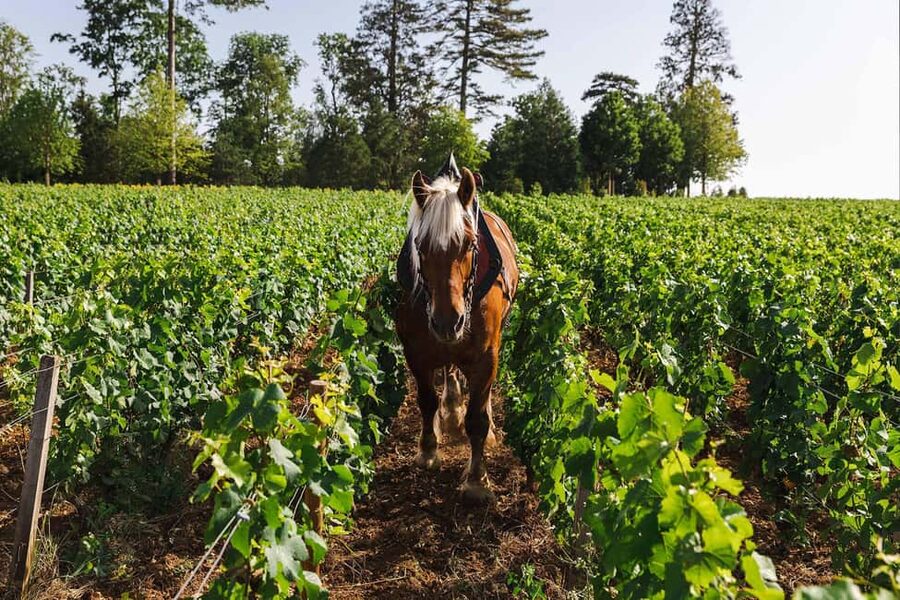
This is a focused introduction to Burgundy rather than a grand estate tour. In one hour, you’ll learn the basic structure of Burgundy wine, look at the Clos Marey-Monge vineyard, and taste four wines with guidance from the château team.
That focus can be a strength. Burgundy labels and vineyard names often confuse newcomers, especially when a bottle’s identity depends as much on its exact patch of ground as on the grape. The tasting gives you a framework for understanding why two wines from the same broad area can taste different and command different prices.
The château dates back nearly three centuries, and the property is in the middle of a major restoration and expansion project. That work explains why some parts of the estate are not available right now. You should book this as a vineyard and tasting experience, not as a complete behind-the-scenes tour of every building.
More Food Tours in Beaune
- Burgundy Bike Tour with Wine Tasting from Beaune
★ 5.0 · 674 reviews - Beaune: Maison Champy Guided Cellar Tour with Wine Tasting
★ 4.7 · 213 reviews - Visit-Tasting-Sale
★ 5.0 · 87 reviews
Starting with Burgundy’s five subregions
The educational part begins with Burgundy itself. You’ll be introduced to the region’s five subregions, a useful first step because Burgundy is not one single wine area with one uniform style.
The point is not to memorize every place name in an hour. Instead, you’ll get a sense of how Burgundy is divided and why local identity matters so much here. This context helps when you later compare the four wines in front of you.
You’ll also hear about Burgundy’s classification system. These rankings can seem fussy at first, but they reflect the importance assigned to individual vineyards and parcels. If you have ever wondered why one Burgundy bottle costs far more than another with a similar grape variety, this explanation gives you the basic answer.
I appreciate this part because it connects the wine in your glass to the land on the label. It also gives you useful questions to ask during the tasting, such as how a particular vineyard ranking affects style, ageability, or price.
Reading the Clos Marey-Monge vineyard
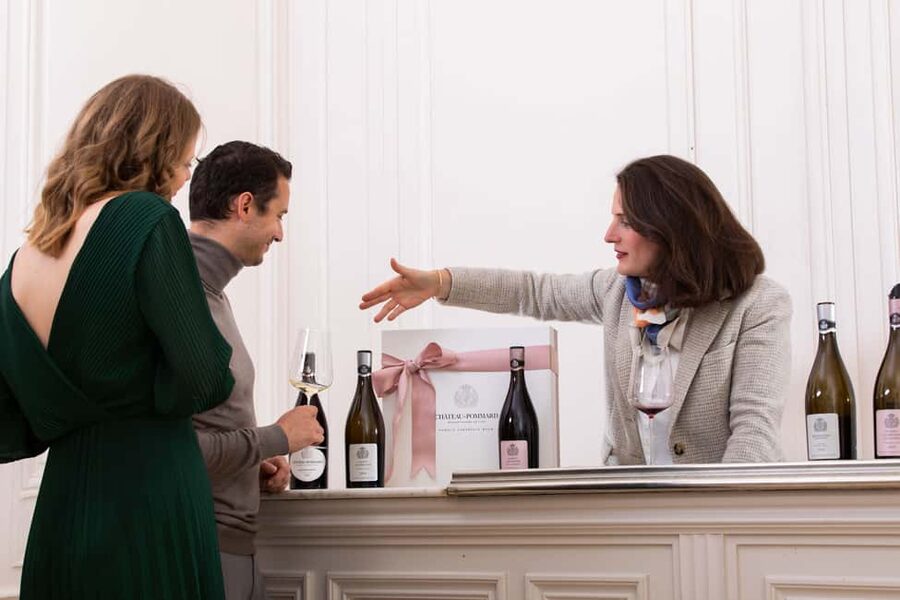
The Clos Marey-Monge vineyard is the central place-based feature of the visit. You’ll discover the vineyard and learn about the natural factors that shape the wines made from it.
Those factors include the soil, the local climate, and the conditions in which the vines grow. The goal is to show how these elements influence a wine’s taste, style, and ability to age. Even if you are new to wine, this is practical information: it encourages you to notice differences rather than treating every Burgundy bottle as interchangeable.
The vineyard setting also gives the tasting a stronger sense of place. You are not simply sampling four unrelated wines in a room. You are looking at the ground and property connected with at least part of what you are drinking.
One point to keep in mind is that the exact amount of vineyard discussion can depend on the guide and the pace of the visit. A strong guide may explain the soil and grape-growing conditions in detail, while a faster presentation may leave you wishing for more time outdoors. If the vineyard matters most to you, ask questions while you are there.
Four wines from two producers
The tasting includes four wines from Château de Pommard and Famille Carabello-Baum. That gives you a chance to compare bottles connected to the same broader Burgundy setting while also seeing how different wines can express the region.
The value is not simply the number four. A guided tasting lets you place each wine beside the others and notice changes in flavor, structure, and style. The earlier explanation of Burgundy’s subregions and classifications should make those comparisons easier to follow.
You do not need to arrive as a wine expert. This is designed to explain the basics as you taste. Ask the guide to repeat a term if needed, and use the tasting to work out what you personally prefer rather than trying to identify the most prestigious bottle.
The guide may also help you understand ageability, meaning how a wine’s character can develop over time. That is especially useful in Burgundy, where vineyard location and classification often shape expectations about how a wine will mature.
The presentation is available in French and English. A particularly well-regarded guide named Alex has been described as clear, helpful, and willing to explain the winery in detail. Guide quality can vary on any scheduled experience, but the small group size should make it easier to ask for clarification.
More Wine Tastings in Beaune
- From Beaune: Full-Day Bicycle and Wine Tour in Burgundy
★ 4.9 · 95 reviews - Private Wine Tasting Tour – Burgundy Uncorked!!
★ 5.0 · 74 reviews - Luxury Luxury Wine Tour Experience
★ 5.0 · 69 reviews - From: Dijon/Beaune: Burgundy Region Winery Tour with Lunch
★ 4.7 · 43 reviews
Why the one-hour format works
At $34 per person, the price is reasonable if you want a compact introduction to Burgundy wine. You receive four pours, a structured explanation, and access to the French gardens. For someone already planning time in Beaune, this can fill a free hour without taking over the day.
The short duration also makes this easy to combine with a museum, market visit, lunch, or another winery stop. You are not committing to a half-day program, and you do not need to build your entire schedule around it.
The tradeoff is depth. One hour is enough for an overview, but not enough for a long vineyard walk, a full château visit, detailed winemaking instruction, and a cellar tour. If you want a serious technical lesson or a broad tasting of many Burgundy producers, you will probably need a longer experience elsewhere.
The timing can vary, so check the available starting times when you book. The activity ends back at the meeting point, though the exact meeting point may depend on the option selected.
The French gardens add a welcome extra
Free access to the French gardens is included, and this is worth using. The gardens give you time to enjoy the château grounds without having to pay for a separate visit.
You might choose to arrive a little early or stay after the tasting, depending on the opening arrangements and your scheduled time. The garden visit also helps balance the indoor tasting and the educational talk with a quieter outdoor stop.
Do not expect the gardens to replace the missing cellar visit. They are an added part of the property experience, not a substitute for seeing barrels, production rooms, or underground wine storage. Still, they improve the value of the $34 ticket, especially if you enjoy historic estates and want a pleasant setting around the tasting.
Comfortable shoes are the sensible choice. High heels are discouraged because the grounds and vineyard areas may not be easy to cross in them.
The renovation changes what you will see
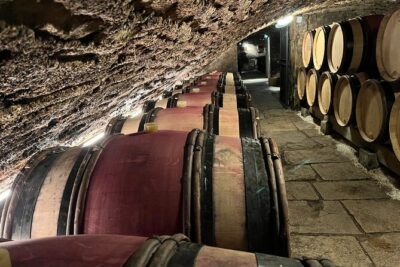
The Château de Pommard cellars cannot currently be visited because of renovation. This is the most important fact to understand before booking.
The estate is working on a major restoration and expansion project. The aim is to prepare the nearly three-hundred-year-old property for its next three centuries, but for now the work limits access to parts of the château.
That means you will not see the cellars or a full wine-making area during this activity. If your main reason for booking is to watch wine production from grape to barrel, you may find the visit too limited at present.
The staff has adjusted the experience around the renovation by keeping the focus on the vineyard, Burgundy’s wine system, and the four-wine tasting. This works well for someone who wants to understand what is in the glass. It works less well for someone who expects a traditional cellar tour.
What the strongest parts of the visit are
The most consistent strengths are the setting, the staff, and the approachable format. The château and vineyard provide a more memorable backdrop than a plain tasting room, and the small group helps keep the session personal.
Easy check-in is another practical advantage. Once you arrive at the correct meeting point, the visit should feel straightforward rather than formal or cumbersome.
The staff is described as friendly, professional, and prepared. That matters in a wine tasting because a good host can adjust the explanation to your level. You can ask about basic terms without feeling out of place, or press for more detail if you already know Burgundy.
The experience also works well as a first Burgundy tasting. You’ll learn enough about the region’s structure to make later wine choices with more confidence, even if you do not leave with a complete command of every classification.
Where the experience could be stronger
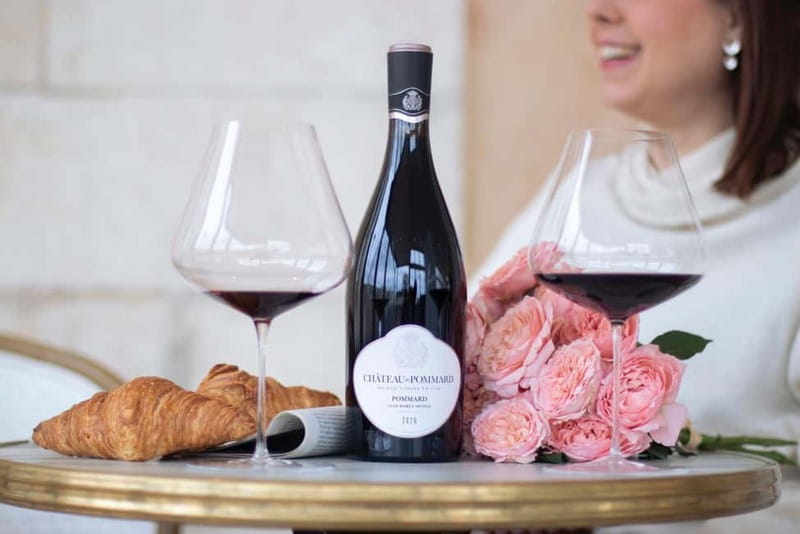
The limitations are mostly tied to the short schedule and the closed cellars. Some versions of the visit may keep you in one room for much of the presentation, with only the vineyard area added to the outing.
That can feel thin if you expected a tour of the château itself. You may also want more detail about soil types, grapes, and the physical work of making wine. The experience promises insight into the process from grape to glass, but the current renovation means that promise is delivered mainly through explanation and tasting rather than access to production spaces.
There have also been occasions when the guide arrived late. In one case, the session ran longer to make up for the delay, but you should still avoid scheduling something immediately afterward. A little breathing room is wise, particularly if you have a restaurant reservation or train to catch.
If the guide invites questions, take advantage of that opening. Ask about the vineyard’s soil, the differences among the four wines, and how classification affects ageability. The more actively you participate, the more useful the hour becomes.
Who should book this Burgundy tasting
I would choose this experience if you are visiting Beaune and want a clear, low-commitment introduction to Burgundy wine. It suits first-time Burgundy visitors, couples, small groups, and anyone who prefers a guided tasting with enough background to make the wines easier to understand.
It is also a good match for people who value atmosphere. The château, Clos Marey-Monge vineyard, and French gardens give the hour a sense of place that a stand-alone bar tasting may lack.
You may want a different option if cellar access is essential, if you need wheelchair access, or if you want a long technical tour of wine production. The activity is not suitable for wheelchair users, and the cellars are closed during the renovation.
The French and English language options make it practical for international visitors. The group limit of eight is another reason I would favor it over a large group excursion, especially if you want to ask questions about a particular bottle or vineyard.
Booking advice and final verdict
Free cancellation up to 24 hours in advance and the option to reserve now and pay later make this easy to fit into a changing Burgundy itinerary. Still, check the starting time and meeting point carefully, since they can vary by booking option.
Should you book it? Yes, if you want a polished one-hour introduction to Burgundy wine in a château setting, and you are comfortable accepting that the cellars are closed. The four wines, vineyard context, garden access, and small group make the $34 price fair.
I would skip it only if your priority is a full production tour, extended time in the vineyard, or access to historic underground cellars. For everyone else, it is a useful Beaune stop that gives you a better grasp of Burgundy before you order your next bottle.
FAQ
How long does the Château de Pommard wine tasting last?
The activity lasts one hour. Available starting times vary, so check the schedule when selecting your date.
How many wines will I taste?
You will taste four wines from Château de Pommard and Famille Carabello-Baum.
What will the guide explain?
The session covers Burgundy’s history, its five subregions, Burgundy’s classification system, and the natural factors that affect the taste, style, and ageability of wines from the Clos Marey-Monge vineyard.
Can I visit the Château de Pommard cellars?
No. The cellars are currently closed to visitors because of renovation work.
Is access to the gardens included?
Yes. Free access to the French Gardens is included with the wine tasting.
What languages are available?
The activity is offered in French and English.
How large is the group?
The group is limited to eight participants.
Is the experience suitable for wheelchair users?
No. The activity is not suitable for wheelchair users. High-heeled shoes are also not recommended.
More Wine Tours in Beaune
- From Beaune: Burgundy Day Trip with 14 Wine Tastings
★ 4.8 · 248 reviews - Burgundy Grand Crus Route Day Tour – 14 Wines Tastings in Domains
★ 5.0 · 223 reviews - Private Tasting in Beaune : The Best of Burgundy Wines
★ 5.0 · 66 reviews - Private Tasting in Beaune : The Best of Burgundy Wines
★ 4.9 · 66 reviews
Recently reviewed around Beaune
- Private Wine Tasting Tour – Burgundy Uncorked!!★ 5.0 · 74 reviews
- Visit of our 15th century cellars★ 5.0 · 57 reviews
- Private Tasting in Beaune : The Best of Burgundy Wines★ 5.0 · 66 reviews
- Discovery of the world of Truffles and tasting★ 4.5 · 66 reviews
- Private excursion to Côte de Beaune and Côte de Nuits (full day)★ 5.0 · 166 reviews
- Visit-Tasting-Sale★ 5.0 · 87 reviews
- Luxury Luxury Wine Tour Experience★ 5.0 · 69 reviews
- From Beaune: Full day the most of Burgundy, with lunch★ 4.5 · 30 reviews
Burgundy Tours, compared.
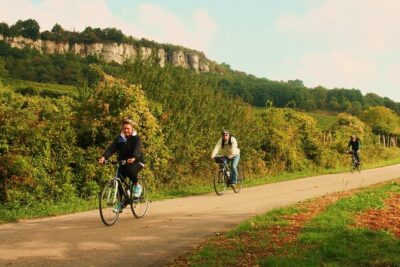
Burgundy Bike Tour with Wine Tasting from Beaune
Read our review →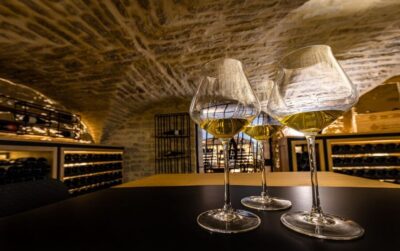
La Cave du Palais Burgundy Wine Tasting Experience
Read our review →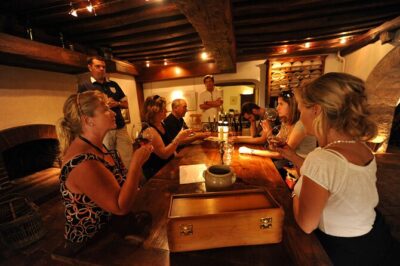
Small-Group Full-Day Tour of Côte de Nuits, Côte de Beaune Vineyards and Beaune Historical District
Read our review →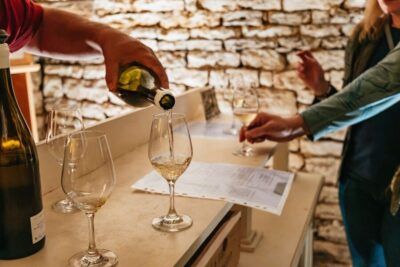
Burgundy Grand Crus Route Day Tour – 14 Wines Tastings in Domains
Read our review →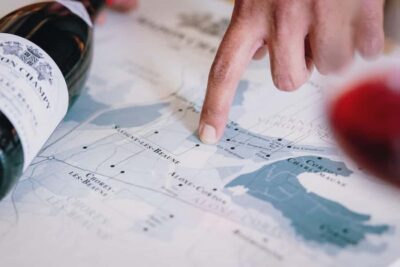
Maison Champy Guided Cellar Tour with Wine Tasting
Read our review →
Private excursion to Côte de Beaune and Côte de Nuits (full day)
Read our review →
Browse the lists this tour appears in