
Reviewed · BURGUNDY TOURS
Dijon: La Cave du Palais Burgundy Wine Tasting Experience
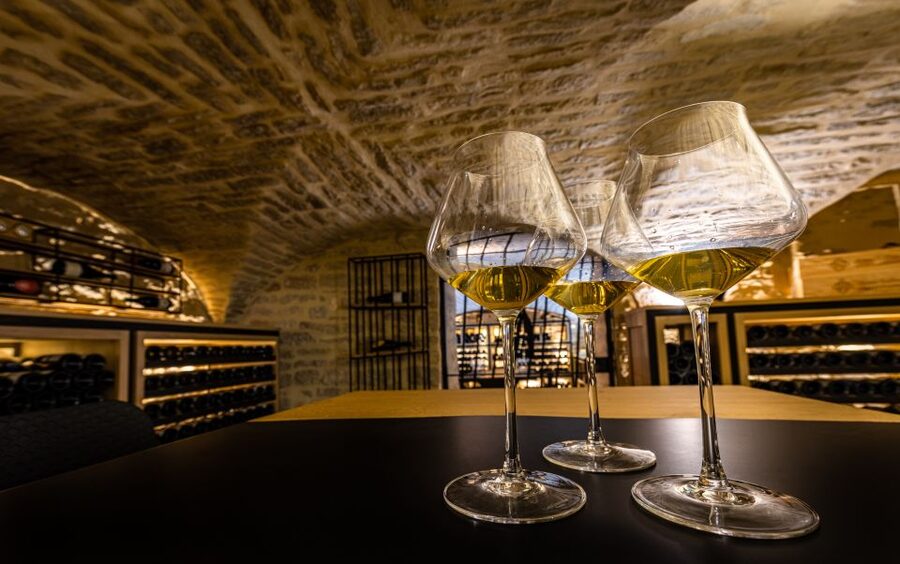
Dijon’s best wine lesson may happen below street level, inside the 15th-century vaulted cellar of La Cave du Palais. In 90 relaxed minutes, you taste six Burgundy wines while a French or English-speaking guide explains why two bottles made from the same grape can taste so different.
I like the small groups of up to eight, which leave room for real questions, and I like the broad selection, moving from regional appellations toward Grand Cru. The main drawback is that this is a cellar tasting, not a vineyard visit, so you will not walk among the vines or visit a working estate.
In This Review
- Key points at a glance
- Why this Dijon cellar tasting works so well
- Finding La Cave du Palais in central Dijon
- What the 90-minute tasting feels like
- Six wines, from regional bottles to Grand Cru
- The guides make the difference
- What you learn about Burgundy’s classification system
- A beautiful cellar, with a few practical limits
- Is $64 a fair price?
- Who should book this experience?
- Final verdict: a smart Burgundy introduction in Dijon
- FAQ
- Where does the Burgundy wine tasting take place?
- How long does the experience last?
- How many wines are included?
- Which languages are available?
- Is the tasting suitable for children?
- Is the cellar wheelchair accessible?
- Can I cancel my booking?
Key points at a glance
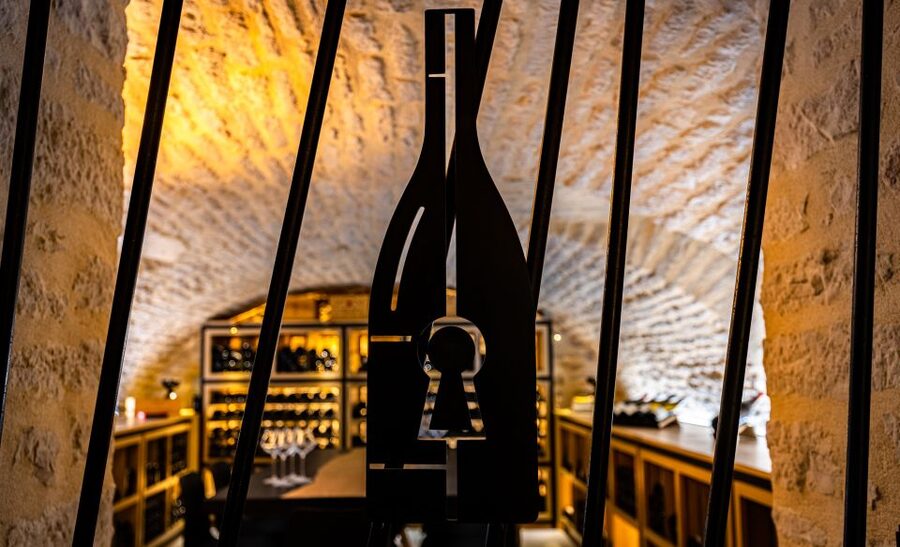
- A historic setting: Taste wine in an original underground cellar within the Hotel du Palais.
- Six wines in 90 minutes: The selection covers Burgundy’s regional, village, premier-level, and Grand Cru categories.
- A lesson in place: Learn how Burgundy’s climates, soil, geography, and aging affect flavor and price.
- Guides with personality: Antoine, Prune, Leo, Robin, Rafael, Sebastian, and others have led tastings in French and English, with some sessions also handled in Spanish.
- Easy city-center access: La Cave du Palais is about a five-minute walk from Place de la République, so no car is needed.
- A good value for a short stay: At $64 per person, it gives you a focused introduction to Burgundy without committing to a full-day countryside tour.
Why this Dijon cellar tasting works so well
Burgundy wine can be confusing fast. The labels may name a tiny plot, a village, a region, or a Grand Cru vineyard, and the price can change sharply from one category to the next. This experience gives you a practical way to understand that system: taste the wines side by side while someone explains what the label and the place mean.
I like the fact that the tasting is not built around a single famous bottle. You get six wines from different levels of Burgundy’s classification system, including red and white wines. One detailed account described a balanced flight of three reds and three whites, a useful format because it lets you compare both the grape styles and the effect of place.
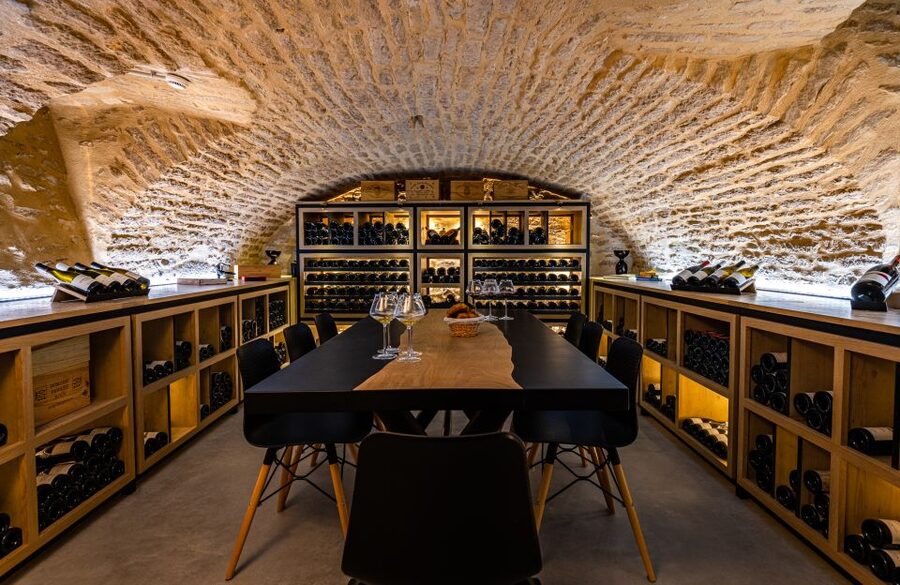
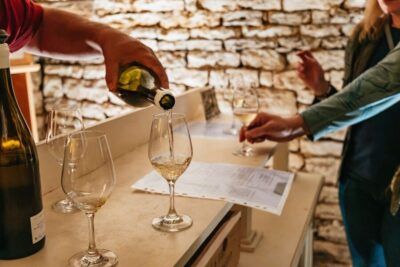
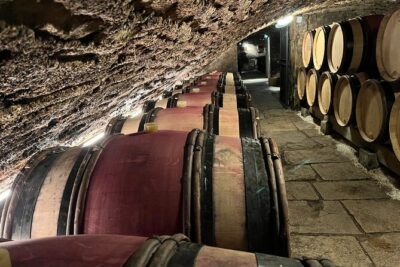
The setting adds more than decoration. La Cave du Palais occupies an old vaulted cellar beneath the Hotel du Palais, giving the tasting a cool, intimate feel that a bright shop counter could not match. The cellar has also been described as beautifully designed, so you get a sense of old Dijon while sitting close to the city center.
At $64, this is not a bargain tasting in the casual sense. It is a paid lesson with six pours, a dedicated guide, and access to bottles that may include very high appellations. For someone who wants to understand Burgundy but has no time for a vineyard outing, I think the price is fair. If you only want a single glass of wine, you can spend less elsewhere.
More Food Tours in Beaune
- Pinot Noir Masterclass – Wine tasting in Dijon
★ 5.0 · 147 reviews - Dijon: Cheese and Burgundy Wine Tasting Workshop
★ 4.8 · 122 reviews - Chardonnay Masterclass – Wine tasting in Dijon
★ 5.0 · 91 reviews
Finding La Cave du Palais in central Dijon
The meeting point is La Cave du Palais, inside the Hotel du Palais. From Place de la République, allow about five minutes on foot. That central position matters because Dijon is a strong base for exploring Burgundy without renting a car, and you can fit this activity around a walk through the historic center.
You do not need to arrange vineyard transport or spend half a day outside the city. The tasting works well on a first afternoon, before dinner, or near the end of a Dijon visit. One useful touch is the local advice available from the host. Prune, one of the guides, has helped participants choose a traditional Dijonnaise restaurant nearby, so you may come away with more than wine notes.
The cellar is not suitable for wheelchair users, and the activity is limited to people over 18. Pets are not allowed. Pregnant people and children under 18 should choose another Dijon activity.
What the 90-minute tasting feels like
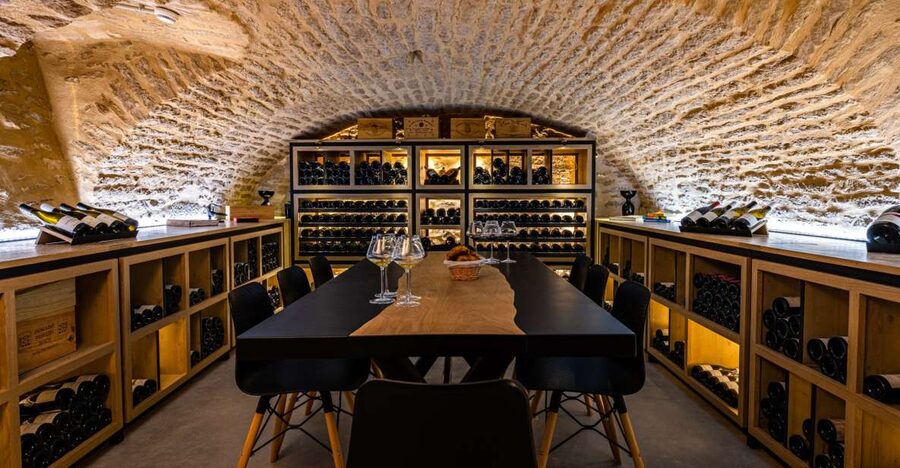
This is a guided, conversational tasting rather than a quick pour-and-leave stop. You sit with a small group and listen as the host sets out the main ideas behind Burgundy wine. The group limit of eight is useful here: a guide can take questions, adjust the discussion, and give each person more attention.
The teaching begins with Burgundy itself. You learn why the region is so closely tied to the idea of climates, the local term for named vineyard sites and their distinct growing conditions. The point is not simply that one hillside is sunny and another is shaded. The tasting connects geography, soil, vineyard location, ownership, and classification to what appears in your glass.
That explanation is especially helpful if Burgundy labels have always seemed like a code. Instead of treating appellations as a list to memorize, you get a way to read them. A regional bottle represents a wide area. A village wine comes from a more defined place. Higher categories point to increasingly specific and prized vineyard sites, with Grand Cru at the top of the system.
The guides also discuss vintages and aging. You will hear why the year of production matters and how time in bottle can change a wine’s aromas, texture, and balance. This is not just technical talk. It helps explain why a bottle from the same part of Burgundy may not taste identical from one year to another.
Six wines, from regional bottles to Grand Cru
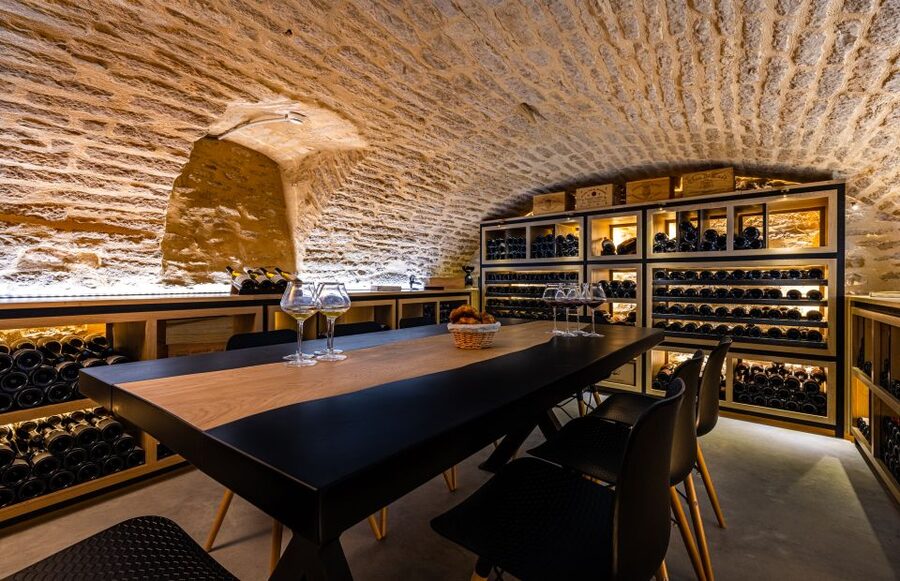
The heart of the experience is the six-wine flight. The wines are selected to show Burgundy’s range, from regional appellations up through Grand Cru. The precise bottles can vary, so I would treat the tasting as a lesson in comparison rather than a promise of one fixed menu.
You may taste white and red Burgundy during the same session. That matters because Burgundy is best understood through both its major styles. The whites can show how place and aging affect freshness, weight, and texture, while the reds offer another route into the region’s soil and vineyard distinctions.
The tasting also gives you a chance to compare quality levels without relying only on a price tag. A Grand Cru bottle may have greater concentration, length, or complexity, but the experience can help you decide if you actually prefer it to a less expensive regional or village wine. That is useful knowledge when you visit a wine shop or order dinner in Dijon.
The pours are described as generous, though the activity does not include extra tastings. Six wines over 90 minutes is enough to form clear impressions, but it is still a tasting, not an evening of drinking. Eat beforehand or plan a meal afterward, especially if you are sensitive to alcohol.
One person reported tasting seven wines during a session, but the stated format is six. I would book expecting six and regard any additional pour as a bonus rather than something guaranteed.
More Wine Tastings in Beaune
- Small group Burgundy tour of Beaune with Wine Tasting from Dijon
★ 4.5 · 85 reviews - 🍷 Masterclass Pinot Noir – Wine tasting in Dijon 🇫🇷
★ 4.5 · 35 reviews - Côte de Beaune Half-Day Wine Tour from Dijon
★ 4.7 · 32 reviews - Burgundy Bike Tour with Wine Tasting from Beaune
★ 5.0 · 674 reviews
The guides make the difference
The strongest part of this activity is the host’s ability to explain difficult material without turning the cellar into a classroom. Antoine has been praised for his humor, patient answers, and relaxed presentation. Prune has led sessions in excellent English and is also noted for her warm, informal approach. Leo has handled detailed questions from people working in the wine trade, while Robin has guided guests through Burgundy’s regions with enthusiasm.
Other named hosts include Rafael and Sebastian. Sessions have been conducted in French and English, and one group described a guide moving between English, French, and Spanish. You should confirm the language options when booking if this is important to you, but English-language support is clearly part of the normal offering.
The tone is a major advantage. You can ask about denominations, soil, aging, production, or the wines in your glass without needing prior knowledge. The best sessions appear to encourage questions instead of rushing through prepared facts.
That said, the quality of a live tasting always depends partly on the guide assigned that day and the mix of people in the group. The consistently strong accounts from different seasons and with different hosts suggest a reliable standard, but you should still expect a human-led experience rather than an identical performance every time.
What you learn about Burgundy’s classification system
Burgundy’s appellation structure is built around place. That idea can feel abstract until you taste wines from different parts of the hierarchy. Here, the guide uses the bottles to make the system easier to grasp.
You will hear about the difference between a broad regional designation and a wine linked to a particular village or vineyard. The guide may also explain how the name on the label can refer to a site, a property, or a region, and why those distinctions affect both style and cost.
This is where the tasting earns its keep. A wine class can tell you the rules, but the glass gives the rules a sensory anchor. You can notice how the wines differ and then connect those differences to terroir, the local combination of soil, slope, climate, and vineyard position.
The experience does not require you to become a Burgundy expert. I would aim to leave with three useful skills: reading the main parts of a label, understanding why Grand Cru costs more, and recognizing that Burgundy is not one uniform wine style.
A beautiful cellar, with a few practical limits
The vaulted room is one of the main reasons to choose this experience over a standard tasting bar. The underground setting feels tied to Dijon, and the old cellar gives the event a sense of place before the first bottle is opened.
It is also an indoor activity that fits neatly into a city break. If rain interrupts your plans, or you have only one day in Dijon, you can still get a meaningful introduction to the surrounding wine country.
The tradeoff is physical access. The activity is not suitable for wheelchair users, and an old cellar may not be comfortable for everyone. The available information does not give specific details about stairs, seating, or temperature, so contact the provider if those points affect your decision.
The cellar is cozy rather than spacious. Most people will see that as a benefit, but anyone who prefers a large, open tasting room may find the setting close. The small group size keeps the conversation personal and limits crowd noise.
Is $64 a fair price?
At $64 per person, the cost makes the most sense if you value explanation as much as the wine. You are paying for six tastings, live commentary, a central Dijon location, and a guide who can connect the bottles to Burgundy’s geography and classification system.
I consider it good value for three types of visitor. First, it suits a first-time Burgundy drinker who wants a clear introduction. Second, it works for someone spending only a short time in Dijon and unable to reach the vineyards. Third, it can help experienced wine drinkers compare appellations with a local guide rather than tasting at random.
The value is less clear if you already have a full vineyard program booked, or if you mainly want to buy wine. A countryside tour may give you more physical context, while a wine shop may offer a cheaper tasting or a chance to focus on bottles you already know you like.
There is no stated requirement to buy wine afterward. Some people choose a bottle they enjoyed, but the tasting itself does not depend on a purchase. That is an important distinction if you want advice without a sales pitch.
Who should book this experience?
I would book it if you want an approachable introduction to Burgundy and prefer to stay in Dijon. It is also a smart choice for couples, solo visitors, and small groups who enjoy conversation and asking questions.
Wine professionals are not excluded. A participant who works in the United States wine trade found the guide’s level useful, and the hosts have answered questions in a wider global wine context. Still, the session is not presented as an advanced certification course. It is a friendly regional introduction with serious content.
The experience is not for children, pregnant people, or anyone who needs wheelchair access. It may also disappoint you if your main goal is to see vineyards, meet growers, or spend a whole day in the countryside. In that case, use this tasting as a compact substitute only if time is tight.
Book with an open mind about the exact wine list. The educational value comes from the contrast among the bottles, not from receiving one famous label.
Final verdict: a smart Burgundy introduction in Dijon
I would recommend La Cave du Palais to most adults visiting Dijon who want to understand Burgundy wine without arranging a rural excursion. The historic cellar, compact format, and strong guides create a useful balance of atmosphere, education, and tasting.
The best reason to book is not simply the chance to drink six wines. It is the chance to taste them while someone explains why Burgundy labels, vineyards, vintages, and appellations work the way they do. At $64, that makes this a sensible choice for a first look at the region, especially on a short city visit.
Choose it if you want a friendly, informative cellar session. Skip it if you need step-free access, cannot drink alcohol, or want a full vineyard tour. For everyone else, it is a well-shaped 90 minutes and a good way to make sense of Burgundy one glass at a time.
FAQ
Where does the Burgundy wine tasting take place?
It takes place at La Cave du Palais, located inside the Hotel du Palais in central Dijon. The cellar is about a five-minute walk from Place de la République.
How long does the experience last?
The tasting lasts 90 minutes.
How many wines are included?
The stated format includes six wine tastings. The selection can include regional appellations through Grand Cru wines.
Which languages are available?
The host or greeter can provide the experience in French or English. One session also included French, English, and Spanish conversation.
Is the tasting suitable for children?
No. Participants must be over 18, and children under 18 cannot take part.
Is the cellar wheelchair accessible?
The activity is not suitable for wheelchair users.
Can I cancel my booking?
You can cancel up to 24 hours in advance for a full refund. You can also reserve now and pay later, which keeps your plans flexible.
More Food Tours in Dijon
- Paris: Seine Cruise & Crepe Tasting near the Eiffel Tower
★ 4.4 · 11,231 reviews - Authentic Parisian Gourmet Food Tour with 10 Local Dishes & Wines
★ 5.0 · 4,754 reviews - Bordeaux: Cité du Vin Entry Ticket and Wine Tasting
★ 4.6 · 3,885 reviews - Normandy D-Day Small-Group Day Trip with Omaha Beach, Cemetery & Cider Tasting
★ 5.0 · 2,786 reviews
More Wine Tours in Dijon
- Burgundy Wines Masterclass in Dijon
★ 5.0 · 139 reviews - Dijon: Burgundy Wines Masterclass
★ 5.0 · 70 reviews - Historic Center of Dijon : Discovery Tasting Wine Burgundy
★ 4.5 · 40 reviews - Cheese and Wine Pairing 1-Hour Session in Dijon
★ 5.0 · 34 reviews
Recently reviewed around Dijon
- From Dijon: Full day the most of Burgundy with lunch★ 5.0 · 40 reviews
- Chardonnay Masterclass – Wine tasting in Dijon★ 5.0 · 91 reviews
- Small group Burgundy tour of Beaune with Wine Tasting from Dijon★ 4.5 · 85 reviews
- Cheese and Wine Pairing 1-Hour Session in Dijon★ 5.0 · 34 reviews
- Pinot Noir Masterclass – Wine tasting in Dijon★ 5.0 · 147 reviews
- Half Day Tour of the Cote de Nuits Vineyards from Dijon★ 5.0 · 108 reviews
- Burgundy Wines Masterclass in Dijon★ 5.0 · 139 reviews
- 🍷 Masterclass Pinot Noir – Wine tasting in Dijon 🇫🇷★ 4.5 · 35 reviews
Burgundy Tours, compared.
Burgundy Bike Tour with Wine Tasting from Beaune
Read our review →
Small-Group Full-Day Tour of Côte de Nuits, Côte de Beaune Vineyards and Beaune Historical District
Read our review →
Burgundy Grand Crus Route Day Tour – 14 Wines Tastings in Domains
Read our review →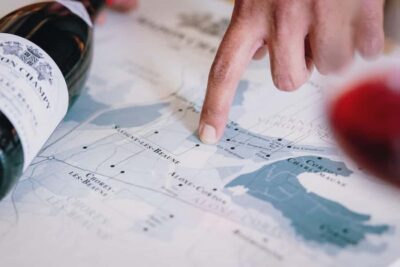
Maison Champy Guided Cellar Tour with Wine Tasting
Read our review →
Private excursion to Côte de Beaune and Côte de Nuits (full day)
Read our review →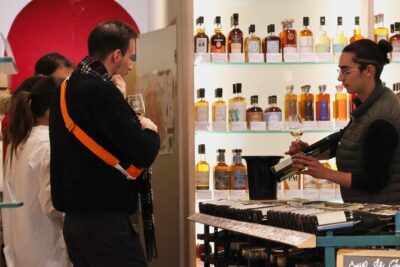
Browse the lists this tour appears in