
Reviewed · WINE TOURS
Bordeaux Wine Masterclass: Blending workshop with appetizer
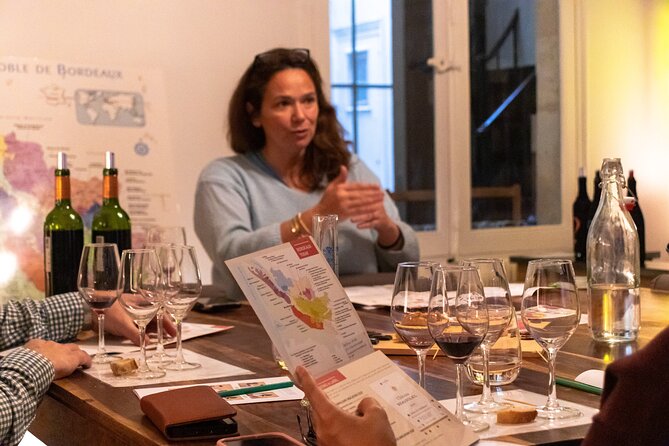
The most useful part of this Bordeaux wine class is the blending exercise. After tasting wines from across France, you combine Merlot and Cabernet Sauvignon and see how a small change can alter the finished wine. It turns wine talk into something you can taste for yourself.
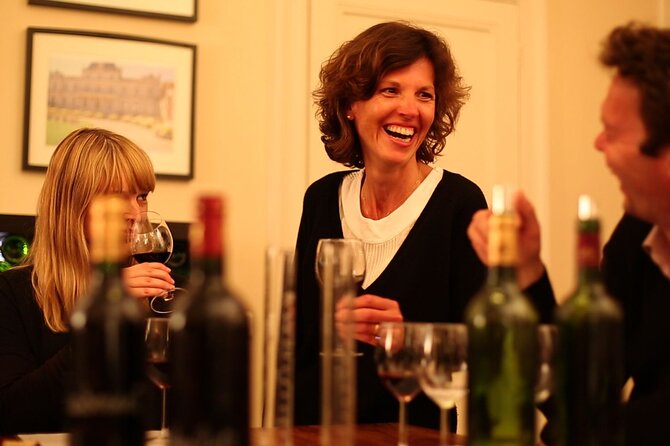
I like two things here: the class teaches you how to read a French label, and it gives you practical tasting tools you can use in a shop or restaurant. I also like the small group, capped at 12, which gives guides such as Gabriel, Chloé, Carol, and Fabien room to answer questions.
The main consideration is scope. This is not only a Bordeaux tasting, and the class may last roughly 90 minutes to two hours depending on the description you receive. The food is a modest appetizer plate, not a meal, and one past participant felt the guide did not quite match the advertised sommelier title.
In This Review
- Key points to know before booking
- Why the blending exercise earns its place
- A seated introduction to French wine regions
- Learning to read a French wine label
- Using your senses instead of guessing
- Seven or eight wines with a modest food pairing
- How the 10:30 am schedule fits a Bordeaux visit
- Small group, English instruction, and the guide’s role
- Is $54.42 a fair price?
- Who will enjoy this class most
- Cancellation and booking advice
- Should you book the Bordeaux wine masterclass?
- FAQ
- Where does the Bordeaux wine masterclass start?
- What time does the class begin?
- Where does the activity end?
- How long does the workshop last?
- How many wines are included?
- Which French wine regions are represented?
- Is the class offered in English?
- What food is included?
- What grapes do I use for the blending exercise?
- Is there a minimum drinking age?
- How many people can join the class?
- Is hotel transportation included?
- Are pets allowed?
- Can I cancel for a refund?
Key points to know before booking
- You taste at least seven French wines: The lineup covers Bordeaux plus regions such as Burgundy, Côtes du Rhône, and the Loire Valley.
- You make your own blend: Merlot and Cabernet Sauvignon let you compare Bordeaux’s two classic red grapes in a hands-on way.
- The class is small: The maximum group size is 12, a good fit for questions and discussion.
- Food is included: Expect cheese, cured meats, fresh bread, and chocolate rather than a full lunch.
- It is taught in English: French language instruction is not included.
- It begins at 10:30 am: You meet at 3 Rue d’Enghien in central Bordeaux and finish there.
Why the blending exercise earns its place
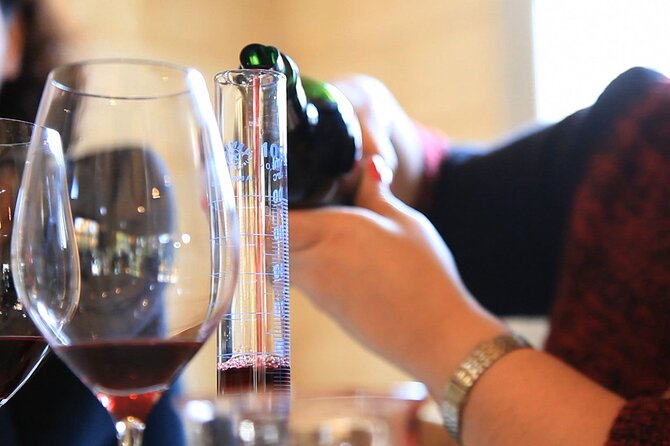
Many wine tastings leave you with a pleasant memory and a few new grape names. This class tries to give you a working understanding of how wine is built. You taste Merlot and Cabernet Sauvignon, then mix them yourself and compare the result.
That matters in Bordeaux, where blending is central to the region’s red wines. The exercise is not a full lesson in winemaking, but it shows why a winemaker might combine grapes rather than rely on one variety. You can taste how body, fruit, structure, and firmness shift as the proportions change.
I like this because it replaces vague wine language with a simple experiment. You do not have to agree with anyone else’s preferred blend. The point is to notice what you prefer and learn how to describe it.
The class also uses the blending task to explain Bordeaux’s Left Bank and Right Bank traditions. The information supplied does not promise a detailed vineyard lecture, but the tasting can help you understand why Merlot and Cabernet Sauvignon are associated with different styles within the Bordeaux region. For a first introduction, that is more useful than memorizing a long list of estates.
More Bordeaux trips worth a second look
- Bordeaux: Cité du Vin Entry Ticket and Wine Tasting
★ 4.6 · 3,885 reviews - Bordeaux: River Garonne Cruise with Glass of Wine and Canelé
★ 4.5 · 3,630 reviews - From Bordeaux: Afternoon Saint-Emilion Wine Tasting & snack
★ 4.8 · 1,581 reviews
A seated introduction to French wine regions
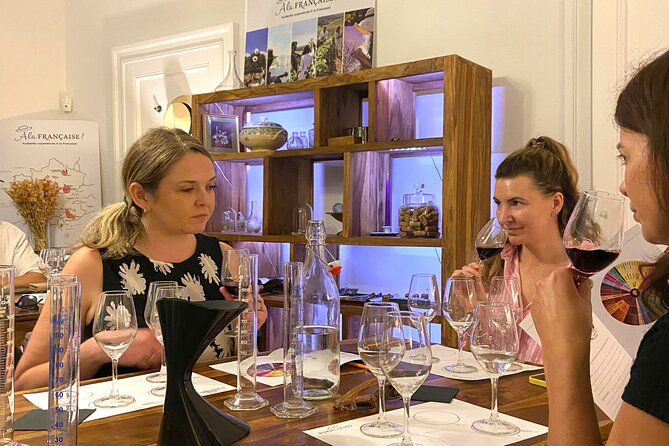
The workshop begins with an overview of France’s major wine regions. You are not confined to Bordeaux alone. The tasting may include wines from Burgundy, Côtes du Rhône, Bordeaux, and the Loire Valley, giving you a quick way to compare how place, grape, and production choices affect the bottle.
This broader selection is a strength if you want a foundation in French wine. Burgundy introduces a different regional identity from Bordeaux. The Rhône and Loire add more points of comparison. You will not become an expert in four wine regions in one sitting, but you can begin to hear why French wine labels often require more interpretation than labels from countries that put the grape name front and center.
One useful lesson covers terroir, the idea that soil, climate, slope, and local conditions help shape a wine. Another covers appellation, the legally defined place and production rules behind many French wines. These terms can sound academic until you connect them to the glass in front of you.
The setting is seated and informal. That works well for a morning activity, especially if you want to ask questions without the pace of a moving sightseeing tour. Guides have included Gabriel, Victoire, Fabien, Chloé, Dorian, Carol, Hugo, Rémi, and Hector. The exact guide depends on the date, but the experience is designed around a live instructor rather than a recorded presentation.
Learning to read a French wine label
French wine labels often name the region or appellation instead of making the grape the main clue. That can frustrate you if you are used to scanning a bottle for Merlot, Cabernet Sauvignon, or Sauvignon Blanc.
This class explains how to approach the label. You learn terms tied to French wine regions and classifications, then taste examples as the information is presented. That order helps. You are not simply hearing a definition of appellation and moving on. You can connect the term with an actual wine.
I consider this one of the most practical parts of the workshop. It can help you make sense of a wine list in Bordeaux, compare bottles in a shop, or remember why two wines from the same broad region may taste quite different. The lesson is introductory, so it will not replace a specialist course. It should, however, leave you less dependent on a server or shop employee to explain every French bottle.
Using your senses instead of guessing
The tasting section covers the basic mechanics of wine tasting. You look at color, smell the wine for aromas, and taste for flavors and structure. You also learn how to describe what you like.
That last step is easy to overlook. Many people know they enjoy a wine but cannot explain why. This workshop gives you vocabulary for preferences, such as fruit-forward, lighter, fuller, more structured, or more aromatic, although the exact terminology used can vary by guide.
A smelling exercise is part of the experience. It turns aroma recognition into a light challenge rather than a stern test. You should not worry about getting every answer right. Wine aromas can be hard to identify, and the useful skill is learning to pause, smell, and compare instead of swallowing quickly.
The class suits beginners because the guide explains the basics in an informal way. It also has enough material for people who already drink wine. One participant with prior tasting experience still found the discussion of blending and wine structure useful. That is a good sign for couples or groups with mixed experience levels.
A different way to spend the day, same corner of France:
- Medoc or Saint Emilion Wine Tasting and Chateau from Bordeaux
★ 5.0 · 1,415 reviews - Saint Emilion Day Trip with Sightseeing Tour & Wine Tastings from Bordeaux
★ 5.0 · 1,120 reviews - Saint-Émilion: Grand Cru Classé Winery Visit and Tasting
★ 4.6 · 1,118 reviews - Saint Emilion Half-Day Trip with Wine Tasting & Winery Visit from Bordeaux
★ 4.5 · 1,034 reviews
Seven or eight wines with a modest food pairing
The included tasting is described as seven different wines, while the fuller experience description says you may sample eight. The safest expectation is at least seven wines, with the final number depending on the session.
The wines represent France beyond Bordeaux, then lead into the Bordeaux-focused blending exercise. This gives you a generous amount to taste during a short class. It is enough for comparison, but you should pace yourself and use the tasting as an educational session rather than treating it like a drinking contest.
Food comes as a French appetizer platter. Expect cured meats, cheese, fresh bread, and chocolate. The pairing helps reset your palate and makes the class feel social, but it is not a meal. One person found the amount of food limited, so eat beforehand if you need a proper breakfast or lunch.
The food is also useful for showing how wine changes with a bite of something salty, creamy, or sweet. The class is not sold as a full pairing course, but the platter adds context to the glasses and gives you something to enjoy between explanations.
How the 10:30 am schedule fits a Bordeaux visit
You meet at 3 Rue d’Enghien, 33000 Bordeaux, at 10:30 am. The activity ends back at the same meeting point, and there is no hotel pickup or drop-off.
A morning start makes this easy to place early in a Bordeaux itinerary. You can use the afternoon for a vineyard outing, a museum, or a walk through the city. It also makes sense before a winery visit because you will have already learned the basic terms and tasting habits.
The timing needs a little care. The top-line duration is about one hour and 30 minutes, while the detailed description calls it a two-hour workshop. I would leave a two-hour window in your plans and avoid booking a tight lunch reservation immediately afterward.
The central meeting point is useful, but you are responsible for getting there. The booking includes a mobile ticket, and confirmation is provided at booking. Since the class is popular and is booked an average of 29 days ahead, reserve early if your Bordeaux dates are fixed.
Small group, English instruction, and the guide’s role
The maximum group size is 12. That is small enough for the blending exercise to feel personal, though the class can still have a full-table energy when everyone is tasting and comparing notes.
The instructor makes a real difference. Guides who have led the class include Gabriel, Victoire, Fabien, Chloé, Carol, Dorian, Hugo, Rémi, and Hector. Past sessions have been praised for clear explanations, patience, friendly presentation, and the ability to handle questions about grapes, winemaking, and even cognac.
You should expect the guide to shape the mood. Some sessions may feel more like a formal lesson, while others may be looser and more conversational. The supplied information identifies the guide as a professional sommelier, but one account questioned whether the instructor fit that exact title. I would book this for the teaching and tasting format, not for a guaranteed certification-level sommelier lecture.
The class is offered in English. French language instruction is not included, so English-speaking visitors can take part without needing to know French wine vocabulary in advance.
Is $54.42 a fair price?
At $54.42 per person, the value rests on what you want from the tasting. You receive at least seven wines, an appetizer platter, an English-language guide, and the blending activity. For a short introduction that combines regional context with a hands-on lesson, that is a reasonable price in Bordeaux.
The blending exercise is the part that separates this from a basic wine flight. A standard tasting might offer more polished service or a larger pour, but it would not necessarily teach you how two grapes work together. Here, you pay for instruction as much as for the wine.
The price is less attractive if you want a vineyard visit, a full meal, or a long tour of Bordeaux’s wine country. There is no transportation outside the meeting point, and the class ends where it begins. If you are looking for châteaux, cellar visits, or vineyard views, choose a separate excursion.
For a first morning in Bordeaux, I see the fee as fair. You leave with vocabulary, label-reading skills, and a better sense of your own taste. Those benefits can help you make smarter choices during the rest of your trip.
Who will enjoy this class most
This is a strong choice for a first-time French wine drinker who wants a friendly starting point. You do not need prior knowledge, and the tasting format keeps the information tied to real examples.
It also suits an experienced wine drinker who enjoys blind tasting, comparison, and discussion. The blending exercise can be surprisingly useful even if you already know the major Bordeaux grapes. You may learn less about individual estates, but more about how a blend changes in the glass.
Couples, small groups of friends, and celebratory groups can all fit the format. One group used it for a hen party, and the combination of learning, food, and wine made it a social activity without requiring a full day away from Bordeaux.
I would be more cautious if you do not drink alcohol, need a substantial meal, or want a purely Bordeaux-only lineup. The workshop includes wines from several French regions, and the food is limited to appetizers.
The minimum drinking age is 18. Most people can participate, but pets are not allowed. No special accessibility details are provided, so contact the operator before booking if you have specific mobility or access needs.
Cancellation and booking advice
You can cancel for a full refund up to 24 hours before the start time. Changes or cancellations made inside that window are not accepted for a refund, and cut-off times follow Bordeaux’s local time.
The experience requires a minimum number of participants. If the operator cancels because that minimum is not reached, you will be offered another date or experience, or receive a full refund.
Because the class is often reserved several weeks in advance and the group is capped at 12, I would not wait until the last day if you have only a short stay in Bordeaux. Check the exact duration shown at booking, then leave extra time after the class.
Should you book the Bordeaux wine masterclass?
Book it if you want more than a row of tasting glasses. The French regions overview, label lesson, sensory practice, and Merlot-Cabernet Sauvignon blend give you several ways to understand what is in your glass.
I especially recommend it before visiting Bordeaux’s vineyards. You will arrive with enough vocabulary to follow a cellar explanation and enough tasting practice to notice differences for yourself. At $54.42, it is a sensible introduction for beginners and a pleasant refresher for experienced drinkers.
Skip it if you want a château tour, vineyard transport, a full meal, or a Bordeaux-only flight. For everyone else, this small English-language workshop offers a practical and sociable start to the region’s wine culture.
FAQ
Where does the Bordeaux wine masterclass start?
The class starts at 3 Rue d’Enghien, 33000 Bordeaux, France.
What time does the class begin?
The scheduled start time is 10:30 am.
Where does the activity end?
The activity ends back at the meeting point on 3 Rue d’Enghien.
How long does the workshop last?
The listed duration is about one hour and 30 minutes, while the detailed description refers to a two-hour workshop. Allow roughly two hours in your schedule.
How many wines are included?
The included section lists seven different wines. The detailed description says you may taste eight, so expect at least seven wines.
Which French wine regions are represented?
The workshop may include wines from Burgundy, Côtes du Rhône, Bordeaux, and the Loire Valley.
Is the class offered in English?
Yes. The experience is offered in English. French language instruction is not included.
What food is included?
You receive a French appetizer platter with cheese, cured meat, fresh bread, and chocolate.
What grapes do I use for the blending exercise?
You create a custom blend using Merlot and Cabernet Sauvignon, two grape varieties local to Bordeaux.
Is there a minimum drinking age?
Yes. The minimum drinking age is 18.
How many people can join the class?
The maximum group size is 12 participants.
Is hotel transportation included?
No. Hotel pickup and drop-off are not included.
Are pets allowed?
No. Pets are not allowed.
Can I cancel for a refund?
Yes. You can cancel at least 24 hours before the start time for a full refund. Cancellations or changes made less than 24 hours before the start time are not accepted for a refund.
Recently reviewed around Bordeaux
- Au Cœur du Château – VSOP D’USSÉ & XO BARON OTARD★ 4.5 · 108 reviews
- retro road trip/ Méhari, 2CV & Burton in Rochefort, La Rochelle★ 5.0 · 28 reviews
- Discover Braastad Cognac★ 5.0 · 52 reviews
- Bordeaux bike tour “The Best of Bordeaux”★ 5.0 · 164 reviews
- Saint Emilion Full Day Wine and Bike Tour★ 5.0 · 167 reviews
- Saint-Emilion Food and Wine Day Tour★ 5.0 · 323 reviews
- Virtual Room Bordeaux – 1st team virtual reality experience★ 5.0 · 47 reviews
- Private Bordeaux History Tour with a glass of Bordeaux wine.★ 5.0 · 28 reviews
Wine Tours, compared.
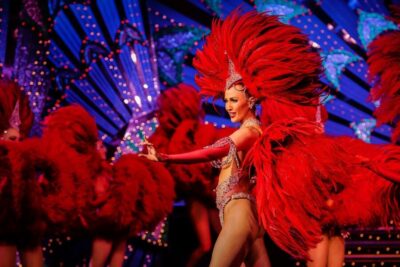
Moulin Rouge Cabaret Show Ticket with Champagne
Read our review →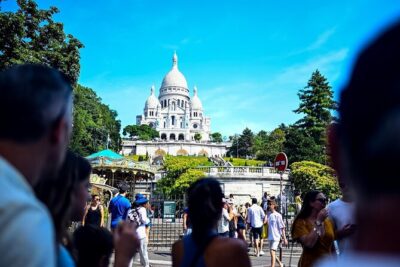
Authentic Parisian Gourmet Food Tour with 10 Local Dishes & Wines
Read our review →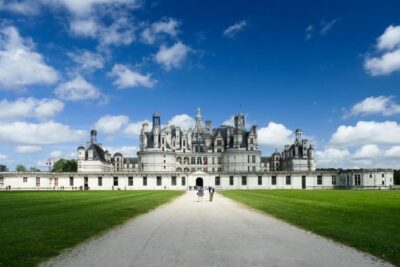
Loire Valley Castles Day Trip from Paris with Complementary Wine
Read our review →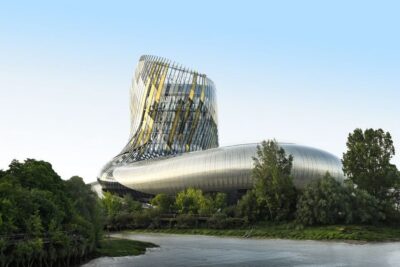
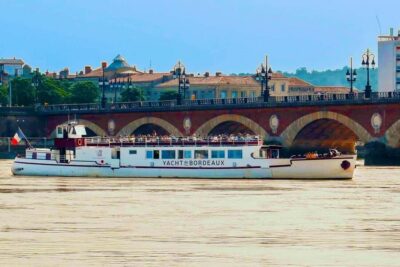
River Garonne Cruise with Glass of Wine and Canelé
Read our review →
Montmartre Hill French Gourmet Food and Wine Tasting Walking Tour
Read our review →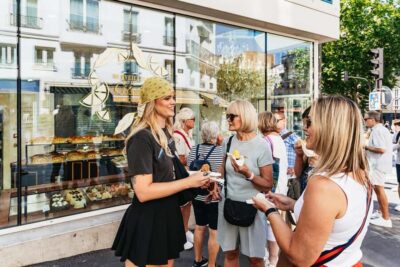
Montmartre Cheese, Wine & Pastry Guided Walking Tour
Read our review →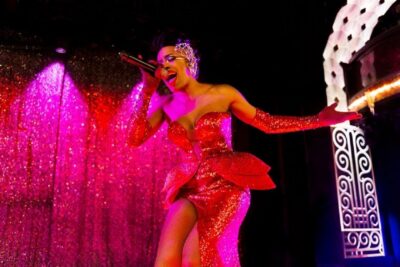
Paradis Latin Cabaret Show with Optional Champagne
Read our review →Browse the lists this tour appears in