
Reviewed · WINE TOURS
Bordeaux Wines Masterclass paired with cheeses & charcuterie
Bordeaux wine can look like a code until someone explains the map, grapes, and labels in plain English. This small-group class does exactly that, using six regional wines and local cheese and charcuterie to show why Left Bank and Right Bank bottles taste different.
I like the smart tasting order, especially the single-grape reds that let you notice each variety before blends muddy the picture. I also like the central location, two steps from the Grand Théâtre, and the way hosts such as Hugo, Vincent, Noe, Antoine, and Matilde adjust the lesson to the group.
The main caution is timing. It is scheduled for about 90 minutes, but one session ran longer, so do not place a tight lunch, train, or museum booking immediately afterward. The room has also been described as hot on one occasion, and traditional cheese can bring a strong smell.
In This Review
- Key points at a glance
- Why this Bordeaux class is more than a wine tasting
- A central start near Bordeaux’s Grand Théâtre
- The first glass teaches you how to taste
- Three single-grape reds explain Bordeaux blending
- Left Bank, Right Bank, and one Grand Cru
- Cheese, charcuterie, and the practical side of pairing
- The teaching style depends on your host
- What $54.42 buys you
- Timing, age limits, and booking advice
- Who should book this class
- Should you book the Bordeaux Wines Masterclass?
- FAQ
- Where does the Bordeaux wine class begin?
- What time does the experience start?
- How long does the masterclass last?
- How many wines are included?
- Is food included?
- Do I need previous wine knowledge?
- Are children and pets allowed?
Key points at a glance
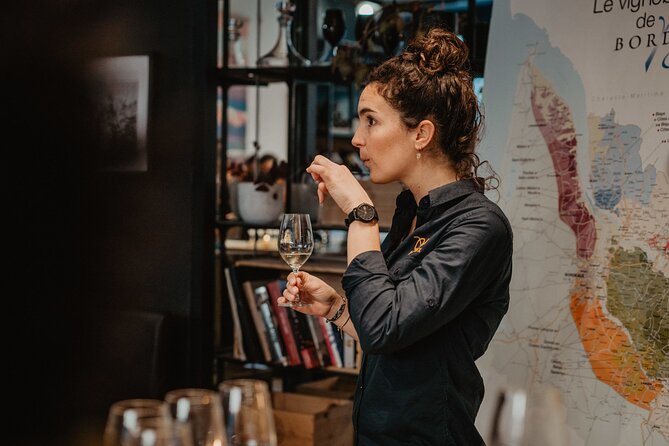
- Six planned pours: One white wine, three single-grape reds, and two finer Bordeaux wines, including one Grand Cru.
- A real wine lesson: Cover terroir, appellations, vinification, aging, storage, service, and food pairing.
- Useful Right Bank and Left Bank comparison: The final two wines show how Bordeaux’s two major sides differ.
- Small-group setting: The maximum is 10 people, with private tours available in suitable cases.
- Local food pairing: Artisanal cheeses, charcuterie, and fresh baguette make the tasting feel grounded in Bordeaux.
- Excellent overall value: At $54.42 per person, the class combines instruction, six wines, food, and a central meeting point.
Why this Bordeaux class is more than a wine tasting
Many wine tastings give you a glass, a short speech, and a few tasting notes. This one is set up more like a relaxed wine-bar lesson. You sit with a local wine professional and learn how to look at, smell, taste, and discuss what is in your glass.
That difference matters in Bordeaux. A bottle may be labeled by château, appellation, or vintage rather than by the grape on the front. If you are new to French wine, this can make choosing a bottle feel needlessly difficult.
The class gives you a working vocabulary. You learn what terroir means, how appellations relate to place, why Bordeaux producers blend grapes, and how winemaking and aging affect the final wine. You do not need prior knowledge, and the hosts have experience explaining the subject to beginners as well as people who already drink Bordeaux regularly.
The tone is educational but not stiff. Sensory exercises, including scent identification, help turn abstract ideas into something you can actually recognize. You may not leave able to identify every château blind, but you should have a better idea of what to order and where to explore next.
More Bordeaux trips worth a second look
- Bordeaux: Cité du Vin Entry Ticket and Wine Tasting
★ 4.6 · 3,885 reviews - Bordeaux: River Garonne Cruise with Glass of Wine and Canelé
★ 4.5 · 3,630 reviews - From Bordeaux: Afternoon Saint-Emilion Wine Tasting & snack
★ 4.8 · 1,581 reviews
A central start near Bordeaux’s Grand Théâtre
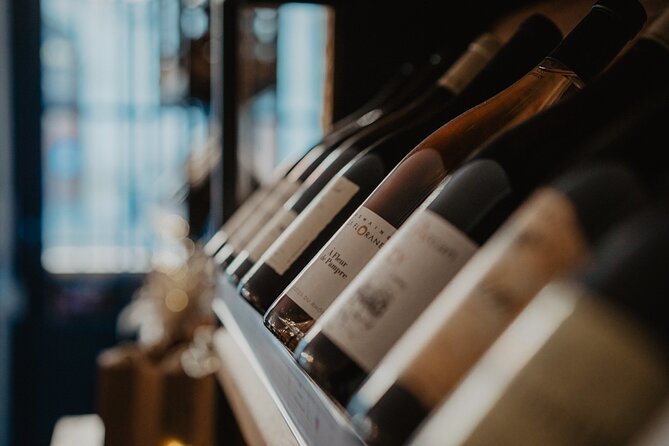
The class begins at 2ter Rue Mably at 11:00 am. That puts you in the center of Bordeaux, close to the Grand Théâtre and public transportation, so it is easy to fit into a morning of sightseeing.
The meeting place is a small storefront that looks like the published photographs. Inside, the atmosphere is somewhere between a tidy tasting room and a casual wine bar. You return to the same place at the end, with no coach ride or walking tour to complicate the schedule.
That simple setup is part of the appeal. You spend your time learning rather than crossing town. It also means the experience is not a château visit. You will not tour vineyards, cellars, or grand estates during these 90 minutes. Instead, you get a compact introduction before deciding which parts of the Bordeaux region deserve a longer visit.
The group limit is 10 people. That is small enough for questions and individual attention, though the exact feel depends on the day’s attendance. Private tours or tastings are available for people who need a more personal arrangement.
The first glass teaches you how to taste
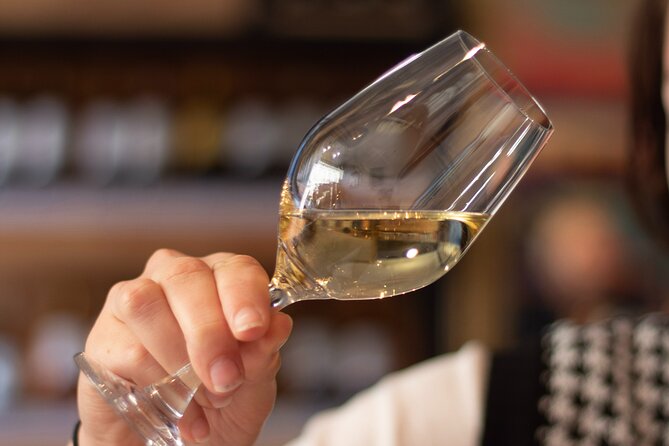
The tasting begins with a white Bordeaux wine. This is a useful opening because the host can introduce a general method without assuming that you already know the language of wine.
You will look at the wine, smell it, taste it, and think about how the sensations change. The point is not to perform like a sommelier. It is to slow down and notice what is in the glass.
The instructor also explains the role of smell, including primary, secondary, and tertiary aromas. That may sound technical, but it becomes practical when you are asked to connect a scent with a familiar food, fruit, herb, or spice.
The white wine also breaks up the usual Bordeaux stereotype. Bordeaux is famous for reds, but the region makes white wines too. Starting with white gives the class a broader picture and makes the later comparison with red wines easier to follow.
Three single-grape reds explain Bordeaux blending
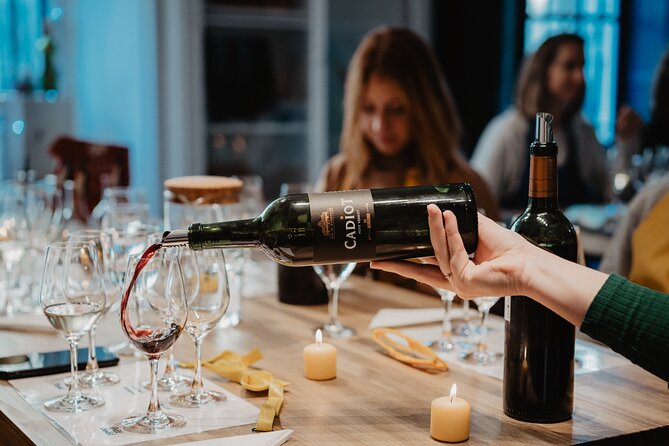
Next come three regional red wines made from single grape varieties. This is one of the strongest parts of the experience because Bordeaux wines are commonly blends.
Tasting individual varieties side by side helps you understand what each grape brings to the finished wine. You can compare structure, fruit, aroma, and texture before seeing how a winemaker might combine them. For a first-time Bordeaux drinker, this is far more useful than tasting three unrelated bottles and receiving a list of tasting notes.
The host also links grapes to the region’s two broad sides. The Left Bank and Right Bank do not use exactly the same mix of grapes or present them in the same way. Place, soil, climate, and winemaking choices all play a role.
You should not expect a full technical course in viticulture. The class is short, and the wine selection can change. Still, the single-grape format gives you a clear reference point that many casual tastings skip.
A different way to spend the day, same corner of France:
- Medoc or Saint Emilion Wine Tasting and Chateau from Bordeaux
★ 5.0 · 1,415 reviews - Saint Emilion Day Trip with Sightseeing Tour & Wine Tastings from Bordeaux
★ 5.0 · 1,120 reviews - Saint-Émilion: Grand Cru Classé Winery Visit and Tasting
★ 4.6 · 1,118 reviews - Saint Emilion Half-Day Trip with Wine Tasting & Winery Visit from Bordeaux
★ 4.5 · 1,034 reviews
Left Bank, Right Bank, and one Grand Cru
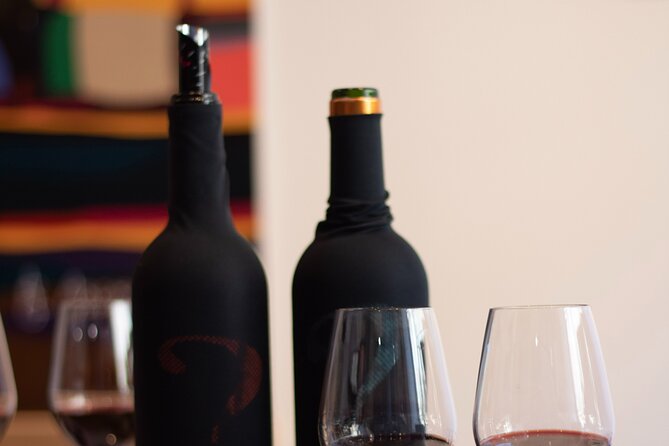
The final stage includes two finer wines: one from the Left Bank and one from the Right Bank. One of these is a Bordeaux Grand Cru.
This is where the earlier lessons come together. You have already tasted individual grape varieties, learned about blending, and discussed appellations. Now you can consider how a finished Bordeaux wine expresses its origin and style.
The Left Bank and Right Bank comparison is especially useful if you plan to explore beyond central Bordeaux. One class cannot tell you everything about every appellation, but it can give you a map in your head. You will have a better sense of why a bottle from one side may appeal to you more than one from the other.
The wines are selected for teaching rather than for a parade of famous labels. That is important when you judge the price. Some pours may be excellent without being the most prestigious bottles you could taste in Bordeaux. The real value lies in the comparison and explanation, not in expecting six luxury wines.
Cheese, charcuterie, and the practical side of pairing
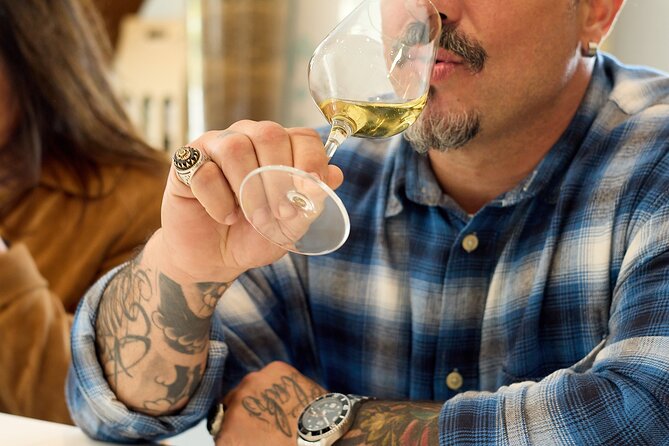
The food is simple and well suited to the lesson: local cheeses, charcuterie, and fresh baguette. Water is available, and the board is served as part of the tasting rather than as a separate meal.
The pairing serves two purposes. First, it gives you a pleasant snack alongside the wine. Second, it shows how food changes the way wine tastes. A salty cured meat or creamy cheese can make a wine seem softer, sharper, fuller, or less fruity.
Do not book this expecting a full lunch. The board is an accompaniment, not a restaurant-style meal. If you are hungry at 12:30, plan another place to eat afterward.
The artisanal cheeses may have a noticeable French aroma. That is not a flaw for most cheese lovers, but it is worth knowing if strong cheese smells bother you. One report also described the room as uncomfortably warm on a hot July day. That appears to be an occasional comfort issue rather than a standard feature, but a light layer and sensible expectations are wise in warm weather.
The teaching style depends on your host
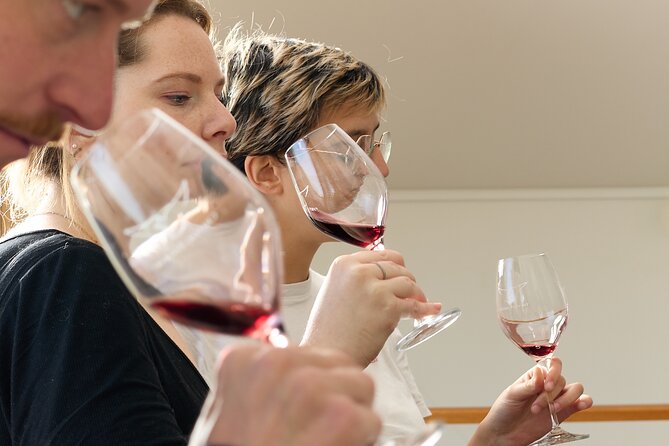
The strongest part of the class is the person leading it. Antoine has been praised for making complex subjects easy to understand. Hugo is described as friendly and clear, with a strong focus on Bordeaux’s regions, history, and theory.
Vincent is particularly good at guiding people through the region’s wine areas and explaining how appellation, château, and location can help you choose a bottle. Noe uses the senses carefully, showing how to recognize different kinds of aromas and how a wine changes with food.
Matilde has led a convivial class with clear explanations of regional grapes and food matches. Ana has been described as patient and attentive to different needs within the group.
The host assigned to your session may vary, so you should not book solely to meet one named instructor. The consistent strength is the teaching format: clear explanations, questions from the group, and a willingness to adjust the discussion to the audience’s level.
That flexibility makes the class suitable for beginners. It also helps experienced wine drinkers because you can ask more specific questions about appellations, blending, or tasting technique.
What $54.42 buys you
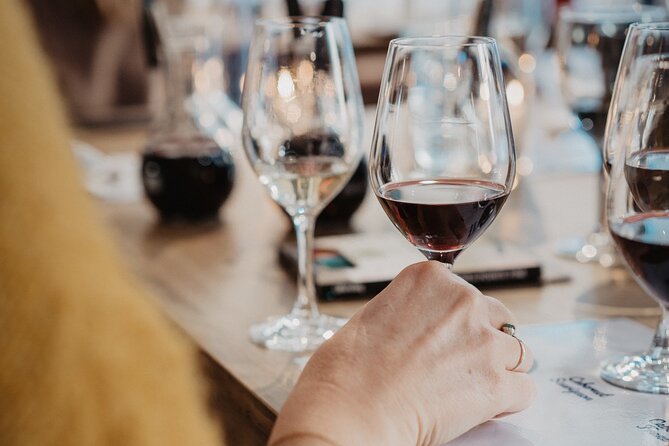
At $54.42 per person, this is not the cheapest way to drink wine in Bordeaux. You could buy a bottle and a few snacks for less. But that misses the main point of the experience.
Your fee covers six planned alcoholic pours, the cheese and charcuterie board, baguette, water, printed information, and instruction from a local wine professional. You are also paying for a structured comparison that would be difficult to recreate on your own.
I consider the price fair for a first visit to Bordeaux, especially if you are likely to order wine in restaurants or visit shops during the rest of your stay. The class can save you from staring helplessly at French labels and gives you a clearer idea of which areas or styles to investigate.
The value is lower if you already have extensive knowledge of Bordeaux and want rare, expensive bottles. The wines are chosen to teach, and the selection can vary. Think of this as a practical orientation, not a collector’s tasting.
Timing, age limits, and booking advice
The advertised duration is about one hour and 30 minutes. Plan for a little extra time because the discussion can continue beyond the formal schedule, especially when the group asks questions.
The activity is offered in English. Children under 16 are not allowed, and pets are not permitted. Service animals are allowed. If you are arranging a private tasting for a special group, confirm the details when booking.
The experience is often booked about 31 days ahead, which suggests that morning spaces can fill during busy periods. The start time is fixed at 11:00 am, so it works well as an early activity before lunch and afternoon sightseeing.
You receive confirmation at booking. Free cancellation is available up to 24 hours before the local start time. Cancellations or changes made inside that window are not refunded or accepted.
Who should book this class
I would choose this for a first visit to Bordeaux, especially if you want to understand the region before spending money on bottles or château excursions. It is also a good match if French wine labels confuse you or if you want a simple introduction to Right Bank and Left Bank styles.
Wine drinkers with some experience can still get value from the single-grape comparison, sensory exercises, and discussion of food pairing. The class is short enough to fit into a busy city break, yet substantial enough to give you a useful framework.
I would skip it if your main goal is to visit vineyards, walk through historic cellars, or taste only prestigious wines. This is a city-center workshop, not a countryside tour. I would also avoid scheduling it before an appointment you cannot move, since the session may run long.
Should you book the Bordeaux Wines Masterclass?
Yes, if you want a friendly and practical introduction to Bordeaux wine. The strongest reasons are the clear structure, small group size, local food, and side-by-side comparison of grape varieties and Bordeaux regions.
Book it early if the 11:00 am slot suits your plans. Keep your afternoon flexible, arrive ready to ask questions, and treat the cheese board as a generous snack rather than lunch.
At $54.42, the class earns its price through instruction and comparison rather than luxury pours. For most visitors, it is a useful first step toward ordering, shopping, and choosing future wine visits with more confidence.
FAQ
Where does the Bordeaux wine class begin?
It begins at 2ter Rue Mably, 33000 Bordeaux, France, two steps from the Grand Théâtre.
What time does the experience start?
The class starts at 11:00 am.
How long does the masterclass last?
The scheduled duration is approximately one hour and 30 minutes. It may run longer if the discussion continues.
How many wines are included?
The planned tasting includes one white wine and five red wines, for six alcoholic beverages in total. The wines and schedule may vary while the quality of the offer remains the same.
Is food included?
Yes. The experience includes a board of local cheeses and charcuterie, along with fresh baguette. Water is also available.
Do I need previous wine knowledge?
No. The class is designed for all levels and explains tasting, terroir, grape varieties, appellations, winemaking, aging, storage, and service from the basics.
Are children and pets allowed?
Children under 16 and pets are not allowed. Service animals are allowed. A private tour or tasting may be more suitable in some cases.
Recently reviewed around Bordeaux
- Au Cœur du Château – VSOP D’USSÉ & XO BARON OTARD★ 4.5 · 108 reviews
- retro road trip/ Méhari, 2CV & Burton in Rochefort, La Rochelle★ 5.0 · 28 reviews
- Discover Braastad Cognac★ 5.0 · 52 reviews
- Saint Emilion Full Day Wine and Bike Tour★ 5.0 · 167 reviews
- Bordeaux bike tour “The Best of Bordeaux”★ 5.0 · 164 reviews
- Saint-Emilion Food and Wine Day Tour★ 5.0 · 323 reviews
- Virtual Room Bordeaux – 1st team virtual reality experience★ 5.0 · 47 reviews
- Private Bordeaux History Tour with a glass of Bordeaux wine.★ 5.0 · 28 reviews
Wine Tours, compared.
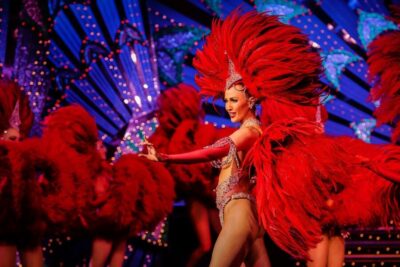
Moulin Rouge Cabaret Show Ticket with Champagne
Read our review →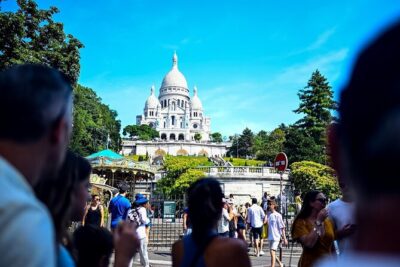
Authentic Parisian Gourmet Food Tour with 10 Local Dishes & Wines
Read our review →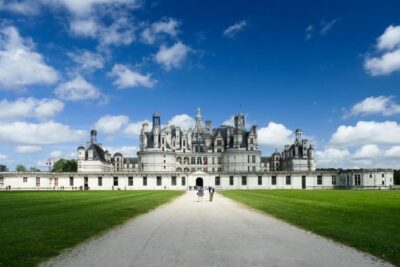
Loire Valley Castles Day Trip from Paris with Complementary Wine
Read our review →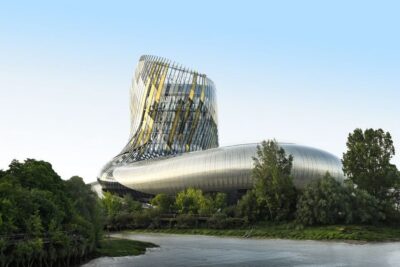
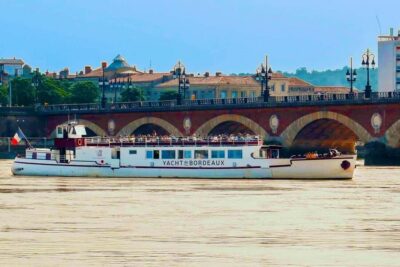
River Garonne Cruise with Glass of Wine and Canelé
Read our review →
Montmartre Hill French Gourmet Food and Wine Tasting Walking Tour
Read our review →
Montmartre Cheese, Wine & Pastry Guided Walking Tour
Read our review →
Paradis Latin Cabaret Show with Optional Champagne
Read our review →Browse the lists this tour appears in