
Reviewed · WINE TOURS
Bordeaux:Wine Masterclass & Blending workshop with appetizer
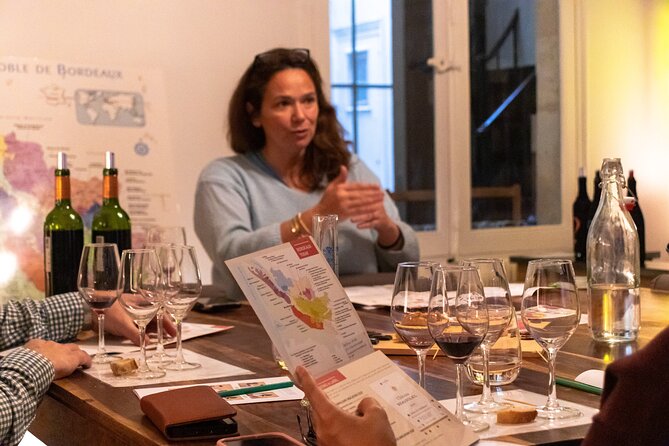
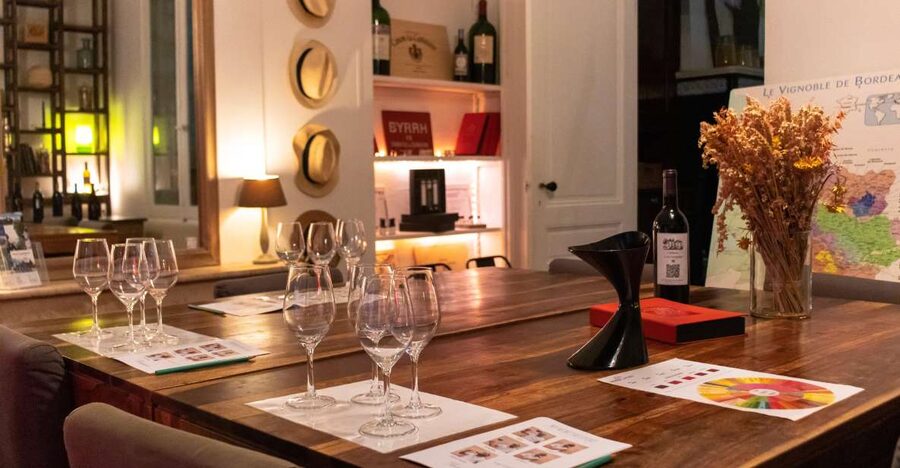
Bordeaux wine makes more sense once you taste it side by side. In this 90-minute workshop, you compare single-grape wines, sample blends, and try to identify a famous Bordeaux wine blind. It is less about showing off fancy vocabulary and more about learning what is in your glass.
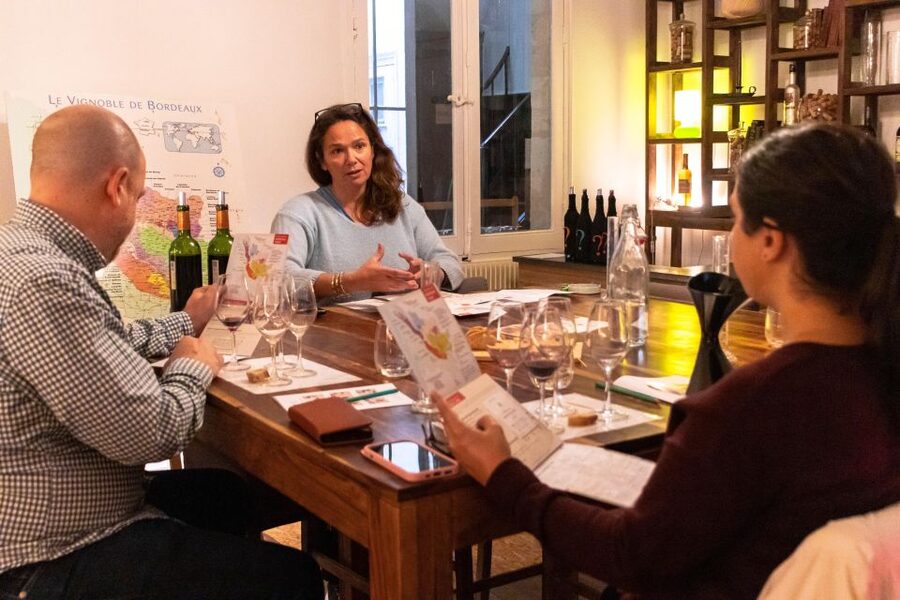
I like the hands-on blending session, where you create your own cuvée, and the small-group format, limited to 12 people. The cheese, charcuterie, bread, and dark chocolate also make this feel like a French apéritif rather than a dry classroom lesson. One consideration: a very small group can feel personal, but it may also feel more exposed if you are shy about guessing aromas or flavors.
In This Review
- Key points to know
- A practical introduction to Bordeaux wine
- Six wines, tasted in a useful order
- The cuvée workshop is the main attraction
- A blind tasting without the pressure
- The French apéritif adds real value
- Why the small group matters
- What you learn about Bordeaux in 90 minutes
- Meeting point and timing in central Bordeaux
- Is $53 a fair price?
- Who will enjoy this class most?
- Should you book the Bordeaux blending workshop?
- FAQ
- How long does the Bordeaux wine workshop last?
- Where does the wine class meet?
- How many wines are included?
- Is the blending activity hands-on?
- What food is served?
- Is the class taught in English?
- What is the maximum group size?
- Can one person book the class?
- Is the activity suitable for people with mobility impairments?
- Can I cancel for a full refund?
Key points to know
- Six French wines in one sitting: Taste white and red wines, single-varietal examples, Bordeaux blends, and a wine served blind.
- You make your own cuvée: The blending exercise gives you a practical sense of how Bordeaux wines are assembled.
- Classic French pairings: Fresh bread, sausage, cheese, and dark chocolate accompany the tasting.
- Central Bordeaux meeting point: Meet at À La Française’s apartment at 3 Rue d’Enghien by 10:25 a.m. for the 10:30 start.
- English-speaking instruction: The session is conducted in English by a professional wine educator.
- Good value for a first Bordeaux lesson: At $53 per person, the price covers six tastings, instruction, the blending activity, and an apéritif.
A practical introduction to Bordeaux wine
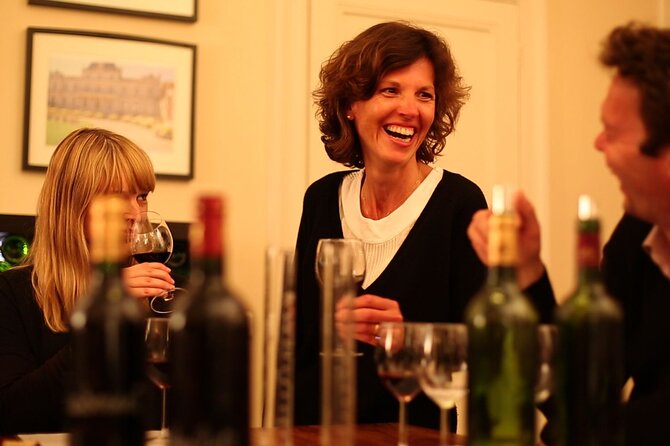
Bordeaux can seem complicated because its wines are usually known by their place rather than by a single grape. This workshop gives you a useful shortcut. Instead of memorizing every château and appellation, you taste the building blocks first, then see how those parts work together.
You begin with a welcome glass of white wine and a glass of red wine. These opening pours are not just a pleasant start. They help the educator explain the basics of tasting, including how to look at color, smell the wine, notice texture, and compare what you sense with what is actually in the glass.
That basic lesson matters if wine menus make you nervous. You do not need to identify every aroma correctly. You are learning how to pay attention, describe what you notice, and make a reasonable guess.
The class is designed for people who want more than a quick tasting at a wine bar but do not want a full-day trip through the vineyards. It gives you context for Bordeaux while keeping the pace social and manageable.
More Bordeaux trips worth a second look
- Bordeaux: Cité du Vin Entry Ticket and Wine Tasting
★ 4.6 · 3,885 reviews - Bordeaux: River Garonne Cruise with Glass of Wine and Canelé
★ 4.5 · 3,630 reviews - From Bordeaux: Afternoon Saint-Emilion Wine Tasting & snack
★ 4.8 · 1,581 reviews
Six wines, tasted in a useful order
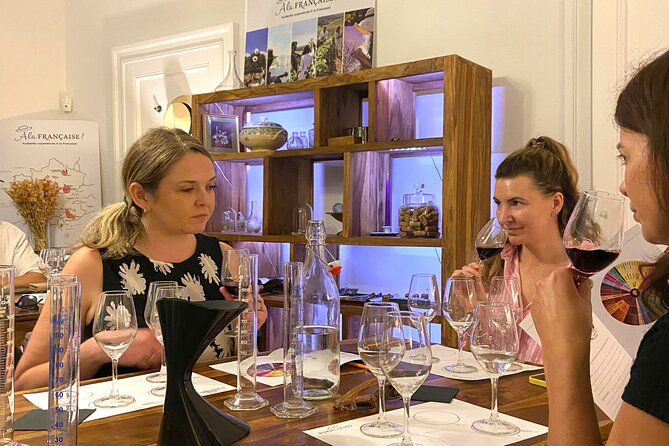
The tasting has a clear progression. You first learn the method, then examine grape varieties, then compare blends, and finally test yourself with a blind tasting.
Bordeaux’s main red grapes include Merlot and Cabernet Sauvignon. The educator introduces these varieties through two single-varietal wines. This is especially helpful because Bordeaux bottles do not always make the grape blend obvious to a newcomer.
The point is not to decide that Merlot is always soft or Cabernet Sauvignon is always powerful. Wine changes with growing conditions, winemaking, age, and the place where the grapes are grown. Still, tasting the varieties separately gives you a reference point before you taste them combined.
You may also taste white wine early in the session, but the central lesson focuses on Bordeaux’s red-wine blending tradition. The opening white and red glasses help you compare broad styles before the more specific work begins.
With six wines overall, the session offers enough variety to show real differences without turning into an exhausting drinking marathon. The portions are tasting glasses, not full servings. That is appropriate for a morning class and lets you focus on the lesson.
The cuvée workshop is the main attraction
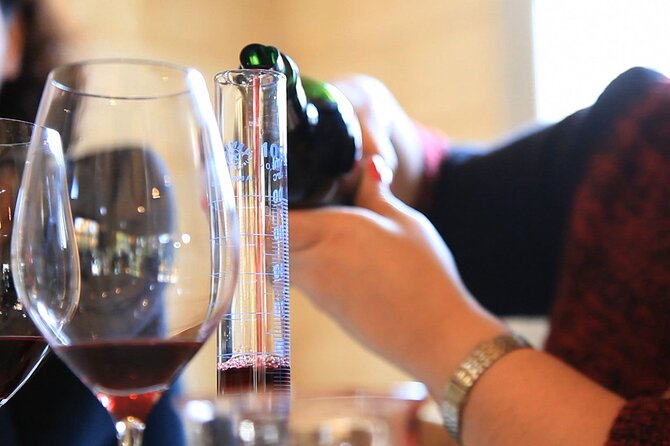
The most distinctive part of the class is the blending exercise. You taste two blended wines prepared in front of you, then work with the idea of creating your own cuvée.
In Bordeaux, blending is not a side note. A finished wine can combine different grape varieties to balance structure, fruit, acidity, tannin, and aroma. This workshop lets you see that process in a direct way.
You are not simply told that one blend is different from another. You taste the difference. A wine with more Merlot may feel different from one with more Cabernet Sauvignon. The exact result depends on the wines used, but the lesson is clear: small changes in a blend can affect the final character.
This is valuable for two reasons. First, it makes Bordeaux’s traditional approach easier to understand. Second, it gives you a new way to judge wine at home. After the class, you may pay closer attention to grape percentages on a label or to the difference between a single-grape wine and a regional blend.
The exercise also removes some of the mystery from winemaking. You do not need technical training to take part. The educator guides you through the comparison and helps you think about balance rather than searching for a single correct answer.
A blind tasting without the pressure
The blind tasting comes near the end, after you have learned the basic method and tasted several styles. A famous Bordeaux wine is presented without immediately telling you where it comes from, and you try to guess its origin.
This is a good final test because it uses the skills from the rest of the class. You look, smell, taste, and consider the wine’s character. The aim is not to win a contest. It is to show how much you can notice when you slow down.
Wine tasting can sometimes feel like an exam, particularly when one person uses confident language and everyone else stays quiet. The educator’s role is important here. The stated approach is to explain that there are no right or wrong answers, since aroma and flavor can be personal.
Still, you should expect to be asked for your own impressions. One person who attended in a very small group felt overly watched when answering, especially when the educator compared responses between participants. That experience is not a general verdict on the class, but it is useful advice if you are uncomfortable speaking up. Go in knowing that guessing is part of the exercise, not a test of your worth as a wine drinker.
A different way to spend the day, same corner of France:
- Medoc or Saint Emilion Wine Tasting and Chateau from Bordeaux
★ 5.0 · 1,415 reviews - Saint Emilion Day Trip with Sightseeing Tour & Wine Tastings from Bordeaux
★ 5.0 · 1,120 reviews - Saint-Émilion: Grand Cru Classé Winery Visit and Tasting
★ 4.6 · 1,118 reviews - Saint Emilion Half-Day Trip with Wine Tasting & Winery Visit from Bordeaux
★ 4.5 · 1,034 reviews
The French apéritif adds real value
The food is a practical part of the experience, not just decoration. You pair the wine with fresh bread, sausage, cheese, and dark chocolate while discussing your tasting profile.
These foods show how wine behaves at the table. Cheese can change the way you notice acidity or fruit. Charcuterie gives you a salty, savory contrast. Dark chocolate creates a different match altogether. The pairings help you understand why French wine is often discussed with food rather than judged on its own.
At $53 per person, the platter helps make the price reasonable. You are paying for six wines, a professional educator, a blending activity, and an apéritif, not just a flight of small pours.
This is not lunch, and you should not book it as a substitute for a meal. The food is described as an appetizer platter. If you are hungry, plan a proper lunch afterward. The class ends around noon, so the timing works well before a midday meal in Bordeaux.
Why the small group matters
The maximum group size is 12. That is a sensible limit for a workshop involving questions, tasting comparisons, and a hands-on blending activity.
In a full group, you should have several chances to hear different impressions. One person may notice fruit, another may notice spice, and a third may focus on texture. That range can make the class more interesting because it reminds you that tasting is partly personal.
The group can be much smaller. One session had only two participants. The positive side of that arrangement is clear: the educator had plenty of time to answer questions, and the class could move at a relaxed pace. A small group can be especially useful if you want detailed explanations about Bordeaux’s grape varieties or the blending process.
The tradeoff is atmosphere. With only one or two other people, you may feel that every answer is under the spotlight. If you prefer a lively class with several voices, a session closer to the 12-person limit may suit you better. The operator requires at least two participants to run the activity, and the class may be cancelled with a full refund if only one person books.
What you learn about Bordeaux in 90 minutes
This workshop will not replace a vineyard visit or a full wine course. It does give you a compact introduction to the parts of Bordeaux that are most useful for a first visit.
You learn about the region’s wine-making history, the role of Merlot and Cabernet Sauvignon, and the idea that Bordeaux wines are often defined by blends. You also learn how to approach a glass in a restaurant without feeling lost.
That last point is easy to underestimate. Many wine classes concentrate on memorizing names. This one focuses more on tasting technique and comparison. You learn how to ask what you smell, what you taste, and how the wine feels in your mouth.
The lesson is also useful before a vineyard excursion. If you plan to visit Bordeaux’s wine country later, you will have a better sense of what to listen for when someone explains a château’s grapes or a wine’s blend. One participant who had already taken a Left Bank and Right Bank wine tour still found this class useful because it provided a different kind of information.
Meeting point and timing in central Bordeaux
The meeting point is À La Française’s apartment at 3 Rue d’Enghien, 33000 Bordeaux. You should arrive by 10:25 a.m. for the 10:30 start.
The listed schedule runs from 10:30 a.m. to noon. The activity is described as 90 minutes, so allow for a morning session that finishes around midday. Because the meeting point is an apartment rather than a vineyard or large commercial tasting room, check the address carefully and give yourself enough time to find the entrance.
There is no transport to the vineyards. You meet in Bordeaux for the class, which keeps the cost and time commitment low. This makes the experience a good fit if you have only a day or two in the city and want a wine lesson without giving up half a day to transport.
The session is in English. French-language instruction is not included. Pets are not allowed, and the activity is not suitable for people with mobility impairments.
Is $53 a fair price?
For Bordeaux, $53 is a reasonable price for a focused tasting class. Six wines alone would not explain the cost, but the educator, food, guided comparisons, blind tasting, and blending workshop add substance.
The best value comes if you take part actively. If you simply want to drink wine, a bar or shop tasting may be cheaper. If you want to understand why Bordeaux uses blends and how to taste with more confidence, this class offers more than a standard flight.
The 90-minute length also helps the value. You are not committing to a long seminar, and the morning timing leaves the rest of your day free. It is a compact activity for a first morning in Bordeaux or a useful refresher before visiting the wine-producing areas outside the city.
Free cancellation up to 24 hours before the start and the option to reserve without paying immediately make it easier to fit into a changing itinerary. The minimum-participant rule is worth remembering, but a cancellation for that reason comes with a full refund.
Who will enjoy this class most?
I would choose this experience for a first-time Bordeaux visitor who wants a clear introduction without needing prior wine knowledge. It also suits couples, small groups of friends, and solo participants who are comfortable joining a tasting class.
You will get the most from it if you enjoy comparison. Notice how the single-varietal wines differ from the blends. Pay attention to how the food changes the wine. During the cuvée exercise, think about balance rather than trying to produce a perfect formula.
It may be less suitable if you want a vineyard tour, a full meal, or a highly private lesson. It is also not the right fit if mobility limitations make an apartment-based tasting difficult.
The class has a strong overall score of 4.8 out of 5 from 54 ratings, with particular praise for the quality of the wine education and the chance to ask questions in a small group. At the same time, the experience can depend on the teaching style and the size of your session, so keep the interactive format in mind before booking.
Should you book the Bordeaux blending workshop?
Book it if you want to understand Bordeaux wine rather than simply sample it. The cuvée exercise is the feature that gives this class a purpose, while the six wines and French apéritif keep the lesson relaxed.
I would especially recommend it before a longer wine-country outing, or for anyone who feels unsure when ordering French wine. You leave with a better grasp of grape varieties, blending, and tasting language.
Skip it if you want a full vineyard day, a substantial lunch, or a quiet tasting with no questions directed your way. For a compact English-language lesson in central Bordeaux, though, $53 buys a useful morning and a more informed way to drink the rest of your trip.
FAQ
How long does the Bordeaux wine workshop last?
The activity lasts 90 minutes. It begins at 10:30 a.m. and ends around noon.
Where does the wine class meet?
Meet at À La Française’s apartment, 3 Rue d’Enghien, 33000 Bordeaux. You should arrive by 10:25 a.m.
How many wines are included?
You taste six French wines in total. The session includes white and red wine, single-varietal wines, blended wines, and a famous Bordeaux wine used for a blind tasting.
Is the blending activity hands-on?
Yes. You take part in a blending workshop and create your own cuvée after tasting blended wines prepared during the session.
What food is served?
The apéritif includes fresh bread, sausage, cheese, and dark chocolate. It is an appetizer platter, not a full lunch.
Is the class taught in English?
Yes. The live tour guide and wine educator teach the activity in English. French-language instruction is not included.
What is the maximum group size?
The group can include up to 12 people. At least two participants are required for the activity to operate.
Can one person book the class?
You can book as a solo participant, but the activity may be cancelled if only one person has reserved. If that happens, you will be contacted and receive a full refund.
Is the activity suitable for people with mobility impairments?
No. The experience is listed as unsuitable for people with mobility impairments.
Can I cancel for a full refund?
Yes. You can cancel up to 24 hours in advance for a full refund. You can also reserve now and pay later.
Recently reviewed around Bordeaux
- Au Cœur du Château – VSOP D’USSÉ & XO BARON OTARD★ 4.5 · 108 reviews
- retro road trip/ Méhari, 2CV & Burton in Rochefort, La Rochelle★ 5.0 · 28 reviews
- Discover Braastad Cognac★ 5.0 · 52 reviews
- Saint Emilion Full Day Wine and Bike Tour★ 5.0 · 167 reviews
- Bordeaux bike tour “The Best of Bordeaux”★ 5.0 · 164 reviews
- Saint-Emilion Food and Wine Day Tour★ 5.0 · 323 reviews
- Virtual Room Bordeaux – 1st team virtual reality experience★ 5.0 · 47 reviews
- Private Bordeaux History Tour with a glass of Bordeaux wine.★ 5.0 · 28 reviews
Wine Tours, compared.
Moulin Rouge Cabaret Show Ticket with Champagne
Read our review →
Authentic Parisian Gourmet Food Tour with 10 Local Dishes & Wines
Read our review →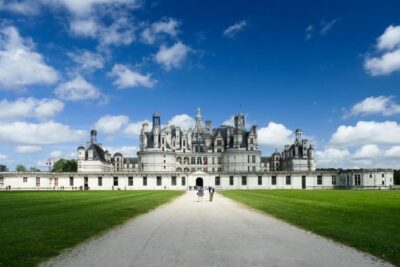
Loire Valley Castles Day Trip from Paris with Complementary Wine
Read our review →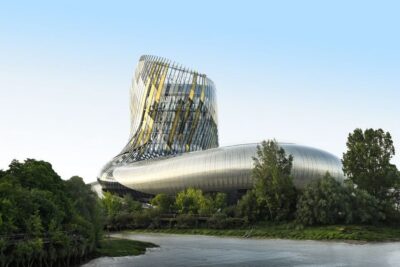
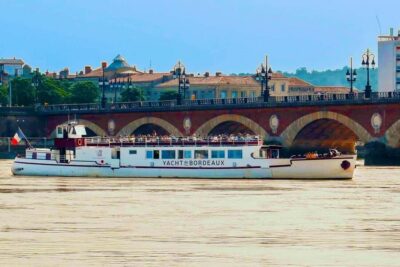
River Garonne Cruise with Glass of Wine and Canelé
Read our review →
Montmartre Hill French Gourmet Food and Wine Tasting Walking Tour
Read our review →
Montmartre Cheese, Wine & Pastry Guided Walking Tour
Read our review →
Paradis Latin Cabaret Show with Optional Champagne
Read our review →Browse the lists this tour appears in