
Reviewed · FRANCE
Domain visit
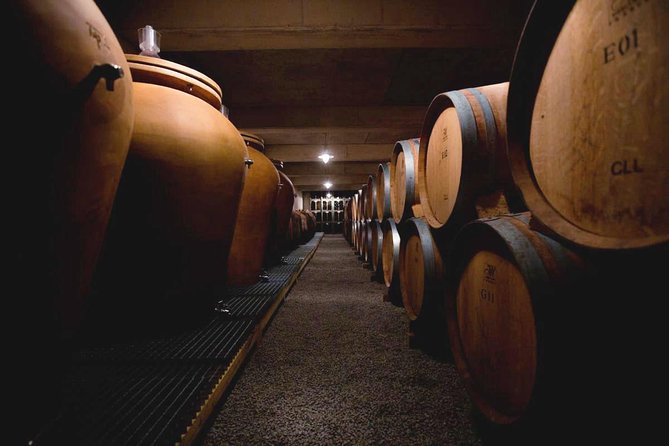
The most interesting part of this visit is the way it follows wine from the vineyards to the cellar. You’ll see the estate, the vat room, the wine cellar, and the amphora used for aging, then taste nine wines in the place where they were made.
I like the mix of practical winemaking and tasting, and I like that the visit includes white, rosé, and red wines rather than focusing on one style. The private format is another plus, since only your group takes part. The main point to consider is language: the tour is generally given in French, although the guides speak good English.
In This Review
- Key points at a glance
- A two-hour look at Château de la Selve
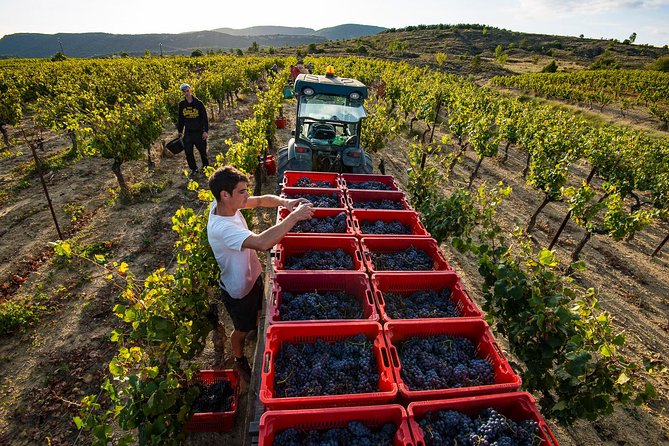
- Starting among the vineyards near the château
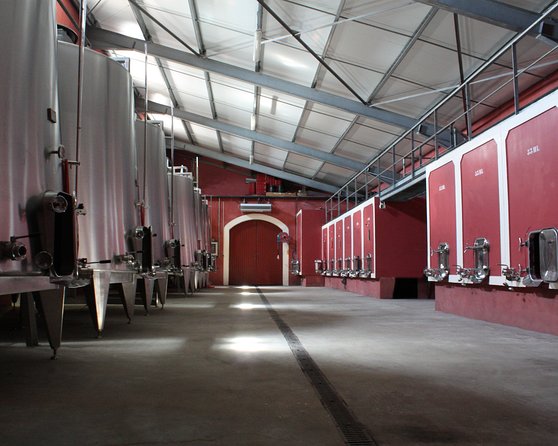
- Inside the vat room
- Amphora aging and the barrel sample
- Tasting nine wines in the cellar
- What the language arrangement means
- Is $14.38 a good price?
- Who will enjoy this Château de la Selve visit?
- Practical details before you book
- Should you book it?
- FAQ
- How long does the Château de la Selve visit last?
- Where does the tour start and finish?
- How many wines will I taste?
- Are white, rosé, and red wines included?
- Is the tour available in English?
- Can I cancel for a full refund?
Key points at a glance
- Nine estate vintages: Taste a broad selection of Château de la Selve wines, including white, rosé, and red styles.
- Wine from vineyard to cellar: The visit explains each stage, from the vines near the château through production and aging.
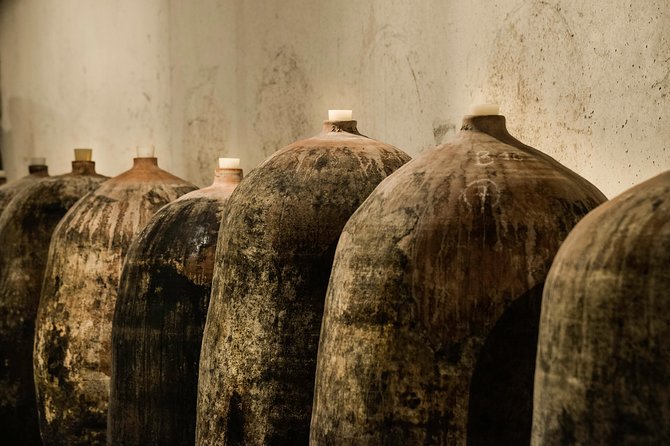
- Amphora aging: See how the estate uses amphora, a distinctive alternative to more familiar barrels and tanks.
- Barrel tasting included: You’ll taste one wine directly from the barrel during the visit.
- Private two-hour format: Only your group participates, making it easier to ask questions and set the pace.
- French first, English available: The tour is generally in French, but the guides speak good English.
A two-hour look at Château de la Selve
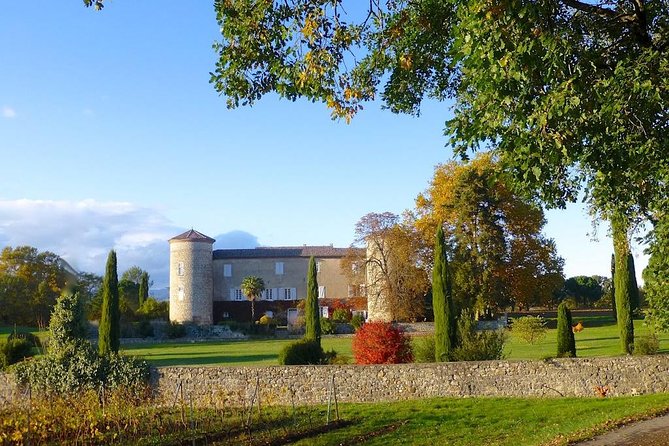
Château de la Selve sits at 3120 route d’Alès in Grospierres, in southern France. This is not a quick stop at a sales counter. The visit is built as a walk through the estate’s wine production, ending with a tasting in the cellar.
You should allow about two hours. That is long enough to give the process some shape without taking up an entire afternoon. You begin at the château, move through the production areas, and finish where the wine is stored and tasted.
The route matters. Instead of presenting bottles as isolated products, the guide connects them to the ground, equipment, and methods used to make them. If you are new to wine, this structure helps you understand what you are tasting. If you already know wine, you can focus your questions on fermentation, aging, and the estate’s organic approach.
The tour is private, so your group is the only group taking part. That can make a real difference at a winery. You are not trying to hear over a large crowd, and you can ask for clarification when a French wine term gets ahead of you.
Other France days travellers weigh against this one:
- Paris: Louvre Museum Timed-Entrance Ticket
★ 4.6 · 71,977 reviews - Disneyland® Paris 1-Day Ticket
★ 4.6 · 49,412 reviews - Paris: Versailles Palace and Gardens Full Access Ticket
★ 4.6 · 41,579 reviews
Starting among the vineyards near the château
The visit begins with the vineyards near Château de la Selve. This first stage gives you a useful starting point: wine begins with growing conditions and vineyard work long before anyone opens a bottle.
The tour explains the estate’s history and the stages of making its wines. The supplied details do not provide a long list of vineyard techniques, grape varieties, or harvest dates, so you should not expect a technical lecture on every farming choice. You will, however, get the larger picture of how the estate moves from vines to finished wine.
This part is especially helpful if you want more than a tasting. A bottle can seem mysterious when you only encounter it at a table. Seeing the vines first gives the later cellar visit a clear connection to the place.
The château setting also helps make the visit feel like an estate experience rather than a generic wine lesson. You are visiting a working property with a past, and the guide uses that setting to explain how the wine is made.
Inside the vat room
From the vineyards, the tour continues into the vat room. This is where the focus shifts from growing grapes to turning them into wine.
You can expect an explanation of the production stages, though the available information does not specify the exact equipment or fermentation schedule. That is worth keeping in mind if you are seeking a highly technical winery tour. This visit offers a guided overview, not a published laboratory report.
Still, the vat room gives the tour useful substance. It shows the middle step between field and cellar, which is often skipped during casual tastings. You can better understand why different wines need different handling and why the final bottle reflects more than grape type alone.
The estate’s organic approach is another important part of this section. You will learn how organic wine is made, though no detailed certification or farming standard is specified. The guide should be able to explain the estate’s process in person, and the private format gives you a good chance to ask what organic production means at Château de la Selve.
If this subject matters to you, ask for specific examples. It is easy for the phrase organic wine to remain vague unless you connect it to vineyard work, cellar choices, and the treatment of the grapes.
Amphora aging and the barrel sample
One of the more distinctive moments comes in the cellar, where you discover the estate’s use of amphora. These vessels offer a different way to age wine from the more familiar barrel. The visit does not promise a long technical comparison, but simply seeing amphora in use makes this stop more memorable.
You also get to taste one wine directly from the barrel. That is a useful contrast with the finished wines served later. A barrel sample may show a wine at an earlier stage, before it has reached its final form, so you can think about how aging changes character over time.
I like this pairing of sight and taste. You are not only told that aging happens. You see the vessel and taste a wine while it is still in that process. For someone curious about winemaking, that is likely to be the most unusual feature of the visit.
The cellar portion also brings the tour back to a simple point: wine is a sequence of decisions. The estate’s organic methods, the use of amphora, and the time spent in barrel all shape what reaches the tasting table.
A different way to spend the day, same corner of France:
- Paris: Evening River Cruise with Music
★ 4.4 · 22,721 reviews - Paris: Eiffel Tower Entry Ticket with Optional Summit Access
★ 4.4 · 20,035 reviews - Paris: Eiffel Tower Summit or Second Floor Access
★ 4.3 · 17,248 reviews - Paris: Louvre Guided Tour with Reserved Access & Boat Cruise
★ 4.3 · 16,353 reviews
Tasting nine wines in the cellar
The guided tour ends with a tasting of nine estate wines in the cellar. That is a generous number for a two-hour visit, especially at a price of $14.38 per person.
The selection includes white, rosé, and red wines. This range gives you a better sense of the estate than a tasting limited to one color. You can compare how the same property expresses different wine styles, and you can pay attention to the differences in freshness, body, aroma, and finish as the tasting progresses.
Nine samples can also be a lot. You may want to take your time and avoid treating the tasting as a race. The exact pour sizes and whether food is included are not specified, so do not assume this replaces a meal or includes a full food pairing.
The cellar setting adds atmosphere without needing elaborate extras. You are tasting in the place where the wines are aged and stored, after seeing how they are produced. That gives the final part of the visit a clear purpose.
The experience includes more than red wine, which is useful for couples or small groups with different tastes. A person who prefers rosé or white wine is not left with only a token alternative. At the same time, the number of wines means you may want to take notes if you are comparing bottles for a later purchase.
What the language arrangement means
The tour is generally in French, but the guides speak good English. That makes the visit possible for English-speaking visitors, though it may not feel like a fully English-led tour from beginning to end.
If your French is limited, pay close attention at the start and do not hesitate to ask the guide to repeat a point in English. Because the visit is private, your group can ask questions without holding up a larger crowd.
The available information does not name the individual guide, so you should not expect to book a particular person. What is clear is that the guides can explain the visit in English when needed.
This language setup may suit you well if you enjoy hearing local French and are comfortable with some back-and-forth. If you need every detail delivered in polished English, confirm the language arrangement before booking.
Is $14.38 a good price?
At $14.38 per person, the value is strong if you want both a winery visit and a substantial tasting. You receive about two hours of guided time, a look at the vineyard, vat room, and cellar, an explanation of organic winemaking, an amphora discovery, a barrel sample, and nine wines.
Many wine stops charge mainly for the tasting. Here, the tasting is tied to a full estate visit. The private format improves the value further, since only your group participates and you have more room for questions.
The price is less compelling if you only want to sample a few wines quickly. In that case, a two-hour visit may feel longer than necessary. It also does not specify food, transport, or additional purchases, so budget separately for those needs.
For anyone already planning to visit the Grospierres area, this is an affordable way to add a local wine stop. The price is low enough that the visit can work as a small part of a larger day rather than a major commitment.
Who will enjoy this Château de la Selve visit?
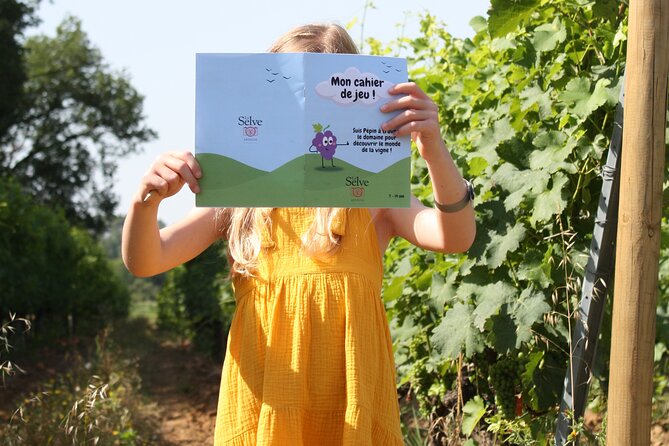
I would recommend this tour to you if you want a clear introduction to wine production without committing to a full-day wine program. The route has enough variety to hold your attention: vineyards, production, cellar, amphora, barrel, and tasting.
It also suits couples, families with adult wine drinkers, and small private groups. Most people can participate, and service animals are allowed. The activity is private, but the supplied details do not state a maximum group size, so confirm the arrangements if your party is large.
You will probably appreciate it most if you care about how wine is made, not only how it tastes. The organic methods and amphora aging give the visit a little more depth than a standard pour-and-go stop.
I would be more cautious if you dislike wine tastings, need a fully English-language presentation, or want detailed information about grape varieties and production methods that are not specifically promised. The tour gives you a broad, grounded introduction, but the exact level of technical detail may depend on the guide and your questions.
Practical details before you book
The meeting point is Château de la Selve, 3120 route d’Alès, 07120 Grospierres, France. The activity ends back at the same meeting point, so you do not need to arrange a separate finish location.
A mobile ticket is accepted, which makes access simple once you arrive. Booking confirmation is provided at the time of booking.
The tour is offered in English, but the regular language is generally French. If language is important to your decision, ask for an English explanation when arranging your visit rather than assuming the entire tour will be conducted in English.
You can cancel for a full refund up to 24 hours before the start time. Cancellations or changes made less than 24 hours before the local start time are not accepted for a refund.
Should you book it?
Book this visit if you want an affordable, private introduction to Château de la Selve that combines history, production, organic wine, amphora aging, a barrel sample, and nine estate wines. The broad tasting and the chance to see the wine at several stages give it real value.
Skip it if you want a short tasting only, a guaranteed full-English tour, or a highly technical study of grapes and cellar equipment. For most wine-curious visitors in Grospierres, though, the two-hour format and modest price make this an easy addition to a southern France itinerary.
FAQ
How long does the Château de la Selve visit last?
The visit lasts approximately two hours.
Where does the tour start and finish?
It starts at Château de la Selve, 3120 route d’Alès, 07120 Grospierres, France, and ends back at the same meeting point.
How many wines will I taste?
The tasting includes nine different vintages from the estate.
Are white, rosé, and red wines included?
Yes. The tasting includes white, rosé, and red wines.
Is the tour available in English?
The tour is generally conducted in French, but the guides speak good English. The activity is offered in English.
Can I cancel for a full refund?
Yes. You can cancel at least 24 hours before the experience start time for a full refund. Changes or cancellations made less than 24 hours before the local start time are not accepted for a refund.
Recently reviewed around France
- Louvre Private Tour – The Essentials and More with Expert Guide★ 5.0 · 227 reviews
- 2CV tour by night★ 5.0 · 55 reviews
- Eiffel Tower Second or Summit Floor Access by Elevator with Views★ 3.5 · 161 reviews
- 2 Hour Street-art Walk and Space Invaders Hunt in Paris★ 5.0 · 27 reviews
- 2 hour outdoor group activity in Paris: SAINT GERMAIN★ 5.0 · 48 reviews
- The only Paris Wine Tasting experience you need to do – 2 hours★ 5.0 · 265 reviews
- Sainte-Chapelle, Conciergerie & Palais de Justice Private Tour★ 5.0 · 72 reviews
- Private 2 – Hour Paris Landmarks Tour by Golf Cart Mini Moke★ 5.0 · 38 reviews