
Reviewed · WINE TASTINGS
From Avignon: Wine Tour with Visit to Châteauneuf du Pape
Three Southern Rhône wine areas, three very different styles, and at least nine wines make this a smart day out from Avignon. Arnaud of Ventourisme drives a small group of no more than six people to family-run estates, where his local connections can open doors that are not always easy to find on your own. The contrast between Muscat in Beaumes-de-Venise, red Gigondas, and powerful Châteauneuf-du-Pape gives the tour a clear sense of place.
I like the personal scale and the way Arnaud explains the vineyards as you drive, including wind, altitude, soil, and grape varieties. I also like the morning picnic, built around produce from local farms and Arnaud’s village, rather than a generic restaurant stop. The main consideration is the car: it can feel cramped with a full group, and the afternoon and winter versions do not include the picnic.
In This Review
- Key points to know before booking
- Why these three Rhône areas belong together
- The morning route, from Muscat to Châteauneuf-du-Pape
- The afternoon option for a flexible Avignon day
- What the small group adds, and what the car is like
- Arnaud’s role is more than driving between wineries
- Is $93 a good value?
- Best time to book this wine tour
- Who will enjoy it most?
- Should you book it?
- FAQ
- Where does the wine tour begin and end?
- How many wineries do you visit?
- How many wines are included?
- Is food included?
- What languages does the guide speak?
- How large is the group?
- Can I cancel or pay later?
Key points to know before booking
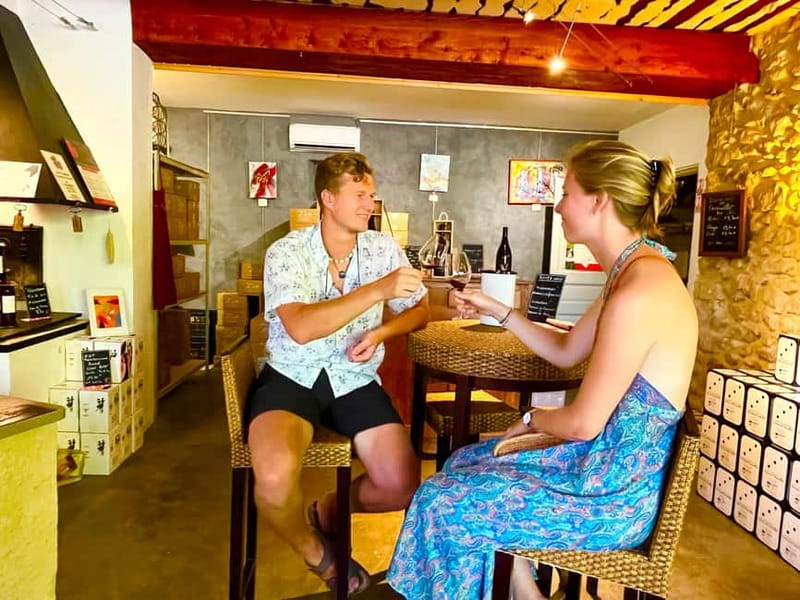
- Three appellations in one outing: Visit Beaumes-de-Venise, Gigondas, and Châteauneuf-du-Pape, each with its own climate, soil, and wine style.
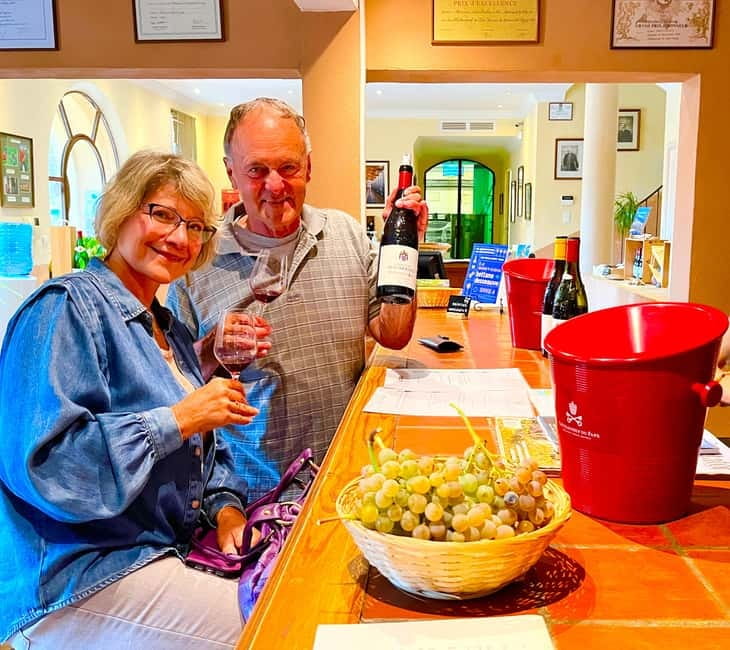
- At least nine tastings: You taste a minimum of three wines at each of three wineries, with the exact selection depending on the estates visited.
- Arnaud makes the drive part of the tour: He explains the region, vineyards, villages, and natural features between tastings.
- The morning picnic is seasonal: From April through October, it includes fresh local foods such as goat cheese, tapenades, eggs, fruit, and grape juice.
- Small groups matter: The vehicle carries up to six participants, creating a more personal visit than a large coach tour.
- The schedule changes by season: Morning summer tours include food, afternoon tours run year-round without a meal, and winter morning tours visit two estates.
Why these three Rhône areas belong together
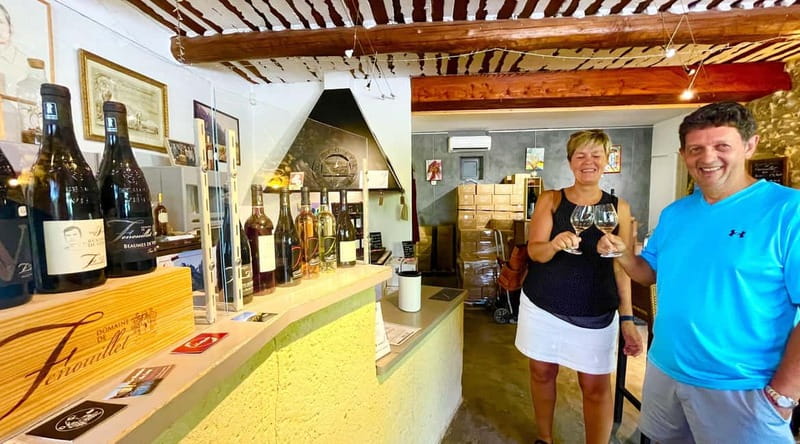
The tour works because it is not simply a drive to three tasting rooms. It connects three nearby but distinct wine districts around the Dentelles de Montmirail and the Rhône Valley.
Beaumes-de-Venise lies on the southern side of the Dentelles, a set of three pointed mountain ranges. The area is warmer and less exposed to wind than nearby vineyards, which suits Muscat, the sweet natural wine for which the appellation is best known. You may taste it as an aperitif, alongside blue cheese or charcuterie, or with dessert.
Beaumes-de-Venise also produces red wine, an appellation only since 2005. Winemakers may use up to 10 percent white grapes in the blend, and local soils include limestone, sandstone, sand, and clay. That variety helps explain why this first stop can offer more than one familiar flavor profile.
Gigondas occupies the northern side of the Dentelles and catches the Mistral. This cold, dry wind can blow roughly 150 days a year. It makes conditions harder for people in the vineyards, but it dries the vines after damp weather and helps reduce disease.
The vineyards rise from about 100 to 600 meters, or roughly 300 to 1,800 feet. Sandy marl is especially linked with Gigondas, along with clay, sand, limestone, and sandstone. Red wine has made the area famous since 1971, while rosé has also been permitted since then. White Gigondas is very new, joining the appellation in 2023, so do not expect the same range of whites you might find in a more established region.
Châteauneuf-du-Pape is the big name of the Southern Rhône and the tour’s final wine area on the summer morning route. About 92 percent of its production is red, with white wines accounting for the remaining 8 percent. It received France’s first appellation designation in 1936 and is now known around the world.
The large rounded river stones scattered through the vineyards are the area’s signature feature. Clay, sand, sandstone, and limestone also shape the soil. The wines are generally full and powerful, and good bottles can remain in a cellar for 20 to 30 years. That does not mean every bottle you taste will be ready for long aging, but it gives useful context when Arnaud explains why these wines cost more and taste so substantial.
More Wine Tastings in Avignon
- Chateauneuf du Pape wine tour
★ 5.0 · 484 reviews - From Avignon: Châteauneuf du Pape Half-Day Wine Tour
★ 4.7 · 365 reviews - Afternoon Wine Tour to Chateauneuf du Pape from Avignon
★ 4.5 · 176 reviews
The morning route, from Muscat to Châteauneuf-du-Pape
From April through October, the morning tour begins at 9:30 a.m. in front of Hôtel Le Bristol in Avignon and runs until about 3:30 p.m. It follows a natural route through Beaumes-de-Venise, Gigondas, and Châteauneuf-du-Pape.
The first tasting in Beaumes-de-Venise lasts about 45 minutes. This is the place to pay attention to the difference between a naturally sweet wine and a wine that is simply sweetened or made in a dessert style. Muscat can be served chilled before a meal, matched with blue cheese, or paired with dessert. You may also taste red wines from the area, which adds a useful surprise to the stop.
The Gigondas visit lasts about an hour. Here the emphasis is usually on reds, with the dry Mistral and higher vineyards providing a helpful explanation for the wine’s character. Arnaud’s commentary is valuable during this part of the outing because he links what you are tasting to the terrain around you instead of treating each bottle as an isolated product.
The picnic follows in or near Gigondas and takes about an hour. It is best understood as a generous regional snack rather than a formal restaurant lunch. The spread can include fresh goat cheese, bread, boiled eggs, black olive tapenade, sweet pepper tapenade, seasonal fruit, clementines, anchovies, and local grape juice. Some of the food comes from producers near Arnaud’s village, and past menus have included produce from his own garden.
This is one of the tour’s most appealing details. You get to taste local ingredients beside the vineyards, and the grape juice can create a neat connection with the wine you have just been sampling. If you expect a large hot meal, adjust your expectations. If you want fresh food and a relaxed pause between tastings, it should suit you well.
The final tasting takes place in Châteauneuf-du-Pape and lasts about an hour. This is the most famous name on the route, but fame does not guarantee that every tasting will be your favorite. The selection may include younger wines, and one stop has received criticism for offering Châteauneuf-du-Pape bottles that felt less impressive than wines tasted earlier in the day.
That is a useful reminder: the tour introduces you to the appellation, but it cannot promise that every estate or vintage will match your personal taste. You may love the deep, full reds, or you may prefer the lighter or sweeter styles encountered elsewhere. Arnaud can explain that difference without pressuring you to buy.
The vehicle returns to Hôtel Le Bristol in Avignon. Along the way, Arnaud may adjust the pace to accommodate questions, and an impromptu look at the castle in Châteauneuf-du-Pape has been possible when the group showed interest. Treat that as a possible extra, not a guaranteed part of the schedule.
The afternoon option for a flexible Avignon day
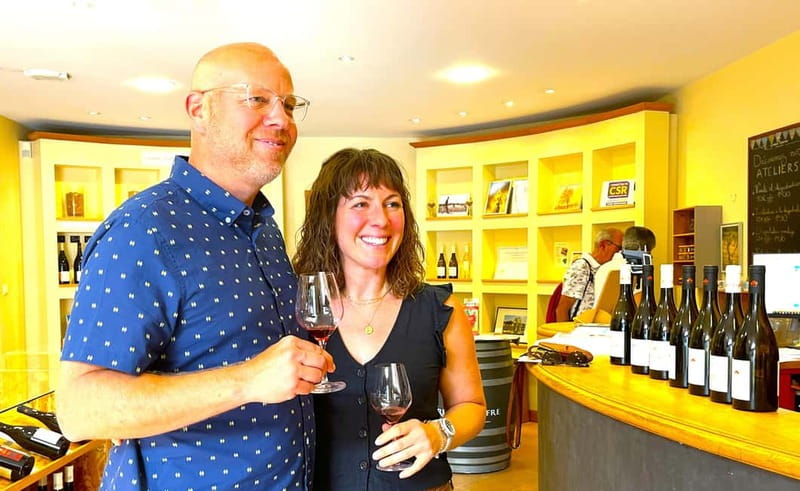
The year-round afternoon departure begins at 2:00 p.m. and usually returns around 6:30 p.m. It visits the same three areas in reverse order: Châteauneuf-du-Pape, Gigondas, then Beaumes-de-Venise.
This order makes sense if Châteauneuf-du-Pape is your main reason for booking. You start with the region’s best-known name, then move through the reds of Gigondas before finishing with the sweeter Muscat wines of Beaumes-de-Venise. It also leaves your morning free for Avignon’s historic center, the Palais des Papes, or a slower start.
The trade-off is food. The afternoon tour has no picnic, so eat before meeting the group. The three tastings still provide plenty to occupy the afternoon, but you should not count on them as a meal.
An afternoon departure may also feel more compressed because the tour covers three estates in roughly four and a half hours. Arnaud is known for allowing questions and avoiding a rushed feeling, but the time available is still limited. If you want the picnic and a longer countryside outing, choose the morning version between April and October.
What the small group adds, and what the car is like
The group is limited to six people, and that number changes the mood of the day. You can ask about a grape variety, a village, or a bottle without waiting for a busload of people to quiet down. At the wineries, the small size also fits the feel of boutique and family-run producers.
Arnaud’s relationships with the estates are another advantage. He knows the people pouring the wine and can add short stories about the properties, their history, and their place in the region. Several visits have included private-feeling cellar doors and a look inside barrel storage.
The vehicle is a black car marked Ventourisme on the sides. Pickup and drop-off are included in Avignon, with the usual meeting point in front of Hôtel Le Bristol. If you are staying outside Avignon itself, contact the operator in advance because a different pickup point may be possible.
Comfort is the weak spot. The car can feel tight with five or six people, and one person found it comfortable enough only with a smaller group. I would book this knowing that the reward is intimacy, not coach-style space. Do not bring large luggage, oversize bags, or a walking frame, since they are not allowed in the car.
More Avignon trips worth a second look
- Provence Cru Wine Small-Group Half-Day Tour from Avignon
★ 4.5 · 290 reviews - Châteauneuf du Pape Wine Day Tasting Tour including Lunch from Avignon
★ 5.0 · 287 reviews - Half-Day Provence Pont du Gard and Wine Tasting Tour from Avignon
★ 4.5 · 143 reviews - Wines from Châteauneuf-du-Pape and surrounding areas in 1/2 day
★ 5.0 · 96 reviews
Arnaud’s role is more than driving between wineries
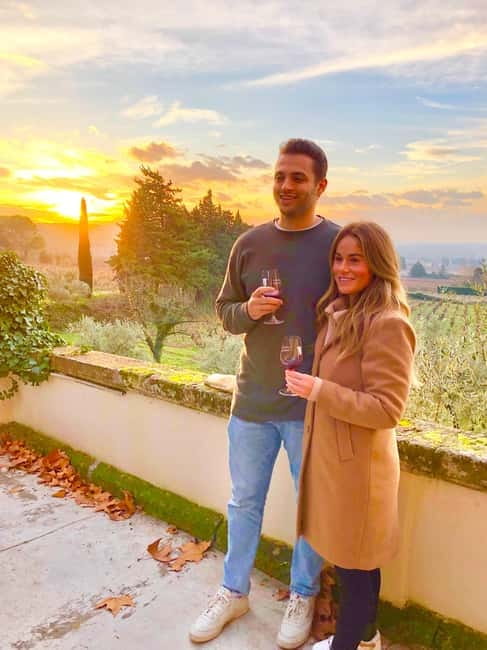
The guide makes a major difference here. Arnaud speaks French and English, and he can move between both languages when a group includes speakers of each. His English has been described as clear, and he is comfortable answering questions about wine, local food, villages, and other things to do around Avignon.
His value is especially clear during the drives. Instead of treating the road as dead time, he points out the natural features and explains how wind, elevation, soil, and small climate differences affect the vines. You begin to see the Dentelles, vineyards, and stone-built villages as part of the wine rather than as decoration outside the window.
He also seems relaxed about pace. If the group wants to ask more questions or linger over a tasting, the day may run longer than the listed time. That flexibility is pleasant, but it means you should avoid booking a tight connection immediately afterward.
The tone is friendly and informal. You can learn how to pronounce French words, ask beginner questions without embarrassment, and still get useful information if you already know Southern Rhône wine. That balance makes the tour suitable for both casual drinkers and serious enthusiasts.
Is $93 a good value?
At $93 per person, the price is strong for what is included. You receive transport from Avignon, at least nine wine samples across three wineries, a local picnic on the qualifying morning tour, and a guide who provides regional context throughout the day.
A self-guided version would require a car, fuel, designated drivers, advance planning, and winery appointments. The tasting fees alone could vary, and you would lose the benefit of someone who knows which small producers are open to visitors. The price also removes the stress of driving after several tastings.
The value is best on the April to October morning departure because the picnic adds food, local sourcing, and a proper pause in the countryside. The afternoon tour is still fairly priced for transport and tastings, but you should compare it with your own appetite and schedule.
Personal purchases are not included. You may find wines you want to take home, but there is no pressure to buy. Bring enough room in your luggage only if you plan to purchase bottles, and remember that the vehicle itself cannot carry large bags.
Best time to book this wine tour
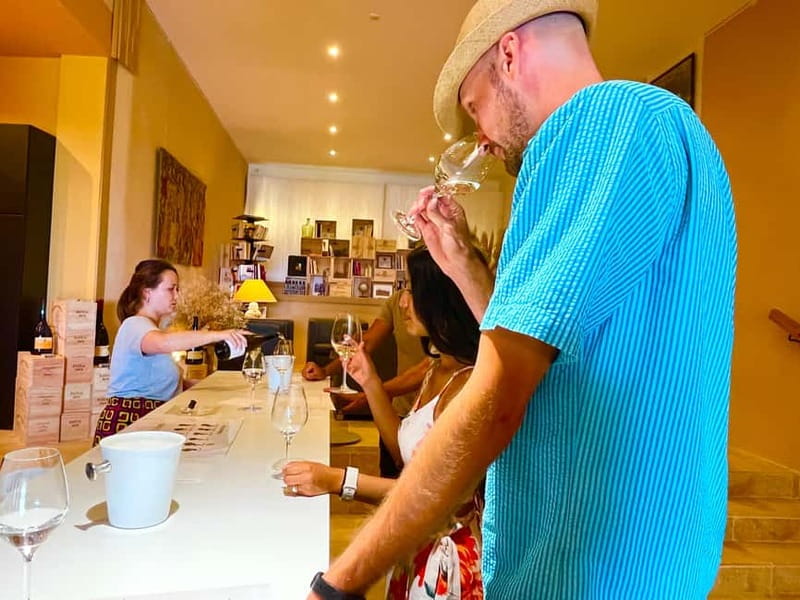
The full morning route operates from April through October. This is the version I would choose for a first visit because it includes all three appellations, the outdoor picnic, and enough daylight for vineyard views and photographs.
The afternoon version runs all year, including the colder months, and follows the reverse route without food. It is useful if you have a busy morning or prefer not to spend most of the day away from Avignon.
From November through March, the morning tour runs from 9:30 a.m. to about 12:30 p.m. and visits only two estates, in Gigondas or Beaumes-de-Venise, followed by Châteauneuf-du-Pape. There is no picnic in winter. This shorter option may work well in the off-season, but do not book it expecting the six-hour summer program.
Weather can cause cancellation, so keep a little flexibility in your plans. The tour also is not suitable for pregnant women or people with heart problems, according to the activity restrictions.
Who will enjoy it most?
I would recommend this experience to anyone staying in Avignon who wants to understand Southern Rhône wine without renting a car. It is especially good for people who prefer small producers, direct contact with winemakers, and a guide who can explain the countryside in plain language.
It also suits couples and small groups who want a social outing without a large bus. Solo participants can fit in well, though the limited seating means the group mix will shape the mood of the day.
Wine beginners should not feel out of place. The tour covers basic differences between sweet, red, rosé, and white wines while also explaining appellation rules and terroir. Experienced drinkers will appreciate the chance to compare three distinct areas in one trip, though the exact wineries and bottles are not fixed.
I would hesitate if you dislike long drives in a compact car, want a full restaurant lunch, or need a guaranteed selection of mature Châteauneuf-du-Pape wines. The tasting quality can vary by estate and vintage, and the famous name is not automatically the day’s best wine.
Should you book it?
Book this tour if you want a personal introduction to the Southern Rhône, value a local guide, and like the idea of tasting wine at smaller estates rather than moving through a large commercial operation. The strongest choice is the morning tour from April to October, when the picnic and longer countryside schedule make the $93 price especially appealing.
Choose the afternoon route if Châteauneuf-du-Pape is your priority or you need to protect your morning in Avignon. Choose the winter version only if you are happy with two estates and no picnic. For most visitors, the combination of three appellations, Arnaud’s regional explanations, and a small group makes this one of the more useful wine excursions from Avignon.
FAQ
Where does the wine tour begin and end?
The tour begins and ends in front of Hôtel Le Bristol in Avignon. The guide drives a black car marked Ventourisme. If you are staying outside Avignon, contact the operator to discuss a possible alternate pickup point.
How many wineries do you visit?
The main tour visits three wineries, one in Beaumes-de-Venise, one in Gigondas, and one in Châteauneuf-du-Pape. The winter morning option visits two estates in Gigondas or Beaumes-de-Venise, followed by Châteauneuf-du-Pape.
How many wines are included?
The main tour includes at least three different wines at each of three wineries, for a minimum of nine wines in total.
Is food included?
A picnic is included only on the morning tour from April through October. It uses fresh products from local farms and may include goat cheese, tapenades, eggs, seasonal fruit, fruit juice, and other regional foods. Afternoon tours and winter morning tours do not include a picnic.
What languages does the guide speak?
The tour is offered in French and English. Arnaud guides the experience and provides explanations during the drives and tastings.
How large is the group?
The group is limited to six participants. The small vehicle can feel cramped when it is full, so pack lightly and do not bring large luggage or a walking frame.
Can I cancel or pay later?
You can cancel up to 24 hours before the tour for a full refund. The reserve-now, pay-later option lets you book without paying immediately. Weather conditions can also cause the tour to be canceled.
Recently reviewed around Avignon
- Wine Tasting Tour at Châteauneuf du Pape★ 5.0 · 36 reviews
- Châteauneuf du Pape Wine Day Tasting Tour including Lunch from Avignon★ 5.0 · 287 reviews
- In the footsteps of Van Gogh in Provence from Avignon★ 4.5 · 102 reviews
- Wines from Châteauneuf-du-Pape and surrounding areas in 1/2 day★ 5.0 · 96 reviews
- Van Gogh & Carrières de Lumières Half-Day Tour from Avignon★ 4.5 · 29 reviews
- Morning Wine Tour to Chateauneuf du Pape from Avignon★ 4.5 · 70 reviews
- Lavender Route – Small-Group Day Trip from Avignon★ 5.0 · 120 reviews
- Nimes, Uzes & Pont du Gard Small Group FULL DAY Tour from Avignon★ 4.5 · 187 reviews
Wine Tastings, compared.

Montmartre Hill French Gourmet Food and Wine Tasting Walking Tour
Read our review →
Loire Valley Castles Day Trip With Wine Tasting
Read our review →
Afternoon Saint-Emilion Wine Tasting & snack
Read our review →
Medoc or Saint Emilion Wine Tasting and Chateau from Bordeaux
Read our review →
Saint Emilion Half-Day Trip with Wine Tasting & Winery Visit from Bordeaux
Read our review →
Champagne Day Trip with 6 Tastings, Reims and Winery from Paris
Read our review →Browse the lists this tour appears in