
Reviewed · WINE TOURS
Introduction to Bordeaux wines paired with cheeses & charcuterie
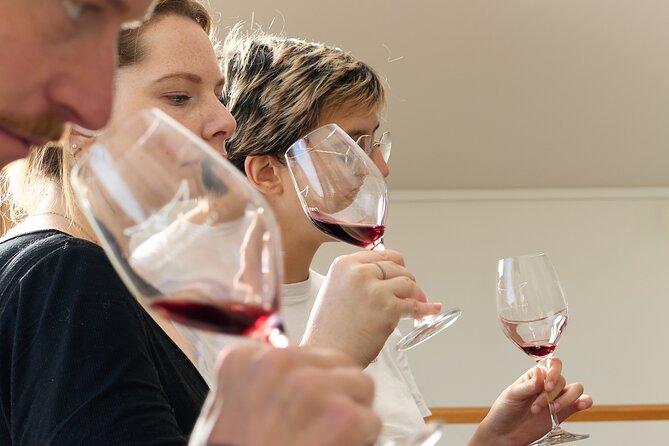
Bordeaux can feel like a code at first: left bank, right bank, Médoc, Libournais, grand cru, appellation. This one-hour tasting near the Grand Théâtre turns that code into something you can use, with three wines, local cheese, charcuterie, and a host who explains the basics without assuming you already speak wine.
I like the clear progression from tasting technique to Bordeaux geography, and I like the small-group format, capped at 12 people. The $35.09 price is fair for three pours, food, water, and a live wine lesson. The main drawback is time: some sessions feel rushed, and English delivery may vary by host or date.
In This Review
- Key points at a glance
- A useful first lesson in Bordeaux wine
- Starting with white wine and the tasting method
- Comparing Bordeaux’s left bank and right bank
- Cheese, charcuterie, and the food lesson
- The hosts make or break the hour
- A small room with a social feel
- Is $35.09 a fair price?
- Who should book this Bordeaux tasting?
- The smartest way to fit it into your day
- Should you book it?
- FAQ
- Where does the Bordeaux wine tasting begin?
- What time does the tasting start?
- How long does the experience last?
- How many wines are included?
- What Bordeaux regions are discussed?
- Is a grand cru included?
- Is food included in the price?
- Do I need wine experience to participate?
- Is the tasting offered in English?
- What is the cancellation policy?
Key points at a glance
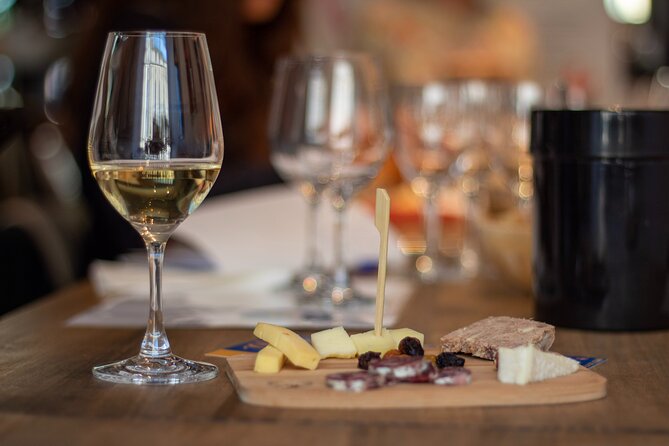
- Three wines with a useful purpose: Start with white wine, then compare red wines from Bordeaux’s left and right banks, including one grand cru.
- A practical Bordeaux primer: Learn terroir, grape varieties, appellations, and the basic steps of professional tasting.
- Local food included: Cheese, cold cuts, and fresh baguette give you a simple introduction to food and wine pairing.
- Small setting: With no more than 12 people, you should have a good chance to ask questions directly.
- Hosts set the tone: Past sessions have been led by Antoine, Toku, Toco, Anna, and Vincent, with strong praise for their humor and teaching style.
- Good for a short stay: The central location and roughly one-hour format fit neatly into an afternoon in Bordeaux.
A useful first lesson in Bordeaux wine
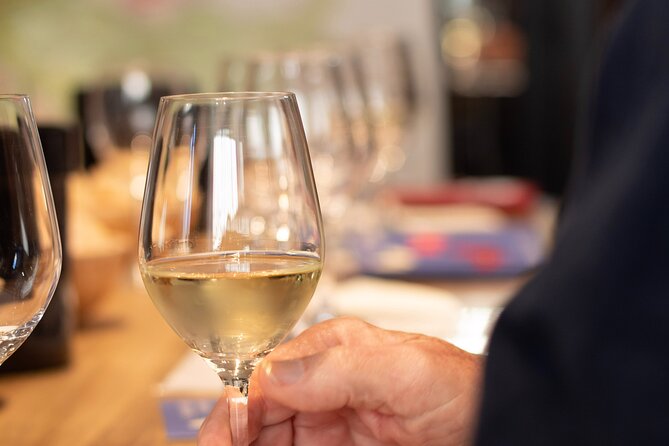
This experience is less a formal wine lecture than a friendly tasting workshop. You sit down with a local wine expert and work through the wines step by step, somewhere between a wine bar and a short oenology class.
That mix is the reason I find it appealing. You are not simply handed three glasses and left to guess what you are tasting. You get a method, a little regional context, and a chance to ask why one bottle tastes different from another.
You do not need prior knowledge. The host is expected to adjust the discussion for beginners and people who already know a little about wine. That matters in a subject where technical terms can quickly turn a pleasant afternoon into homework.
The experience takes place at 2ter Rue Mably, close to Bordeaux’s Grand Théâtre. You meet there at 2:30 pm, and the session ends at the same spot. It is near public transportation, so you can reach it without arranging a special ride or giving up a full day outside the city.
More Bordeaux trips worth a second look
- Bordeaux: Cité du Vin Entry Ticket and Wine Tasting
★ 4.6 · 3,885 reviews - Bordeaux: River Garonne Cruise with Glass of Wine and Canelé
★ 4.5 · 3,630 reviews - From Bordeaux: Afternoon Saint-Emilion Wine Tasting & snack
★ 4.8 · 1,581 reviews
Starting with white wine and the tasting method
The tasting begins with a glass of white wine. This first pour is used to explain the basic tasting process, including the universal method used in the wine trade.
The point is not to turn you into a professional sommelier in an hour. It is to give you a repeatable way to look at a wine, smell it, taste it, and describe what you notice. That is useful later in Bordeaux, when restaurant menus and bottle shops present you with unfamiliar names.
A structured method also helps you avoid one common beginner’s mistake: judging a wine only by whether you immediately like it. You learn to separate appearance, aroma, flavor, balance, and finish. Even a simple version of that process can make your next bottle more interesting.
The white wine is also a sensible opening. It gives the group a lighter starting point before moving to the two red wines and lets the host explain tasting basics without beginning with the more complicated question of Bordeaux’s red-wine classifications.
Comparing Bordeaux’s left bank and right bank
The two red wines are the heart of the session. One comes from Bordeaux’s left bank and the other from the right bank, with one identified as a Bordeaux grand cru.
This side-by-side comparison gives the geography a purpose. You are not memorizing two names for a quiz. You are tasting how different parts of the Bordeaux region can produce different styles, then connecting those differences to the area’s major wine zones.
The session introduces the Médoc on the left bank and the Libournais on the right bank. For a first visit, that is the right amount of regional detail. Bordeaux has a long list of communes, estates, classifications, and grape blends, but trying to cover all of it in an hour would only blur the picture.
The grand cru adds another useful layer. You can ask what the designation means and consider how a more prestigious wine differs from the other pours. Do not expect a full education in Bordeaux classification systems in this short format. Instead, think of the grand cru as a practical example within the larger lesson.
The host also introduces terms such as terroir, grape varieties, and appellation. These words are often used casually, but here they provide a basic framework:
- Terroir refers to the combination of natural conditions that influence a wine, including the soil and local environment.
- Grape varieties are the kinds of grapes used to make the wine.
- An appellation identifies a regulated wine-producing area and the rules connected with it.
You will not leave knowing every Bordeaux label. You should leave better prepared to understand what a label is trying to tell you.
Cheese, charcuterie, and the food lesson
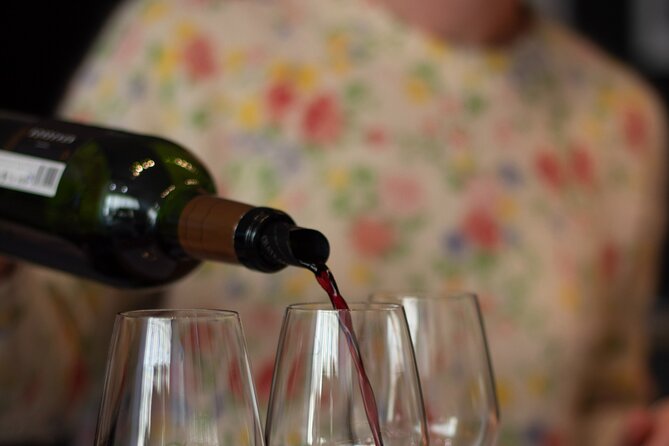
The food is simple and appropriate for the format. You receive an assortment of local cheeses and charcuterie, with fresh baguette available. Water is also included.
The board is not meant to replace lunch. It is there to give the wine something to meet on the palate and to show how food can change your perception of a pour. Salt, fat, acidity, and texture all affect how wine tastes, so the snacks add more than decoration.
I especially like that the food supports the cultural side of the experience. Bordeaux wine makes more sense when it is connected to the eating habits of the region, not treated as an isolated product in a glass.
Keep your expectations realistic about the pairing. The session includes food and discusses pairing basics, but it may not match every single cheese and cold cut with every wine in a detailed sequence. If you want a highly formal pairing menu, this is not that. If you want a pleasant introduction with enough food to make the tasting comfortable, it fits well.
One food allergy was accommodated during a session, which is encouraging. Still, you should provide any dietary information when booking and confirm it directly, since the published menu is based on cheese, charcuterie, and bread.
A different way to spend the day, same corner of France:
- Medoc or Saint Emilion Wine Tasting and Chateau from Bordeaux
★ 5.0 · 1,415 reviews - Saint Emilion Day Trip with Sightseeing Tour & Wine Tastings from Bordeaux
★ 5.0 · 1,120 reviews - Saint-Émilion: Grand Cru Classé Winery Visit and Tasting
★ 4.6 · 1,118 reviews - Saint Emilion Half-Day Trip with Wine Tasting & Winery Visit from Bordeaux
★ 4.5 · 1,034 reviews
The hosts make or break the hour
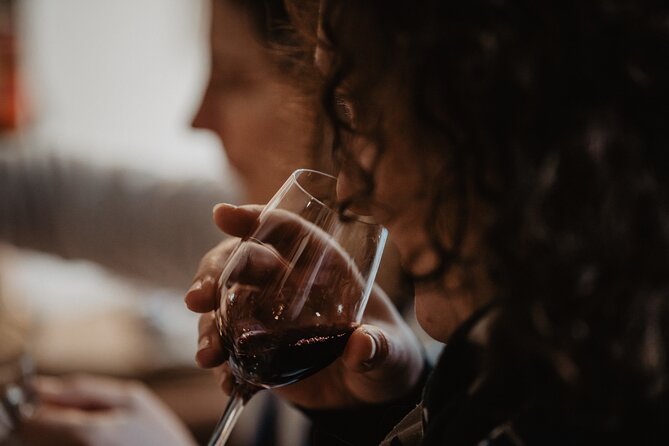
Wine education depends heavily on the person holding the bottle. A dry presentation filled with unexplained French terms could make this class drag. The strongest hosts here use humor, questions, and conversation to keep the subject approachable.
Antoine has led the experience more than once and is described as amusing, interactive, and good at helping people feel more confident. Toku, also referred to as Toco, has been praised for answering questions and offering ideas for things to do in Bordeaux. Anna has been associated with an informal session that included sensory challenges, while Vincent has led a relaxed private tasting.
Those details point to a flexible teaching style rather than a fixed speech. You can expect the host to explain Bordeaux’s wine regions and history, but you should also have room to ask about bottles, local outings, and how to choose wine after the class.
The strongest sessions seem to make wine feel less intimidating. That is a real benefit for anyone who normally avoids asking questions in a wine shop or restaurant.
There is one language point to consider. The activity is offered in English, but at least one session was conducted mainly in French despite an English booking preference. The facilitator tried to include English, and a translation app helped bridge the gap. Other English-language sessions went smoothly, so this is not necessarily a problem, but you may want to confirm the language when booking if it is essential to you.
A fast speaking pace or a strong French accent can also make parts of the explanation harder to follow. Do not hesitate to ask the host to repeat a term or slow down. With a maximum of 12 people, that request should be manageable.
A small room with a social feel
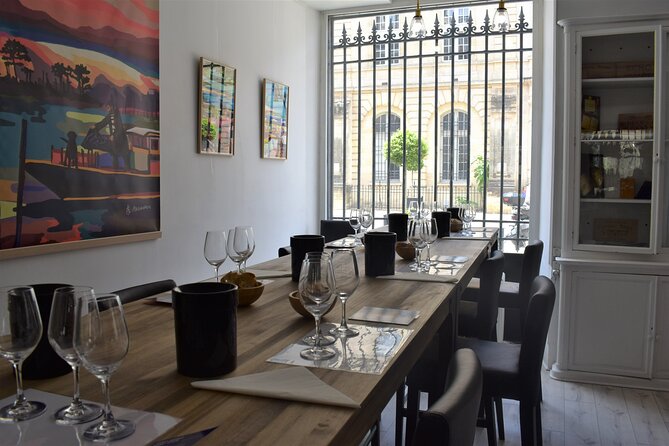
The setting is small and personal rather than grand. That helps the class feel like a conversation, but it can also affect comfort. On very hot days, the room may feel warm even with fans running.
The group limit of 12 is one of the better features. A large tasting can turn into a line of people waiting for a pour, while a small group gives you a better chance to speak with the host. It also makes the sensory exercises and discussion more engaging.
At the same time, the one-hour schedule leaves little room for delays. One session felt rushed because another group was expected soon. That is worth keeping in mind if you prefer slow tastings with long pauses between glasses.
Some published experiences have lasted about an hour and a half, but the stated duration is approximately one hour. Plan your day around the shorter time, not the longer reports. The 2:30 pm start works well before dinner, and the central meeting point makes it easy to continue sightseeing afterward.
Is $35.09 a fair price?
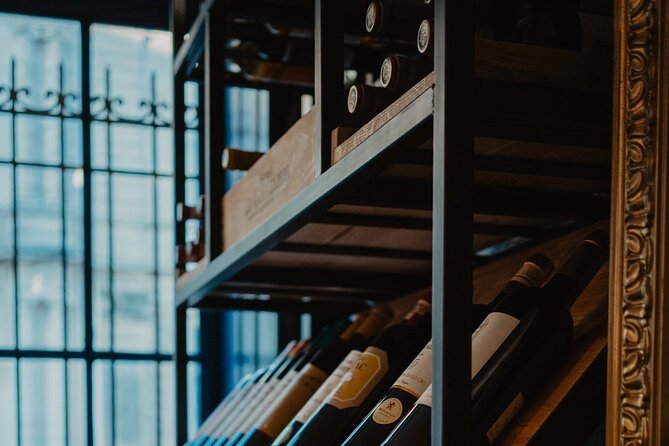
At $35.09 per person, the value is good if you want an introduction rather than a full vineyard excursion. The price covers three wine tastings, a cheese and cold-cut board, baguette, water, an expert host, and informative handouts.
A vineyard trip costs more in time as well as money. This city-based session does not take you through the countryside or into a working estate, but it gives you a compact way to understand the wines before deciding if you want a longer outing.
The value is strongest for three types of people. First, beginners get a friendly starting point without committing to an advanced course. Second, people with only a day or two in Bordeaux can learn the regional basics without leaving the center. Third, experienced wine drinkers can use the left-bank and right-bank comparison to organize what they already know.
The value is weaker if you are mainly looking for generous pours, a full meal, or a bottle of your choice at the end. The tasting includes three samples, not a full glass of your favorite wine afterward. You may be able to buy bottles, but personal purchases are not included.
Who should book this Bordeaux tasting?
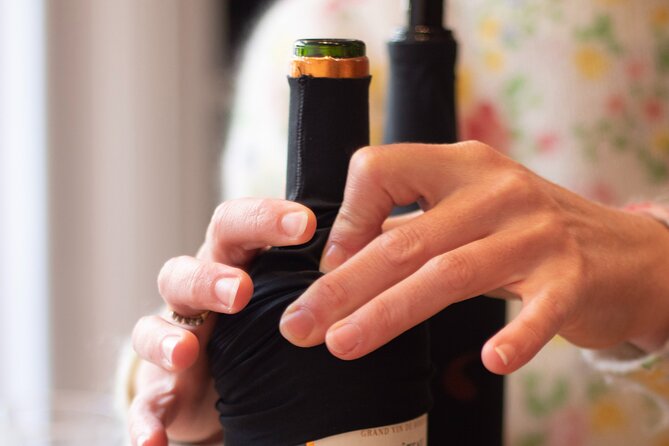
I would recommend it to anyone who wants wine context before visiting the surrounding region. It is also a good choice for couples, friends, and solo visitors who enjoy a social class with food rather than a silent tasting at a counter.
Complete beginners are especially well matched. The host starts with basic vocabulary and a tasting method, so you can participate without feeling behind. You will also get enough regional information to make a vineyard visit more meaningful.
People who already drink Bordeaux wines can still enjoy the comparison and the questions, though the class is not designed as an advanced certification course. Its strength is clear explanation, not exhaustive technical detail.
This is less suitable if you want an outdoor activity, a long countryside visit, or a carefully timed pairing of every food item with every wine. It is also not the best choice if you need guaranteed English without confirming the session language first.
The activity allows service animals and is near public transportation. Confirmation is provided at booking. Free cancellation is available up to 24 hours before the start time for a full refund. Changes or cancellations inside that window are not accepted, and poor weather can lead to a new date or a refund.
The smartest way to fit it into your day
Schedule this tasting early in your Bordeaux stay if you can. The terms you learn can help you read restaurant lists, understand wine shops, and make better choices when you later encounter bottles from the Médoc or Libournais.
Arrive ready to participate. Ask about the grapes, the regions, the grand cru designation, and which foods suit each wine. The class gives you more value when you treat it as a conversation instead of waiting passively for the next glass.
The included handouts are worth keeping. They give you something to refer to after the tasting, especially when the names of Bordeaux’s regions start to blend together.
Since the tasting is near the Grand Théâtre, it is easy to pair with central Bordeaux sightseeing. You can meet at 2:30 pm, spend about an hour learning and tasting, then continue on foot or by public transportation. Just leave a little flexibility in your schedule in case the host runs beyond the stated time.
Should you book it?
Book this experience if you want a friendly, central, affordable introduction to Bordeaux wine, especially if you are short on time or unsure where to begin. The small group, three-wine structure, local food, and strong hosts such as Antoine, Toku, Anna, and Vincent give it real teaching value.
Skip it if you want a full vineyard day, a large meal, or a guaranteed slow-paced session. Also confirm the English arrangements if you cannot comfortably follow French.
For most first-time visitors, I would choose this as a smart opening lesson. You will taste enough to compare Bordeaux’s major sides, learn a method you can use later, and leave with fewer nerves when facing the region’s famously complicated wine labels.
FAQ
Where does the Bordeaux wine tasting begin?
The experience begins at 2ter Rue Mably, 33000 Bordeaux, France.
What time does the tasting start?
The stated start time is 2:30 pm.
How long does the experience last?
The duration is approximately one hour, although some sessions may run longer.
How many wines are included?
Three wine tastings are included: one white wine and two red wines.
What Bordeaux regions are discussed?
The session introduces the Médoc on the left bank and the Libournais on the right bank.
Is a grand cru included?
Yes. One of the two red wines is a Bordeaux grand cru.
Is food included in the price?
Yes. The tasting includes a board of local cheeses and cold cuts, along with fresh baguette and water.
Do I need wine experience to participate?
No. The class requires no previous wine knowledge, and the experts adapt the discussion for beginners and more experienced participants.
Is the tasting offered in English?
English is listed as an available language. Since at least one session was mainly conducted in French, confirm the language for your chosen booking if needed.
What is the cancellation policy?
You can cancel at least 24 hours before the start time for a full refund. Cancellations or changes made less than 24 hours in advance are not accepted, and poor weather may result in another date or a full refund.
Recently reviewed around Bordeaux
- Au Cœur du Château – VSOP D’USSÉ & XO BARON OTARD★ 4.5 · 108 reviews
- retro road trip/ Méhari, 2CV & Burton in Rochefort, La Rochelle★ 5.0 · 28 reviews
- Discover Braastad Cognac★ 5.0 · 52 reviews
- Bordeaux bike tour “The Best of Bordeaux”★ 5.0 · 164 reviews
- Saint Emilion Full Day Wine and Bike Tour★ 5.0 · 167 reviews
- Saint-Emilion Food and Wine Day Tour★ 5.0 · 323 reviews
- Virtual Room Bordeaux – 1st team virtual reality experience★ 5.0 · 47 reviews
- Private Bordeaux History Tour with a glass of Bordeaux wine.★ 5.0 · 28 reviews
Wine Tours, compared.
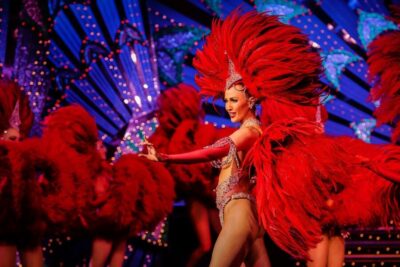
Moulin Rouge Cabaret Show Ticket with Champagne
Read our review →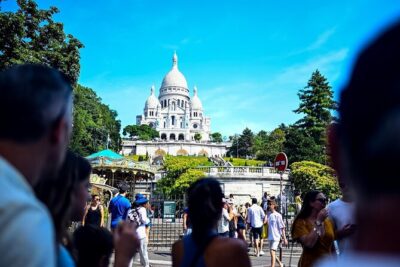
Authentic Parisian Gourmet Food Tour with 10 Local Dishes & Wines
Read our review →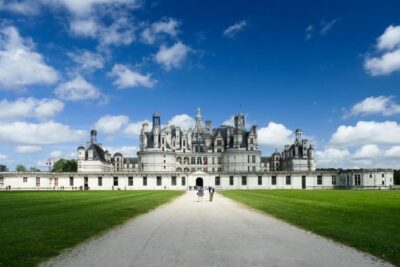
Loire Valley Castles Day Trip from Paris with Complementary Wine
Read our review →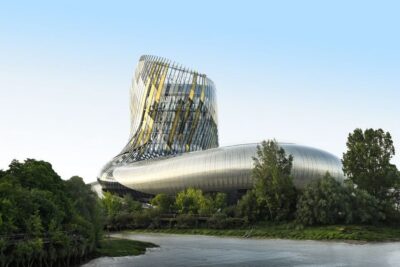
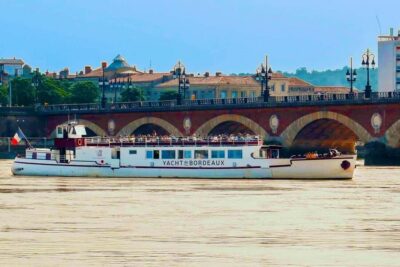
River Garonne Cruise with Glass of Wine and Canelé
Read our review →
Montmartre Hill French Gourmet Food and Wine Tasting Walking Tour
Read our review →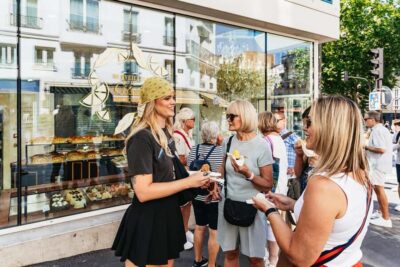
Montmartre Cheese, Wine & Pastry Guided Walking Tour
Read our review →
Paradis Latin Cabaret Show with Optional Champagne
Read our review →Browse the lists this tour appears in