
Reviewed · LYON TOURS
Lyon: Private Traboules Tour – Hidden Passages
Lyon’s traboules are more than pretty shortcuts. They are passageways through buildings, courtyards, and centuries of city life. This private walk links three districts and shows how the same routes served silk workers, ordinary residents, and French Resistance fighters. I like the strictly private format, and I like that the guide can shape the talk around your interests. The main drawback is simple: expect steps, uneven walking, and some steep sections.
I also like the human scale of the experience. Guides such as Didac bring in practical tips about restaurants, wine bars, and other Lyon sights, not just dates and architecture. Start early if you can, since one early group found the old streets wonderfully quiet. On hot days, ask your guide to place the steepest stairs early, a useful adjustment already made for one group.
In This Review
- Key points at a glance
- Why Lyon’s traboules matter
- Starting at Place de la Croix-Rousse
- Following the Canuts through Croix-Rousse
- A short change of scene in the Presqu’île
- Entering the medieval traboules of Vieux Lyon
- What the private format changes
- Price, duration, and what you receive
- Who should book this walk
- Making the most of the two hours
- Should you book the Lyon traboules tour?
- FAQ
- Where does the tour begin?
- How can I reach the meeting point?
- Where does the tour finish?
- How long is the tour?
- Is the tour private?
- Which languages are available?
- Is a guide included?
- Does the tour include food or drinks?
- Is transportation included?
- Is the tour suitable for wheelchair users?
Key points at a glance
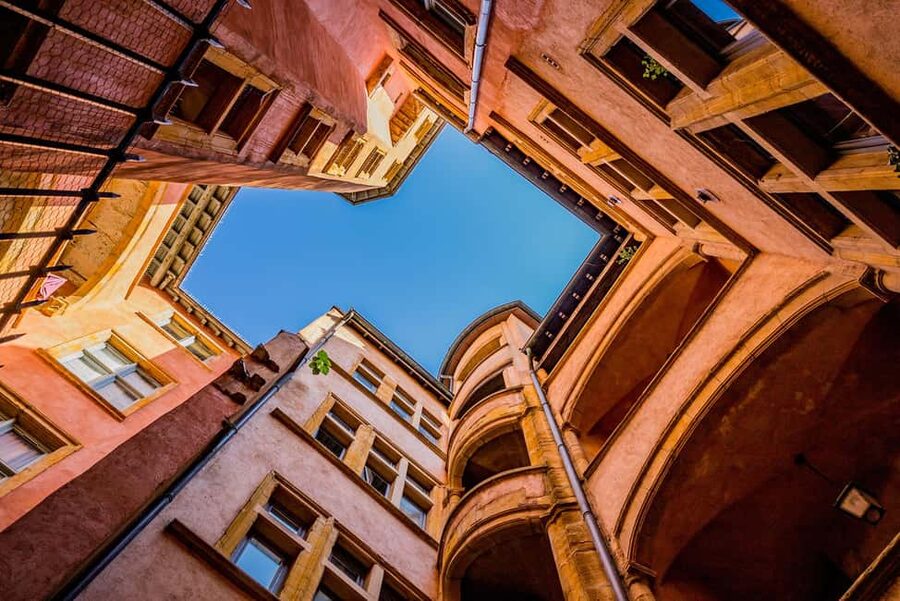
- Three Lyon districts in one walk: Begin at Place de la Croix-Rousse, cross the Presqu’île, and finish among the medieval passageways of Vieux Lyon.
- A genuinely private group: No unrelated participants are added to your booking, so the pace and questions belong to you.
- Canut stories in Croix-Rousse: Learn how Lyon’s silk workers shaped the district and the textile trade.
- World War II history in the passages: Hear how French Resistance members used Lyon’s concealed routes.
- Selected passages with limited public access: The guide takes you to traboules that are normally closed to general visitors.
- A stair-heavy walking route: This is not suitable for wheelchair users or people with mobility impairments.
Why Lyon’s traboules matter
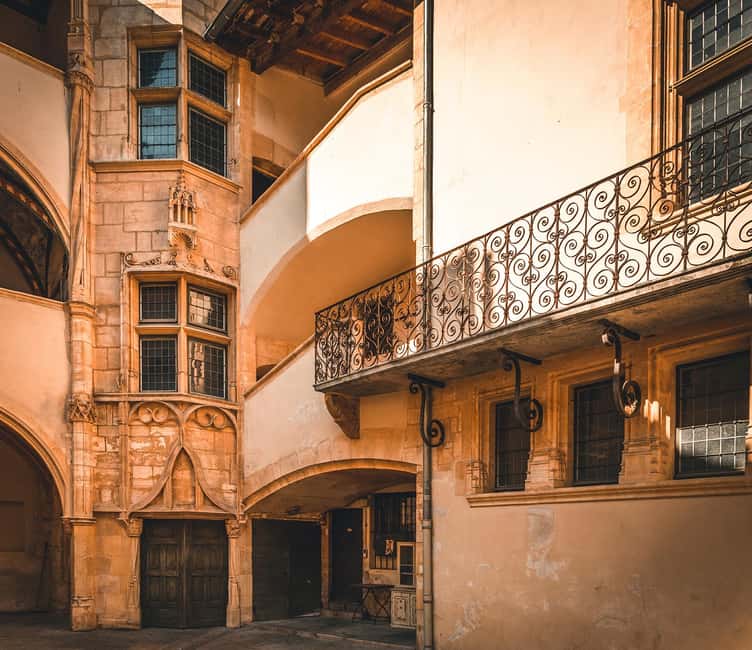
A traboule is a passage through or between buildings. In Lyon, these routes often connect one street to another by cutting through courtyards, stairways, and covered spaces. They were practical shortcuts, but their value goes beyond saving a few minutes on foot.
The passages give you a different way to read Lyon. From the street, you see façades and doorways. Inside, you begin to understand how homes, workshops, courtyards, and narrow routes fitted together. The city’s story becomes less about grand monuments and more about how people moved, worked, hid, and lived.
This tour works well because it connects the passages to two major parts of Lyon’s past. In Croix-Rousse, the focus is on the Canuts, the silk workers whose labor transformed the district and helped drive Lyon’s textile industry. In Vieux Lyon, the medieval setting adds another layer, while the stories of the French Resistance show how these routes gained a new purpose during World War II.
The private format matters here. A public group often has to follow a fixed rhythm. With your own guide, you can stop to ask why a passage was built, how the silk trade affected the neighborhood, or where Resistance members lived. That extra conversation is a large part of the value.
More Lyon trips worth a second look
- Lyon: Private Walking Tour of “Traboules” in the Old Town
★ 5.0 · 866 reviews - Lyon: Private Pedicab Tour of Top Landmarks & Hidden Gems
★ 4.9 · 168 reviews - Lyon Big Traboules in Little City Stories from the Past Private Guided Tour
★ 5.0 · 144 reviews
Starting at Place de la Croix-Rousse
The tour begins in front of the Monument of Jacquard, in the middle of Place de la Croix-Rousse. This is a practical meeting point because the area is served by Metro C, with Croix-Rousse station the relevant stop. You do not need transportation as part of the booking, so plan your route to the square before the start time.
Croix-Rousse is the right place to begin. The district is closely tied to Lyon’s silk industry and the Canuts who worked there. Their story gives the first section a strong social and economic focus. You are not simply looking at old doors. You are learning why this hillside district developed as it did and how working life shaped the buildings.
The first guided section lasts about 45 minutes. That gives the guide time to explain the local setting before moving on to the Presqu’île. If you have a particular interest in labor history, architecture, or the textile trade, say so at the start. The tour is designed for questions, and the private setup makes it easier to steer the conversation.
One practical warning: Croix-Rousse can involve stairs and slopes. The route is not designed for wheelchair users or people with mobility impairments. If stairs are a concern, contact the operator before booking rather than assuming the route can be adapted.
Following the Canuts through Croix-Rousse
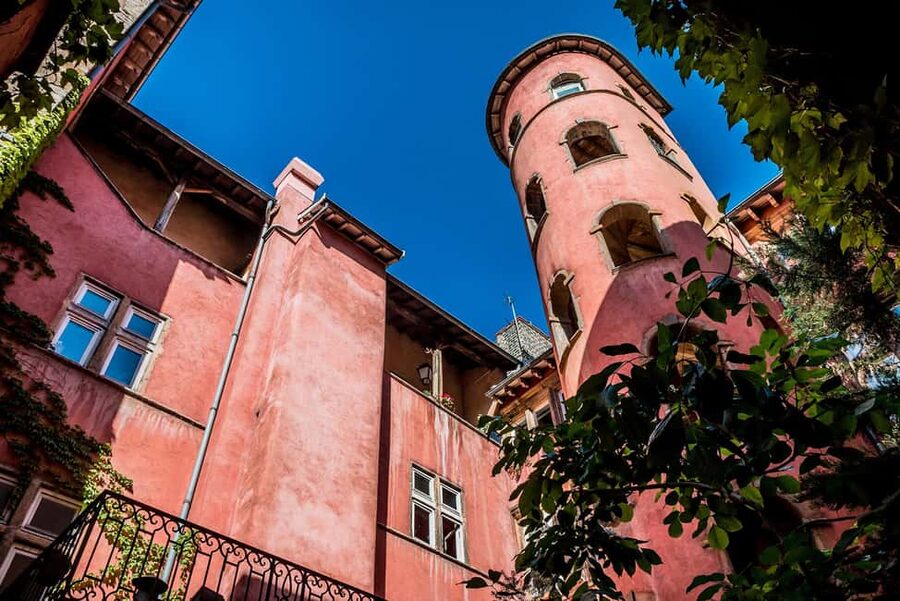
The Canuts are central to the first part of the experience. These silk workers did not just produce cloth. Their work changed Lyon’s commercial life and left a mark on the streets where they lived and labored.
A guide can help you connect the physical space with the textile industry. Courtyards and passageways feel more meaningful once you understand that they were part of a working neighborhood, not a stage set preserved for sightseeing. The stories of the Canuts also add a social dimension that you might miss if you explore the traboules alone.
The guide’s role is especially important here because the routes are not self-explanatory. A doorway may look ordinary. A covered passage may seem like a private entrance. Without context, you could walk past the most interesting details.
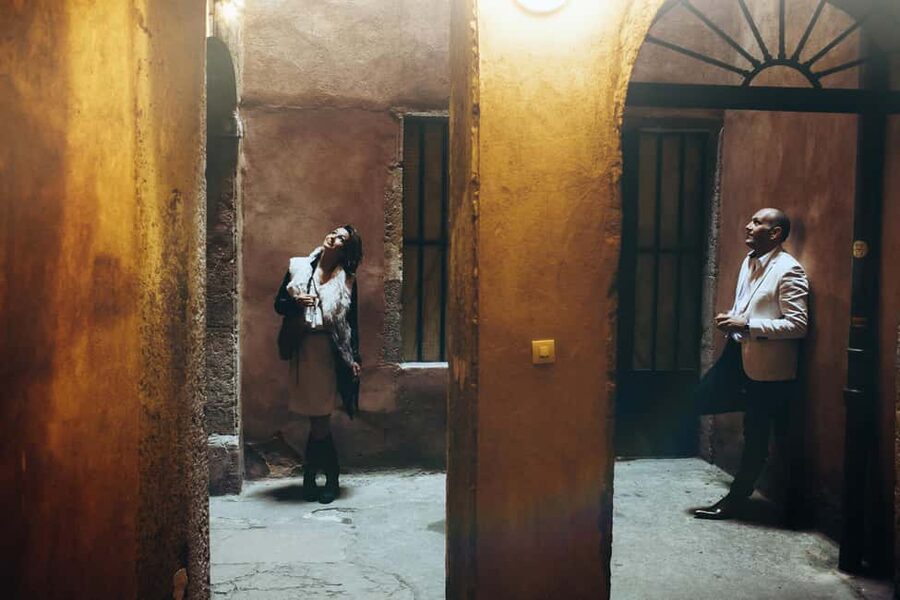
The tour includes access to selected traboules that are normally closed to the general public. That is a key reason to book a guided experience instead of relying only on a city map. Access can make the visit feel more personal, but remember that the passageways are part of Lyon’s lived urban fabric. Follow the guide’s instructions, keep your voice down in residential areas, and treat the buildings as homes rather than attractions.
A short change of scene in the Presqu’île
The Presqu’île section lasts about 30 minutes. This is the middle link between Croix-Rousse and Vieux Lyon, giving the tour a useful sense of movement across the city.
Here, the focus remains on hidden routes and Lyon’s wider story. The guide can place what you have seen in Croix-Rousse within the larger city, then prepare you for the older passageways ahead. It is a shorter section, but it prevents the tour from feeling like a single-neighborhood walk.
The Presqu’île is also where the private format can help with pacing. Your group may want more time for questions, or you may prefer to keep moving toward Vieux Lyon. The tour is not sold as a race through a checklist, and the guide can respond to your interests.
Do not expect food or drinks to be included. This is a walking and history experience. If you want a café stop, lunch, or a drink, plan it separately before or after the tour. Guides may offer suggestions for restaurants and wine bars, but those extras are not part of the booking.
A different way to spend the day, same corner of France:
- Lyon City Hop-on Hop-off Sightseeing Bus Tour
★ 4.0 · 1,614 reviews - Lyon: Musée de l’illusion Entrance Ticket
★ 3.9 · 1,023 reviews - Vieux Lyon Cultural & Historical Walking Guided Tour (English)
★ 5.0 · 942 reviews - Lyon: City Highlights Walking Tour
★ 4.9 · 847 reviews
Entering the medieval traboules of Vieux Lyon
The final section takes place in Vieux Lyon and lasts about an hour. This is the longest part of the walk and the point where the tour’s themes come together.
Vieux Lyon provides the most overtly medieval setting. The passageways here lead through old buildings and courtyards, creating a stronger sense of enclosure than a normal street walk. The guide explains how these routes functioned and why they became useful during difficult periods.
The tour also brings in the French Resistance. Lyon’s traboules offered concealed ways through the city, and Resistance members used them during World War II. The subject gives the final section a serious edge. You are not hearing an abstract wartime story in a museum gallery. You are standing in the kinds of spaces where people moved with caution and relied on the city’s layout.
That context is one of the strongest reasons to take the tour with a local guide. The passages themselves are quiet and often understated. The meaning comes from knowing who used them and why. Your guide can also explain the city’s major moments in a connected way, rather than presenting isolated facts.
The tour finishes in Vieux Lyon. That makes sense for a visitor who wants to keep exploring the district, though you will need to arrange your own transport afterward. The experience does not include a ride back to your hotel or to the original meeting point.
What the private format changes
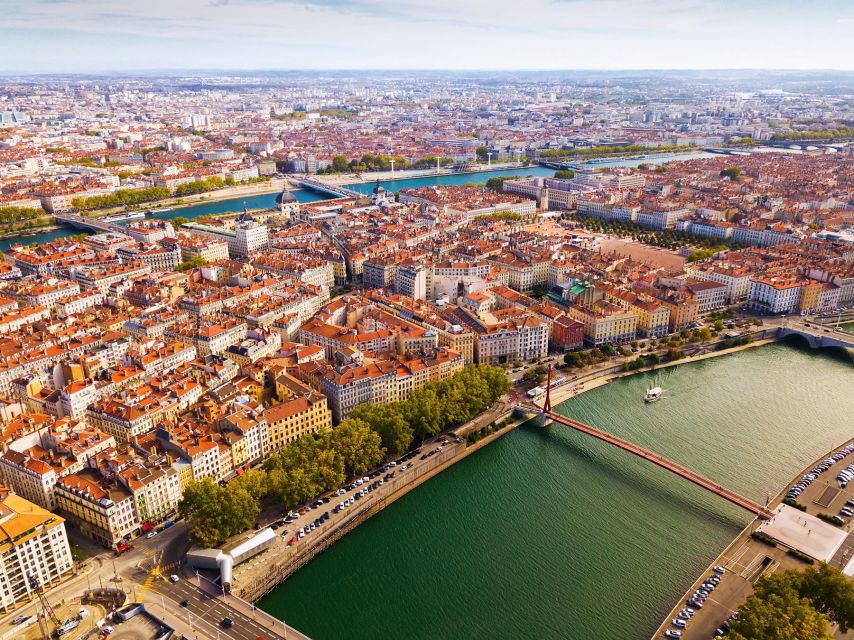
The booking is reserved only for your group. That is more than a marketing detail. In a place where doors may be narrow, courtyards may be quiet, and several people may want to ask questions at once, a small private group makes the experience easier.
You can ask for more detail about the Canuts, focus on Resistance history, or spend more time looking at the architecture. The guide can also respond to your walking pace. One group found this especially helpful during extreme heat, when the steepest stairs were handled early and the route was adjusted to reduce time in direct sun.
The private format is also useful for families, couples, or friends with different levels of interest. Someone who cares about architecture can ask about building design. Someone else can focus on Lyon’s political history. A licensed local guide can connect those questions without forcing the whole group into a standard script.
Didac is one guide associated with the experience, and several groups specifically appreciated his warm manner, detailed explanations, and useful local suggestions. The tour can also be conducted in French, English, or Spanish, so confirm your preferred language when booking.
Price, duration, and what you receive
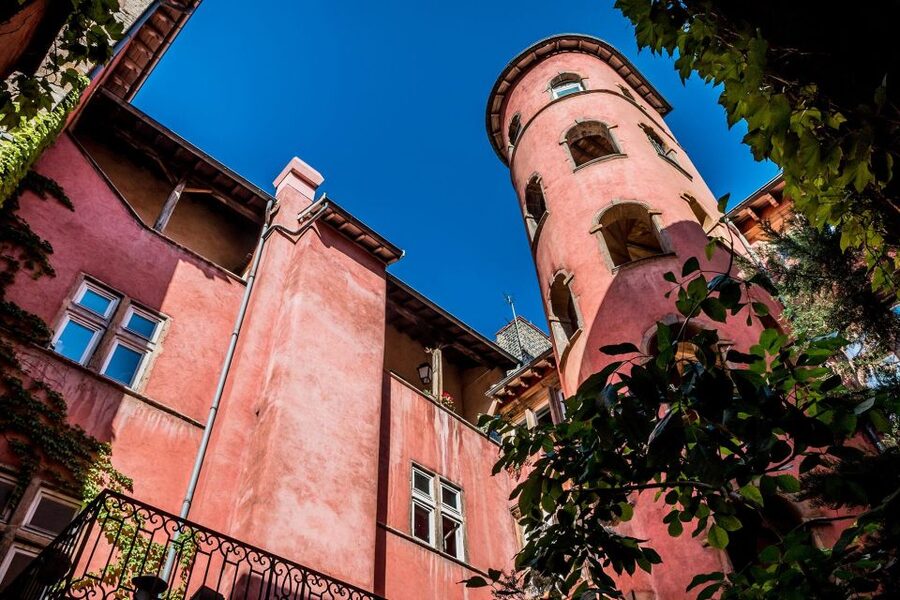
The price is $129 per person for a two-hour private walking tour. That is not a cheap add-on, especially for a solo visitor. For two or more people, though, the cost buys something a standard group walk cannot: exclusive use of the guide and a route that can respond to your questions.
You are paying for three things in particular:
- A licensed local guide who can explain Lyon beyond the visible architecture.
- A private group with no unrelated participants.
- Access to selected traboules normally closed to the public.
The advertised duration is two hours, while the listed district segments add up to roughly two hours and 15 minutes. Treat the timing as an approximate walking schedule rather than a promise of a precise minute-by-minute finish. Ask about the expected end time if you have a restaurant booking or another activity immediately afterward.
The tour includes the guided walk and historical interpretation. It does not include food, drinks, or transport to and from Place de la Croix-Rousse. You can cancel up to 24 hours before the start for a full refund, and the reserve-now, pay-later option helps if your Lyon schedule is still changing.
Who should book this walk
I would choose this tour if you want Lyon to make sense, not just look attractive. It suits first-time visitors who want an introduction to several districts, as well as repeat visitors who have already seen the main squares and want a less obvious side of the city.
It is a particularly good fit for:
- Couples or families who prefer a private guide.
- History-minded visitors interested in the Canuts or the French Resistance.
- Architecture fans who want to see courtyards and passageways that are easy to miss.
- Visitors who want local suggestions for restaurants, wine bars, and further sightseeing.
- People who value questions and conversation more than a large group’s low price.
I would think twice if you dislike stairs, struggle with uneven walking, or want a relaxed café-and-monument outing. The route is active, and the subject matter is more substantial than a quick photo stop.
An early start can improve the mood of the walk. One group found the old streets unusually quiet in the morning, which made the passages feel more private. During hot weather, an early time also makes practical sense.
Making the most of the two hours
Wear shoes suited to walking and stairs. The tour is short, but it covers three districts and includes passageways with steps. You will get more from the experience if you are ready to keep moving while still leaving room for questions.
Arrive at the Monument of Jacquard in Place de la Croix-Rousse with enough time to find the exact meeting spot. Since transport is not included, check the Metro C route and allow time for the walk from the station.
Tell the guide what interests you before setting off. If you care most about the silk trade, ask for more Canut detail. If World War II history matters more, say so. The private arrangement is at its best when you use it to shape the conversation.
Also ask for practical Lyon advice before the tour ends. Didac and the other local guides can suggest activities, restaurants, and wine bars, giving you a useful next step after the passageways.
Should you book the Lyon traboules tour?
Book it if you want a focused, private introduction to Lyon’s working, wartime, and medieval past. The strongest features are the access to selected traboules, the three-district route, and the chance to ask a local guide as many questions as your group likes.
The price makes the most sense for couples, families, and small groups who would otherwise pay for several seats on a public tour. Solo visitors should compare the cost with their budget. If stairs are a problem, choose another activity.
For an active visitor who wants stories attached to the city’s less obvious spaces, this is a strong choice. Start early when possible, wear good shoes, and tell the guide what you want to learn.
FAQ
Where does the tour begin?
It begins in front of the Monument of Jacquard in the middle of Place de la Croix-Rousse.
How can I reach the meeting point?
You can arrive using Metro C and get off at Croix-Rousse station.
Where does the tour finish?
The walk finishes in Vieux Lyon.
How long is the tour?
The activity is listed as lasting two hours. The district sections are approximately 45 minutes in Croix-Rousse, 30 minutes in Presqu’île, and one hour in Vieux Lyon.
Is the tour private?
Yes. The booking is reserved for your group, and no other participants are added.
Which languages are available?
The tour is offered in French, English, and Spanish.
Is a guide included?
Yes. A licensed professional local guide leads the private walking tour.
Does the tour include food or drinks?
No. Food and drinks are not included.
Is transportation included?
No. Transportation to or from the meeting point is not included.
Is the tour suitable for wheelchair users?
No. The activity is not suitable for wheelchair users or people with mobility impairments. It includes stairs and walking through the traboules.
Recently reviewed around Lyon
- Taste Wine in Lyon: Burgundy, Beaujolais, Rhône, and more★ 5.0 · 211 reviews
- 1 or 2-Hour Pedicab tour of Lyon★ 5.0 · 213 reviews
- Hameau Duboeuf, 1st theme park on Vine and Wine in Europe★ 4.5 · 63 reviews
- Northern Rhône Valley Wine tour from Lyon Half Day★ 4.5 · 113 reviews
- Storytelling tour of Old Lyon★ 5.0 · 39 reviews
- Segway – Ride along the rivers 1h30★ 5.0 · 43 reviews
- Lyon Old Town Private Food Tour with 6 French Delicacies & Wines★ 5.0 · 85 reviews
- Rhône Valley Wine Tasting Private Day Tour from Lyon★ 5.0 · 43 reviews
Lyon Tours, compared.
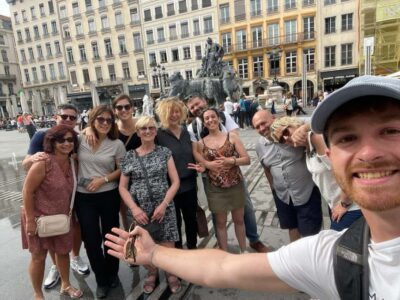
Lyon Highlights & Secrets Walking Guided Tour (small group) including Funicular
Read our review →
Highlights and Hidden Gems of Lyon Guided Walking Tour (English)
Read our review →
Food Tour in Lyon – A Full Taste of France by Do Eat Better
Read our review →
Lyon Old Town Food Tour with 6 French Delicacies & Fine Wine
Read our review →
Lyon Old Town Food Tour with Local Specialties Tasting & Lunch
Read our review →Browse the lists this tour appears in