
Reviewed · WINE TOURS
Make your own cuvée of Bordeaux wine
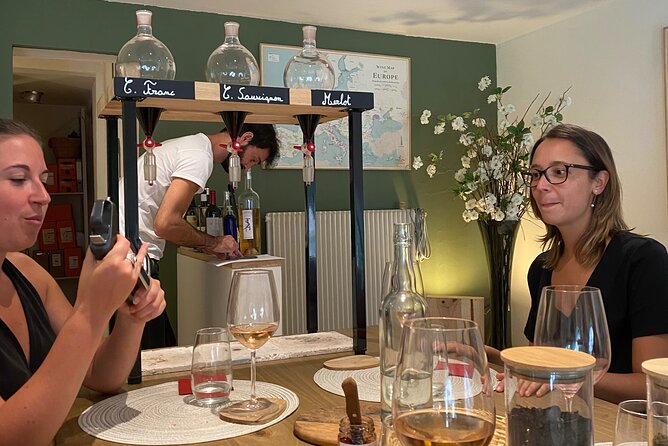
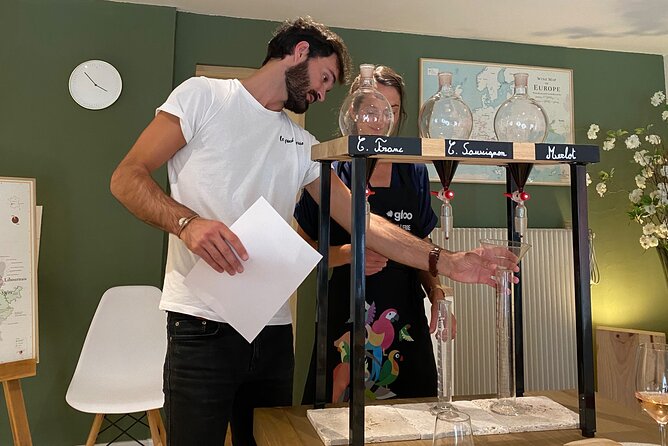
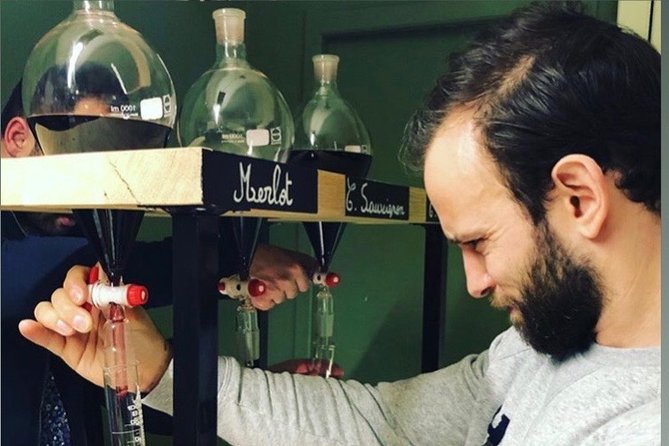
Bordeaux blending is the star here. Instead of simply tasting finished bottles, you work with separate Merlot, Cabernet Sauvignon, and Cabernet Franc wines, testing proportions until you find a blend that suits your palate. I like the hands-on use of tubes and pipettes, and I like that you leave with a bottle labeled with your own name.
The teaching is friendly and lively, with plenty of time for tasting, food, and questions. The main thing to understand is that you are blending prepared wines, not making wine from grapes or aging a bottle from scratch. A few sessions have also run shorter than the advertised two and a half hours, so book this for the learning and creative experiment, not for a long winery tour.
In This Review
- Key points to know before booking
- What makes this Bordeaux wine workshop different
- Starting with Bordeaux’s grape varieties and regions
- Tasting three wines with cheese and Basque charcuterie
- Using a blind tasting to test your new skills
- Creating your own cuvée with pipettes
- Bottling and labeling your Bordeaux souvenir
- How long the session really takes
- Is $71.20 a fair price?
- Who will enjoy this experience most
- A few things to keep in mind
- Should you book the Bordeaux blending workshop?
- FAQ
- Where does the Bordeaux wine-blending workshop begin?
- Where does the activity end?
- How long does the experience last?
- What grapes are used in the blending activity?
- Do I get to take home my own wine?
- Is food included?
- Is the workshop offered in English?
- How many people can join the workshop?
- Can I cancel for a full refund?
Key points to know before booking
- You make a Bordeaux blend, not wine from grapes: The workshop combines finished single-varietal wines into your own cuvée.
- The tasting has real teaching value: You cover Bordeaux’s Left Bank, Right Bank, and Entre-Deux-Mers, along with aromas, acidity, tannins, and structure.
- Your bottle is the souvenir: You can bottle and label your personal blend, making it more memorable than another standard tasting.
- The group is capped at 12 people: That keeps the pipette work and questions manageable.
- Cheese and Basque charcuterie are included: The food gives you something to taste alongside the wines.
- It is a red-wine workshop: The featured varieties are Merlot, Cabernet Sauvignon, and Cabernet Franc, with no promise of a white-wine session.
What makes this Bordeaux wine workshop different
Many Bordeaux tastings ask you to compare finished wines. This one asks you to think like the person who assembled them. That small change makes the tasting more active: you are not only asking if you like a wine, but also what it contributes to a blend.
Bordeaux is famous for this approach. Merlot can bring softness, fruit, and an easy texture. Cabernet Sauvignon can add tannin, structure, and staying power. Cabernet Franc can contribute aroma and a lighter, more lifted character. The point is not to crown one grape as best. The point is to see how the parts work together.
I find that especially useful if you come from a wine culture where bottles are usually labeled by one grape variety. Bordeaux often asks you to think in terms of place, producer, and blend. This workshop gives you a clear, practical way to understand that system.
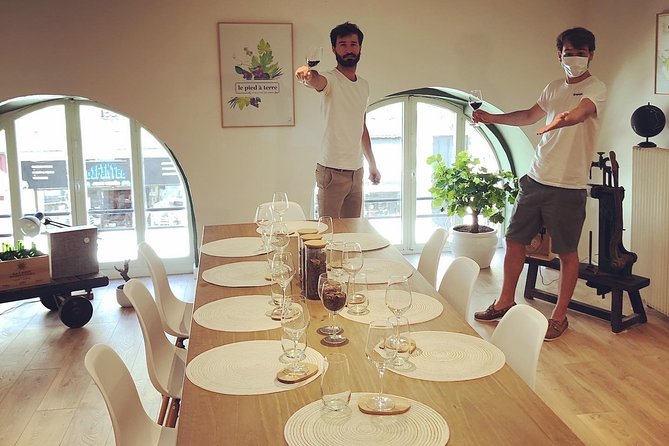
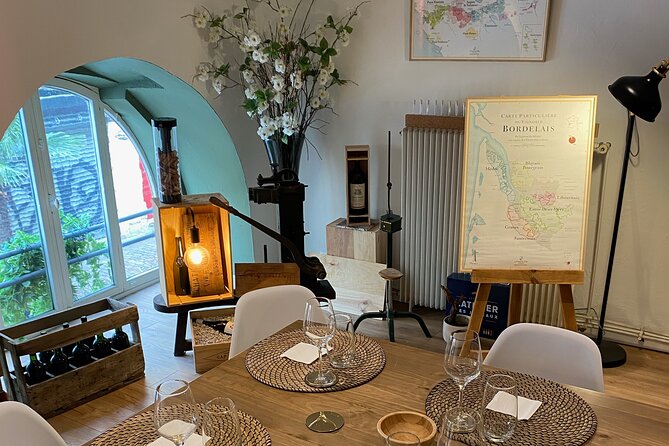
The setting is Le Pied à Terre, a wine shop and tasting cellar at 22 Rue Judaïque in Bordeaux. It is not a grand château visit, and you should not expect vineyard views or a tour of barrels and production rooms. What you get instead is a central city activity focused on tasting, discussion, and your own small act of blending.
More Bordeaux trips worth a second look
- Bordeaux: Cité du Vin Entry Ticket and Wine Tasting
★ 4.6 · 3,885 reviews - Bordeaux: River Garonne Cruise with Glass of Wine and Canelé
★ 4.5 · 3,630 reviews - From Bordeaux: Afternoon Saint-Emilion Wine Tasting & snack
★ 4.8 · 1,581 reviews
Starting with Bordeaux’s grape varieties and regions
The session begins with an introduction to Bordeaux wine and its main grapes. The teaching also covers the region’s broad divisions, including the Left Bank, Right Bank, and Entre-Deux-Mers.
That geography matters because Bordeaux does not taste like one single wine style. Soils, climate, grape choices, and blending traditions vary across the region. The workshop uses this background to explain why a bottle from one part of Bordeaux may feel more tannic, fruity, aromatic, or structured than another.
One useful feature is the attention to soil. The presentation can include soil samples, giving you something visual to connect with the regional explanation. You do not need a strong wine background to follow along. The material is presented as a class, but the tone is casual rather than formal.
The guides are another major part of the experience. The session information names James as the guide, while other details identify brothers Pierre and Geoffroy as presenters. Depending on the date and staffing, you may meet James or the brothers. The consistent theme is an English-language presentation with humor, energy, and a clear effort to make technical subjects understandable.
Tasting three wines with cheese and Basque charcuterie
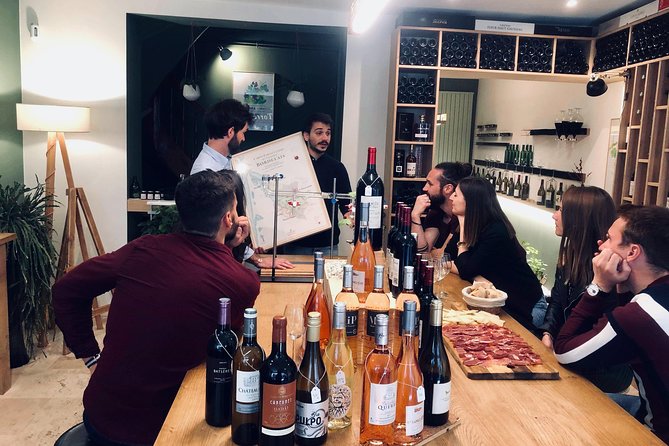
After the introduction, you taste the component wines. The supplied menu lists cheese and charcuterie from the Basque Country as the starter, so this is more than a quick sip at a counter.
The food gives the tasting a useful second angle. Wine can seem different with food, and the cheese and cured meats make it easier to notice texture, tannin, acidity, and fruit. Portions have been described as generous by some people who attended, though the amount can vary by session. Do not book this as a full dinner.
The tasting may include a guided look at aromas and flavor, followed by a more active comparison. You learn to consider smell, taste, tannin, acidity, and overall balance. The goal is not to teach you a set of fancy words. It is to help you identify what you actually enjoy before you start blending.
This is where the class earns much of its value. You are given a reason for each sip. Cabernet Sauvignon is not simply labeled powerful, and Merlot is not simply called smooth. You consider how each wine behaves and what role it could play in a finished Bordeaux-style blend.
Using a blind tasting to test your new skills
A blind tasting may follow the first guided tasting. The labels are hidden, giving you a chance to use what you have just learned rather than relying on the name of a château or grape.
I like this part because it keeps the workshop from becoming a lecture. You have to make a judgment based on scent, flavor, acidity, and tannin. You may not identify everything correctly, but the exercise helps you notice how quickly expectations can influence your opinion.
The session is especially useful if you are spending several days tasting around Bordeaux. It gives you a vocabulary and a simple framework to carry into later tastings. You can ask yourself whether a wine feels driven by fruit, tannin, acidity, aroma, or a blend of all four.
One practical tip comes from the blending process itself: tasting the three varieties side by side can make their differences easier to grasp than tasting them only in sequence. If the format allows, compare them directly before you begin mixing. That makes the contrast between Cabernet Sauvignon’s structure and the softer fruit or aromas of the other grapes more obvious.
A different way to spend the day, same corner of France:
- Medoc or Saint Emilion Wine Tasting and Chateau from Bordeaux
★ 5.0 · 1,415 reviews - Saint Emilion Day Trip with Sightseeing Tour & Wine Tastings from Bordeaux
★ 5.0 · 1,120 reviews - Saint-Émilion: Grand Cru Classé Winery Visit and Tasting
★ 4.6 · 1,118 reviews - Saint Emilion Half-Day Trip with Wine Tasting & Winery Visit from Bordeaux
★ 4.5 · 1,034 reviews
Creating your own cuvée with pipettes
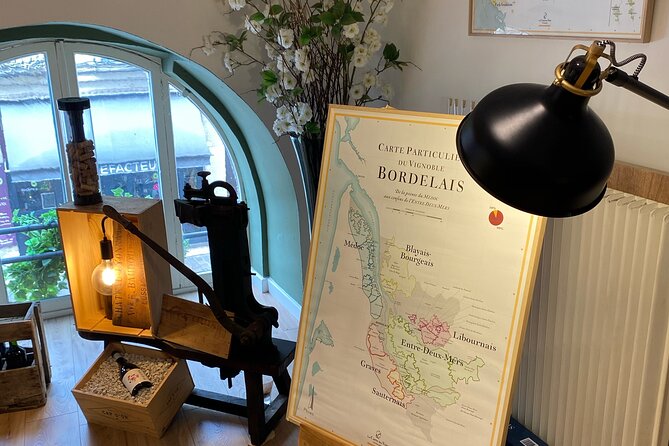
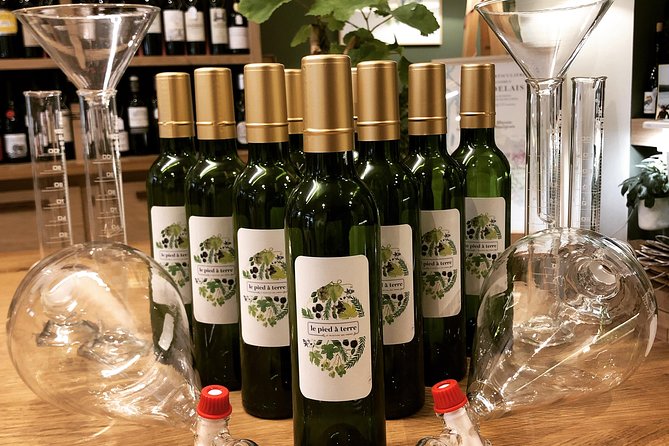
This is the part most people book for. You receive samples of the selected single-varietal wines and use tubes and pipettes to measure different proportions.
The process is playful, but it also shows why blending requires judgment. A small change in the percentage of one grape can alter the balance. Too much structure may make the wine feel hard. Too much soft fruit may leave it lacking shape. The best result depends on your taste, not on copying a fixed recipe.
You may work with Merlot, Cabernet Sauvignon, and Cabernet Franc. One suggestion made during the sessions is to offer a fourth or fifth option, such as a small percentage of Petit Verdot, Pinot, or Gamay. Those extra choices are not part of the guaranteed experience, so do not expect them. The core activity is built around the three principal grapes listed above.
You then settle on your preferred percentages and make your personal cuvée. This is not a commercial bottle aged in the cellar. It is a small, immediate blend that lets you see how winemakers use components to shape a final wine.
That distinction matters. If you expect to harvest grapes, crush them, ferment the juice, and wait for a finished vintage, this is not the right activity. If you want to understand blending by doing it yourself, it is a clever and accessible format.
Bottling and labeling your Bordeaux souvenir
The final bottle gives the activity a satisfying finish. You can take home a bottle of your own blend with your name on the label.
I consider this more useful than a generic souvenir because it connects to a decision you made during the workshop. You can remember the percentages, the tasting, and the discussion each time you open it. One particularly fun idea is to attend with family or friends, make separate blends, and compare the bottles later in a blind tasting.
The bottle also helps explain why the experience feels more substantial than a standard tasting. You are not simply handed a souvenir at the end. You have created something, even if the process takes place with already made wines.
Still, keep expectations realistic. The bottle is personal and memorable, but it is not necessarily a professionally aged Bordeaux ready for a major celebration. Its value is in the experiment and the story attached to it.
How long the session really takes
The advertised duration is about two hours and 30 minutes. Many descriptions of the activity fit that length, especially when the introduction, guided tasting, blind tasting, blending, food, and bottling all run as planned.
Some sessions have lasted close to three hours, while others have finished in less than two. That may depend on group size, questions, pacing, and the day’s schedule. The group limit is 12 people, which is small enough for personal instruction but large enough to create a social atmosphere.
I would leave a little flexibility around the booking. Do not schedule a tight appointment immediately afterward. The activity ends back at Le Pied à Terre, so you will not need to arrange a second drop-off point, but you should still allow time for the session to run long.
The workshop is offered in English and uses a mobile ticket. It is near public transportation, making it a practical choice if you are staying in Bordeaux without a car. Service animals are allowed.
Is $71.20 a fair price?
At $71.20 per person, this is not the cheapest way to taste Bordeaux. You can buy a bottle in a wine shop for far less, and a short tasting may cost less as well.
The value comes from the teaching and the active blending session. You receive a structured introduction, several tastings, food, guidance through a blind tasting, and the chance to bottle your own blend. If you are new to Bordeaux, that combination can make the price reasonable because the experience gives you a way to understand what you are drinking for the rest of your trip.
It is also a good fit for people who have already taken several wine tours but want something different. The workshop focuses on blending, a subject that may not appear in a standard château visit or regional tasting.
The value drops if you only want to sip wine in a quiet room. It also drops if you expect a vineyard visit, a production tour, or a large number of bottles. This is a hands-on class with a souvenir bottle, not a full-day wine-country excursion.
Who will enjoy this experience most
I would recommend it to first-time Bordeaux visitors who want a clear introduction without committing to a full day outside the city. It also suits couples, families with wine-interested older children, and friends who enjoy a shared activity with a little competition.
Wine beginners should feel comfortable here. The instruction starts with basics, and the guided tasting gives you a method to follow. You do not need to know the difference between the Left and Right Banks before arriving.
Experienced wine drinkers can still get something from the session. The blind tasting and percentage-based blending give you a chance to test your palate rather than simply listen to familiar information. If you already know Bordeaux well, the creative portion is likely to be the main draw.
This is not the best choice for someone who drinks only white wine. The workshop is centered on red Bordeaux varieties, and there is no indication that a white-wine alternative is offered.
A few things to keep in mind
The title can create the wrong expectation. You do not make wine in the full agricultural and fermentation sense. You blend selected wines and bottle the result. Read that as a wine-blending workshop, and you are more likely to enjoy it.
The food is limited to a starter of Basque cheese and charcuterie. Have a meal before or after if you need something substantial.
The activity requires a minimum number of participants. If that minimum is not met, the provider may offer another date or experience, or a full refund. Poor weather can also lead to a date change or refund under the stated policy, even though the workshop itself takes place indoors.
You can cancel for a full refund up to 24 hours before the start time. Changes or cancellations made later are not accepted for a refund. The cut-off follows Bordeaux local time.
Should you book the Bordeaux blending workshop?
Book it if you want to understand Bordeaux by tasting its building blocks, then making a blend of your own. The guides bring warmth and humor, the class goes beyond a quick sip, and the named bottle gives you a personal souvenir.
I would skip it if your priority is visiting vineyards, seeing barrels, or learning the full process from grape to finished wine. I would also skip it if you want white wine or a full meal.
For most people spending a few days in Bordeaux, this is a smart city-based wine activity. It combines useful instruction with a creative task, and the small group keeps it from feeling like a rushed tasting. Just arrive expecting to blend prepared red wines, and the $71.20 price makes much more sense.
FAQ
Where does the Bordeaux wine-blending workshop begin?
It begins at Le Pied à Terre, Cave à vin & atelier dégustation, at 22 Rue Judaïque, 33000 Bordeaux, France.
Where does the activity end?
The activity ends back at the meeting point, Le Pied à Terre.
How long does the experience last?
The advertised duration is approximately two hours and 30 minutes. Some sessions may last longer or finish sooner.
What grapes are used in the blending activity?
The workshop uses Merlot, Cabernet Sauvignon, and Cabernet Franc as the main single-varietal wines for blending.
Do I get to take home my own wine?
You have the possibility of taking home a bottle of your own cuvée labeled with your name.
Is food included?
Yes. The sample menu includes cheese and charcuterie from the Basque Country.
Is the workshop offered in English?
Yes. The experience is offered in English.
How many people can join the workshop?
The activity has a maximum of 12 participants.
Can I cancel for a full refund?
Yes. You must cancel at least 24 hours before the experience start time for a full refund. Late cancellations and changes are not accepted for a refund.
Recently reviewed around Bordeaux
- Au Cœur du Château – VSOP D’USSÉ & XO BARON OTARD★ 4.5 · 108 reviews
- retro road trip/ Méhari, 2CV & Burton in Rochefort, La Rochelle★ 5.0 · 28 reviews
- Discover Braastad Cognac★ 5.0 · 52 reviews
- Bordeaux bike tour “The Best of Bordeaux”★ 5.0 · 164 reviews
- Saint Emilion Full Day Wine and Bike Tour★ 5.0 · 167 reviews
- Saint-Emilion Food and Wine Day Tour★ 5.0 · 323 reviews
- Virtual Room Bordeaux – 1st team virtual reality experience★ 5.0 · 47 reviews
- Private Bordeaux History Tour with a glass of Bordeaux wine.★ 5.0 · 28 reviews
Wine Tours, compared.
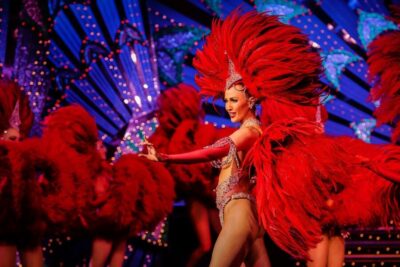
Moulin Rouge Cabaret Show Ticket with Champagne
Read our review →
Authentic Parisian Gourmet Food Tour with 10 Local Dishes & Wines
Read our review →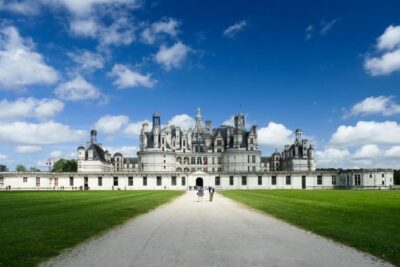
Loire Valley Castles Day Trip from Paris with Complementary Wine
Read our review →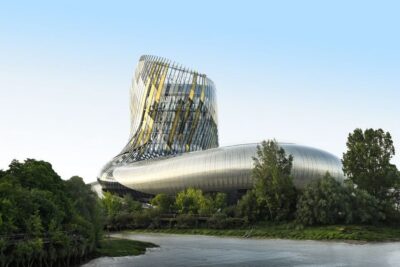
River Garonne Cruise with Glass of Wine and Canelé
Read our review →
Montmartre Hill French Gourmet Food and Wine Tasting Walking Tour
Read our review →
Montmartre Cheese, Wine & Pastry Guided Walking Tour
Read our review →
Paradis Latin Cabaret Show with Optional Champagne
Read our review →Browse the lists this tour appears in