
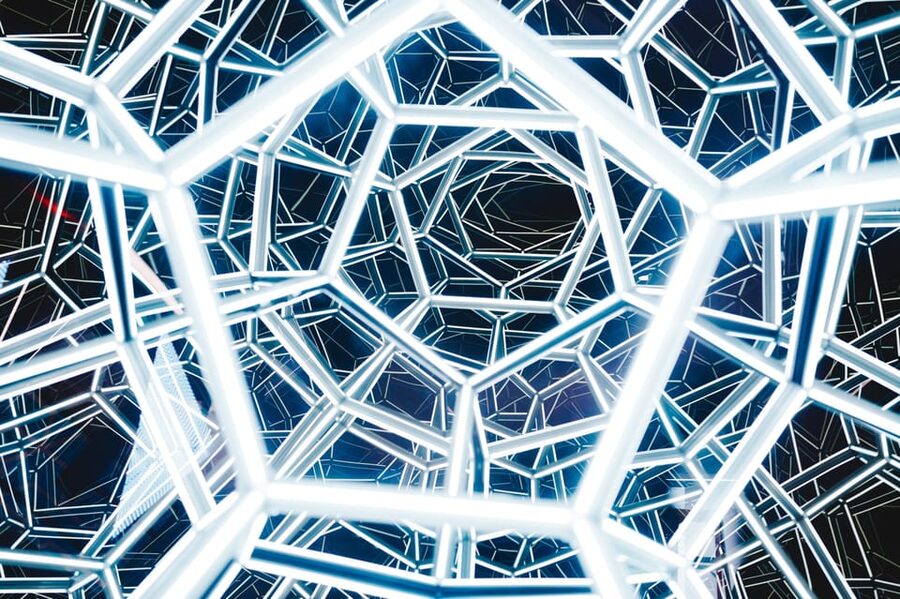
Reviewed · TICKETS
Marseille: Musée de l’Illusion Entry Ticket
The Musée de l’Illusion Marseille turns a simple museum visit into a playful test of your eyes and brain. One room may make you look tiny, another may turn the floor into a wall, and a clever image can leave you wondering which version of reality you just saw.
I like the mix of hands-on fun and simple science, plus the chance to take memorable photos without needing a guide or a long time commitment. The exhibits work well for families and friends, and the one-hour visit fits neatly into a day of sightseeing. The main drawback is value: at $22 per person, this is a short outing, so it makes most sense if you enjoy interactive photo experiences rather than traditional museums.
In This Review
- Key points to know before you go
- What the Musée de l’Illusion Marseille is really like
- A one-hour route through optical tricks and sensory exhibits
- The photo rooms are the main event
- Why the educational side matters
- Is one hour enough?
- Who will enjoy this Marseille attraction most?
- How the $22 ticket measures up
- Practical planning for your visit
- How to get the best photos
- What the strongest praise tells you
- Should you book the Musée de l’Illusion Marseille?
- FAQ
- How long does the Musée de l’Illusion Marseille visit last?
- How much does entry cost?
- What does the ticket include?
- Are food and drinks included?
- Is the museum wheelchair accessible?
- Can I cancel my booking?
Key points to know before you go
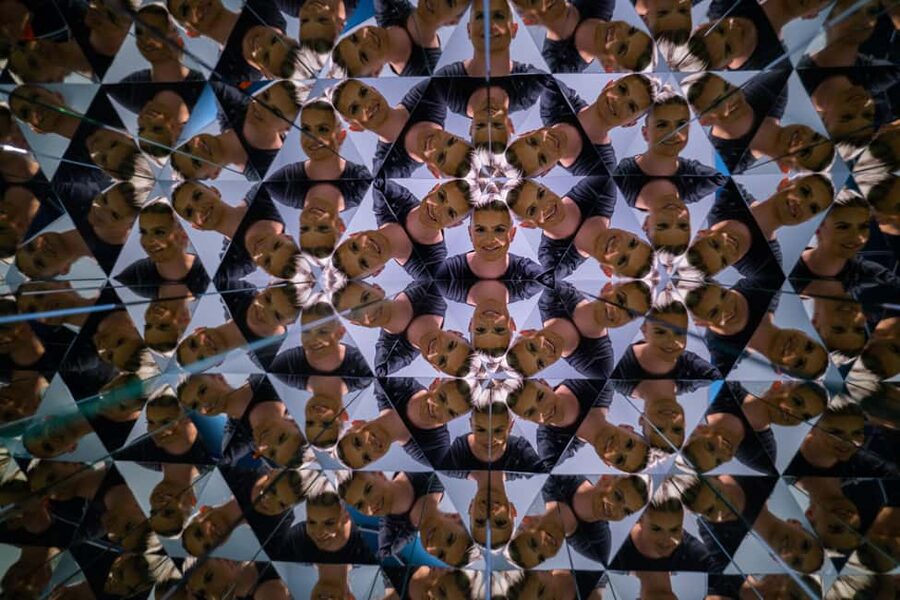
- Perspective-changing rooms: Pose as if you are floating, upside down, or changing size.
- More than photo tricks: Holograms, sensory displays, puzzles, and visual information explain how illusions work.
- About one hour: The visit is compact and easy to add between other Marseille plans.
- Best with company: Friends and family can help take photos and make the puzzles more fun.
- Bring a charged phone: Photography is a central part of the experience.
- Wheelchair accessible: The museum is listed as accessible for wheelchair users.
What the Musée de l’Illusion Marseille is really like
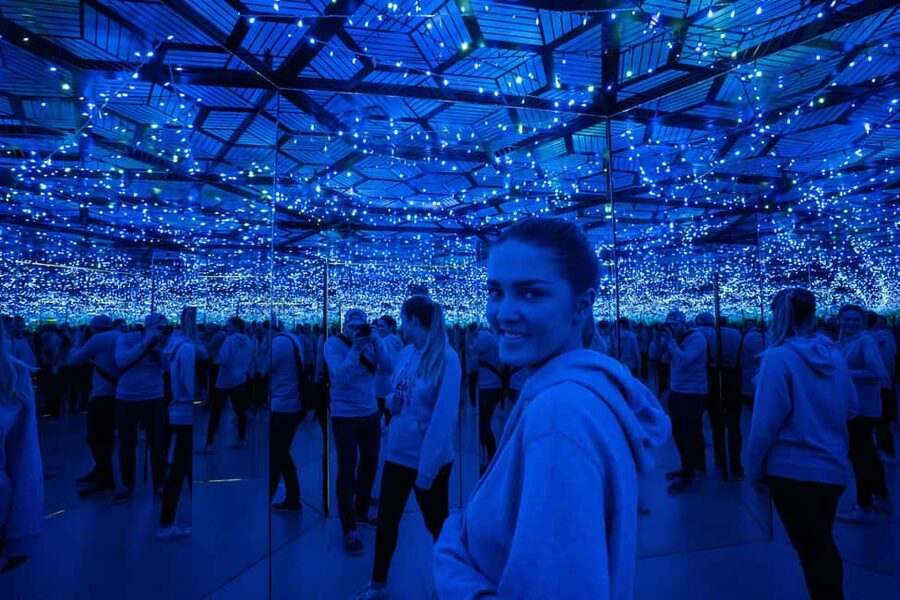
This is not a quiet gallery where you walk past framed paintings and keep your hands to yourself. The Musée de l’Illusion is built around participation. You look, test, pose, take a picture, then try to work out why your senses got the answer wrong.
The displays combine visual illusions, sensory effects, holograms, puzzles, and installations. Some focus on what your eyes see. Others show how your brain interprets size, position, motion, and depth. The educational side is useful because it gives the visit more purpose than simply moving from one photo spot to the next.
You should expect a playful setting rather than a formal lecture. The information is there to help you understand the tricks, but the main activity is still looking, touching where appropriate, testing the displays, and taking part at your own pace.
More Marseille & Provence trips worth a second look
- Skip the Line: Museum of Romanity Ticket
★ 4.5 · 45 reviews - Paris: Louvre Museum Timed-Entrance Ticket
★ 4.6 · 71,977 reviews - Disneyland® Paris 1-Day Ticket
★ 4.6 · 49,412 reviews
A one-hour route through optical tricks and sensory exhibits
The visit has no guided itinerary or named guide listed, so you are free to move through the museum on your own. That is helpful if one person in your group wants to spend several minutes solving a puzzle while another is busy taking photos.
You will encounter visual information that explains the gap between what you see and what you think you see. That distinction is the heart of the museum. Your eyes collect signals, but your brain makes sense of them, and the exhibits show how easily that process can be fooled.
The holograms and visual illusions provide a good opening to the subject. They show how an image can appear to have depth, movement, or a physical presence even when it does not. You do not need a background in science to follow along. The explanations are designed to support the display in front of you.
The sensory exhibits add another layer. They are useful for anyone who wants more than a series of strange photographs, since they make you question how sight and other senses work together. The puzzles also slow the pace down in a good way. Instead of only posing for a camera, you get a reason to stop and think.
The photo rooms are the main event
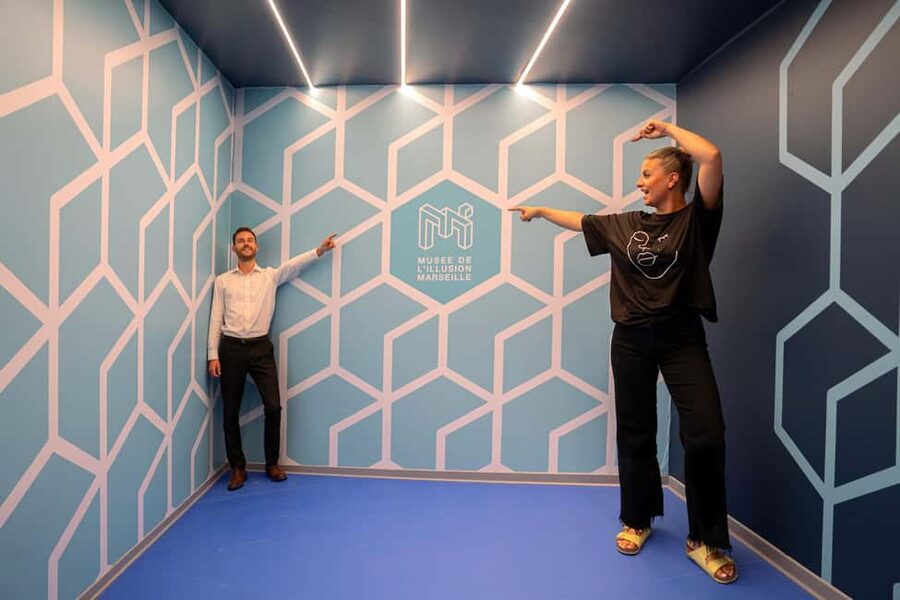
The perspective-changing rooms are likely to be the part you remember best. They are designed so your body appears to behave in impossible ways when photographed from the right position.
You can take pictures that make you appear to float in mid-air, stand upside down, or shrink in size. These effects depend on perspective, so the camera angle matters. Take a moment to follow the intended viewing point before snapping the picture. A rushed photo may not show the illusion clearly.
This is a place where having a companion helps. You may need someone else to take the picture, check the framing, or suggest a pose. If you visit alone, you can still enjoy the displays, but the photo element may be less convenient.
Bring a charged smartphone or camera. The museum specifically advises bringing a camera and a charged phone, and that is practical advice rather than a minor detail. You will likely want to record the best effects as you go.
Food and drinks are not included, and they are not allowed inside. Alcohol and drugs are also prohibited. Plan to eat before or after the visit rather than treating the museum as a stop for refreshments.
Why the educational side matters
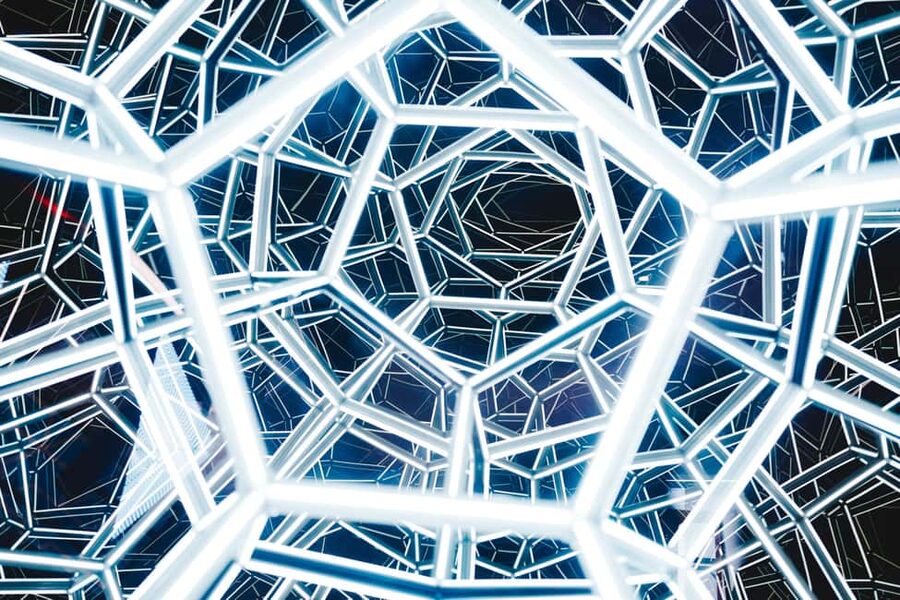
The museum’s strongest idea is that perception is not a perfect record of reality. Your eyes may send one message while your brain makes a fast assumption that turns out to be wrong.
That lesson gives the exhibits some lasting value. You are not only seeing a room that seems to tilt or an image that seems to move. You are also getting a basic demonstration of how perspective, visual information, and sensory signals can shape your understanding.
The educational content should not be confused with a full science museum visit. The experience is short and playful, and the explanations support the illusions rather than replacing them. Still, the balance works well for families. Children can enjoy the surprise, while adults can explain the simple science behind it.
I especially like this format for groups with different interests. Someone who enjoys taking pictures has plenty to do. Someone who prefers puzzles can focus on the interactive displays. Someone who likes science can pay attention to the explanations. Nobody has to spend an hour reading long panels.
A different way to spend the day, same corner of France:
- Marseille: City Sightseeing Hop-On Hop-Off Bus Tour
★ 3.8 · 2,820 reviews - From Arles: Half-Day 4×4 Camargue Safari
★ 4.7 · 1,772 reviews - Marseille: Côte Bleue Calanques Half-Day Kayak Tour
★ 4.7 · 877 reviews - Camargue: Half-Day 4×4 Guided Safari Adventure
★ 4.6 · 846 reviews
Is one hour enough?
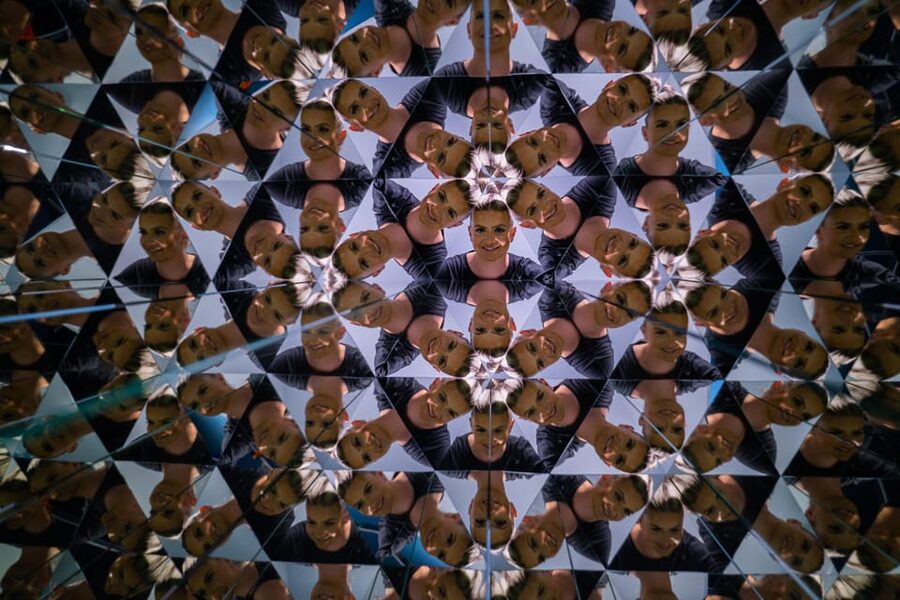
The stated duration is one hour, which is a realistic amount of time for a compact attraction built around individual exhibits. You can see the main displays without giving up half a day in Marseille.
That short length is both a strength and a weakness. It makes the museum easy to fit into a busy schedule, especially if you want an indoor activity between larger sightseeing stops. It also means you should not compare the $22 ticket with the price of a full-day museum or major cultural site.
If you move quickly, you may finish sooner. If your group takes many photos, tests every puzzle, and reads the explanations, the hour should feel more useful. Families may need extra time at the most popular displays because posing and retaking photographs can slow the visit.
I would plan for the full hour and avoid booking it as a rushed stop between fixed appointments. The experience is more enjoyable when you can repeat a trick, help someone frame a photo, or pause to understand why the illusion works.
Who will enjoy this Marseille attraction most?
This museum suits families with children, especially when adults are willing to join in rather than simply watch. The playful rooms give children a clear activity, while the science helps turn the visit into more than a photo session.
It also works well for friends. The best effects often become funnier when the whole group tries different poses and compares results. A person who usually skips museums may still enjoy this one because it asks for participation instead of quiet observation.
Couples can use it as a light activity with plenty of chances for unusual photos. It may also appeal to anyone interested in photography, visual perception, puzzles, or the way the brain processes information.
The museum is less suitable if you want Marseille art, archaeology, local history, or a long, quiet cultural visit. Nothing in the description suggests a collection of traditional artworks or historical objects. This is a modern entertainment and learning experience focused on illusion.
How the $22 ticket measures up
At $22 per person, the ticket is not a bargain in the same way as a free public square or a low-cost church visit. You are paying for a designed interactive attraction, the installations, and the chance to use the rooms for your own photos.
The value depends on how actively you take part. If you simply walk through and glance at each display, one hour may feel expensive. If you test the puzzles, read the explanations, take several photos, and share the experience with family or friends, the price becomes easier to justify.
I would think of it as a compact add-on to a Marseille day. It is not a replacement for the city’s larger cultural sights, but it can provide a change of pace. On a hot, wet, or tiring day, an indoor attraction with a clear one-hour time frame can be useful.
The rating of 4.1 from 488 reviews suggests a generally positive but not universal response. That feels reasonable for this type of attraction. People who enjoy interactive illusions and photo rooms are likely to have a good time, while anyone expecting a major museum may find the visit too short or too playful.
Practical planning for your visit
Go directly to Musée de l’Illusion Marseille. The meeting point is the museum itself, so there is no separate departure point or transport arrangement included with the ticket.
Check the available starting times before booking. The ticket has a one-hour duration, but the exact entry time depends on availability. I would choose a slot that gives you breathing room on both sides, since a delayed meal or a long walk can make a timed indoor visit feel hurried.
You can cancel up to 24 hours in advance for a full refund. The reserve-now, pay-later option also gives you some flexibility if your Marseille schedule is still changing. These policies are useful, but check the booking terms at the time you reserve.
The museum is wheelchair accessible, which makes it a practical option for visitors who need an accessible attraction. The supplied information does not describe every room or route in detail, so anyone needing specific access arrangements should confirm those details before arrival.
Keep your phone battery high. It is frustrating to reach the best photo room with only a few percent left. Since food and drinks are not allowed, plan a snack or coffee stop outside the museum.
How to get the best photos
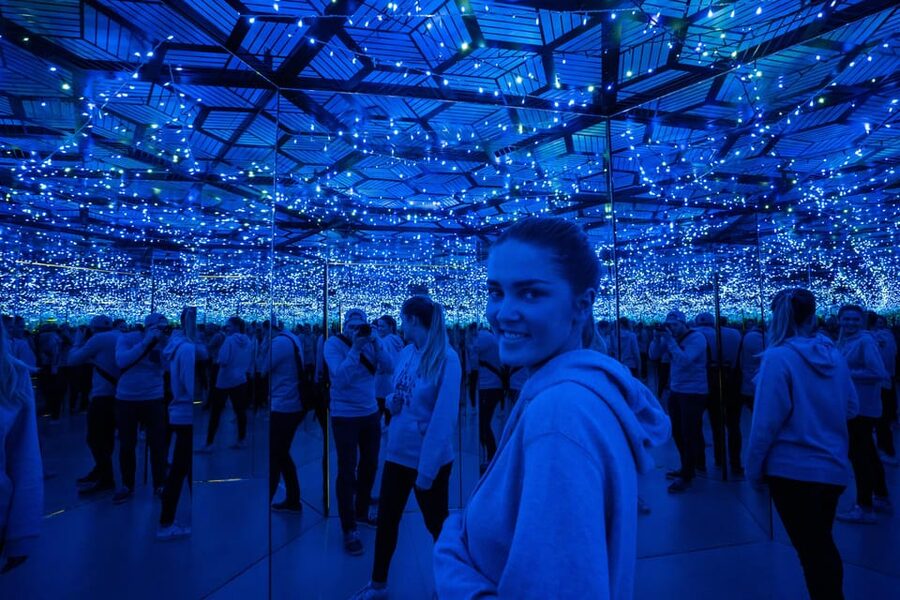
The photo rooms reward patience more than fancy equipment. A charged smartphone is enough, but ask your companion to check the full frame before taking the final picture. Perspective effects can fail if a foot, hand, or nearby object lands in the wrong place.
Try more than one pose. A floating pose, an upside-down pose, and a size-changing pose each work best when your body position matches the room. You may need to retake a photo to make the effect clear.
Let one person pose while another checks the screen. Then switch roles. This keeps the visit social and prevents one person from becoming the permanent photographer.
If you are visiting with children, give them time to experiment. The fun comes from seeing the result and then trying to improve it. The museum is not only a backdrop for polished social media images. Its better moments come from the surprise when a simple trick actually works.
What the strongest praise tells you
The most positive response centers on three things: the experience is fun, it is educational, and it works for both children and adults. That combination is important because many photo attractions offer the first quality but not the other two.
The interactive nature also receives strong approval. You are not just looking at illusions from behind a barrier. You take part, test your perception, and use the displays in a personal way.
The French comments describe the visit as entertaining and instructive, a good break for all ages, and fully immersive in the sense that the illusion affects the whole experience. Put simply, the museum succeeds when you treat it as a shared activity, not a quick walk-through.
The mixed rating also gives you a useful warning. This attraction has a clear theme and a short format. If that sounds appealing, the visit should feel lively and memorable. If you prefer large collections, detailed history, or hours of quiet viewing, spend your $22 elsewhere.
Should you book the Musée de l’Illusion Marseille?
Book it if you want a short, playful indoor activity with photo opportunities, puzzles, and simple explanations of visual perception. It is especially well suited to families, friends, couples, and anyone who likes interactive exhibits.
Skip it if you are looking for a major Marseille museum or a long cultural visit. At $22 for about an hour, the price only works when you plan to take part fully and make use of the perspective rooms.
For the right audience, this is an easy addition to a Marseille itinerary. Bring a charged phone, leave food and drinks outside, allow the full hour, and expect to laugh at your own eyes.
FAQ
How long does the Musée de l’Illusion Marseille visit last?
The stated duration is one hour. Check availability for the starting times when you book.
How much does entry cost?
The entry ticket costs $22 per person.
What does the ticket include?
The ticket includes entry to Musée de l’Illusion Marseille.
Are food and drinks included?
No. Food and drinks are not included, and they are not allowed inside the museum.
Is the museum wheelchair accessible?
Yes. The experience is listed as wheelchair accessible.
Can I cancel my booking?
Yes. You can cancel up to 24 hours in advance for a full refund. You can also reserve now and pay later to keep your plans flexible.
Recently reviewed around Marseille & Provence
- Guided tour Distillery of Lavender between Nîmes & Arles★ 5.0 · 84 reviews
- Skip the Line: Museum of Romanity Ticket★ 4.5 · 45 reviews
- A Private Guided Historical and Cultural Tour in Nîmes★ 4.5 · 32 reviews
- Provence Hot-Air Balloon Ride from Forcalquier★ 4.5 · 75 reviews
- Horse ride in Haute Provence Luberon and Forcalquier★ 5.0 · 77 reviews
- Sailing day in the heart of the Calanques★ 4.5 · 61 reviews
- The Urban Hike of Marseille★ 5.0 · 35 reviews
- Sormiou Calanques National Park Electric Bike Tour from Marseille★ 5.0 · 60 reviews
Tickets, compared.

Versailles Palace and Gardens Full Access Ticket
Read our review →
Eiffel Tower Entry Ticket with Optional Summit Access
Read our review →
Moulin Rouge Cabaret Show Ticket with Champagne
Read our review →
Montparnasse Tower Observation Deck Entry Ticket
Read our review →
Louvre Museum Entry Ticket With Host and River Cruise
Read our review →
Sainte-Chapelle and Conciergerie Combined Tickets
Read our review →
Louvre Reserved Ticket and River Cruise Combo
Read our review →Browse the lists this tour appears in