
Reviewed · LILLE TOURS
Musee Somme 1916 Admission Ticket
The most striking part of the Musée Somme 1916 is the 250-meter underground tunnel that carries you 10 meters below Albert. This is not a glass case museum you can rush through in ten minutes. The low, enclosed setting, trench scenes, sound effects, and displays of weapons put the Somme battle into physical terms. In 1916, about 56,000 British soldiers were killed on the first day alone.
I like the museum’s clear visual storytelling, especially the fifteen alcoves showing different parts of trench warfare. I also like the quiet finish in the Gallery of Heroes, followed by an exit into Albert’s arboretum beside the Ancre River. The main consideration is location: despite the Amiens label, the museum is in Albert, roughly 20 miles past Amiens, so you need to allow time for the journey.
In This Review
- Key points to know before you go
- Why the Somme Museum matters
- Walking 250 meters below Albert
- Fifteen scenes of trench warfare
- Twenty-five cabinets of weapons and artifacts
- The Gallery of Heroes
- Leaving through Albert’s arboretum
- Languages, app, and visit length
- What the $9.67 admission is worth
- Who should book this experience
- Practical planning for your visit
- Should you book the Musée Somme 1916?
- FAQ
- Where is the Musée Somme 1916 located?
- How long does the museum visit take?
- What languages are available?
- Is an admission ticket included?
- What can I see inside the museum?
- Is transportation included?
- Can children visit?
- Can I cancel for a refund?
Key points to know before you go
- The museum is underground: You enter a 250-meter tunnel about 10 meters below the surface before reaching the main displays.
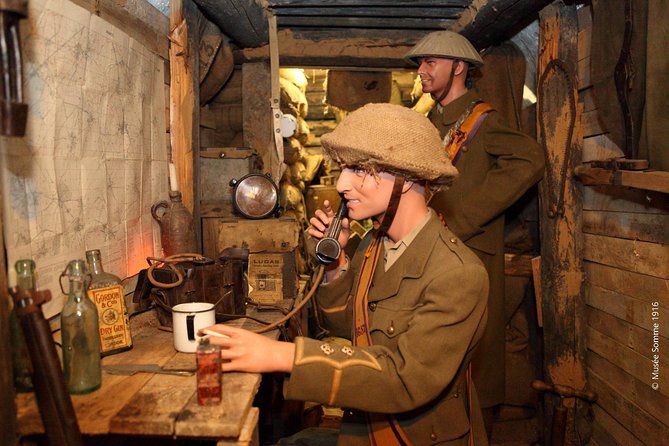
- Fifteen trench scenes tell the story: Reconstructed scenes show the harsh conditions and daily reality of warfare in the Somme.
- The collection includes 25 display cabinets: You can examine weapons and other First World War artifacts at close range.
- Four languages are available: The museum can be experienced in French, English, German, or Dutch, with a new free app included.
- The exit leads to the Ancre River: Your visit ends in Albert’s public garden and arboretum, with cascades and river views.
- The visit takes one to three hours: The flexible length lets you move quickly or pause with the displays and app.
Why the Somme Museum matters
The Battle of the Somme is often reduced to a date and a casualty figure. This museum gives that number a setting. The first day of the offensive, July 1, 1916, brought about 56,000 British casualties, including roughly 19,000 deaths. The scale is difficult to grasp from a textbook. The underground route helps you consider the cramped, enclosed world in which soldiers lived and fought.
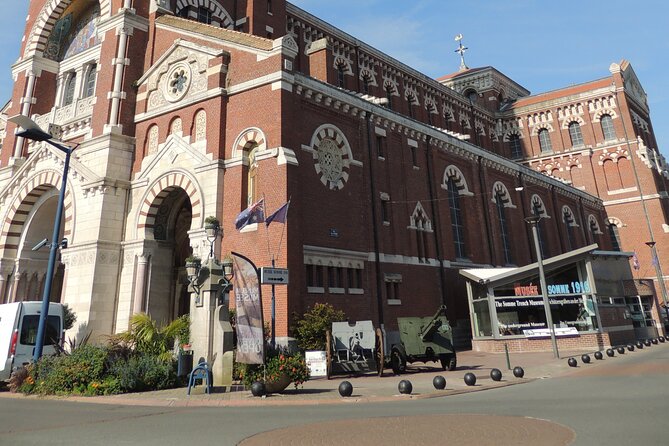
You begin near the basilica in Albert. From the entrance hall, the museum route runs through a long tunnel below ground. That change in level is important. You are not simply walking into a modern exhibition room. You are moving into a space designed to recall the confined conditions of the front.
The museum does not present a full military study of every operation in the Somme. Instead, it uses scenes, objects, lighting, and sound to make trench warfare understandable to a general audience. That makes it a useful stop for a first visit to the Somme battlefields, especially if you want context before visiting other memorials in the area.
More Lille trips worth a second look
- Entrance Ticket Nausicaa, the biggest aquarium in Europe
★ 3.5 · 1,135 reviews - Nausicaá National Sea Center: Full-Day Entry Ticket
★ 4.5 · 541 reviews - Pierrefonds: Château de Pierrefonds Entrance Ticket
★ 4.7 · 152 reviews
Walking 250 meters below Albert
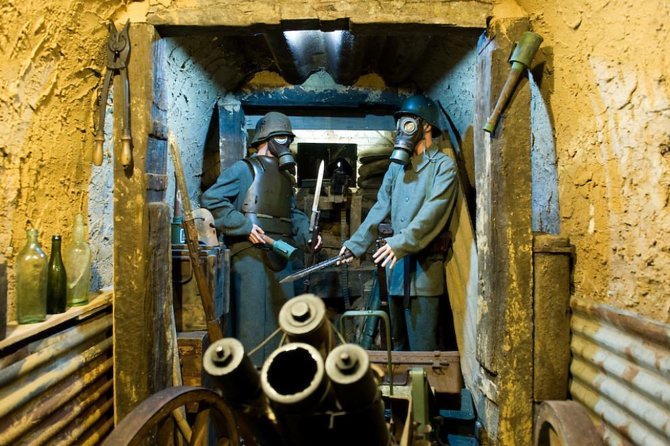
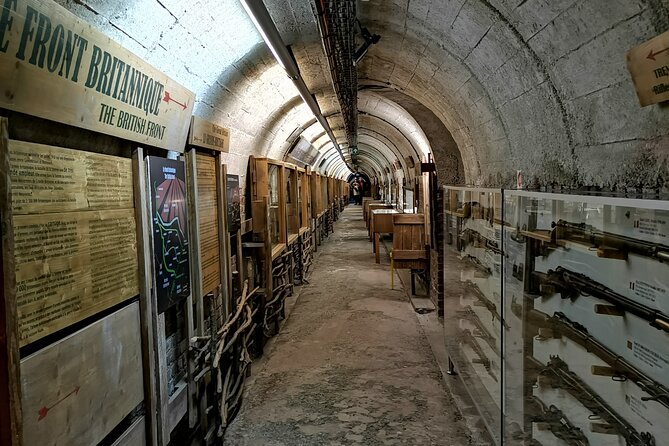
The tunnel is the museum’s defining feature. It stretches for about 250 meters and lies 10 meters below the surface. The route gives the visit a steady sense of progression, although the museum is still easy to explore at your own pace.
The unusual setting also brings one practical concern. If you dislike enclosed spaces, you may find the tunnel less comfortable than a standard museum gallery. The details provided for this experience report no health restrictions, and most people can participate, but anyone who knows that underground spaces cause discomfort should think about this before booking.
Sound and light effects add to the route. They are intended to suggest the chaos of bombardment and the conditions soldiers faced. One particularly effective element is the use of realistic flashes and sound to help you picture the violence of battle. This can make the story more immediate, but it also means the visit is not completely quiet or contemplative.
Give yourself time to adjust as you enter. The route works best when you pause rather than hurry from one scene to the next. A quick visit is possible, but the museum offers more when you read the displays and use the free app.
Fifteen scenes of trench warfare
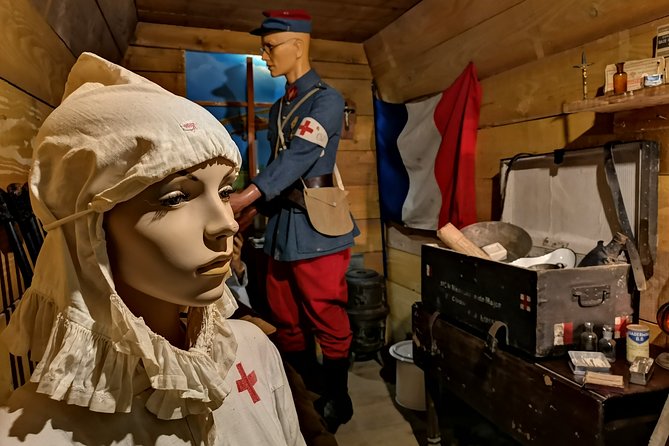
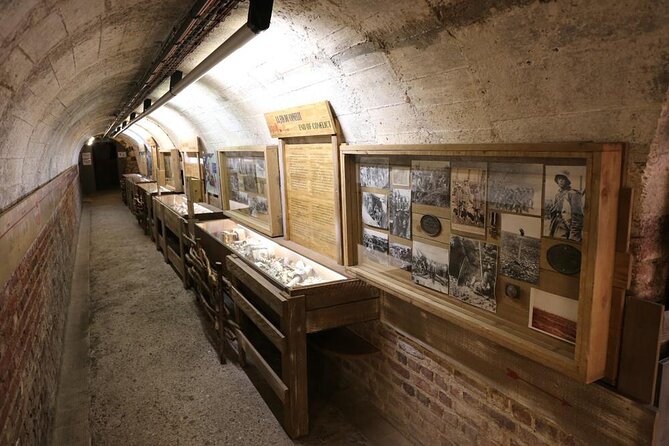
Along the tunnel, fifteen alcoves present scenes from the First World War. These are not just decorative sets. They show different parts of trench life and help connect the objects in the cases with the people who used them.
The subject matter is naturally grim. The museum deals with death, bombardment, injury, and the daily strain of war. One useful feature is that it presents more than battlefield movement. It also gives you a sense of the physical and emotional damage left behind.
The treatment is strongest when the scenes give a human scale to the conflict. You can think about the soldiers as individuals rather than as numbers on a wall. The presentation is suitable for families in the sense that children are allowed to participate and must be accompanied by an adult, but parents should decide how much of the material their children are ready to see.
The sound and lighting may be especially memorable for younger visitors. They turn the visit into a sensory experience, though some children may find the effects intense. If you are visiting with a family, stay close and use the four-language app or displays to explain what you are seeing.
Twenty-five cabinets of weapons and artifacts
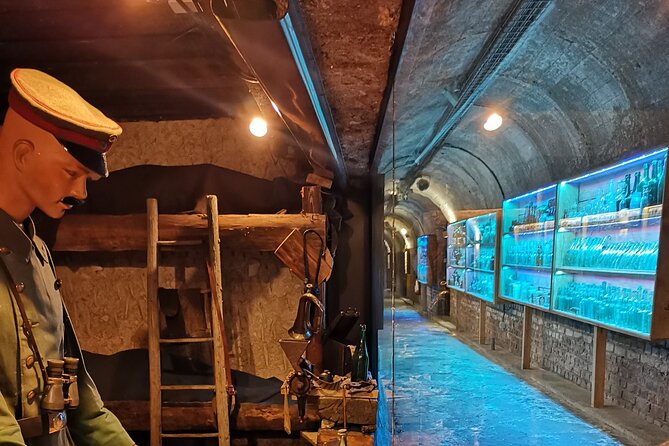
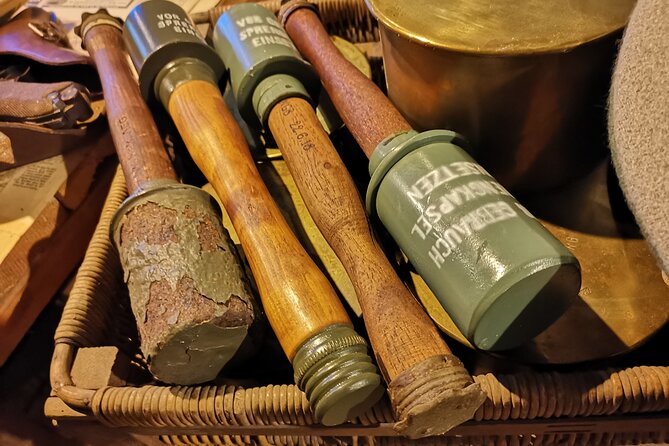
The museum also contains 25 display cabinets filled with First World War artifacts and weaponry. These cases give you a more traditional museum experience after the reconstructed scenes.
The objects matter because they anchor the atmosphere in real material. A trench scene can suggest what conditions were like, but an actual piece of equipment or weapon shows the physical tools of the war. The cases also give you a chance to pause and examine details instead of simply following the route.
I would allow extra time here if military history interests you. The advertised visit lasts from one to three hours, and this section is one reason the length can vary so much. You can walk through the main route in a shorter visit, but careful reading and close inspection will push your time toward the longer end.
The collection is not described as a large national museum collection, so do not arrive expecting endless galleries. Its strength is the combination of a manageable number of objects with the underground setting and staged scenes. You get a focused account of the Somme rather than a broad survey of every aspect of the First World War.
A different way to spend the day, same corner of France:
- Lille Driving Tour by Convertible Citroen 2CV
★ 4.9 · 711 reviews - Unique Tour of Lille by Convertible 2CV – 1h00
★ 5.0 · 470 reviews - Lille: 24, 48 or 72-Hour City Pass & 24-Hour Transportation
★ 4.3 · 205 reviews - Private Round Trip Transfer to Vimy Ridge from Arras
★ 5.0 · 164 reviews
The Gallery of Heroes
The final museum section is the Gallery of Heroes. It honors nine individuals who distinguished themselves during the war.
This is a useful change of pace after the scenes of destruction. The gallery shifts attention from battle conditions to individual courage and service. It gives the visit a human ending, although the museum’s account also keeps the suffering of war in view.
One point to keep in mind is that the human cost is not limited to those who died. The exhibition’s portraits and reconstructions often focus on the dead, while the experience of wounded and permanently disabled soldiers receives less attention. If that subject matters to you, the museum may leave you wanting a fuller account of the war’s long-term effects.
That limitation does not cancel the value of the gallery. It simply helps set expectations. The museum offers a powerful introduction to the Somme, but it is not intended to cover every social, medical, or political consequence of the conflict.
Leaving through Albert’s arboretum
The visit ends in Albert’s public garden rather than back at the entrance. From there, you can explore the arboretum and see the Ancre River, including its cascades.
This is a pleasant and thoughtful way to finish. After the dark tunnel and battle scenes, the open garden gives you room to breathe and reflect. The river views also make the museum feel connected to the surrounding town rather than sealed off as an isolated attraction.
Remember this layout when planning your visit. You may need to orient yourself after exiting, especially if you arrived expecting the museum to be in central Amiens. The venue is in Albert, described by one visitor as about 20 miles beyond Amiens, and the public garden exit may not return you to the exact point where you started.
The arboretum is also a good reason not to schedule the museum too tightly. If you have enjoyed the displays, a few extra minutes by the river can provide a calmer finish. Food and drinks are not included, so plan those separately in Albert or elsewhere along your route.
Languages, app, and visit length
The museum is accessible in French, English, German, and Dutch. That is a major advantage if you do not read French, since the exhibition deals with many details that are easy to miss when you rely only on visual scenes.
A new free app is included with admission. Use it as part of your planning rather than assuming the ticket covers a guided tour. No personal guide names are provided, and the experience is presented as museum admission with multilingual support and the app.
The flexible one-to-three-hour duration is useful. If you have only a short window, you can focus on the central scenes and cabinets. If the Somme is a main reason for your trip, stay longer for the artifacts, the Gallery of Heroes, and the arboretum at the end.
The experience is generally suitable for most people. Children must be accompanied by an adult, and the maximum group size is listed as 15. That limit suggests a relatively controlled visit, but this is not described as a private tour or a guided group excursion.
What the $9.67 admission is worth
At $9.67 per person, the ticket is reasonably priced for a museum visit lasting up to three hours. The value comes from having several kinds of material in one place: an underground route, staged scenes, sound and light effects, 25 display cabinets, a nine-person gallery, and a free app in four languages.
You are also paying for a focused experience rather than transport or a full-day battlefield tour. Transportation to and from the museum is not included, and that matters because the attraction is outside Amiens in Albert. If you are already visiting Albert or driving through the Somme area, the price looks particularly good. If you are staying in Amiens without a car, the journey may be the larger issue.
The ticket is best value for visitors who want an accessible introduction to the battle. It is less suited to someone seeking a scholarly archive, a guide-led military analysis, or a complete tour of the Somme memorials.
Admission confirmation is provided at booking. Free cancellation is available if you cancel at least 24 hours before the start time. Changes or cancellations made within 24 hours are not accepted for a refund, so keep your schedule in mind.
Who should book this experience
I would recommend the museum to first-time visitors to the Somme, families with older children, and anyone who learns best through objects and recreated scenes. The four language options make it practical for an international audience, and the route gives a clear introduction without requiring specialist knowledge.
It also suits visitors who want a short, focused history stop rather than a full day of battlefield interpretation. You can spend one hour on the essential route or stay closer to three hours if you read everything and take time in the garden.
You may want to skip it if underground spaces are a serious problem for you, if you want only quiet memorial sites, or if you expect the venue to be in Amiens itself. The location needs careful planning, and the sound and light effects may feel strong for some children or sensitive visitors.
Practical planning for your visit
The listed opening hours are 9:00 a.m. to 6:00 p.m., Monday through Sunday, for the stated 2026 operating period. Confirm your date when booking, since opening information can change.
Plan your route around the fact that the museum begins near the basilica and ends in the public garden. Wear something comfortable for walking and give yourself enough time to read the exhibits. The supplied information does not specify special clothing or equipment, so ordinary sightseeing preparation should be enough.
If you are combining the museum with other Somme sites, avoid placing it at the very end of a rushed day. The subject deserves attention, and the exit into the arboretum gives you a natural pause before moving on.
Should you book the Musée Somme 1916?
Book it if you want an atmospheric and fairly priced introduction to the Somme, especially if you value real artifacts paired with visual storytelling. The underground tunnel, fifteen scenes, sound effects, and four-language support make the experience easy to follow without a private guide.
Think twice if you are expecting a full battlefield tour or if you assumed the museum was in Amiens. It is in Albert, about 20 miles away, and transportation is your responsibility. For visitors already exploring the Somme area, though, the $9.67 admission offers a strong amount of history for the money, with the Ancre River arboretum providing a peaceful finish.
FAQ
Where is the Musée Somme 1916 located?
The museum is in Albert, France, near the basilica. It is described as roughly 20 miles past Amiens, so it is not located in Amiens city itself.
How long does the museum visit take?
The visit takes approximately one to three hours. A shorter visit covers the main route, while a longer visit allows more time for the artifacts, Gallery of Heroes, app, and arboretum.
What languages are available?
The museum is accessible in French, English, German, and Dutch.
Is an admission ticket included?
Yes. Admission to the Musée Somme 1916 is included, along with access to the new free app.
What can I see inside the museum?
You can walk through a 250-meter underground tunnel, see fifteen scenes about trench warfare, examine 25 display cabinets containing First World War artifacts and weapons, and visit the Gallery of Heroes dedicated to nine individuals.
Is transportation included?
No. Transportation to and from the attraction is not included in the admission ticket.
Can children visit?
Yes. Children can participate, but they must be accompanied by an adult.
Can I cancel for a refund?
You can cancel for a full refund up to 24 hours before the experience start time. Cancellations and changes made less than 24 hours before the start time are not accepted for a refund.
Recently reviewed around Lille
- Lille Old Town Walking Tour With A Guide★ 4.5 · 40 reviews
- 1 Hour Private Lille Tour by Convertible 2CV with a Local Products Tasting★ 5.0 · 78 reviews
- Rallye “Discoveries and Surprises”★ 5.0 · 52 reviews
- Private Lille Tour by Classic Convertible 2CV with Champagne★ 5.0 · 49 reviews
- 30-Minutes Private Guided Tour of Lille by Convertible 2CV★ 5.0 · 79 reviews
- Lille Scavenger Hunt and City Highlights Walking Tour★ 4.5 · 47 reviews
- Lille Scavenger Hunt and Highlights Self Guided Audio Tour★ 4.0 · 32 reviews
- Private battle of Dunkirk Operation Dynamo Tour★ 5.0 · 99 reviews
Lille Tours, compared.

Entrance Ticket Nausicaa, the biggest aquarium in Europe
Read our review →

Nausicaá National Sea Center: Full-Day Entry Ticket
Read our review →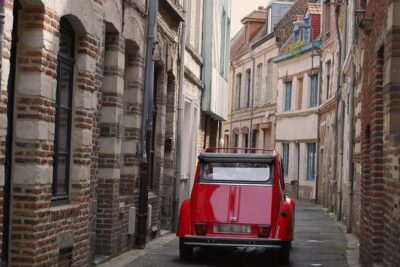
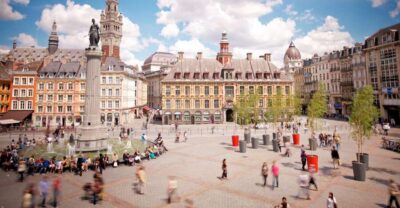
24, 48 or 72-Hour City Pass & 24-Hour Transportation
Read our review →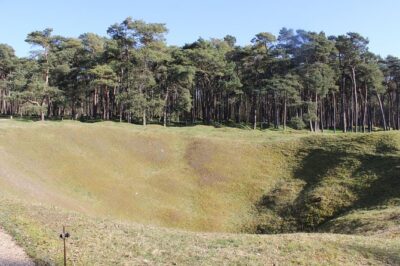
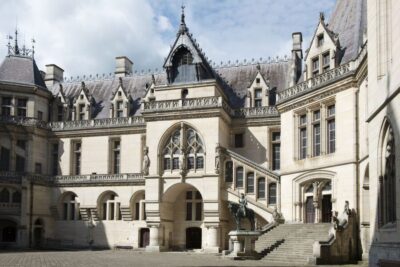
Pierrefonds: Château de Pierrefonds Entrance Ticket
Read our review →
Browse the lists this tour appears in