
Reviewed · LILLE TOURS
Private battle of Dunkirk Operation Dynamo Tour
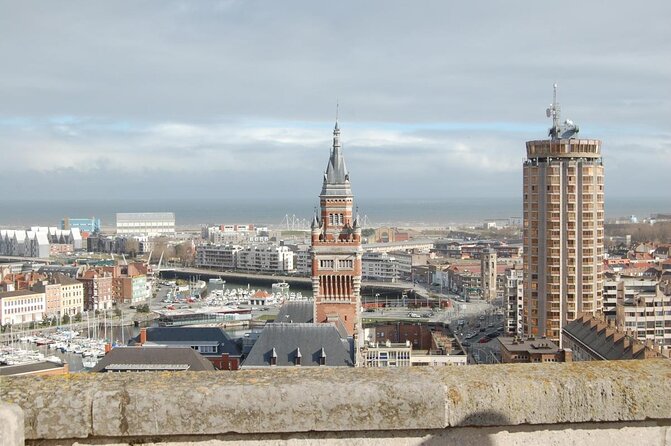
The most moving part of this two-hour Dunkirk tour is its connection to the ground itself. You see the cemetery where fallen soldiers are remembered, the broad beach where troops waited under attack, and the port from which the evacuation was organized. Maps, photographs, and clear storytelling help turn a large military event into a sequence of real places.
I like the private format, which gives you room to ask questions and adjust the pace. I also like the French and British viewpoints, plus the chance to connect the sites with Christopher Nolan’s Dunkirk. The main drawback is simple: three stops in two hours can feel brief, and one past participant felt the price was high for a short tour with no museum admission.
In This Review
- Key points before you book
- Why these Dunkirk sites matter
- Starting at the Commonwealth War Graves cemetery
- Reading the beach at Malo-les-Bains
- Understanding the East Mole and the port
- The guide shapes the experience
- What the $193.50 group price means
- Timing, pickup, and practical planning
- Who will get the most from this tour
- Should you book the Operation Dynamo tour?
- FAQ
- How long does the private Dunkirk tour last?
- What locations are included?
- Is the Dunkirk museum included?
- Is transportation included?
- How many people can join the tour?
- Is the tour offered in English?
- Does the price include food and drinks?
- Can I cancel for a full refund?
Key points before you book
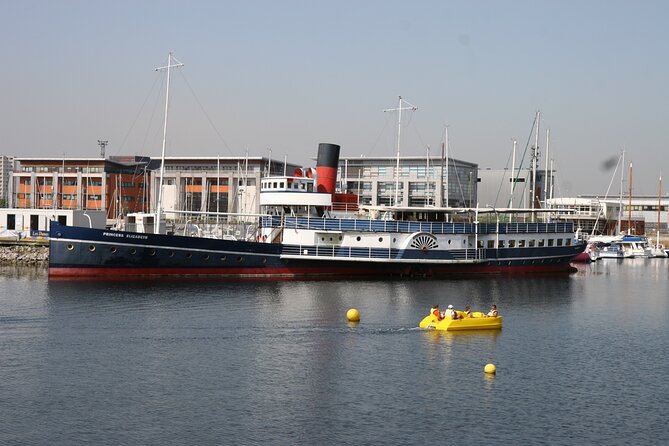
- See the actual evacuation ground: Visit the Commonwealth War Graves cemetery, Malo-les-Bains beach, and Dunkirk’s East Mole.
- Private guide, private group: You tour only with your own party, with a car or minivan option depending on group size.
- Expect strong historical storytelling: Guides such as Emmanuel, Elise, Freddy, Fred, and Onno are praised for clear explanations and personal attention.
- The beach is the visual centerpiece: From Malo-les-Bains, you can look across much of the 20-kilometre stretch used during the evacuation.
- Plan extra time for the museum: The Dunkirk museum is not part of the tour, but it pairs well with the outdoor visits.
- Check the vehicle limit: The general description mentions groups up to 15, while the additional details specify up to 3 people by car or 8 by minivan.
Why these Dunkirk sites matter
Operation Dynamo was the 1940 evacuation of British and Allied troops from the Dunkirk area to England. The story is often reduced to a dramatic escape by small civilian boats, but the full event involved beaches, port facilities, defensive positions, damaged roads, naval planning, French civilians, British troops, and a shrinking perimeter under German attack.
This tour gives you a practical way to connect those pieces. You are not sitting in a museum for two hours. You are moving between the places where troops waited, where the dead were later buried, and where the evacuation effort reached the sea.
That physical connection matters in Dunkirk. The beach looks open and calm on a normal day, yet the tour explains how exposed soldiers were while waiting for ships. The port can look like ordinary working infrastructure, but the East Mole helps you understand how men were loaded and moved under pressure.
I would not treat this as a full military campaign tour. The scheduled route focuses on three key Dunkirk locations. If you want the wider defensive story, including Gravelines, the Aa Canal, and the shrinking perimeter, ask before booking if the route can be adjusted.
More Lille trips worth a second look
- Private Round Trip Transfer to Vimy Ridge from Arras
★ 5.0 · 164 reviews - 30-Minutes Private Guided Tour of Lille by Convertible 2CV
★ 5.0 · 79 reviews - 1 Hour Private Lille Tour by Convertible 2CV with a Local Products Tasting
★ 5.0 · 78 reviews
Starting at the Commonwealth War Graves cemetery
The first stop takes about 20 minutes at the Commonwealth War Graves Dunkirk site. You enter through the columns of the Dunkirk Memorial and begin with the engraved glass inside the memorial before walking to several graves in the Second World War plot.
This is a quiet opening. It places the evacuation in human terms before you reach the beach. The names and graves remind you that Operation Dynamo was not a clean escape. Many men died during the fighting, the retreat, the bombing, or later actions connected with the campaign.
The stop is free, so there is no extra admission charge. Still, allow for a respectful, unhurried visit. This is not a place for a fast photo and a quick return to the vehicle. The memorial gives the guide a useful point from which to explain the British side of the operation, while the wider tour also brings in the French experience.
The cemetery may appeal most to you if you value personal stories and memorial sites. If you are traveling with children or teenagers, the visit is short enough to hold attention, especially when the guide uses maps and photographs to explain what happened.
Reading the beach at Malo-les-Bains
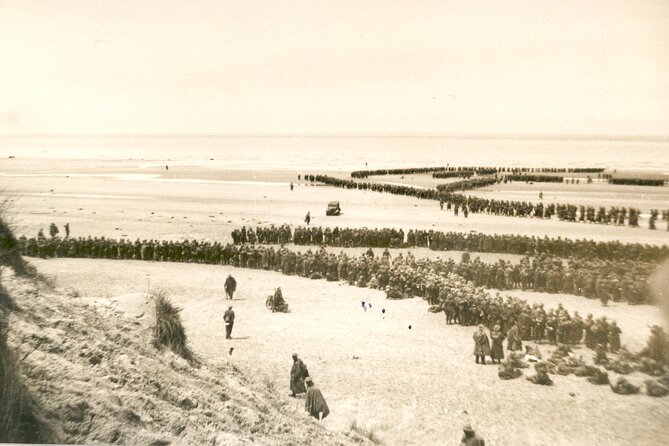
The second stop lasts around 25 minutes at Plage de Malo-les-Bains. This is the part of the tour where the scale of the evacuation becomes easiest to grasp.
From the beach, you can see across a long section of coastline. The full beach area linked to the evacuation stretched roughly 20 kilometres, and around 100,000 soldiers were taken from this zone to England. The view helps you understand why the evacuation was difficult: troops were spread along the shore, waiting for a chance to board while German attacks continued.
A good guide does more than point at the water. You should expect an explanation of where soldiers waited, how the beach differed from the port, and why getting men off the sand was so slow and dangerous. The open shoreline also makes the weather part of the experience. Dunkirk can be windy, and poor weather may make the stop less comfortable, though it also gives you a small sense of how exposed the troops were.
Several guides are praised for making this stop vivid without losing the wider context. Elise is noted for covering both the French and British sides of the evacuation. Freddy and Fred are praised for adding individual stories and details that help the events feel less abstract. Emmanuel is known for using a binder of photographs and maps, which can be especially helpful when the present-day beach gives few visible clues.
The beach stop includes access to the site, but it does not include food or drinks. Bottled water is provided, and you should still dress for coastal weather. Bring a jacket even on a mild day.
Understanding the East Mole and the port
The third scheduled stop takes about 20 minutes at the Grand Port Maritime of Dunkirk. The focus is the East Mole, the main point of evacuation during Operation Dynamo.
This stop explains the practical side of the rescue. Troops had to be directed toward loading points, ships had to approach, and the movement of men had to continue despite attacks and confusion. The East Mole is useful because it shifts the story from the wide beach to the organized work of getting soldiers onto vessels.
The port also helps explain why the operation was not simply a matter of sending boats to shore. Conditions on the beach, the availability of ships, damaged facilities, and the need to keep the evacuation moving all shaped what could happen. Your guide should connect these details to the places you are seeing rather than treating the port as a separate photo stop.
The port stop is free, and it is viewed as part of the private driving route. It may be less visually dramatic than Malo-les-Bains, but it adds the operational detail that the beach alone cannot provide.
Some tours also include a wider look at Dunkirk’s city center and notable buildings, depending on the guide and timing. That can give you a sense of the modern city and the damage it suffered, but the listed route centers on the cemetery, beach, and port. If seeing city sights is important to you, confirm the plan when arranging your tour.
A different way to spend the day, same corner of France:
- Entrance Ticket Nausicaa, the biggest aquarium in Europe
★ 3.5 · 1,135 reviews - Lille Driving Tour by Convertible Citroen 2CV
★ 4.9 · 711 reviews - Nausicaá National Sea Center: Full-Day Entry Ticket
★ 4.5 · 541 reviews - Unique Tour of Lille by Convertible 2CV – 1h00
★ 5.0 · 470 reviews
The guide shapes the experience
This is a guide-led tour, and the guide makes a real difference. The strongest feedback centers on guides who explain clearly, answer questions, adapt to families, and place the evacuation in both French and British context.
Emmanuel is repeatedly praised for his passion, flexibility, and use of visual aids. He has adjusted timing for families and helped make the tour work for unusual circumstances. Elise is praised for enthusiasm and for presenting both national perspectives. Freddy and Fred are singled out for military knowledge, personal stories, and a calm manner behind the wheel.
Onno is noted for being personable and for connecting the tour with the film Dunkirk. One guide has also taken visitors to a street seen in the movie’s opening scene. These film links can be fun, but they work best as an extra layer rather than the main reason to visit. The real value is seeing the places that inspired or informed the story.
The private setup helps here. You can ask why a particular location mattered, request clarification about the film, or focus more on French civilians, British troops, naval planning, or the cemetery. A fixed group tour may move on quickly, while this format gives your own party more space.
The group details need careful attention. The experience is described generally as accommodating up to 15 people, but the booking information also specifies a maximum of 3 people for a car tour and 8 for a minivan tour. If your party is larger than eight, confirm the exact vehicle and capacity before paying.
What the $193.50 group price means
The listed price is $193.50 per group, not per person. For two or three people, that can be reasonable because it covers a private guide and private transportation rather than a seat on a large coach.
The value is strongest when you want a focused introduction in limited time. Hotel pickup and drop-off are offered at selected hotels, and private transport saves you from working out how to connect several sites around Dunkirk. Bottled water is also included.
The calculation changes for a solo visitor. You pay the full group price even if only one person joins, and the tour lasts about two hours. One criticism of the experience was that the three sites are close together and that the price felt high for a short history lesson without museum admission.
That concern is fair. You are paying mainly for the guide’s time, transport, preparation, and the ability to shape the visit around your own group. You are not paying for major entry tickets or a long-distance excursion. If you prefer a full-day battlefield route, this will feel limited. If you have a short stop in Dunkirk and want context that independent sightseeing cannot easily provide, the price may make more sense.
The Dunkirk museum is not included. I strongly suggest adding it before or after the tour if you want a fuller account of Operation Dynamo. The museum can give you background and objects, while the private tour shows you where the events took place.
Timing, pickup, and practical planning
The tour lasts approximately two hours and ends back at the meeting point. The stated starting point is 1874 Rue des Chantiers de France, 59140 Dunkerque, France. Pickup and drop-off are available at selected hotels, so check that your accommodation qualifies rather than assuming every address is covered.
Transport is by private vehicle if booked. A clean, comfortable vehicle and professional driving have been specifically praised, which matters when you are moving between several stops in a short window.
The tour is offered in English. Confirmation is provided when you book, and the activity is private, meaning only your own party takes part.
Service animals are allowed, and the tour is near public transportation. Most people can participate. You should still account for the coastal setting, cemetery paths, and time outside. Wear shoes suitable for walking and bring a layer for wind or rain.
Free cancellation is available up to 24 hours before the start time for a full refund. Changes or cancellations made less than 24 hours before the local start time are not accepted.
Who will get the most from this tour
I would choose this experience if you have a strong interest in the Second World War, military history, memorials, or the film Dunkirk. It also suits families because guides have successfully kept children and teenagers engaged, including a group with sons aged 12, 14, and 17.
It works well for first-time visitors who want an overview without committing to a full-day excursion. The tour can also help you make sense of a museum visit. One useful plan is to visit the museum first, then take the private route while the facts are fresh.
You may want something longer if you already know Operation Dynamo well. The core route is compact, and two hours leaves little room for distant defensive sites or a detailed study of the wider battle. Ask about the possibility of adding Gravelines, the Aa Canal, or other positions if those areas matter to you.
The experience is less suited to someone looking only for free sightseeing. The main product is interpretation. Without a guide, you can see the beach and port, but you will miss much of the story that connects them.
Should you book the Operation Dynamo tour?
Book it if you want a short, private, guide-led introduction to Dunkirk and prefer to see the actual beaches, memorial, and port rather than read about them from a distance. The strongest reasons are the personal guiding, the ability to ask questions, the French and British viewpoints, and the useful maps and photographs some guides bring.
Skip it if you want a long battlefield tour, expect substantial admission inclusions, or feel that $193.50 is too much for two hours. In that case, visit the museum and the main outdoor sites independently, if you are comfortable supplying your own historical context.
For most people with limited time, I would pair the tour with the Dunkirk museum. That combination gives you both the objects and the places, and it turns a quick visit to the coast into a far clearer understanding of what happened in 1940.
FAQ
How long does the private Dunkirk tour last?
The tour lasts approximately two hours.
What locations are included?
The route includes the Commonwealth War Graves Dunkirk cemetery, Plage de Malo-les-Bains, and the Grand Port Maritime of Dunkirk, including the East Mole.
Is the Dunkirk museum included?
No. The museum is not included, though it is recommended if you want more background on Operation Dynamo.
Is transportation included?
Private transportation is included if booked. Hotel pickup and drop-off are available from selected hotels.
How many people can join the tour?
The general description refers to groups of up to 15, but the additional booking details specify a maximum of 3 people for a car tour and 8 people for a minivan tour. Confirm the vehicle limit for your party before booking.
Is the tour offered in English?
Yes. The tour is offered in English.
Does the price include food and drinks?
Food and drinks are not included unless specified. Bottled water is provided.
Can I cancel for a full refund?
Yes. You can cancel at least 24 hours before the local start time for a full refund. Cancellations or changes made less than 24 hours before the start time are not accepted.
Recently reviewed around Lille
- Lille Old Town Walking Tour With A Guide★ 4.5 · 40 reviews
- 1 Hour Private Lille Tour by Convertible 2CV with a Local Products Tasting★ 5.0 · 78 reviews
- Rallye “Discoveries and Surprises”★ 5.0 · 52 reviews
- Private Lille Tour by Classic Convertible 2CV with Champagne★ 5.0 · 49 reviews
- 30-Minutes Private Guided Tour of Lille by Convertible 2CV★ 5.0 · 79 reviews
- Lille Scavenger Hunt and City Highlights Walking Tour★ 4.5 · 47 reviews
- Lille Scavenger Hunt and Highlights Self Guided Audio Tour★ 4.0 · 32 reviews
- Private Round Trip Transfer to Vimy Ridge from Arras★ 5.0 · 164 reviews
Lille Tours, compared.

Entrance Ticket Nausicaa, the biggest aquarium in Europe
Read our review →

Nausicaá National Sea Center: Full-Day Entry Ticket
Read our review →
24, 48 or 72-Hour City Pass & 24-Hour Transportation
Read our review →

Pierrefonds: Château de Pierrefonds Entrance Ticket
Read our review →
Browse the lists this tour appears in