
Reviewed · PARIS TOURS
Paris: Behind the Scenes Bakery Tour with Breakfast
Parisian baking is not just about eating a warm baguette on a park bench. At this two-hour bakery tour near Saint Paul, you get inside a working boulangerie, watch the bakers at their stations, and handle the dough yourself. The morning begins with croissants and pain au chocolat, then moves into the bakery workshop.
I like the mix of food and craft. You are not simply shown a finished loaf. You shape bread, watch it go through the bakery process, and finish with a fresh baguette to carry away. I also like the small group size, capped at nine, which gives children and adults a real chance to take part.
The main caution is that this is an active bakery, not a polished cooking studio. Expect a working space, movement between areas, and possibly stairs in an old building. The hands-on work can also vary with the day’s production, so you may shape prepared dough rather than make every recipe from flour onward.
In This Review
- Key points at a glance
- Starting with croissants at Miss Manon
- Seeing the bakery from the inside
- Shaping the baguette
- Croissants, financiers, and other bakery work
- A guide-led morning with room for questions
- How much the $123 price is worth
- Timing, meeting details, and what to wear
- Who should book this bakery tour?
- My verdict on the Paris bakery experience
- FAQ
- Where does the Paris bakery tour meet?
- How long does the bakery tour last?
- What food is included?
- Do I get to make my own baguette?
- Can I make croissants during the tour?
- Can I take the baked food home?
- Is the tour offered in English?
- How large is the group?
- What should I bring and wear?
- Can I cancel if my plans change?
Key points at a glance
- Breakfast comes first: Begin with traditional croissants and pain au chocolat at the bakery.
- You enter a real working boulangerie: See the workshop, bakery stations, ovens, and daily production at close range.
- Hands-on baking matters: Shape baguettes and, depending on the session, work with croissants, other breads, financiers, or madeleines.
- You leave with fresh food: Your freshly baked baguette is included, and many sessions provide several items to take home.
- Small groups keep it personal: The maximum group size is nine, with guides speaking English or French.
- Saint Paul is a handy base: Meet at Miss Manon, 87 Rue Saint-Antoine, near Saint Paul Metro, in the Marais area.
Starting with croissants at Miss Manon
Your meeting point is Miss Manon bakery at 87 Rue Saint-Antoine, 75004 Paris. Take the Metro to Saint Paul, go inside the bakery, and ask for the guide. That last step is worth remembering. Do not wait outside for someone to find you.
The tour begins with a traditional French breakfast. Croissants and pain au chocolat give you an immediate taste of what the bakery produces, while the guide explains what you will see during the morning. Some sessions also include drinks and extra pastries for tasting.
This opening works well because it gives the tour a relaxed start. You can arrive hungry, but you do not need to plan a separate breakfast before meeting. It also lets you compare the texture of a finished pastry with the dough and shaping work you see later.
Guide names vary. Morad, Mourad, Momo, Nono, Jade, Katie, Lisa, Balthazar, and other guides have led sessions. The strongest part of the experience is often the guide’s ability to keep the group involved, explain French baking customs, and make room for questions. English and French are offered.
Other Paris days travellers weigh against this one:
- Paris: Louvre Museum Timed-Entrance Ticket
★ 4.6 · 71,977 reviews - Disneyland® Paris 1-Day Ticket
★ 4.6 · 49,412 reviews - Paris: Versailles Palace and Gardens Full Access Ticket
★ 4.6 · 41,579 reviews
Seeing the bakery from the inside
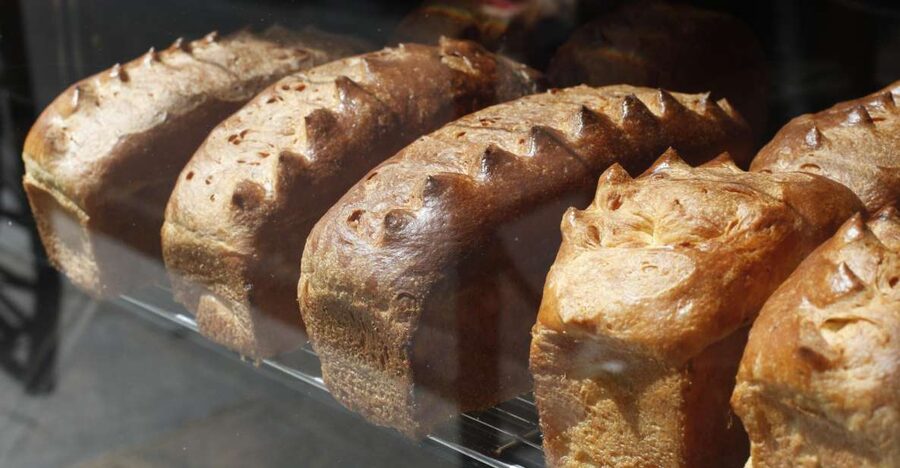
After breakfast, you head beyond the customer counter and into the bakery work areas. You see the different stations and the range of products made there. This is the useful difference between this tour and a standard pastry class held in a rented demonstration kitchen.
You are watching a bakery that has to produce food for its own customers. Bakers are working with dough, shaping loaves, and managing ovens while the guide explains the process. That gives you a better sense of the timing and coordination required to keep a Paris bakery supplied.
The setting has old-Paris character. The bakery has been described as occupying a three-story building, with work areas extending below ground. That layout can mean climbing up and down stairs, so wear sensible shoes and keep your belongings compact. One participant with a mobility issue was accommodated with elevator use, but you should mention any mobility needs in advance rather than assume every part of the route will be step-free.
The active setting is both a strength and a limitation. You get a more genuine look at bakery work, but you should not expect every minute to be quiet or perfectly arranged for photographs. Bring a camera, as recommended, but stay aware of staff, equipment, and hot surfaces.
Shaping the baguette
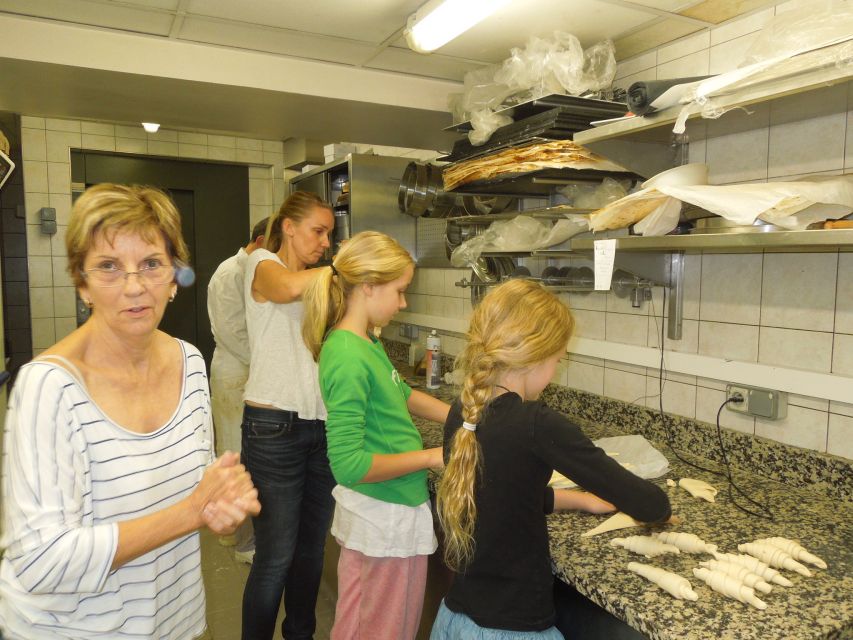
The central lesson is the baguette. You learn about the steps involved in producing a loaf that is crisp outside and light inside, then get to shape your own.
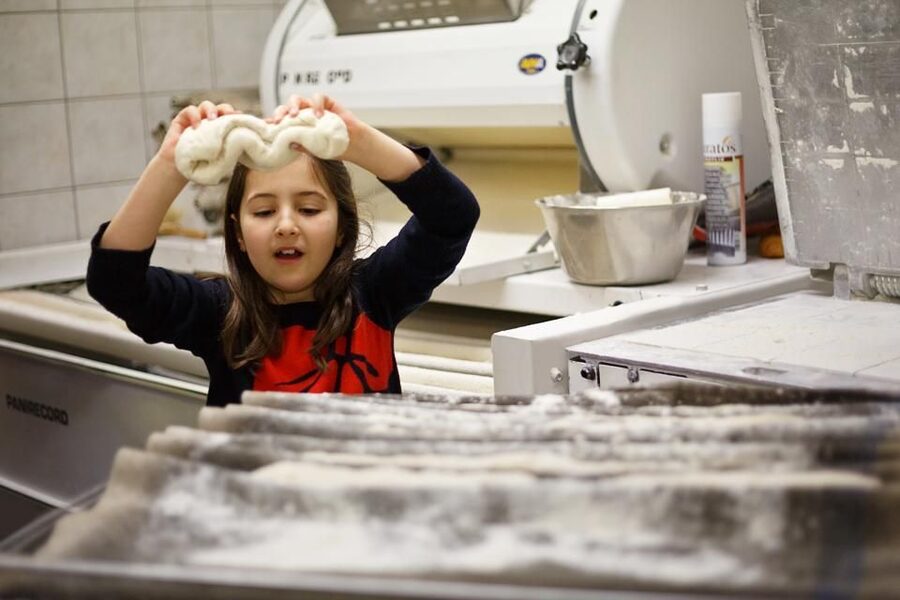
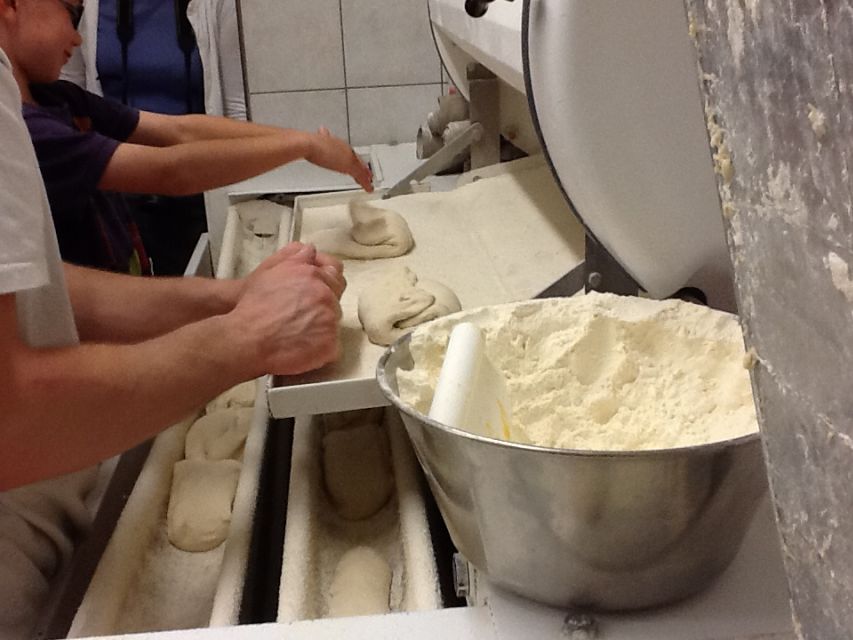
The hands-on portion is not always a full recipe from start to finish. In some sessions, the bakery has prepared the dough so you can concentrate on rolling, folding, and shaping. That is still useful, since baguette shaping takes practice and is one of the visible skills that separates a neat loaf from a misshapen one.
You may receive guidance on how to handle the dough without flattening it. The guide or baker can correct your technique as you work, which is more helpful than simply watching a demonstration from across a room. Children can take part too, and the activity has worked well for families with children from about six years old through the teenage years, based on the age ranges reported in the supplied experience details.
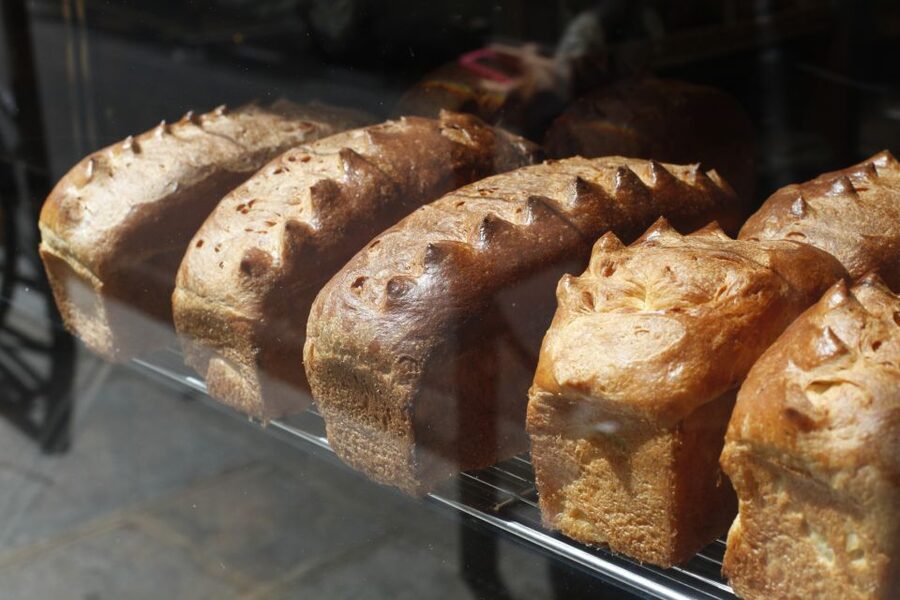
The best payoff comes when the bread is baked. You can see the change from soft shaped dough to a browned loaf, then taste the result. The included baguette is also practical: take it to a picnic, serve it with cheese, or save it for later in the day.
Croissants, financiers, and other bakery work
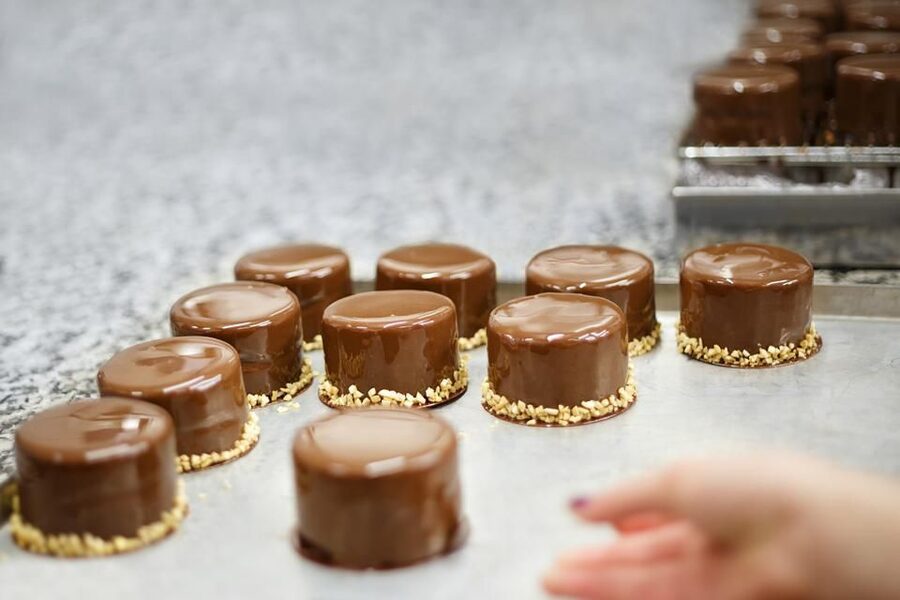
The official experience promises baguette instruction and a breakfast of croissants and pain au chocolat. In practice, the hands-on selection can include more, depending on the bakery’s schedule and available dough.
Past sessions have included croissants, round bread, braided bread, financiers, and small madeleine cakes. Some participants shaped croissants and financiers as well as baguettes, then sampled the pastries fresh from the oven. You should treat these extra items as part of the day’s working plan rather than a guaranteed fixed menu.
This variation makes sense in a professional bakery. Croissant dough needs time to rise, and some items may not be ready to take home within a two-hour session. One important detail is that you may eat a croissant at the bakery while taking home other breads that are ready sooner.
Financiers are especially nice if they are included. These small cakes offer a different lesson from bread, since the work involves pastry shaping and finishing rather than only handling dough. You get a broader picture of French baking instead of spending the whole morning on one loaf.
The amount of food can be generous. Several participants left with multiple baguettes or a bag containing breads and pastries. Plan ahead: this is not a tour where you leave empty-handed. A tote bag may be useful, even though it is not listed as required.
A different way to spend the day, same corner of France:
- Paris: Evening River Cruise with Music
★ 4.4 · 22,721 reviews - Paris: Eiffel Tower Entry Ticket with Optional Summit Access
★ 4.4 · 20,035 reviews - Paris: Eiffel Tower Summit or Second Floor Access
★ 4.3 · 17,248 reviews - Paris: Louvre Guided Tour with Reserved Access & Boat Cruise
★ 4.3 · 16,353 reviews
A guide-led morning with room for questions
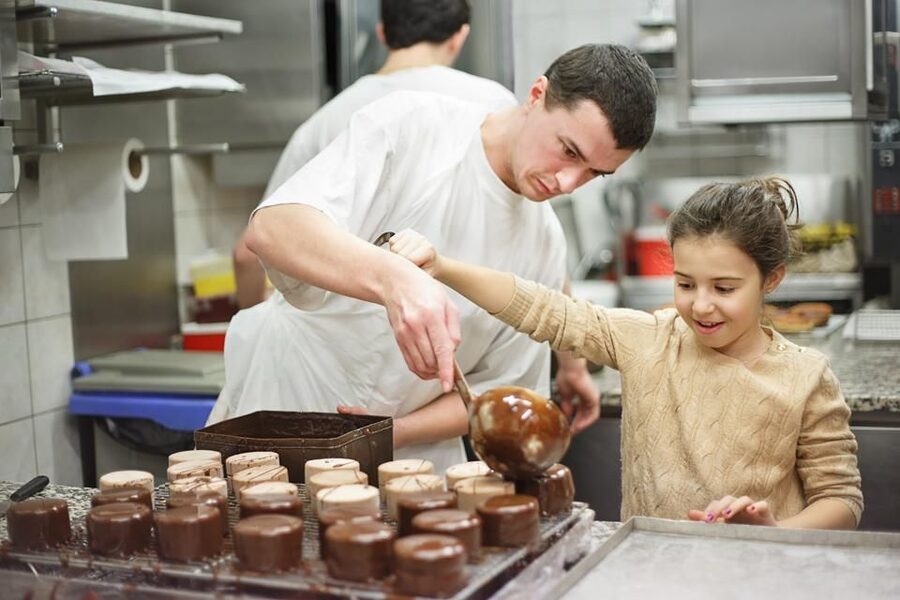
A good guide is important here because the bakery itself is busy. The most praised guides have been funny, patient, upbeat, and willing to explain both the craft and the history of French bakery goods.
Morad and Mourad are names that come up often in the supplied material, along with Momo, Nono, Katie, Jade, Lisa, and Balthazar. The spelling of some names may vary, and you should not book around one specific guide unless the provider confirms who will lead your date.
The guide does more than translate what the bakers are doing. You learn why baguettes, croissants, and other French staples are made in particular forms, and you hear about the working life of a bakery. The best sessions balance explanation with action. You listen briefly, then shape, roll, taste, or watch the next stage.
That balance also helps families. Younger children can participate rather than sit through a long lecture, while teenagers and adults get enough detail to stay interested. The activity has been used successfully by families with children aged five to sixteen, though younger children will need close supervision around bakery equipment.
How much the $123 price is worth
At $123 per person, this is not a cheap breakfast. You can buy a croissant and baguette in Paris for a small fraction of the tour price. The value comes from the access, instruction, food, and small group rather than from the meal alone.
You are paying for two hours inside a working bakery, a guide in English or French, breakfast, practical instruction, and at least one fresh baguette. If the session includes several breads or pastries to take home, the food value improves, especially for a family or small private group.
A group limit of nine is another reason the price may make sense. You are less likely to be standing at the back of a large class, and children generally get a chance to handle the dough. Some sessions have been even smaller, including groups of six or private-feeling bookings.
I would consider it good value if you care about French food, want a structured morning activity, or are traveling with children who need something more active than a museum visit. I would skip it if you only want to eat excellent pastries. For that, a normal bakery stop costs much less.
Timing, meeting details, and what to wear
The experience lasts two hours, but starting times vary. Check the available morning slot when booking. Since breakfast is part of the tour, you should arrive ready to eat rather than planning a full meal immediately beforehand.
The meeting point is:
Miss Manon bakery
87 Rue Saint-Antoine
75004 Paris
Metro Saint Paul
Go inside and ask for the guide. If you need help before the tour, the supplied contact information gives a text number: +1 786 600 5956.
Dress smart casual, as requested. Practical shoes are more important than dressing up. You may move between bakery areas, and the building can involve stairs. Bring a camera, but do not bring bulky luggage.
Cancellation is flexible if your plans change: you can cancel up to 24 hours in advance for a full refund. You can also reserve now and pay later, which helps if you are arranging a busy Paris itinerary.
Who should book this bakery tour?
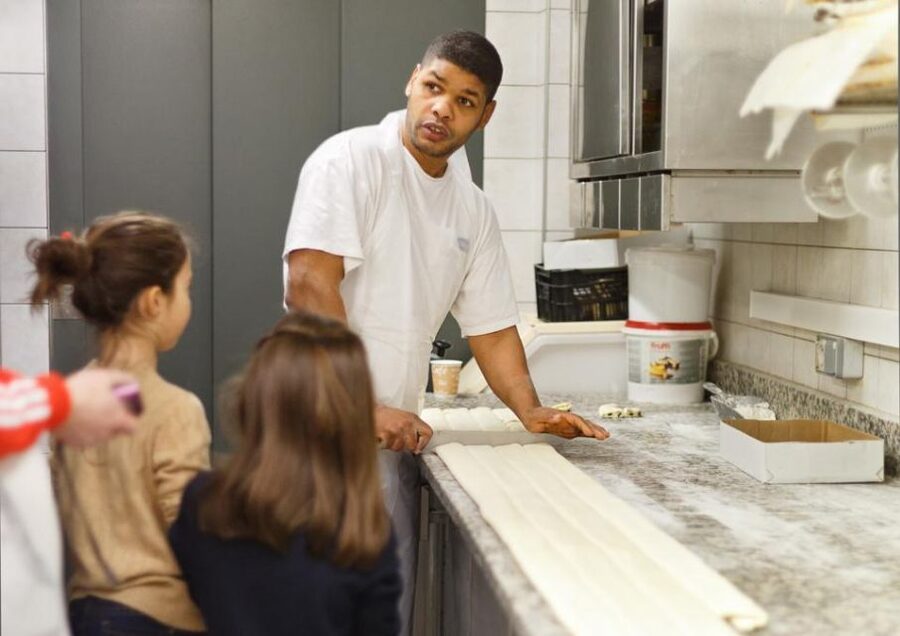
I would put this near the top of the list for families. Children can shape dough, watch it bake, and eat the results. The activity gives them a clear job, which is far more engaging than asking them to quietly admire another historic interior.
It also suits couples, food-focused visitors, and anyone who wants a local craft experience without giving up half a day. The two-hour length fits neatly before a museum, a walk along the Seine, or lunch in the Marais.
You should also consider it if you want food for later. Several sessions have produced enough bread for a picnic or an easy meal, though the exact amount depends on the day’s activity.
This is less suitable for anyone who dislikes stairs, tight working spaces, or changing activity plans. It is also not the right choice if you expect a formal pastry-school lesson with every recipe made entirely from raw ingredients. The bakery does some preparation in advance, and the class focuses on shaping, learning, tasting, and seeing the work in context.
My verdict on the Paris bakery experience
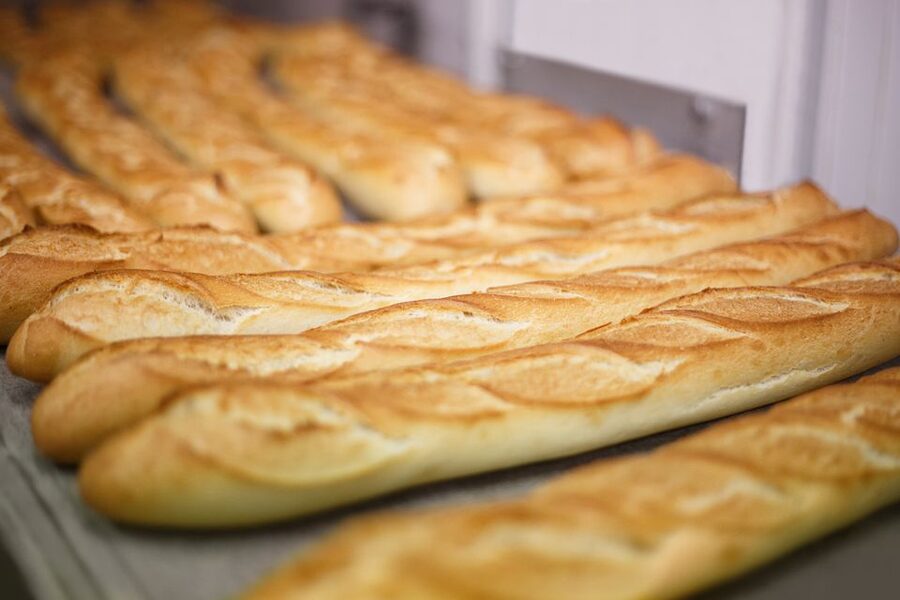
I like this tour because it gives you something to do with your hands and something useful to eat afterward. The breakfast is pleasant, but the real value is entering a working bakery and seeing how much coordination goes into ordinary French bread.
Book it if you want a family-friendly morning, a small group, and a practical introduction to baguettes and pastries. Go in expecting a real bakery rather than a spotless studio, and allow for stairs and some variation in the items you make. At $123, it is a splurge, but the combination of access, instruction, breakfast, and take-home bread makes it a sensible one for food lovers.
FAQ
Where does the Paris bakery tour meet?
Meet inside Miss Manon bakery at 87 Rue Saint-Antoine, 75004 Paris. The nearest stated Metro stop is Saint Paul. Go inside the bakery and ask for the guide.
How long does the bakery tour last?
The tour lasts two hours. Starting times vary, so check availability for your chosen date.
What food is included?
The morning includes a traditional breakfast of croissants and pain au chocolat. Your freshly baked baguette is also included.
Do I get to make my own baguette?
Yes. The experience includes instruction on shaping and baking a French baguette. Depending on the session, you may also work with other breads or pastries.
Can I make croissants during the tour?
Croissants may be part of the hands-on work, along with items such as financiers, madeleines, or other breads. The exact activities can vary with the bakery’s production schedule.
Can I take the baked food home?
You receive your own freshly baked baguette. Sessions may also provide additional breads or pastries to take home, but the exact items depend on what is made and ready during your visit.
Is the tour offered in English?
Yes. Live guiding is available in English and French.
How large is the group?
The group is limited to nine participants, making this a small-group experience.
What should I bring and wear?
Bring a camera and dress smart casual. Wear practical shoes, since the tour may involve moving through the bakery and using stairs.
Can I cancel if my plans change?
You can cancel up to 24 hours in advance for a full refund. Reserve now and pay later is also available.
Recently reviewed around Paris
- Louvre Private Tour – The Essentials and More with Expert Guide★ 5.0 · 227 reviews
- 2CV tour by night★ 5.0 · 55 reviews
- Eiffel Tower Second or Summit Floor Access by Elevator with Views★ 3.5 · 161 reviews
- The only Paris Wine Tasting experience you need to do – 2 hours★ 5.0 · 265 reviews
- 2 Hour Street-art Walk and Space Invaders Hunt in Paris★ 5.0 · 27 reviews
- 2 hour outdoor group activity in Paris: SAINT GERMAIN★ 5.0 · 48 reviews
- Sainte-Chapelle, Conciergerie & Palais de Justice Private Tour★ 5.0 · 72 reviews
- Private 2 – Hour Paris Landmarks Tour by Golf Cart Mini Moke★ 5.0 · 38 reviews
Paris Tours, compared.


Versailles Palace and Gardens Full Access Ticket
Read our review →

Eiffel Tower Entry Ticket with Optional Summit Access
Read our review →

Louvre Guided Tour with Reserved Access & Boat Cruise
Read our review →
Moulin Rouge Cabaret Show Ticket with Champagne
Read our review →