
Reviewed · CONCERTS
Paris: Classical Music Concert in Saint-Julien-le-Pauvre
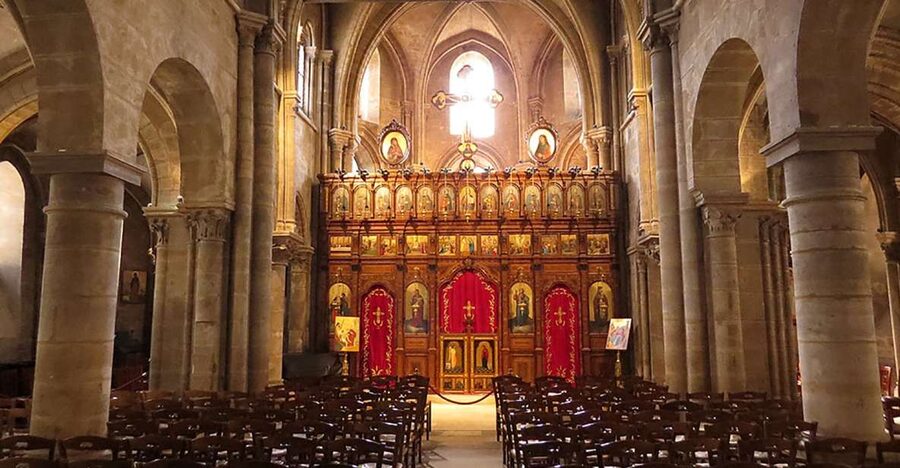
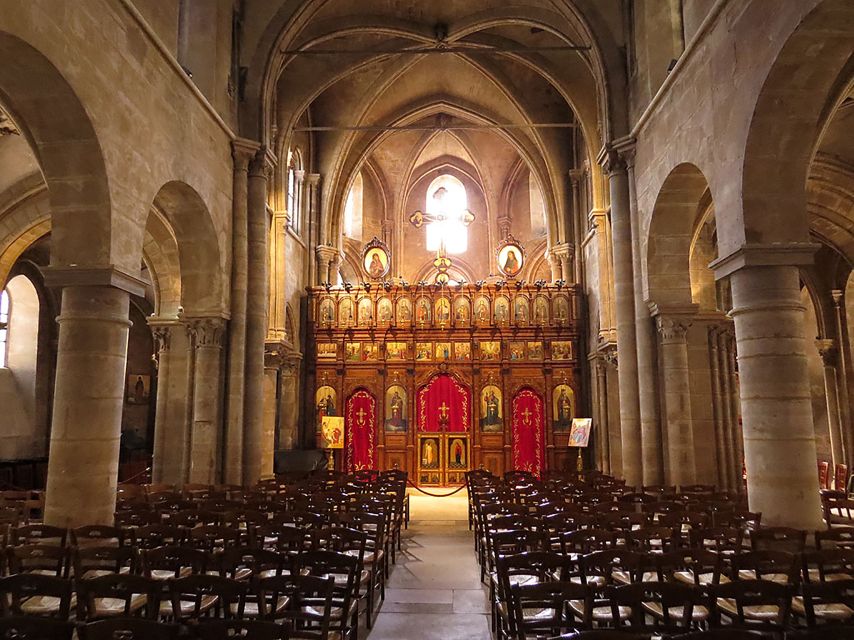
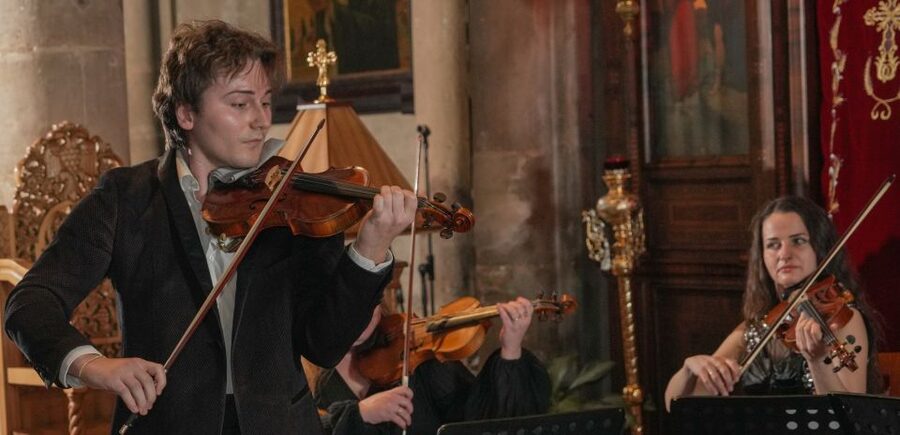
The most striking part of this Paris concert is the setting. Saint-Julien-le-Pauvre is a small medieval church beside Notre-Dame, and its stone interior gives the music a warm, intimate sound. You sit close to the performers rather than watching from a distant concert hall balcony.
I especially like the familiar program, with Vivaldi, Mozart, Handel, and Saint-Saëns. I also like the location: you can step outside after the final note and find the Latin Quarter’s old streets and restaurants right at hand. The main consideration is comfort and sightlines. Some chairs are hard, and from the back you may hear the music clearly without seeing the musicians well.
In This Review
- Key points to know before you book
- Why this small church makes the music special
- The program: familiar works with a little emotional range
- The Ensemble Royal and the soloists
- What the 65-minute visit feels like
- Seating, sound, and sightlines
- The Latin Quarter makes the evening easy to plan
- Is $46 a fair price?
- Who will enjoy this concert most
- Practical tips for making the most of it
- Should you book it?
- FAQ
- Where does the classical music concert take place?
- How long does the concert last?
- What music is performed?
- Who performs at the concert?
- Is the concert suitable for people who do not know classical music?
- Is the church wheelchair accessible?
- Are food and drinks included?
- Can I cancel my booking?
Key points to know before you book
- A medieval church beside Notre-Dame: Saint-Julien-le-Pauvre gives the concert a distinctly Parisian setting and excellent natural acoustics.
- Popular classical favorites: The program can include Vivaldi’s Spring and Summer, Mozart’s Lacrimosa, Handel’s Largo, and Saint-Saëns’ The Swan.
- A violinist and soprano add variety: The Ensemble Royal performs with two guest soloists, with Dorian Rambaud and Olga Voljnovic featured in past programs.
- A compact 65-minute evening: It fits neatly after sightseeing, dinner, or a visit to Notre-Dame.
- A strong central location: The church is in the Latin Quarter, close to restaurants, historic streets, and major sights.
- Good value at $46: You are paying for live music, a historic venue, and a convenient central location, not just a seat for an hour.
Why this small church makes the music special
Paris has grand concert halls, but this experience offers something different. Saint-Julien-le-Pauvre is one of the city’s oldest religious buildings, with medieval design and a quiet interior that feels far removed from the traffic outside. The scale matters. In a small church, the violin and voice are physically close, and you can follow the performers’ work without the distance of a large auditorium.
The acoustics are a major part of the appeal. Stone churches can sometimes make music muddy, but this venue is repeatedly praised for a clear, pleasing sound. That is especially useful for Vivaldi’s quick violin passages and the soprano’s higher notes. You are not simply using the church as a backdrop. Its shape and materials affect what you hear.
The church is not presented as a full architectural tour. You arrive for the performance, take your seat, and experience the building while the music is underway. That keeps the evening focused, but it also means you should not book this expecting a guided look at every historical feature.
More Paris trips worth a second look
- Paris: 3-Course-Dinner Cruise on the Seine with live music
★ 4.7 · 7,248 reviews - Paris: 4-Course Dinner Cruise on Seine River with Live Music
★ 4.5 · 3,827 reviews - Paris: Gourmet Dinner Cruise on Seine River with Live Music
★ 4.5 · 2,531 reviews
The program: familiar works with a little emotional range
The advertised selection is friendly to people who know classical music and to those who simply want recognizable pieces during a Paris visit. Vivaldi’s Spring and Summer provide the most obvious showcase for the solo violin. These works move from light, bright passages to more urgent and dramatic sections, giving the soloist room to show speed, control, and expression.
The program can also include Mozart’s Lacrimosa from the Requiem. This brings a darker, more solemn mood. In a candlelit or softly lit church setting, the choral character of the piece takes on added weight, even when performed in a smaller concert arrangement. It is the kind of selection that asks you to settle down and listen closely.
Handel’s Largo from Xerxes offers a slower, more spacious contrast. Saint-Saëns’ The Swan adds another gentle change of pace. Together, these works create a program built around recognizable melodies rather than difficult contemporary pieces. If you want challenging new music or a full-length symphony, this is not that. If you want a polished hour of well-loved works, the choices make sense.
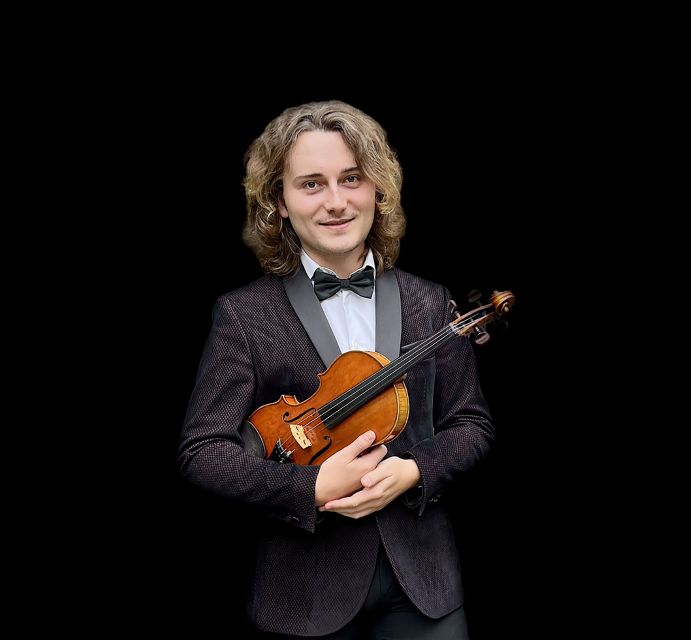
The exact order and lineup can vary, so treat the named pieces as a guide rather than a promise that every performance will be identical. Past performances have also included a soprano and a featured violin soloist. Dorian Rambaud has been singled out for his violin playing, while Olga Voljnovic has appeared as a guest soloist. The attraction is the contrast between the Ensemble Royal’s group sound and the more exposed work of the solo performers.
The Ensemble Royal and the soloists
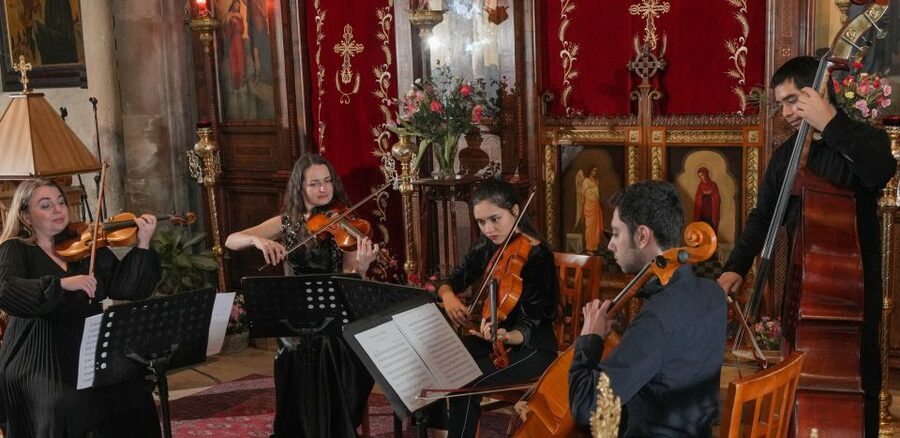
The Ensemble Royal is the resident performing group for this concert. The format allows you to hear both ensemble passages and individual artists. That variety keeps a 65-minute program moving, especially if you are fitting the concert into a busy day in central Paris.
The violin soloist is often the evening’s most dramatic figure. Vivaldi’s Four Seasons gives that performer a clear role, with quick runs and sudden shifts in mood. You sit close enough to watch the bow work and the physical effort, depending on your seat. For many people, that direct connection is more memorable than hearing the same music through a large orchestra.
The soprano brings another kind of focus. A solo voice in an old stone church can feel unusually direct, with the room adding resonance around the sound. The effect is intimate, though not necessarily perfectly balanced from every seat. A microphone is used for announcements, and some audience members have found the spoken introductions difficult to understand because of sound quality. That does not appear to affect the music itself, but it is worth knowing if you want detailed explanations between pieces.
Past programs have received especially strong praise for the musicians and both soloists. The recurring pattern is clear: people come for the famous works, then remember the individual performances. This is not a background music event. The artists are the reason to sit quietly and give the program your full attention.
What the 65-minute visit feels like
Plan on a short, concentrated concert rather than a full evening at the opera. The listed duration is 65 minutes, although one performance ran closer to 90 minutes. The most sensible way to plan is to allow 65 minutes, then treat any extra playing time as a bonus rather than building a tight dinner reservation around it.
You meet the staff directly in front of Saint-Julien-le-Pauvre. They direct you inside and show you to your seat. There is no separate sightseeing stop or transportation segment. The whole experience takes place in and around the church.
The first minutes are about adjusting to the venue. You leave the Latin Quarter’s street noise, enter the old church, and settle into a relatively quiet space. Then the ensemble begins with a sequence of well-known works, often moving between ensemble pieces, violin features, and vocal selections.
This compact format is useful after a long day. You do not need the concentration required for a three-hour opera, and you still get a proper live performance with professional musicians. At the same time, the hour can pass quickly. If you are hoping for a broad survey of classical music or several complete major works, you may find the program brief.
A different way to spend the day, same corner of France:
- Paris: Louvre Museum Timed-Entrance Ticket
★ 4.6 · 71,977 reviews - Disneyland® Paris 1-Day Ticket
★ 4.6 · 49,412 reviews - Paris: Versailles Palace and Gardens Full Access Ticket
★ 4.6 · 41,579 reviews - Paris: Evening River Cruise with Music
★ 4.4 · 22,721 reviews
Seating, sound, and sightlines
The venue’s intimacy is its strength, but it creates a few practical tradeoffs. Close seats can give you a better view of the performers and their instruments. From the back, the sound can remain good, but the musicians may be difficult to see. One audience member specifically found that the rear seats offered music without much visual contact.
The chairs are another point to consider. They are functional rather than luxurious, and one older audience member found the seating uncomfortable. For a 65-minute concert, this may not matter to most people, but anyone with back or hip concerns should take it seriously. Arrive with enough time to follow the staff’s seating direction and get settled without rushing.
The sound receives more consistent praise than the seating. The church’s acoustics work well for strings and voice, and several performances have been described as clear and moving. Still, church acoustics can change depending on where you sit and how many people are present. If seeing the soloist is important to you, ask for a forward seat when possible, though the supplied details do not promise seat selection.
The Latin Quarter makes the evening easy to plan
This concert earns extra value from its address. Saint-Julien-le-Pauvre sits in the Latin Quarter, close to Notre-Dame and within one of Paris’ most atmospheric central districts. You can pair it with a day around the cathedral, the Seine, and the old streets nearby without adding a complicated journey.
The church can be easy to confuse with another church across the road. One audience member nearly went to the wrong building, since the other church looks more traditionally churchlike from outside. Check the name carefully and look for the staff in front of Saint-Julien-le-Pauvre. This small bit of preparation can save you a last-minute dash.
After the performance, you can walk into the Latin Quarter for food and drinks, which are not included in the ticket. The area has many traditional restaurants and cafes. I would treat the concert as one part of a simple evening plan: sightseeing first, music next, then dinner nearby. That arrangement avoids crossing Paris at night and lets the venue do double duty as both cultural stop and neighborhood experience.
The church is also a good starting point for further walking. You are already in the center of the city, so the concert does not leave you stranded in an outlying district. This matters when you are paying for several activities in one day. The location gives you more than the performance itself.
Is $46 a fair price?
At $46 per person, this is not the cheapest way to hear classical music in Paris. You can sometimes find informal or free musical events, especially in churches, but those may not offer the same combination of a scheduled ensemble, guest soloists, famous works, and a central historic venue.
The value here comes from three things: the live performers, the intimate church setting, and the convenience. You are buying a complete experience that lasts about an hour and fits around other sightseeing. For a special evening beside Notre-Dame, the price is reasonable, particularly if you would otherwise pay for a separate attraction nearby.
The value is less convincing if you care mainly about a large orchestra, plush seating, or a long concert. This is a small-scale performance in an old church. You pay for atmosphere and closeness as much as for the notes on the page.
The ticket includes the concert only. Food and drinks are separate, which is no hardship in the Latin Quarter, but you should include dinner in your budget. Free cancellation up to 24 hours before the start and a reserve-now, pay-later option also make it easier to fit the concert into changing Paris plans.
Who will enjoy this concert most
I would recommend it to you if you want an easy cultural evening with well-known music. It suits first-time Paris visitors who may not know the concert calendar, couples looking for a quiet date, and families with older children who can sit still for an hour. Classical music newcomers should find the selection approachable.
It is also a good choice after Notre-Dame. You can spend the day in the surrounding area, then move only a short distance to the church. The music offers a calmer finish than another crowded attraction.
You may want a different concert if you need fully accessible views from every seat, highly polished theater seating, or extensive spoken context. Announcements may be hard to follow, and the rear of the church can limit your view. Wheelchair access is listed, but the supplied information does not explain the exact seating arrangement, so contact the provider if you need precise accessibility details.
Language should not be a barrier to the music. The host or greeter can speak French or English, and the activity information is available in both languages. The pieces themselves require no translation, though announcements may be brief or less clear from some positions.
Practical tips for making the most of it
Check the exact start time when booking, since multiple performance times may be available. Give yourself time to find the correct church, especially if you are coming from Notre-Dame or crossing the nearby streets at a busy hour.
Look for the staff in front of Saint-Julien-le-Pauvre rather than entering the wrong church across the road. Keep your ticket ready and follow the seating directions once you arrive.
If the visual side matters to you, try to sit toward the front. If you mainly want to hear the performance, the acoustics may still serve you well farther back, but do not expect a clear view of every musician.
Finally, keep the rest of the evening loose. The standard program is 65 minutes, yet a performance may run longer. A nearby dinner reservation with some flexibility will make the night more pleasant.
Should you book it?
Book this concert if you want famous classical pieces, close-up performers, and an old Paris church in one tidy experience. The strongest reasons are the acoustics, the talented violin and vocal soloists, and the setting beside Notre-Dame. At $46, it offers solid value for a central evening activity.
Skip it if your priority is a grand concert hall, a full symphony, or soft, spacious seating. Otherwise, this is one of the easier cultural choices to add to a Latin Quarter day. Check the church name, allow extra time, and let the music provide a quiet break from central Paris.
FAQ
Where does the classical music concert take place?
The concert takes place inside Saint-Julien-le-Pauvre church in Paris’ Latin Quarter, near Notre-Dame.
How long does the concert last?
The listed duration is 65 minutes. One performance lasted about 90 minutes, so allow some flexibility.
What music is performed?
The program can include Vivaldi’s Spring and Summer, Mozart’s Lacrimosa from the Requiem, Handel’s Largo from Xerxes, and Saint-Saëns’ The Swan.
Who performs at the concert?
The Ensemble Royal performs with two guest soloists. Past performances have featured violinist Dorian Rambaud and soprano Olga Voljnovic.
Is the concert suitable for people who do not know classical music?
Yes. The program focuses on well-known classical favorites rather than difficult modern works, making it approachable for newcomers.
Is the church wheelchair accessible?
Yes, the activity is listed as wheelchair accessible. Contact the provider if you need details about the exact seating arrangement.
Are food and drinks included?
No. The ticket includes the concert only. Restaurants and cafes are available in the surrounding Latin Quarter.
Can I cancel my booking?
Yes. You can cancel up to 24 hours before the activity for a full refund. A reserve-now, pay-later option is also available.
Recently reviewed around Paris
- Louvre Private Tour – The Essentials and More with Expert Guide★ 5.0 · 227 reviews
- 2CV tour by night★ 5.0 · 55 reviews
- Eiffel Tower Second or Summit Floor Access by Elevator with Views★ 3.5 · 161 reviews
- The only Paris Wine Tasting experience you need to do – 2 hours★ 5.0 · 265 reviews
- 2 Hour Street-art Walk and Space Invaders Hunt in Paris★ 5.0 · 27 reviews
- 2 hour outdoor group activity in Paris: SAINT GERMAIN★ 5.0 · 48 reviews
- Sainte-Chapelle, Conciergerie & Palais de Justice Private Tour★ 5.0 · 72 reviews
- Private 2 – Hour Paris Landmarks Tour by Golf Cart Mini Moke★ 5.0 · 38 reviews
Concerts, compared.
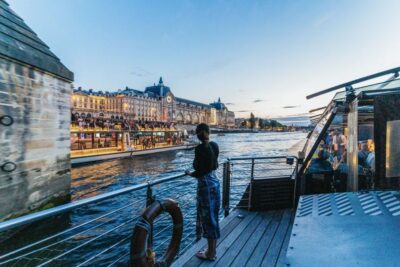
3-Course-Dinner Cruise on the Seine with live music
Read our review →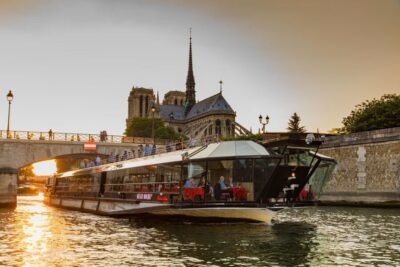
4-Course Dinner Cruise on Seine River with Live Music
Read our review →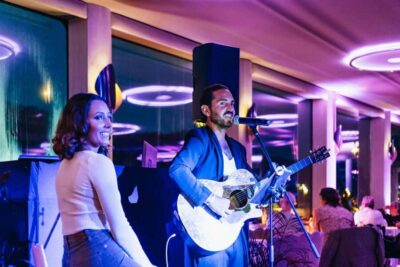
Gourmet Dinner Cruise on Seine River with Live Music
Read our review →
Seine River Cruise with 3-Course Dinner & Live Music
Read our review →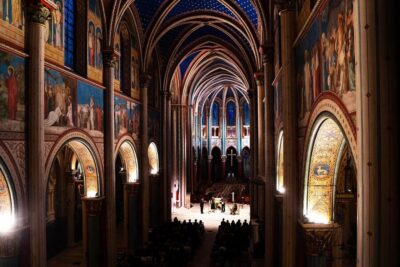
Classical Music Concert Tickets in Parisian Churches
Read our review →
Seine River Champagne Dinner Cruise with Live Music
Read our review →
Romantic Piano Concert at Saint-Julien-le-Pauvre
Read our review →Browse the lists this tour appears in