
Reviewed · DESSERT TOURS
Paris: Entrance Ticket to the Chocolate Museum
Chocolate has a better museum story than most foods. At Paris’s Chocolate Museum, you move from ancient cacao rituals to glossy modern sweets, with samples along the way. I especially like the clear look at how cacao is grown and prepared, and the chance to taste chocolates from places such as Costa Rica, Peru, and Vanuatu. The main catch is size: some people finish in under 30 minutes, while careful readers may stay for several hours.
I also like the family-friendly treasure hunt and the short demonstrations, which give children something to do beyond reading display panels. The virtual presentation with two Meilleurs Ouvriers de France, France’s top craft-worker distinction, adds useful technique. Plan for the optional audioguide fee and check the demonstration schedule, since a busy school group can make viewing difficult.
In This Review
- Key points
- From Ancient Rituals to Parisian Chocolate
- More Than 1,000 Objects Across 850 Square Meters
- Tasting Your Way Through Costa Rica, Peru, and Vanuatu
- Seeing How Chocolate Gets Its Shine
- A Treasure Hunt That Works for Children
- What the Self-Guided Format Means for You
- Is $21 a Fair Price?
- Who Will Enjoy This Museum Most?
- Location and Timing at Bonne Nouvelle
- Should You Book the Chocolate Museum?
- FAQ
- How long does the Chocolate Museum visit take?
- What languages are available at the museum?
- Are chocolate samples included?
- Is hot chocolate included in the admission price?
- Are children’s activities available?
- What is the last admission time?
- Is the museum wheelchair accessible?
Key points
- 4,000 years of cacao history: Follow chocolate from Olmec, Maya, and Aztec cultures through European adoption and modern production.
- More than 1,000 objects: See old utensils, containers, tools, displays, and chocolate-related artifacts across 850 square meters.
- Samples throughout the visit: Taste different chocolates, including examples from Costa Rica, Peru, and Vanuatu, plus praliné and ganache.
- A practical look at technique: Learn how chocolate gets its smooth, shiny coating through demonstrations featuring two Meilleurs Ouvriers de France.
- Good for children: A treasure hunt, activity booklet, stickers, and a prize help younger visitors stay involved.
- Easy central stop: The museum is at 28 Boulevard de Bonne Nouvelle, with a self-guided format and wheelchair access.
From Ancient Rituals to Parisian Chocolate
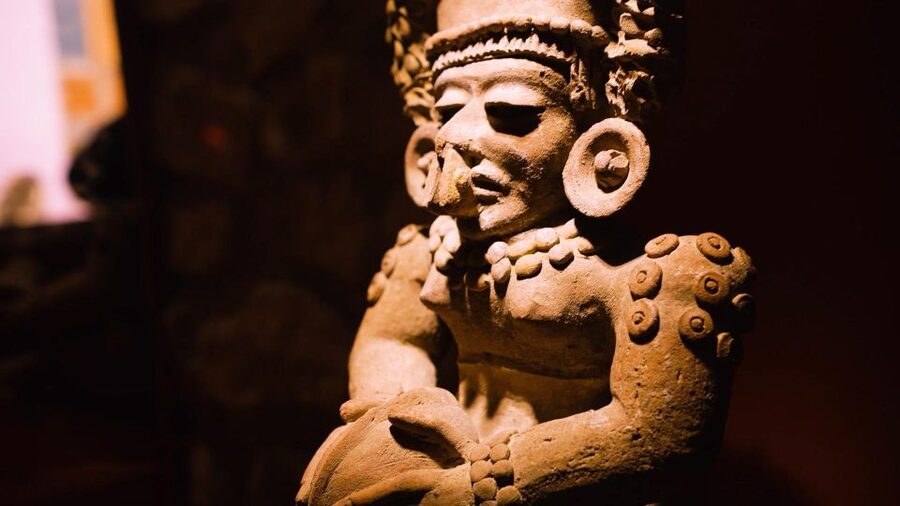
Le Musée Gourmand du Chocolat tells a food story that starts long before chocolate bars. Its exhibits trace cacao back more than 4,000 years, beginning with the Olmecs and continuing through Maya and Aztec culture.
That opening section matters because it corrects the usual European version of chocolate history. Cacao was not simply a sweet treat waiting to be discovered. It had social, ceremonial, and mystical uses in ancient societies, and the museum explains why it mattered in rituals.
You also learn about the early European encounter with cacao. Montezuma is linked with introducing the drink to Europe in the 1500s, while Christopher Columbus was the first European to taste tchocoatl. He disliked it and paid little attention to the drink. Fortunately for chocolate lovers, later Europeans were more receptive.
The display is not just a timeline. It connects the bean, the drink, the trade, and the changing tools used to make chocolate. If you read the panels carefully, you get a better sense of how cacao shifted from a ritual substance to a luxury product and then to an everyday food.
The panels are written in English, French, and Spanish, so you can follow the basic story without paying for extra audio. Still, the amount of written information may feel heavy if you are bringing small children or hoping for a quick stop.
More Paris trips worth a second look
- Paris: Day or Sunset Cruise with Drink, Ice Cream or Dessert
★ 4.4 · 4,225 reviews - Private Montmartre Food Tour with Wine, Cheese & Pastries
★ 5.0 · 1,027 reviews - Paris French Sweets Tasting Tour with Pastries and Chocolates
★ 4.5 · 947 reviews
More Than 1,000 Objects Across 850 Square Meters
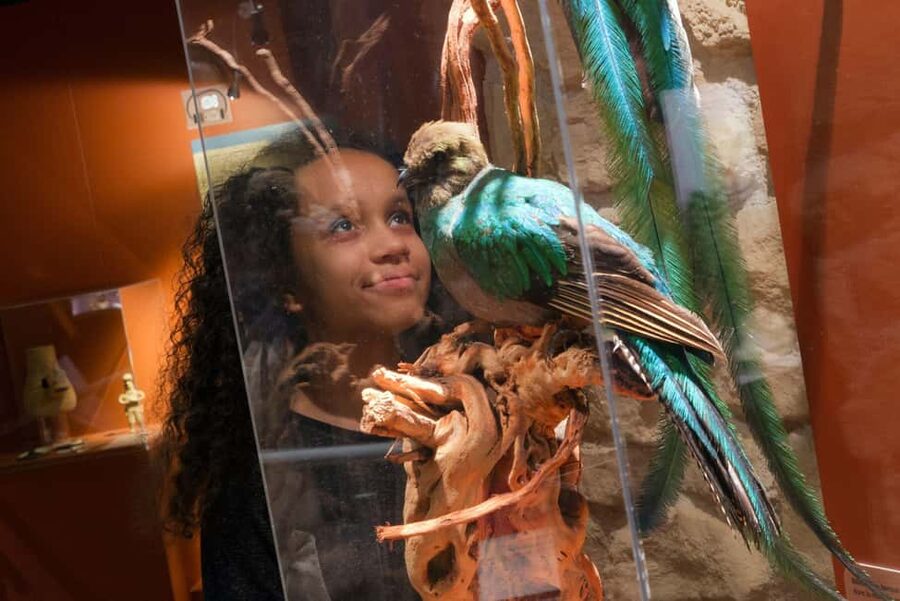
The museum covers about 850 square meters, or 2,789 square feet, and displays more than 1,000 chocolate-related objects. This is a modest museum rather than a grand Paris attraction, but that can work in its favor.
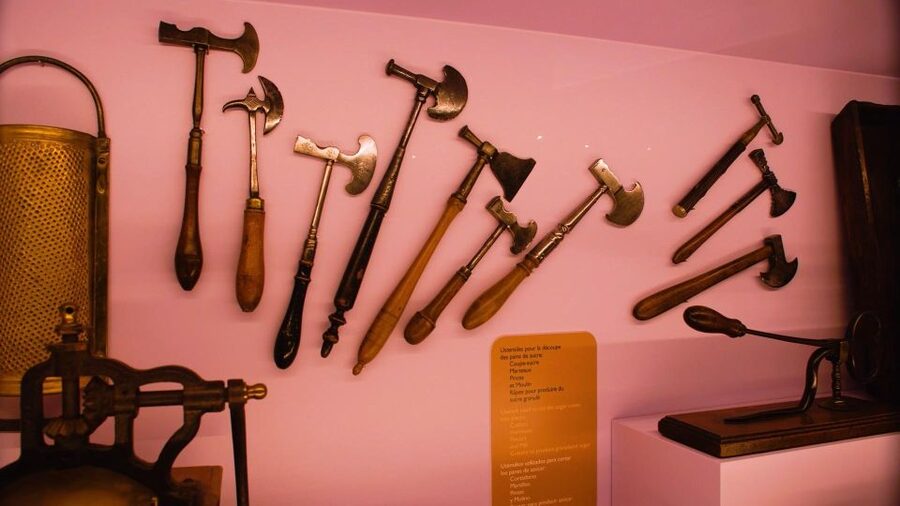
You will see utensils, containers, molds, tools, and decorative objects linked with chocolate. Several people have found the old chocolate equipment and pretty serving pieces especially appealing. These objects show how chocolate was prepared, served, and presented in different periods.
The collection also helps explain the change from handmade production to more streamlined modern methods. That transition is useful to watch because it gives the displays a practical focus. You are not only seeing finished sweets. You are seeing the equipment and stages behind them.
The museum’s size creates one important planning question: how long should you allow? A fast visit can take less than 30 minutes, especially if you skim the panels. If you read everything, watch the demonstrations, follow the tasting stations, and complete the children’s activity, you might spend two or three hours.
I would allow at least an hour so the admission fee feels worthwhile. Families may need more time, while adults who mainly want samples and a short history lesson may be ready to leave sooner.
Tasting Your Way Through Costa Rica, Peru, and Vanuatu
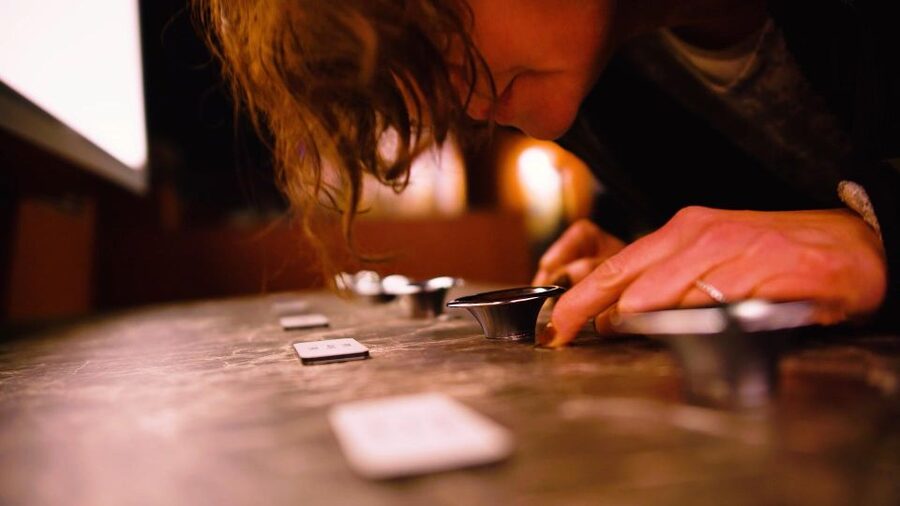
The tastings are the museum’s strongest practical feature. Chocolate samples help you connect the history lesson with the flavor of the bean, rather than treating cacao as an abstract ingredient.
You may taste the smooth, milky character associated with Costa Rican chocolate, the fruity quality of Peruvian chocolate, and the sweet aromas of beans from Vanuatu. These examples show why origin matters. Chocolate does not taste the same everywhere, and the bean’s character can change with its source and preparation.
The tastings also include chocolate products made on-site. The experience highlights praliné and ganache, two fillings that show different sides of chocolate making. Praliné brings a nutty sweetness, while ganache gives you a softer, creamier texture.
The sampling stations are generous enough to make the visit feel indulgent. Several people have described the free chocolate as a major reason the museum works so well, particularly for children. You can enjoy the samples as part of the learning rather than treating them as a separate purchase.
There is also a hot chocolate option associated with the visit. The hot chocolate has received especially strong praise, but be aware that it may cost an additional €3 per cup. The included admission covers chocolate samples, not necessarily every drink offered at the museum.
If you are already full from the tasting stations, you may decide to skip the drink. If you want a warm finish, the hot chocolate can be a pleasant final stop.
Seeing How Chocolate Gets Its Shine

The demonstrations focus on the craft behind polished chocolate sweets. A virtual presentation features two Meilleurs Ouvriers de France, a respected French honor for skilled artisans.
One key lesson is the secret behind the shiny outer coat. The demonstration explains how modern chocolate treats achieve that smooth, glossy finish. This is the sort of detail that makes the visit more useful than a simple display of finished candy.
The museum also shows how chocolate sweets are made and lets you taste examples produced on-site. The format is mainly self-guided, so do not expect a guide to lead you from room to room or answer questions throughout the visit.
That independence is convenient. You can spend longer at the parts that interest you and move quickly past displays that do not. It also means you should pay attention to the demonstration area and timing.
A school group may make it hard to see or hear a demonstration. If this is an important part of your visit, ask at the welcome desk about the schedule when you arrive. Demonstrations can be the difference between a short museum stop and a much more satisfying experience.
More Paris museums and collections:
- Paris: Louvre Museum Timed-Entrance Ticket
★ 4.6 · 71,977 reviews - Louvre Museum Masterpieces Guided Tour with Access
★ 4.5 · 12,023 reviews - Paris: Louvre Museum Entry Ticket With Host and River Cruise
★ 4.6 · 9,926 reviews - Les Invalides: Napoleon’s Tomb & Army Museum Entry
★ 4.6 · 9,185 reviews
A Treasure Hunt That Works for Children
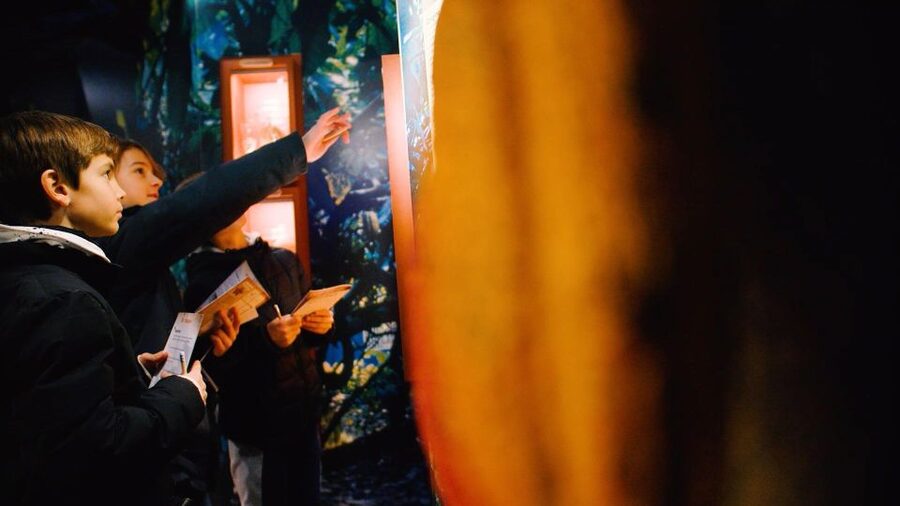
This museum makes a sensible family stop because children have tasks to complete. The treasure hunt and activity booklet turn the visit into a search rather than a long reading exercise.
The children’s materials include stickers, and a prize is available at the end. The activities have kept children as young as five engaged, while an 11-year-old can still find the hunt worthwhile. That age range is useful for families with children who are not usually interested in museums.
The subject itself helps. Chocolate samples provide an instant reward, and the displays include objects that are easy to look at even when a child does not read every panel. Some children can also take part in hands-on chocolate activities when offered, though the supplied information does not promise a separate workshop with every admission.
For adults, the children’s program can make the visit calmer. You can read about cacao cultivation or ancient rituals while younger family members look for clues. I would still treat the treasure hunt as a helpful extra, not a full-day program.
The museum suits grandparents, parents, and children because each age group can use it differently. Adults can focus on history and production. Children can follow the booklet, collect stickers, and enjoy the tastings.
What the Self-Guided Format Means for You
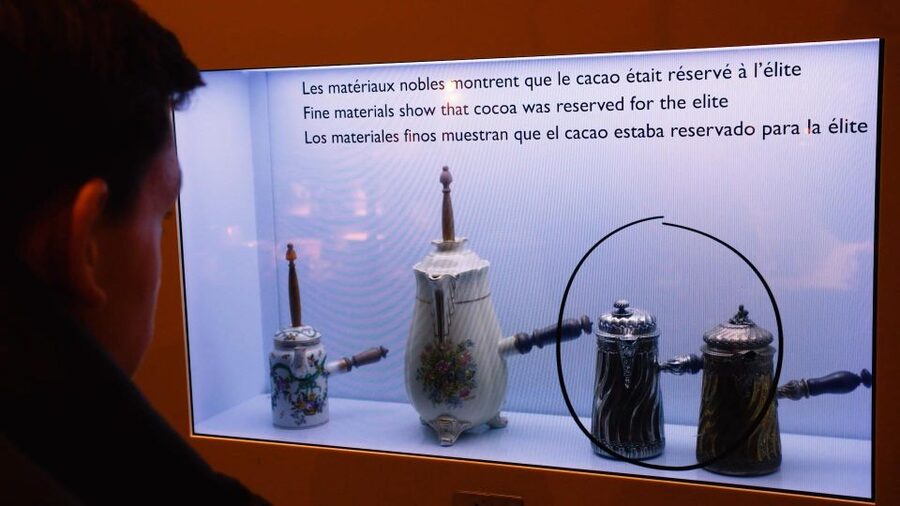
The visit is self-guided. Descriptive panels are available in English, French, and Spanish, and an audioguide can be rented at the welcome desk for €3 per person.
I would pay for the audioguide if you enjoy historical explanation but do not want to read every panel. It is available in French, English, German, Dutch, Spanish, Italian, and Portuguese, giving you more language choice than the written displays.
The audioguide is not essential for everyone. English readers can manage without it, and families may prefer to keep moving through the exhibits. At $21 per person, the extra €3 is a small addition, but it should be part of your budget if you want the fuller explanation.
The self-guided setup also lets you take breaks around your own interests. You can study the origins of cacao, move on to the European story, pause for tastings, and return to an object that caught your eye.
Do not arrive with large luggage or a big bag. These are not allowed. The museum is wheelchair accessible, which makes the short central visit easier for many people to fit into a Paris day.
Admission is valid for one day, with availability and starting times shown when you check. The last admission is at 4:30 PM, so do not leave this stop until late afternoon.
Is $21 a Fair Price?
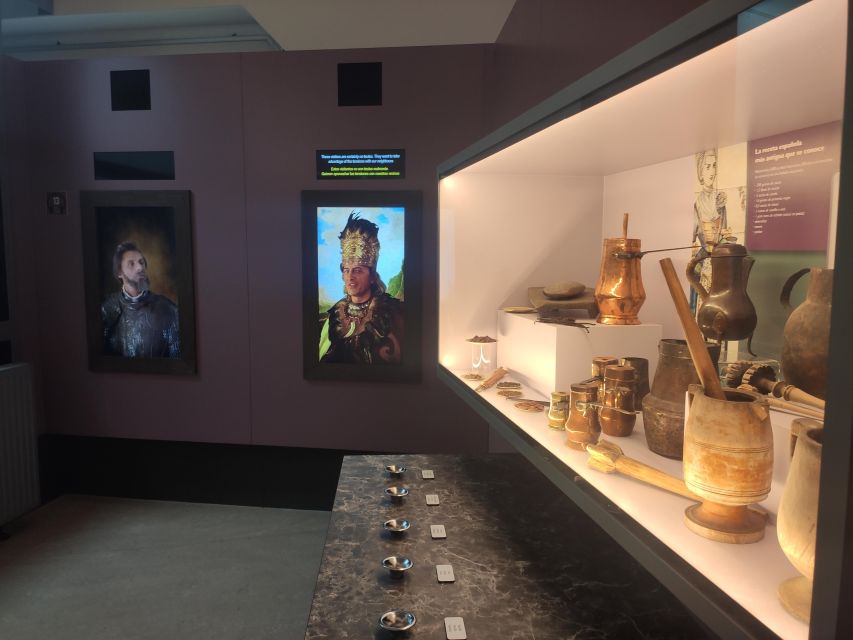
At $21 per person, the value depends on how you use the museum. If you rush through in 30 minutes, the price can feel high for a small attraction. If you read the material, watch the presentation, taste several samples, and spend time with the displays, the cost becomes easier to justify.
The included tastings are important. You are not paying only to look at objects behind glass. You also receive samples and a demonstration, and children receive a treasure hunt. For a family, those extras help make the admission feel more complete.
The fee compares best with the price of a short activity rather than a full-day museum. You should not plan your entire day around it. Instead, use it as a one-to-three-hour stop in central Paris, especially when you want something indoors or need a break from larger sights.
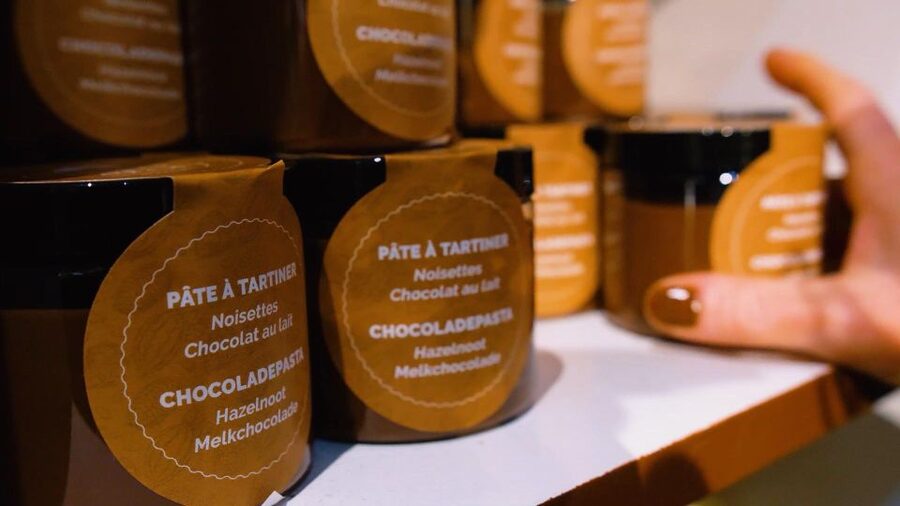
The shop adds another reason to budget a little time. It carries books, souvenirs, chocolate products, and unusual items such as molds. You can buy something more distinctive than a standard box of chocolates, though purchases are separate from admission.
Who Will Enjoy This Museum Most?
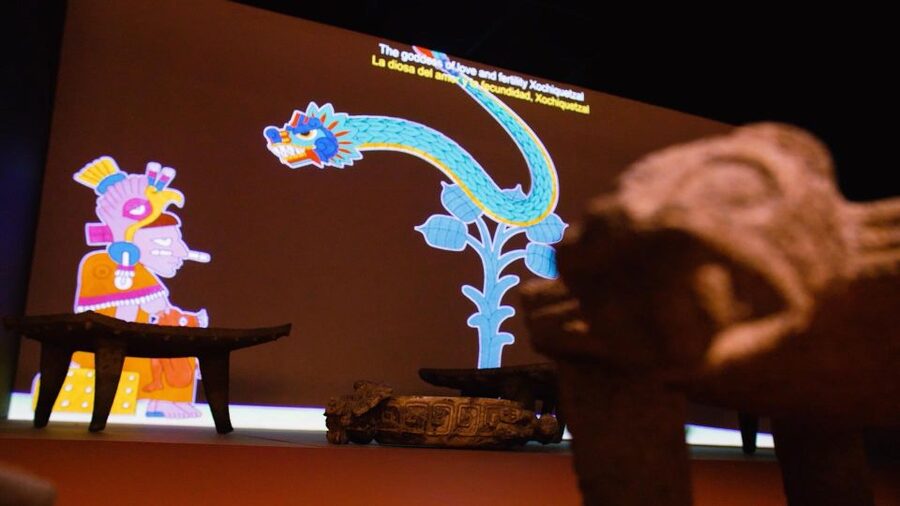
I would recommend the Chocolate Museum to families, chocolate fans, and visitors who like a compact attraction with food samples built into the experience. It is particularly useful for a rainy-day plan or a break from major art and history museums.
Children from about five upward have clear reasons to take part, thanks to the treasure hunt and activity booklet. Adults who dislike conventional museums may also find the subject easier to enjoy because the visit mixes objects, films, technique, and tasting.
You should be more cautious if you want a major Paris museum with a large collection or a formal live class. The experience is self-guided, and the demonstration may be virtual. A school group can also affect your access to the presentation.
The museum works best when you approach it as an informative tasting stop. Read some of the history, notice how cacao was used in ancient rituals, compare the samples, and save time for the chocolate-making section.
Location and Timing at Bonne Nouvelle
The museum is located at 28 Boulevard de Bonne Nouvelle, 75010 Paris, in the Ile-de-France region. The supplied information does not give a precise walking time from nearby landmarks, so check your route before setting out.
Because the museum is self-guided and open for a one-day visit based on availability, it can fit around other plans. I would avoid arriving close to the 4:30 PM last admission, particularly if you want the audioguide, tastings, and demonstration.
Allow extra time if you are visiting with children. The hunt, stickers, and prize can stretch a quick stop into a more relaxed family activity. Adults moving at a brisk pace may need far less time.
Free cancellation is available up to 24 hours in advance, and you can reserve now while paying later. Those terms help if your Paris schedule is still changing, but they do not alter the museum’s main practical limits: no large bags, and no late entry after the final admission.
Should You Book the Chocolate Museum?
Book it if you want a friendly, compact Paris experience that combines food with real historical context. The strongest reasons are the ancient cacao story, samples from several regions, the glossy chocolate-making demonstration, and activities that keep children involved.
Skip it if you expect a large museum, a full chocolate-making workshop, or a guaranteed long live demonstration. The visit can be brief, and the optional hot chocolate costs extra.
For most families and chocolate lovers, I think $21 is reasonable if you plan to stay at least an hour and use the tasting and activity elements. Arrive earlier than the 4:30 PM cutoff, ask about the demonstration, and consider the €3 audioguide if you want more detail. That approach gives you the best value from this small but enjoyable stop.
FAQ
How long does the Chocolate Museum visit take?
The visit is self-guided. Some people complete it in less than 30 minutes, while those who read the displays, watch the demonstrations, taste the samples, and complete the children’s activities may spend up to about three hours.
What languages are available at the museum?
The descriptive panels are in English, French, and Spanish. An audioguide is available at the welcome desk for €3 per person in French, English, German, Dutch, Spanish, Italian, and Portuguese.
Are chocolate samples included?
Yes. The entrance includes chocolate samples, including tastings connected with the museum’s chocolate-making displays.
Is hot chocolate included in the admission price?
Hot chocolate is available, but it may cost an additional €3 per cup. The included admission specifically lists chocolate samples.
Are children’s activities available?
Yes. Children can take part in a treasure hunt and use an activity booklet. Stickers and a prize are also part of the children’s materials.
What is the last admission time?
The last admission to the museum is at 4:30 PM.
Is the museum wheelchair accessible?
Yes. The Chocolate Museum is wheelchair accessible. Large bags and luggage are not allowed.
Recently reviewed around Paris
- Louvre Private Tour – The Essentials and More with Expert Guide★ 5.0 · 227 reviews
- 2CV tour by night★ 5.0 · 55 reviews
- Eiffel Tower Second or Summit Floor Access by Elevator with Views★ 3.5 · 161 reviews
- The only Paris Wine Tasting experience you need to do – 2 hours★ 5.0 · 265 reviews
- 2 Hour Street-art Walk and Space Invaders Hunt in Paris★ 5.0 · 27 reviews
- 2 hour outdoor group activity in Paris: SAINT GERMAIN★ 5.0 · 48 reviews
- Private 2 – Hour Paris Landmarks Tour by Golf Cart Mini Moke★ 5.0 · 38 reviews
- Orsay Museum Private or Small-Group Guided Tour★ 4.0 · 381 reviews
Dessert Tours, compared.

Day or Sunset Cruise with Drink, Ice Cream or Dessert
Read our review →
Private Montmartre Food Tour with Wine, Cheese & Pastries
Read our review →
Paris French Sweets Tasting Tour with Pastries and Chocolates
Read our review →
A Morning in Paris Food Tour: Croissants, Baguettes & Chocolate
Read our review →
45-minute Chocolate Making Workshop at Choco-Story
Read our review →
Chocolate & Patisserie Walking Tour with Tastings
Read our review →
Montmartre Culture and Local Pastries Walking Tour
Read our review →
Passy-Grigny: Chocolate and Champagne Tasting Tour
Read our review →Browse the lists this tour appears in