
Reviewed · SEINE RIVER CRUISES
Paris: Hop-On Hop-Off Seine Cruise Pass with 9 Stops
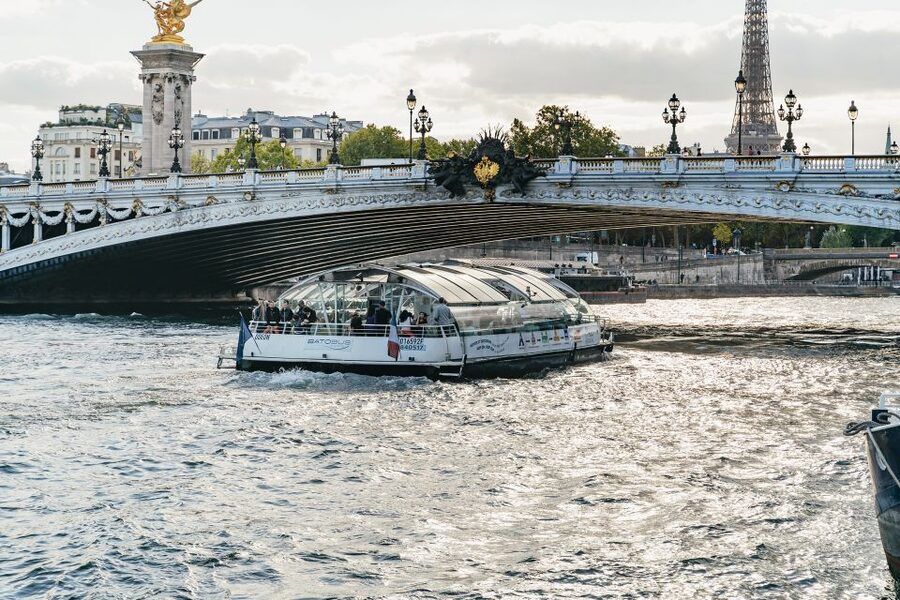
The clever part of this Paris experience is that the river becomes your transport route. Instead of squeezing into the Metro or walking between every major sight, you can ride the Batobus Seine shuttle, step off near the Louvre or Notre-Dame, then return to the water when your feet need a rest. I especially like the useful mix of sightseeing and transport, plus the open terrace for fresh-air views and photographs. The main drawback is timing: boats are relaxing, but they are not as quick or frequent as the Metro, and the glass-covered cabin can feel hot on sunny days.
I also like that your pass starts when you first use it, not necessarily at the time of booking. That makes a 24-hour ticket practical for an afternoon and the following morning, while the 48-hour option gives you room to explore without rushing. Bring a charged phone for the multilingual webapp, since there is no standard onboard audio commentary, and note that the service is not suitable for wheelchair users.
In This Review
- Key points to know before you board
- Why the Seine route works so well in Paris
- Starting at Port de la Bourdonnais by the Eiffel Tower
- Musée d’Orsay and Saint-Germain-des-Prés
- Notre-Dame and the Latin Quarter
- Jardin des Plantes and Hôtel de Ville
- The Louvre stop and the value of getting off
- Place de la Concorde and Invalides
- What the boats are like in good and bad weather
- Using the webapp instead of an onboard guide
- Choosing 24 hours or 48 hours
- Who should book Batobus?
- Final verdict: a practical cruise with real sightseeing value
- FAQ
- How long is the Batobus pass valid?
- Where can I board the Batobus?
- Does the Batobus stop near the Eiffel Tower?
- Does the pass include entry to the Louvre or other museums?
- Is there an audio guide on the boat?
- Are the boats heated?
- Can I bring a stroller or luggage?
- Is the Batobus suitable for wheelchair users?
- How often do the boats run?
- Can I cancel the booking?
Key points to know before you board
- Nine central Seine stops: Get off near the Eiffel Tower, Musée d’Orsay, Saint-Germain-des-Prés, Notre-Dame, Jardin des Plantes, Hôtel de Ville, the Louvre, Place de la Concorde, and Invalides.
- Your pass runs for 24 or 48 consecutive hours: The clock begins when you scan the ticket while boarding for the first time.
- A river cruise with transport value: You can make a full loop for the views, or use the boat to avoid some street walking and Metro trips.
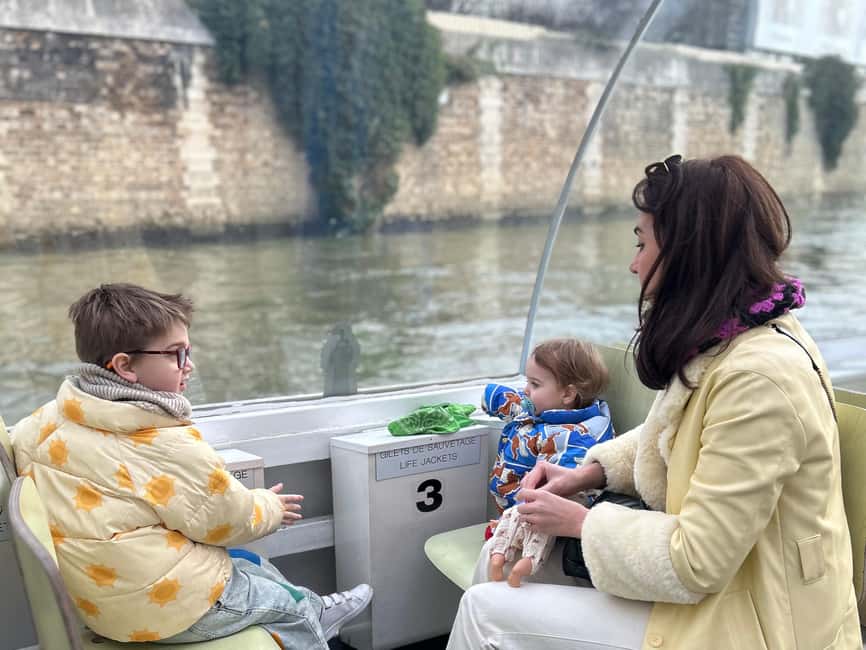
- Heated glass-covered boats: The cabin works well in cool weather, while the terrace gives you better photographs and open-air views.
- Five-language webapp: Monument information and ideas near each stop are available in English, French, Italian, Spanish, and German.
- Allow for a slower pace: Boats generally arrive about every 20 to 25 minutes, and a full circuit takes roughly two hours.
Why the Seine route works so well in Paris
Paris sightseeing often involves a lot of walking, stairs, traffic, and route planning. Batobus removes some of that strain while giving you a pleasant view of the city between stops. You are not simply being carried from one attraction to another. The Eiffel Tower, bridges, riverside buildings, and changing views of the central city become part of the ride.
The service is especially useful if you are visiting Paris for only a few days. A full circuit helps you get your bearings, while repeated boarding lets you connect several sights without buying separate transport tickets for each short journey. You can also treat the boat as a rest stop between museums.
The published price is about $27 per person, though you should check the current rate when booking. That is a fair value if you use the pass for several rides over one or two days. It is less convincing if you only take one complete loop, since a standard sightseeing cruise may suit that plan better. The value comes from combining the cruise with practical transport.
Service frequency is helpful but not instant. Boats are often around 20 to 25 minutes apart, and a complete loop takes about two hours. Build that waiting time into your day, especially if you have timed museum tickets or dinner reservations.
More Boat Tours in Paris
- Paris: Evening River Cruise with Music
★ 4.4 · 22,721 reviews - Paris: Louvre Guided Tour with Reserved Access & Boat Cruise
★ 4.3 · 16,353 reviews - Paris: Big Bus Hop-On Hop-Off Tour with Optional Cruise
★ 4.4 · 13,279 reviews
Starting at Port de la Bourdonnais by the Eiffel Tower
Port de la Bourdonnais is the most obvious starting point, directly by the Eiffel Tower. It is a strong place to begin because you can combine your first boat ride with the city’s most recognizable landmark.
From the water, the Eiffel Tower looks different from the usual street-level view. The terrace is the best place for photographs, although the upper glass can sometimes be blurry or less clean than you would like. The boat’s covered design helps in cold weather, and the heated cabin has been particularly useful during winter rides.
Nearby, you can visit the Cité de l’Architecture, which focuses on French architectural heritage from the 12th to the 18th century. The stop is also handy for the Eiffel Tower itself, though remember that getting off the boat only brings you to the area. It does not include entry to the tower or any museum.
A first full circuit from here is a smart move. You see the route, note which stops interest you, and learn which side of the river is most convenient for your next ride.
Musée d’Orsay and Saint-Germain-des-Prés
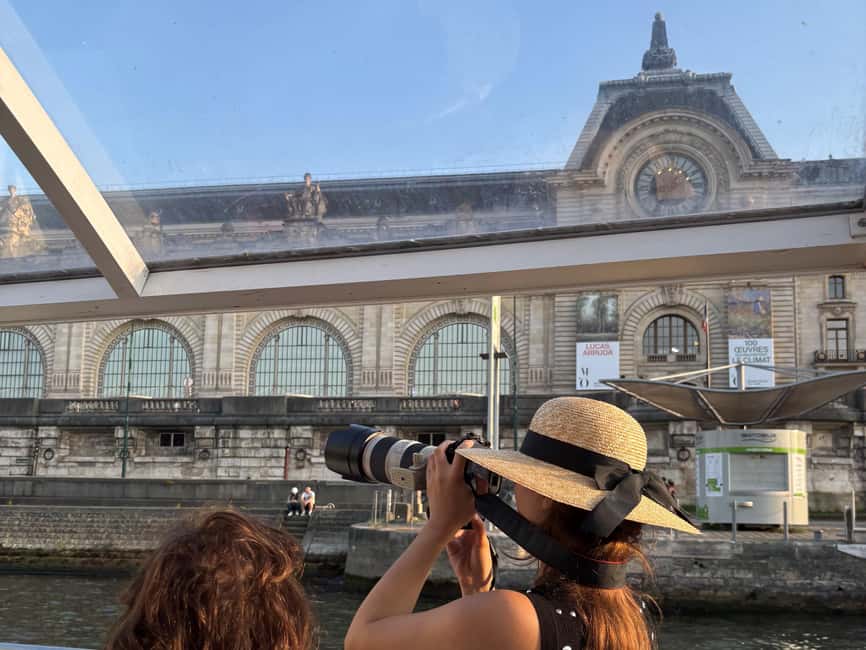
The Musée d’Orsay stop at Quai de Solférino puts you close to one of Paris’s great art museums. Its collection includes famous works by Monet, Renoir, and Van Gogh, along with major paintings and sculpture from the 19th century.
This is one of the most useful stops for a museum-heavy day. You can ride from the Eiffel Tower, get off for the museum, and later board again toward the Louvre or Notre-Dame. Give yourself plenty of time here if you plan to visit the museum. The boat pass covers transport only, not admission.
The next stop, Saint-Germain-des-Prés at Quai Malaquais, serves the historic literary quarter. You are near the Institut de France and the well-known cafés Café de Flore and Les Deux Magots. The surrounding streets are good for an unhurried walk, with bookshops, cafés, and old Parisian details.
I would not use Batobus for every short hop in this area. Saint-Germain and the Musée d’Orsay are close enough that walking between them may be more interesting than waiting for the next boat. Use the service when you want a break, a different view, or a longer connection along the Seine.
Notre-Dame and the Latin Quarter
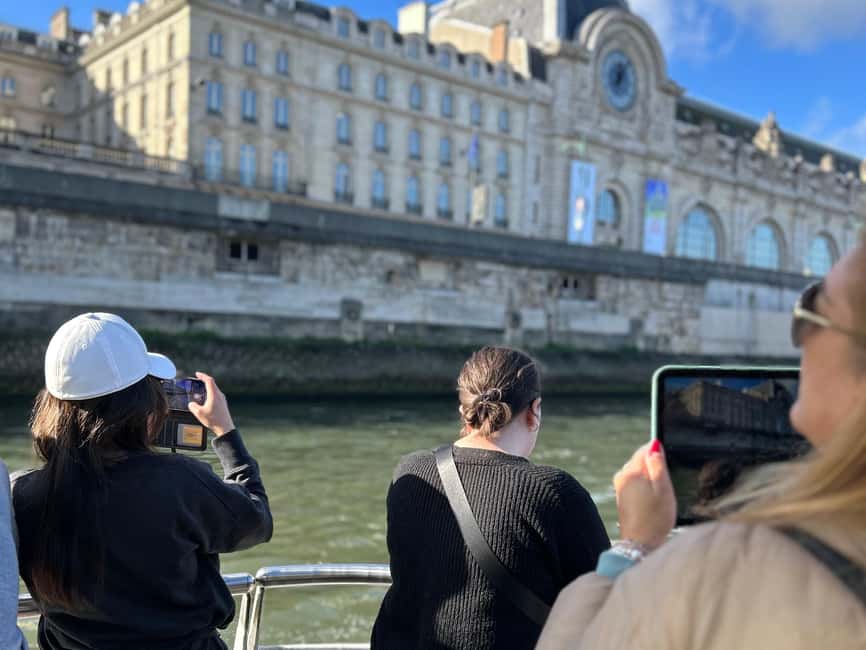
The Notre-Dame stop at Quai de Montebello places you near the cathedral and the Latin Quarter. This is one of the route’s best combinations because you get a major landmark, riverside views, cafés, bookshops, and student life in a compact area.
Notre-Dame is the obvious focus, but do not rush away after seeing the cathedral. The nearby streets of the Latin Quarter reward a slower walk, and this is a practical place to stop for a meal or coffee before returning to the river.
The stop is also useful for visitors who prefer not to make every connection underground. Several people have found the river route gentler than the Metro, especially when stairs and long walks become tiring. That does not make the boats fully accessible, however. The activity is officially not suitable for wheelchair users, so check carefully before booking if you need step-free access.
For a relaxed day, Notre-Dame works well as a central break. Get off, explore on foot, eat nearby, then continue toward the eastern part of the route.
A different way to spend the day, same corner of France:
- Paris: Louvre Museum Timed-Entrance Ticket
★ 4.6 · 71,977 reviews - Disneyland® Paris 1-Day Ticket
★ 4.6 · 49,412 reviews - Paris: Versailles Palace and Gardens Full Access Ticket
★ 4.6 · 41,579 reviews - Paris: Eiffel Tower Entry Ticket with Optional Summit Access
★ 4.4 · 20,035 reviews
Jardin des Plantes and Hôtel de Ville
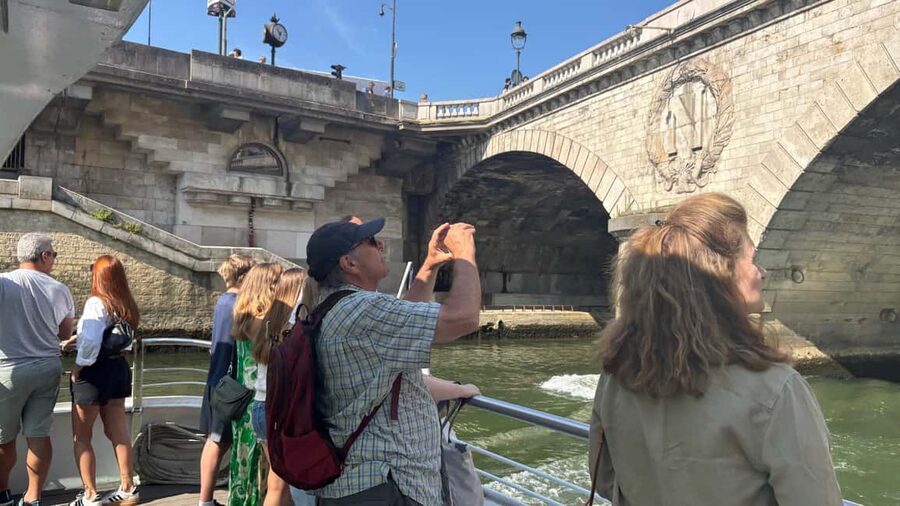
The Jardin des Plantes stop at Quai Saint-Bernard offers a change from the major museums and monuments. Paris’s main botanical garden is a good place to stretch your legs and take a quieter break from the central sightseeing circuit.
Nearby, the Cité de la Mode et du Design provides a more contemporary contrast. This stop may not be essential for a first-time visitor with a packed schedule, but it gives you options beyond the standard Eiffel Tower, Louvre, and Notre-Dame circuit.
At Hôtel de Ville, the boat arrives near the historic City Hall of Paris. The Centre Pompidou is nearby, and the Marais is within reach for galleries, boutiques, cafés, and narrow streets. This is one of the most useful stops for combining culture with neighborhood wandering.
The Marais can easily fill several hours, so do not treat it as a quick photo stop. If you plan to visit the Pompidou Centre or explore the district properly, the 48-hour pass makes more sense than trying to squeeze it into a single afternoon.
The Louvre stop and the value of getting off
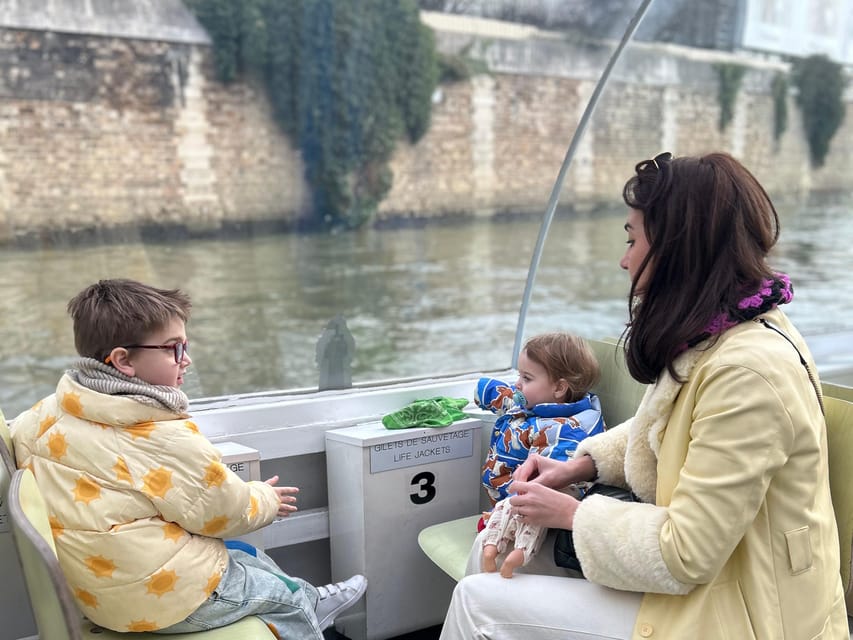
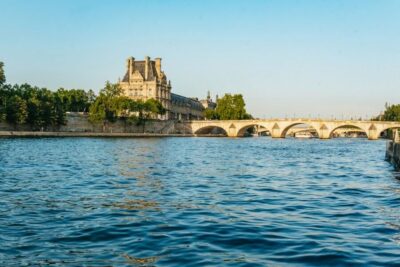
The Louvre stop is at Pont Royal and Pont du Carrousel. It gives you access to one of the world’s largest museums and to the grand riverside setting around the former royal palace.
A Batobus pass does not provide entry to the Louvre, reserve a museum time, or shorten the museum’s internal distances. What it does is get you close without adding another road journey. That matters after several hours on your feet.
I recommend deciding in advance how much of the Louvre you want to see. The museum is far too large for a casual visit to every major section. If you have a timed ticket, leave a generous margin for the boat schedule and walking from the landing point.
This stop is also valuable for people who simply want the exterior views. The courtyards, bridges, and riverfront make a fine Paris walk even if you do not enter the museum.
Place de la Concorde and Invalides
Place de la Concorde is the western end of the central loop. From here, you can explore one of Paris’s grandest squares, walk toward the Grand Palais and Petit Palais, or browse the luxury shops around Avenue Montaigne.
This stop is best for combining open spaces and museums. It is less compact than Notre-Dame or Hôtel de Ville, so check your walking plan before getting off. The boat saves you from a long cross-town connection, but it does not eliminate the walking once you reach the area.
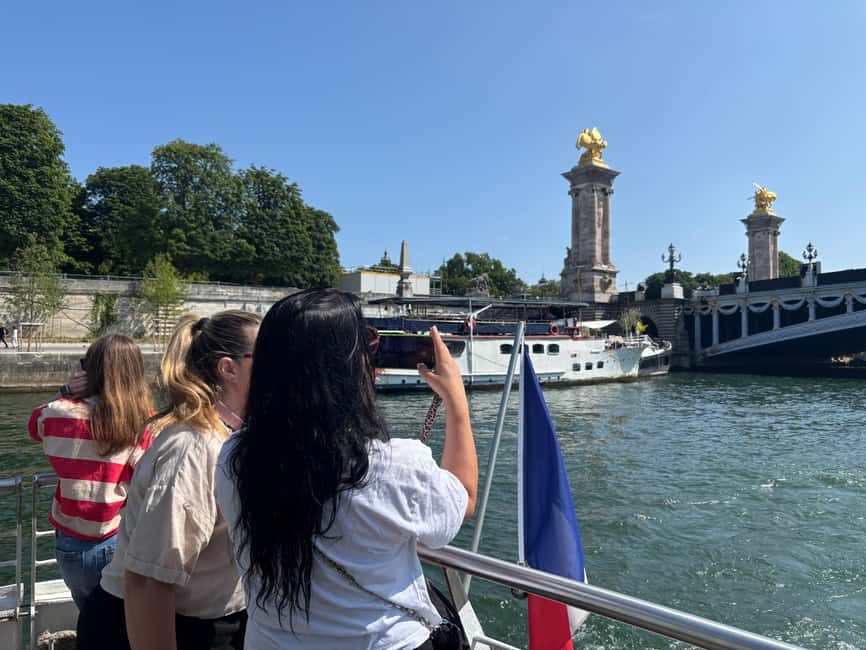
The Invalides stop, at Port des Invalides, brings you near the Hôtel des Invalides, where you can visit Napoleon’s tomb. It is also close to Pont Alexandre III, one of the city’s most ornate bridges and one of the best places for photographs along the route.
Invalides is a good final stop before returning toward the Eiffel Tower. The bridge offers strong views from both land and water, so consider seeing it once from the terrace and again on foot. The boat’s river perspective is one of the main reasons to choose this service over a standard street vehicle.
What the boats are like in good and bad weather
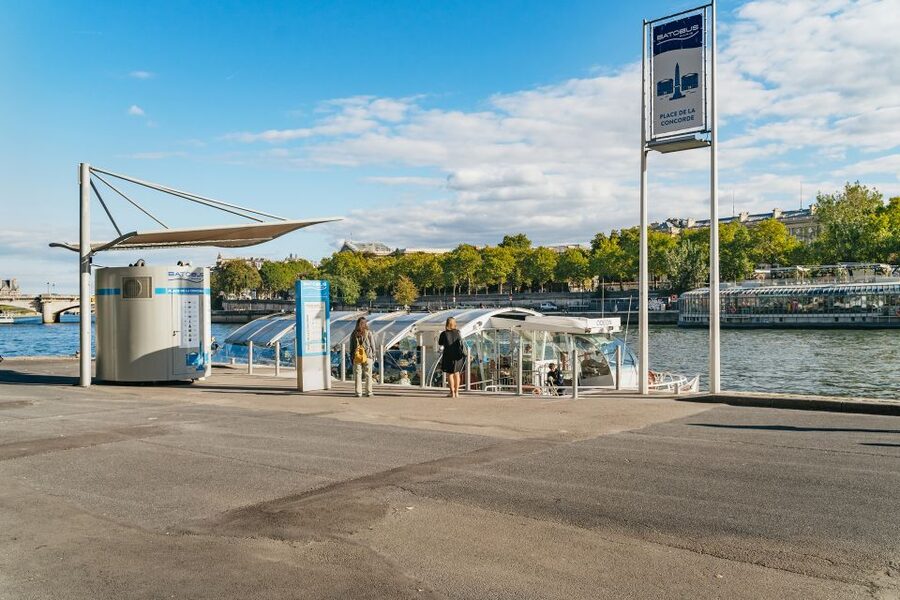
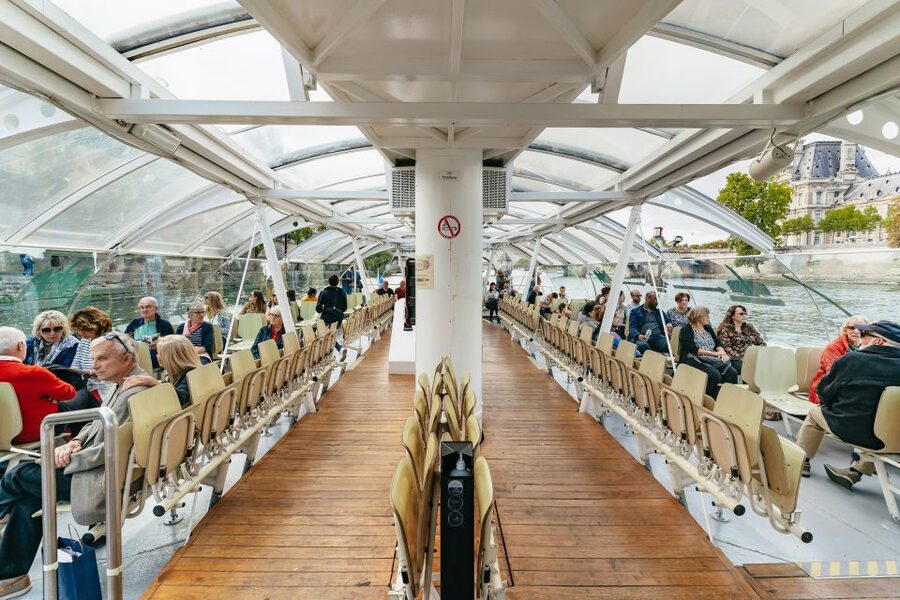
The boats are heated and glass-covered, which makes the service usable in cool months. Winter rides can be comfortable inside, and the covered cabin protects you from much of the weather.
The same glass that helps on a cold day can work against you in warm sunshine. Several rides have been uncomfortable under the glass during hot weather, with little shade and limited breeze. On a bright day, the terrace is often the better place to sit, though space may be limited.
The terrace is also the best choice for photographs. You can capture bridges and monuments without shooting through a window, but keep your phone secure and expect the boat to move as you frame the picture. On rainy days, a small awning may provide some cover.
Seating can become tight when the boat is busy, especially with children and fold-up pushchairs. Foldable baby carriages are allowed, but large bags and luggage are not. If you need a particular seat, arrive with some patience rather than assuming one will be available.
Using the webapp instead of an onboard guide
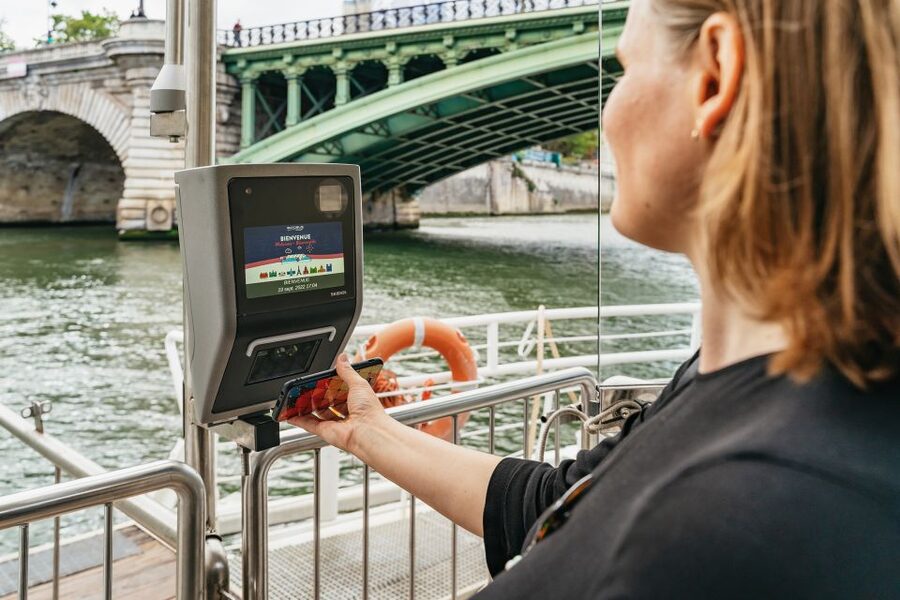
The interactive webapp provides information about monuments and things to do near each stop. It is available in English, French, Italian, Spanish, and German, which makes it useful for mixed-language groups.
You should charge your smartphone before boarding and be ready to use your own data connection if needed. The webapp is not the same as a live guide speaking throughout the journey. If you want background on the scenery, download or open the information before the boat leaves.
This arrangement has one advantage: you can focus only on the sights that interest you. You are not forced to listen to a long commentary while trying to photograph the Eiffel Tower or enjoy a quiet ride. The tradeoff is that the experience feels less guided than a dedicated sightseeing cruise.
Staff and hosts may assist in French, English, Spanish, German, and Italian. The stops are generally easy to find, and staff are present at many landings to help with boarding.
Choosing 24 hours or 48 hours
A 24-hour pass is enough if you want to link several major sights in one day and use the boat as a break from walking. Starting in the afternoon can be smart: spend the first day visiting two or three stops, then use the pass again the next morning before it expires.
The 48-hour ticket is the better choice for a slower visit. You can give the Louvre, Musée d’Orsay, Notre-Dame, and the Marais their proper time instead of trying to fit them into one loop. It also lets you use the boat for short scenic rides without worrying that every boarding must serve a major sightseeing purpose.
Your ticket is scanned each time you board, but its validity begins with your first use. The ticket can also be used up to 30 days after the booked date, according to the supplied conditions. Free cancellation is available up to 24 hours in advance, and reserve-now, pay-later booking may help if your schedule is still changing.
Who should book Batobus?
I would recommend Batobus for first-time Paris visitors who want a simple route between major sights, families who need regular rest breaks, and anyone who prefers river views to traffic. It is also a good fit for a short three-day visit, when every easy connection matters.
The pass can help older visitors or anyone who finds the Metro tiring, but the formal accessibility restriction is important. It is not suitable for wheelchair users, and seating can be harder to find when the boats are crowded.
You should skip it if your main goal is the fastest possible transport or if you only want one narrated cruise. The Metro will usually be quicker for many cross-city journeys, and this boat has no standard live audio tour. You should also think twice during very hot weather if you dislike warm glass-covered spaces.
Final verdict: a practical cruise with real sightseeing value
At about $27 per person, Batobus earns its price when you use it for both transport and views. The strongest features are the central stops, the calm ride between them, the heated interior, and the open terrace for photographs.
I would choose the 48-hour pass for a relaxed first visit and the 24-hour pass for a tightly planned day. Start with a full circuit if you need to understand the route, then get off at the Louvre, Notre-Dame, Musée d’Orsay, or Eiffel Tower according to your interests.
Book it if you want Paris to feel less like a series of Metro transfers and more like a city unfolding along the Seine. Do not book it expecting fast urban transit, full wheelchair access, or a continuous guided commentary. For the right pace, it is an affordable and pleasant way to connect the city’s biggest sights.
FAQ
How long is the Batobus pass valid?
You can choose a 24-hour or 48-hour consecutive pass. Its validity begins when you first scan and use it to board the boat.
Where can I board the Batobus?
You can board at any of the nine stops: Tour Eiffel, Musée d’Orsay, Saint-Germain-des-Prés, Notre-Dame, Invalides, Jardin des Plantes, Hôtel de Ville, Louvre, or Place de la Concorde.
Does the Batobus stop near the Eiffel Tower?
Yes. The Tour Eiffel stop is at Port de la Bourdonnais, near the foot of the Eiffel Tower.
Does the pass include entry to the Louvre or other museums?
No. The pass provides the riverboat shuttle service only. Museum admission and other attraction tickets are not included.
Is there an audio guide on the boat?
The experience includes an interactive webapp with information about monuments and nearby activities. It is available in English, French, Italian, Spanish, and German. Standard onboard audio commentary is not included.
Are the boats heated?
Yes. The boats have heated, glass-covered interiors and a terrace. The covered area may feel hot during warm, sunny weather.
Can I bring a stroller or luggage?
Fold-up baby carriages are allowed. Non-folding strollers, luggage, and large bags are not allowed on board.
Is the Batobus suitable for wheelchair users?
The activity is listed as not suitable for wheelchair users. If you need wheelchair access, confirm the current conditions before booking.
How often do the boats run?
Boats generally arrive about every 20 to 25 minutes, though exact schedules can vary. A complete loop takes about two hours.
Can I cancel the booking?
You can cancel up to 24 hours in advance for a full refund. Reserve-now, pay-later booking is also available, subject to the booking conditions.
Recently reviewed around Paris
- Louvre Private Tour – The Essentials and More with Expert Guide★ 5.0 · 227 reviews
- 2CV tour by night★ 5.0 · 55 reviews
- Eiffel Tower Second or Summit Floor Access by Elevator with Views★ 3.5 · 161 reviews
- The only Paris Wine Tasting experience you need to do – 2 hours★ 5.0 · 265 reviews
- 2 Hour Street-art Walk and Space Invaders Hunt in Paris★ 5.0 · 27 reviews
- 2 hour outdoor group activity in Paris: SAINT GERMAIN★ 5.0 · 48 reviews
- Private 2 – Hour Paris Landmarks Tour by Golf Cart Mini Moke★ 5.0 · 38 reviews
- Orsay Museum Private or Small-Group Guided Tour★ 4.0 · 381 reviews
Seine River Cruises, compared.

Seine Cruise & Crepe Tasting near the Eiffel Tower
Read our review →
Eiffel Tower Access by Elevator & Seine River Cruise
Read our review →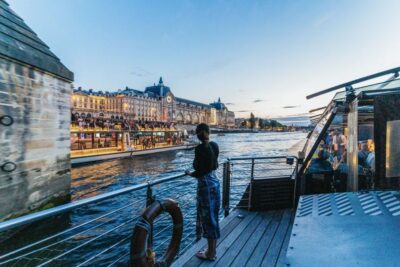
3-Course-Dinner Cruise on the Seine with live music
Read our review →
Bateaux Parisiens Seine River Gourmet Dinner & Sightseeing Cruise
Read our review →
3-Course Gourmet Dinner Cruise on Seine River
Read our review →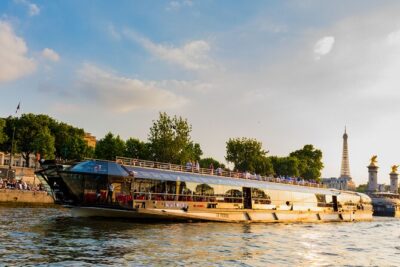
Bateaux Mouches Dinner Cruise on the Seine River in Paris
Read our review →Browse the lists this tour appears in