
Reviewed · PERE LACHAISE CEMETERY TOURS
The Père Lachaise Cemetery: Guided 2-Hour Small-Group Tour
Père Lachaise is not simply a cemetery with a few famous names. It is a vast open-air storybook of Paris, filled with grand tombs, family crypts, memorials, sculptures, odd personal tributes, and quiet lanes that are easy to lose your way in. A guide helps you make sense of it in two hours.
I like the small group of no more than 10 and the way the tour can be shaped around the graves you most want to see. I also like the mix of famous figures and less obvious stories, from Abelard and Heloise to the man credited with bringing vodka to France. The main drawback is practical: this is a long walking tour with some climbing, and it is conducted in French.
In This Review
- Key points at a glance
- Why Père Lachaise works best with a guide
- Meeting at Gambetta Square
- The opening story: a cemetery created for Paris
- Famous names, from Chopin to Jim Morrison
- Abelard, Heloise, and the cemetery’s legends
- Architecture, sculpture, and the people behind the stone
- What two hours can realistically cover
- The French guide and group size
- Is $28 a fair price?
- Who should book this walk?
- Should you book the Père Lachaise tour?
- FAQ
- Where does the Père Lachaise Cemetery tour meet?
- How long does the tour last?
- What language is the tour conducted in?
- How many people are in the group?
- Which famous graves can you see?
- Is the tour suitable for wheelchair users?
- What should I bring?
Key points at a glance
- Two hours through Paris’s largest cemetery, opened in 1804 and filled with monuments from many periods.
- Famous graves include Chopin, Jim Morrison, Oscar Wilde, Edith Piaf, and Delacroix.
- French-speaking guides explain the cemetery’s name, origins, architecture, sculptures, and legends.
- Groups are limited to 10 people, making it easier to ask for particular graves or themes.
- Bring a list of names, since the cemetery is too large to cover fully in one visit.
- Comfortable shoes are essential, and the tour is not suitable for wheelchair users or people with walking impairments.
Why Père Lachaise works best with a guide
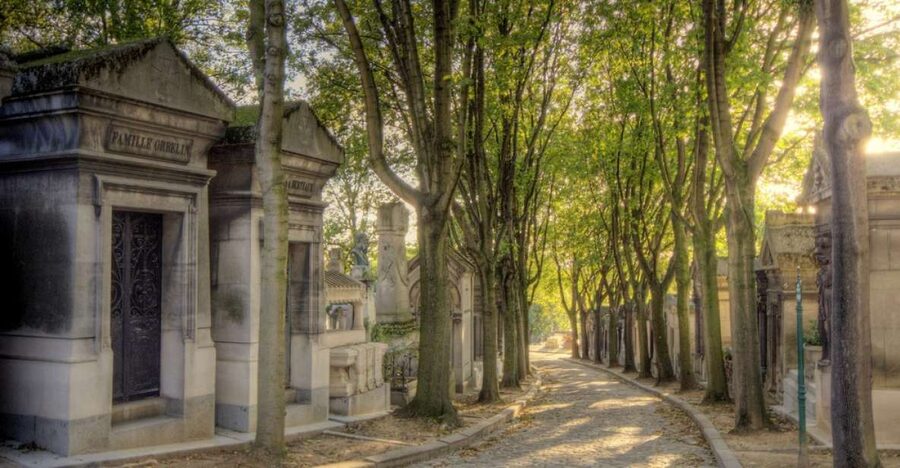
Père Lachaise opened in 1804 and is now the largest cemetery in Paris. Its size is part of the appeal, but also the reason a first visit can feel confusing. Roads, paths, slopes, tombs, and divisions spread across a large area, with famous graves often separated by a considerable walk.
You can certainly enter on your own and search for names. The problem is that finding a grave is only one part of the experience. A guide adds the story behind the cemetery, explains how Paris came to use this site, and points out architectural details you might otherwise pass without noticing.
The strongest part of this tour is the connection between people and place. Chopin’s grave is not treated as an isolated photo stop. It becomes part of a larger story about artists, writers, musicians, politicians, Parisian memory, and the changing style of funerary art.
I also like the small-group format. With up to 10 people, you can ask to see a particular name or bring up a theme that interests you. Several guides have adjusted the walk for visitors with personal lists, sometimes fitting in eight or nine requested graves when the group was willing to walk farther or stay a little longer.
The tour is in French, so you should book it only if you can follow a live explanation in that language. One person with rusty French found the guide easy enough to understand, while another visitor accidentally booked the French version and was fortunate that the guide could switch to English. That is not something to count on, so check the language carefully before paying.
More Paris trips worth a second look
- Paris: 2-Hour Perfume Creation Workshop
★ 4.8 · 731 reviews - Paris Louvre: 2-Hour Private Tour for Groups or Families
★ 4.6 · 639 reviews - Paris Montmartre: 2-Hour City Tour in German
★ 4.9 · 299 reviews
Meeting at Gambetta Square
You meet in front of the Société Générale bank on Gambetta Square. The nearest metro stop is Gambetta on line 3, which makes the meeting point fairly easy to reach from central Paris.
Give yourself time to find the bank and gather before the start. The cemetery is large, and the tour moves on foot from the meeting area into the burial ground. This is not a hop-on, hop-off outing with transport between stops. Your own feet do the work.
The tour lasts two hours. That is long enough to see a useful selection of famous graves and hear the cemetery’s main stories, but not long enough to cover every section. If you want to see several specific people, arrive with a short written list. A phone note works well, but keep the names ready in French or with clear spelling.
The opening story: a cemetery created for Paris
One of the early explanations concerns why Père Lachaise was created and how it received its name. The cemetery’s name comes from Père François de La Chaise, a Jesuit priest and confessor to King Louis XIV. The site opened in 1804, during a period when Paris needed more organized burial grounds beyond the crowded churchyards of the city.
That background gives the cemetery more meaning than a collection of celebrity graves. You begin to see it as part of Paris’s urban development and changing ideas about public health, burial, family memory, and personal status.
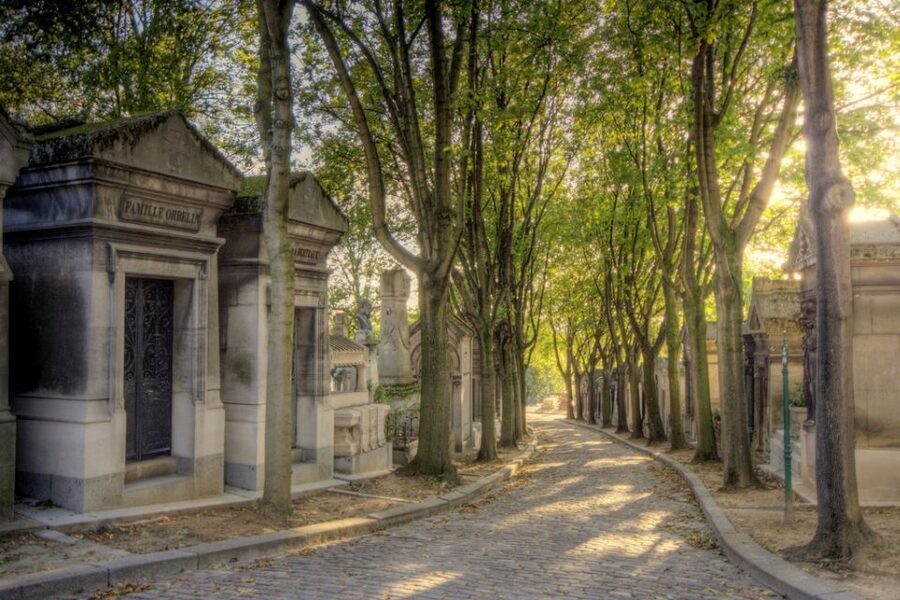
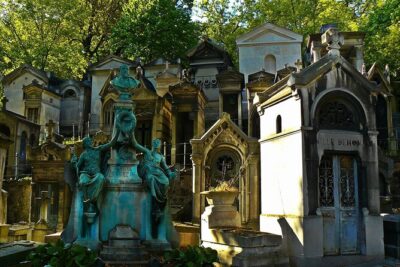
The guide also explains how different architectural styles appear throughout the grounds. Look for the contrast between simple markers, elaborate family tombs, chapel-like structures, metalwork, carved figures, and large monuments. You may not know the names of every style, but the differences are clear once someone points them out.
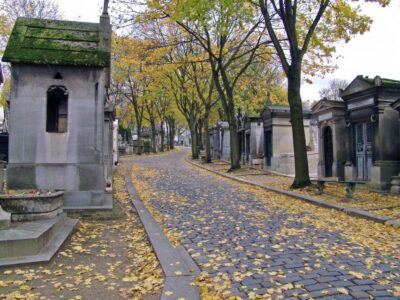
The cemetery’s design also rewards a slower pace. This is not a place to rush from one famous grave to the next. The lanes bring you past unexpected memorials, quiet corners, and sculptures that can say as much about the person buried there as the inscription does.
Famous names, from Chopin to Jim Morrison
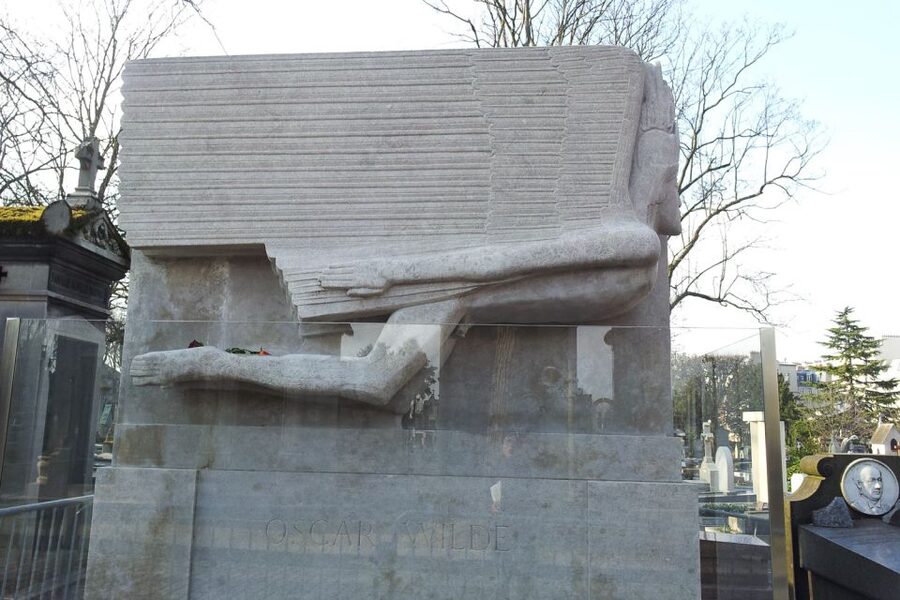
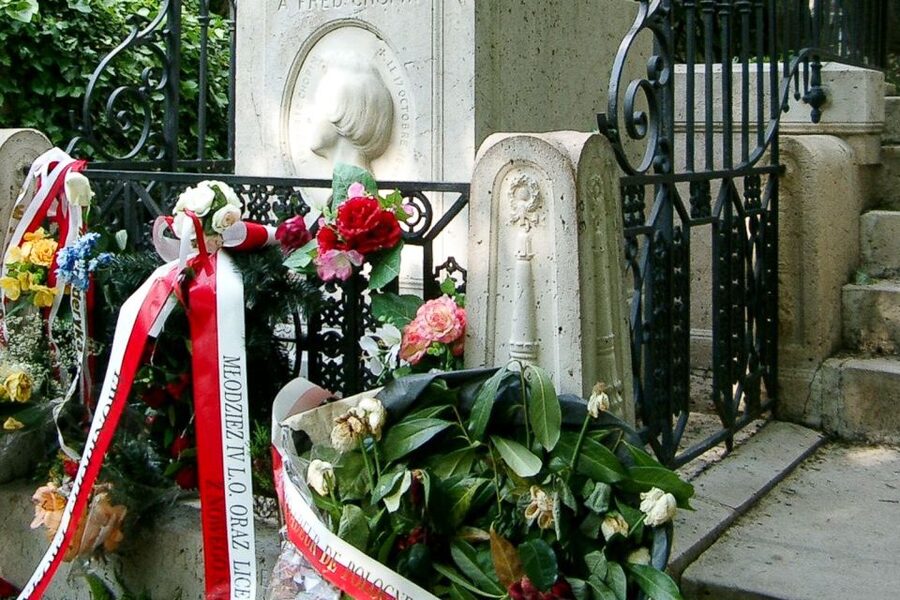
The tour includes some of Père Lachaise’s best-known residents. Chopin, Jim Morrison, Oscar Wilde, Edith Piaf, and Delacroix are among the names connected with the walk. Seeing these graves is a major reason many people visit, and the guide helps you locate them without spending half the morning reading cemetery maps.
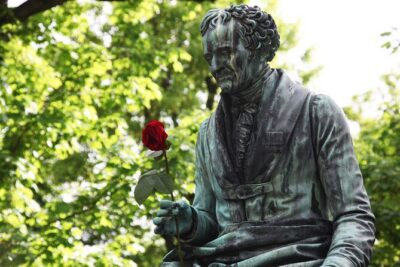
Jim Morrison’s grave attracts a very different kind of attention from the older monuments around it. Chopin’s connects the cemetery to classical music and European cultural life. Oscar Wilde’s tomb is known for its striking modern monument, while Edith Piaf brings the story back to one of France’s most recognizable singers.
The value is not just in collecting photographs. A good guide adds context and helps explain why certain people became part of the cemetery’s public identity. The tour also avoids making the whole visit a celebrity checklist. The most enjoyable walks move between famous figures and people you may never have heard of.
Delacroix adds another link to French art and national culture. Along the way, you might also see graves connected with writers, artists, politicians, performers, and other public figures. Since the route can change with the group’s interests, you should tell the guide early if one person or period matters especially to you.
A different way to spend the day, same corner of France:
- Paris: Louvre Museum Timed-Entrance Ticket
★ 4.6 · 71,977 reviews - Disneyland® Paris 1-Day Ticket
★ 4.6 · 49,412 reviews - Paris: Versailles Palace and Gardens Full Access Ticket
★ 4.6 · 41,579 reviews - Paris: Evening River Cruise with Music
★ 4.4 · 22,721 reviews
Abelard, Heloise, and the cemetery’s legends
Among the most memorable stories is the legend of Heloise and Abelard. Their grave is tied to one of Europe’s best-known stories of love, scholarship, separation, and tragedy. You do not need to know every detail in advance. The guide’s explanation gives the monument a human story that makes it easier to remember.
This is where the tour moves beyond dates and names. Père Lachaise has plenty of famous residents, but its character comes from the stories attached to them. Some are romantic, some strange, and some connected with painful events in Parisian history.
The walk can also include memorials to events that scarred the city. These monuments give you a different view of Paris, one that is less polished than the usual boulevard and museum route. The cemetery records grief, conflict, artistic ambition, family pride, and sometimes plain eccentricity.
One especially quirky story concerns the man credited with bringing vodka to France. Details like this keep the tour from becoming a solemn march through rows of stone. The cemetery can feel serious, but it is not without humor or odd characters.
Architecture, sculpture, and the people behind the stone
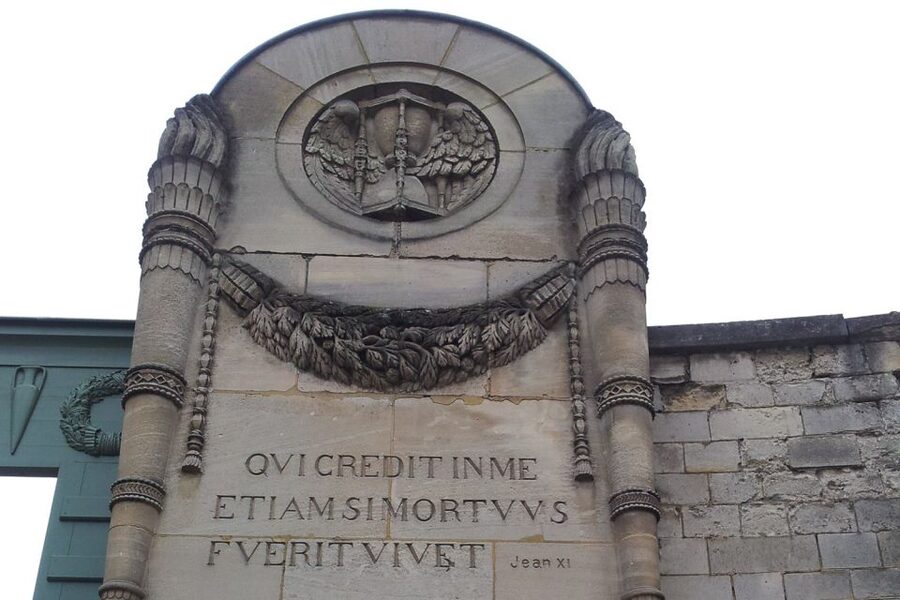
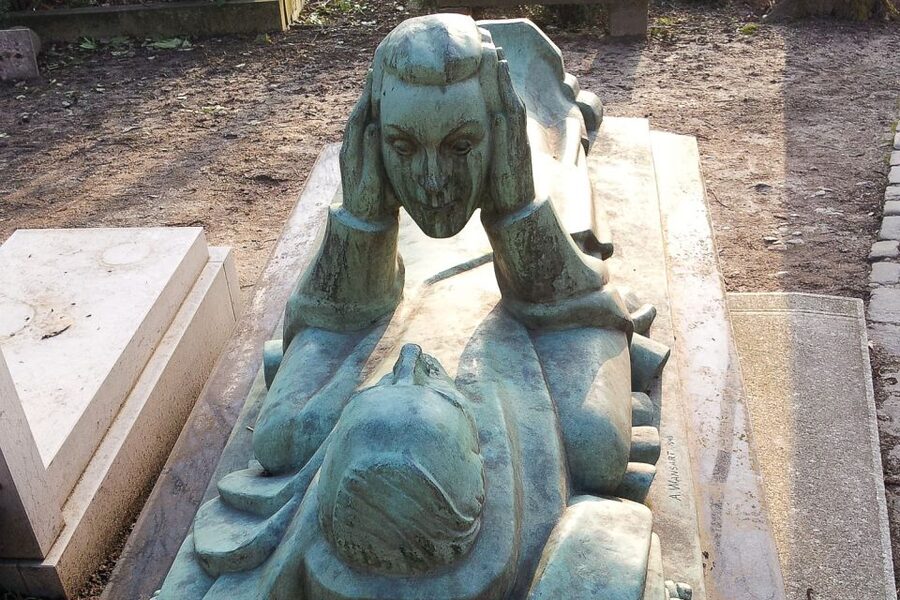
I like that the tour treats the graves as works of art as well as burial places. A family crypt may show wealth and social standing. A personal gravestone may reveal a private interest or unusual sense of style. A sculpture can turn a name on a plaque into a more emotional image of the person remembered.
The guide points out these details while explaining how the cemetery developed. You will see that there is no single Père Lachaise style. The monuments vary in scale, material, decoration, and mood, giving the walk a changing visual rhythm.
Some sections feel grand and formal. Others are more modest or tucked away. Since the grounds include sloping paths and less direct routes, the guide’s local knowledge is useful both for interpretation and navigation.
This is also a good experience for anyone interested in photography, but be respectful. It remains an active cemetery, not simply an attraction. Keep voices low around mourners, avoid climbing on tombs, and treat the sculptures and graves as places of remembrance.
What two hours can realistically cover
Two hours is a sensible introduction, not a complete survey. Père Lachaise is large enough to occupy much of a day if you want to wander every section, study monuments, and search for less famous names.
A guided visit gives you a strong framework. You can see several major graves, learn how the cemetery came to be, and get an idea of which areas deserve a longer return visit. It is especially useful if you have limited time in Paris and want more than a quick, unguided search for Jim Morrison.
The route may involve a fair amount of walking and some climbing. One particularly useful piece of advice is to prepare a list, but keep it short. If you bring too many names spread across the cemetery, you may spend the whole tour walking between locations instead of hearing the stories.
Guides have shown flexibility in the past. Alain, also referred to as Allen in one account, adjusted a small group’s route to include every requested grave and even continued for an extra half hour. Another guide, covering for an ill colleague, asked about specific interests and adapted the route. These examples show what a small group can make possible, but extra time or a particular guide should not be treated as guaranteed.
The French guide and group size
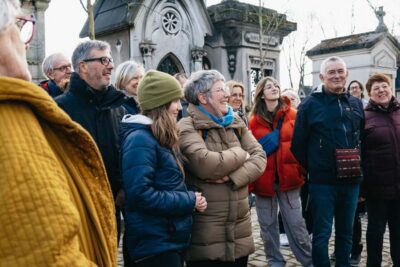
The official format is a live French-speaking guide with a maximum of 10 participants. That matters here because a cemetery tour can lose much of its value if you are standing far behind a large crowd, unable to hear the explanation.
Small groups also make personal requests practical. You can ask about a grave, a sculpture, a historical period, or the meaning of a monument without holding up a large procession. Guides named in past experiences include Niko, Alain, Anthony, and Ye Jin, but the guide assigned to your date may be different.
The best guides for this setting are calm, clear, and willing to adjust the route. Past tours have been praised for a steady pace, humor, strong knowledge of the cemetery, and a clear respect for the people buried there. That balance matters. Père Lachaise can be entertaining, but it should not become a loud celebrity hunt.
Is $28 a fair price?
At $28 per person, this is reasonably priced for a two-hour guided walk in Paris, especially with a small group capped at 10. You are paying for direction, interpretation, and time saved, not admission to a museum or a transport service.
The value is highest if this is your first visit or if you have a short list of famous graves. A guide can take you directly to the places that would otherwise require searching, while filling the walk with stories about the cemetery’s origins and the people connected with it.
The price is less compelling if you enjoy wandering alone, already know Père Lachaise well, or want to spend an entire day moving at your own pace. Independent visitors can explore more slowly and stay as long as they like, while this tour gives you a fixed two-hour window.
Free cancellation up to 24 hours before the start and the option to reserve now and pay later make the booking less rigid. Still, the main value question is simple: do you want help understanding the cemetery, or do you mainly want to locate one grave and leave?
Who should book this walk?
I would choose this tour for a first-time visitor who enjoys Paris history, literature, music, architecture, or unusual personal stories. It also suits anyone who has visited Père Lachaise before but felt they had only seen a fraction of it.
It works particularly well for couples, friends, and small families who can agree on a few names or themes. If one person wants Chopin, another wants Jim Morrison, and someone else is interested in memorial art, tell the guide at the start.
You should think twice if walking on slopes or uneven cemetery paths is difficult. The tour is not recommended for people with walking disabilities and is not suitable for wheelchair users. Comfortable shoes are essential.
Pets, oversize luggage, and smoking are not allowed. Those rules are sensible in a working cemetery and also make the walking group easier to manage.
Should you book the Père Lachaise tour?
Book it if you want the cemetery to make sense rather than simply wanting to tick off famous graves. The small group and flexible approach are the strongest reasons to choose it, particularly if you prepare a short list of people or subjects you care about.
Skip it if you need an English-language tour, have limited mobility, or prefer a long, unstructured visit. For everyone else, $28 buys a focused introduction to one of Paris’s most unusual places, with enough history, art, famous names, and strange stories to make a return visit worthwhile.
FAQ
Where does the Père Lachaise Cemetery tour meet?
Meet your guide in front of the Société Générale bank on Gambetta Square. The nearest metro station is Gambetta on line 3.
How long does the tour last?
The guided tour lasts two hours. Starting times vary, so check availability when booking.
What language is the tour conducted in?
The live tour guide speaks French. You should be able to follow a French-language explanation to get the full benefit of the visit.
How many people are in the group?
The group is limited to 10 participants, making it possible to ask questions and request particular graves.
Which famous graves can you see?
The cemetery includes graves associated with Chopin, Jim Morrison, Oscar Wilde, Edith Piaf, and Delacroix. The exact route can depend on the guide and the group’s interests.
Is the tour suitable for wheelchair users?
No. The tour is not suitable for wheelchair users or people with mobility impairments.
What should I bring?
Wear comfortable walking shoes. Pets, oversize luggage, and smoking are not allowed.
Recently reviewed around Paris
- Louvre Private Tour – The Essentials and More with Expert Guide★ 5.0 · 227 reviews
- 2CV tour by night★ 5.0 · 55 reviews
- Eiffel Tower Second or Summit Floor Access by Elevator with Views★ 3.5 · 161 reviews
- The only Paris Wine Tasting experience you need to do – 2 hours★ 5.0 · 265 reviews
- 2 Hour Street-art Walk and Space Invaders Hunt in Paris★ 5.0 · 27 reviews
- 2 hour outdoor group activity in Paris: SAINT GERMAIN★ 5.0 · 48 reviews
- Sainte-Chapelle, Conciergerie & Palais de Justice Private Tour★ 5.0 · 72 reviews
- Private 2 – Hour Paris Landmarks Tour by Golf Cart Mini Moke★ 5.0 · 38 reviews
Pere Lachaise Cemetery Tours, compared.
Famous Graves of Pere Lachaise Cemetery Guided Tour
Read our review →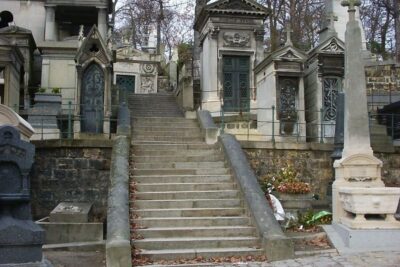
Browse the lists this tour appears in