
Reviewed · MARSEILLE & PROVENCE TOURS
The prestige course at Maison Brotte
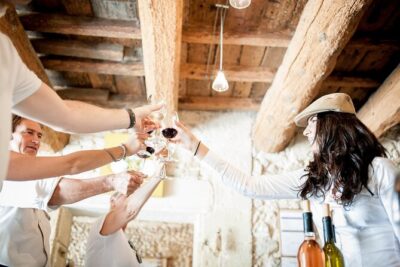
Maison Brotte offers something many wine tastings do not: the appellation’s only wine museum alongside five wines poured by a sommelier. The museum was created in 1972 by Jeanne Brotte, grandmother of the current owner, and gives the tasting a useful family and local setting.
I like the mix of professional guidance and self-paced museum time, and I like the small group limit of 10. The audio guide comes in eight languages, while the tasting hosts speak French, English, German, Portuguese, Chinese, Russian, Spanish, and Dutch. One thing to keep in mind is that the tasting may feel brisk to anyone hoping for a long, leisurely wine session.
In This Review
- Key points to know before you go
- Why Maison Brotte is more than a standard tasting
- Arriving at the Wine Museum Brotte
- The museum created by Jeanne Brotte
- Five wines with a sommelier
- A closer look at the 90-minute itinerary
- What the family story adds
- Is $16 good value?
- Languages, pace, and group size
- Who will enjoy Maison Brotte most?
- Booking flexibility and useful details
- Should you book the Prestige Course?
- FAQ
- Where does the Prestige Course take place?
- How long does the experience last?
- How many wines are included?
- Is the museum visit included?
- What does the Wine Museum cover?
- Who created the museum?
- Is the activity available in English?
- Is the activity wheelchair accessible?
- Can I bring my pet?
Key points to know before you go
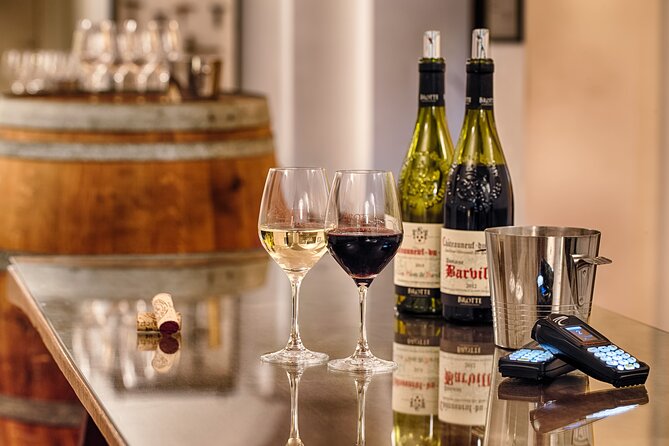
- Five wines in 90 minutes: The visit combines a guided tasting with time in the museum.
- A one-of-a-kind local museum: Learn about vines, wine, cork, and the Brotte family in a museum founded in 1972.
- A family estate dating to 1931: The Brotte family story gives the experience a strong sense of place.
- Small groups make a difference: The activity is limited to 10 people, a useful size for asking questions.
- Eight language options: Both the host service and audio guide cover French, English, German, Portuguese, Chinese, Russian, Spanish, and Dutch.
- Good practical extras: Private parking is available for cars and campers, pets are allowed on a leash, and wheelchair access is provided.
Why Maison Brotte is more than a standard tasting
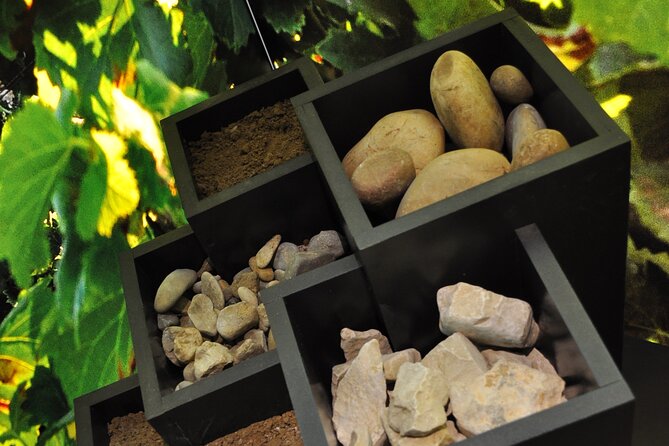
Châteauneuf-du-Pape is one of the best-known wine names in the southern Rhône, but a tasting here can easily become a quick stop at a shop counter. Maison Brotte gives you another reason to stay. Its Wine Museum adds context before or around the tasting, helping you understand how the wine connects to the land, the family, and the tools used to make it.
The Brotte family has passed down its winemaking know-how since 1931. That does not turn the visit into a long cellar tour or a full vineyard outing. Instead, it gives the 90-minute experience a clear focus: learn the basics, taste five wines, and connect those wines to a local family business.
I especially like the museum’s age. Jeanne Brotte created it in 1972, long before wine tourism became such a polished part of travel in France. It is not simply a modern sales display. You are getting a look at a family effort that has been part of Châteauneuf-du-Pape for decades.
The current rating is 4.5 out of 5 from 28 ratings. That suggests a consistently strong experience, though the individual comments point to one important difference in expectations. Some people enjoy the calm, educational format, while others find the tasting too rushed and focused on selling wine.
Other Marseille & Provence days travellers weigh against this one:
- Marseille: City Sightseeing Hop-On Hop-Off Bus Tour
★ 3.8 · 2,820 reviews - From Arles: Half-Day 4×4 Camargue Safari
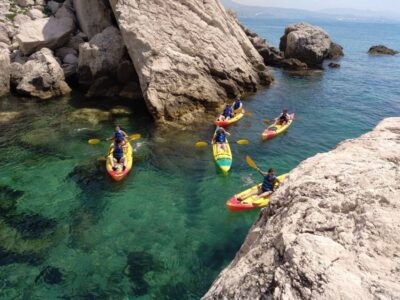
★ 4.7 · 1,772 reviews - Marseille: Côte Bleue Calanques Half-Day Kayak Tour
★ 4.7 · 877 reviews
Arriving at the Wine Museum Brotte
The meeting point is the Wine Museum Brotte in Châteauneuf-du-Pape. You do not need to make a separate journey to another village or estate. The museum and tasting are part of the same stop, which makes this easy to add to a day in the appellation.
Private parking is available for cars and campers. That is a useful detail in the South of France, where parking can be a real nuisance in popular wine towns. If you are driving a larger camper, having dedicated parking may save you from circling narrow streets or searching for a suitable place to stop.
The experience is limited to 10 people. That is small enough to keep the tasting personal without making it a private tour. You can expect a more manageable setting than a large wine group, especially if you want to ask about the bottles being poured.
Pets are allowed on a leash. Wheelchair access is also provided, making the visit practical for more people than many older wine properties. Since the information does not specify every detail of the accessible route, it is sensible to confirm any particular access needs when booking.
The museum created by Jeanne Brotte
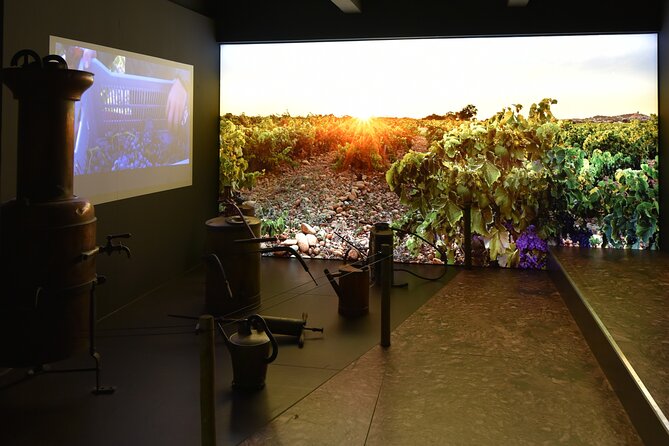
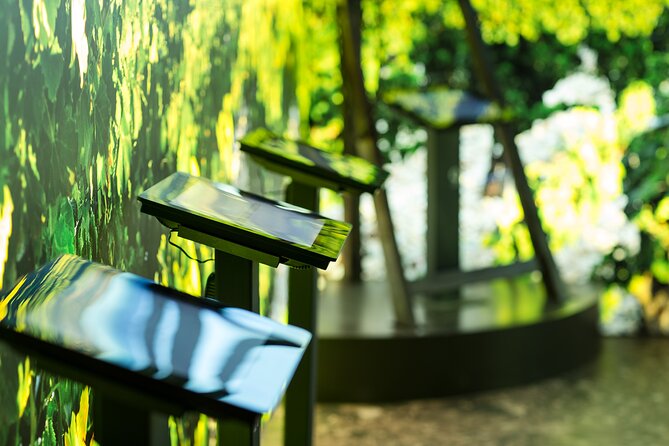
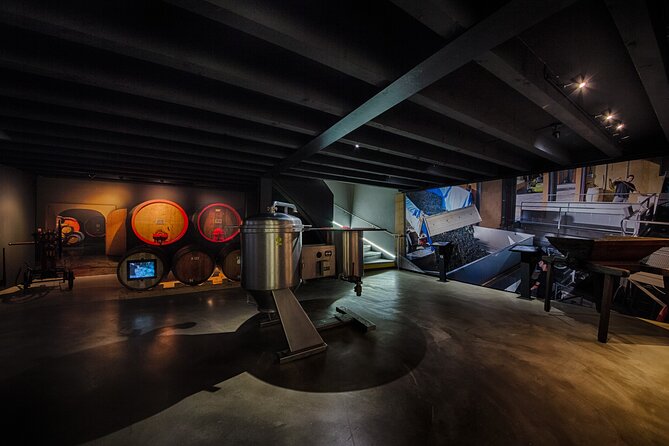
The museum is the most distinctive part of this experience. Châteauneuf-du-Pape has no shortage of wine shops and tasting rooms, but Maison Brotte has the appellation’s only Wine Museum. That gives the visit a local feature you will not find at every nearby winery.
The museum covers vines, wine, and the Brotte family. The aim is not just to tell you what is in your glass, but to show how wine fits into a longer story of family work and local production.
You explore with an audio guide rather than a live museum escort. The guide is available in French, English, German, Portuguese, Chinese, Russian, Spanish, and Dutch. This arrangement gives you control over the pace. If you already know wine basics, you can move along. If terms such as appellation, vineyard work, or cork production are new to you, you can take more time.
One particularly useful feature is the section about cork. Cork is easy to overlook, yet it plays a basic role in wine storage and presentation. The museum’s cork display gives the visit a broader subject than grapes and bottles alone. It also helps explain why this museum feels like a real teaching space rather than a simple prelude to buying wine.
The self-guided format has a trade-off. You get flexibility, but you do not have a guide watching your group and adjusting the explanation to your questions. One clear impression from the experience is that there is quite a lot of information. If you try to absorb every detail, the museum portion may feel long. I would treat it as an invitation to choose your own level of interest, not as a test you need to complete.
Five wines with a sommelier
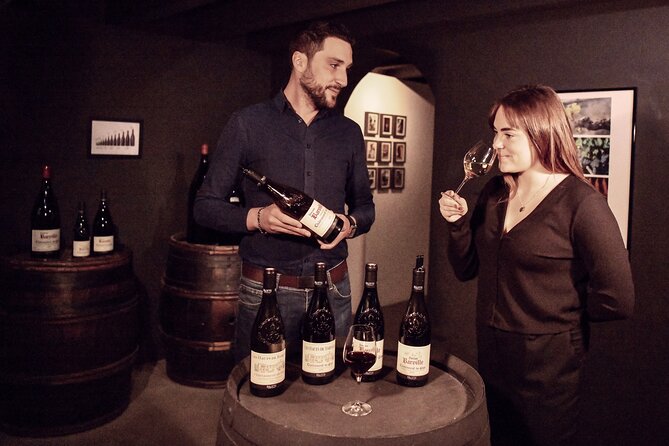
The tasting is led by a sommelier, not left entirely to you and a row of bottles. That matters if you are new to wine. A good sommelier can explain what to notice without assuming that you already understand tasting terms.
The experience is designed to be approachable. You do not need a solid wine background to take part, and you can use the tasting to build a starting point. Listen for the explanations, compare the five pours, and ask questions when something catches your attention.
The five-wine format also gives you enough variety to make the tasting useful without turning it into an exhausting session. You can compare the wines as you go, then connect them with what you have learned in the museum.
The main caution is pace. Some people find the tasting relaxed and unhurried, while others feel it moves too quickly and resembles a shop tasting more than a sit-down wine lesson. That difference may depend on the group, the timing, and how much discussion you want.
If you want a slow tasting with long pauses between each wine, this may not be the right choice. If you prefer a clear introduction with five wines and museum access in a compact visit, the format makes sense.
A different way to spend the day, same corner of France:
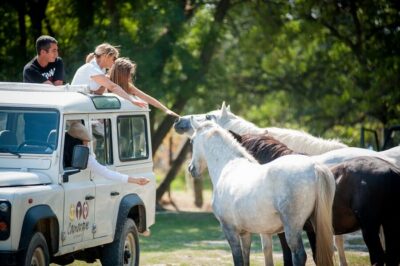
- Camargue: Half-Day 4×4 Guided Safari Adventure
★ 4.6 · 846 reviews - 3.5 Hour Camargue 4×4 Safari from Le Grau-du Roi
★ 4.5 · 775 reviews - Camargue: Safari from Saintes-Maries-de-la-Mer
★ 4.5 · 648 reviews - Marseille Food Tour – Full Meal of Local Tastes by Do Eat Better
★ 5.0 · 530 reviews
A closer look at the 90-minute itinerary
The whole activity lasts 90 minutes. The route is simple: begin at the Wine Museum Brotte, spend time in Châteauneuf-du-Pape, and combine the museum visit with wine tasting.
The first part gives you the setting and the family story. The audio guide lets you work through the museum in your selected language. You learn about vines, wine, cork, and the Brotte family rather than jumping straight to a sales pitch.
The tasting then puts those ideas into your glass. Five wines provide the practical part of the lesson. Even if you are not trying to become a wine expert, the sequence helps you understand why tasting is more than simply deciding if you like a bottle.
Because the museum is self-guided, the exact balance of time is partly up to you. You can listen closely to the sections that interest you and move faster through material you already know. The overall 90-minute limit still matters, so do not assume you can spend unlimited time in each display.
I would plan to arrive ready to focus. This is not a wandering afternoon activity with several separate stops. It is a compact museum-and-tasting visit, best suited to a morning or afternoon schedule that leaves room for other sights in Châteauneuf-du-Pape.
What the family story adds
The Brotte family has worked in wine since 1931. That history gives the visit a human scale. You are not only sampling a famous appellation; you are also learning how one family has carried its work forward over several generations.
Jeanne Brotte’s role is especially interesting. She created the museum in 1972, and the current owner is her grandchild. That link turns the museum into part of the family’s own story, not just a detached collection of wine objects.
For me, this is where the experience gains its strongest sense of character. A tasting alone can tell you about flavor. The museum explains why this particular estate wants to share its past and how wine education became part of the Maison Brotte visit.
You should not expect a full account of every vineyard in the appellation or a detailed tour of all production facilities. The supplied details point to a museum, a tasting, and family history. That focused scope is useful if you want an introduction, but it may feel limited if you are seeking a technical production tour.
Is $16 good value?
At $16 per person, the price is modest for a 90-minute activity that includes five wines and museum admission. The value is strongest because you are getting two connected experiences rather than paying only for a short sample tasting.
The five wines give the price a clear practical benefit. Even a visitor with limited wine experience gets the chance to compare several pours while speaking with a sommelier. The museum adds a second layer, especially for anyone interested in how wine culture is presented to the public.
I would judge the value by your goal. If you want a quick introduction to Châteauneuf-du-Pape and a chance to taste several wines, $16 is fair. If you expect a long, seated tasting with extensive personal attention, you may find the experience less generous.
The possibility of a rushed tasting is the main value concern. The museum can take up a good part of the 90 minutes, and the tasting may feel more commercial than leisurely. Still, the unique museum changes the calculation. You are paying for local interpretation, an audio guide, and five wines, not just a few sips at a retail counter.
Languages, pace, and group size
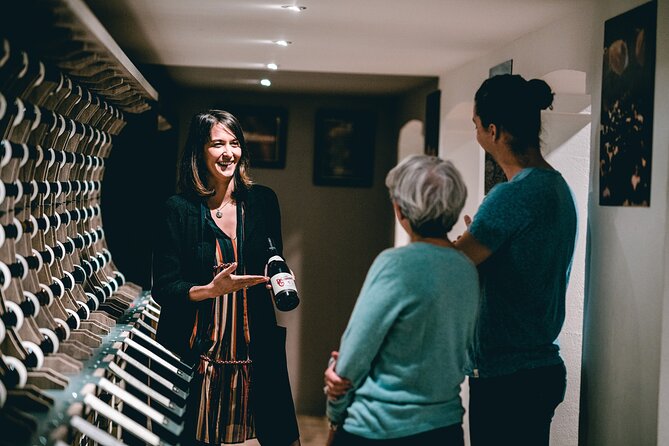
The language coverage is one of the strongest practical features. Hosts and audio guides are listed for eight languages: French, English, German, Portuguese, Chinese, Russian, Spanish, and Dutch. That makes the visit accessible to a wide mix of visitors.
The audio guide also means you do not have to depend on a single live-language tour. You can follow the museum in the language that suits you, then communicate with the tasting host using the available host languages.
A group of up to 10 is a good middle ground. It is not an intimate private appointment, but it is small enough that the room should not feel crowded with a large tour party. You will likely have a better chance to hear the sommelier and ask a question than you would in a big group.
The self-guided museum makes the pace less rigid, though the total visit remains 90 minutes. I would avoid rushing through the audio content simply to say you heard every track. Pick the sections that help you understand the wines and the family estate.
Who will enjoy Maison Brotte most?
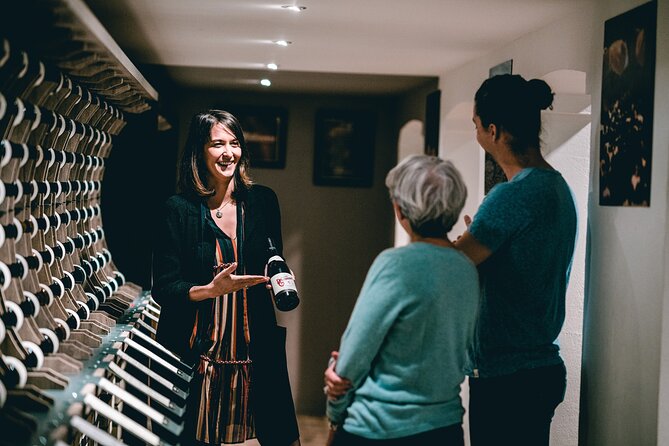
I would recommend this experience to first-time wine visitors, couples looking for a short cultural stop, and anyone who wants more context than a basic tasting room provides. The museum gives non-experts a way into the subject without requiring a strong foundation.
It also suits people who like family businesses and local stories. Jeanne Brotte’s museum, the 1931 family origins, and the cork section give the visit more personality than a simple bottle presentation.
You may also like it if you are traveling by car or camper. Private parking removes one practical worry, and the activity fits neatly into a day in Châteauneuf-du-Pape.
I would be more cautious if your main aim is a long, relaxed tasting. The sommelier-led format can be educational, but the tasting may move quickly. Wine enthusiasts who want extensive technical discussion should check their expectations before booking.
The visit is also less suited to anyone who dislikes audio guides. The museum portion is self-guided, not a live walking explanation. For many people, that is a benefit. For others, it may feel less personal.
Booking flexibility and useful details
You can cancel up to 24 hours in advance for a full refund. You can also reserve now and pay later, which helps if your route through southern France is still taking shape.
Starting times vary, so check availability before building the rest of your day around the 90-minute visit. The activity is wheelchair accessible, though you should confirm any specific access requirements in advance.
Bring your curiosity, not a formal wine vocabulary. The tasting is intended to be approachable, and the museum audio guide lets you set your own level of detail. If you are driving, make use of the private parking. If you are bringing a pet, keep it on a leash.
Should you book the Prestige Course?
Book the Prestige Course if you want a short, affordable introduction to Châteauneuf-du-Pape that combines five wines with a distinctive local museum. The 90-minute length, small group, broad language support, parking, and flexible cancellation all make it easy to fit into a South of France itinerary.
The best reason to choose Maison Brotte is the museum. It was created by Jeanne Brotte in 1972, includes an unusual cork section, and connects wine education with a family estate dating to 1931.
Do not book it expecting a slow, luxurious tasting with long pauses and highly tailored conversation. The tasting can feel rushed, and the self-guided museum asks you to manage your own time.
For most visitors, the $16 price makes the combination worthwhile. Choose it for context, variety, and a clear introduction. Skip it only if you want a more private, technical, or leisurely tasting experience.
FAQ
Where does the Prestige Course take place?
The experience begins at the Wine Museum Brotte in Châteauneuf-du-Pape, in the south of France.
How long does the experience last?
The visit lasts 90 minutes.
How many wines are included?
The experience includes a tasting of five wines.
Is the museum visit included?
Yes. The experience includes access to the Brotte Wine Museum and an audio guide.
What does the Wine Museum cover?
The museum explains vines, wine, cork, and the history of the Brotte family.
Who created the museum?
Jeanne Brotte, grandmother of the current owner, created the museum in 1972.
Is the activity available in English?
Yes. The host service and audio guide are available in English, as well as French, German, Portuguese, Chinese, Russian, Spanish, and Dutch.
Is the activity wheelchair accessible?
Yes, wheelchair access is provided.
Can I bring my pet?
Yes. Pets are allowed when kept on a leash.
Recently reviewed around Marseille & Provence
- Skip the Line: Museum of Romanity Ticket★ 4.5 · 45 reviews
- Guided tour Distillery of Lavender between Nîmes & Arles★ 5.0 · 84 reviews
- A Private Guided Historical and Cultural Tour in Nîmes★ 4.5 · 32 reviews
- Horse ride in Haute Provence Luberon and Forcalquier★ 5.0 · 77 reviews
- Provence Hot-Air Balloon Ride from Forcalquier★ 4.5 · 75 reviews
- Sailing day in the heart of the Calanques★ 4.5 · 61 reviews
- The Urban Hike of Marseille★ 5.0 · 35 reviews
- Sormiou Calanques National Park Electric Bike Tour from Marseille★ 5.0 · 60 reviews
Marseille & Provence Tours, compared.

3.5 Hour Camargue 4×4 Safari from Le Grau-du Roi
Read our review →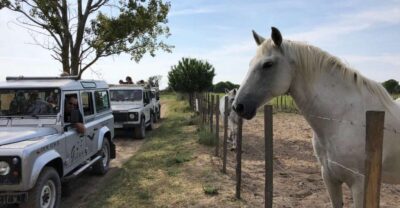
Marseille Food Tour – Full Meal of Local Tastes by Do Eat Better
Read our review →
Calanques National Park Guided Hike with Picnic
Read our review →
Browse the lists this tour appears in