
Reviewed · DESSERT TOURS
Visit of Choco-story COLMAR, the Chocolate Museum.
Chocolate starts here as a story of cocoa’s journey from Central America to Europe, not simply a row of display cases. You move through a forest, an Aztec temple, a Spanish ship, royal rooms, and an industrial world, with sound, film, projections, and hands-on features along the way.
I like the self-paced format, since you can linger over the parts that catch your eye. I also like the mix of serious background and playful moments, including the chocolate tasting, body-tracking choco scanner, games, and a 250-kilogram Statue of Liberty made from chocolate.
The main thing to consider is the price and fixed booking terms. At about $18.02 per person, it is fair for a 90-minute attraction with several interactive features, but it is not a quick free stop, and the ticket cannot be refunded or changed.
In This Review
- Key points at a glance
- From cocoa forest to Aztec temple
- A Spanish ship in the sixteenth century
- European courts and the royal photo stop
- The choco scanner and playful learning
- Industrial chocolate on the second floor
- Master chocolatiers and recipe ideas
- The tasting and the hot chocolate question
- Is $18.02 a fair price for 90 minutes?
- Who will enjoy Choco-Story Colmar most?
- Location, timing, and practical planning
- How this visit compares with a basic chocolate shop stop
- Should you book Choco-Story Colmar?
- FAQ
- Where does the Choco-Story Colmar visit start?
- Where does the experience end?
- How long does the museum visit take?
- Is an audio guide included?
- Is chocolate tasting included?
- Is hot chocolate included with the ticket?
Key points at a glance
- A cocoa story with a clear route: Follow chocolate from a forest and Aztec temple to Spanish exploration, European courts, and industrial production.
- Six-language audio guide: The audio guide helps you follow the displays without needing a live guide.
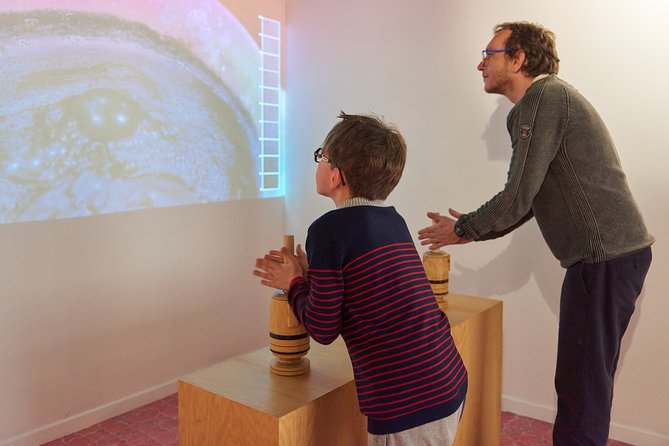
- Interactive features for children and adults: Expect films, 3D projections, games, a choco scanner, and picture opportunities in royal chairs.
- Chocolate sculptures with real scale: The second floor includes a 250-kilogram Statue of Liberty and other large chocolate creations.
- Tasting included: You get chocolate to sample, while a hot chocolate drink costs extra.
- About 90 minutes in central Colmar: The visit starts and ends at 12 Place de la Cathédrale, near public transportation.
From cocoa forest to Aztec temple
The visit opens in a virgin forest, where an animated panel shows a small monkey tasting cocoa beans. It is a light, friendly start, but it also makes a useful point: chocolate begins as a tropical crop, not as the neat bars you see in a shop.
The next scene introduces Quetzalcoatl, the feathered serpent god associated with the cocoa tree in Aztec legend. An Aztec temple gives this part a strong sense of place, and the visual setting helps you connect cocoa with the beliefs and daily life of pre-Hispanic cultures.
This early section matters because it gives you the cultural setting before the European story begins. You are not just learning how cocoa is processed. You are seeing how the plant was understood and valued before it reached European courts.
The displays use interactive panels and staged environments, so the visit should work well for families. Children have things to watch and touch, while adults can use the audio guide to pick up more context. The attraction does not depend only on long written explanations, which helps keep the pace moving.
More Colmar trips worth a second look
- Colmar: Chocolate creation workshop at Choco-Story
★ 4.5 · 39 reviews - Paris: Day or Sunset Cruise with Drink, Ice Cream or Dessert
★ 4.4 · 4,225 reviews - Paris: Entrance Ticket to the Chocolate Museum
★ 4.1 · 1,105 reviews
A Spanish ship in the sixteenth century
The story then shifts to the sixteenth century and a Spanish ship. The setting uses creaking floors, moving hurricane lamps, and windows that reveal the sea. These touches give the crossing a theatrical feel and help explain the next major change in chocolate’s story: its movement from the Americas into Europe.
This is one of the more memorable sections because the setting appeals to several senses at once. You hear the ship, see the lamps move, and get a feeling for a voyage rather than simply reading that cocoa crossed the Atlantic.
The attraction keeps the route simple. You move from one scene to the next, following chocolate through time. Since the format is self-paced, you can stop to listen to the audio or move on when a particular display is less important to you.
The audio guide is available in six languages, a useful feature for an international audience. No named live guide is provided, so you should think of this as a museum visit with guided commentary rather than a walking tour led by a person.
European courts and the royal photo stop
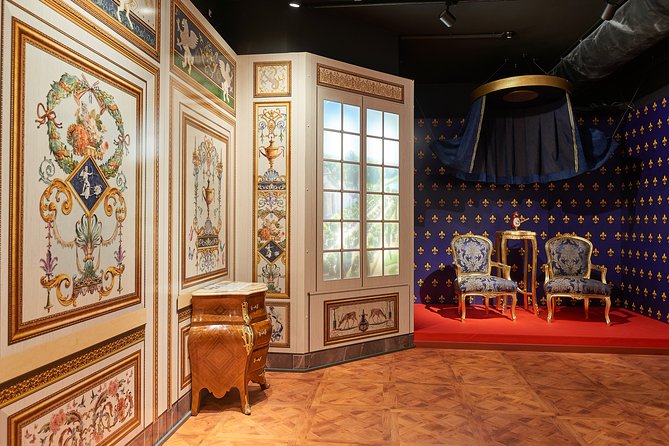
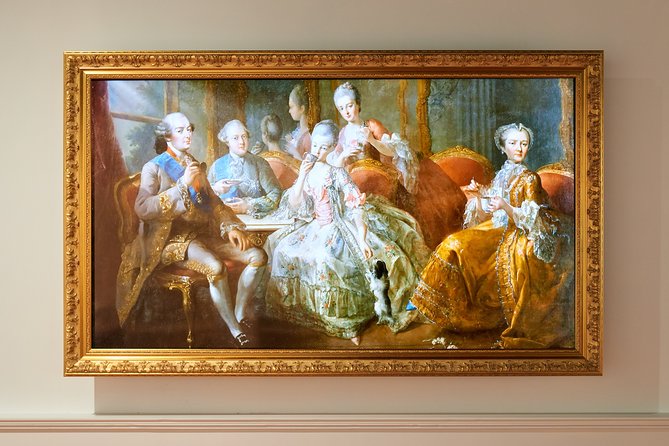
Chocolate later enters European courts, and the museum turns that change into a playful photo opportunity. You can sit in royal armchairs and pose as if you have stepped into court life.
This is a small feature, but it adds variety. A history display can become tiring if every stop asks you to stand and listen. The royal chairs give you a chance to interact with the setting, and children in particular may enjoy the break from the more factual parts of the route.
The court section also helps explain chocolate’s changing status. It was no longer only a local crop or a drink linked with the Americas. It became a fashionable European product tied to wealth and ceremony.
I would not expect a detailed study of every royal court or chocolate tradition in Europe. The museum presents a broad, accessible story. That makes it a good fit for a first introduction, though serious chocolate specialists may want more depth than a 90-minute visit can provide.
The choco scanner and playful learning
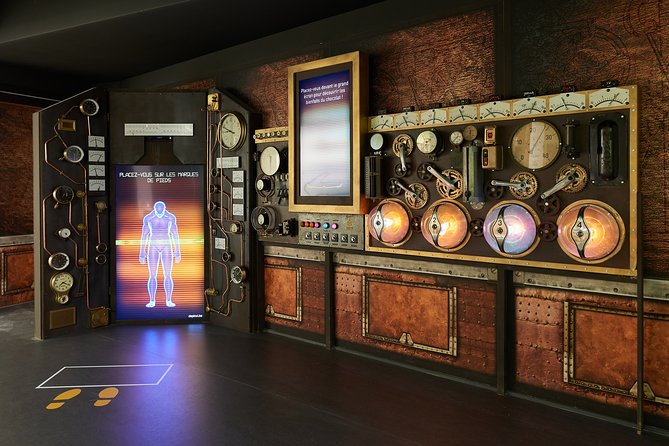
One of the museum’s more unusual features is the choco scanner. It tracks body movements and presents the supposed benefits of the cocoa tree’s fruit in an interactive way.
This is the sort of stop that keeps the visit from feeling like a standard museum circuit. You do not just look at a label. You take part, watch the system respond, and learn through movement.
The interactive parts are also why the museum suits mixed-age groups. Adults can follow the historical thread, while children get games and physical activities. The playful elements are not a replacement for information, but they make it easier to stay engaged.
You should keep your expectations sensible. The choco scanner is a fun museum feature, not a medical consultation or a detailed nutrition lesson. Treat its health message as part of the attraction’s entertainment and presentation.
More Colmar museums and collections:
- Paris: Louvre Museum Timed-Entrance Ticket
★ 4.6 · 71,977 reviews - Louvre Museum Masterpieces Guided Tour with Access
★ 4.5 · 12,023 reviews - Paris: Louvre Museum Entry Ticket With Host and River Cruise
★ 4.6 · 9,926 reviews - Les Invalides: Napoleon’s Tomb & Army Museum Entry
★ 4.6 · 9,185 reviews
Industrial chocolate on the second floor
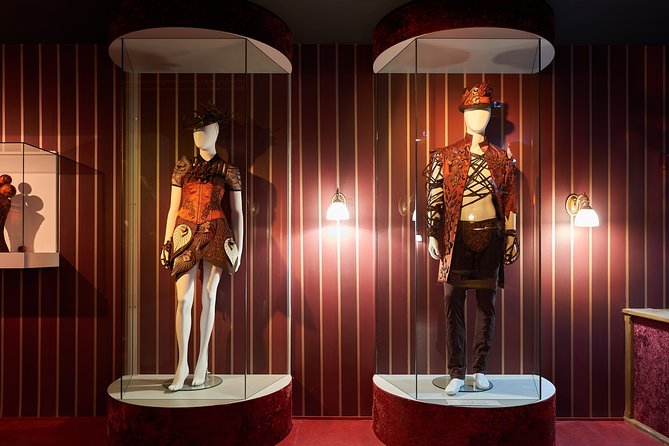
The second floor turns to industrialization, showing how chocolate moved from courtly luxury toward modern production. This is an important change in the story, since the chocolate you buy today depends on large-scale processing and distribution.
The exact amount of technical detail may not satisfy someone looking for a factory engineering tour. Still, the change of focus gives the visit a logical finish. You begin with a wild cocoa tree and end with the systems that help turn cocoa into the products sold around the world.
The industrial section also includes a cabaret-style show. Its centerpiece is a 250-kilogram Statue of Liberty made from chocolate, which lights up the room alongside other chocolate sculptures.
The scale is the point. A small chocolate model can be charming, but a sculpture weighing a quarter of a metric ton gives you a better sense of the craft and labor involved. This is also a strong photo stop, especially if you enjoy unusual food displays.
The sculptures are decorative rather than edible samples for the public. You come to see the workmanship and spectacle, not to break off a piece.
Master chocolatiers and recipe ideas
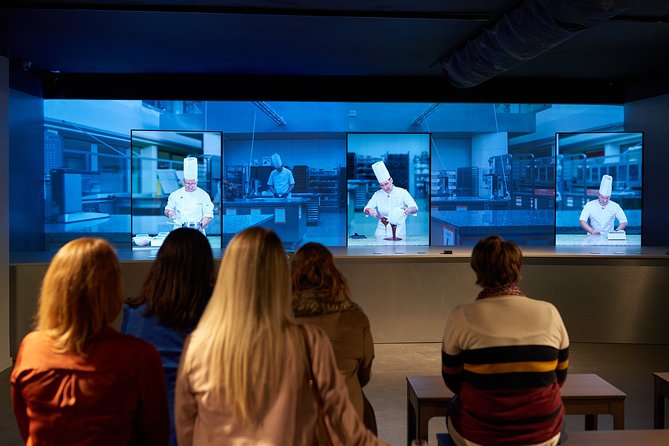
A giant screen presents three master chocolatiers making recipes. This gives the visit a practical angle after the historical sections.
You can watch how professionals handle chocolate and think about the difference between cocoa as a raw ingredient and chocolate as a finished dish. The recipe presentations also help connect the museum experience with what you might try in a kitchen or pastry shop.
The screen format lets several people watch at once, which is useful if the museum is busy. The overall capacity is listed at up to 200 people, so the broad display areas and large-format presentation help keep the route workable.
At the same time, a video demonstration is not the same as a live workshop. You should not book this expecting to temper chocolate yourself or leave with a handmade confection. It is a viewing and learning experience, with tasting included.
The tasting and the hot chocolate question
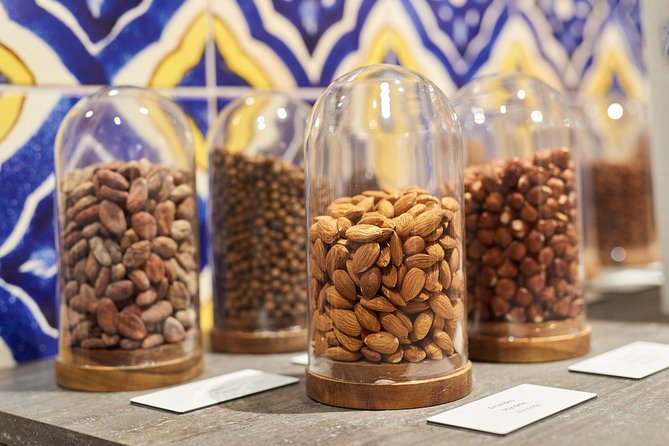
Chocolate tasting is included in the ticket. That gives the visit a welcome finish because you can connect the sights and stories with the flavor itself.
The tasting is especially useful for first-time visitors who have never thought much about cocoa beyond sweetness. After seeing the beans, the production stages, and the finished sculptures, tasting chocolate gives the subject a direct, sensory ending.
A hot chocolate drink is not included. If that is part of your plan, budget for it separately. This distinction matters because the name Choco-Story may lead you to expect a drink as part of the ticket.
The supplied details do not specify the number of samples, the exact products, or the tasting format. I would therefore treat it as a pleasant included extra, not the main reason to buy the ticket.
Is $18.02 a fair price for 90 minutes?
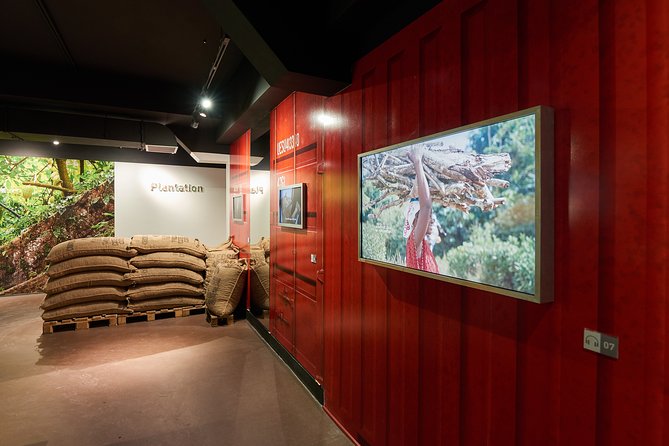
At about $18.02 per person, the attraction offers roughly an hour and a half of entertainment, history, interactive displays, films, projections, a tasting, and access to the chocolate sculpture area.
That is reasonable if you want an indoor activity in central Colmar and enjoy museums that mix learning with stage effects. The price is easier to justify for families, since several parts are designed to keep children involved rather than asking them to read long panels.
For one adult looking only for a quick chocolate sample, the value is weaker. You can likely find chocolate elsewhere in Colmar without paying for a full attraction. Here, you are paying for the complete route and the presentation, not just the taste.
I would compare the ticket with your available time. If you have only a short window before another Colmar sight, the 90-minute visit may feel like a commitment. If the weather is poor or you want a break from outdoor sightseeing, the indoor format improves the value.
The average booking lead time is about nine days. That does not mean you must always reserve that far ahead, but it suggests that advance planning is sensible during busy periods. Since the ticket is non-refundable and cannot be amended, check your schedule before paying.
Who will enjoy Choco-Story Colmar most?
I would recommend this experience to families, couples who like food culture, and anyone curious about the path from cocoa bean to finished chocolate. The combination of scenes, short activities, and tasting gives you more variety than a traditional display-only museum.
It also suits visitors who do not want a formal guided tour. You can use the audio guide in one of six languages and move at your own speed. If you listen to every section and pause for the interactive features, the 90-minute estimate should feel natural.
Children should find plenty to do, especially with the games, animated displays, photo chairs, and movement-based scanner. The museum is not described as a specialized children’s attraction, but its design clearly includes playful moments for younger visitors.
Chocolate enthusiasts may appreciate the production story and the large sculptures, though the visit remains fairly broad. It introduces the subject rather than offering advanced instruction in sourcing, roasting, tempering, or professional pastry work.
Location, timing, and practical planning
The meeting point is 12 Place de la Cathédrale, 68000 Colmar, France. The activity returns to that same meeting point, so you do not need to arrange a separate pickup or find your way to a different end point.
The location is near public transportation, which makes it easy to add to a day in central Colmar. Since the visit begins and ends in the same area, you can continue sightseeing afterward without a complicated transfer.
Plan for about one hour and 30 minutes, plus any extra time you may spend with the tasting or photo features. The listed maximum is 200 people, so the museum can handle a large group, but the experience may feel less quiet at busy times.
Confirmation is provided when you book. Most people can participate, according to the supplied activity information. No special physical requirements are listed, but the practical experience may vary depending on crowds and how long you choose to remain at each station.
You can use the attraction as a planned stop rather than an open-ended visit. That makes it easy to fit between the cathedral, lunch, shopping, and other Colmar sights.
How this visit compares with a basic chocolate shop stop
A chocolate shop gives you faster access to the product. You can look at the shelves, buy a treat, and continue on your way.
Choco-Story gives you context. You see how cocoa was understood in pre-Hispanic cultures, how it crossed the Atlantic, how European courts adopted it, and how industrial production changed its place in daily life.
The museum also gives you things a shop cannot provide, including a Spanish ship setting, an Aztec temple, a royal photo area, 3D projections, a large chocolate Statue of Liberty, and recipe demonstrations.
The tradeoff is time and cost. If your main goal is to taste local chocolate, go to a shop or pastry counter. If you want a family-friendly indoor attraction with a clear story and a few surprises, the museum makes more sense.
Should you book Choco-Story Colmar?
Book it if you want a playful history of chocolate, not just a tasting. The strongest reasons are the well-ordered route, the interactive features, the six-language audio guide, and the unusual large-scale chocolate sculptures.
It is also a sensible choice for a rainy day in Colmar or for a family that needs an activity with more movement than a standard museum. The 90-minute length is long enough to feel worthwhile without taking over the entire day.
Skip it if you have little interest in museum-style storytelling, if you only want a hot chocolate, or if your schedule is too uncertain for a non-refundable ticket. At $18.02, it offers fair value when you use the full experience, but the tasting alone does not justify the price.
For most visitors who enjoy food, history, and hands-on displays, I would put Choco-Story Colmar on the short list of indoor stops. Just reserve when your plans are firm, and remember that the hot drink costs extra.
FAQ
Where does the Choco-Story Colmar visit start?
The visit starts at 12 Place de la Cathédrale, 68000 Colmar, France.
Where does the experience end?
The activity ends back at the meeting point.
How long does the museum visit take?
The visit lasts approximately one hour and 30 minutes.
Is an audio guide included?
Yes. An audio guide is included in six languages.
Is chocolate tasting included?
Yes. Chocolate tasting is included in the experience.
Is hot chocolate included with the ticket?
No. A hot chocolate drink is not included.
Recently reviewed around Colmar
- Alsace villages half day tour from Colmar★ 5.0 · 186 reviews
- The Emblematic: visit of villages, Haut-Koenigsbourg, Wine tasting★ 5.0 · 81 reviews
- Segway Tours 2h in Colmar★ 5.0 · 116 reviews
- Alsace’s Gems Small Group Day Tour from Colmar★ 5.0 · 84 reviews
- Private and customizable: Alsace Wine Route HIGHLIGHTS in 3 hours★ 5.0 · 63 reviews
- Alsace 4 Wonders Small-Group Day Trip from Colmar★ 5.0 · 380 reviews
- ICONICS Tour: 1/2 day on the Wine Route, visit of 2 Villages + Tasting.★ 5.0 · 159 reviews
- Christmas across the 3 borders★ 5.0 · 33 reviews
Dessert Tours, compared.

Day or Sunset Cruise with Drink, Ice Cream or Dessert
Read our review →

Private Montmartre Food Tour with Wine, Cheese & Pastries
Read our review →
Paris French Sweets Tasting Tour with Pastries and Chocolates
Read our review →
A Morning in Paris Food Tour: Croissants, Baguettes & Chocolate
Read our review →
45-minute Chocolate Making Workshop at Choco-Story
Read our review →
Chocolate & Patisserie Walking Tour with Tastings
Read our review →
Montmartre Culture and Local Pastries Walking Tour
Read our review →Browse the lists this tour appears in