
Reviewed · WINE TASTINGS
Bordeaux Wine and Trade Museum Admission Ticket with Wine Tasting
Bordeaux’s Wine and Trade Museum takes you below street level into vaulted cellars dating from 1720, where the story is less about glamorous chateaux and more about the merchants, workers, barrels, and trade routes that made Bordeaux famous. I like the compact focus on wine commerce, and I like that the visit ends with two Bordeaux wines and a clear comparison of Merlot and Cabernet Sauvignon. The main drawback is that this is a small, self-guided museum, not a full guided tour, and some visitors find the cellars musty.
I especially like the friendly, question-ready tasting staff, with Cristina praised for her clear presentation, and the reasonable price of about $14.51. You can finish in 45 minutes if you read quickly, or spend closer to two hours with the displays and tasting. If you want a large, high-tech museum, choose Bordeaux’s Cité du Vin instead, or visit both for two very different views of wine.
In This Review
- Key points to know before you book
- Entering Bordeaux’s old merchant cellars
- What the small museum explains
- A self-guided format with a clear trade focus
- The tasting: Merlot, Cabernet Sauvignon, and merchant wines
- Why the cellar setting matters
- How long to allow and when to go
- Is $14.51 good value?
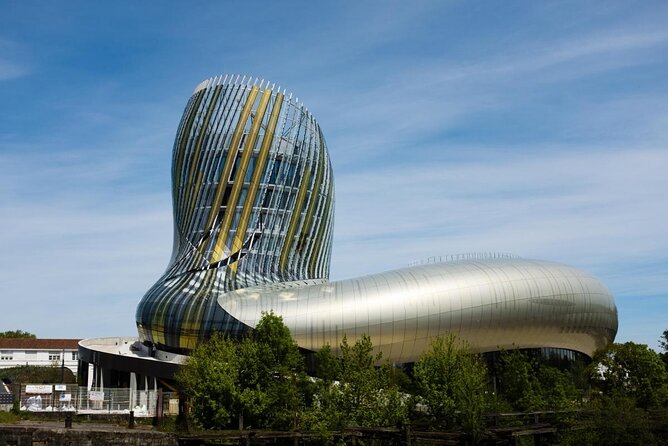
- How it compares with Cité du Vin
- Who will enjoy this experience most?
- Booking, cancellation, and practical details
- Should you book the Bordeaux Wine and Trade Museum?
- FAQ
- How long does the Bordeaux Wine and Trade Museum visit take?
- Is the wine tasting included?
- Which wines are tasted?
- Is the museum visit guided?
- What are the opening hours?
- Can I cancel for a refund?
Key points to know before you book
- The setting is the star: Explore two semi-underground cellars in an 18th-century merchant building in the Chartrons district.
- The visit is self-guided: English notes, folders, displays, and some video content help you follow the story without a scheduled tour.
- The tasting covers two Bordeaux grapes: Sample Merlot and Cabernet Sauvignon while learning how they differ.
- The subject is wine trade, not just wine production: You’ll learn about merchants, chateaux, cooperage, aging, bottling, and Bordeaux’s trading families.
- Plan on one to two hours: A quick visit can take about 45 minutes, while careful reading and questions lengthen the stop.
- Check the name carefully: This is the Musée du Vin et du Négoce, not the much larger Cité du Vin.
Entering Bordeaux’s old merchant cellars
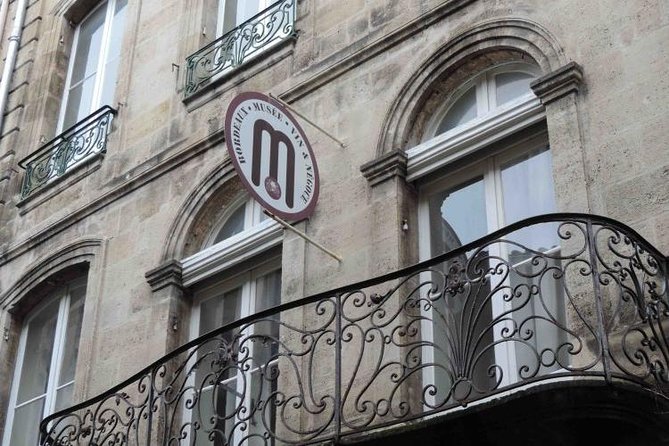
The museum occupies the former building of Louis XV’s royal broker, in the Chartrons quarter. This part of Bordeaux grew around the wine trade, and the building gives you a useful sense of how that business once worked.
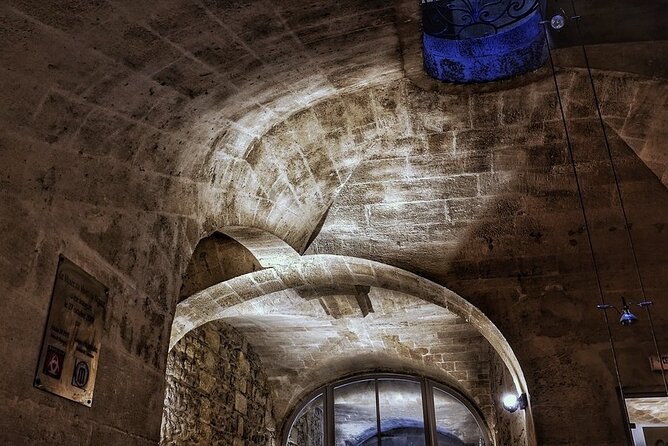
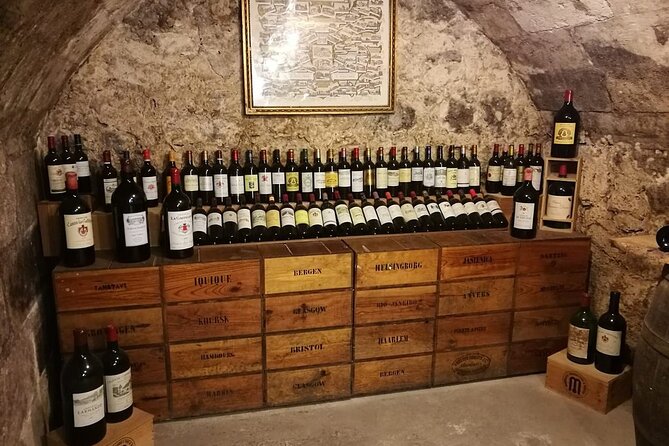
You enter vaulted cellars built in 1720. Their low, enclosed character is important to the visit. This is not a polished modern exhibition hall. It feels like an old working space connected to storage, handling, and wine aging.
That atmosphere has two sides. I find the cellar setting more revealing than a display of bottles in a bright room because it connects the subject to the physical work of wine. At the same time, humidity and age can produce a strong musty or mouldy smell. If you are sensitive to cellar odors, this is worth knowing before you buy.
The museum is close to public transportation, and one visit described it as roughly a five-minute walk from a cruise boat. Exact walking times depend on your starting point, but the location makes it a practical stop during a day in central Bordeaux or a port visit.
More Food Tours in Bordeaux
- Bordeaux: Cité du Vin Entry Ticket and Wine Tasting
★ 4.6 · 3,885 reviews - From Bordeaux: Afternoon Saint-Emilion Wine Tasting & snack
★ 4.8 · 1,581 reviews - Medoc or Saint Emilion Wine Tasting and Chateau from Bordeaux
★ 5.0 · 1,415 reviews
What the small museum explains
The displays cover three centuries of Bordeaux wine and the people who moved it from vineyard to market. You’ll see how merchant families built their careers, how cellar workers handled wine, and how trade helped shape the city’s architecture and reputation.
The subject is more specific than a general introduction to French wine. You are not getting a full survey of every French region. Instead, you are learning how Bordeaux functioned as a wine-producing and wine-selling center, with the Chartrons merchants playing a major role.
That focus is useful because Bordeaux wine labels can seem confusing. The museum helps separate a merchant wine from a chateau wine, a distinction that comes up again during the tasting. You also get context for the relationship between vineyards, merchants, barrel makers, aging cellars, and international buyers.
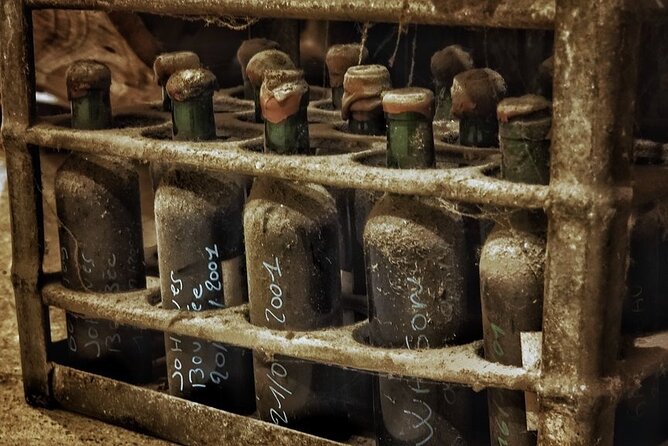
Archival documents and objects trace the work of the great merchant families. Other displays show traditional cellar practices and the work of coopers, the craftsmen who make and repair wooden barrels.
Some of the material is presented in folders or in small print on the walls. English notes are available, and English explanations appear with the displays, so you can follow the visit without needing French. The museum also uses videos and an audio component, although the audio may feel less straightforward than the written material.
This presentation rewards patience. If you read every panel and watch the available material, you can spend much longer than someone who simply looks at the objects. If you prefer interactive exhibits, though, the museum may feel limited.
A self-guided format with a clear trade focus
You receive information to use as you move through the rooms rather than joining a guide for a scheduled walk. That gives you freedom. You can move quickly, pause over an object, or return to a display that needs a second look.
The trade-off is that the quality of your visit depends partly on how much you choose to read. A person expecting a live tour may be disappointed by being handed a guide folder and sent through the museum independently.
I think the self-guided format works best if you arrive with one simple question in mind: how did Bordeaux wine become a commercial product known around the world? The displays then make more sense as pieces of one story.
Families can also make the format work. A scent game has been offered for children during the tasting, and the compact size means younger children do not have to endure a long formal lecture. Since the museum is small, you can also keep the visit moving if attention starts to fade.
The museum is not designed as a major all-day attraction. It is a focused stop that fits nicely between a walk along the river, a meal, or another Bordeaux sight.
The tasting: Merlot, Cabernet Sauvignon, and merchant wines
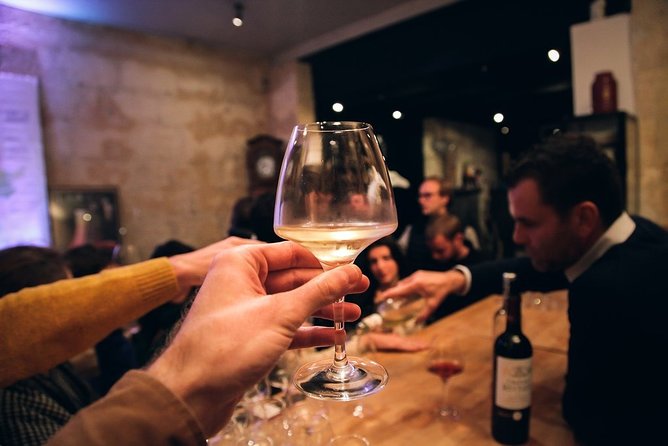
The tasting takes place in the museum boutique at the end of the visit. Two wines are included, with the presentation centered on Merlot and Cabernet Sauvignon.
This is a sensible pairing for Bordeaux beginners. You can compare two important grape varieties rather than simply drink two unrelated wines. Staff explain how the grapes differ, and the tasting can also cover Bordeaux appellations, soil, climate, and the role of merchants in the region’s wine business.
I would treat the tasting as a short educational session, not a full wine class. The pours are not designed as generous drinking measures, and the tasting itself may not last very long. Its value comes from the explanation and the chance to connect what you saw in the cellar with what is in your glass.
Ask questions. The staff are described as willing to explain the wines and Bordeaux’s trading system, and the direct conversation is often easier to follow than the printed material. Presenters have included Cristina, who was praised for a clear and informed explanation, though the staff member available on your visit can vary.
You may also receive a small chocolate or another modest extra, and one account described complimentary bottles as a pleasant surprise. These extras should not be treated as guaranteed features, but they show the friendly, shop-based character of the stop.
If you do not drink alcohol, the museum has served grape juice during the tasting. That makes it possible to take part in the social and educational side of the experience without drinking wine.
More Wine Tastings in Bordeaux
- Saint-Émilion: Grand Cru Classé Winery Visit and Tasting
★ 4.6 · 1,118 reviews - Saint Emilion Half-Day Trip with Wine Tasting & Winery Visit from Bordeaux
★ 4.5 · 1,034 reviews - From Bordeaux: St. Emilion Village Half-Day Wine Tour
★ 4.7 · 728 reviews - From Bordeaux: Half-Day Saint-Émilion Tour and Wine Tasting
★ 4.6 · 657 reviews
Why the cellar setting matters
Bordeaux wine is often presented through grand estates, elegant labels, and expensive bottles. This museum adds the less glamorous part of the story: humidity, barrels, storage, transport, brokerage, and commercial networks.
The cellar environment helps explain traditional aging practices. It also shows why the old wine business needed buildings with particular conditions. Humidity was useful for preserving wine, and the semi-underground rooms were built with that in mind.
The same conditions can make the visit physically less comfortable. A damp smell is part of the old-building atmosphere, but it will not appeal to everyone. The museum has also received criticism about the condition of its toilets, so do not expect the facilities of a modern cultural center.
For me, the setting is worth accepting if I want a sense of Bordeaux as a working wine port. If I mainly want beautiful tasting rooms and polished digital displays, I would choose Cité du Vin.
How long to allow and when to go
Opening hours are listed as 10 a.m. to 6 p.m., Monday through Sunday, for the stated operating period from January 3, 2025, through February 16, 2027. Multiple entry times are offered during the day, which helps you fit the museum around other plans.
Allow one to two hours if you want to read the material, watch the videos, ask questions, and complete the tasting without rushing. A faster reader may see the museum in about 45 minutes, then spend a little time with the wines.
The tasting comes after the museum visit, so arrive with enough time before closing. Since the visit is self-guided, an early start can give you more breathing room, while a later arrival may require a quicker look through the displays.
The museum is near public transportation, and most people can participate. No special physical restrictions are stated, but remember that the attraction is in old cellars rather than a purpose-built modern museum.
Is $14.51 good value?
At about $14.51 per person, the price is reasonable if you value the tasting and the historic setting. Two wine samples alone may not justify the cost for someone who simply wants a drink, but the visit also includes the museum, the Bordeaux trade explanation, and staff-led tasting guidance.
The value improves for first-time Bordeaux visitors. You get a basic vocabulary for understanding Merlot, Cabernet Sauvignon, merchant wines, chateau wines, appellations, and aging. That can make later visits to wine bars, shops, and vineyards more rewarding.
The price is less compelling if you expect a large collection, a long guided tour, or an interactive museum. This is a small institution with limited exhibition space in two cellars. Some people will finish quickly, especially if they do not read every folder or panel.
I see it as a modestly priced introduction, not a major museum ticket. Pair it with a walk through the Chartrons area and the price feels easier to justify.
How it compares with Cité du Vin
Do not confuse this museum with Bordeaux’s Cité du Vin. They are separate attractions with different aims.
The Wine and Trade Museum is small, old-fashioned, and tightly focused on Bordeaux’s commercial wine story. Its strongest features are the original cellar spaces, the intimate scale, and the conversation during the tasting.
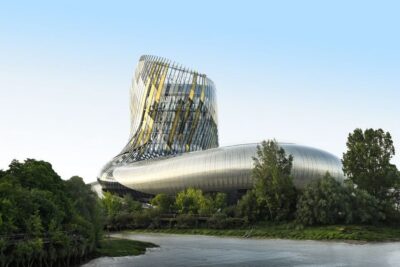
Cité du Vin is the more polished choice for large-scale exhibits, technology, and a broad treatment of wine culture. If you have only time for one, choose according to your interests. Pick this museum for a compact local story and historic atmosphere. Pick Cité du Vin for a bigger, more modern museum experience.
If you have time for both, the contrast is useful. One shows how Bordeaux’s wine trade operated in a historic merchant setting. The other offers a wider, more contemporary look at wine around the world.
Who will enjoy this experience most?
I would recommend this stop to you if you are curious about how wine is made, aged, sold, and shipped, rather than interested only in tasting it. It also suits visitors who prefer smaller museums and like to read at their own speed.
It works well for:
- First-time Bordeaux visitors who want an introduction to local wine terms
- Cruise passengers looking for a short, central cultural stop
- Couples and small groups who enjoy asking questions during a tasting
- Families willing to keep children engaged with the displays and scent activity
- Non-drinkers who can request grape juice during the tasting
- Wine buyers who want more context for merchant and chateau labels
I would be cautious if you dislike enclosed, damp spaces, want a fully guided tour, or prefer interactive exhibits. The museum cannot match the scale of a major wine center, and the tasting is brief.
Booking, cancellation, and practical details
The experience is offered in English, and confirmation is received at booking. Free cancellation is available up to 24 hours before the scheduled start time for a full refund. Changes or cancellations made inside that 24-hour window are not accepted, with cut-off times based on Bordeaux local time.
Check the attraction’s full name before booking. A mistaken reservation for Cité du Vin or another wine museum may not be refundable or transferable, so compare the address and description carefully.
Additional food and drinks are not included. The included tasting is two wines, with any other purchases made separately in the boutique.
Should you book the Bordeaux Wine and Trade Museum?
Book it if you want a short, affordable look at Bordeaux’s wine trade followed by a useful two-wine tasting. The old cellars, English material, friendly staff, and clear Merlot versus Cabernet Sauvignon comparison give the visit real purpose.
Skip it if you want a grand museum, a long formal tour, or highly interactive exhibits. For the best match, plan about 90 minutes, read at least some of the material, and save your questions for the tasting. That is where the small museum earns its price.
FAQ
How long does the Bordeaux Wine and Trade Museum visit take?
The experience lasts approximately one to two hours. If you move quickly through the small museum, you may finish the displays in about 45 minutes before the tasting.
Is the wine tasting included?
Yes. The admission includes a tasting of two wines in the museum boutique at the end of the visit.
Which wines are tasted?
The tasting explains and compares Merlot and Cabernet Sauvignon. The presentation may also cover Bordeaux appellations, soil, climate, and the difference between merchant and chateau wines.
Is the museum visit guided?
The museum portion is self-guided, using English notes, folders, displays, and video or audio material. Museum staff lead or explain the wine tasting and can answer questions.
What are the opening hours?
The listed opening hours are 10 a.m. to 6 p.m., Monday through Sunday, during the stated operating period from January 3, 2025, through February 16, 2027.
Can I cancel for a refund?
You can cancel at least 24 hours before the experience start time for a full refund. Cancellations or changes made less than 24 hours before the start time are not accepted.
More Museum Tours in Bordeaux
- Bordeaux: Museum of Illusions Entry Ticket
★ 4.2 · 588 reviews - Paris: Louvre Museum Timed-Entrance Ticket
★ 4.6 · 71,977 reviews - Louvre Museum Masterpieces Guided Tour with Access
★ 4.5 · 12,023 reviews - Paris: Louvre Museum Entry Ticket With Host and River Cruise
★ 4.6 · 9,926 reviews
More Wine Tours in Bordeaux
- Bordeaux: River Garonne Cruise with Glass of Wine and Canelé
★ 4.5 · 3,630 reviews - Saint Emilion Day Trip with Sightseeing Tour & Wine Tastings from Bordeaux
★ 5.0 · 1,120 reviews - Saint-Emilion Electric Bike Day Tour with Wine Tastings & Lunch
★ 5.0 · 696 reviews - Saint-Emilion Afternoon Wine Tour – 2 Wineries & delicacies
★ 5.0 · 614 reviews
Recently reviewed around Bordeaux
- Au Cœur du Château – VSOP D’USSÉ & XO BARON OTARD★ 4.5 · 108 reviews
- retro road trip/ Méhari, 2CV & Burton in Rochefort, La Rochelle★ 5.0 · 28 reviews
- Discover Braastad Cognac★ 5.0 · 52 reviews
- Bordeaux bike tour “The Best of Bordeaux”★ 5.0 · 164 reviews
- Saint Emilion Full Day Wine and Bike Tour★ 5.0 · 167 reviews
- Saint-Emilion Food and Wine Day Tour★ 5.0 · 323 reviews
- Virtual Room Bordeaux – 1st team virtual reality experience★ 5.0 · 47 reviews
- Private Bordeaux History Tour with a glass of Bordeaux wine.★ 5.0 · 28 reviews
Wine Tastings, compared.
Montmartre Hill French Gourmet Food and Wine Tasting Walking Tour
Read our review →
Loire Valley Castles Day Trip With Wine Tasting
Read our review →
Afternoon Saint-Emilion Wine Tasting & snack
Read our review →
Medoc or Saint Emilion Wine Tasting and Chateau from Bordeaux
Read our review →
Saint Emilion Half-Day Trip with Wine Tasting & Winery Visit from Bordeaux
Read our review →
Champagne Day Trip with 6 Tastings, Reims and Winery from Paris
Read our review →Browse the lists this tour appears in