
Reviewed · BURGUNDY TOURS
Dijon: Burgundy Wines Masterclass
Burgundy wine can look bewildering on a label, but this Dijon masterclass gives you a clear way in. A sommelier explains how to taste, then uses several regional wines to show how grapes, villages, production rules, and food pairings shape what is in your glass.
I like the practical tasting lesson, especially the chance to learn how to spot an imperfect wine by smell. I also like the generous food match of cheese and charcuterie, which makes the wines easier to understand rather than treating them as a dry classroom subject.
The main consideration is age and pace: this is an adults-only tasting lasting two hours, and it is not suitable for pregnant women. If you want a vineyard visit or cellar tour outside Dijon, this is not that experience. It is a focused indoor class.
In This Review
- Key points at a glance
- Why Dijon is a smart place to learn Burgundy wine
- Starting with the mechanics of tasting
- Tasting Burgundy one glass at a time
- Learning to read a Burgundy label
- Cheese, charcuterie, and the food pairing lesson
- The teaching style: serious wine without stiff ceremony
- What the two-hour schedule feels like
- Finding The Wine Compass in Dijon
- Is $97 a fair price?
- Who should book this masterclass?
- My verdict on The Wine Compass class
- FAQ
- How long does the Burgundy wine masterclass last?
- Where does the experience begin?
- Where does the activity end?
- Which languages are available?
- What is included in the tasting?
- How many wines will be tasted?
- Can I cancel for a refund?
Key points at a glance
- A clear introduction to Burgundy: Learn about the region’s areas, grapes, production rules, history, and labels.
- A real tasting lesson: Your sommelier starts with the mechanics of looking, smelling, and tasting wine.
- Several regional wines: Five wines are expected, with a sixth sometimes added when the group has time and enthusiasm.
- Food makes the lesson practical: Cheese, charcuterie, and other nibbles help you test food and wine pairing.
- English or French instruction: The class is available in both languages.
- Easy two-hour format: The experience begins and ends at The Wine Compass in Dijon.
Why Dijon is a smart place to learn Burgundy wine
Burgundy is not one simple wine region. It is a patchwork of areas, grapes, place names, and production rules, and the label often gives more weight to the village or vineyard than to the grape itself. For a first-time visitor, that can make ordering or buying a bottle feel like a guessing game.
This class tackles that problem directly. You do not simply drink a flight and hear a few broad facts about French wine. You learn how to read a Burgundy label, how the region is divided, and how the rules affect what producers can put in the bottle.
That matters even if you are not planning a serious wine trip. After two hours, you should have a better way to compare bottles in a restaurant, wine shop, or Dijon market. You will also have a framework for understanding why two wines from the same broad region can taste so different.
The setting in Dijon is useful for a short city break. You can fit the class between sightseeing, a meal, or a train connection, without spending half a day on transport to the vineyards. The tradeoff is that you will learn about Burgundy rather than see its vineyards in person.
More Dijon trips worth a second look
- Dijon: La Cave du Palais Burgundy Wine Tasting Experience
★ 4.8 · 400 reviews - Pinot Noir Masterclass – Wine tasting in Dijon
★ 5.0 · 147 reviews - Burgundy Wines Masterclass in Dijon
★ 5.0 · 139 reviews
Starting with the mechanics of tasting
The tasting begins with instruction, not a glass pushed into your hand. Your guide explains how to assess wine properly, including what to look for with your eyes, nose, and palate.
That structure is especially helpful if you are new to wine. You do not need to arrive with specialist vocabulary or a practiced tasting routine. The aim is to give you a simple method that you can use again later, not to test you.
One particularly useful lesson is how to recognize when a wine is not right by smell. That is the sort of small skill many casual drinkers never get taught, yet it can save you from accepting a faulty bottle in a restaurant.
You will also learn to separate personal taste from wine quality. A wine may not suit you and still be sound. That distinction keeps the class grounded and makes it more useful than a list of wines you are told to like.
The lead sommelier has reached the highest level of a London wine school and has ten years of experience teaching both amateurs and professionals. That background helps explain the balance promised by the format: technical enough to be useful, but relaxed enough for a first tasting.
Matthieu is one of the instructors associated with the experience. His approach is described as warm, humorous, and locally rooted, with plenty of time for questions. Patrice is also named as an instructor, so the exact personality and teaching style may depend on the date you book.
Tasting Burgundy one glass at a time
The wine portion is built around several samples rather than one narrow style. Five wines are expected, and a sixth may appear if the group is enjoying the session and the schedule allows.
That extra bottle is not something I would treat as guaranteed, but it gives you an idea of the flexible mood. The class is not presented as a rushed, stopwatch-driven tasting. If the discussion is lively, the sommelier may allow the session to run a little longer.
The important point is comparison. You taste while learning about Burgundy’s different areas and grape types, so the information has a reference point in your glass. You are not just memorizing names. You are using the wines to connect regional differences with aroma, texture, and flavor.
The class also covers how Burgundy wine is produced and the rules behind its classifications. Those rules can seem fussy at first, but they explain why the label matters so much and why a place name can be more important than a large grape variety printed on the front.
This is where the session should help most if you are visiting Burgundy for only a day or two. A full wine-country visit gives you scenery and producers, but a tasting class gives you the basic map before you start ordering bottles. It is a useful first step, not a replacement for seeing the vineyards.
Learning to read a Burgundy label
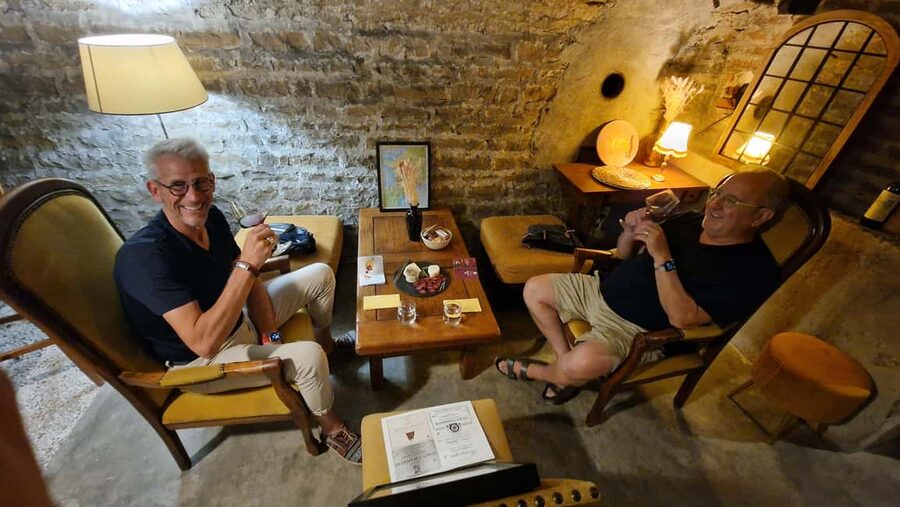
Label instruction is one of the strongest reasons to choose this class. Burgundy bottles can offer a lot of information in a compact form, but that information is not always presented in the way English-speaking drinkers expect.
The sommelier explains the different areas within Burgundy and the production rules that go with them. You learn what the place names mean and how to make sense of the hierarchy, rather than treating every unfamiliar word as a producer or grape.
I would pay close attention here and take mental notes you can use later. When you are standing before a shelf of Burgundy wines, knowing how to read the label gives you a better chance of choosing something that fits your budget and meal.
The history portion also has a practical purpose. It connects the current rules and names with the way Burgundy developed as a wine region. The class does not simply hand you facts to remember. It helps make the wine country feel more understandable when you later visit towns, restaurants, or shops in the area.
A different way to spend the day, same corner of France:
- Small-Group Full-Day Tour of Côte de Nuits, Côte de Beaune Vineyards and Beaune Historical District
★ 5.0 · 364 reviews - Dijon: Cheese and Burgundy Wine Tasting Workshop
★ 4.8 · 122 reviews - Half Day Tour of the Cote de Nuits Vineyards from Dijon
★ 5.0 · 108 reviews - Chardonnay Masterclass – Wine tasting in Dijon
★ 5.0 · 91 reviews
Cheese, charcuterie, and the food pairing lesson
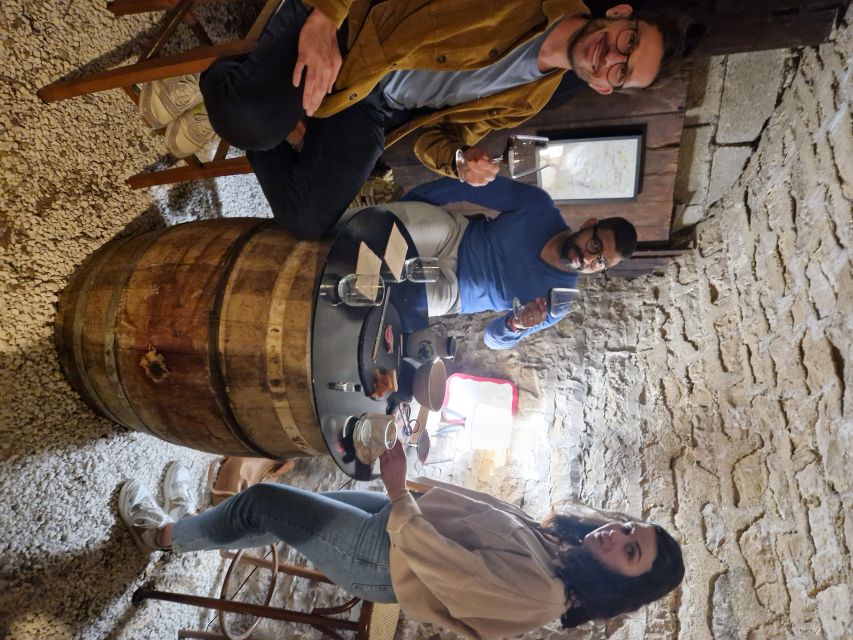
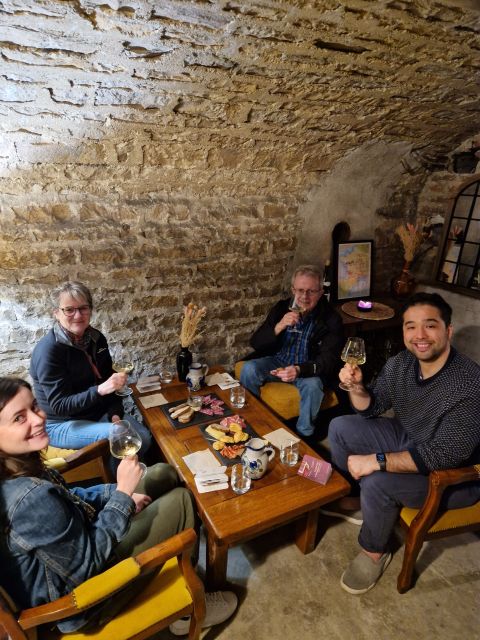
Wine makes more sense with food, and this tasting includes a board of cheese and charcuterie. The pairing is not just a pleasant extra. It lets you see how salt, fat, texture, and flavor can change your impression of a wine.
A wine that seems sharp on its own may feel more balanced with food. Another may work better with a mild cheese than with a strongly flavored one. You get to test those changes while the sommelier explains what is happening.
Some sessions also include other small nibbles, such as scones. The exact food selection may vary, so I would think of the provision as a well-matched tasting board rather than a full meal.
Do not book this expecting lunch or dinner. The food supports the wine lesson, but the central purpose remains tasting and instruction. If you arrive hungry, plan another meal before or after the two-hour class.
For me, this is one of the best parts of the format because it gives beginners something familiar to work with. You may not know the difference between Burgundy’s wine areas yet, but you already understand that cheese and cured meat can change the way a drink tastes.
The teaching style: serious wine without stiff ceremony
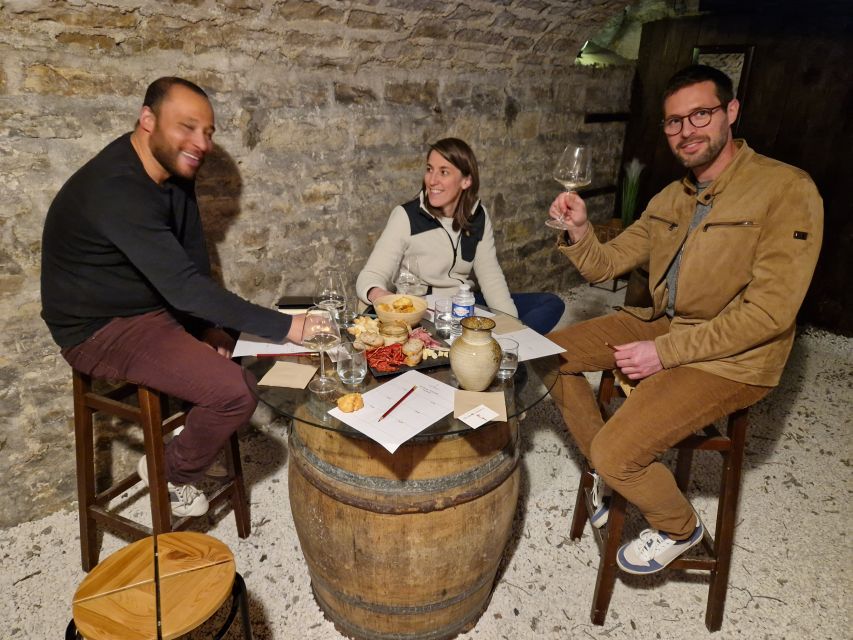
The strongest feature here is the tone. Matthieu is described as humorous and attentive, making sure the whole group stays involved. The session aims for conversation rather than a lecture delivered from a distance.
That makes a difference in a small educational experience. You can ask about a smell, a label, a grape, or a pairing without feeling that your question is too basic. The class is designed for amateurs as well as people who already have some wine experience.
At the same time, the sommelier’s training gives the discussion structure. You cover tasting technique, regional divisions, grapes, history, production, labels, and pairing in a set two-hour window. The subject is broad, but the tasting keeps it from becoming a long list of facts.
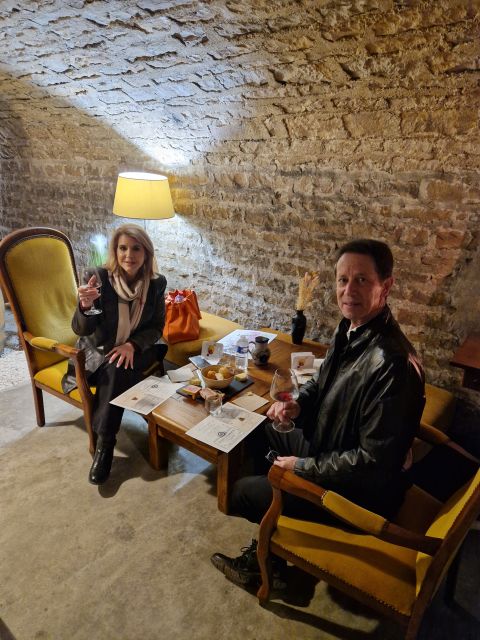
The group atmosphere may also be part of the appeal. Wine provides an easy reason for strangers to talk, and the shared board gives everyone something to discuss. That can make the class social as well as educational, though the experience is still suitable for solo visitors who want a guided activity in Dijon.
If you have already taken several wine classes, you may find the opening basics familiar. The value for you will come from the Burgundy-specific material, the label guidance, and the chance to compare local wines with a sommelier who has strong regional ties.
What the two-hour schedule feels like
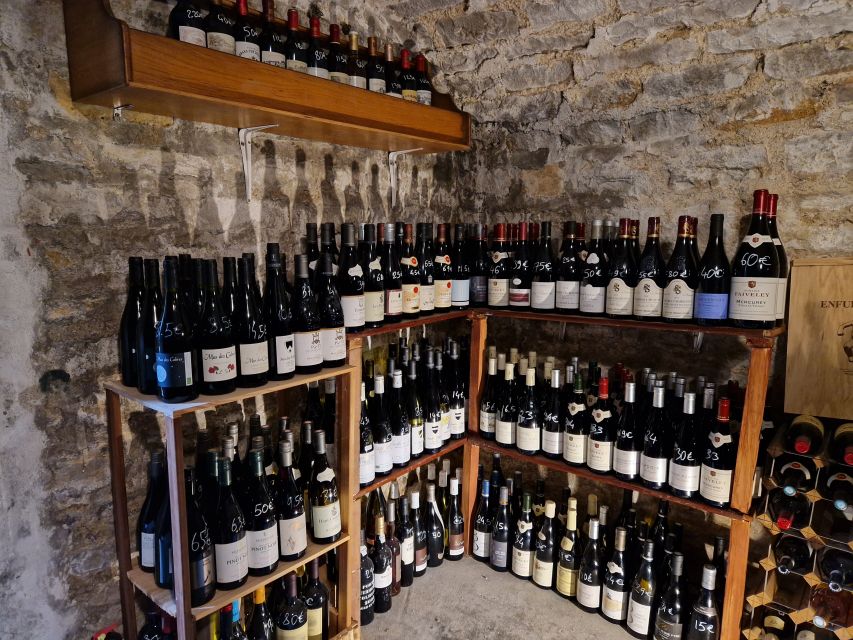
The class is compact enough to fit into most Dijon itineraries. You can check the available starting times when booking, but the stated duration is two hours.
The session follows a sensible progression:
- You begin with the basic method for tasting and smelling wine.
- The sommelier introduces Burgundy’s areas and grape types.
- You learn about regional history and production rules.
- The class explains how to read a Burgundy label.
- You taste the wines and compare them with food.
- You discuss food and wine pairing, with cheese and charcuterie on the table.
The order may shift slightly with questions and group discussion. That is a benefit if you like an interactive class, but it means you should not expect every minute to follow a rigid script.
The possibility of a sixth wine is another sign of that flexible approach. Five wines are expected, and the additional sample depends on the group and available time. If you need to leave at an exact minute, allow enough space around the scheduled two hours.
Finding The Wine Compass in Dijon
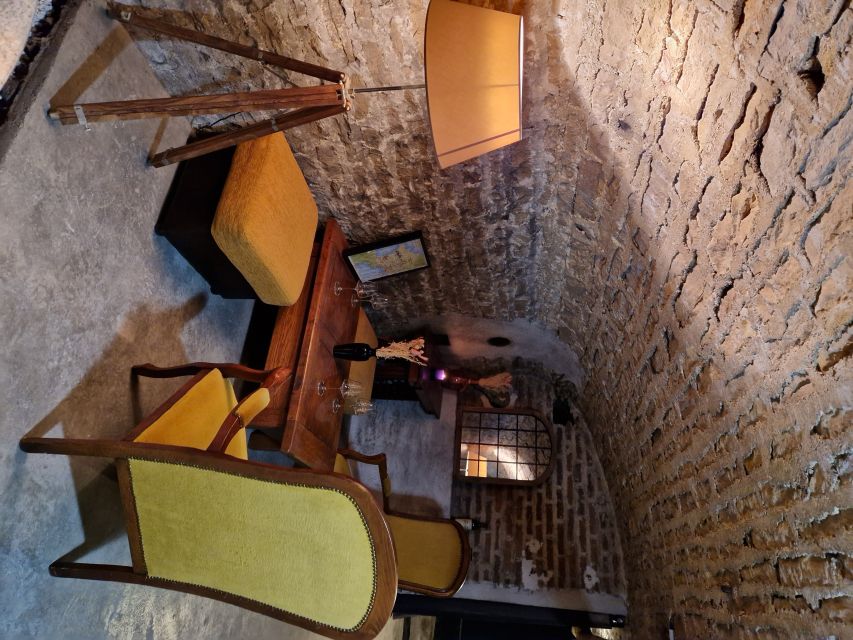
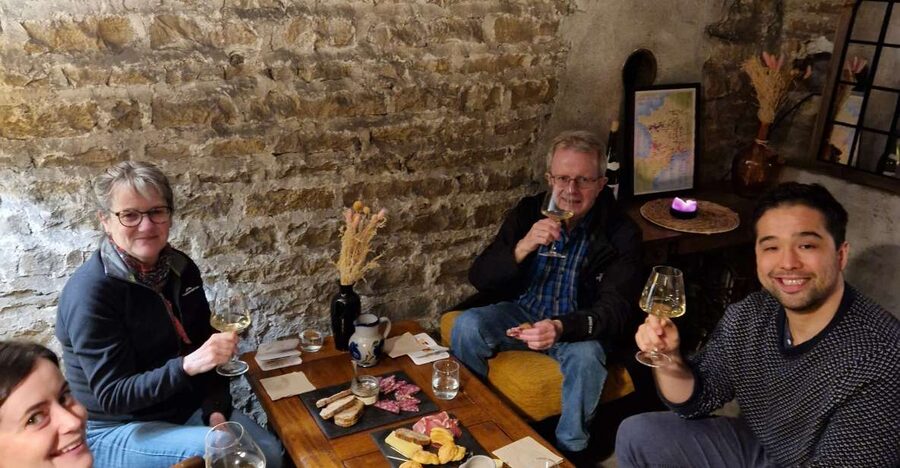
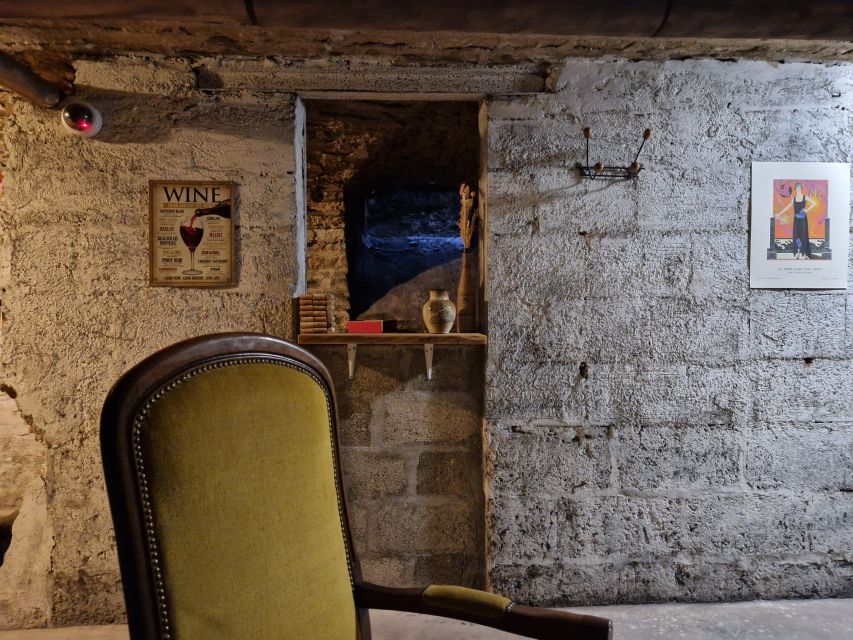
The meeting point is at The Wine Compass. Enter the courtyard, then look for stairs descending on the left. A sign with the words The Wine Compass marks the spot.
This is a small but important arrival tip. You are not simply looking for a large street-facing wine school entrance. Once inside the courtyard, check for the stairs and sign rather than wandering around the building.
The activity ends back at the meeting point, so you do not need to arrange a separate pickup or find your way back across Dijon afterward. That is convenient if you have dinner booked nearby or want to continue exploring the city on foot.
No transport between Dijon and the vineyards is included because there is no vineyard excursion in this format. The class stays in the city, which keeps the price and time commitment lower but gives you less of the rural side of Burgundy.
Is $97 a fair price?
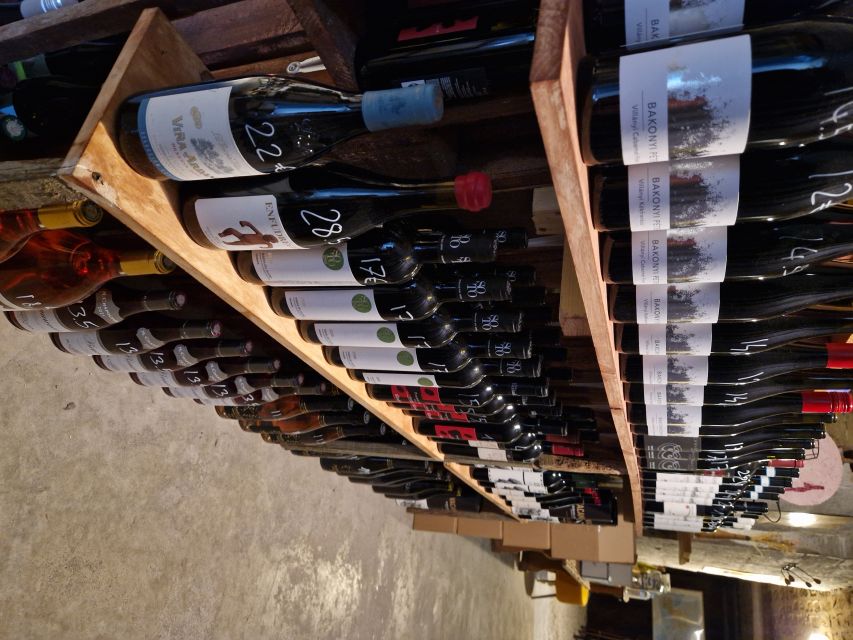
At $97 per person, this is not a cheap casual tasting. You are paying for several wine samples, food, and two hours of instruction from a trained sommelier, rather than simply buying a glass at a bar.
The value depends on what you want from Burgundy. If you mainly want to drink local wine, you can spend less at a wine bar. If you want a vineyard visit, scenery, and contact with producers, you may prefer a longer countryside tour.
I think the price makes more sense for someone who wants a useful foundation in a short stay. The label lesson alone can help you make better choices for the rest of your trip, while the tasting method gives you a skill you can reuse anywhere.
The food board strengthens the value, especially for visitors who would otherwise pay separately for a tasting and an aperitif. Still, keep your expectations in check: this is a class with accompanying food, not a full meal or a day-long wine excursion.
Who should book this masterclass?
I would recommend it most strongly to:
- First-time Burgundy wine drinkers who want a friendly introduction.
- Couples and friends looking for an indoor Dijon activity.
- Solo visitors who enjoy meeting people through a shared interest.
- Wine enthusiasts who want help with Burgundy labels and classifications.
- Visitors with limited time who cannot fit in a full vineyard trip.
- People who enjoy cheese and charcuterie with their tasting.
It is less suitable if you dislike structured instruction or already have advanced Burgundy knowledge. It is also not for children under 18, people under 17, or pregnant women. Pets are not allowed.
The language options are English and French. Check the language available for your chosen time if that matters to you.
You can cancel up to 24 hours in advance for a full refund, and the reserve-now, pay-later option keeps your plans flexible. Those terms are helpful in Burgundy, where weather or a change in train plans can affect a short itinerary.
My verdict on The Wine Compass class
Book this if you want to understand Burgundy rather than simply sample it. The strongest reasons are the step-by-step tasting lesson, the clear attention to labels and production rules, and the food pairing with cheese and charcuterie.
I especially like that the class works for beginners without watering down the subject. Matthieu or Patrice can give you a friendly entry point, while the sommelier’s training and years of teaching add enough substance for people who already know their way around a wine glass.
Skip it if your priority is vineyard scenery, cellar visits, or meeting winemakers outside Dijon. For everyone else, $97 buys a focused two-hour introduction that can make the rest of your Burgundy trip more rewarding, and possibly make the next restaurant wine list a lot less intimidating.
FAQ
How long does the Burgundy wine masterclass last?
The masterclass lasts two hours. Starting times vary, so check availability when choosing your date.
Where does the experience begin?
Enter the courtyard at The Wine Compass. Look for stairs going down on the left, marked by a sign saying The Wine Compass.
Where does the activity end?
The activity ends back at the same meeting point.
Which languages are available?
Instruction is available in English and French.
What is included in the tasting?
The experience includes wine tasting, plus a board of cheese and charcuterie. Other small nibbles may also be served.
How many wines will be tasted?
Five wines are expected. A sixth may be added if the group is enjoying the class and there is enough time.
Can I cancel for a refund?
Yes. You can cancel up to 24 hours in advance for a full refund. You can also reserve now and pay later.
Recently reviewed around Dijon
- From Dijon: Full day the most of Burgundy with lunch★ 5.0 · 40 reviews
- Chardonnay Masterclass – Wine tasting in Dijon★ 5.0 · 91 reviews
- Small group Burgundy tour of Beaune with Wine Tasting from Dijon★ 4.5 · 85 reviews
- Cheese and Wine Pairing 1-Hour Session in Dijon★ 5.0 · 34 reviews
- Pinot Noir Masterclass – Wine tasting in Dijon★ 5.0 · 147 reviews
- Half Day Tour of the Cote de Nuits Vineyards from Dijon★ 5.0 · 108 reviews
- Burgundy Wines Masterclass in Dijon★ 5.0 · 139 reviews
- 🍷 Masterclass Pinot Noir – Wine tasting in Dijon 🇫🇷★ 4.5 · 35 reviews
Burgundy Tours, compared.
Burgundy Bike Tour with Wine Tasting from Beaune
Read our review →
La Cave du Palais Burgundy Wine Tasting Experience
Read our review →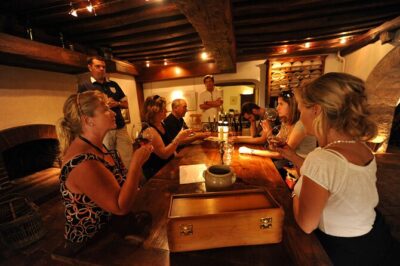
Small-Group Full-Day Tour of Côte de Nuits, Côte de Beaune Vineyards and Beaune Historical District
Read our review →
Burgundy Grand Crus Route Day Tour – 14 Wines Tastings in Domains
Read our review →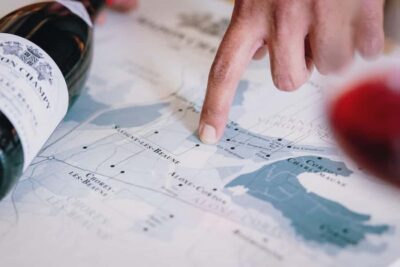
Maison Champy Guided Cellar Tour with Wine Tasting
Read our review →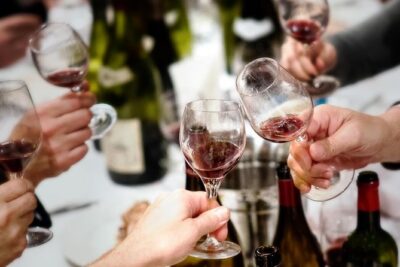
Private excursion to Côte de Beaune and Côte de Nuits (full day)
Read our review →Browse the lists this tour appears in