
Reviewed · WORKSHOPS
Fragonard Paris: Mini Perfume Workshop
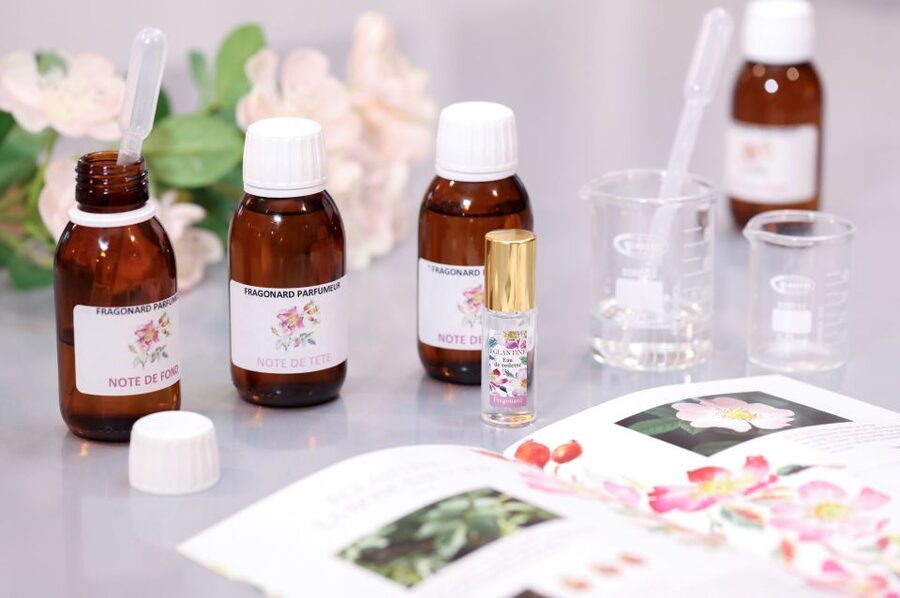
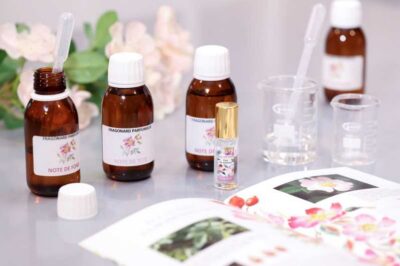
The best part of this short Paris activity is that you do not just smell perfume, you make a small bottle of your own. A guide introduces top, heart, and base notes, then helps you blend three ready-made elements from Fragonard’s Flower of the Year eau de toilette.
I like the tidy 45-minute format and the setting beside Opéra Garnier. You also get a quick museum tour, a useful lesson in scent families, and a souvenir that feels more personal than another Eiffel Tower trinket. The tradeoff is clear: the workshop moves fast, and you cannot freely design a perfume from an unlimited palette.
In This Review
- Quick takeaways
- A perfume lesson beside Opéra Garnier
- How the 45 minutes usually works
- What the museum adds to the workshop
- The hands-on blending session
- Learning to recognize fragrance families
- Is $36 a good value?
- Timing, group size, and practical limits
- Who should book this experience?
- Should you book Fragonard’s mini workshop?
- FAQ
- Where does the Fragonard Mini Perfume Workshop take place?
- How long does the experience last?
- What is included in the price?
- What kind of perfume do I make?
- Is the tour offered in English?
- Can children participate?
- How many people are in the group?
- Is the museum accessible to wheelchair users?
Quick takeaways
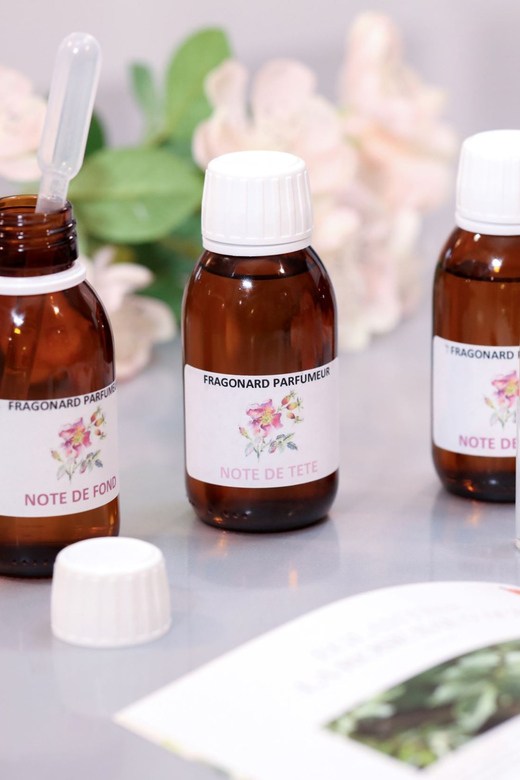
- Three-note perfume blend: Combine a top note, heart note, and base note from pre-composed Flower of the Year ingredients.
- A 12 ml keepsake: Take your eau de toilette home in a spray bottle.
- Historic museum setting: See old fragrance bottles and decorative objects in a former private mansion near Opéra Garnier.
- English guidance: The tour and workshop are led in English, with guides including Yoko, Naomi, Sofia, and Eleanora.
- Family-friendly format: Children from age eight may attend with a paying adult responsible for them.
- Good short stop: The activity lasts 45 minutes, but the museum and shop give you extra reason to linger afterward.
A perfume lesson beside Opéra Garnier

Fragonard Perfume Museum sits right next door to the Opéra Garnier, making this an easy activity to fit between major Paris sights. You meet at the museum, not at the opera house, and the experience takes place in an old private mansion with period rooms and fragrance displays.
The location matters. Paris has plenty of shopping stops where perfume becomes just another luxury product behind a glass counter. Here, you first get some context. You see how fragrance fits into French culture, how raw materials have been used over time, and how perfume bottles can reveal social habits as clearly as paintings or clothing.
The museum covers about 3,000 years of perfume history. Its collection includes old bottles, fragrant objects, vanished ingredients, and examples connected with the perfume-making tradition of Grasse. The second part includes decorative art and goldsmith work, with unusual pieces ranging from ancient Egyptian objects to Fabergé.
Do not expect a large, all-day museum. The guided portion is brief and focused. One participant found the museum walk too quick and returned afterward to look more carefully at the displays. That is useful advice: treat the workshop as the main event, then allow extra time if antique bottles and decorative objects interest you.
More Paris trips worth a second look
- Paris Cooking Class and Lunch with Wine plus Market Visit Option
★ 5.0 · 1,024 reviews - Paris Croissant Small-Group Baking Class with a Chef
★ 5.0 · 910 reviews - Paris: Macaron Class at Galeries Lafayette
★ 4.3 · 905 reviews
How the 45 minutes usually works
The experience combines a guided museum visit with a roughly 20-minute perfume workshop. The exact order can vary, since the museum visit may take place before or after the blending session.
The guide first explains the flower featured in the year’s eau de toilette, including its background, use, and place in perfume making. You are not expected to arrive with technical knowledge. The lesson is designed as an introduction, with simple explanations and hands-on smelling.
Then comes the olfactory pyramid. This is the basic structure used to describe how a fragrance develops:
- Top note: The first impression you notice.
- Heart note: The main character that follows.
- Base note: The deeper element that lasts after the lighter notes fade.
You work with three pre-composed notes rather than raw ingredients or a huge laboratory selection. That keeps the process manageable within 20 minutes and helps prevent the dreaded perfume version of choice paralysis. You are making a personal variation of Fragonard’s Flower of the Year scent, not inventing a completely new fragrance from scratch.
The guide explains how much of each note to add, then you blend your mixture under instruction. Small changes in quantity can create different results, even when everyone begins with the same three components. This is one of the most rewarding parts for families or couples: people working side by side can end up with noticeably different scents.
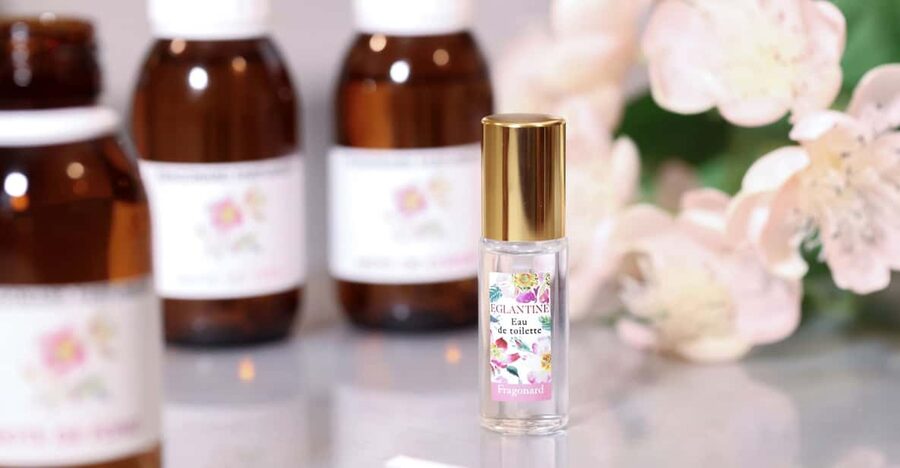
The bottle is an eau de toilette in a 12 ml spray format, included in the price. A few activity participants referred to receiving 15 ml, but the stated product information specifies 12 ml. If the exact bottle size is important to you, confirm it when booking.
What the museum adds to the workshop
Without the museum, this would be a pleasant make-your-own-scent class. With it, the activity gains a cultural layer. You see that perfume is not only about pleasant smells. It connects to trade, fashion, ceremony, personal grooming, craftsmanship, and changing ideas about luxury.
The old bottles are especially useful because they turn an abstract lesson into something visible. A perfume may disappear into the air, but its container can survive for centuries. The displays include bottles associated with different periods, from the Pharaohs to Fabergé, showing how much care people have long given to storing and presenting fragrance.
The museum also introduces the know-how of Grasse, the French town strongly linked with perfume production. You hear about ingredients and materials that are no longer common, along with objects used in earlier fragrance traditions.
The guided presentation is lively rather than academic. Guides such as Naomi, Yoko, Sofia, and Eleanora have been singled out for clear explanations, humor, and an ability to keep the group involved. Other named guides include Paco and Eleonora, although spelling and guide assignments may vary.
One caution: a fast presentation can occasionally include a questionable historical detail. One participant challenged an explanation about the origins of glass. I would treat the museum talk as an engaging introduction, not as a specialist lecture on ancient technology.
The hands-on blending session
The workshop is the reason to book this rather than simply visiting a perfume shop. You are given a direct role in the process, but the structure remains friendly to beginners.
You smell the three pre-composed notes and learn how they fit into the pyramid. The guide helps you recognize the broad character of each element, then you decide how to combine them. You are not mixing dangerous chemicals or handling a complicated formula. This is a guided, low-pressure activity with a finished product at the end.
That simplicity is a strength. If you already know a great deal about fragrance, you may want more raw materials and more control. The workshop does not offer a full perfumer’s laboratory or a choice of several perfume styles. One participant specifically wished for a choice of perfume style. Here, the theme is set by the Flower of the Year formula.
For most people, the limits make the activity better. You can focus on smelling, comparing, and making small decisions instead of trying to understand dozens of unfamiliar ingredients. The result still feels individual because the proportions differ.
The session can feel rushed for some people. One participant felt that 45 minutes should have been closer to an hour, while another found the shorter format exactly right. If you want a slow, meditative creative class, this may be too brief. If you want a practical Paris activity that fits into a busy day, the pace is useful.
A different way to spend the day, same corner of France:
- Paris: Louvre Museum Timed-Entrance Ticket
★ 4.6 · 71,977 reviews - Disneyland® Paris 1-Day Ticket
★ 4.6 · 49,412 reviews - Paris: Versailles Palace and Gardens Full Access Ticket
★ 4.6 · 41,579 reviews - Paris: Evening River Cruise with Music
★ 4.4 · 22,721 reviews
Learning to recognize fragrance families
After the museum and blending work, the experience may include more smelling in the shop area. The guide helps you compare broad fragrance categories such as citrus, floral, sweet, fresh, and oriental.
This part is valuable because it gives you a better way to shop for perfume later. Instead of saying only that you like or dislike a scent, you can start noticing its general direction. Is it light and fresh? Floral and soft? Sweet? Warm and spicy? Even a short lesson can make the shelves of a Paris perfume shop less confusing.
Your nose may tire by the end. Sampling several fragrances in a short period can become intense, especially if you are sensitive to strong smells. The experience is designed around scent, so it is not ideal if perfume gives you headaches or if you dislike fragrance counters.
The shop also gives you a chance to browse Fragonard products after the activity. Some people use the guide’s advice to choose additional perfume, shower gel, or other scented items. Purchases are not included in the $36 activity price, so set your own shopping limit before you enter the shop.
Is $36 a good value?
At $36 per person, this is a solid-value Paris activity if you want more than a guided display and less than a long specialist course. Your fee includes the museum tour, the workshop, and your own 12 ml eau de toilette.
The bottle alone is not the whole point. The value comes from combining three things in one short visit: an introduction to French perfume culture, a look at historic objects, and a creative activity you can take home. You also avoid paying separately for a museum ticket and a basic souvenir-making session.
The price works particularly well for families. Every participating person can make a bottle, and the activity is suitable for children from age eight when accompanied by a paying adult who remains responsible for them. Teenagers appear to be a particularly good fit, since the activity is social, practical, and short enough to hold attention.
Couples and friends also get something from the format. You can compare your finished scents and see how different proportions change the result. It is a small shared project rather than a lecture where one person talks and everyone else watches.
The value is weaker if your main goal is serious perfume design. You get three prepared notes and a set formula theme, not a custom scent built from a large menu of essential oils and accords. For a professional-level lesson, you would need a longer and more technical class.
Timing, group size, and practical limits
The group is limited to 10 participants, which helps the guide give individual help during blending. A small group also makes it easier to ask questions and compare results without shouting across a crowded room.
The full activity lasts 45 minutes. Check the available starting times when you book, since the listed duration does not mean you can arrive at any hour. Plan to meet at the Fragonard Perfume Museum beside Opéra Garnier.
The museum is not suitable for wheelchair users, according to the activity information. Pets are not allowed. These are important limits to check before you pay, since the cancellation terms allow a full refund only when you cancel at least 24 hours ahead.
English is the stated language, with a live guide rather than an audio tour. The teaching style can vary by guide, but the strongest feedback centers on warmth, humor, clear explanations, and helpful answers. Guides named in participant comments include Yoko, Naomi, Sofia, Eleanora, and Paco. You should not book around a particular person, since guide assignments can change.
Who should book this experience?
I would choose this for a first visit to Paris when you want one activity that feels distinctly French without taking half a day. It works well after a morning near Opéra Garnier, and it gives you something active to do on a rainy day.
It is a strong pick for:
- Families with children age eight and older
- Teenagers who enjoy hands-on activities
- Couples looking for a shared souvenir
- Anyone curious about perfume but unsure where to begin
- Visitors who want a short cultural stop near the opera district
- Fragrance shoppers who want help identifying scent families
I would think twice if you need step-free access, dislike strong smells, or want to choose every ingredient yourself. You should also allow extra time if you want to study the museum collection slowly, since the guided section is brief.
The experience is not only for perfume enthusiasts. Several participants began unsure if they would enjoy it and left with a better sense of how fragrance is built. The teaching is simple enough for a beginner, while the antique bottles and old perfume traditions give the visit more substance than a standard retail demonstration.
Should you book Fragonard’s mini workshop?
Book it if you want a well-priced, compact Paris experience with a take-home result. The guide-led museum visit gives you context, the blending session gives you something to do, and the finished spray bottle gives you a useful memory of the city.
I would not book it expecting a full perfumer’s course. The three-note structure is fixed, the museum tour may feel quick, and the 45-minute schedule leaves little room for lingering. But for $36, that compact design is also the appeal.
If you are near Opéra Garnier, traveling with a child or teenager, or searching for a Paris souvenir you helped create yourself, this is an easy recommendation. Arrive ready to smell, make quick choices, and enjoy the fact that your bottle will not smell exactly like anyone else’s.
FAQ
Where does the Fragonard Mini Perfume Workshop take place?
The activity meets at the Fragonard Perfume Museum in Paris, located right next to Opéra Garnier.
How long does the experience last?
The full activity lasts 45 minutes. The perfume-making portion itself takes about 20 minutes.
What is included in the price?
The price includes a guided museum tour, the perfume-making workshop, and a 12 ml spray bottle of your own eau de toilette creation.
What kind of perfume do I make?
You blend three pre-composed notes from Fragonard’s Flower of the Year eau de toilette: a top note, a heart note, and a base note.
Is the tour offered in English?
Yes. The listed language is English, and the experience includes a live tour guide.
Can children participate?
Children from age eight may attend when accompanied by a paying adult who is responsible for them.
How many people are in the group?
The group is limited to 10 participants.
Is the museum accessible to wheelchair users?
The activity is listed as not suitable for wheelchair users. Pets are also not allowed.
Recently reviewed around Paris
- Louvre Private Tour – The Essentials and More with Expert Guide★ 5.0 · 227 reviews
- 2CV tour by night★ 5.0 · 55 reviews
- Eiffel Tower Second or Summit Floor Access by Elevator with Views★ 3.5 · 161 reviews
- The only Paris Wine Tasting experience you need to do – 2 hours★ 5.0 · 265 reviews
- 2 Hour Street-art Walk and Space Invaders Hunt in Paris★ 5.0 · 27 reviews
- 2 hour outdoor group activity in Paris: SAINT GERMAIN★ 5.0 · 48 reviews
- Sainte-Chapelle, Conciergerie & Palais de Justice Private Tour★ 5.0 · 72 reviews
- Private 2 – Hour Paris Landmarks Tour by Golf Cart Mini Moke★ 5.0 · 38 reviews
Workshops, compared.
Paris Cooking Class and Lunch with Wine plus Market Visit Option
Read our review →
Paris Croissant Small-Group Baking Class with a Chef
Read our review →
Fragonard Eze: Perfume Making Class and Factory Tour
Read our review →
Perfume Making Class and Fragonard Factory Tour
Read our review →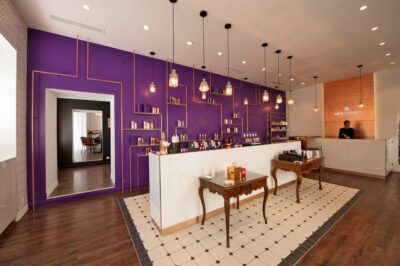
Browse the lists this tour appears in