
Reviewed · WORKSHOPS
Paris Croissant Small-Group Baking Class with a Chef
The real treat here is not just eating a warm croissant. You learn the butter-laminating work that creates those flaky layers, then make croissants, pain au chocolat, and pain au raisin in a pastry studio near Place des Vosges. I like the hands-on format and the chance to ask a chef why each step matters.
I also like the small-class setting, which gives you more help than a large demonstration. Instructors named Clara, Felix, Milly, Prisca, Lizzy, Delphine, Leslie, and Ines have all been praised for clear, patient teaching. The main caution is that the class can produce a surprising amount of pastry, and the advertised group size varies between a preferred eight participants and a maximum of 12.
In This Review
- Key points at a glance
- What the 2.5-hour class actually teaches
- The secret work behind a flaky croissant
- A chef-led class with room for questions
- Why the Marais setting works so well
- Drinks, tasting, and the practical rewards
- A strong choice for families and mixed skill levels
- Is $157.21 a fair price?
- The drawbacks you should weigh before booking
- How to fit it into a Paris day
- Should you book the Maison Fleuret pastry class?
- FAQ
- Where does the Paris croissant baking class begin?
- How long does the workshop last?
- What pastries will I learn to make?
- Is the class offered in English?
- Are drinks and baking supplies included?
- Can I cancel for a full refund?
Key points at a glance
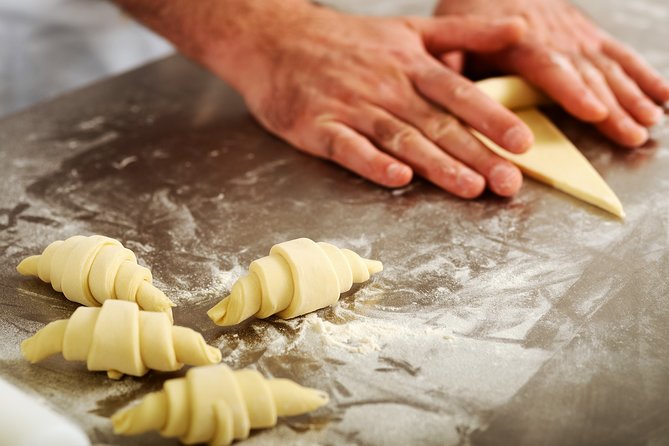
- You laminate the dough yourself: This is a practical lesson, not a pastry demonstration from the sidelines.
- Three French pastries are covered: You work on croissants, pain au chocolat, and pain au raisin in one session.
- The Marais location is handy: The studio is at 7 Rue de Béarn, near Place des Vosges and public transportation.
- English instruction is provided: The class is offered in English, with French food culture and terms folded into the lesson.
- You eat and take away the results: Hot and cold drinks, a tasting, pastries to take home, and an illustrated recipe booklet are included.
- Families can take part: Children as young as seven and nine have been able to follow the class, while teenagers have also enjoyed it.
What the 2.5-hour class actually teaches
This workshop begins at Maison Fleuret, a fully equipped pastry studio in the third arrondissement. The meeting point is 7 Rue de Béarn, just around the corner from Place des Vosges, so it fits neatly into a Marais day.
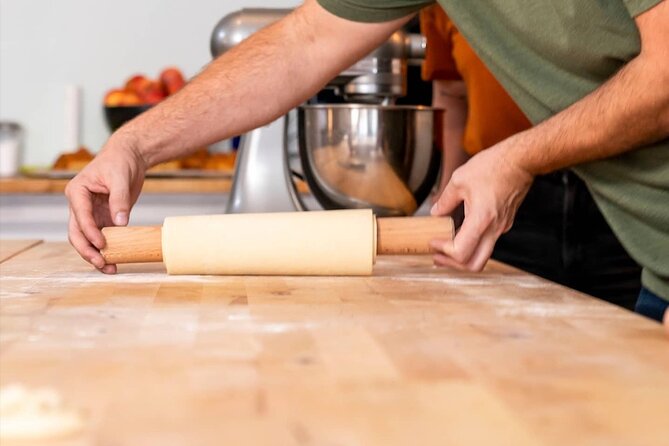
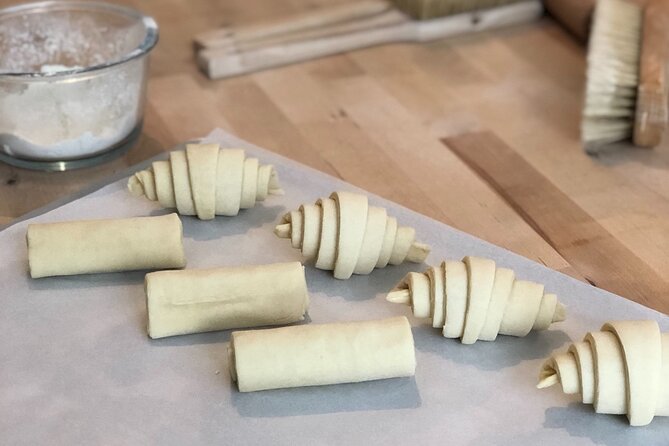
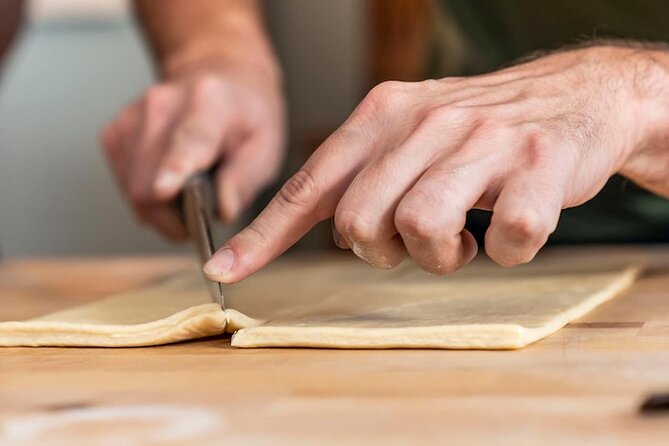
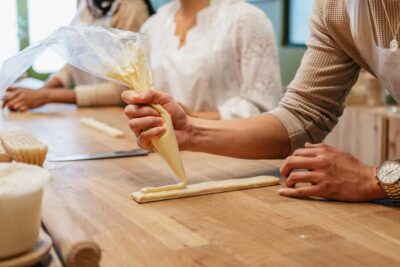
You receive an apron and utensils before starting work. The class then moves through the basic pastry process: making dough, kneading it, working in the butter, shaping the pastries, and baking them. The chef leads each stage and gives you a chance to copy the technique with your own hands.
That distinction matters. A short pastry talk may leave you with nice pictures and a recipe. Here, you handle the dough and see how it changes as you work. You also learn the small decisions that affect the result, such as how to shape the dough, where to place the chocolate, and how to form the pastries before they go into the oven.
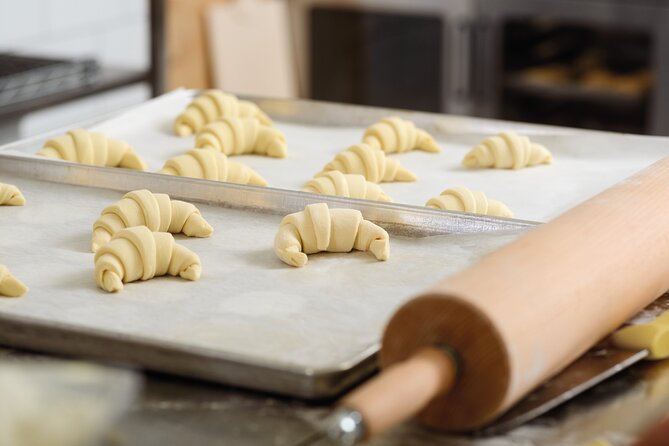
The class starts with the classic croissant. You then tackle pain au chocolat and pain au raisin. The supplied description names all three, though the exact pastry mix or number you take home may vary by session. Some class participants have left with two croissants and two chocolate pastries each, while another account describes four pastries per person.
Expect a good deal of food. If you have plans for a large restaurant meal right after class, give yourself some room.
More Paris trips worth a second look
- Fragonard Paris: Mini Perfume Workshop
★ 4.5 · 1,924 reviews - Paris Cooking Class and Lunch with Wine plus Market Visit Option
★ 5.0 · 1,024 reviews - Paris: Macaron Class at Galeries Lafayette
★ 4.3 · 905 reviews
The secret work behind a flaky croissant
The key lesson is lamination, the process of folding butter into dough to create thin layers. It is the step that separates a flaky croissant from a soft bread roll shaped like one.
You are not simply handed a finished dough sheet. The class includes making and kneading the dough, then working with the butter and shaping the pastries. This gives you a better feel for the texture than a standard cooking show ever could.
I find this especially useful for home bakers because croissant dough can look simple but behave in tricky ways. It needs careful handling, and the butter must work with the dough rather than disappear into it. The chef’s guidance helps you understand the process instead of blindly following a list of measurements.
That hands-on work also makes the final tasting more satisfying. When the pastries come from the oven, you know exactly how much effort went into those crisp layers. You eat the baked goods during the session and take the remaining produce with you.
The class also covers pain au chocolat and pain au raisin, so you see how one basic dough can become several familiar French pastries. One class account describes using dough remnants for cinnamon rolls as well, but that is not listed as a standard part of every session. Treat it as a possible variation, not a promise.
A chef-led class with room for questions
The instructor is a major part of this experience. The chef names that appear in the available feedback include Clara, Felix, Milly, Prisca, Lizzy, Rosalie, Delphine, Leslie, and Ines. The consistent theme is patient, clear instruction rather than a rushed demonstration.
Milly was praised for explaining not only what to do, but why each step mattered. Prisca added French words and cultural context to the baking lesson. Clara received especially strong praise for teaching skill and local recommendations after class. Ines was noted for careful instruction in a very small session with a parent and daughter.
You should still keep in mind that the teacher can vary by date. The experience is provided by Maison Fleuret, but a particular chef is not guaranteed unless your booking information names one. The lesson should follow the same basic pastry plan, while the tone and extra details may differ.
The language is English, which makes the technical work easier to follow. You may also pick up French terms along the way, especially names for the pastries and ingredients. That small language element adds a nice local touch without turning the class into a formal language course.
The class size deserves a careful note. The workshop is described as limited to eight participants for personalized attention, while the additional information gives a maximum of 12. Several accounts describe groups of eight to 10, and at least one session had only two people. I would expect a small group, but I would not book on the assumption that every date will have exactly eight or fewer.
Why the Marais setting works so well
The location at 7 Rue de Béarn gives the class a useful Paris rhythm. You are not sent to an outlying cooking school or a suburban kitchen. You begin near Place des Vosges, one of the most pleasant squares in the Marais, and the class ends at the same meeting point.
That makes it easy to pair the workshop with a walk through the surrounding neighborhood. You can explore before class, bake in the middle of the day, or use the pastry lesson as a break from museums and monuments. The studio is near public transportation, and the meeting point is central enough that private transport is not needed for the activity itself.
The location also adds a sense of place. You are learning French pastries in a Paris neighborhood known for old streets, cafés, shops, and handsome architecture. The class does not include a guided walking tour, so you will need to plan your own time around it, but the address makes that simple.
I would arrive with enough time to find Rue de Béarn without rushing. The activity begins at the stated meeting point and returns there when the workshop ends. Private transportation is not included.
A different way to spend the day, same corner of France:
- Paris: Louvre Museum Timed-Entrance Ticket
★ 4.6 · 71,977 reviews - Disneyland® Paris 1-Day Ticket
★ 4.6 · 49,412 reviews - Paris: Versailles Palace and Gardens Full Access Ticket
★ 4.6 · 41,579 reviews - Paris: Evening River Cruise with Music
★ 4.4 · 22,721 reviews
Drinks, tasting, and the practical rewards
Hot and cold drinks are available throughout the class. That is a small inclusion, but it helps during a session that involves standing, handling dough, waiting for pastries to bake, and listening to several instructions at once.
The best moment comes at the end, when you taste the baked goods fresh from the oven. This is not a token sample. The class is built around eating the work you have made, then taking the remaining pastries away.
You also receive an illustrated recipe booklet. That matters more than a quick verbal explanation because croissant making involves several stages that are easy to forget once you return home. The booklet gives you a reference for recreating the dough, shaping, and baking process.
The recipe booklet does not turn your first home attempt into a guarantee. Croissants take practice, and your kitchen may not have the same equipment or working space as the studio. Still, the class gives you a much better starting point than buying a pastry and trying to guess how it was made.
Several class accounts describe successful attempts at home after the Paris lesson. That is a good sign for anyone who wants more than a one-time holiday activity. If you make notes of the chef’s tips and keep the booklet with your baking supplies, the lesson can continue paying off after you return home.
A strong choice for families and mixed skill levels
This class suits beginners because you do not need to arrive with professional pastry skills. You receive step-by-step instruction and can ask for help as you shape the dough.
It also works for people who already bake. Experienced home bakers may appreciate the chance to compare methods, learn French pastry techniques, and ask focused questions about butter, dough, shaping, or baking. The class is not limited to children or first-timers.
Families have found it particularly useful. One seven-year-old was able to take part with instruction, and a nine-year-old enjoyed the course. Families with children aged 12 and 15 also found the session engaging. A parent and 13-year-old daughter described it as a fun shared activity, with both learning enough to continue baking at home.
You should judge your child’s patience and interest before booking. The class includes kneading, waiting, close listening, and repeated steps. A child who enjoys making things with their hands may have a wonderful time. A child who wants constant action may find the technical parts slow.
The class also works for couples, friends, and multigenerational groups. It gives you something to do together, rather than asking one person to watch while another takes photos. It can even make a good birthday-week activity, as one parent and daughter found.
Is $157.21 a fair price?
At $157.21 per person, this is not a cheap pastry stop. You could buy several excellent croissants in Paris for far less money.
The price makes more sense if you value the instruction. You are paying for about two and a half hours in a professional pastry studio, direct guidance from a chef, ingredients and equipment, hot and cold drinks, a tasting, pastries to take away, and a recipe booklet. The class also gives you a skill you can use after the trip.
I would compare it with the cost of a typical cooking class rather than with the price of breakfast. Against a simple bakery visit, it is expensive. Against a small-group, chef-led activity with food and take-home results, it is more reasonable.
The value improves if you are traveling with a child or teenager and want a shared activity that feels different from another museum. It also improves if you genuinely plan to bake at home. If you only want to taste a perfect croissant, spend the money at a bakery and use the savings for coffee.
Booking patterns suggest that people often reserve well ahead, with an average booking time of 43 days before the activity. That does not mean last-minute space is impossible. One class was booked the night before, but availability can change, especially for a small workshop. If the class is important to your Paris plans, reserve early.
The drawbacks you should weigh before booking
The first concern is the group-size wording. The workshop is promoted as a small class of up to eight, but the official maximum is 12. That is still a manageable size, though it may mean less individual attention than you expect on a full date.
The second concern is the possibility of a last-minute cancellation. Two serious complaints describe classes canceled on the day, including one linked to an instructor’s illness. The provider offered an alternative Maison Fleuret location in one case, but the substitute location did not suit the booking party.
Unexpected staff illness can happen in any hands-on class, but it is worth considering if you have a tight schedule or a special occasion tied to the booking. Do not place this activity immediately before a flight or a nonrefundable event.
The cancellation policy is generous for normal planning changes: you can receive a full refund if you cancel at least 24 hours before the start time. Cancellations or changes made inside that window are not accepted for a refund.
A final consideration is the amount of pastry. You may leave carrying several pieces per person, along with the pastries you eat in class. That is a pleasant problem, but you may want a bag or a plan for sharing them later.
How to fit it into a Paris day
The workshop lasts approximately two hours and 30 minutes, so treat it as a substantial part of your day. The start and end point are the same, which makes planning easier.
A morning class can lead into lunch and more exploring in the Marais. An afternoon session gives you a relaxed start to the day and ends with freshly baked pastries that may replace dessert. You might also schedule a walk around Place des Vosges before or after the class.
Because the activity is in central Paris, you can build the rest of your plans around the neighborhood rather than crossing the city between every stop. Leave a little extra time for the meeting point, particularly if you are carrying shopping bags or navigating the Marais on foot.
I would avoid booking a major timed attraction at the exact end of the class. Baking has several stages, and even a well-run workshop may finish a few minutes later than planned. The class ends back at 7 Rue de Béarn, not at another attraction.
Should you book the Maison Fleuret pastry class?
Book it if you want to understand how French pastries are made, not simply eat them. The strongest reasons are the practical work with laminated dough, the chance to make three pastry styles, and the helpful recipe booklet for home use.
I would especially recommend it for families with children who enjoy cooking, couples looking for a shared activity, and home bakers who want a Paris-based lesson. The location near Place des Vosges makes it easy to combine with a Marais outing, and the English instruction removes much of the worry from following technical steps.
Skip it if your budget is tight or your main goal is a quick, inexpensive breakfast. Also think twice if your itinerary cannot handle a possible schedule change, or if you are expecting a guaranteed eight-person class and a specific named chef.
For the right person, the value is in the skill and the memory, not the number of pastries. You leave with warm baking in hand, a recipe booklet, and a clearer sense of why a real French croissant takes more work than its simple shape suggests.
FAQ
Where does the Paris croissant baking class begin?
The class begins at Maison Fleuret, 7 Rue de Béarn, 75003 Paris, in the third arrondissement near Place des Vosges.
How long does the workshop last?
The workshop lasts approximately two hours and 30 minutes.
What pastries will I learn to make?
The class covers a classic croissant, pain au chocolat, and pain au raisin.
Is the class offered in English?
Yes. The activity is offered in English.
Are drinks and baking supplies included?
Yes. Hot and cold drinks, cooking supplies, instruction, health and safety equipment, and an illustrated recipe booklet are included.
Can I cancel for a full refund?
Yes, if you cancel at least 24 hours before the experience start time. Cancellations or changes made less than 24 hours in advance are not accepted for a refund.
Recently reviewed around Paris
- Louvre Private Tour – The Essentials and More with Expert Guide★ 5.0 · 227 reviews
- 2CV tour by night★ 5.0 · 55 reviews
- Eiffel Tower Second or Summit Floor Access by Elevator with Views★ 3.5 · 161 reviews
- The only Paris Wine Tasting experience you need to do – 2 hours★ 5.0 · 265 reviews
- 2 Hour Street-art Walk and Space Invaders Hunt in Paris★ 5.0 · 27 reviews
- 2 hour outdoor group activity in Paris: SAINT GERMAIN★ 5.0 · 48 reviews
- Sainte-Chapelle, Conciergerie & Palais de Justice Private Tour★ 5.0 · 72 reviews
- Private 2 – Hour Paris Landmarks Tour by Golf Cart Mini Moke★ 5.0 · 38 reviews
Workshops, compared.

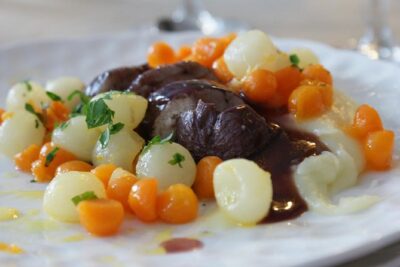
Paris Cooking Class and Lunch with Wine plus Market Visit Option
Read our review →
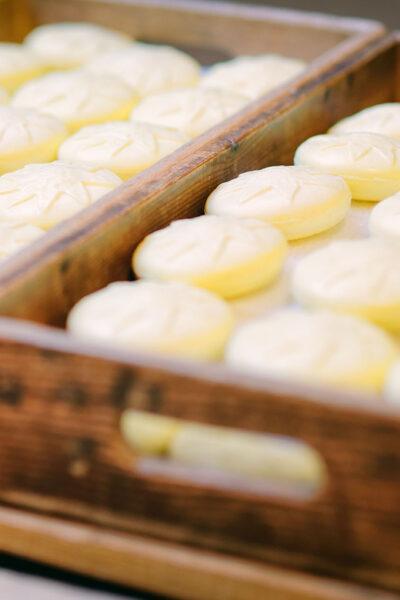
Fragonard Eze: Perfume Making Class and Factory Tour
Read our review →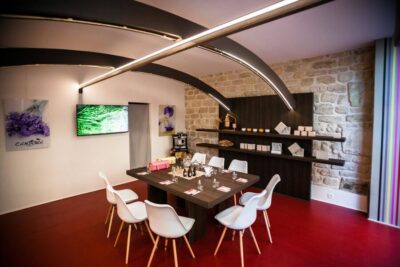

Perfume Making Class and Fragonard Factory Tour
Read our review →
Browse the lists this tour appears in