
Reviewed · WINE TOURS
From Paris: Small-Group Champagne Day Trip with Six Tastings
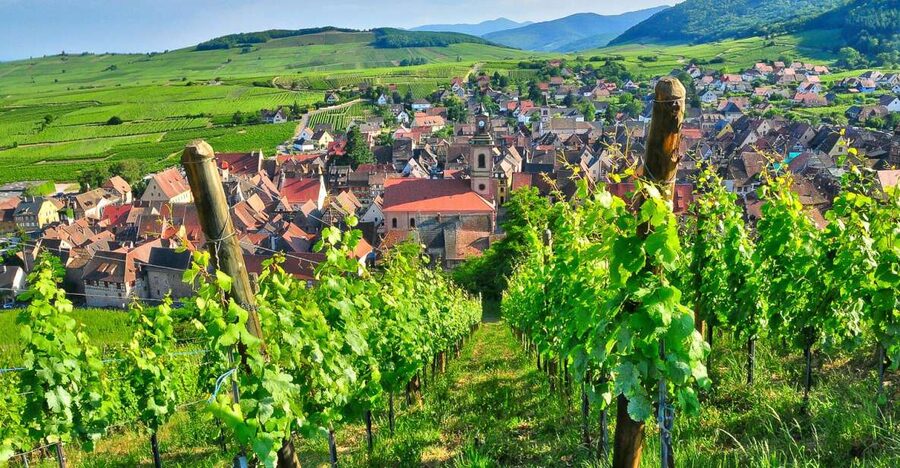
The best thing about this day trip is the contrast: you visit a small family producer, then tour Nicolas Feuillatte, one of the world’s largest Champagne makers. I like that you can see both the hands-on side of wine production and the large-scale machinery behind a major brand. I also like the mix of tastings, vineyards, Reims Cathedral, and Hautvillers.
The drawback is the clock. You leave Paris at 7 AM and spend about three hours on the road in total, often more if traffic slows the return. Lunch is not included, and six tastings without food make a good breakfast essential. Still, the small group of up to eight makes the long day much easier.
In This Review
- Key points to know before booking
- Why the small group makes this Champagne trip work
- Reims Cathedral and the royal road to Champagne
- The family-run winery gives the day its personal touch
- Épernay is your lunch and strolling break
- Nicolas Feuillatte shows Champagne at industrial scale
- Hautvillers and the Dom Pérignon story
- Six glasses, two producers, and a $271 price tag
- What to pack and how to pace yourself
- Who should book this day trip?
- FAQ
- Where does the Champagne day trip leave from?
- How long does the tour last?
- How many Champagne tastings are included?
- Is lunch included?
- What language is the tour conducted in?
- How large is the group?
- Should you book it?
Key points to know before booking
- Six included tastings: Three glasses at the family-run winery and three at Nicolas Feuillatte.
- Two very different producers: Compare a personal, small-scale cellar with a major Champagne cooperative.
- Reims Cathedral included: You have time to see the Gothic cathedral linked with the coronation of 25 French kings.
- Hautvillers connection: Visit the abbey chapel and burial place of Dom Pérignon.
- Long but well-filled day: The tour runs about 11 hours, with a 7 AM departure every day.
- Lunch costs extra: You stop in Épernay for about an hour and choose and pay for your own meal.
Why the small group makes this Champagne trip work
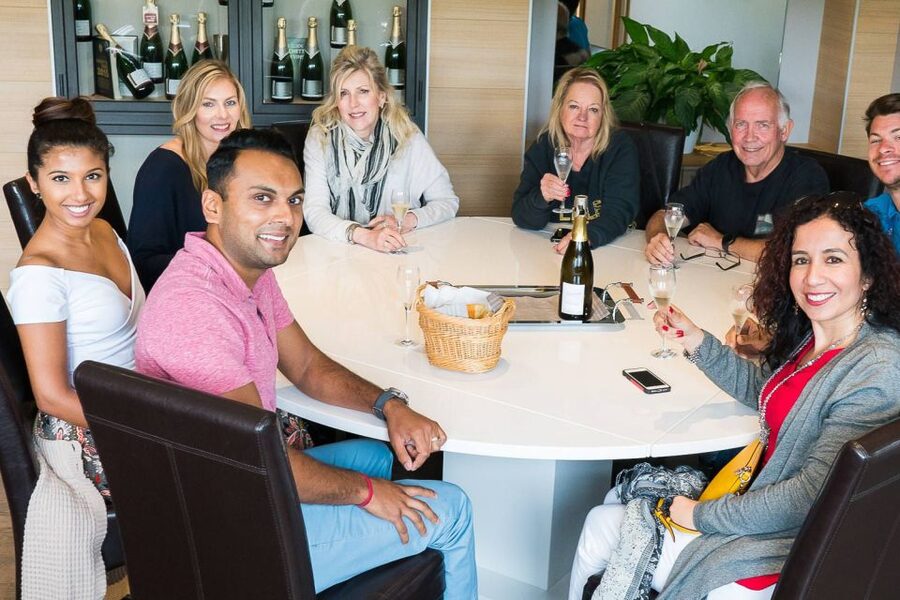
Champagne is not a quick side trip from Paris. The drive takes about an hour and a half each way, so a cramped coach and a large crowd would make the day tiring. Here, transportation is by minibus, and the maximum group size is eight.
That small setting matters most at the family winery. You have a better chance to ask questions about grape growing, harvest methods, blending, and production without being lost in a crowd. Guides such as Mathieu, Jean, Thomas, John, Valeria, and Olivier have been praised for making the drive lively and explaining the region clearly. The guide changes by departure, so do not book based on expecting one particular person.
The minibus arrives at Café Dada Ternes about 10 minutes before departure. You should be there at least 15 minutes early, since the tour leaves sharply at 7 AM. The café opens early, which is handy for coffee and breakfast before setting off.
The vehicle is described as clean and comfortable, but remember that this is a full day with long stretches of sitting. If you tend to nod off in a moving vehicle, a small travel pillow may be useful. Give yourself breathing room after the tour too. The advertised duration is 11 hours, but traffic can push the return to Paris later, sometimes into a 12 or 13-hour day.
More Paris trips worth a second look
- Paris: Moulin Rouge Cabaret Show Ticket with Champagne
★ 4.7 · 16,088 reviews - Authentic Parisian Gourmet Food Tour with 10 Local Dishes & Wines
★ 5.0 · 4,754 reviews - Loire Valley Castles Day Trip from Paris with Complementary Wine
★ 4.5 · 3,907 reviews
Reims Cathedral and the royal road to Champagne
The first main stop is Notre-Dame de Reims, reached after the morning drive from Paris. You have about 30 minutes here, enough to enter, look up at the Gothic stonework, and get a sense of the cathedral’s scale.
This is not simply a church stop added to fill time. Reims Cathedral was the traditional coronation site of 25 French kings, making it one of the most important historic buildings in France. Its connection with the French monarchy gives the Champagne region a strong link to national history before you even begin tasting wine.
Thirty minutes is useful but limited. You can see the interior and take photographs, but you will not have time for a slow study of every sculpture or stained-glass detail. If the cathedral is a major reason for your trip, plan a separate visit from Paris. On this tour, it works best as a focused introduction.
The cathedral also gives the day a good rhythm. You begin with architecture and royal history, then move into vineyards, cellars, and production. Several guides have added short stops at other Gothic churches or scenic viewpoints when time allowed, but those extras can vary and should not be treated as guaranteed parts of the day.
The family-run winery gives the day its personal touch
The visit to a local producer is often the most memorable part of the trip. The exact winery can vary, with names such as Delaunois Chanez, Pierre Domi, Michel Fagot, and other family producers appearing on different departures.
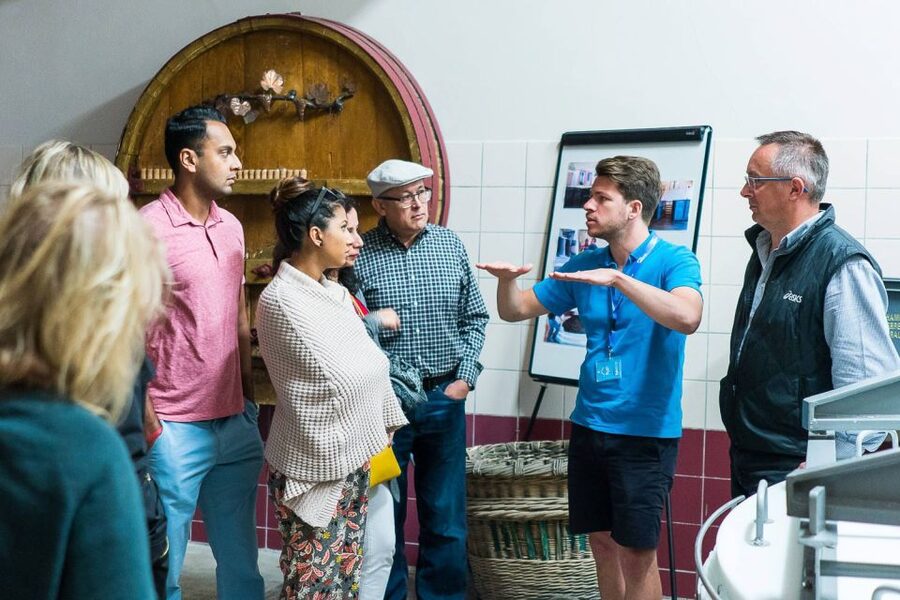
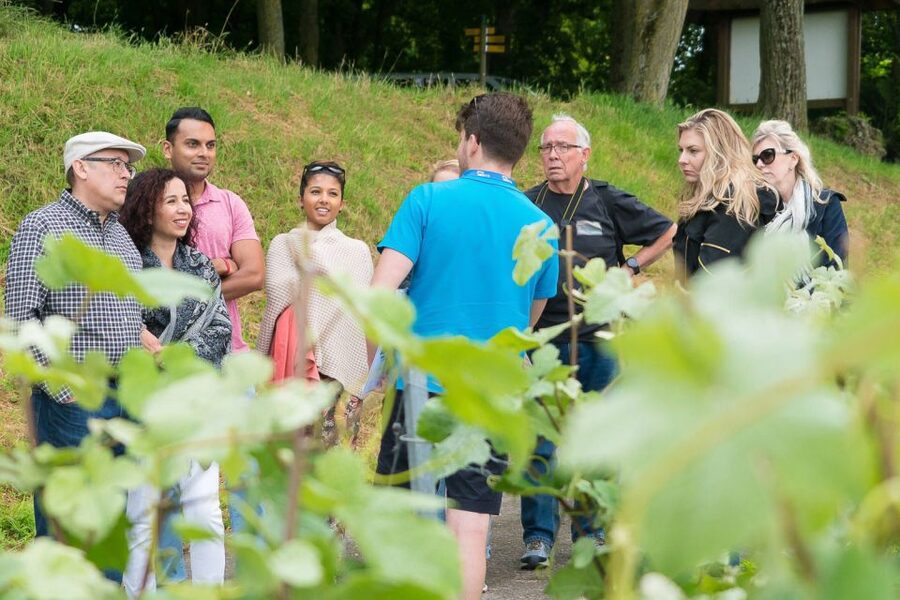
This is where you learn how Champagne begins in the vineyard. Your guide explains grape-growing and harvest techniques, and the local producer gives you a closer look at the work behind the bottle. You may hear about vineyard operations, the handling of grapes, and the steps that turn them into Champagne. The exact presentation depends on the producer and the season.
You receive three glasses here. These are proper tasting pours rather than a single token sample, so you can compare styles and notice differences between bottles. Some small producers do not export widely, making this a good place to buy a bottle that you may not find at home.
I especially like the human scale of this stop. At a family winery, the story is tied to a particular grower, cellar, and patch of land. One visit has included a translated conversation with the owner, allowing the group to ask detailed questions. That sort of exchange is harder to get at a large commercial house.
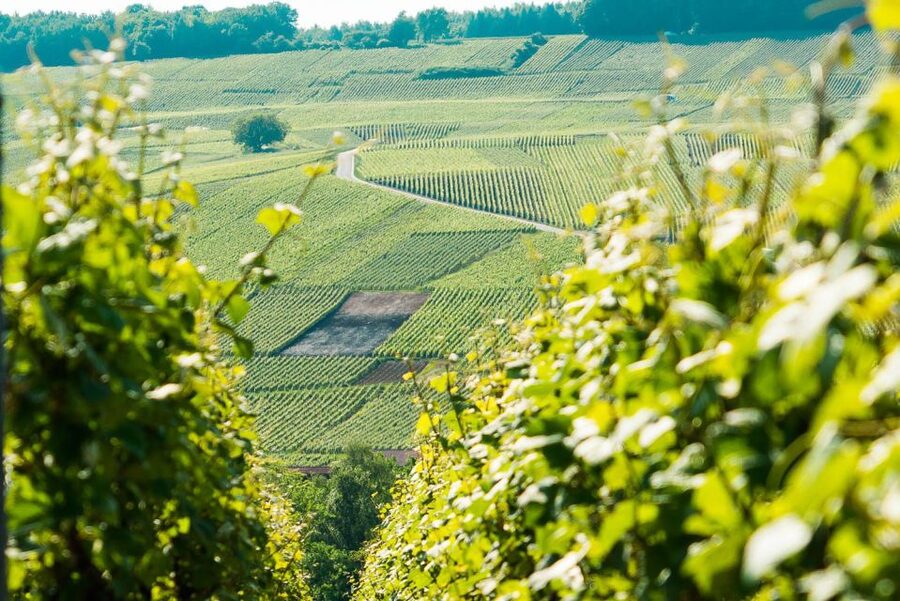
The setting also gives you a chance to see the vineyards around the Marne Valley. One departure included a walk through Pinot Meunier fields above Cumières and a chance to taste a few leftover grapes after harvest. That detail will depend on the season, the guide, and the producer, but the countryside itself is a central part of the journey.
Épernay is your lunch and strolling break
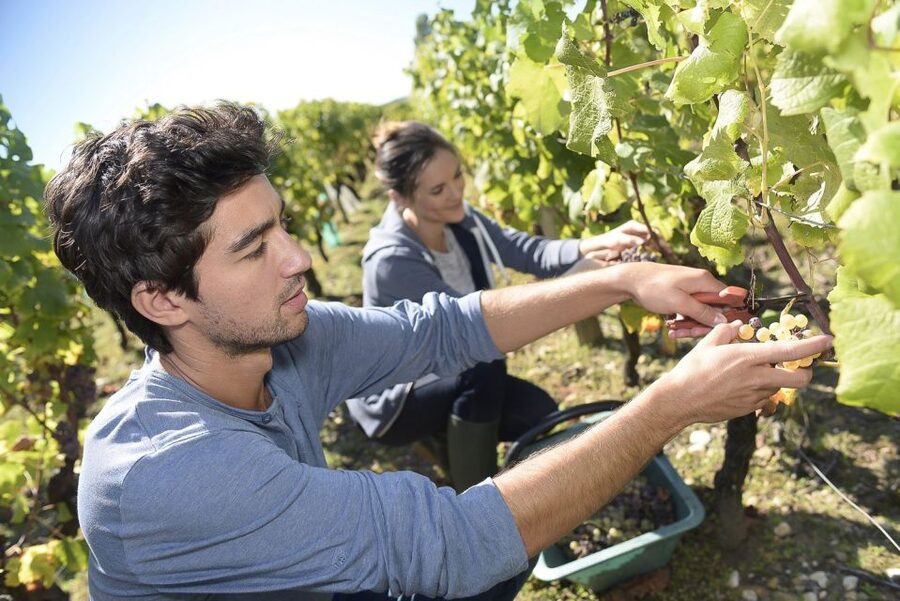
Around midday, the minibus heads to Épernay for roughly an hour. Lunch is not included, so you choose and pay for your own food.
This arrangement keeps the price lower and gives you some freedom. You might prefer a simple sandwich, baguette, or café meal rather than a long sit-down lunch. Guides have suggested practical places to eat, and one useful option is to grab something quickly so you have time to walk along the Avenue de Champagne.
Do not treat this as a full sightseeing tour of Épernay. The stop is short, and the main purpose is lunch. Still, it breaks up the tastings and lets you stretch your legs. If you want to see more of the town or visit additional Champagne houses, an hour will feel tight.
You should also eat enough here. The tour includes six glasses of Champagne, but no food with the tastings. A solid breakfast and a real lunch will help you enjoy the wine rather than feel worn down by it.
A different way to spend the day, same corner of France:
- Paris: Louvre Museum Timed-Entrance Ticket
★ 4.6 · 71,977 reviews - Disneyland® Paris 1-Day Ticket
★ 4.6 · 49,412 reviews - Paris: Versailles Palace and Gardens Full Access Ticket
★ 4.6 · 41,579 reviews - Paris: Evening River Cruise with Music
★ 4.4 · 22,721 reviews
Nicolas Feuillatte shows Champagne at industrial scale
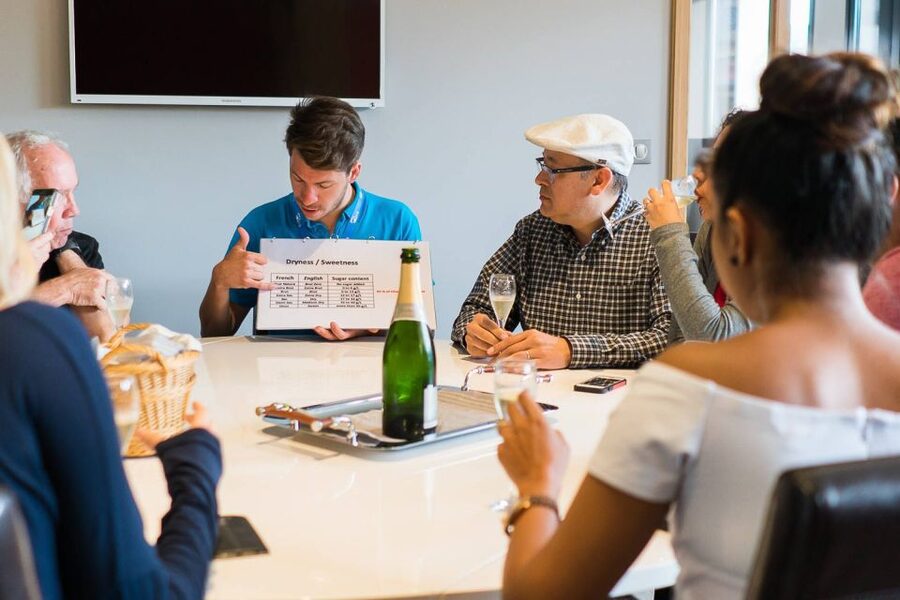
After lunch, you visit Nicolas Feuillatte for a guided tour lasting about 80 minutes. This is the large-scale counterpoint to the family winery.
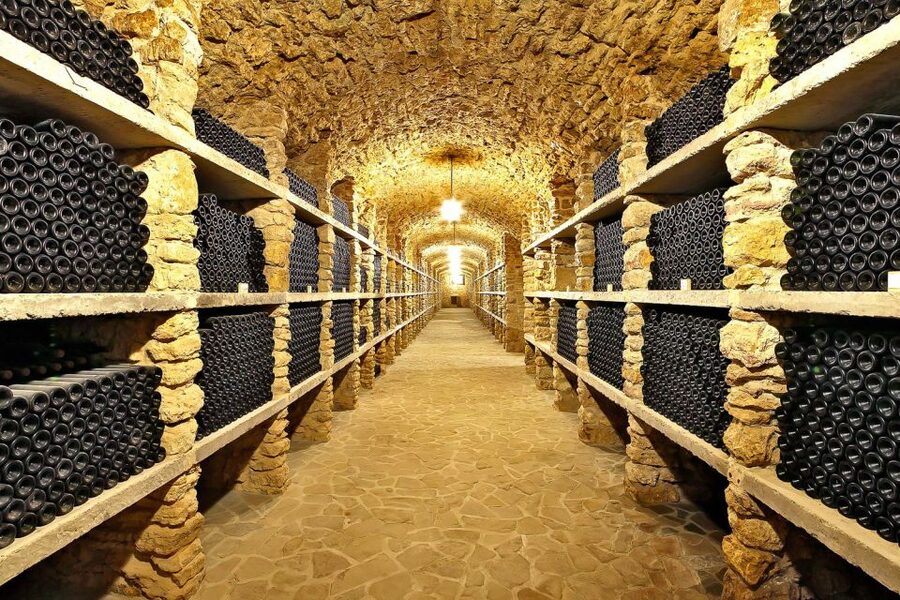
Nicolas Feuillatte is presented as the world’s largest Champagne producer. The tour focuses on how a major house handles production, with modern systems and a much larger operation than you see at a small grower. The contrast is valuable because it shows that Champagne is not made in one single way.
You receive three more glasses here, bringing the included total to six. The tastings give you a chance to compare the larger house’s style with the bottles from the family producer. You also learn more about the production process and the reasons different methods are used at different scales.
Some people prefer the warmth and personal contact of the small winery. Others enjoy seeing the machinery, organization, and technical side of a major producer. I think the pairing is one of the tour’s strongest choices. Visiting two similar small wineries would give you less range.
The tour also provides a useful answer to a common question: why do bottles from different Champagne producers taste so different when they follow the same regional rules? You can compare the finished wines while the details of production are still fresh in your mind.
Hautvillers and the Dom Pérignon story
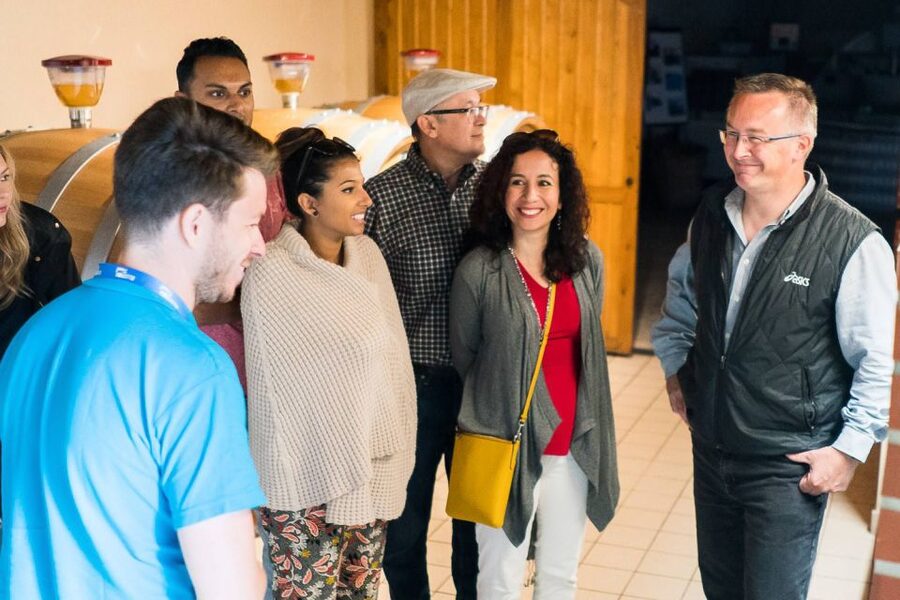
The final Champagne stop is Abbaye Saint-Pierre d’Hautvillers. You have about 15 minutes to visit the chapel and see the burial place of Dom Pérignon, the Benedictine monk traditionally associated with the development of Champagne.
This is a brief stop, so set your expectations correctly. You will not receive a long abbey tour. Instead, your guide explains Dom Pérignon’s role and gives you a direct connection to one of the most famous names in sparkling wine.
Hautvillers also adds a sense of place. The day is not only about tasting finished bottles in two cellars. You see the village connected with the early story of Champagne and pass through the surrounding wine country. The stop is short, but it gives the journey a fitting final note before the drive back to Paris.
Six glasses, two producers, and a $271 price tag
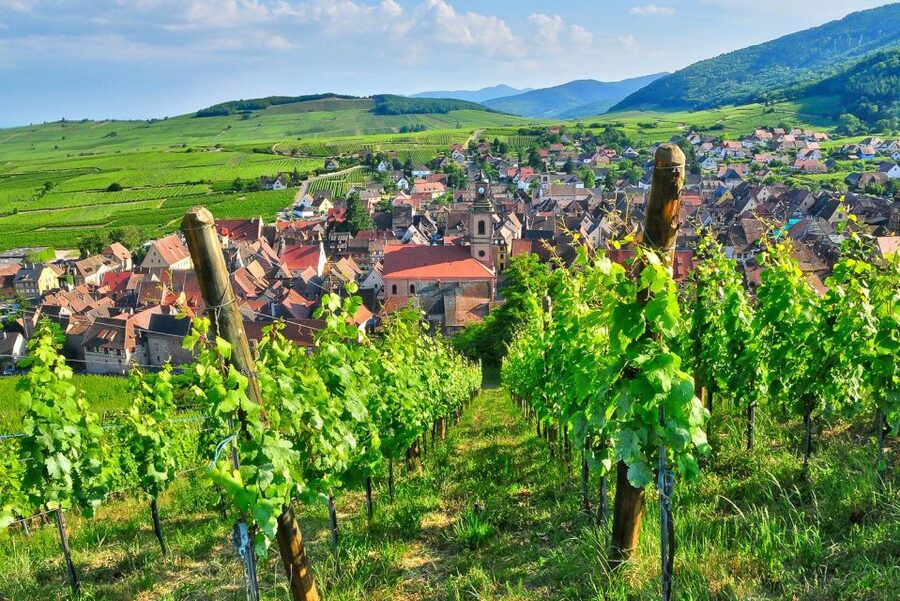
At $271 per person, this is not a bargain basement excursion. The price includes the minibus, guide, entrance fees, both winery tours, and six glasses of Champagne. It does not include lunch, and any bottles you buy are extra.
The value depends on how you would otherwise reach Champagne. Doing Reims and Épernay independently means arranging transport, finding two producers with available tours, managing tastings, and getting back to Paris. The tour handles all of that in one day and gives you an English-speaking guide throughout.
The strongest value comes from the small group and the two-producer format. You are not paying only for six samples. You are paying for regional context, transportation between scattered stops, access to a family producer, a major Champagne house, and two important historic sites.
It is less compelling if you want a slow, luxurious day at one estate. The schedule is active, and the drive is long. It is also not ideal if you want a large lunch included or unlimited time in Reims and Épernay.
For a first visit to Champagne from Paris, though, the structure makes sense. You get a broad introduction rather than one narrow tasting room experience.
What to pack and how to pace yourself
Wear comfortable shoes. You will walk at the cathedral, around the winery sites, and at Hautvillers, even though the tour is mainly minibus based.
Eat breakfast before leaving, or use the early-opening café at the meeting point. The first tasting may come before lunch, and no food is supplied with the Champagne.
Bring room in your luggage for bottles, but check airline rules before buying several. The family producer may offer bottles that are not exported to the United States or other countries, which can make a purchase more special, but you are responsible for transporting them home.
Keep your afternoon and evening flexible. The scheduled return is after a full 11-hour day, and traffic around Paris can add time. The tour runs every day of the year, so weather and seasonal vineyard conditions will vary.
Who should book this day trip?
I would choose this tour if you want Champagne tasting without renting a car or planning several rural connections. It suits first-time visitors who want wine, history, scenery, and a practical overview in one day.
It is also a good fit for solo visitors. The eight-person limit makes it easier to meet the other people in the minibus, and the shared tastings create a natural social atmosphere.
You should think twice if you dislike early starts, long drives, or a fixed schedule. Serious wine enthusiasts may want a slower specialist tour with more producer visits and more time at each cellar. Cathedral-focused visitors may also prefer a separate Reims day.
The guide can make a real difference. Most departures have featured friendly, engaging guides who explain the wine process and French history, though one departure was praised more for driving than for detailed commentary. Since the guide varies, expect a good general introduction rather than a guaranteed specialist lecture.
FAQ
Where does the Champagne day trip leave from?
The meeting point is Café Dada Ternes in Paris. You should arrive at least 15 minutes before the official departure time. A gray minibus arrives about 10 minutes before departure, and the tour leaves sharply at 7 AM.
How long does the tour last?
The advertised duration is 11 hours. The schedule includes about 1.5 hours of driving each way, but traffic can make the day last 12 or 13 hours.
How many Champagne tastings are included?
You receive three glasses at a family-run winery and three glasses at Nicolas Feuillatte, for six included tastings in total.
Is lunch included?
No. The tour stops in Épernay for about an hour, and you choose and pay for your own lunch.
What language is the tour conducted in?
The tour has a live English-speaking guide.
How large is the group?
The maximum group size is eight people, and transportation is by minibus.
Should you book it?
Book this tour if you want the easiest way to sample Champagne from Paris while seeing more than a tasting room. The combination of a family producer, Nicolas Feuillatte, Reims Cathedral, Épernay, and Hautvillers gives you a useful spread of wine and culture.
Skip it if you need a relaxed pace, an included meal, or a guaranteed early return to Paris. For everyone else, the six tastings, small group, and sharp contrast between producers make the $271 cost reasonable for a long but well-planned day in France’s Champagne region.
Recently reviewed around Paris
- Louvre Private Tour – The Essentials and More with Expert Guide★ 5.0 · 227 reviews
- 2CV tour by night★ 5.0 · 55 reviews
- Eiffel Tower Second or Summit Floor Access by Elevator with Views★ 3.5 · 161 reviews
- 2 Hour Street-art Walk and Space Invaders Hunt in Paris★ 5.0 · 27 reviews
- 2 hour outdoor group activity in Paris: SAINT GERMAIN★ 5.0 · 48 reviews
- The only Paris Wine Tasting experience you need to do – 2 hours★ 5.0 · 265 reviews
- Sainte-Chapelle, Conciergerie & Palais de Justice Private Tour★ 5.0 · 72 reviews
- Private 2 – Hour Paris Landmarks Tour by Golf Cart Mini Moke★ 5.0 · 38 reviews
Wine Tours, compared.
Moulin Rouge Cabaret Show Ticket with Champagne
Read our review →
Authentic Parisian Gourmet Food Tour with 10 Local Dishes & Wines
Read our review →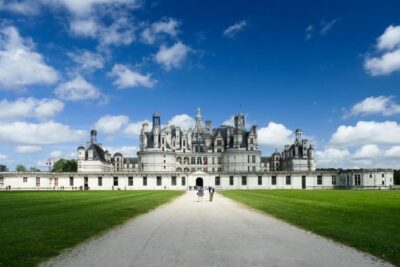
Loire Valley Castles Day Trip from Paris with Complementary Wine
Read our review →
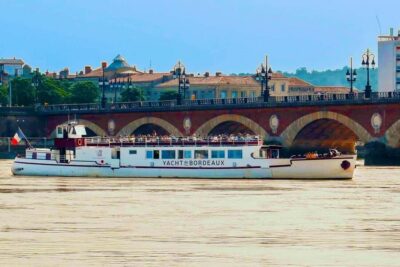
River Garonne Cruise with Glass of Wine and Canelé
Read our review →
Montmartre Hill French Gourmet Food and Wine Tasting Walking Tour
Read our review →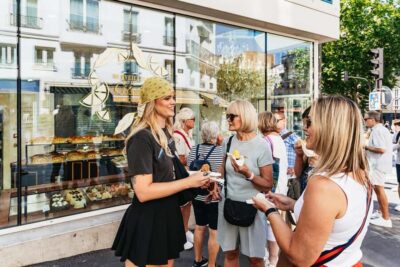
Montmartre Cheese, Wine & Pastry Guided Walking Tour
Read our review →
Paradis Latin Cabaret Show with Optional Champagne
Read our review →Browse the lists this tour appears in