
Reviewed · WINE TOURS
From Paris: Small-Group Champagne Tour with 3-Course Lunch
The star of this day is the contrast between a famous champagne house and a small local producer. One shows you large-scale production and historic cellars; the other brings you closer to the people, vines, and family methods behind the bottle. Add a three-course lunch, a blind tasting, and countryside views, and you get far more than a quick tasting stop.
I like the easy hotel pickup and drop-off, and I like having a guide who handles the driving, reservations, timing, and translation. Guides including Sebastian, Tomer, Max, TJ, Alex, and Benoit have been praised for their humor, local knowledge, and care with the group. The main drawback is the long day: about 11 hours, with roughly four hours on the road from Paris.
In This Review
- Key points
- Why This Champagne Day Trip Works From Paris
- The Ride From Paris to Épernay
- Inside a Major Champagne House
- Comparing Large Production With a Family Estate
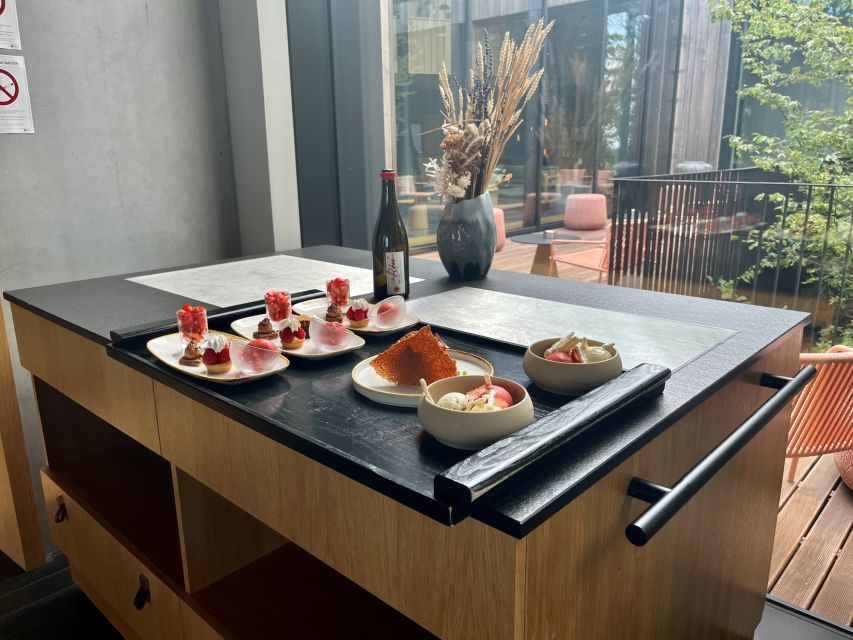
- A Three-Course Lunch With Regional Character
- The Marne Valley Viewpoint and Blind Tasting
- Reims May Be Included, But It Is Not Guaranteed
- What $411 Includes and What It Does Not
- Who Will Enjoy This Day Most
- Should You Book the Champagne Tour From Paris?
- FAQ
- How long does the Champagne tour from Paris last?
- Is hotel pickup and drop-off included?
- Which champagne house will I visit?
- How many Champagne tastings are included?
- Is lunch included?
- Can someone under 18 join the tour?
Key points
- Two very different producers: Compare a major champagne house with a smaller estate.
- Up to six included glasses: Tastings cover styles such as Blanc de Blancs, Blanc de Noirs, and rosé.
- A proper three-course lunch: Food is included, but drinks at the restaurant cost extra.
- A hands-off day from Paris: Hotel pickup, an air-conditioned minivan, and return transportation are included.
- A blind tasting in the vineyards: Use what you have learned to compare bubbly without seeing the label.
- Flexible house selection: The major producer depends on availability, so contact the operator if you have a preferred name.
Why This Champagne Day Trip Works From Paris
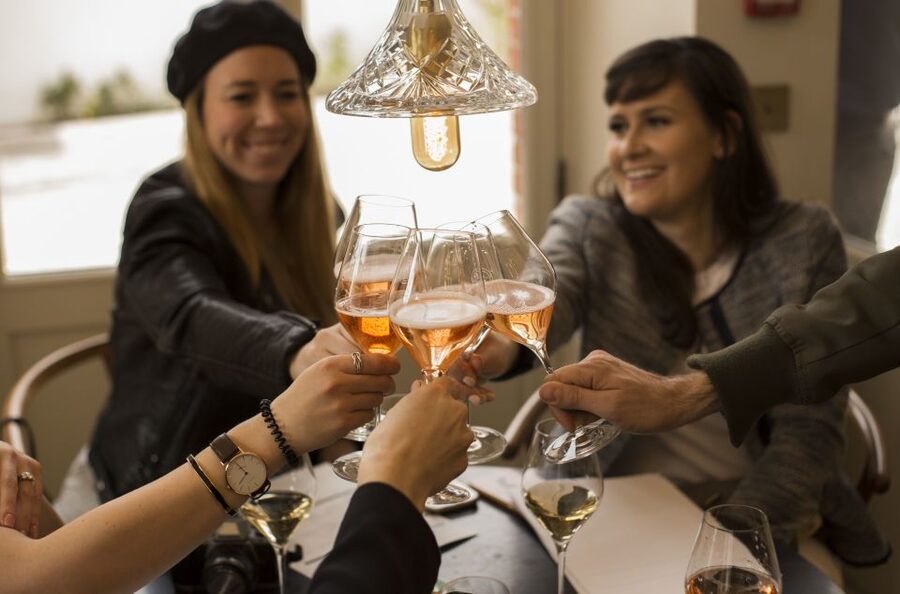
Champagne is close enough to visit from Paris, but not close enough for a relaxed independent day by train unless you plan carefully. Épernay and the surrounding villages sit roughly two hours from the capital by van, and the best cellar visits, tasting times, and vineyard stops do not always line up neatly.
This tour solves that problem. You are collected at your Paris hotel or accommodation, driven in an air-conditioned minivan, and returned there at the end. You do not need to find a rural winery, worry about the designated driver, or piece together several appointments.
The tradeoff is time. With two hours each way, this is a full excursion rather than a quick outing. Traffic and the day’s appointment schedule can change the order of the stops, too. I would book it only if you are happy giving Champagne an entire day.
The small-group format is important. It gives you room to ask questions and makes the day more personal than a large coach outing. Private and small-group options are available, though the exact group size depends on the booking.
More Paris trips worth a second look
- Paris: Moulin Rouge Cabaret Show Ticket with Champagne
★ 4.7 · 16,088 reviews - Authentic Parisian Gourmet Food Tour with 10 Local Dishes & Wines
★ 5.0 · 4,754 reviews - Loire Valley Castles Day Trip from Paris with Complementary Wine
★ 4.5 · 3,907 reviews
The Ride From Paris to Épernay
The morning begins with pickup in Paris. The operator confirms your hotel or Airbnb location the day before, so make sure your accommodation details are correct and keep your phone available.
The van ride is not the most exciting part of the day, but it makes the countryside accessible. Your English-speaking driver-guide provides context along the way, covering the region, grape varieties, production methods, and the role of soil and climate in Champagne.
Guides are a major part of this experience. Sebastian has been praised for keeping the day on time without making it feel rushed. Tomer has added personal touches and scenic stops, while Max and TJ have been singled out for clear explanations and good energy. Alex has used games and practical demonstrations, including a lesson in opening a bottle with a sabre. Your guide will vary, but the format depends heavily on having someone who can manage both the schedule and the group.
Bring water, even though bottled water is supplied. You will be tasting wine, walking through cellars, and spending much of the day away from your hotel.
Inside a Major Champagne House
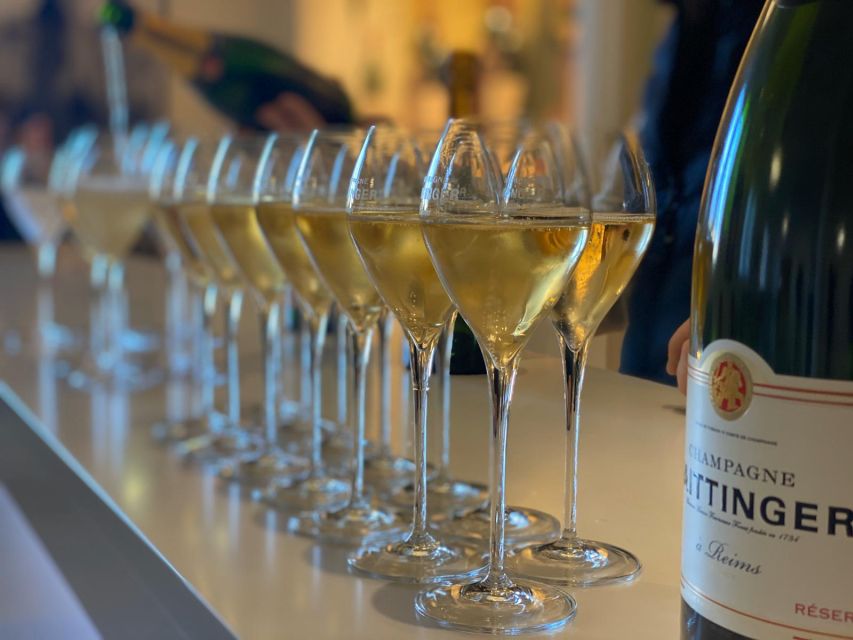
The first substantial stop is usually Épernay, where you visit a well-known champagne producer for a guided cellar tour and tasting. Possible houses include Mercier, Nicolas Feuillatte, Veuve Clicquot, Taittinger, Moët & Chandon, and Boizel. The exact choice depends on availability.
That point matters. You are not guaranteed a particular brand unless you contact the operator in advance and ask about your preference. Even then, availability may decide the final schedule. If Moët & Chandon or Veuve Clicquot is essential to your trip, confirm before booking rather than assuming the name will be included.
The large-house visit gives you a useful sense of scale. You see how a major producer presents its brand, manages production, and explains the long cellar-aging process. Some visits focus heavily on the caves and historical presentation; others give you a clearer look at modern production and distribution.
The tasting is not just a chance to drink a famous label. By this point, your guide should be helping you pay attention to differences in grape blend, sweetness, age, and finish. The goal is to understand why two bottles that both say Champagne can taste quite different.
Cellars are often cold and damp. A jacket or warm second layer is a sensible bit of luggage, even in summer. Comfortable shoes also help, since cellar tours can involve walking and standing.
Comparing Large Production With a Family Estate
The smaller producer is where the experience becomes more personal. Instead of a global name, you meet a local estate and learn how Champagne is made on a more limited scale. The exact producer can vary, with past days including places such as Le Clos Corbier and Dom Caudron.
This comparison is one of the strongest reasons to choose the tour. A major house shows you reach, branding, and volume. A small estate lets you focus on the growers, the vineyard setting, and the decisions that shape a particular wine.
The guide explains the three main grape varieties, the local terroir, and the difference between a Grand Cru and a Premier Cru. You also learn the basics behind Blanc de Blancs, made from white grapes, Blanc de Noirs, made from dark grapes, and rosé Champagne.
At the smaller estate, the tasting tends to feel more interactive. You may have a closer look at production areas, hear about the estate’s history, and taste bottles that are not widely distributed outside the region. Availability and timing affect the details, so do not expect exactly the same small house on every departure.
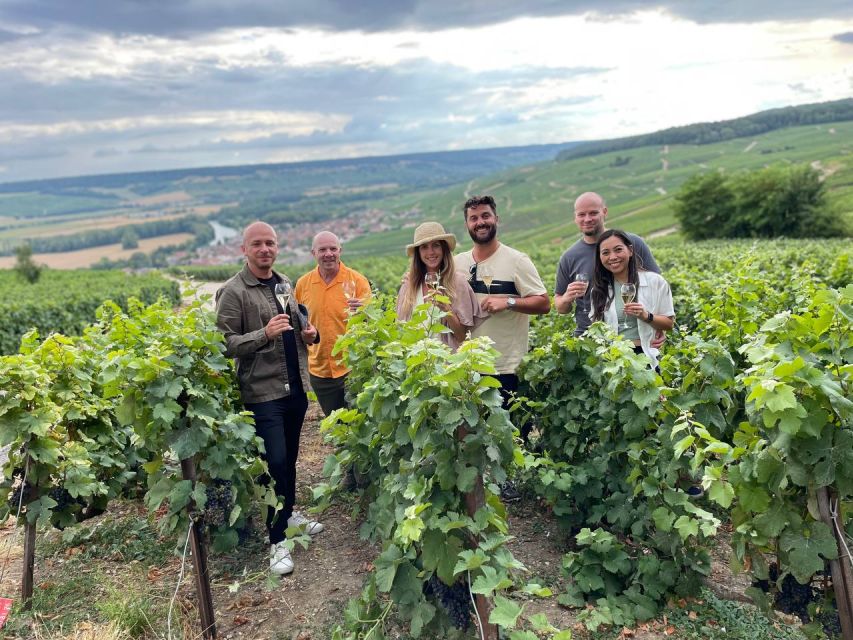
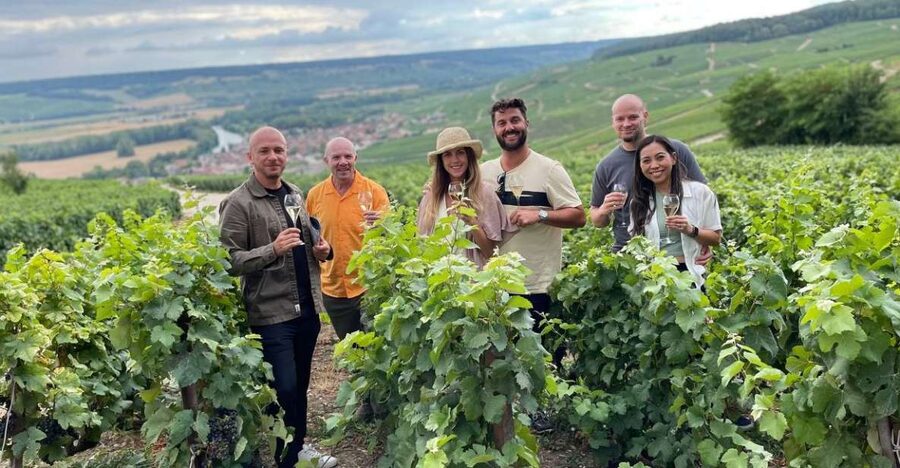
Several schedules include a stop among the vines or at a viewpoint over the Marne Valley. These stops are excellent for photographs and for seeing that Champagne is a farming region first, not simply a collection of elegant tasting rooms. A vineyard visit is not guaranteed, since weather and appointment times can interfere.
A different way to spend the day, same corner of France:
- Paris: Louvre Museum Timed-Entrance Ticket
★ 4.6 · 71,977 reviews - Disneyland® Paris 1-Day Ticket
★ 4.6 · 49,412 reviews - Paris: Versailles Palace and Gardens Full Access Ticket
★ 4.6 · 41,579 reviews - Paris: Evening River Cruise with Music
★ 4.4 · 22,721 reviews
A Three-Course Lunch With Regional Character
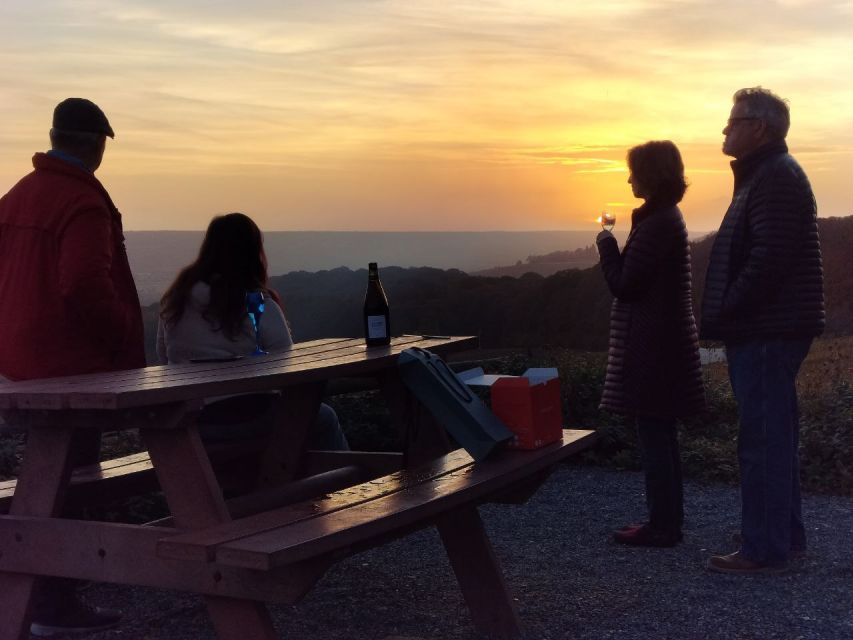
Lunch is included at a local restaurant and usually lasts about an hour and a half. This break gives you time to sit down, eat something substantial, and discuss the morning’s tastings with the group.
The meal is intended to introduce you to French gastronomy, not just provide a sandwich between cellar visits. Past meals have been described as delicious, generous, and made with regional products. Some have taken place in Épernay, while others have been served at or near a small champagne house.
There is one practical catch: restaurant beverages are not included. That covers soft drinks, alcohol, and still or sparkling bottled water. Check the menu or ask your guide about costs before ordering, especially if you prefer something other than the included tasting pours.
Lunch has received mixed practical feedback. Most people find the food worthwhile, but one schedule felt rushed, and another had portions too small to balance the amount of Champagne being served. I would eat a proper breakfast, use the meal as a chance to slow down, and tell the guide if you need more time or food.
Because the day may include up to six included glasses, lunch is not a minor detail. Food helps you enjoy the tastings with a clear head. You can also choose to taste lightly rather than finish every pour.
The Marne Valley Viewpoint and Blind Tasting
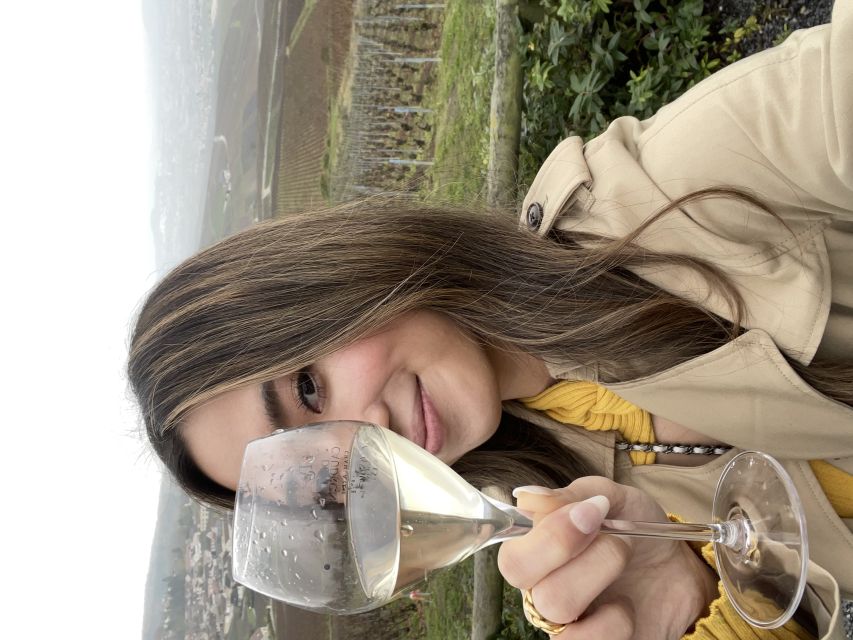
The Marne portion of the day usually combines a photo stop with another tasting. This is where the tour moves away from cellar interiors and lets you see the vines in their setting.
The blind tasting is especially good for beginners. You taste without relying on the label, producer, or price to tell you what to think. Your guide then helps you identify differences among the wines and connect those differences to grape varieties, production, and place.
Some guides add a playful demonstration, such as sabering a Champagne bottle. It is a memorable party trick, but the more valuable part is learning to taste with attention. By the end, you should have a better sense of whether you prefer the citrus and mineral character often associated with Blanc de Blancs, the fuller profile of Blanc de Noirs, or the fruitier style of rosé.
The viewpoint also gives the day breathing room. Cellars can feel repetitive if every stop is underground. A short outdoor pause, especially in the vineyard country, resets the pace and gives you the photographs that a day of tasting needs.
Do not count on perfect vine views in every season. Weather, road conditions, and the timing of the two formal visits can change the final stop. The operator says the order may also be rearranged to fit the appointments.
Reims May Be Included, But It Is Not Guaranteed
Some past schedules have included time in Reims, including a visit to Notre-Dame Cathedral. Reims adds a useful cultural layer, since the city connects Champagne with French royal and religious history.
Still, the advertised core experience centers on Épernay, the Marne area, and Champagne producers. Treat Reims as a possible bonus rather than a promised stop. If seeing the cathedral is your main reason for booking, ask the operator before you pay.
This is a good example of why the tour should be viewed as a guided Champagne experience rather than a fixed checklist. The major house, small producer, lunch venue, and order of visits can change. The consistent idea is the comparison of producers, tastings, regional food, and vineyard country.
What $411 Includes and What It Does Not
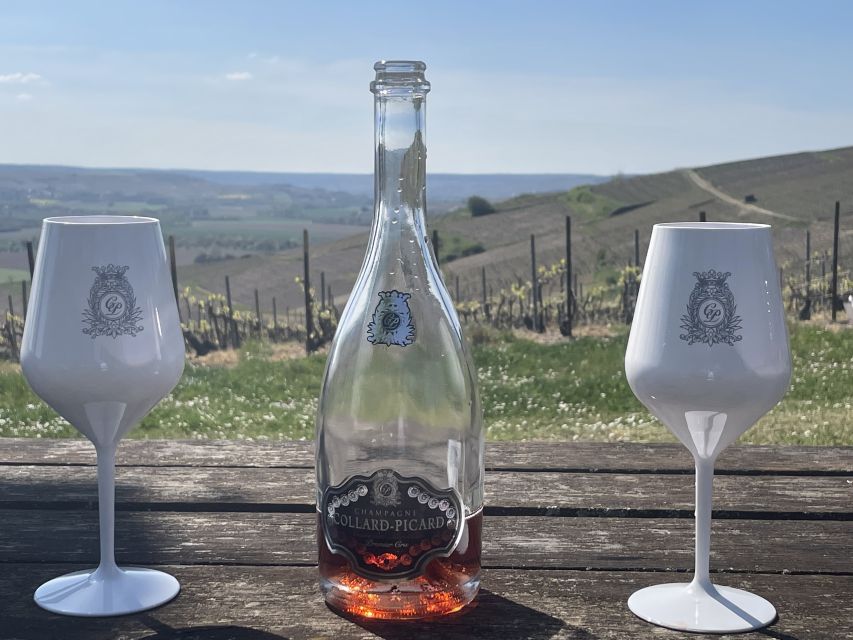
At $411 per person, this is not a budget day trip. The price makes more sense when you add up what is bundled: hotel pickup and return, private transport for the day, an English-speaking driver-guide, a major-house cellar tour, a small-producer visit, a three-course lunch, tastings, and bottled water.
You are also paying to avoid the awkward parts of rural wine travel. The guide deals with the route, reservations, parking, timing, and alcohol-safe transportation. If you tried to reproduce the day independently, you would still need to pay for train or car travel, local transfers, cellar admissions, lunch, and tastings.
The value is strongest for first-time visitors to Champagne, people celebrating a special occasion, and anyone who wants a broad introduction in one day. It is weaker if you already know the region well, prefer long unhurried visits at one estate, or want to choose every bottle and appointment yourself.
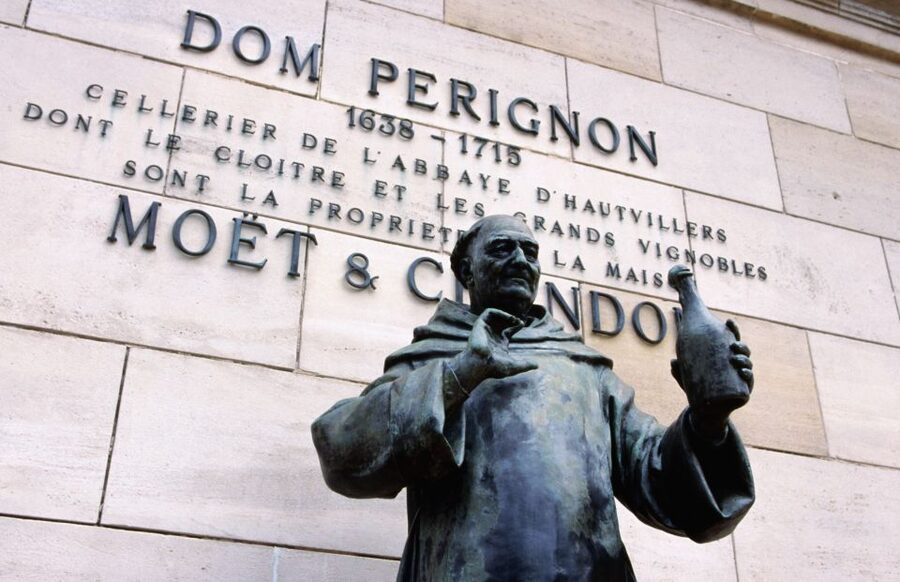
Optional purchases are extra. You may want to buy a bottle at a producer, and some tastings offer an additional premium pour, such as Dom Pérignon, at your own expense. Do not confuse those extras with the included six glasses.
The experience has a 4.8 rating from 304 bookings, and transport receives a perfect score from 88 percent of ratings. That matches the practical strength of the day: reliable movement between places and guides who take responsibility for the details.
Who Will Enjoy This Day Most
I would recommend this tour to you if you want Champagne explained in plain English and prefer to sample several styles rather than spend all day at one cellar. It is also a good fit for couples, families with adult children, small groups of friends, and special celebrations.
It suits curious beginners particularly well. You do not need to know the difference between Blanc de Noirs and Blanc de Blancs before you arrive. The tastings, blind comparison, and guide’s explanations build that understanding step by step.
You should think twice if you dislike long van journeys or want a slow lunch. The day covers a lot, and the schedule has to work around winery appointments. Lunch can feel compressed on a busy day, and the amount of Champagne may be more than some people expect.
People under 18 can be offered non-alcoholic grape juice. The tour is still built around wine, so families should decide if the cellar visits and long transport suit younger children.
Free cancellation is available up to 24 hours before departure, and you can reserve now and pay later. Pickup times vary, so check availability for your date and wait for the operator’s confirmation of your accommodation.
Should You Book the Champagne Tour From Paris?
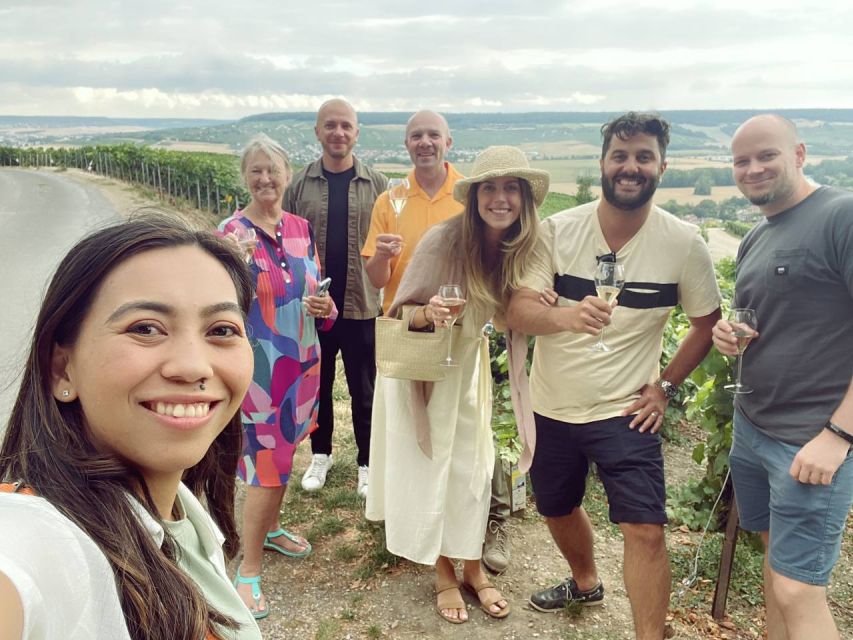
Book it if you want the easiest way to see Champagne in one day and value variety over control. The strongest combination is the major house, the smaller estate, the regional lunch, and the final blind tasting among the vines.
I especially like the chance to compare a large producer with a family-run operation. That contrast gives you a clearer understanding of Champagne than a single brand visit would. The guides also add real value: Sebastian, Tomer, Max, TJ, Alex, and Benoit have each helped make the day informative, friendly, and well paced.
Before booking, contact the operator if you have a must-see house. Pack a jacket, eat breakfast, budget for lunch drinks and optional purchases, and accept that Reims or a vineyard stop may depend on the day.
For most visitors based in Paris, the $411 cost is fair for a full-service day with transport, food, multiple tastings, and expert guidance. It is a long day, but if Champagne is high on your list, this is a practical and enjoyable way to reach the region without renting a car.
FAQ
How long does the Champagne tour from Paris last?
The experience lasts about 11 hours, including approximately two hours of transport each way between Paris and the Champagne region. Traffic and appointment times can affect the exact duration.
Is hotel pickup and drop-off included?
Yes. Pickup and return transportation at your Paris hotel or accommodation are included. The operator contacts you the day before to confirm the hotel or Airbnb location.
Which champagne house will I visit?
The major house is selected according to availability. Possible producers include Mercier, Nicolas Feuillatte, Veuve Clicquot, Taittinger, Moët & Chandon, and Boizel. Contact the operator if you have a specific preference.
How many Champagne tastings are included?
Up to six glasses of Champagne are included in the tour. The exact number and selection can vary with the day’s schedule and the producers visited.
Is lunch included?
Yes. A three-course lunch at a local restaurant is included. Drinks at the restaurant, including soft drinks, alcohol, and still or sparkling bottled water, are not included.
Can someone under 18 join the tour?
Yes, but people under 18 may be offered non-alcoholic grape juice instead of Champagne. The tour remains focused on cellar visits, vineyards, and wine production.
Recently reviewed around Paris
- Louvre Private Tour – The Essentials and More with Expert Guide★ 5.0 · 227 reviews
- 2CV tour by night★ 5.0 · 55 reviews
- Eiffel Tower Second or Summit Floor Access by Elevator with Views★ 3.5 · 161 reviews
- The only Paris Wine Tasting experience you need to do – 2 hours★ 5.0 · 265 reviews
- 2 Hour Street-art Walk and Space Invaders Hunt in Paris★ 5.0 · 27 reviews
- 2 hour outdoor group activity in Paris: SAINT GERMAIN★ 5.0 · 48 reviews
- Sainte-Chapelle, Conciergerie & Palais de Justice Private Tour★ 5.0 · 72 reviews
- Private 2 – Hour Paris Landmarks Tour by Golf Cart Mini Moke★ 5.0 · 38 reviews
Wine Tours, compared.
Moulin Rouge Cabaret Show Ticket with Champagne
Read our review →
Authentic Parisian Gourmet Food Tour with 10 Local Dishes & Wines
Read our review →
Loire Valley Castles Day Trip from Paris with Complementary Wine
Read our review →
River Garonne Cruise with Glass of Wine and Canelé
Read our review →
Montmartre Hill French Gourmet Food and Wine Tasting Walking Tour
Read our review →
Montmartre Cheese, Wine & Pastry Guided Walking Tour
Read our review →
Paradis Latin Cabaret Show with Optional Champagne
Read our review →Browse the lists this tour appears in