
Reviewed · WINE TASTINGS
Italian Wine Tasting with Professional Sommelier in Montepulciano
Montepulciano is a fine place to drink Tuscan wine, but this experience does more than pour a few local glasses. It links Vino Nobile, Brunello di Montalcino, Chianti Classico, and Super Tuscan wines in one guided lesson, helping you understand how grapes, place, and winemaking choices change the taste.
I like the terrace aperitif at Osteria del Borgo and the move into the bottle-lined cellar room. I also like the teaching style: Francesco, Erica, and Tassos bring humor, personal stories, and clear explanations rather than treating wine like a school exam. The main consideration is that this is a restaurant-based tasting, not a visit to a vineyard or working winery.
In This Review
- Key points before you book
- Starting at Osteria del Borgo at 4 pm
- Moving downstairs to the bottle-lined cellar
- Seven wines, with a wider Italian frame
- The teaching style from Francesco, Erica, and Tassos
- Snacks, olive oil, and the value of tasting with food
- What makes the experience different from a winery visit
- Is $83.27 a fair price?
- Practical details for your afternoon
- Who should book this Montepulciano tasting?
- Should you book it?
- FAQ
- Where does the wine tasting start?
- What time does the experience begin?
- How long does the tasting last?
- How many wines are included?
- Which Tuscan wines might I learn about?
- Is food included?
- Is the tasting offered in English?
- What is the cancellation policy?
Key points before you book
- Seven Italian wines are included, with some sessions featuring eight or nine bottles.
- The tasting begins on Osteria del Borgo’s terrace with an introductory aperitif.
- The cellar lesson covers major Tuscan styles, including Vino Nobile, Brunello, Chianti Classico, and Super Tuscan wines.
- Francesco, Erica, and Tassos teach in an engaging style, with plenty of room for questions.
- Water, snacks, local meats, cheese, bread, and olive oil help make the tasting feel like part of a meal.
- The $83.27 price is strongest for wine students and curious drinkers, less so for anyone seeking a producer-led winery tour.
Starting at Osteria del Borgo at 4 pm
Your meeting point is Osteria del Borgo, at Via Ricci 5 in Montepulciano. The tasting starts at 4 pm and returns to the same place, which keeps the afternoon simple. You do not need to arrange a second pickup point or find your way across the countryside after drinking wine.
The first setting is the restaurant’s well-known terrace. You begin with an aperitif, a useful pause before the formal tasting. It gives you time to settle in, take in the setting, and meet the person leading the session.
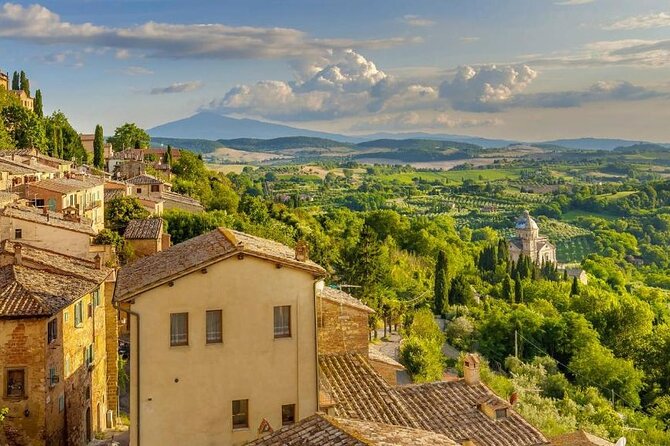
The restaurant setting matters. This is not a bus ride from one distant estate to another. You are in Montepulciano itself, close to the town’s restaurants, streets, and views. Several people have paired the tasting with dinner afterward, and the restaurant also has a bed-and-breakfast above it. That makes the experience easy to fold into an evening in town.
You should allow at least the stated one hour and 45 minutes. Some sessions have lasted around two hours or a little longer, especially when the group is small and questions keep coming. That extra time is useful, but do not schedule a tight dinner reservation immediately afterward.
More France trips worth a second look
- Paris: Moulin Rouge Cabaret Show Ticket with Champagne
★ 4.7 · 16,088 reviews - Authentic Parisian Gourmet Food Tour with 10 Local Dishes & Wines
★ 5.0 · 4,754 reviews - Loire Valley Castles Day Trip from Paris with Complementary Wine
★ 4.5 · 3,907 reviews
Moving downstairs to the bottle-lined cellar
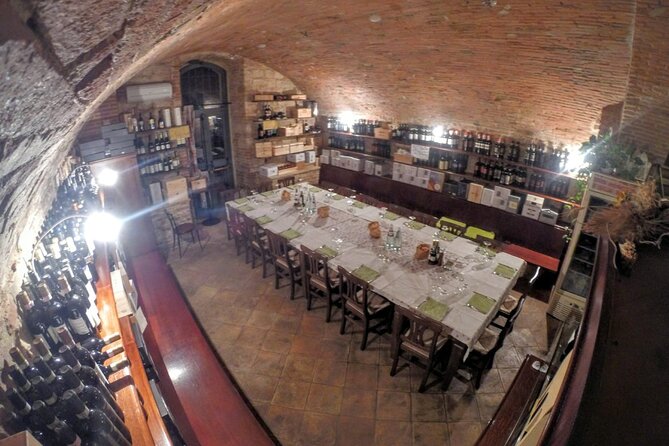
After the aperitif, the group moves into a cellar room beneath the restaurant. The room is described as a private bar area lined with wine bottles, with a cool and intimate feel. It is a more focused place for tasting than a busy dining room.
The group can be as large as 25 people, though some sessions have been much smaller, including groups of two, four, or ten. Group size will shape the experience. A small group gives you more time to ask about a particular producer, grape, or label. A full group may feel more like a formal class.
The cellar is also a practical setting for learning. Instead of looking at vines and barrels without much context, you spend your time tasting and comparing. You can take notes, ask questions, and return to the differences between wines while the information is fresh.
One useful point is that the session does not focus only on what is in the glass. The teaching may cover geography, local microclimates, grape growing, production methods, labeling, bottling, and the rules tied to Italian wine names. That makes the tasting helpful if you want to understand a wine list later, not just remember which sample you liked best.
Seven wines, with a wider Italian frame
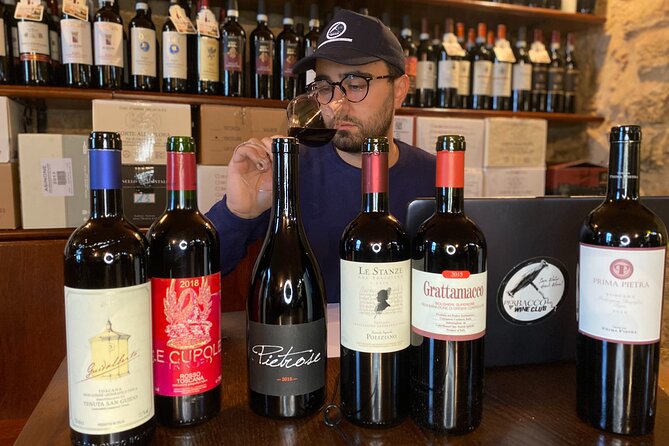
The advertised tasting includes seven Italian wines and a premium Extra Virgin Olive Oil. The focus is Tuscan wine, but the selection can include wines from other Italian regions as well. Accounts of individual sessions describe seven, eight, or nine wines, so the exact lineup is not fixed.
That variation is a plus for repeat visitors, but it means you should not expect a guaranteed bottle-by-bottle menu. The heart of the session is comparison. You may taste several expressions of Sangiovese, the key grape behind many Tuscan reds, alongside other Italian styles.
The wines named for the experience include:
- Vino Nobile di Montepulciano
- Brunello di Montalcino
- Chianti Classico
- Super Tuscan wines
The labels can sound confusing at first. Vino Nobile is tied to Montepulciano, while Brunello comes from nearby Montalcino. Chianti Classico belongs to its own defined area, and Super Tuscan wines are known for taking a less traditional route, often using grape blends or methods outside older appellation rules.
A good sommelier can turn those names into useful distinctions. You may learn why two Sangiovese-based wines taste different even when they share a grape, and how altitude, weather, soil, aging, and local rules affect the final bottle.
Some sessions have included a white wine first, several Sangiovese variations, an Amarone, and Vinsanto. That is not a promise of the exact lineup, but it shows the range possible within the Italian theme. A sweet Vinsanto can also work well with biscotti, and snacks may include local meats, cheeses, and bread.
The teaching style from Francesco, Erica, and Tassos
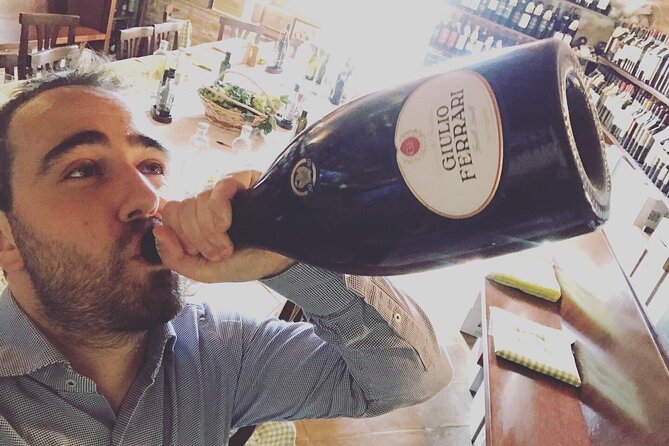
The strongest part of this experience is the guide. Francesco Maramai leads many sessions, and Erica and Tassos have also hosted tastings. The names matter because each guide brings a slightly different style, but the shared approach is clear: explain wine in plain language, encourage questions, and connect each bottle to its place and people.
Francesco is described as articulate, funny, and easy to follow in English. Erica is praised for making the tasting fun while giving thoughtful recommendations. Tassos is known for stories, humor, and a detailed explanation of terroir, weather, production, and the people behind the wines.
You do not need prior wine training. The session suits someone who simply enjoys a glass with dinner, yet it can also help a serious student. One participant preparing for a Level 2 sommelier test found the tasting useful for study because the guide addressed grapes, appellations, and regional differences.
The tone sounds more like a lively class than a stiff lecture. You can lean back and listen, or take careful notes as you go. The small-group format, when available, makes it easier to ask about acidity, tannin, sweetness, or why one bottle costs more than another.
There is also a connection to the Perbacco Wine Club. The hosts may explain the club and offer wine for shipment to your home. This is a commercial part of the experience, so keep your expectations clear. The pitch has been described as good-natured and low pressure, but you should not feel obliged to order wine or join.
More France food and drink outings:
- Paris: Seine Cruise & Crepe Tasting near the Eiffel Tower
★ 4.4 · 11,231 reviews - Bordeaux: Cité du Vin Entry Ticket and Wine Tasting
★ 4.6 · 3,885 reviews - Normandy D-Day Small-Group Day Trip with Omaha Beach, Cemetery & Cider Tasting
★ 5.0 · 2,786 reviews - Paris: Illuminated Evening River Cruise & Waffle Tasting
★ 4.1 · 2,697 reviews
Snacks, olive oil, and the value of tasting with food
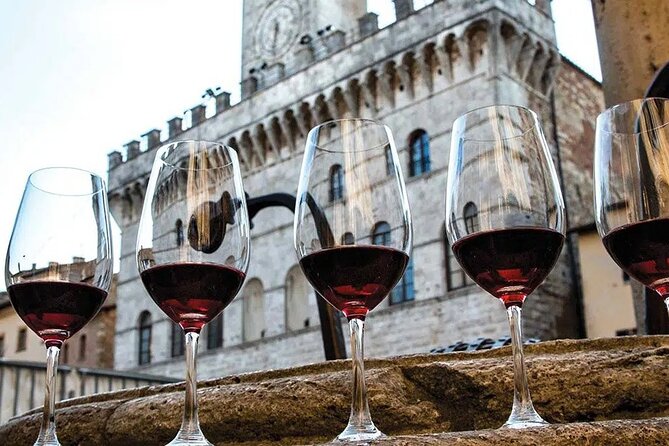
Wine makes more sense with food, and the included snacks add real value here. You receive water and small food pairings, with descriptions including cheese, cured meats, bread, and sometimes biscotti. You also taste premium Extra Virgin Olive Oil.
These are not just fillers between pours. Salt, fat, acidity, sweetness, and texture can change how you perceive a wine. A cheese may soften the effect of tannin, while bread gives your palate a reset. Olive oil offers a separate lesson in a product that is central to Tuscan food culture.
The amount and exact selection of snacks may vary, so I would not book this expecting a full meal. Think of them as generous tasting accompaniments. If you plan to stay for dinner, the food at Osteria del Borgo gives you a chance to continue the wine-and-food lesson at the same address.
This pairing is especially useful if you are new to formal tastings. You do not have to analyze every aroma in isolation. You can notice what changes when you taste the wine with cheese, meat, or bread, which is closer to how you will actually drink it at home.
What makes the experience different from a winery visit
The clearest limitation is also the easiest one to understand. You are not touring a vineyard, walking through production rooms, or meeting the producer at the estate where a wine is made.
If you want to see vines, barrels, and bottling equipment, choose a winery tour instead. A producer-led visit can give you a stronger sense of the farming and cellar work behind one specific label.
This tasting offers something different. It places several wines side by side and asks you to compare them. That is a better format if you are visiting Montepulciano for a short time, if you do not have a car, or if you want a broad lesson rather than one estate’s story.
The session can also touch on difficult subjects such as appellation rules and climate change in Tuscany. That wider view is valuable because wine regions are not frozen in the past. Weather patterns, regulations, and market choices shape what you find in the bottle.
I would choose this experience for a first visit to the area, then add a winery visit later if you have more time. The two formats complement each other rather than compete.
Is $83.27 a fair price?
At $83.27 per person, the cost is not a bargain tasting at a casual wine bar. You are paying for seven or more Italian wines, a professional guide, an aperitif, snacks, water, olive oil, and close to two hours of instruction.
The price makes the most sense if you want context. A flight of wines alone may cost less, but it will not necessarily explain the difference between Vino Nobile and Brunello, or show how regional rules shape what you taste.
I see good value for couples, small groups, and anyone who plans to buy Tuscan wine during the trip. A clear explanation can help you avoid choosing a bottle only because its name is familiar. The value is also stronger if you stay for dinner, since the tasting can serve as a useful introduction to the restaurant’s wine selection.
The price is less attractive if you mainly want to drink a couple of glasses or prefer a direct visit with a winemaker. In that case, you are paying for a class you may not use.
Practical details for your afternoon
Booking gives you an instant confirmation and a mobile ticket. The experience is offered in English, and confirmation arrives at the time of booking. It is booked well ahead on average, around 44 days in advance, so I would reserve early if your Montepulciano dates are fixed.
The maximum group size is 25 people. Most people can take part, and service animals are allowed. The meeting point is near public transportation, though the information provided does not specify a particular bus route or give detailed directions from other Tuscan towns.
Wear shoes you can manage comfortably in Montepulciano. The town is famously hilly, and the tasting includes a move to a cellar room. If you arrive late, do not panic. Tassos once helped a family settle in after arriving ten minutes late, but you should still aim for the 4 pm start so you do not miss the aperitif or the opening explanation.
Free cancellation is available up to 24 hours before the start time for a full refund. Changes or cancellations inside that window are not accepted and are not refunded. The cutoff follows local time in Italy.
Who should book this Montepulciano tasting?
I would book it if you want to understand Tuscan wine rather than simply sample it. It suits curious beginners, people who already drink Italian wine, and students preparing for wine exams.
It is also a good choice for couples who want a structured start to an evening. Begin with the terrace aperitif, move through the cellar lesson, then decide if you want dinner upstairs. The same location makes the plan easy.
You may want another type of outing if your main goal is vineyard scenery, farm visits, or meeting the person who produced each bottle. This experience is about selection, comparison, and explanation in Montepulciano’s town center.
Should you book it?
Yes, if your idea of a good wine tasting includes stories, regional detail, and a broad range of bottles. The most praised features are the guides’ warmth, their command of Tuscan wine, the generous selection, and the chance to ask questions in an intimate cellar setting.
I would book early, arrive on time, and leave room for dinner afterward. Just remember what you are buying: a well-supported wine lesson at Osteria del Borgo, not a countryside winery tour. For many people, that is exactly the point.
FAQ
Where does the wine tasting start?
It starts at Osteria del Borgo, Via Ricci 5, 53045 Montepulciano SI, Italy.
What time does the experience begin?
The tasting starts at 4 pm.
How long does the tasting last?
The stated duration is approximately one hour and 45 minutes. Some sessions have lasted around two hours or a little longer.
How many wines are included?
The experience advertises seven Italian wines. Individual sessions described in the supplied information included seven, eight, or nine wines.
Which Tuscan wines might I learn about?
The experience focuses on wines such as Vino Nobile, Brunello di Montalcino, Super Tuscan, and Chianti Classico.
Is food included?
Yes. The experience includes snacks, and descriptions specify items such as local meats, cheeses, bread, and sometimes biscotti. Water and premium Extra Virgin Olive Oil are also included.
Is the tasting offered in English?
Yes, the experience is offered in English.
What is the cancellation policy?
You can cancel at least 24 hours before the start time for a full refund. Cancellations or changes made less than 24 hours before the start are not accepted or refunded.
Recently reviewed around France
- Louvre Private Tour – The Essentials and More with Expert Guide★ 5.0 · 227 reviews
- 2CV tour by night★ 5.0 · 55 reviews
- Eiffel Tower Second or Summit Floor Access by Elevator with Views★ 3.5 · 161 reviews
- The only Paris Wine Tasting experience you need to do – 2 hours★ 5.0 · 265 reviews
- 2 Hour Street-art Walk and Space Invaders Hunt in Paris★ 5.0 · 27 reviews
- 2 hour outdoor group activity in Paris: SAINT GERMAIN★ 5.0 · 48 reviews
- Sainte-Chapelle, Conciergerie & Palais de Justice Private Tour★ 5.0 · 72 reviews
- Private 2 – Hour Paris Landmarks Tour by Golf Cart Mini Moke★ 5.0 · 38 reviews
Wine Tastings, compared.

Montmartre Hill French Gourmet Food and Wine Tasting Walking Tour
Read our review →
Loire Valley Castles Day Trip With Wine Tasting
Read our review →
Afternoon Saint-Emilion Wine Tasting & snack
Read our review →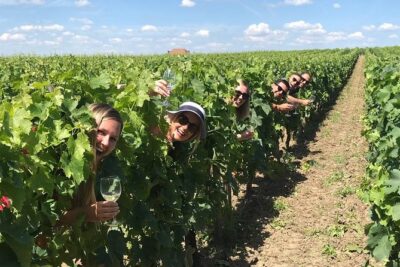
Medoc or Saint Emilion Wine Tasting and Chateau from Bordeaux
Read our review →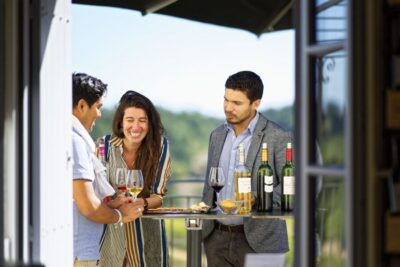
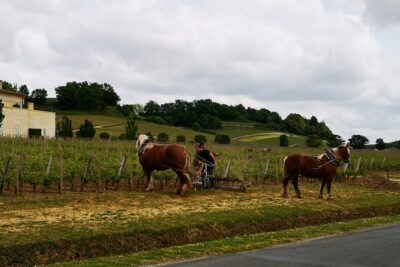
Saint Emilion Half-Day Trip with Wine Tasting & Winery Visit from Bordeaux
Read our review →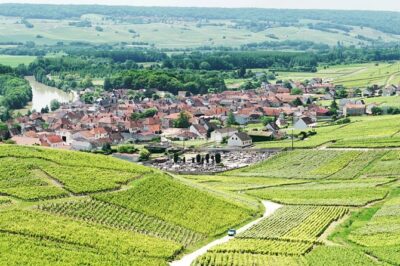
Champagne Day Trip with 6 Tastings, Reims and Winery from Paris
Read our review →Browse the lists this tour appears in