

Reviewed · LOUVRE MUSEUM TOURS
Mona Lisa & Treasures: 6-people Max Louvre Experience
The best part of this Louvre tour is that it gives you a path through one of the world’s biggest museums without reducing the visit to a quick photo of the Mona Lisa. In two hours, you’ll see major works such as the Venus de Milo, Winged Victory of Samothrace, and Liberty Leading the People, while your guide explains why they matter.
I like the six-person maximum, which makes it easier to hear, ask questions, and stay with the guide in crowded galleries. I also like the storytelling approach. Guides including Rawda, Sara, Claudia, Vincent, Blerta, and Anne Claire have been praised for making art understandable and fun, even for children.
The main limitation is time. Two hours is enough for a smart introduction, not a full Louvre visit. You’ll need to accept a brisk route, and the tour cannot accommodate wheelchair users, walking sticks, or guests with mobility impairments.
In This Review
- Key Points at a Glance
- Why a Small Louvre Tour Helps
- Getting Into the Louvre and Finding Your Bearings
- The Mona Lisa Without Making It the Whole Visit
- Venus de Milo and the Power of Sculpture
- Winged Victory and the Louvre’s Grand Spaces
- Liberty Leading the People and Art With a Political Voice
- The Stories Behind the Art
- Why Families May Find This Easier
- Languages, Group Size, and the Pace of Two Hours
- Accessibility and Practical Limits
- Is $173 Worth It for Your Louvre Visit?
- Should You Book This Louvre Tour?
- FAQ
- How long does the Louvre tour last?
- What works of art are included?
- How many people can join the small group?
- Which languages are offered?
- Does the tour include Louvre admission?
- Do I need identification?
- Can wheelchair users join the tour?
Key Points at a Glance
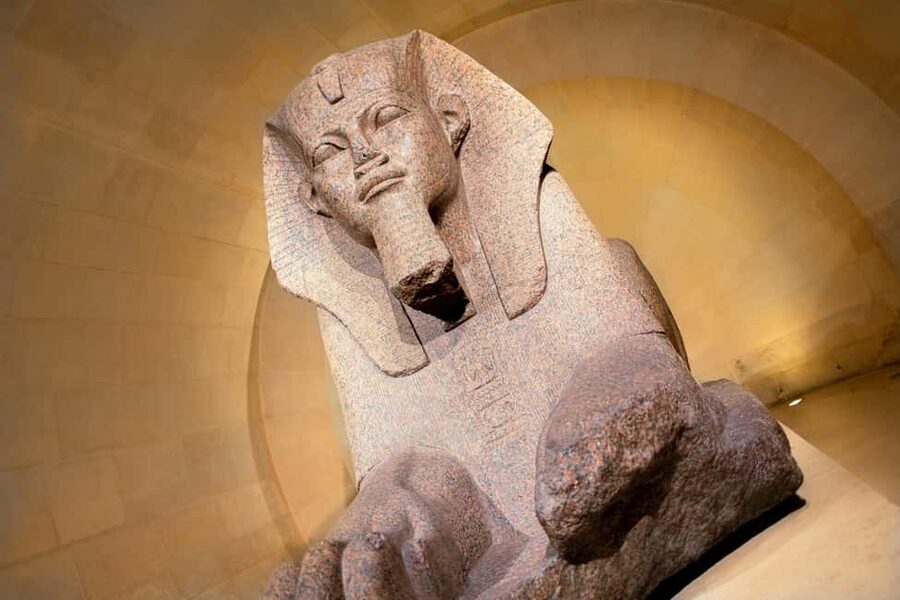
- A small group of up to six: You receive more personal attention than on a large museum walk.
- Major Louvre highlights included: Expect the Mona Lisa, Venus de Milo, Winged Victory of Samothrace, Liberty Leading the People, and other important works.
- Skip-the-line entry: A separate entrance helps you avoid the main admission queue.
- Story-led guiding: The focus is on the people, symbols, techniques, and events behind the art.
- Good for families: A guide can make the museum more engaging for children and adults alike.
- A two-hour introduction: Ideal if you want direction and context, but not enough for every department.
Why a Small Louvre Tour Helps
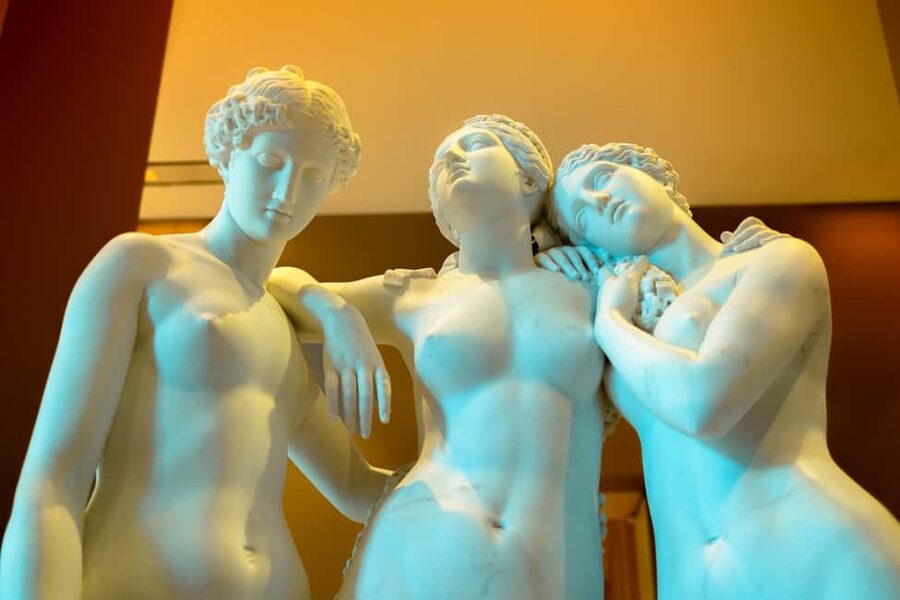
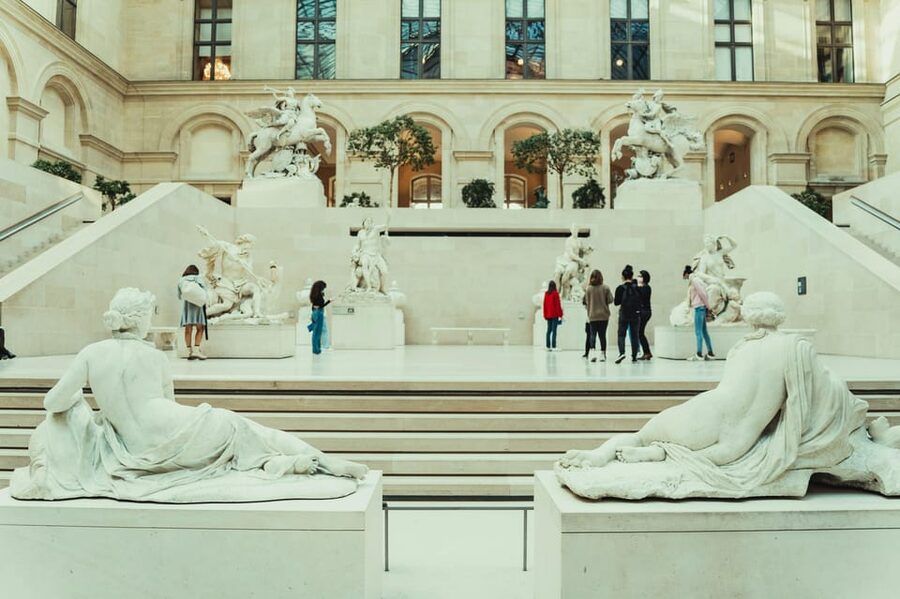
The Louvre is not simply a large museum. It is so large that an independent visit can become a march from one famous room to another, with little sense of how the pieces connect. A guide gives you an order, a pace, and a reason to pause.
The six-person limit matters most inside crowded rooms. You can stay close enough to hear, and the guide can adjust explanations to your group. If your child asks a question, or you want to know why a painting became famous, there is room for that exchange.
The experience is listed at $173 per person. That is a serious price for two hours, especially if you are traveling with a large family. The value comes from the combination of museum admission, separate entrance access, and a private or very small group setting. You are paying for direction and interpretation, not just a ticket.
I would compare this cost with the price of wandering through the Louvre without a plan. If you have only one chance to visit and want the major works explained, the tour can make the museum easier to appreciate. If you already know the collection well, or want to spend half a day moving at your own pace, a standard ticket may suit you better.
Other Paris days travellers weigh against this one:
- Paris: Louvre Museum Timed-Entrance Ticket
★ 4.6 · 71,977 reviews - Disneyland® Paris 1-Day Ticket
★ 4.6 · 49,412 reviews - Paris: Versailles Palace and Gardens Full Access Ticket
★ 4.6 · 41,579 reviews
Getting Into the Louvre and Finding Your Bearings
The tour includes admission and access through a separate entrance. That does not mean every delay disappears. The Louvre remains a busy museum, and security and entry procedures can affect the pace. Still, having a guide lead you through the arrival process is useful, particularly if this is your first visit.
Your meeting point can vary according to the option you book, so check the exact instructions before leaving your hotel. Bring a passport or identity card. The Louvre requires the first and last name of every participant, so enter each name carefully when booking.
Large bags and oversize luggage are not allowed. Pack lightly and avoid arriving with anything you may have trouble carrying through a crowded museum.
Once inside, your guide helps you get oriented. This is more valuable than it sounds. The Louvre’s size can make you lose time on corridors, stairs, and wrong turns. A guide such as Rawda was praised for moving the group efficiently while still explaining both the building and its collection.
The Mona Lisa Without Making It the Whole Visit
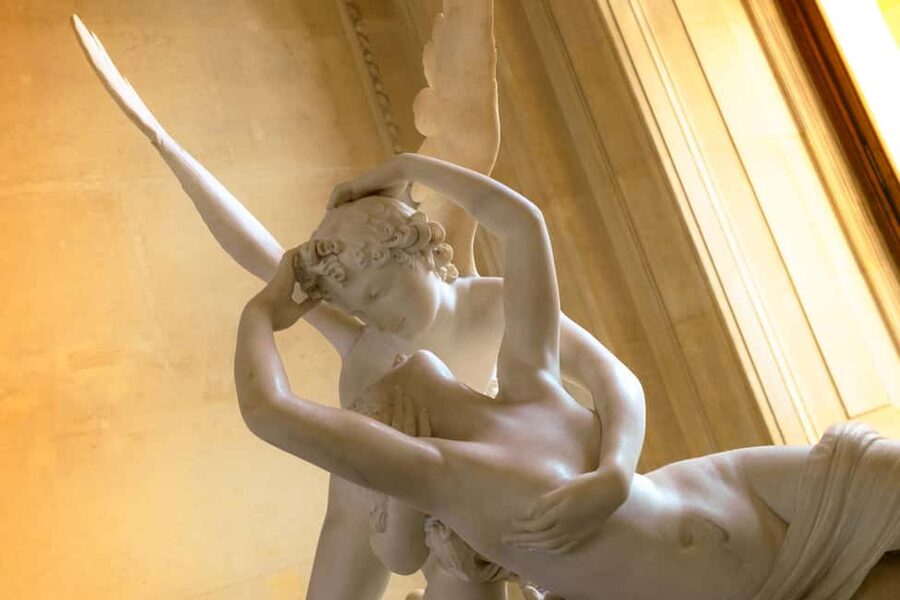
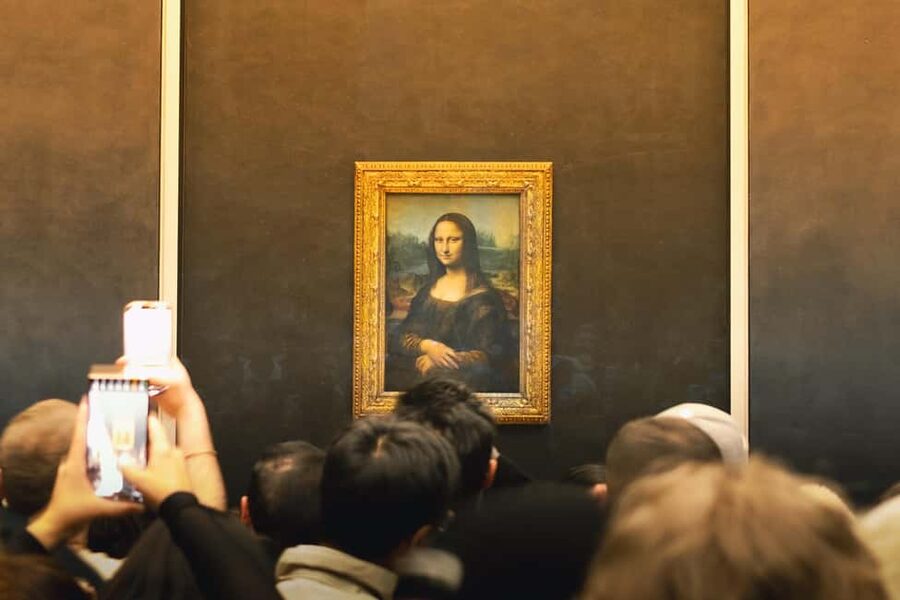
The Mona Lisa is the obvious star, and this tour does take you to it. You should expect crowds around the painting and limited time close to the front. The useful part is not simply reaching the room. It is hearing why the painting has such a powerful hold on public attention and what to notice beyond the familiar smile.
A guide can also keep the visit from becoming a one-picture mission. The Mona Lisa is small compared with many of the Louvre’s grand paintings, and the room around it can feel hectic. After seeing it, the tour moves your attention toward works that are easier to study and often just as rewarding.
This is where the guide’s skill matters. The strongest experience will not be a list of dates and names. It will be a short explanation that helps you look at a painting differently. Several guides have been praised for adding humor, personal insight, and clear explanations rather than simply reciting facts.
If the Mona Lisa is your only goal, you may not need a two-hour guided experience. If you want to understand why it sits at the center of the Louvre visit, the added context is more useful.
Venus de Milo and the Power of Sculpture
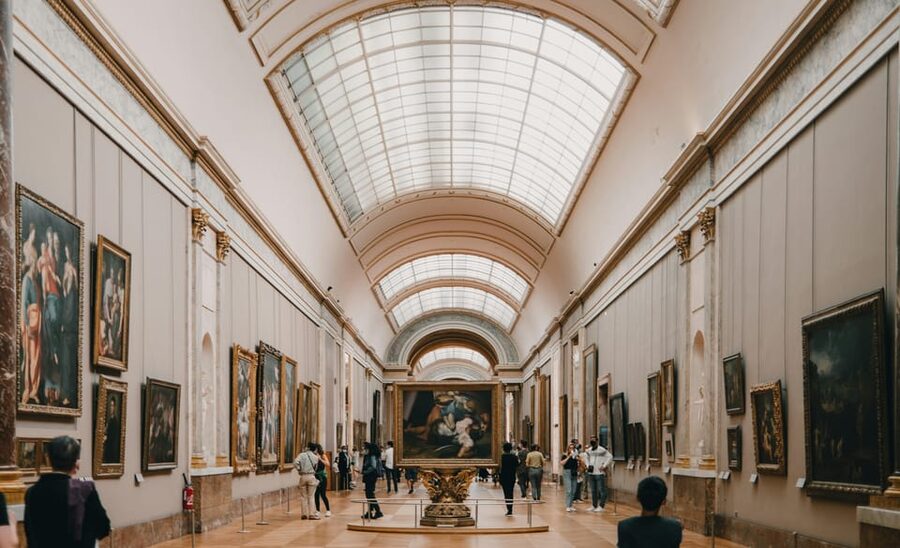
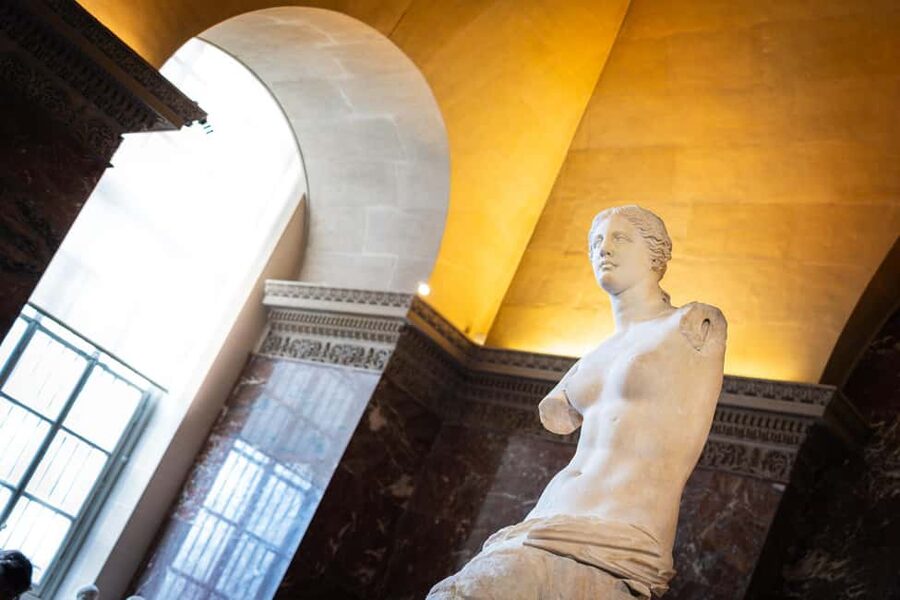
The Venus de Milo offers a different kind of stop. Instead of studying a painted face or a crowded historical scene, you look at a sculpture whose missing arms have become part of its fame. The tour uses major sculptures like this to show how the Louvre’s collection reaches across civilizations and artistic periods.
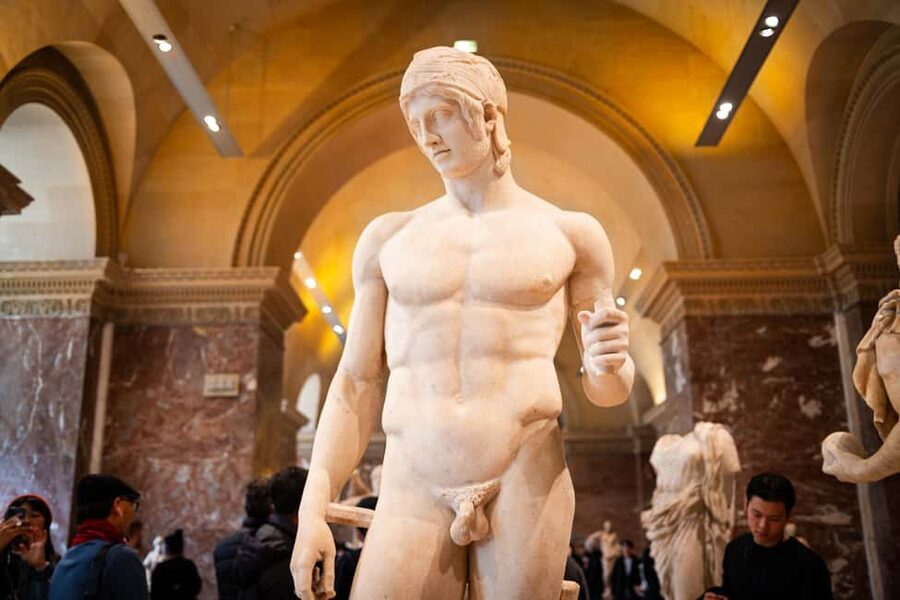
You can expect your guide to discuss the work’s visual effect and the questions it raises. How was the figure meant to be seen? What does the pose suggest? Why does a damaged statue remain so compelling? Those prompts help you look rather than simply recognize.
Sculpture is also a good way to keep a mixed-age group interested. Children can respond to a figure’s pose and expression before they know anything about the period. Adults can then add the historical and artistic context.
The drawback is that popular sculpture rooms can be crowded. A six-person group is easier to manage than a large crowd, but you should not expect private silence around the most famous works.
A different way to spend the day, same corner of France:
- Paris: Evening River Cruise with Music
★ 4.4 · 22,721 reviews - Paris: Eiffel Tower Entry Ticket with Optional Summit Access
★ 4.4 · 20,035 reviews - Paris: Eiffel Tower Summit or Second Floor Access
★ 4.3 · 17,248 reviews - Paris: Louvre Guided Tour with Reserved Access & Boat Cruise
★ 4.3 · 16,353 reviews
Winged Victory and the Louvre’s Grand Spaces
The Winged Victory of Samothrace is one of the Louvre’s great visual experiences. Its position on a monumental staircase gives the sculpture a sense of motion and drama before your guide says a word. It is the sort of work that rewards a pause.
Here, the setting matters as much as the object. You can take in the sweeping stairway, the figure’s forward movement, and the way the sculpture seems to meet the viewer from above. A guide can point out details that are easy to miss when you are concentrating on taking a photograph.
This stop also shows why a planned route helps. The Louvre’s best works are not arranged like a tidy checklist. A guide who knows the museum can bring you to a major piece, explain its place in the collection, and move on before the group loses energy.
The two-hour limit may mean you get only a short period at each stop. That is a fair trade if you want a first look at several famous works. It is less suitable if you prefer to sit with one sculpture for twenty minutes.
Liberty Leading the People and Art With a Political Voice
Liberty Leading the People brings painting and public events together. The work is more than a dramatic figure holding a flag. It carries political meaning, symbolism, and the emotional force of a particular moment in French history.
This is the kind of painting that benefits from a guide’s explanation. You might notice the central figure first, then the people around her, the movement of the scene, and the contrast between triumph and loss. Your guide can help you connect those details without turning the stop into a long lecture.
For many visitors, this is where the Louvre becomes easier to understand. You are not just looking at attractive objects. You are seeing how art can shape ideas about nation, freedom, conflict, and public memory.
Guides such as Claudia have been praised for explaining subtle details about both the museum and the works. That sort of added context is particularly helpful here, because a quick photograph will not tell you much about what you are seeing.
The Stories Behind the Art
The tour’s main strength is interpretation. You will hear stories about the works, the museum, and the civilizations represented in its rooms. The exact route can vary, but the promised focus is the Louvre’s major highlights with attention to lesser-known artifacts along the way.
I would not expect every stop to be a secret corner of the museum. The tour is built around famous works, and that is sensible for a first visit. The added value is the detail between the headline pieces.
A guide may point out an overlooked symbol, explain how an artist created a particular effect, or share an unusual fact about the building. One guide’s background as a visual artist added another layer of insight for a visitor who wanted to understand how the works were assessed, not just when they were made.
The tone also appears to be part of the experience. Vincent was praised for using humor and improvising when a microphone failed. Blerta was described as passionate, informed, and funny. Sara was singled out for making navigation easy while keeping the stories entertaining. Those details suggest that guide quality can shape your visit as much as the route itself.
Because guides may be assigned according to availability, you cannot assume you will receive a particular person. Still, the repeated praise for guides including Rawda, Aida, Amehd, Amelie, Anne Claire, Claudia, Sara, Vincent, and Blerta points to a strong emphasis on presentation.
Why Families May Find This Easier
The Louvre can be hard work for children. Long corridors, unfamiliar names, and rooms full of paintings can cause attention to fade quickly. A guide can turn the visit into a series of questions and stories instead of a silent walk past framed objects.
One parent visited with a 12-year-old and found that the explanations made the art far more approachable. That is a useful clue for families. You are not required to arrive with an art background, and the guide can explain what you are looking at in plain language.
The small group also helps parents stay involved. You can ask for a simpler explanation, request a little more time at a work, or let the guide know when the group needs to keep moving.
There is still no promise that every child will enjoy two hours in a museum. The route includes major art and historical explanation, so families should consider their child’s patience. The interactive style helps, but it does not remove the need for breaks and realistic expectations.
Languages, Group Size, and the Pace of Two Hours
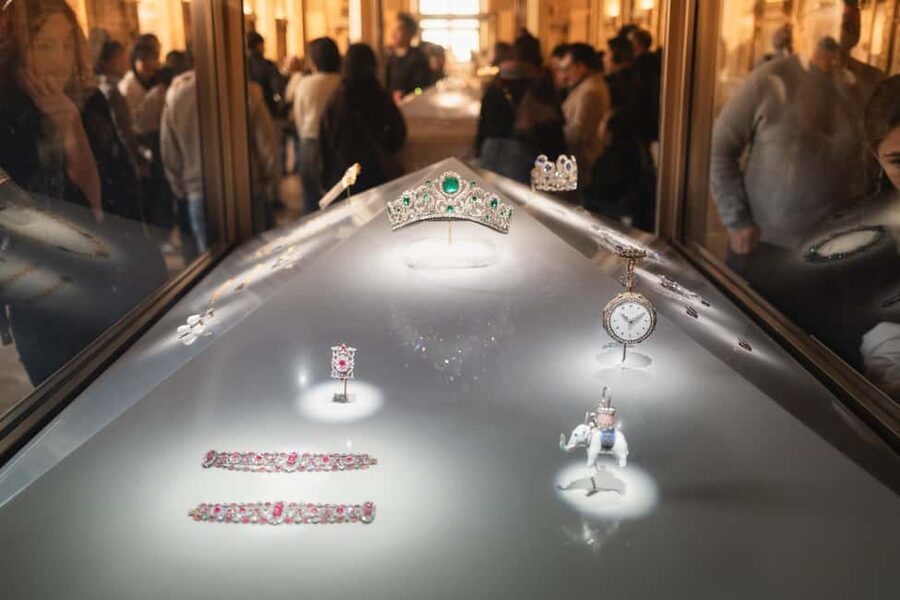
Tours are available in English, Spanish, and French. Check the language when you select your option, since a clear guide is essential when the tour depends on stories and explanation.
The experience may be offered privately or in a small group, with a maximum of six people for the advertised format. If you are lucky enough to have fewer participants, the visit can feel almost like a personal museum lesson. One booking had only two people attend, creating extra room for questions and individual attention.
Two hours is a useful length for a first orientation. You can see the principal works, learn how to read a few pieces, and still have energy left for the rest of your day. It is not enough to cover the Louvre’s full collection, and you should not book it expecting that.
A good plan is to treat the tour as your introduction, then remain in the museum afterward if permitted by your admission arrangements. One family had plenty of time to look around independently after the guided portion. If you want to continue, ask the guide or tour operator about the current arrangements for staying inside.
Accessibility and Practical Limits
This tour is not suitable for wheelchair users. Walking sticks and mobility-impaired participants cannot be accommodated on the standard experience, and refunds are not possible for such cases on the day of the tour.
If you need personalized care, the private option is recommended in the activity information, but you should confirm suitability before booking. Do not assume that choosing a smaller group automatically solves access needs.
The passport or identity-card requirement is simple but important. The museum asks for the first and last name of every participant, and missing or incorrect details may create problems at entry.
Cancellation is flexible up to 24 hours before the tour for a full refund. You can also reserve now and pay later, which helps if your Paris schedule is still shifting. Starting times depend on availability, so check the date and hour before committing to other plans.
Is $173 Worth It for Your Louvre Visit?
At $173 per person, this is not a budget museum ticket. I would see it as a time-saving and interpretation package. You receive entry, separate entrance access, a live guide, a small group, and a focused route through the Louvre’s major works.
The price makes the most sense for first-time visitors, families, couples, and friends who want structure. It is also useful if you feel intimidated by the museum’s size or if you want someone else to handle navigation.
The value is weaker for repeat visitors who already know where they want to go. It is also less attractive if you want to spend several hours in one department, sketch, read every label, or explore at a slow personal pace.
A strong guide can make the difference. The best experiences described by visitors were not praised only for reaching the famous paintings. They were remembered because the guide explained art clearly, kept the mood lively, and made a crowded museum feel manageable.
Should You Book This Louvre Tour?
Book it if you want to see the Louvre’s essential works without wandering blindly, and if you value stories more than simply collecting photographs. The six-person limit is the main reason to choose this option over a large group, especially for families or anyone who wants to ask questions.
I would skip it if you need wheelchair access, dislike a set pace, or already have a detailed Louvre plan. For everyone else, the tour offers a practical first look at a famously overwhelming museum, with enough time afterward to decide what deserves a longer visit.
FAQ
How long does the Louvre tour last?
The tour lasts two hours. Starting times depend on availability.
What works of art are included?
The tour includes the Mona Lisa, Venus de Milo, Winged Victory of Samothrace, Liberty Leading the People, and other Louvre highlights and artifacts.
How many people can join the small group?
The advertised small-group experience is limited to six people. Private options are also available.
Which languages are offered?
Live guiding is available in English, Spanish, and French.
Does the tour include Louvre admission?
Yes. Admission to the Louvre and guided access to its highlights are included.
Do I need identification?
Yes. Bring a passport or identity card, and provide the first and last name of every participant as requested by the Louvre.
Can wheelchair users join the tour?
No. Wheelchair users, people using walking sticks, and guests with mobility impairments cannot be accommodated on this tour. A private option is recommended for personalized attention, but you should confirm suitability before booking.
Recently reviewed around Paris
- Louvre Private Tour – The Essentials and More with Expert Guide★ 5.0 · 227 reviews
- 2CV tour by night★ 5.0 · 55 reviews
- Eiffel Tower Second or Summit Floor Access by Elevator with Views★ 3.5 · 161 reviews
- The only Paris Wine Tasting experience you need to do – 2 hours★ 5.0 · 265 reviews
- 2 Hour Street-art Walk and Space Invaders Hunt in Paris★ 5.0 · 27 reviews
- 2 hour outdoor group activity in Paris: SAINT GERMAIN★ 5.0 · 48 reviews
- Sainte-Chapelle, Conciergerie & Palais de Justice Private Tour★ 5.0 · 72 reviews
- Private 2 – Hour Paris Landmarks Tour by Golf Cart Mini Moke★ 5.0 · 38 reviews
Louvre Museum Tours, compared.


Louvre Guided Tour with Reserved Access & Boat Cruise
Read our review →
Louvre Museum Masterpieces Guided Tour with Access
Read our review →
Louvre Museum Entry Ticket With Host and River Cruise
Read our review →
Priority Access Louvre with Host -Direct to Mona Lisa
Read our review →
Mona Lisa & Louvre Masterpieces Tour with Reserved Access
Read our review →
Louvre Museum – Exclusive Guided Tour (Entry Included)
Read our review →
Louvre Reserved Ticket and River Cruise Combo
Read our review →Browse the lists this tour appears in