
Reviewed · LOUVRE MUSEUM TOURS
Paris: Louvre Masterpieces Tour with Pre-Reserved Tickets
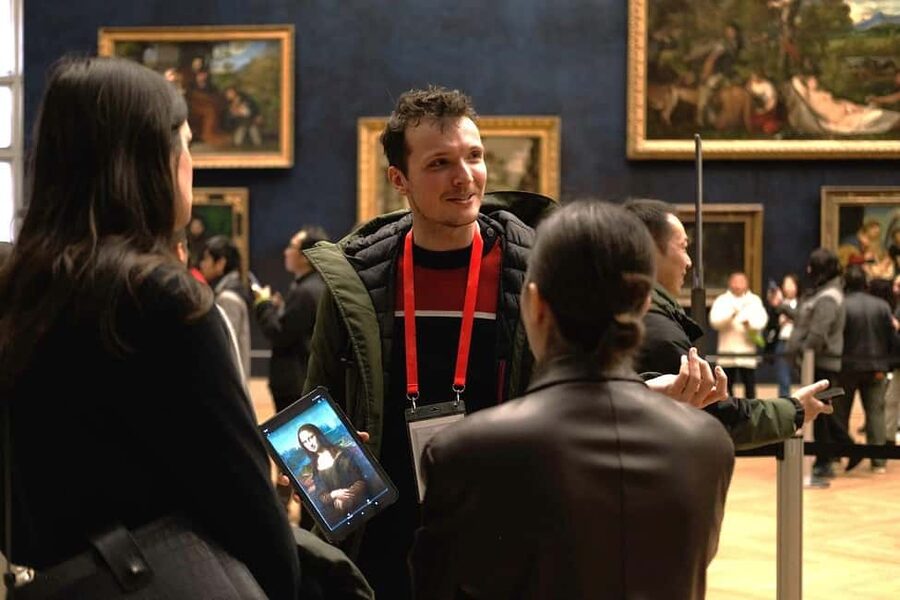
The best thing about this Louvre tour is that it gives you a clear path through a museum that can otherwise feel like a small city with paintings. In two hours, a guide leads you to the Mona Lisa, Venus de Milo, and Winged Victory of Samothrace, along with major works by Michelangelo, Delacroix, and David.
I like the six-person limit, which makes it easier to hear the guide and ask questions. I also like the timed, pre-reserved entry and the chance to remain inside afterward. The main caution is timing: tickets expire within five to ten minutes, and you cannot join once the tour has begun.
In This Review
- Key points to know before booking
- Why a small Louvre tour makes sense
- Meeting at Café Le Nemours
- Entering through the Louvre Pyramid area
- The Mona Lisa and the Italian Renaissance
- Ancient sculpture: Venus de Milo and Winged Victory
- French Romanticism and political drama
- The Louvre as a palace, not just a gallery
- Psyche Revived by Cupid’s Kiss and the neoclassical rooms
- Two hours, then your own Louvre plan
- Is $152 a fair price?
- Who should book this Louvre experience?
- Small details that can make the day easier
- Should you book it?
- FAQ
- How long does the Louvre tour last?
- How many people are in the small group?
- Which Louvre artworks are included?
- Where is the meeting point?
- Which Metro station is closest?
- Is museum security included in the reserved entry?
- Can I join if I arrive late?
- What should I bring?
- Can I bring luggage or a large bag?
- Is the tour suitable for wheelchair users?
Key points to know before booking
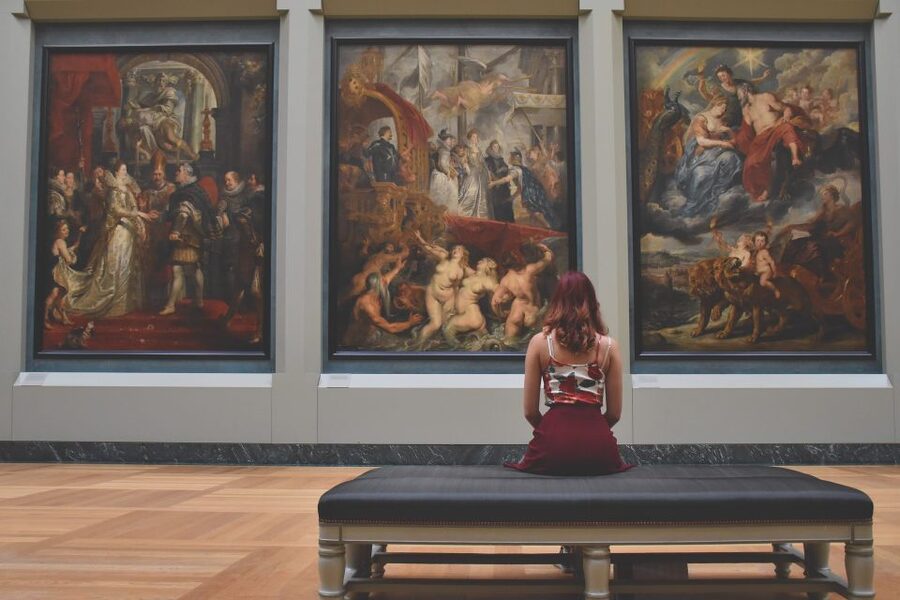
- Six people keeps the tour personal: The small group size lets the guide adjust explanations and answer questions without the feel of a large museum crowd.
- The route hits the famous works: Expect the Mona Lisa, Venus de Milo, Winged Victory, Wedding Feast at Cana, The Raft of the Medusa, and more.
- Reserved entry saves valuable time: You avoid the standard ticket queue, though everyone still passes through museum security.
- Your ticket remains useful after the tour: You can continue exploring inside the Louvre when the two-hour guided portion ends.
- The meeting point is easy to locate: Meet outside Café Le Nemours near Palais Royal Metro, Exit 5, Place Colette.
- The pace suits first-time visitors: You see a sensible group of highlights without trying to cover the entire museum in one exhausting sprint.
Why a small Louvre tour makes sense
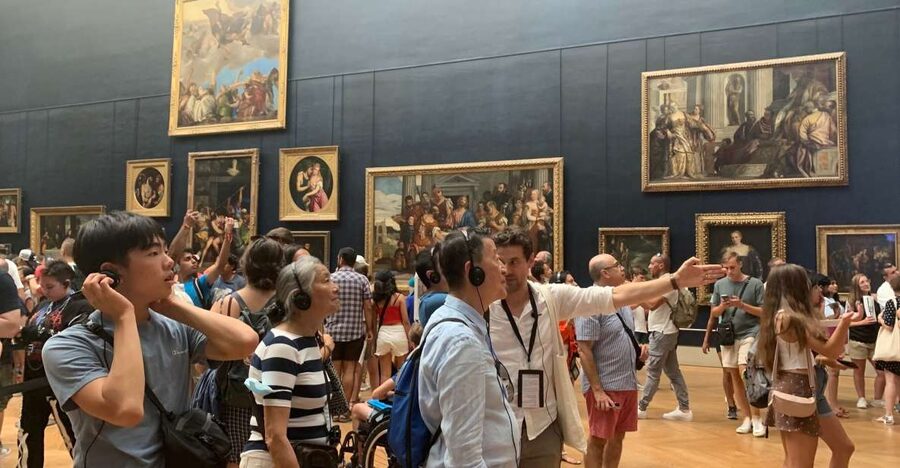
The Louvre is not simply a large museum. It is a former royal palace with eight departments and roughly 35,000 artworks on display. You could spend days here and still miss important rooms, but most first visits come with a shorter wish list: Leonardo, ancient Greek sculpture, French painting, and the grand rooms themselves.
That is where this two-hour format earns its keep. I would not choose it if my main goal were quiet, unhurried study of dozens of paintings. I would choose it if I wanted a strong first orientation, a sensible route, and enough background to understand why the famous works matter.
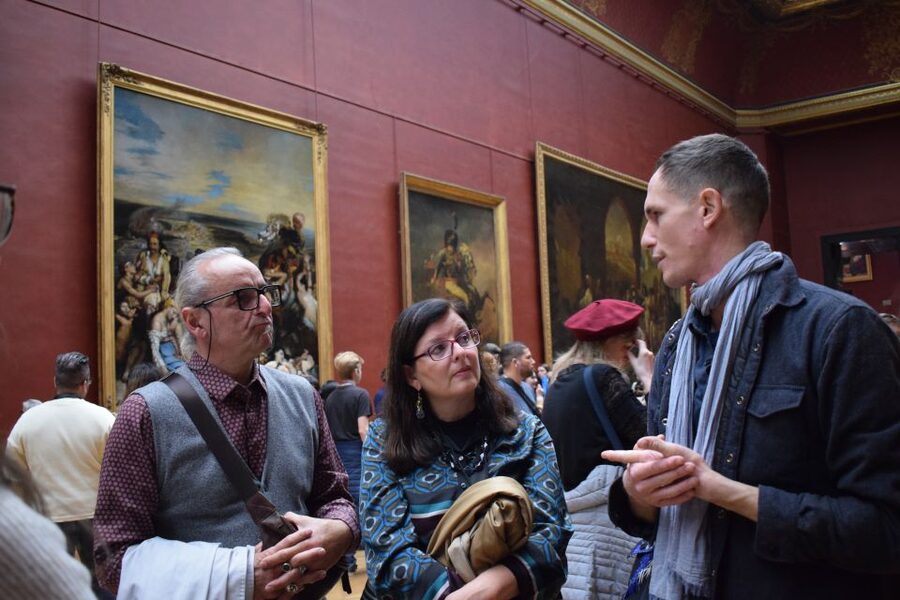
The group size is especially important. With up to six people, you are more likely to stay close to the guide and hear the explanation in crowded galleries. Guides such as Jerome, Matteo, Iason, Ashkan, Maryam, Laura, and Alban have been praised for making the art clear, adding humor, and adjusting the discussion to the group. Several guides have also kept children involved, which matters when the Mona Lisa is only one stop in a very long museum visit.
The small format does not guarantee an empty gallery. The Louvre can be crowded, and the room around the Mona Lisa is often busy. Still, a good guide can help you move through the building with purpose rather than wasting half your visit checking maps and retracing corridors.
More Paris trips worth a second look
- Paris: Louvre Museum Timed-Entrance Ticket
★ 4.6 · 71,977 reviews - Disneyland® Paris 1-Day Ticket
★ 4.6 · 49,412 reviews - Paris: Versailles Palace and Gardens Full Access Ticket
★ 4.6 · 41,579 reviews
Meeting at Café Le Nemours
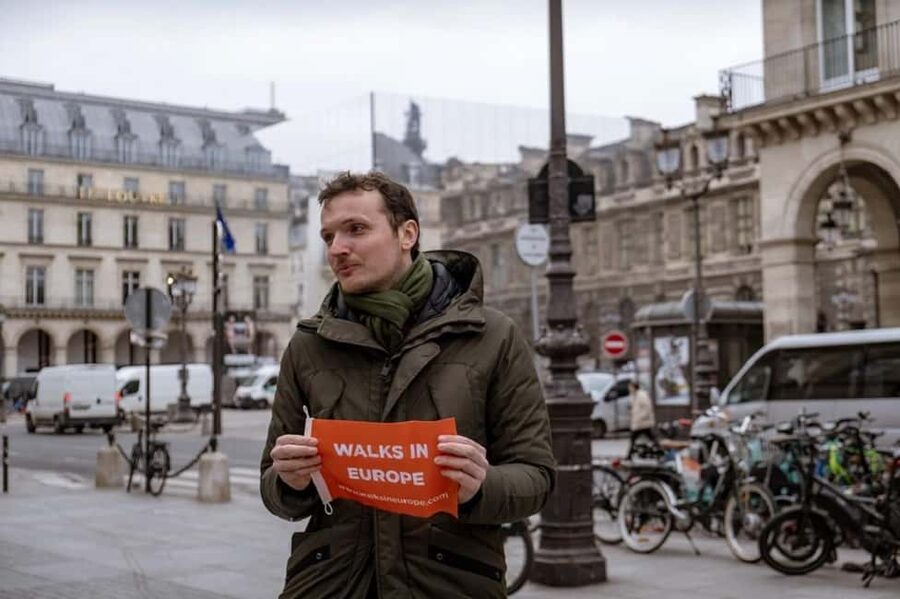
The tour begins in front of Café Le Nemours, a classic café near the Louvre and Palais Royal. Look for a guide holding a sign marked Walks In Europe.
The nearest Metro stop is Palais Royal. Use Exit 5, Place Colette. When you come out, turn around and Café Le Nemours should be visible. This is one of those places where a few minutes of preparation pays off. Paris has several nearby entrances, plazas, and café terraces, so do not simply head toward the first Louvre sign you see.
Leave extra time for traffic and public transportation. The group cannot be admitted after the tour starts, and timed tickets expire within five to ten minutes. That rule is strict for a reason: the museum assigns entry windows, and a late arrival can disrupt the entire group.
Bring a valid passport or ID card. You will need to pass through security, and large bags, luggage, umbrellas, and mobility scooters are not allowed. The tour is not suitable for wheelchair users or people with mobility impairments.
Entering through the Louvre Pyramid area
The glass Pyramid is listed as a pass-by point rather than a long photo stop. Even so, it gives you a useful first look at the Louvre’s modern entrance and the scale of the palace around it.
The important practical detail is the separate, reserved entry. This helps you avoid the regular ticket line, which can be long during the high season. It does not mean you skip every delay. All visitors still go through security, and that line may also take time.
Once inside, the guide takes over the navigation. That is the real advantage. The Louvre’s departments are spread across huge wings, and the shortest route between two famous works is not always obvious. You will spend more of your two hours looking at art and less of it trying to figure out where you are.
The Mona Lisa and the Italian Renaissance
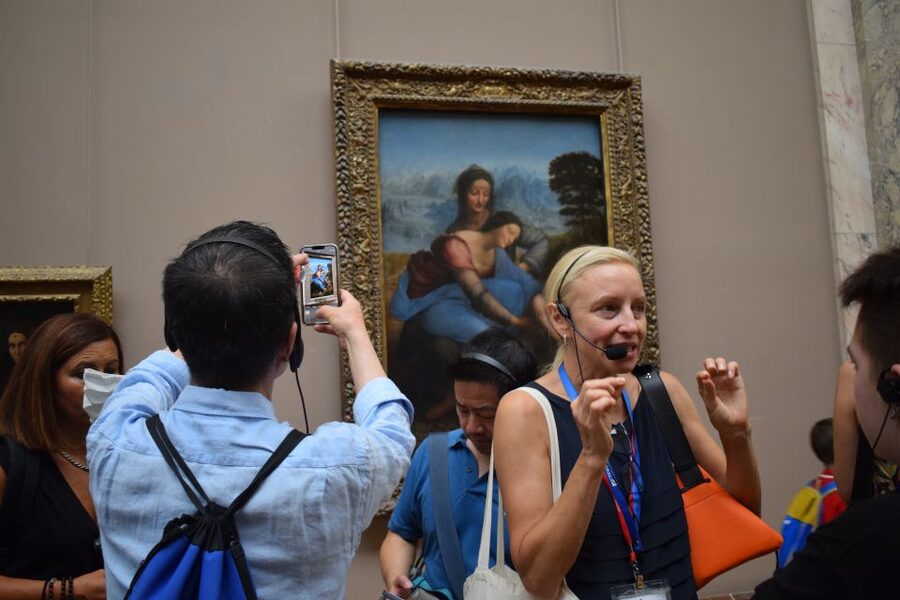
Leonardo da Vinci’s Mona Lisa is the stop most people expect, but it is best approached with realistic expectations. You may encounter a crowd, a barrier, and a short viewing opportunity rather than a quiet moment alone with the painting.
A guide adds value here by giving you context before you reach the room. Instead of seeing only a famous face behind a crowd, you learn how to look at the painting’s expression, pose, setting, and technique. The explanation can turn a quick glimpse into a more informed one.
The Italian Renaissance portion also includes Paolo Veronese’s Wedding Feast at Cana, one of the Louvre’s enormous paintings. It provides a useful contrast with the Mona Lisa. Leonardo’s small portrait demands close attention, while Veronese’s vast canvas fills your field of vision with figures, architecture, color, and ceremony.
The route includes Michelangelo’s Slaves as well. These unfinished sculptures give you a different way to think about the artist’s work. A strong guide can point out how the figures appear to emerge from the stone and explain why unfinished sculpture can still be powerful.
This section is not only a parade of famous names. It creates a basic lesson in how artists handled scale, religious subjects, portraiture, and the human body. That foundation helps you understand later works in the museum.
A different way to spend the day, same corner of France:
- Paris: Evening River Cruise with Music
★ 4.4 · 22,721 reviews - Paris: Eiffel Tower Entry Ticket with Optional Summit Access
★ 4.4 · 20,035 reviews - Paris: Eiffel Tower Summit or Second Floor Access
★ 4.3 · 17,248 reviews - Paris: Louvre Guided Tour with Reserved Access & Boat Cruise
★ 4.3 · 16,353 reviews
Ancient sculpture: Venus de Milo and Winged Victory
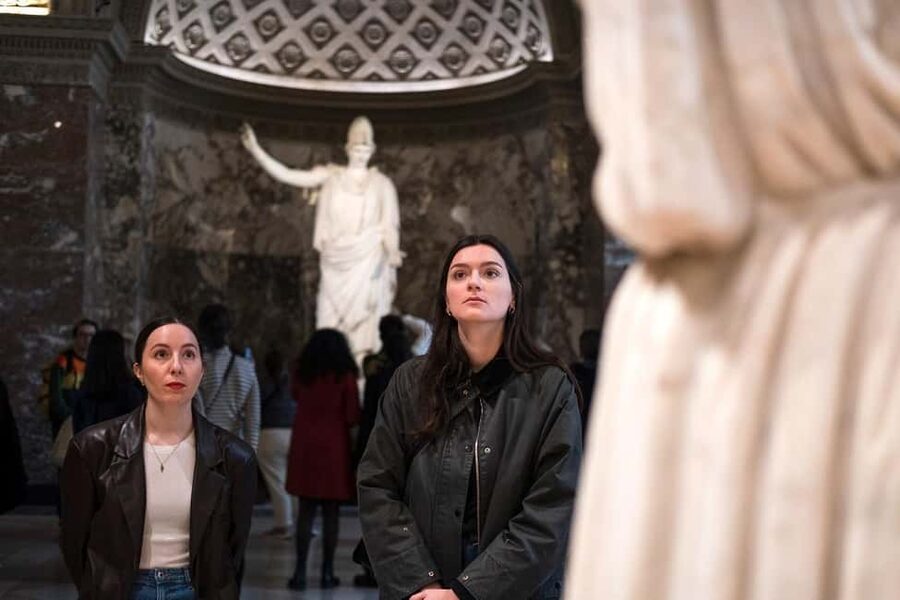
The Venus de Milo is one of the Louvre’s most recognizable ancient sculptures. Missing arms have become part of its identity, but the sculpture’s value goes beyond the mystery of what those arms once held. The pose, balance, drapery, and idealized body show how ancient sculpture shaped later European art.
Winged Victory of Samothrace offers a very different experience. Rather than meeting you at eye level in a quiet pose, the winged figure rises dramatically at the top of a staircase. The staircase itself forms part of the presentation, and the sculpture’s forward movement is easy to feel even without knowing every technical detail.
I especially like having these two sculptures included because they give the tour visual variety. After crowded rooms of paintings, ancient marble lets you focus on form, motion, and space. The guide can also connect these works to the long history of collecting and display that made the Louvre such a central museum.
The route does not attempt to explain every sculpture in the building. That restraint is useful. Two hours is enough for a thoughtful introduction, not an exhaustive survey of Greek and Roman art.
French Romanticism and political drama
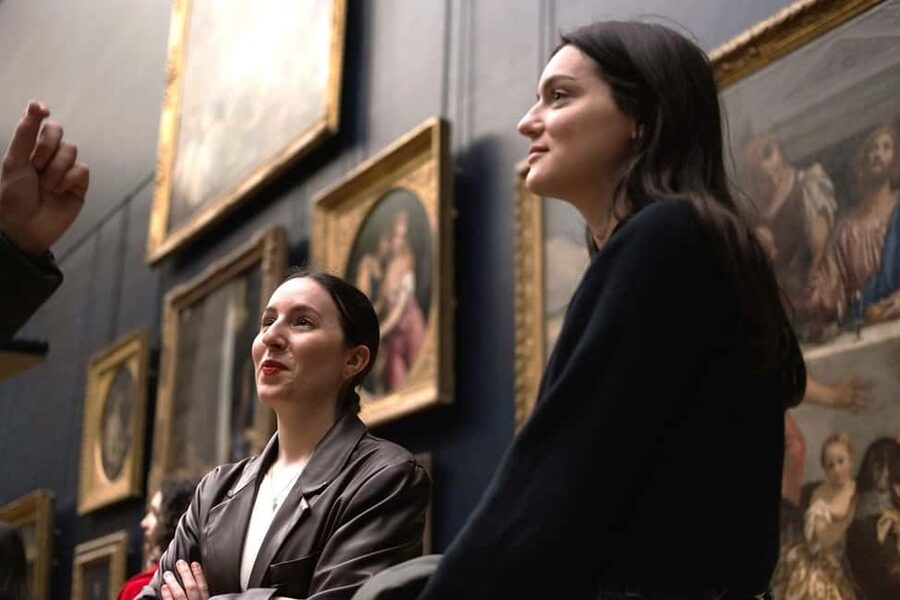
The French paintings bring a different mood. Théodore Géricault’s The Raft of the Medusa is large, emotional, and difficult to ignore. Its stormy scene and desperate figures turn a political disaster into a theatrical painting. This is the sort of work that benefits from explanation because the historical event, composition, and public reaction are closely tied together.
Eugène Delacroix’s Liberty Leading the People adds another layer of French political imagery. The painting is often recognized by the figure of Liberty carrying the flag, but the guide can help you see the mixture of allegory and contemporary conflict. It is not merely a battle scene. It is a statement about revolution, national identity, and the power of an image.
Jacques-Louis David’s Coronation of Napoleon shifts the tone again. Here, ceremony and authority take center stage. The scale and detail invite you to look at who is present, where they are placed, and how the painting presents power.
These three works give you a compact lesson in French Romanticism and Neoclassicism. You are not just seeing attractive pictures. You are seeing how artists used drama, historical events, public ceremony, and symbolism to influence how people understood France.
The Louvre as a palace, not just a gallery
One of the tour’s strengths is that it treats the building as part of the story. The Louvre began as a fortress and later became a royal palace before turning into a public museum. Its rooms, staircases, ceilings, and decorative schemes help explain why the museum feels so different from a modern white-walled gallery.
The Caryatids and Salon Carré are two good examples. The Caryatids draw your eyes upward and show how architecture can frame sculpture and ceremony. The Salon Carré offers a more refined gallery setting, with a sense of order and grandeur that reflects the Louvre’s former royal role.
These stops may not be the first things on your list, but they keep the tour from becoming a race between celebrity artworks. A guide can use the rooms to explain how the museum was built, expanded, and presented to the public. That background helps you understand why getting lost in the Louvre can be part of the experience, but not necessarily the best use of your first two hours.
Psyche Revived by Cupid’s Kiss and the neoclassical rooms
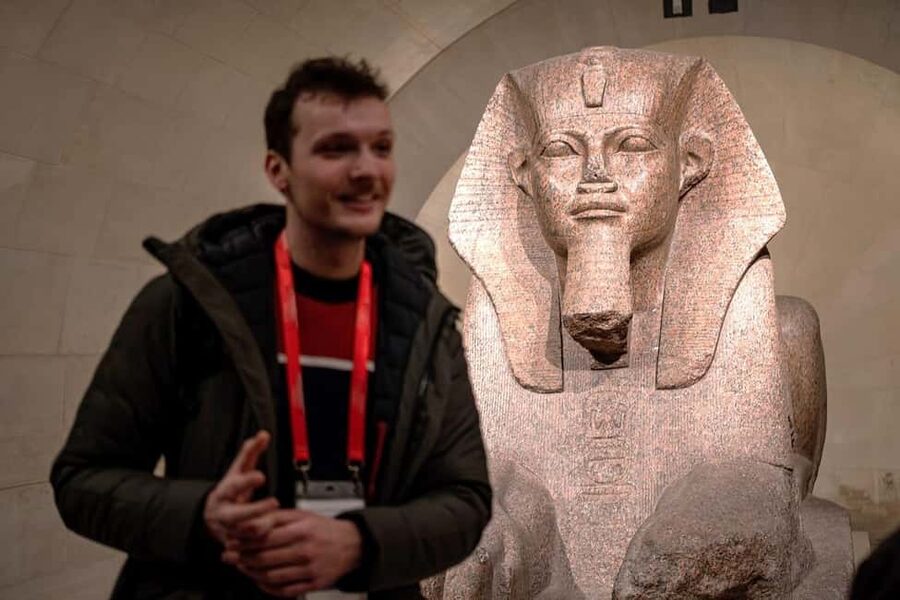
Antonio Canova’s Psyche Revived by Cupid’s Kiss brings the tour into the polished world of Neoclassical sculpture. The figures appear to be caught in a tender, carefully balanced moment, and the smooth marble rewards close looking.
This is a useful pause after the forceful political paintings. Instead of flags, crowds, and public conflict, you get a private mythological scene built around grace and touch. The work also shows how artists returned to ancient Greek and Roman ideals while giving them a more delicate emotional quality.
The surrounding rooms offer another chance to appreciate the building itself. You might find that the grand decoration competes with the art for your attention. That is part of the Louvre’s character, but it can also be tiring. The guide’s job is to direct your attention without making every ceiling, doorway, and painting feel like another required stop.
Two hours, then your own Louvre plan
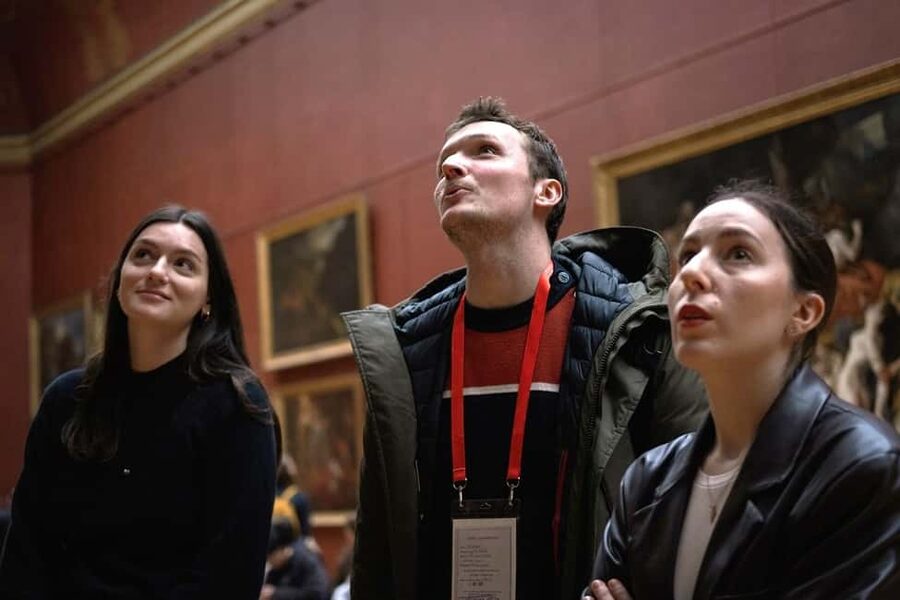
Two hours is a sensible length for the guided portion. It is long enough to reach the major highlights and build a story, but short enough that you can still enjoy the rest of your day in Paris.
The itinerary is designed around essential works rather than total coverage. You should not expect to see every department, every famous painting, or every room in the museum. One visitor wished for more sections, and that is a fair limitation to recognize. The Louvre is simply too large for a full introduction in two hours.
The useful part is that your museum ticket remains valid after the guided tour. You can continue inside and explore at your own pace. This gives you a chance to return to a favorite painting, visit a department not included in the route, or see the Napoleon III apartments, which one guide specifically recommended to a participant.
Plan your energy carefully. The tour may move at a steady pace through crowded galleries, and the museum’s size means plenty of walking. If you have a special painting in mind, tell the guide early. Guides have sometimes adjusted the route to include a requested work when time and access allowed.
Is $152 a fair price?
At $152 per person, this is not a bargain museum entry. You are paying for the guide, the small group, the reserved ticket, and the time saved at one of Paris’s busiest attractions.
The value is strongest for a first visit, a short stay, or a family that wants structure. If you are in Paris for only a few days, spending hours lost in the Louvre can be costly in its own way. A focused route lets you see the major works, understand their place in art history, and then decide what deserves a second look.
The value is also better when the group actually stays small. The listed format allows up to six people, though a larger booking may be split into separate groups of six at the meeting point. A private option is also available, but the supplied price is for the experience described here, not necessarily for a fully private group.
You may find a cheaper way into the Louvre if you are comfortable arranging timed admission and planning your own route. The tradeoff is that you must handle the museum’s scale, crowds, and interpretation yourself. For many people, the guide is the part that makes the price worthwhile.
Who should book this Louvre experience?
I would recommend it to first-time Louvre visitors who want the famous works without feeling overwhelmed. It is also a good choice for families, since several guides have kept children around ages 10 and 11 interested with stories, questions, and humor.
It suits people who enjoy art but do not have a strong background in French or Italian painting. The guide explains the visual details and the political or religious setting, so you can look at the works with more confidence afterward.
It may not suit you if you prefer to wander alone, spend 30 minutes with one painting, or focus on a department outside the main highlights. The two-hour route is purposeful. You will cover a lot, but you will not linger everywhere.
The experience is also a poor fit for anyone with significant mobility limitations. Wheelchair users and people with mobility impairments are specifically excluded, and the museum’s size adds to the physical demand.
Small details that can make the day easier
Book with enough time to reach Café Le Nemours. Paris traffic can be unpredictable, and the ticket window is not forgiving. Arrive with your passport or ID, keep bags small, and avoid bringing an umbrella or bulky luggage.
If the Louvre closes without notice because of a strike, the activity information says there will not be a refund. That is an unpleasant risk, but it is worth knowing before you pay.
Free cancellation is available up to 24 hours before the tour, and you can reserve now and pay later. The tour is offered in English and German. Tips for the guide are appreciated but are not included.
Should you book it?
Book this tour if you want a well-paced first look at the Louvre, especially if you value a small group and do not want to spend your visit navigating alone. The combination of reserved entry, a licensed museum guide, major masterpieces, and time to continue exploring afterward makes the $152 easier to justify.
Skip it if you already know the Louvre well or want complete freedom over your route. For everyone else, this is a practical way to meet the museum’s greatest hits without letting its enormous size take over your Paris day.
FAQ
How long does the Louvre tour last?
The guided tour lasts two hours. Afterward, you may remain inside the museum and continue exploring with your pre-reserved ticket.
How many people are in the small group?
The semi-private tour is limited to six people. If the booking group is larger, it may be divided into separate groups of up to six at the meeting point.
Which Louvre artworks are included?
The route includes the Mona Lisa, Venus de Milo, Winged Victory of Samothrace, Wedding Feast at Cana, Michelangelo’s Slaves, The Raft of the Medusa, Liberty Leading the People, The Coronation of Napoleon, Psyche Revived by Cupid’s Kiss, and other major works.
Where is the meeting point?
Meet in front of Café Le Nemours. The guide will hold a sign reading Walks In Europe.
Which Metro station is closest?
The nearest station is Palais Royal. Use Exit 5, Place Colette. When you leave the station, turn around and Café Le Nemours will be visible.
Is museum security included in the reserved entry?
You still have to pass through Louvre security. The security line may be long during the high season, even though the tour uses a separate entrance for reserved admission.
Can I join if I arrive late?
No. Tickets are timed and expire within five to ten minutes, and it is not possible to join after the tour has started.
What should I bring?
Bring a valid passport or ID card. Identification may be required for the museum entrance and security checks.
Can I bring luggage or a large bag?
No. Luggage, large bags, umbrellas, and mobility scooters are not allowed.
Is the tour suitable for wheelchair users?
No. The activity is not suitable for wheelchair users or people with mobility impairments.
Recently reviewed around Paris
- Louvre Private Tour – The Essentials and More with Expert Guide★ 5.0 · 227 reviews
- 2CV tour by night★ 5.0 · 55 reviews
- Eiffel Tower Second or Summit Floor Access by Elevator with Views★ 3.5 · 161 reviews
- The only Paris Wine Tasting experience you need to do – 2 hours★ 5.0 · 265 reviews
- 2 Hour Street-art Walk and Space Invaders Hunt in Paris★ 5.0 · 27 reviews
- 2 hour outdoor group activity in Paris: SAINT GERMAIN★ 5.0 · 48 reviews
- Sainte-Chapelle, Conciergerie & Palais de Justice Private Tour★ 5.0 · 72 reviews
- Private 2 – Hour Paris Landmarks Tour by Golf Cart Mini Moke★ 5.0 · 38 reviews
Louvre Museum Tours, compared.


Louvre Guided Tour with Reserved Access & Boat Cruise
Read our review →
Louvre Museum Masterpieces Guided Tour with Access
Read our review →
Louvre Museum Entry Ticket With Host and River Cruise
Read our review →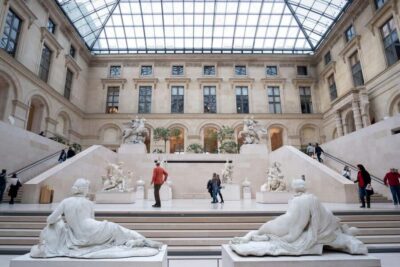
Priority Access Louvre with Host -Direct to Mona Lisa
Read our review →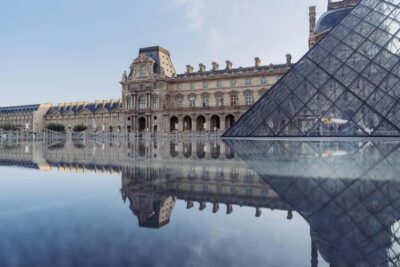
Mona Lisa & Louvre Masterpieces Tour with Reserved Access
Read our review →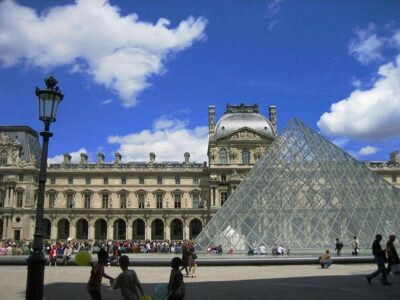
Louvre Museum – Exclusive Guided Tour (Entry Included)
Read our review →
Louvre Reserved Ticket and River Cruise Combo
Read our review →Browse the lists this tour appears in