
Reviewed · FOOD & DRINK
Strasbourg Food Tour : Gourmet private Tour with tastings
Strasbourg’s best food stories are often found between the cathedral and the next bakery, and this tour gives you a pleasant reason to keep walking. Céline leads a small group of no more than six through the city center, stopping at shops, bakeries, and restaurants she knows well. You taste five Alsatian specialties, with drinks included.
I like the personal touch. Céline has lived in Strasbourg for more than 20 years, grew up Alsatian, worked in the food industry, and writes about food and tourism. I also like the mix of savory and sweet stops, since you get more than the usual single serving of tarte flambée.
The main drawback is the pace between stops. One participant found the walking distances longer than expected and wished there were more chances to eat each tasting on site while hearing Céline’s stories. The tour also uses meat, dairy, gluten, nuts, and other animal products, so it is not suitable for many dietary needs.
In This Review
- Key points to know before booking
- Five stops that introduce Alsace one bite at a time
- Tarte flambée brings the savory start
- Bretzel and bakery stops show the everyday side
- Pastries and traditional desserts bring the sweet course
- Chocolate adds a polished final bite
- Local beer and Alsatian wine make the tastings more useful
- Why Céline’s local knowledge matters
- A small group keeps the conversation moving
- The $111 price: good value for a food-first visit
- Who should choose this Strasbourg food walk
- What the route feels like in practice
- Should you book it?
- FAQ
- How long does the Strasbourg food tour last?
- How many food tastings are included?
- Are drinks included?
- Who guides the tour?
- What languages are available?
- Is the menu suitable for dietary restrictions?
- What happens if the tour does not reach its minimum group size?
Key points to know before booking
- Five tastings in three hours: Expect a steady blend of savory food, pastries, bakery items, chocolate, and drinks.
- Céline leads the walk: Her background in food, pastry, and Strasbourg life adds useful context beyond a standard sightseeing tour.
- Small group of up to six: The size suits people who prefer a personal walk rather than a large tasting crowd.
- Local shops and restaurants: Stops are selected from places Céline visits and recommends herself.
- Beer and wine are included: Drinks may include local beer, Alsatian wine, or soft drinks.
- Dietary limits are strict: The menu cannot currently be changed, and the tour is not suitable for vegans, people with allergies, or those avoiding gluten or lactose.
Five stops that introduce Alsace one bite at a time
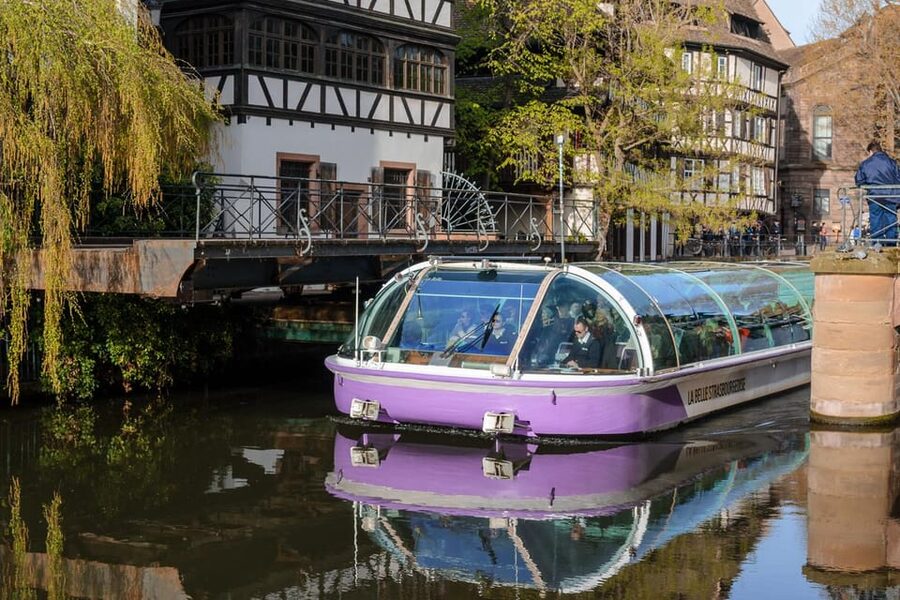
The tour lasts three hours and takes place on foot in Strasbourg’s city center. The exact order can vary, but the food selection is designed to move from savory specialties to sweet treats, with drinks along the way.
That format matters. You are not sitting down for one long meal. Instead, you get small samples from several kinds of local businesses and see how Alsatian food fits into everyday city life. You can also ask questions as you go, which is useful when dishes have unfamiliar names or ingredients.
Céline explains local traditions and helps with pronunciation. That may sound minor, but Alsatian food names can be tricky when you first see them on a menu. By the end, you should feel more comfortable ordering local dishes on your own.
More Food Tours in Strasbourg
- Strasbourg Food Tour – A Taste of Tradition by Do Eat Better
★ 5.0 · 614 reviews - From Strasbourg: Medieval Villages & Wine Tasting Day Trip
★ 4.8 · 329 reviews - Alsace Wine Route Small Group Half-Day Tour with Tasting from Strasbourg
★ 4.5 · 291 reviews
Tarte flambée brings the savory start
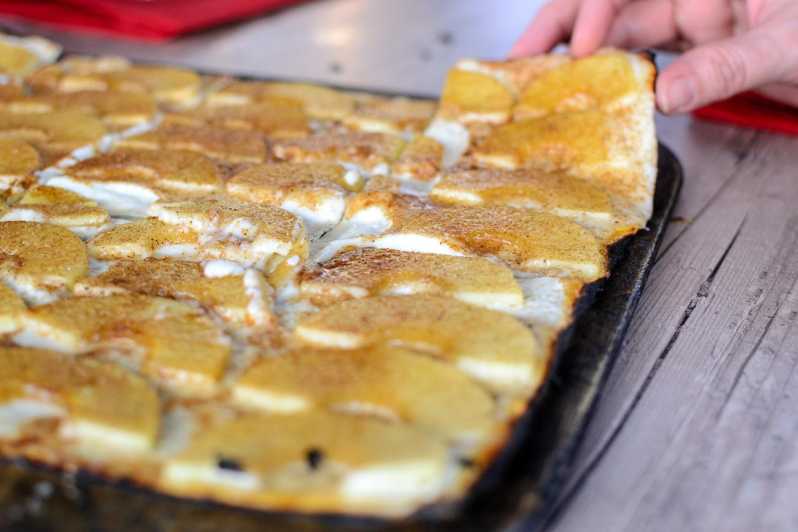
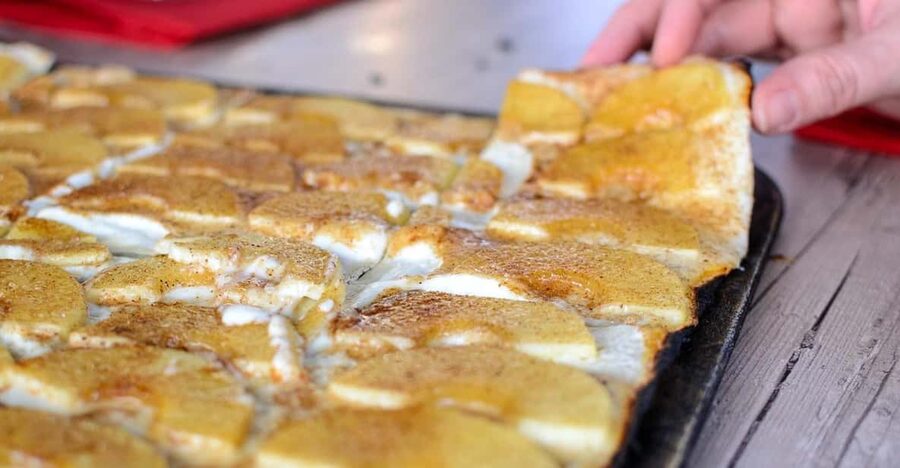
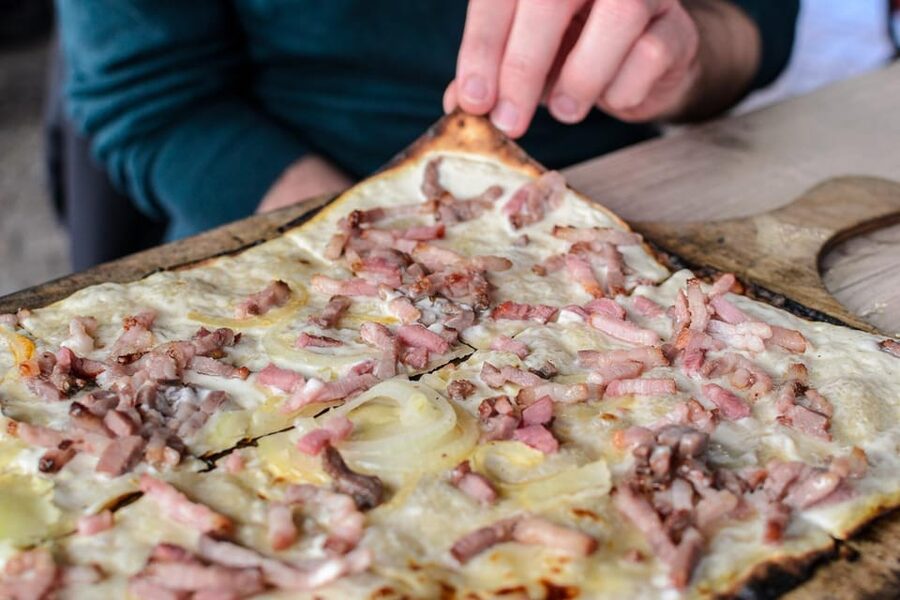
Tarte flambée, or flammekueche, is one of the dishes most closely linked with Alsace. It is a thin, crisp base traditionally topped with ingredients such as cream, onions, and bacon. Think of it as a very thin cousin of pizza, though calling it pizza in front of an Alsatian may earn you a small history lesson.
On this tour, tarte flambée is part of the advertised range of specialties. It gives you a useful first taste of the region’s cooking: simple ingredients, generous portions, and a strong preference for food meant to be shared.
The useful part is not only the bite itself. Céline can explain how the dish fits into Alsatian dining habits and how it differs from other regional flatbreads. If you are planning to order it later, this early introduction helps you decide which versions to try.
One limitation is that the tour does not promise a full restaurant meal at every stop. The tastings are samples, not five complete lunches. You should arrive ready to taste, not expecting the entire afternoon’s food needs to be covered.
Bretzel and bakery stops show the everyday side
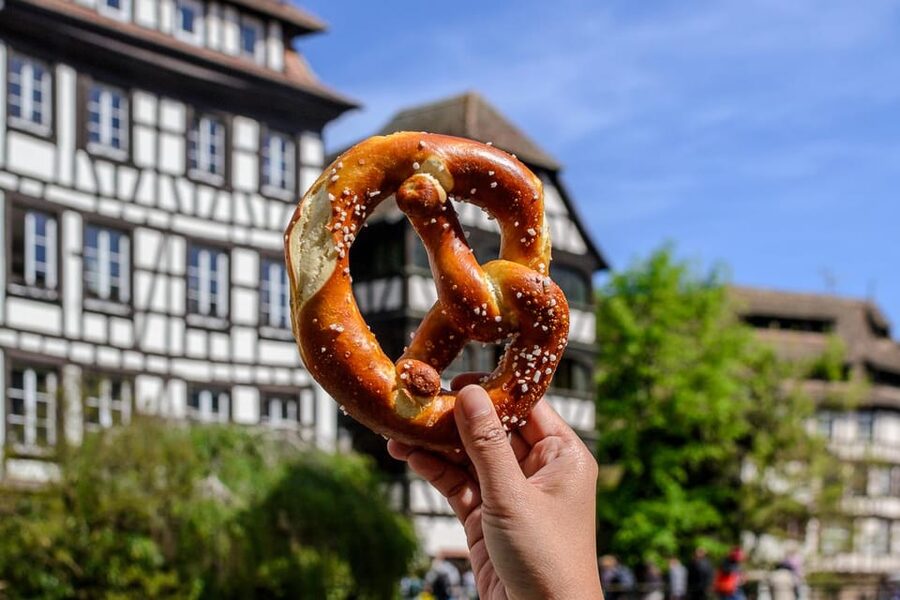
Alsace is known for its bakeries, and the route includes traditional bakery products and snacks such as bretzel. This is a good change of scale after a savory dish. You get a look at the foods people pick up for a quick snack, breakfast, or something to take home.
The bakery element also helps separate this walk from a tour focused only on restaurant dishes. A local bakery tells you something about daily routines, while a traditional restaurant shows how regional recipes are served at the table.
Céline’s interest in pastry is especially relevant here. She has a sweet tooth and a passion for baking, so you can expect more attention to texture, preparation, and the difference between an ordinary product and a carefully made one.
If you want to buy extra bread or pastries, remember that personal shopping is not included. You can purchase items separately, but those costs are your responsibility.
Pastries and traditional desserts bring the sweet course
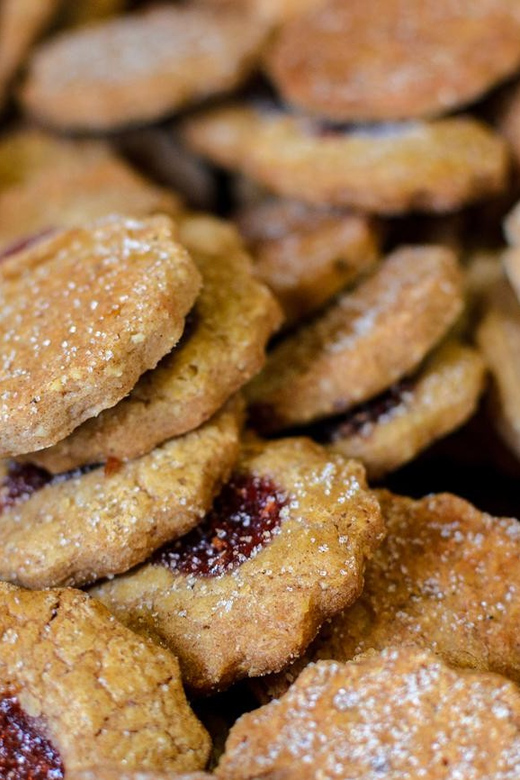
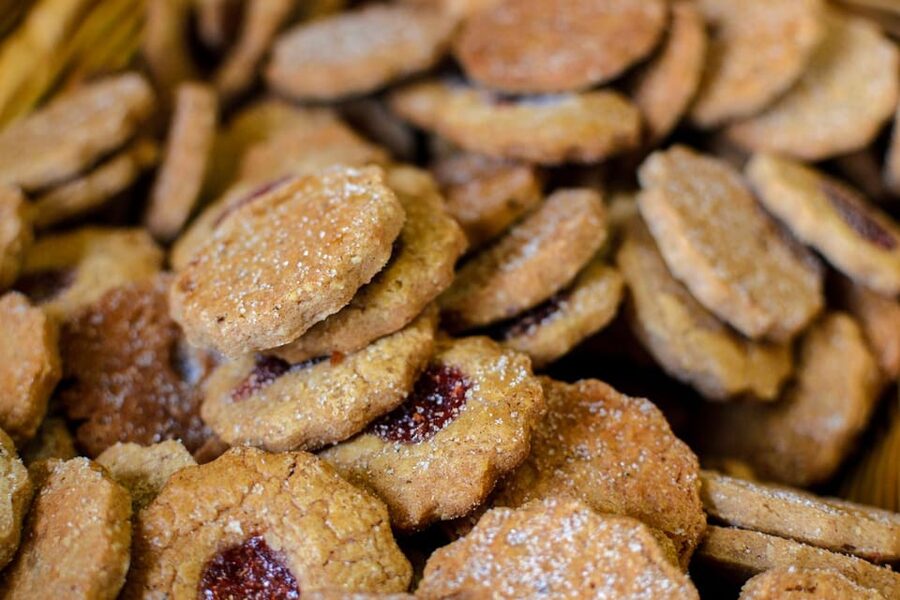
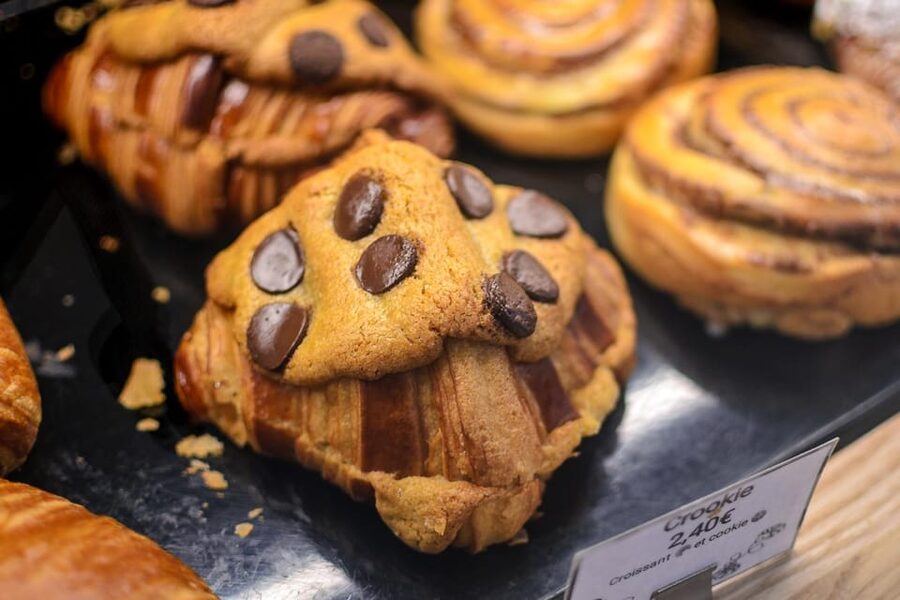
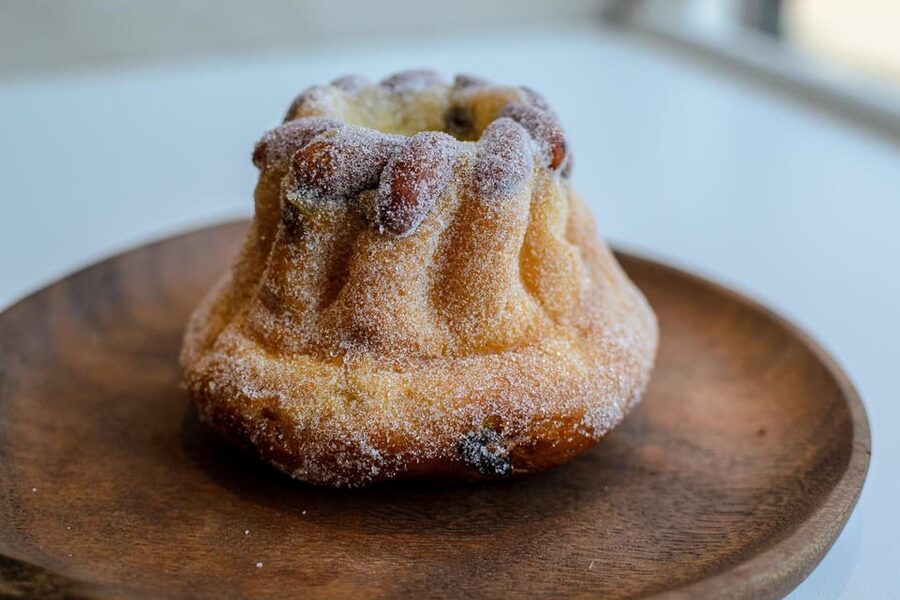
The tour includes traditional desserts and pastry products, giving the itinerary a clear sweet side. The exact dessert selection is not fixed in the information provided, so you should view this as a chance to discover what is being made at the chosen patisserie rather than a guarantee of one named cake.
That uncertainty can work in your favor. A fixed menu gives predictability, but a local guide who regularly visits the shops can point you toward seasonal or house specialties. Céline describes the food as fresh, local, and seasonal, although the specific items depend on the places included that day.
This is also where her food background adds the most value. You can ask about classic recipes, Alsatian ingredients, and the place of pastry in local life. If you are the person in your group who always wants to stop at one more bakery, this part of the tour will likely be a highlight.
The tastings may be generous enough to satisfy a sweet tooth, but people with diabetes should not book this activity. The tour is specifically listed as unsuitable for people with diabetes, and the menu cannot currently be adjusted.
More Strasbourg & Alsace food and drink outings:
- Alsace Wine Route Wineries & Tasting Small Group Guided Tour from Strasbourg
★ 5.0 · 229 reviews - Strasbourg: Traditional Food Walking Tour with Tastings
★ 4.8 · 219 reviews - Colmar: Highlights Walking Tour and Wine Tasting
★ 4.9 · 209 reviews - ICONICS Tour: 1/2 day on the Wine Route, visit of 2 Villages + Tasting.
★ 5.0 · 159 reviews
Chocolate adds a polished final bite
High-quality chocolate is another advertised tasting. It gives the walk a more indulgent finish and shows that Alsatian food is not limited to hearty dishes and baked goods.
Chocolate also makes a practical souvenir, though personal purchases are not part of the tour price. If you find something you want to take home, plan to pay separately and carry it yourself. The activity does not include shopping time as a formal stop.
For a food-focused visitor, this variety is the real appeal. You are not eating five versions of the same specialty. You move between savory dishes, bread, pastry, chocolate, and drinks, building a wider picture of Strasbourg’s food culture in a short period.
Local beer and Alsatian wine make the tastings more useful
Drinks are included, with local beer, wine, and soft drinks listed as possibilities. The tour may serve beer or wine, or both, depending on the tasting plan.
This is valuable because Alsatian food makes more sense when paired with regional drinks. A glass of local wine can show how the region balances rich, creamy, salty, or sweet dishes. Beer offers a different match for hearty snacks and savory food.
You should not assume that every participant receives every beverage listed. The wording allows for beer and/or wine, with soft drinks available, so the exact lineup may vary. If you do not drink alcohol, the tour includes nonalcoholic options, but you should still expect a food program built around local dining traditions.
The activity is not designed as a pub crawl. The drinks support the food tastings rather than taking over the afternoon.
Why Céline’s local knowledge matters
A food tour lives or dies by its guide, and Céline’s background is a strong reason to consider this one. She has lived in Strasbourg for over two decades, is Alsatian, and worked for years in French-German food-industry subsidiaries before becoming freelance.
She also speaks German as well as French. That makes the tour a practical choice for German-speaking visitors who want to ask detailed questions without relying on English. The listed tour languages are French and German, so English-speaking visitors should confirm language arrangements before booking.
Céline’s connection to the city is not presented as a list of famous restaurants. She takes you to patisseries, shops, and restaurants she knows personally and visits regularly. That can lead to a more useful food experience than a route built only around places that appear in every guidebook.
The tour also includes advice on museums, sights, activities, restaurants, and places to visit around Strasbourg. I would use that advice early in your stay. A previous participant specifically found it useful to take the tour near the start of a vacation, then return to recommended restaurants and dishes later.
A small group keeps the conversation moving
With a maximum of six participants, this is much smaller than a standard city food walk. That gives you a better chance to ask about ingredients, local customs, and places to eat after the tour.
Small groups also suit anyone who dislikes being herded through a busy city behind a flag. You can hear the guide more easily, and Céline has more room to respond to individual interests.
The trade-off is that the tour requires a minimum number of participants to operate. If that number is not reached, the start may be postponed. Keep that in mind if your Strasbourg schedule is tight.
The walk requires comfortable shoes. You should also bring an umbrella or waterproof clothing if rain is possible. There is no hotel pickup, so you make your own way to the starting point, and oversized luggage, pets, and baby strollers are not allowed.
The $111 price: good value for a food-first visit
At $111 per person, this is not the cheapest way to sample Strasbourg. The value depends on how much you want from the experience beyond the food itself.
You are paying for five tastings, drinks, three hours of guiding, and access to a carefully selected group of local businesses. You also receive advice about what to do and eat after the tour. For someone who would otherwise spend money guessing which restaurants or bakeries deserve a visit, that guidance can make the price easier to justify.
The small group helps the value. A large tour can offer similar food for less, but you may get less conversation and less attention. Here, the point is personal direction from Céline, not just a series of samples.
Do not treat the $111 as the cost of a full day of meals. Additional meals, extra drinks, museum entries, souvenirs, and personal shopping are not included. If you are very hungry, plan to eat a separate meal before or after the activity.
I would book this for the first or second day of a Strasbourg stay. You can use the recommendations for the rest of your visit, and you will have a better sense of what to order when you eat independently.
Who should choose this Strasbourg food walk
This tour is a good fit if you:
- Want a small-group introduction to Alsatian food
- Like mixing sightseeing with frequent tastings
- Prefer local bakeries, shops, and restaurants to a generic restaurant circuit
- Enjoy learning food names, customs, and pronunciation
- Speak French or German, or are comfortable confirming the language arrangement
- Want restaurant and museum advice for the rest of your stay
- Can comfortably walk for three hours and stand during several stops
It is less suitable if you need a wheelchair-accessible route, have serious food restrictions, or want a fully customized menu. The activity is not suitable for vegans, people with diabetes, people with food allergies, or those with gluten, lactose, or nut intolerance.
The menu includes meat, dairy, and other animal products, and changes are not currently possible. This is important enough to check before paying, especially if even small amounts of an ingredient cause problems.
What the route feels like in practice
The tour is best understood as a moving meal with a local guide, not a formal sightseeing tour with food added at the end. You walk through the center of Strasbourg, pause for a tasting, hear the story behind it, then continue to the next stop.
One useful caution is the distance between stops. The route is a city walk, and some stretches may feel long if you imagined standing outside each shop and eating immediately. A participant wanted more time to taste on site while hearing the explanations, so you should expect some food to be eaten during or around the stops rather than in one continuous seated setting.
That walking time is not wasted. It gives you a look at different parts of central Strasbourg and helps you work up an appetite between samples. Still, wear proper shoes and do not schedule a major appointment immediately afterward.
The activity runs in rain as long as conditions and the provider allow it, so bring weather protection. A bottle of water is also sensible, especially if you are visiting in warm weather or find three hours of walking tiring.
Should you book it?
Book this tour if you want a friendly, food-centered introduction to Strasbourg led by someone with real ties to the city. Céline’s background in food and pastry, her French and German language skills, and her personal selection of five stops give the experience a clear purpose.
I would especially recommend it at the start of your visit. The tastings introduce classic Alsatian flavors, while the follow-up suggestions can guide your next meals and sightseeing choices.
Skip it if you need vegan, allergy-safe, gluten-free, lactose-free, or highly customized food. Also choose another activity if you want a seated feast, a short walk, or a broad sightseeing tour with only one food stop. For everyone else, the combination of five tastings, drinks, a group limited to six, and practical local advice makes the $111 price reasonable for a focused three-hour introduction to Strasbourg’s food culture.
The tour offers free cancellation up to 24 hours before departure, and you can reserve now and pay later, which helps if your schedule is still shifting.
FAQ
How long does the Strasbourg food tour last?
The tour lasts three hours and includes a walking route through Strasbourg city center.
How many food tastings are included?
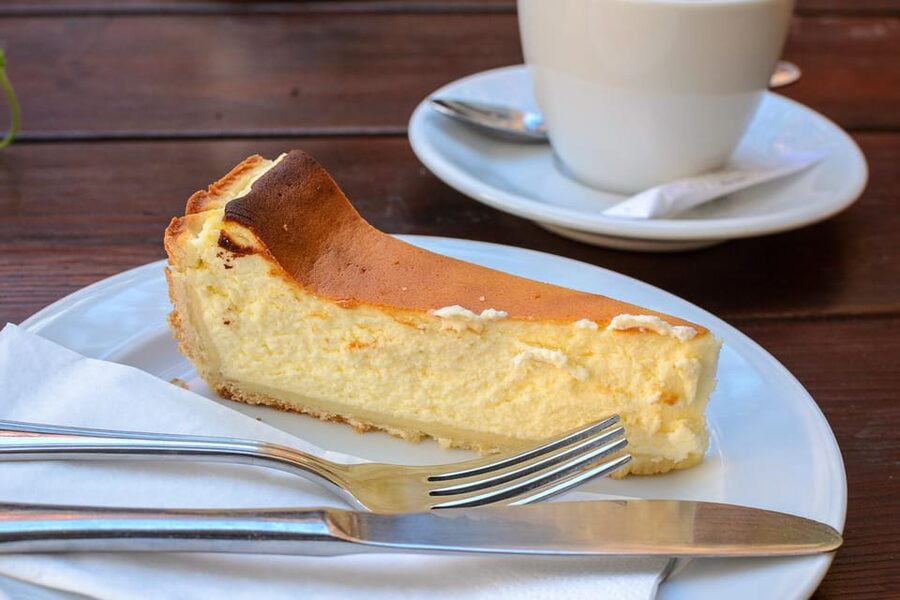
Five tastings are included. They cover savory and sweet specialties, with examples including tarte flambée, bretzel, bakery products, traditional desserts, and chocolate.
Are drinks included?
Yes. Drinks are included and may consist of local beer, Alsatian wine, or soft drinks.
Who guides the tour?
Céline guides the experience. She is Alsatian, has lived in Strasbourg for more than 20 years, has a background in the food industry, and is passionate about pastry and local food.
What languages are available?
The tour is available in French and German.
Is the menu suitable for dietary restrictions?
No. The menu includes meat, animal products, and dairy, and it cannot currently be changed. The tour is not suitable for vegans, people with diabetes, people with food allergies, or people with gluten, lactose, or nut intolerance.
What happens if the tour does not reach its minimum group size?
A minimum number of participants is required. If that number is not reached, the tour may be postponed.
More Food in Strasbourg & Alsace
- Authentic Parisian Gourmet Food Tour with 10 Local Dishes & Wines
★ 5.0 · 4,754 reviews - Montmartre Hill French Gourmet Food and Wine Tasting Walking Tour
★ 5.0 · 2,588 reviews - Devour Paris Ultimate Food Tour
★ 5.0 · 2,087 reviews - NO DIET CLUB – Unique Local Food in Nice !
★ 5.0 · 1,267 reviews
Recently reviewed around Strasbourg & Alsace
- Guided tour of Nancy, Great History and Little Anecdotes★ 5.0 · 89 reviews
- Guided Tour “Unusual Nancy”★ 5.0 · 36 reviews
- Alsace villages half day tour from Colmar★ 5.0 · 186 reviews
- The Emblematic: visit of villages, Haut-Koenigsbourg, Wine tasting★ 5.0 · 81 reviews
- Segway Tours 2h in Colmar★ 5.0 · 116 reviews
- Alsace’s Gems Small Group Day Tour from Colmar★ 5.0 · 84 reviews
- Private and customizable: Alsace Wine Route HIGHLIGHTS in 3 hours★ 5.0 · 63 reviews
- ICONICS Tour: 1/2 day on the Wine Route, visit of 2 Villages + Tasting.★ 5.0 · 159 reviews
Food & Drink, compared.

Seine Cruise & Crepe Tasting near the Eiffel Tower
Read our review →
Authentic Parisian Gourmet Food Tour with 10 Local Dishes & Wines
Read our review →
Normandy D-Day Small-Group Day Trip with Omaha Beach, Cemetery & Cider Tasting
Read our review →
Illuminated Evening River Cruise & Waffle Tasting
Read our review →
Montmartre Hill French Gourmet Food and Wine Tasting Walking Tour
Read our review →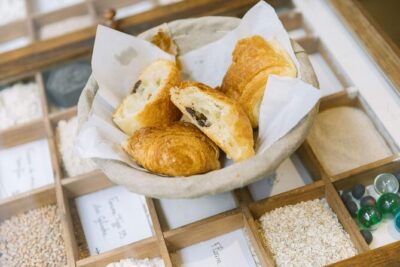
Loire Valley Castles Day Trip With Wine Tasting
Read our review →Browse the lists this tour appears in