
Reviewed · WINE TASTINGS
Workshop Bordeaux wine tasting: 4 reds & charcuterie pairing
Bordeaux can feel like a code at first: Médoc, Saint-Émilion, Cabernet Sauvignon, Merlot, blends, vintages. This one-hour tasting makes the subject friendly, with four red wines, charcuterie, and an aroma game led by certified experts Cécilia or Mathilde. I like the small group limit of six, and I like that you get a booklet to keep using after the class.
The best parts are the clear comparison between Bordeaux’s Left Bank and Right Bank, plus the chance to taste a mature wine beside younger examples. The main drawback is the short running time. You get a focused introduction, not a full wine course, and the included details mention four wine glasses while the description also refers to a mystery glass, so ask about the exact lineup if that matters to you.
In This Review
- Key points at a glance
- Why this Bordeaux class works for beginners
- Four glasses, one mystery, and a lesson in Bordeaux structure
- Charcuterie makes the tasting more useful
- The setting changes with the season
- A compact itinerary with real teaching value
- Arrival at 25 Avenue Thiers
- Introduction to tasting
- Bordeaux grapes, places, and blends
- Four red wines with charcuterie
- Booklet to take home
- What the $46 price buys you
- Who should book this tasting
- Practical details that can make the hour better
- Should you book the Bordeaux red wine workshop?
- FAQ
- Where does the Bordeaux wine tasting take place?
- How do I find the tasting room?
- How long does the experience last?
- How many people are in the group?
- Which wines are included?
- Is food included?
- Is a wine guide included?
- Can someone who prefers white wine join?
- Is hotel transportation included?
- Can I cancel the booking?
Key points at a glance
- Four Bordeaux reds in one hour: Compare different grape varieties, blends, estates, and ageing styles without leaving the city.
- Aroma game included: Use your nose as well as your palate, with simple guidance that helps beginners find words for what they taste.
- Left Bank versus Right Bank: Learn why Cabernet Sauvignon often brings structure while Merlot can feel softer and fruitier.
- Charcuterie pairing: Taste how cured meats change the way each wine feels and why some combinations work better than others.
- Small group of six: The format allows plenty of conversation and makes it easier to ask basic questions.
- Easy tram access: The tasting room is 100 meters from Tram A at Stalingrad, though the entrance takes a little care to find.
Why this Bordeaux class works for beginners
Bordeaux wine is famous, but fame does not make it easy to understand. Labels often highlight an estate or appellation rather than the grape variety, and the wines are commonly blends. That can leave a first-time visitor wondering what is actually in the glass.
This class tackles that problem directly. You taste wines chosen to show different sides of Bordeaux, then connect their aromas, texture, and ageing potential to the decisions made in the vineyard and cellar. You are not simply told that one wine is from the Left Bank and another from the Right Bank. You get to compare the results.
The teaching is led by Cécilia and Mathilde, certified wine experts trained at the Université du Vin. Their role is important here. A short class needs a guide who can explain a technical point in plain language, then move on before the lesson becomes a lecture.
The tone is designed to be conversational. That suits Bordeaux well, because the subject can become overly formal very quickly. You can ask why a wine tastes dry, what a blend adds, or how an older bottle changes with time without needing any prior vocabulary.
I especially like the aroma game. It gives you a practical way to notice scents in the wine instead of waiting for an expert to announce them. You may not suddenly identify every note, but you will begin to separate fruit, spice, wood, and other sensations. That is a useful skill for the rest of your trip.
More Food Tours in Bordeaux
- Bordeaux: Cité du Vin Entry Ticket and Wine Tasting
★ 4.6 · 3,885 reviews - From Bordeaux: Afternoon Saint-Emilion Wine Tasting & snack
★ 4.8 · 1,581 reviews - Medoc or Saint Emilion Wine Tasting and Chateau from Bordeaux
★ 5.0 · 1,415 reviews
Four glasses, one mystery, and a lesson in Bordeaux structure
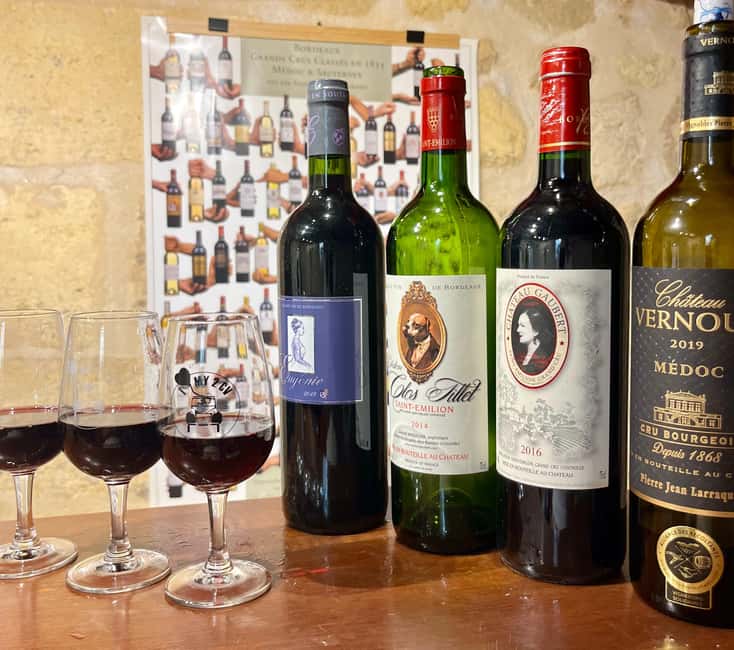
The tasting centers on four red Bordeaux wines. The selection is meant to cover several styles, including single-variety wines, blends from family-run organic estates, prestigious Grand Crus, and a mature wine showing how Bordeaux changes with age.
The description also refers to a mystery glass, while the included details specify four Bordeaux red wine glasses. Since the exact number can depend on the session format, ask the provider if you want to know precisely how many pours are planned. The important point is that this is a guided comparison, not a single château visit with one narrow style.
You will look at grape variety first. Merlot and Cabernet Sauvignon receive particular attention because they often play different roles in Bordeaux. Merlot is presented as smoother and more fruit-forward, while Cabernet Sauvignon is linked with structure and the ability to age.
That comparison helps explain the basic Left Bank and Right Bank divide. The Médoc, on the Left Bank, is associated with Cabernet Sauvignon and firmer, more age-worthy wines. Saint-Émilion, on the Right Bank, is known for a stronger Merlot presence and a rounder feel.
These are useful guideposts, not rigid rules. Bordeaux is full of exceptions, and blending is central to the region. The class gives you a way to understand those broad patterns while showing that a wine’s final character also depends on soil, winemaking, and age.
One of the most valuable parts is the look at blending. You may taste a single-variety wine first, then see how combining grapes can add shape, softness, aroma, or length. That is more helpful than memorizing grape names, because it shows what those varieties actually do in a finished wine.
The mature wine adds another layer. A younger Bordeaux may show fresh fruit and firm tannin, while an older bottle can develop more complex aromas and a softer texture. Tasting an aged example makes the region’s reputation for cellaring easier to understand.
Charcuterie makes the tasting more useful
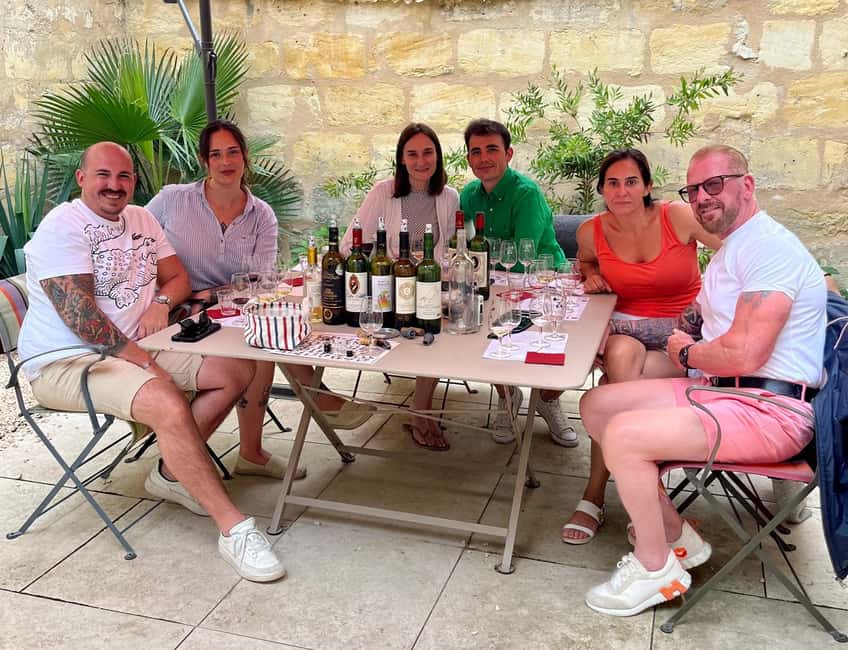
The food pairing is not just a snack placed beside the wine. Artisanal charcuterie is selected to go with the wines, giving you a chance to test how salt, fat, and texture affect your impression of each glass.
This matters because a wine can seem hard or sharp on its own and more balanced with food. Charcuterie also gives you an immediate, familiar way to judge a pairing. You do not need to know the technical language. You can simply notice which combination tastes more comfortable and why.
I like this part for practical reasons. You can take the lesson to dinner later in Bordeaux, or back home when choosing wine for a shared plate. The class connects regional wine theory with something you can actually use.
The pairing is also a good fit for a one-hour format. A full meal would take too much time, while no food would leave out a major part of how Bordeaux is commonly enjoyed. Here, the charcuterie supports the tasting without taking over.
The setting changes with the season
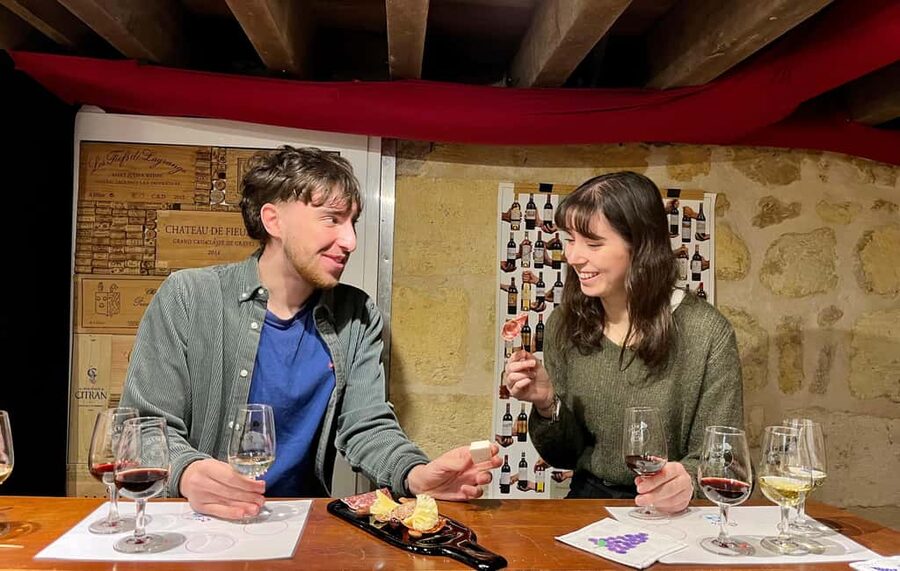
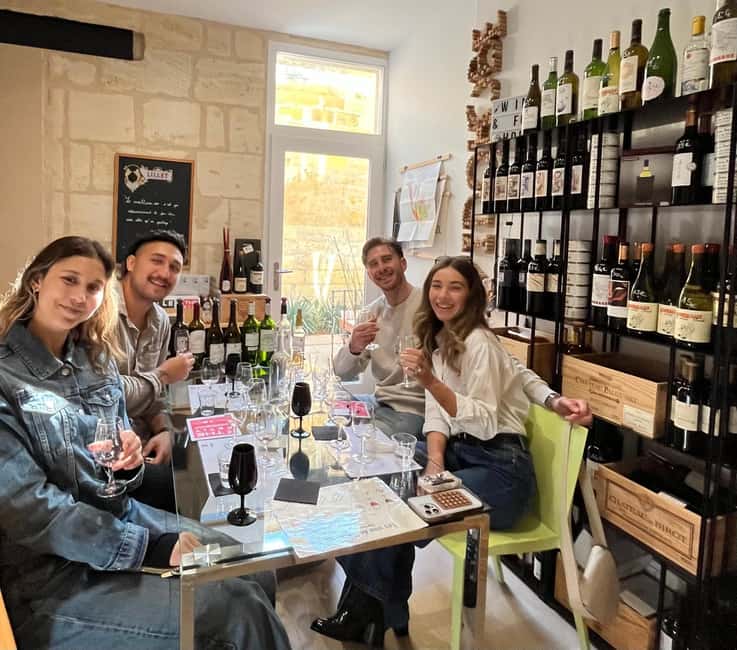
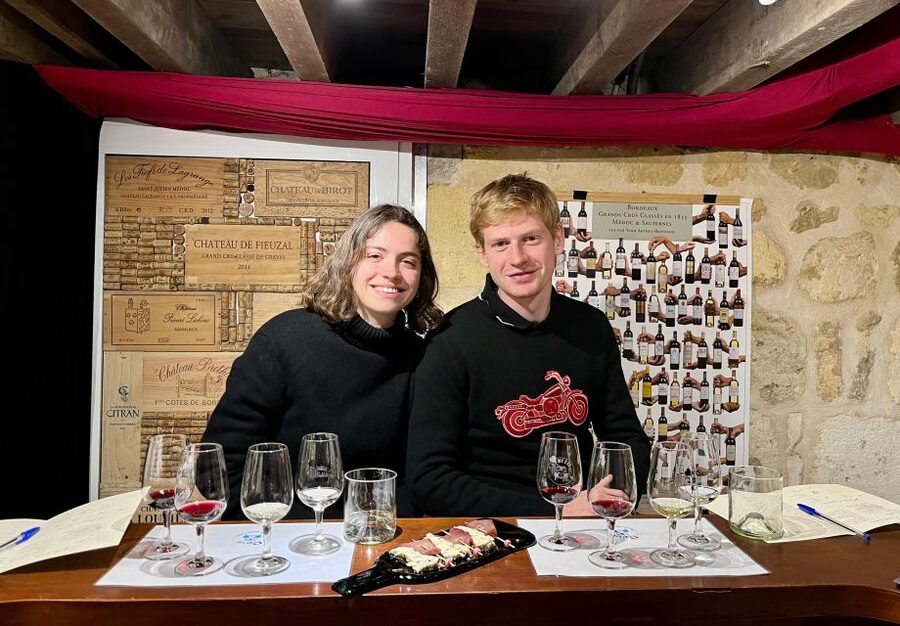
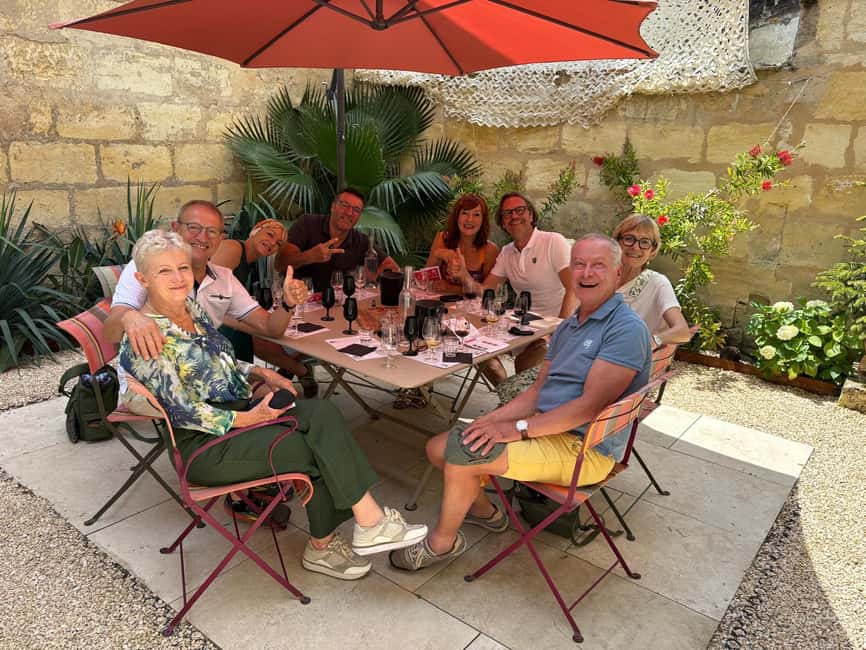
The class takes place at 25 Avenue Thiers in Bordeaux. Depending on the season, the setting may be a stone-built tasting room, a private courtyard, or an underground cellar.
That variation gives the experience some local character, but it also means you should not book it expecting one guaranteed room. The cellar can provide a cool, atmospheric setting, while the courtyard may be more pleasant in suitable weather. The stone room offers a dependable indoor option.
The entrance is easy to miss. The room sits behind a building, near the Guy Hoquet panel. Look for the gray door beside it and ring the bell marked I Love Tasting. The address is 100 meters from the Stalingrad stop on Tram A, so public transport is straightforward once you know where to look.
There is no hotel pickup or drop-off. This is a city-based class, not a vineyard excursion. That is a plus if you have only a short time in Bordeaux and want a serious introduction without giving up half a day to transport.
It is also a sensible rainy-day choice. You can learn about the wine regions of Bordeaux while staying in the city, then use the booklet and new vocabulary when you visit wine shops or restaurants.
More Wine Tastings in Bordeaux
- Saint-Émilion: Grand Cru Classé Winery Visit and Tasting
★ 4.6 · 1,118 reviews - Saint Emilion Half-Day Trip with Wine Tasting & Winery Visit from Bordeaux
★ 4.5 · 1,034 reviews - From Bordeaux: St. Emilion Village Half-Day Wine Tour
★ 4.7 · 728 reviews - From Bordeaux: Half-Day Saint-Émilion Tour and Wine Tasting
★ 4.6 · 657 reviews
A compact itinerary with real teaching value
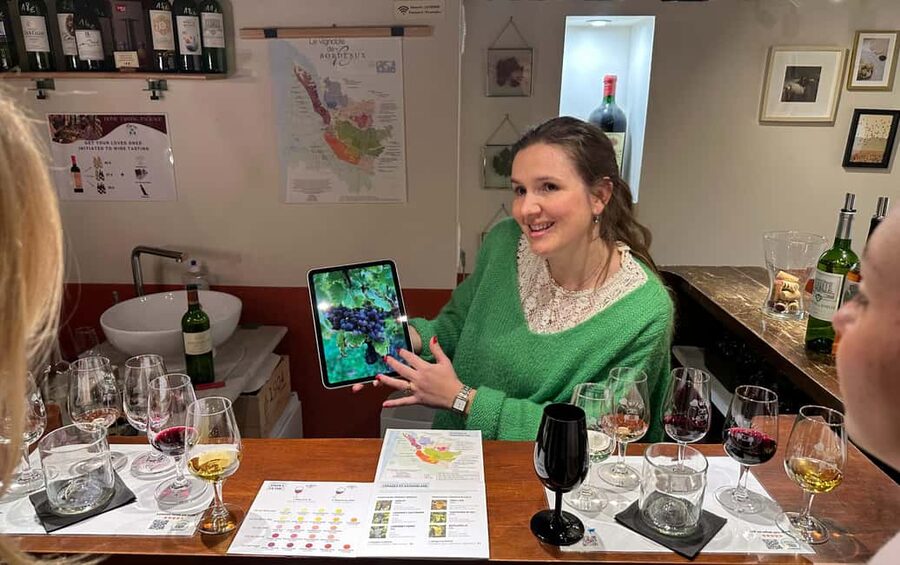
Arrival at 25 Avenue Thiers
Allow a few minutes to locate the gray entrance. The tasting room is not presented as a storefront, so the Guy Hoquet sign and the I Love Tasting bell are the practical clues.
The location near Tram A makes this easier than a remote château appointment. You arrive for the class on your own, and the one-hour schedule can fit before dinner, between sightseeing stops, or alongside a longer Bordeaux stay.
Introduction to tasting
The session begins with the basics of wine tasting. You are guided through appearance, aroma, and taste, then shown how to describe what you find without feeling that there is a single correct answer.
The aroma game keeps this stage active. It is especially useful if wine tasting normally leaves you stuck at it tastes good. You get prompts and a structure for noticing more.
Bordeaux grapes, places, and blends
The lesson then moves into the region’s main ideas: appellations, grape varieties, blends, terroir, vinification, and ageing. The Left Bank and Right Bank comparison gives the material a clear shape.
You will connect the names Médoc and Saint-Émilion with broad differences in style, then taste examples that show how those differences appear in the glass. The class is not a substitute for visiting both regions, but it prepares you to understand those visits better.
Four red wines with charcuterie
The wines are tasted alongside artisanal charcuterie. Each pairing gives you a chance to check how the food changes the wine’s balance and texture.
The selection is intended to include contrasts: Merlot and Cabernet Sauvignon, single-variety wines and blends, family organic estates and Grand Crus, younger bottles and at least one mature wine. The exact bottles can change, so focus on the lesson rather than expecting a fixed menu.
Booklet to take home
You receive a personal booklet covering Bordeaux wines and the tasting method. This is a small inclusion, but it adds value because wine terms can disappear from memory as soon as you leave the room.
Use it to record the wines, note the aromas you found, and keep track of which pairings worked for you. The booklet turns a pleasant hour into something you can revisit.
What the $46 price buys you
At $46 per person, this is not the cheapest way to drink wine in Bordeaux. It is also not priced like a casual bar flight. You are paying for four guided pours, charcuterie, a structured lesson, an aroma activity, a booklet, and access to an expert who can answer questions in a small group.
The value is strongest for someone who wants to understand Bordeaux rather than simply sample it. A half-day trip to Médoc or Saint-Émilion gives you vineyards and countryside, but this class gives you a compact framework for reading the region. If you already know Bordeaux well, the one-hour format may feel brief.
The group limit of six improves the value. In a large tasting room, basic questions can be hard to ask and the guide has less time to adjust the pace. Here, the conversation can respond to what you want to know, whether that means food pairing, blends, or ageing.
Wines tasted are available for purchase on site. That is convenient if you find a bottle you want to share later, though you should treat buying wine as optional. The class should help you make a better choice, not pressure you into one.
Who should book this tasting
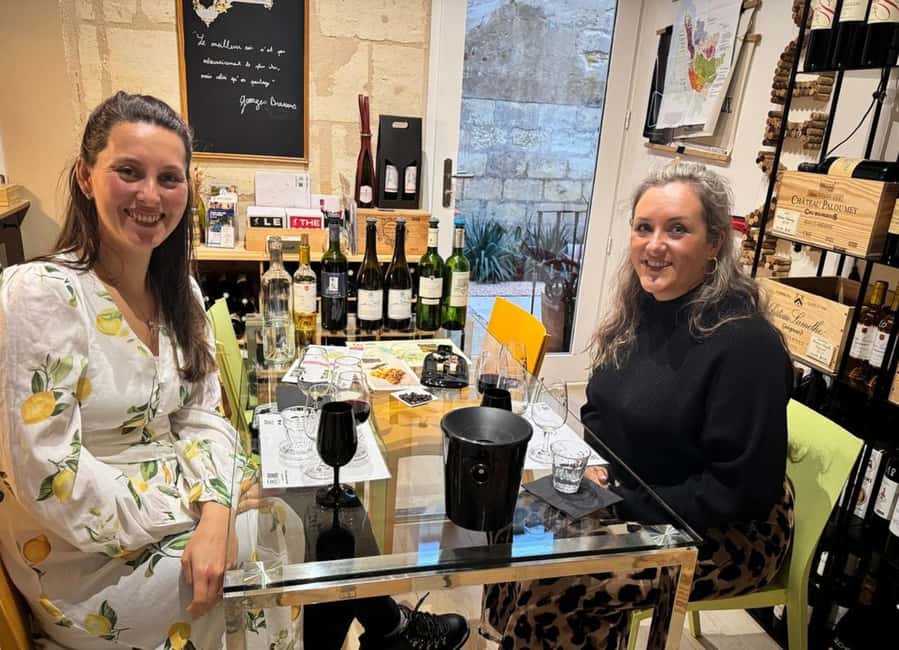
I would choose this for a first visit to Bordeaux, especially if you want an introduction before heading to the vineyards. It is also a good match for couples, friends, and solo visitors who prefer an intimate class to a large group activity.
Beginners should feel comfortable. You do not need a trained palate, and the aroma game gives you an easy way into the subject. The guide’s teaching style is friendly and clear, with plenty of room for discussion.
Wine lovers can also get something from it, particularly if you want to compare Right Bank and Left Bank styles or taste a mature Bordeaux without committing to a full day outside the city. The strongest praise has focused on the guides’ ability to explain wine clearly, create a relaxed atmosphere, and make the class feel like a conversation.
This is less suitable if your main goal is to tour vineyards, see château architecture, or walk through working cellars. You remain at the Bordeaux meeting point for the class. It is also not suitable for people with mobility impairments, according to the activity information.
If someone in your group prefers white wine, contact the provider in advance. A white Bordeaux tasting can be arranged, so you do not have to leave a non-red-wine drinker out of the plan.
Practical details that can make the hour better
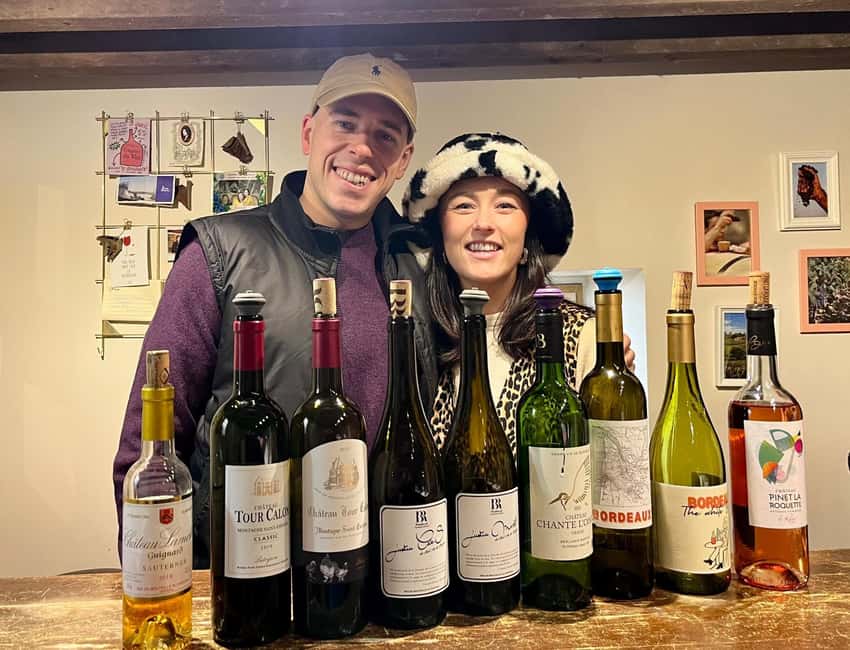
Book a start time that leaves you unhurried. The class lasts one hour, and rushing in from another appointment would work against its relaxed format.
Wear something comfortable for a small indoor tasting setting. The room may be a cellar, stone tasting room, or courtyard depending on the season, so conditions can vary.
The activity is offered in English, French, and Spanish. Confirm your preferred language when booking if it matters to you.
The provider asks larger groups to make contact for requests involving more than six participants. The listed format is limited to six, which is part of the appeal, so a bigger party may need a separate arrangement.
Free cancellation is available up to 24 hours in advance, and you can reserve now and pay later. Those terms are useful if your Bordeaux schedule is still shifting, but check the booking conditions at the time you reserve.
Should you book the Bordeaux red wine workshop?
Book it if you want a clear, compact introduction to Bordeaux wine with real comparisons rather than a simple flight of pours. The small group, Cécilia and Mathilde’s teaching, the aroma game, charcuterie, and the mature wine all add purpose to the hour.
Skip it if you want a full vineyard day or already have strong knowledge of Bordeaux and need a longer, more advanced tasting. For most curious visitors, though, $46 is a fair price for a city-center class that helps you understand what you are drinking for the rest of your trip.
FAQ
Where does the Bordeaux wine tasting take place?
It takes place at 25 Avenue Thiers, 33100 Bordeaux, about 100 meters from the Stalingrad stop on Tram A.
How do I find the tasting room?
The room is behind a building. When you reach the Guy Hoquet panel, look for the gray door beside it and ring the bell marked I Love Tasting.
How long does the experience last?
The tasting class lasts one hour.
How many people are in the group?
The group is limited to six participants.
Which wines are included?
The experience includes four Bordeaux red wine glasses. The description also refers to a mystery glass, so contact the provider if you need confirmation of the exact number of pours for your date.
Is food included?
Yes. The tasting includes a charcuterie pairing with the wines.
Is a wine guide included?
Yes. The class is led by a live guide and is offered in English, French, or Spanish. Cécilia and Mathilde are certified wine experts trained at the Université du Vin.
Can someone who prefers white wine join?
Yes. A white Bordeaux tasting can be arranged for people in your group who prefer white wines, but you should tell the provider in advance.
Is hotel transportation included?
No. Hotel pickup and drop-off are not included. You make your own way to the meeting point.
Can I cancel the booking?
You can cancel up to 24 hours in advance for a full refund. Reserve now and pay later is also available.
More Workshops in Bordeaux
- Bordeaux: Introduction to Bordeaux Wines Tasting Workshop
★ 4.8 · 196 reviews - Bordeaux Super Saver Wine Tasting class and St Emilion region
★ 5.0 · 184 reviews - Bordeaux Wine Masterclass: Blending workshop with appetizer
★ 5.0 · 113 reviews - Bordeaux: Guided Bordeaux Wine Tasting Class with 6 Wines
★ 4.9 · 75 reviews
More Wine Tours in Bordeaux
- Bordeaux: River Garonne Cruise with Glass of Wine and Canelé
★ 4.5 · 3,630 reviews - Saint Emilion Day Trip with Sightseeing Tour & Wine Tastings from Bordeaux
★ 5.0 · 1,120 reviews - Saint-Emilion Electric Bike Day Tour with Wine Tastings & Lunch
★ 5.0 · 696 reviews - Saint-Emilion Afternoon Wine Tour – 2 Wineries & delicacies
★ 5.0 · 614 reviews
Recently reviewed around Bordeaux
- Au Cœur du Château – VSOP D’USSÉ & XO BARON OTARD★ 4.5 · 108 reviews
- retro road trip/ Méhari, 2CV & Burton in Rochefort, La Rochelle★ 5.0 · 28 reviews
- Discover Braastad Cognac★ 5.0 · 52 reviews
- Bordeaux bike tour “The Best of Bordeaux”★ 5.0 · 164 reviews
- Saint Emilion Full Day Wine and Bike Tour★ 5.0 · 167 reviews
- Saint-Emilion Food and Wine Day Tour★ 5.0 · 323 reviews
- Virtual Room Bordeaux – 1st team virtual reality experience★ 5.0 · 47 reviews
- Private Bordeaux History Tour with a glass of Bordeaux wine.★ 5.0 · 28 reviews
Wine Tastings, compared.
Montmartre Hill French Gourmet Food and Wine Tasting Walking Tour
Read our review →
Loire Valley Castles Day Trip With Wine Tasting
Read our review →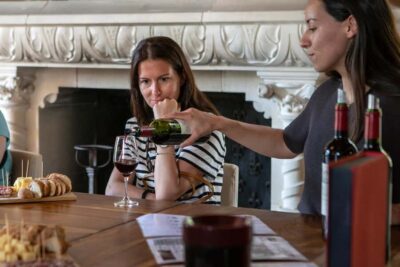
Afternoon Saint-Emilion Wine Tasting & snack
Read our review →
Medoc or Saint Emilion Wine Tasting and Chateau from Bordeaux
Read our review →
Saint Emilion Half-Day Trip with Wine Tasting & Winery Visit from Bordeaux
Read our review →
Champagne Day Trip with 6 Tastings, Reims and Winery from Paris
Read our review →Browse the lists this tour appears in