
Reviewed · WINE TASTINGS
Alsatian Guided Wine Tasting and Immersive wine cellar tour
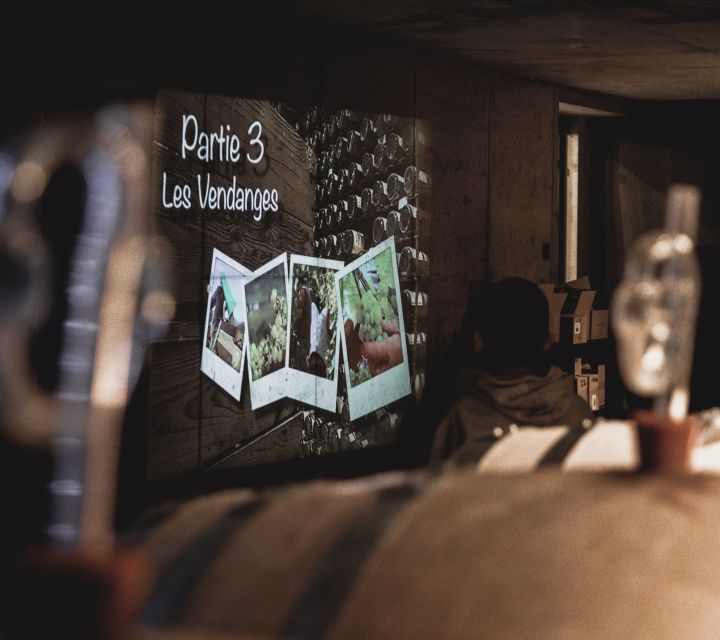
The most unusual part of this Gertwiller wine visit is the 180-degree film projected onto century-old oak barrels. The cellar becomes a screen, with sound and mapped images telling the family winemaker’s story. It is a far cry from simply standing beside a row of casks while someone lists grape names.
I like the tasting’s broad range, from sparkling wine and rosé to dry and sweet whites and reds. I also like the chance to see barrels dating to 1850, including one made for the Universal Exhibition of 1900, and to hear why old oak can leave a flavor that newer equipment cannot copy.
The main consideration is pace. The core visit lasts 90 minutes, and one German participant felt it ran longer than needed. If you prefer a quick tasting with little explanation, this may feel leisurely. If you want to understand Alsace wine, the time is put to good use.
In This Review
- Key points to know before you go
- Why the old barrels are the real opening act
- Gertwiller, the setting for a 90-minute tasting
- Five Alsatian wines, from sparkling to sweet
- What the sommelier explains about Alsatian wine
- The barrel film adds something genuinely different
- A useful stop for curious beginners and mixed groups
- Is $22 good value?
- How the visit compares with a standard cellar tasting
- Practical tips for getting the most from it
- Who should book this Gertwiller wine experience?
- Should you book it?
- FAQ
- Where does the wine tasting take place?
- How long does the guided visit last?
- How much does the experience cost?
- How many wines are included?
- What types of wine can I taste?
- Are the wines organic?
- What is special about the cellar?
- Is the 180-degree film included?
- Which languages are available, and can children attend?
Key points to know before you go
- A 180-degree cellar film uses the old barrels as its screen, a presentation described as unique in France.
- Five wines are included, with organic Alsatian bottles covering several styles and levels of sweetness.
- Barrels from 1850 remain in use, including a barrel linked to the 1900 Universal Exhibition.
- The guide explains food pairings, not just grape varieties and winemaking terms.
- English and French tours are available, so check the language carefully when booking.
- The $22 price is strong value for a 90-minute guided visit, five tastings, the cellar tour, and the film.
Why the old barrels are the real opening act
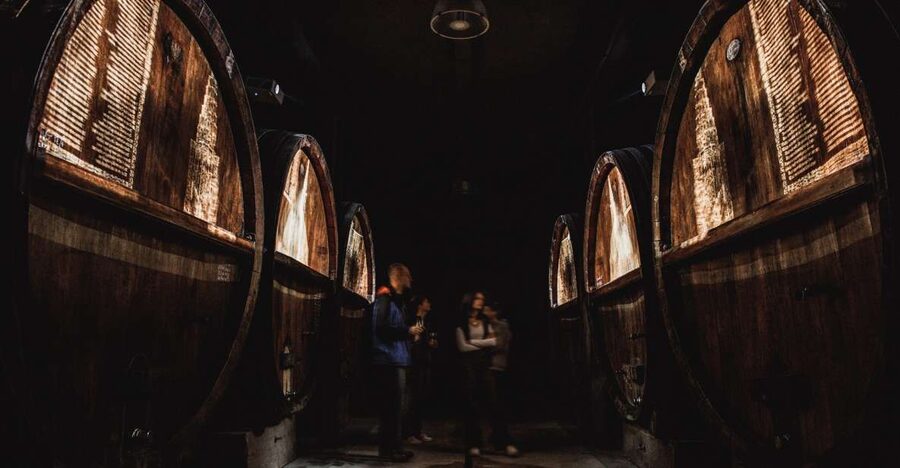
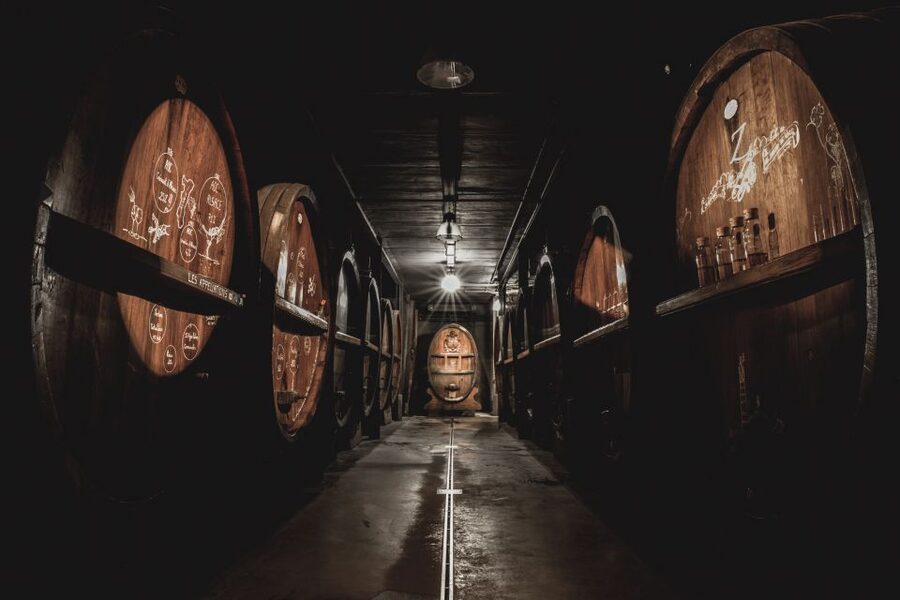
Many winery visits begin with a few polished bottles and a short speech about tradition. Here, the old wood gives the place a more tangible story. You see barrels made in 1850 that are still used today, along with the special cask created for the Universal Exhibition of 1900.
That matters because the barrels are not simply museum pieces. The winery explains how oak affects wine and why old casks can contribute a particular note that modern vessels cannot fully replace. You will not just hear that the cellar is old. You will see working equipment with a long life behind it.
The age of the barrels also helps put Alsatian wine in context. Wine can seem like a product of labels, tasting notes, and restaurant menus. A working wooden cask brings the process back to something physical: grapes become wine, wine rests in wood, and time changes the result.
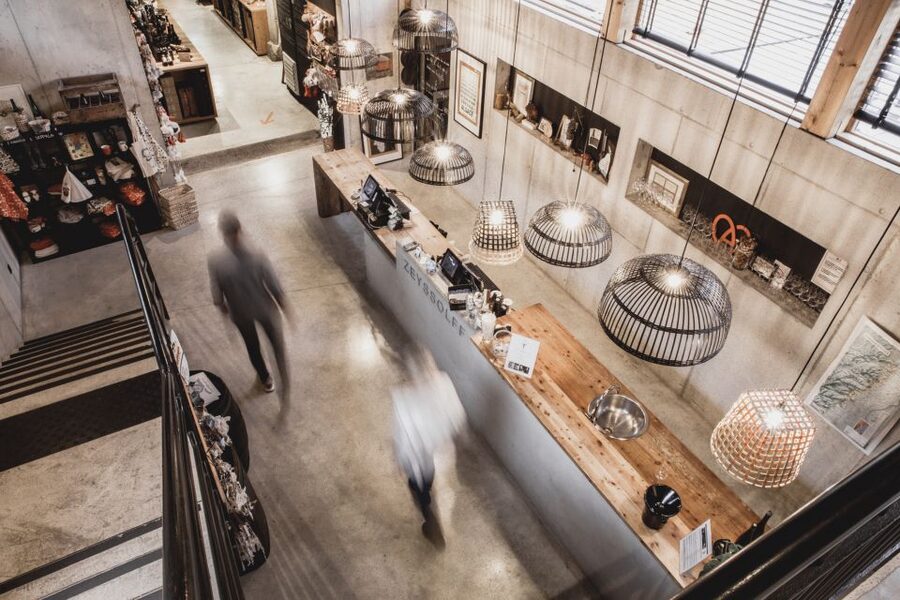
The cellar is part of a renovated family winery, so you get both old and new. The renovation provides a comfortable setting for the visit, while the casks keep the place from feeling overly polished or anonymous.
More Food Tours in Strasbourg
- Strasbourg Food Tour – A Taste of Tradition by Do Eat Better
★ 5.0 · 614 reviews - From Strasbourg: Medieval Villages & Wine Tasting Day Trip
★ 4.8 · 329 reviews - Alsace Wine Route Small Group Half-Day Tour with Tasting from Strasbourg
★ 4.5 · 291 reviews
Gertwiller, the setting for a 90-minute tasting
The experience takes place in Gertwiller, in France’s Grand Est region, at Vins Zeyssolff, also known as Au Péché Vigneron. The listed meeting point is 156 Route de Strasbourg, though the exact meeting point can vary with the option you select.
The main guided portion lasts 1.5 hours. That gives the guide enough time to explain Alsatian wine, lead the cellar visit, show the film, and pour five wines without turning every stop into a rushed photograph. You should expect a guided presentation rather than a casual drop-in tasting.
The itinerary also includes time for shopping, listed as one hour. The information provided does not clearly say if this is a fixed part of the 90-minute schedule or an additional period after the guided portion, so check the booking details if your day is tightly planned. The listed return point is again 156 Route de Strasbourg.
There are two starting and two drop-off options shown, but both display the same address. That suggests the choice may relate to the booking option rather than a different town location. Check your confirmation carefully, especially if you are comparing language or meeting-point choices.
Five Alsatian wines, from sparkling to sweet
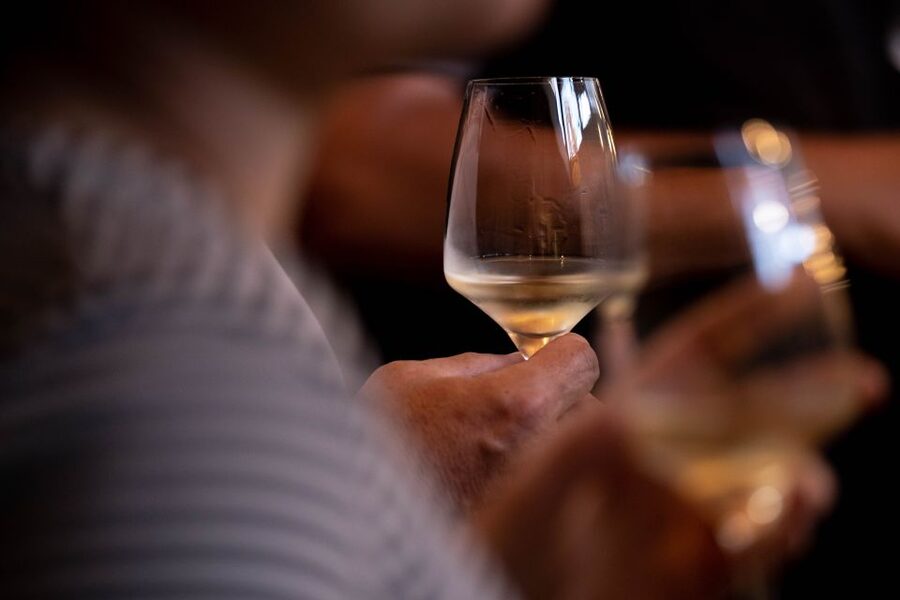
The tasting is designed to show how much variety Alsace can offer. You sample five locally produced organic wines, with the selection covering sparkling wine, rosé, red wine, dry white wine, and sweet white wine.
That range is one of the best reasons to choose this visit. A tasting focused on one grape or one style can teach you detail, but this format gives you a wider map of the region’s wine culture. You can compare freshness, sweetness, body, color, and aroma in one sitting.
The guide or sommelier explains the background of each wine and suggests foods that pair well with it. That practical angle helps if wine labels leave you guessing. You learn not only what is in the glass, but also how the bottle might work at the table.
The word organic is important here. The tasting centers on organic wines produced locally by the winery. The supplied information does not give the exact grape varieties, vintages, alcohol levels, or food pairings for each pour, so do not expect a fixed technical list in advance. Ask questions during the tasting, since the guide welcomes them.
You should also be ready for a range of sweetness. Alsace is known for white wines that can be dry or sweet, and this tasting makes that contrast part of the lesson. If you normally avoid sweet wines, try the comparison before deciding. The point is to understand how sweetness changes both flavor and food pairing.
What the sommelier explains about Alsatian wine
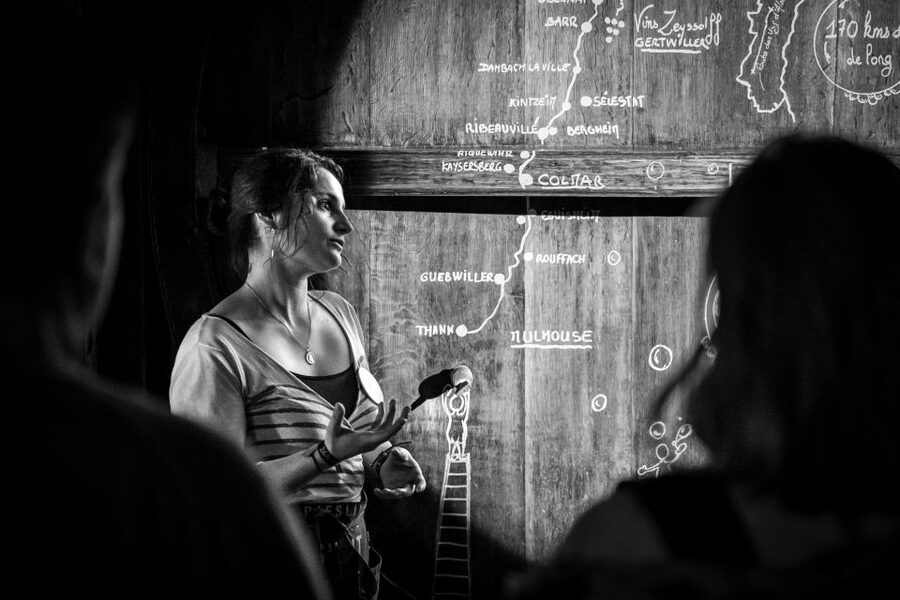
This is not just a sequence of pours. The guide covers the winemaking process used in the region, the main types of wine that can be produced there, and the facts and figures that help explain Alsace’s place in French wine.
The exact structure can vary with the guide and language. English and French are offered, and Dorian has led at least some visits. The guide is there to explain the process in plain terms, answer questions, and connect the wine in your glass to the cellar around you.
You can ask about aromas, sweetness, aging, the effect of oak, and food matches. That makes the visit a good choice if you are still learning how to taste wine. You do not need a developed wine vocabulary. A question as simple as why one white is sweet and another is dry is enough to start a useful conversation.
The teaching also gives the tasting a better rhythm. Instead of drinking five unrelated samples, you move through a story about grapes, cellar work, wood, time, and the finished bottle. I like that approach because it gives you a way to remember the wines after the visit.
More Wine Tastings in Strasbourg
- Alsace Half-Day Wine Tour from Strasbourg
★ 4.8 · 346 reviews - Colmar: Highlights Walking Tour and Wine Tasting
★ 4.9 · 209 reviews - Alsace: Full-Day Wine Tour & Tastings from Strasbourg
★ 4.8 · 125 reviews - Alsace Half Day Wine Tour from Colmar
★ 4.5 · 119 reviews
The barrel film adds something genuinely different
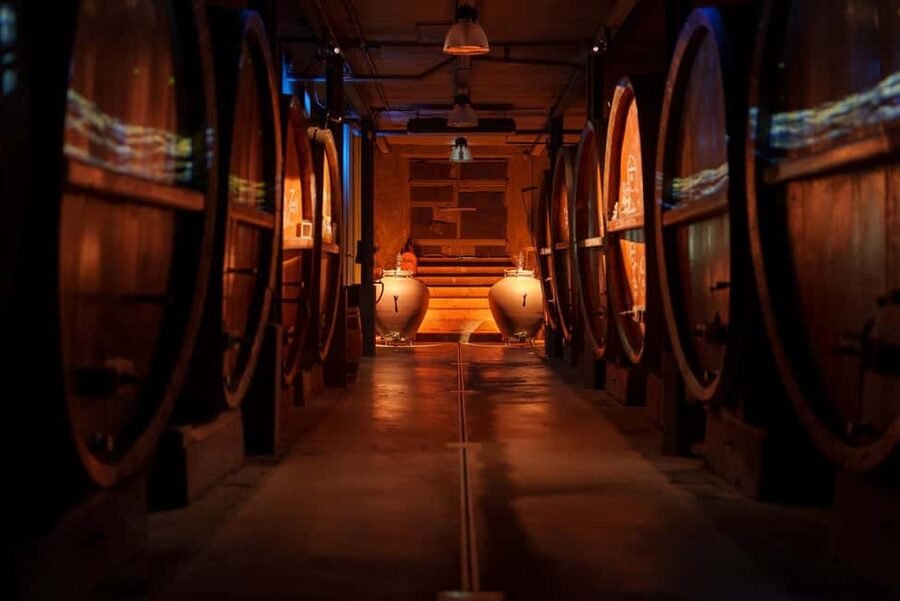
Since 2020, the winery has offered a film projected across the cellar’s old oak barrels. The projection uses a 180-degree format, with sound and mapped images on parts of the sequence. It tells the winemaker’s personal story and presents the philosophy behind the work.
This is the experience’s most distinctive feature. The film is not merely a video played on a wall before the tasting. The barrels form part of the presentation, so the cellar itself becomes the setting and the image surface. That makes the family story feel tied to the place where the wine is made.
The presentation will appeal most to people who enjoy a little theater with their history. If you want only a technical cellar lecture, it may feel more elaborate than necessary. If you appreciate visual storytelling, it breaks up the usual pattern of standing, listening, and tasting.
The word unique in France is a strong claim, but the supplied details support the idea that this format is unusual. You should treat it as a special feature of this winery, not as a replacement for the wine education. The film adds atmosphere and personal context, while the guide provides the practical information.
A useful stop for curious beginners and mixed groups
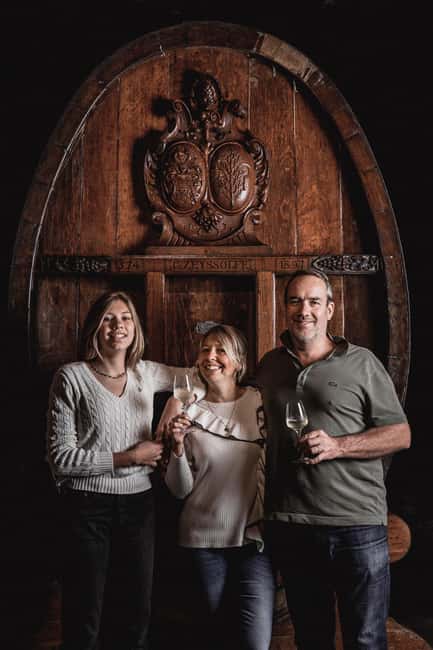
You do not need to be a wine expert to enjoy this experience. The five-wine format gives beginners a manageable introduction, and the explanations about food pairing make the material useful beyond the cellar.
It also works for people with different levels of interest. One person can focus on the winemaking process, another on the old barrels, and another on the tasting itself. The film gives the group a shared experience even if not everyone cares about grape details.
Children are welcome, which makes the visit easier for families. The included wine tasting is for adults, of course, but the cellar, old barrels, and projection provide material beyond drinking. Families should still consider the 90-minute duration and the fact that the visit includes spoken explanation.
The experience is also a good fit for anyone staying in or passing through the Grand Est region who wants a local winery visit without committing to a full-day wine route. At $22 per person, it is modestly priced for a guided cellar tour with five pours and a special presentation.
Is $22 good value?
Yes, provided you want more than a quick sample at a shop counter. The price includes the guided cellar tour, a commented tasting of five wines, and the 180-degree film. Those inclusions make the cost easy to justify, particularly for visitors who want both education and tasting.
The value is even better if you take advantage of the questions and food-pairing advice. A short tasting can be forgettable when the guide simply names the wines. Here, the barrel history, winemaking explanation, and family story give you several ways to connect with what you are drinking.
The main value question is time. The core visit lasts 90 minutes, and shopping is listed separately for an hour. One German participant found the overall experience longer than necessary, so people with a tight schedule should allow room beyond the nominal tasting time.
You can reserve now and pay later, which helps if you are still arranging a Grand Est itinerary. Cancellation is free up to 24 hours in advance for a full refund. These terms are useful, but the bigger practical point is to select the correct tour language when booking.
How the visit compares with a standard cellar tasting
A standard cellar tasting often gives you a short introduction, a few glasses, and a chance to buy bottles. This experience goes further in three clear ways.
First, the five wines cover several styles rather than repeating one narrow profile. Second, the old working barrels give the cellar visit a physical focus. Third, the projection brings a personal and visual element that most winery tastings do not include.
That extra material can make the experience feel fuller, but it also explains why it may not suit everyone. If you already know Alsatian wine well, the basic explanations may be familiar. You may still value the barrel collection and film, but the educational portion will probably be more useful to a beginner than to a specialist.
I would choose this over a bare tasting if you want to understand the producer and the cellar. I would choose a shorter tasting instead if your main goal is to sample one or two bottles before dinner.
Practical tips for getting the most from it
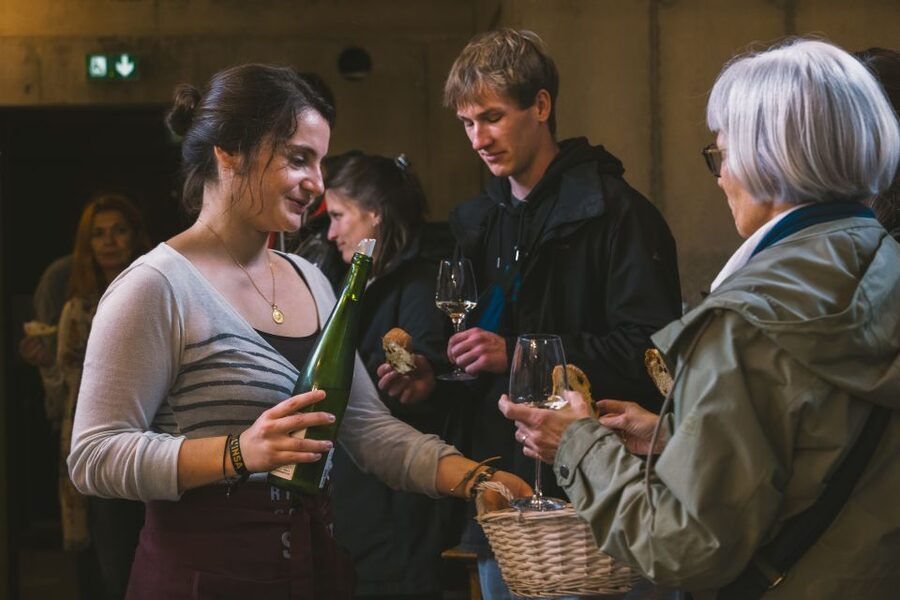
Check the language before paying. English and French are offered, and the booking warning makes this worth taking seriously. A wine tour depends on explanation, so the wrong language can change the experience more than it would on a simple sightseeing stop.
Arrive ready to ask questions. The guide is described as welcoming questions about smell, taste, winemaking, barrels, and food. You will get more from the tasting if you compare the wines rather than treating each pour as a separate drink.
Do not judge the whole visit by the first few minutes. The experience builds from regional facts to cellar history, then to the barrel projection and tasting. The presentation may feel longer than a quick pour, but that extra time is where the context comes from.
Leave time for shopping if you want to buy bottles. The itinerary includes one hour for shopping, but the relationship between that period and the 90-minute guided visit is not fully clear. Confirm the timing if you have a train, meal, or other appointment afterward.
Who should book this Gertwiller wine experience?
I would recommend it to first-time visitors to Alsatian wine, couples who want a relaxed tasting with a story attached, and families looking for a winery that welcomes children. It is also a good choice for anyone curious about how old oak affects wine, since the barrels are still part of the production rather than decorative props.
The experience is less suited to someone who wants a brief, highly technical tasting with exact bottle data sent in advance. It may also feel slow if you dislike films, historical explanation, or guided presentations.
The 4.7 rating from 110 reviews reflects a strong overall response, with repeated praise for the enthusiastic presentation, welcoming staff, tasty wine, and unusual barrel projection. One French participant found the visit both playful and educational, while a German participant praised the wine and cellar but wanted a shorter format. That is a fair picture: strong content, a warm approach, and a pace that may not suit everyone.
Should you book it?
Book this tour if you want five organic wines plus a real cellar story, not just a drink in a tasting room. The 1850 barrels, the 1900 exhibition cask, and the 180-degree projection give Vins Zeyssolff a clear identity.
At $22, the package offers good value for a 90-minute guided visit, especially if you are new to Alsatian wine. Just choose the correct language, allow extra time for shopping, and avoid booking it immediately before a fixed appointment. If you prefer fast and minimal, pick another tasting. If you want wine, craft, family history, and a little visual spectacle in one stop, this is a sensible choice in Gertwiller.
FAQ
Where does the wine tasting take place?
The experience takes place at Vins Zeyssolff, also called Au Péché Vigneron, in Gertwiller, Grand Est, France. The listed address is 156 Route de Strasbourg.
How long does the guided visit last?
The guided tour and tasting last 90 minutes, or 1.5 hours. Shopping is also listed as a one-hour part of the itinerary, so check the exact timing if your schedule is tight.
How much does the experience cost?
The listed price is $22 per person.
How many wines are included?
The tasting includes five commented wines.
What types of wine can I taste?
The range can include sparkling wine, red wine, rosé, dry white wine, and sweet white wine. The guide explains the wines and discusses food pairings.
Are the wines organic?
Yes. The tasting features locally produced organic wines from the winery.
What is special about the cellar?
The cellar contains oak barrels dating from 1850 that are still in use. It also includes a barrel made for the Universal Exhibition of 1900.
Is the 180-degree film included?
Yes. A 180-degree film projected onto the old oak barrels is included in the experience. It presents the winemaker’s personal story and work philosophy.
Which languages are available, and can children attend?
Live tours are available in English and French, and children are welcome. Check the selected language carefully when booking.
More Food Tours in Strasbourg & Alsace
- Strasbourg: Traditional Food Walking Tour with Tastings
★ 4.8 · 219 reviews - From Colmar: Alsace Medieval and Wine Tasting Day Tour
★ 4.7 · 91 reviews - The Emblematic: visit of villages, Haut-Koenigsbourg, Wine tasting
★ 5.0 · 81 reviews - Strasbourg Food Tour : Gourmet private Tour with tastings
★ 4.7 · 58 reviews
More Wine Tours in Strasbourg & Alsace
- Alsace Wine Route Wineries & Tasting Small Group Guided Tour from Strasbourg
★ 5.0 · 229 reviews - ICONICS Tour: 1/2 day on the Wine Route, visit of 2 Villages + Tasting.
★ 5.0 · 159 reviews - Dare to Alsace Wine with a Feminine Touch
★ 4.9 · 105 reviews - Alsace Full Day Wine Tour from Colmar
★ 5.0 · 104 reviews
Recently reviewed around Strasbourg & Alsace
- Guided Tour “Unusual Nancy”★ 5.0 · 36 reviews
- Guided tour of Nancy, Great History and Little Anecdotes★ 5.0 · 89 reviews
- Alsace villages half day tour from Colmar★ 5.0 · 186 reviews
- The Emblematic: visit of villages, Haut-Koenigsbourg, Wine tasting★ 5.0 · 81 reviews
- Segway Tours 2h in Colmar★ 5.0 · 116 reviews
- Alsace’s Gems Small Group Day Tour from Colmar★ 5.0 · 84 reviews
- Private and customizable: Alsace Wine Route HIGHLIGHTS in 3 hours★ 5.0 · 63 reviews
- ICONICS Tour: 1/2 day on the Wine Route, visit of 2 Villages + Tasting.★ 5.0 · 159 reviews
Wine Tastings, compared.
Montmartre Hill French Gourmet Food and Wine Tasting Walking Tour
Read our review →
Loire Valley Castles Day Trip With Wine Tasting
Read our review →
Afternoon Saint-Emilion Wine Tasting & snack
Read our review →
Medoc or Saint Emilion Wine Tasting and Chateau from Bordeaux
Read our review →
Saint Emilion Half-Day Trip with Wine Tasting & Winery Visit from Bordeaux
Read our review →
Champagne Day Trip with 6 Tastings, Reims and Winery from Paris
Read our review →Browse the lists this tour appears in