
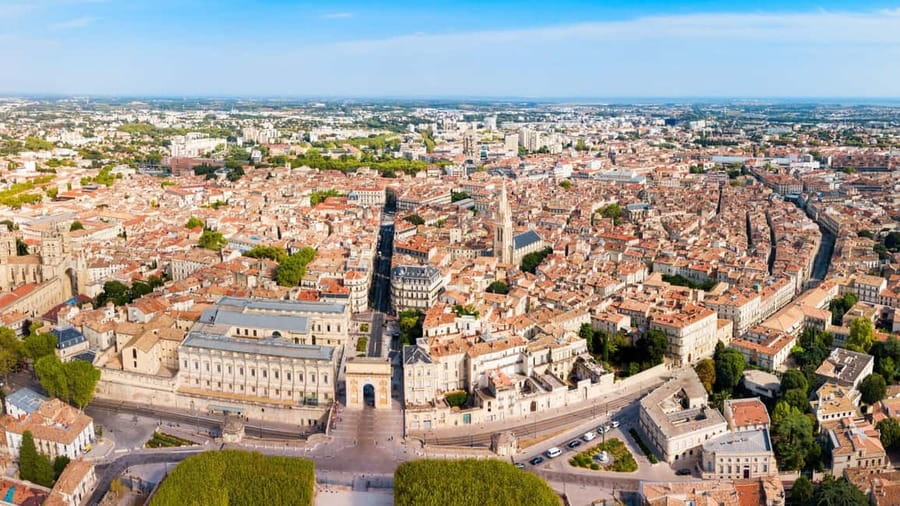
Reviewed · WALKING TOURS
Best of Montpellier: Private Walking Tour with a Local
Montpellier is best understood on foot, with a local who can connect its medieval lanes, grand squares, modern districts, and everyday cafe life. I like the private format, which lets you shape the walk around your interests, and I like the chance to ask for practical advice on food, markets, and places you could easily miss alone.
The main tradeoff is that this is a relaxed local introduction, not a formal historical tour. Your guide is a friendly resident rather than a certified professional guide, and paid attractions, food, drinks, and transport cost extra. Still, at $48 per person, the personal attention can be good value, especially early in your stay.
In This Review
- Key points to know before booking
- Why this private Montpellier walk works well
- Beginning at Place de la Comédie
- Medieval streets and Montpellier’s long story
- The Arc de Triomphe and Promenade du Peyrou
- Esplanade Charles de Gaulle and Musée Fabre
- Antigone and the modern side of town
- Local cafes, markets, and places to eat
- The guides and the style of the experience
- How much time should you choose?
- Price, value, and what you still pay
- Who should book this walk?
- Should you book Best of Montpellier?
- FAQ
- Where does the tour meet?
- How long does the walking tour last?
- Is the tour private?
- Can I customize the route?
- Which languages are available?
- Is the tour wheelchair accessible?
- Are food, drinks, and attraction tickets included?
- What happens if I need to cancel?
Key points to know before booking
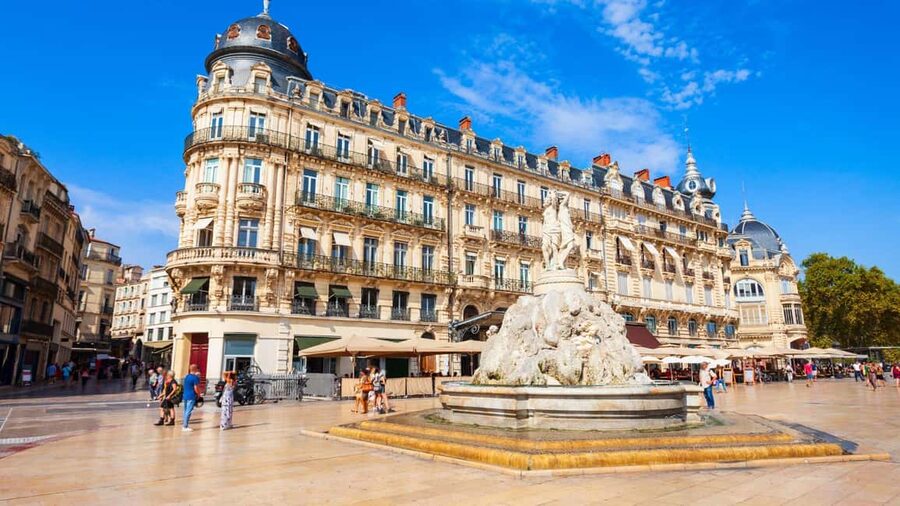
- Start at Place de la Comédie: This central meeting point puts you right beside Montpellier’s main square and makes a useful base for your first walk around town.
- Ask for Patrice if available: Patrice was born and raised in Montpellier and can discuss local history, food, politics, and current changes in the city.
- Your route can change with your interests: You can focus on architecture, local culture, cafes, markets, history, or places to eat instead of following a fixed script.
- See both old and new Montpellier: The walk may link medieval streets and the Arc de Triomphe with the Esplanade Charles de Gaulle, Musée Fabre, Peyrou, and Antigone.
- Plan for a walking pace: Comfortable shoes matter. The tour can last from one to six hours, so you can choose a quick orientation or a longer outing.
- The guide’s advice may be the real prize: You can ask where to eat, what to do next, and how to spend the rest of your time in Montpellier.
Why this private Montpellier walk works well
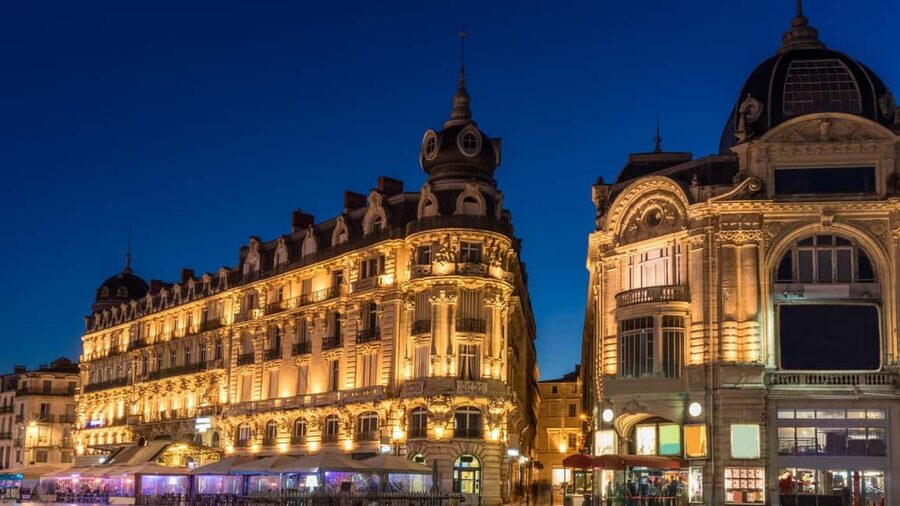
A first walk through Montpellier can feel slightly puzzling. The city has a compact old center, but its character changes quickly from narrow medieval lanes to broad 19th-century avenues and bold modern buildings. A local guide helps you read those shifts instead of simply checking off monuments.
The private setup matters here. You are not trying to keep up with a large group or listen to a speech aimed at everyone at once. You can stop for a photograph, ask about a building, change the pace, or request a cafe recommendation without holding up strangers.
I especially like this tour for the first day or two of a visit. You can use the walk to get your bearings, then return to places that caught your eye. It is also useful if you already know part of Montpellier and want the guide to skip familiar ground.
The experience has a strong local-life focus. You will hear about the city’s past, but the stated emphasis is culture, current life, favorite places, and personal stories rather than a detailed academic account. That makes the walk feel more like meeting a well-informed local than attending a formal lecture.
More Montpellier walks with a guide:
- Paris Top Sights Half Day Walking Tour with a Fun Guide
★ 5.0 · 2,893 reviews - Montmartre Hidden Gems and Scenic Highlights Walking Tour
★ 5.0 · 2,684 reviews - Montmartre Hill French Gourmet Food and Wine Tasting Walking Tour
★ 5.0 · 2,588 reviews
Beginning at Place de la Comédie
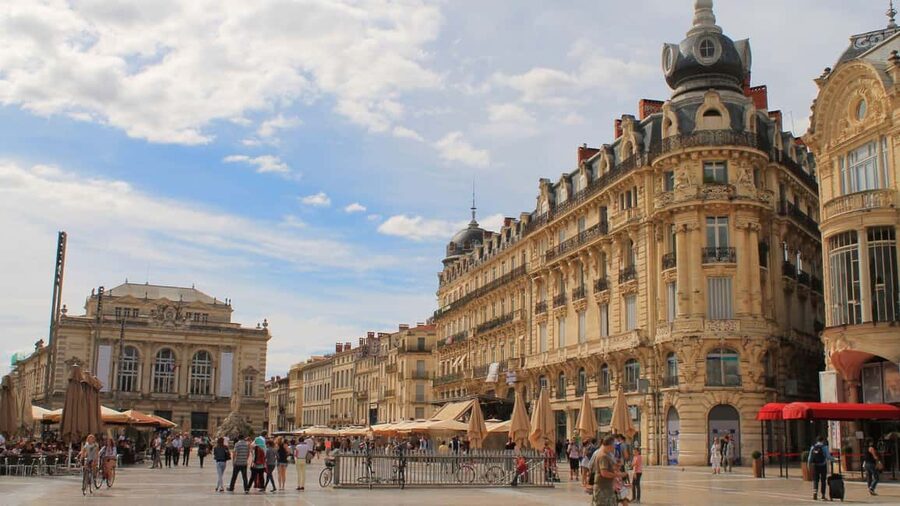
Place de la Comédie is an easy place to begin. It is Montpellier’s central gathering point, and starting here lets your guide explain how the city fits together before you move into the old center.
This is also a practical meeting location for a private tour. You should arrive on time, since the guide is scheduled for your group alone. From here, you can move toward the historic center and begin comparing the open scale of the square with the tighter streets nearby.
Your guide may use the opening part of the walk to ask what you want from the experience. Tell the guide if you care most about food, architecture, local customs, history, photography, or current city life. The more specific you are, the more useful the customization becomes.
If you have limited time, a one-hour walk can provide a basic orientation. If you have up to six hours, you have room for a slower route with stops, conversation, and perhaps a coffee break that you arrange and pay for yourself.
Medieval streets and Montpellier’s long story

The historic center is where the tour’s sense of place becomes strongest. Its medieval streets offer a close-up look at Montpellier, with a scale that encourages slow walking and frequent pauses.
Patrice has been particularly praised for explaining the people who shaped Montpellier, including Saint Roch and Jean Moulin. That range gives you more than a list of dates. It connects religious figures, local identity, and modern French history in a way that can make the streets easier to remember.
If you request more historical detail, Patrice is a strong guide to ask for, subject to availability. He has also been described as easy to talk with and willing to discuss present-day issues, French politics, food, and culture. That wider conversation suits you if you want context beyond monuments.
The limitation is worth keeping in mind. This is not presented as a specialist history lesson, and the level of detail may depend on your guide and your questions. If your main goal is formal architectural analysis or exhaustive chronology, you may want a museum visit or dedicated historical tour as well.
The Arc de Triomphe and Promenade du Peyrou
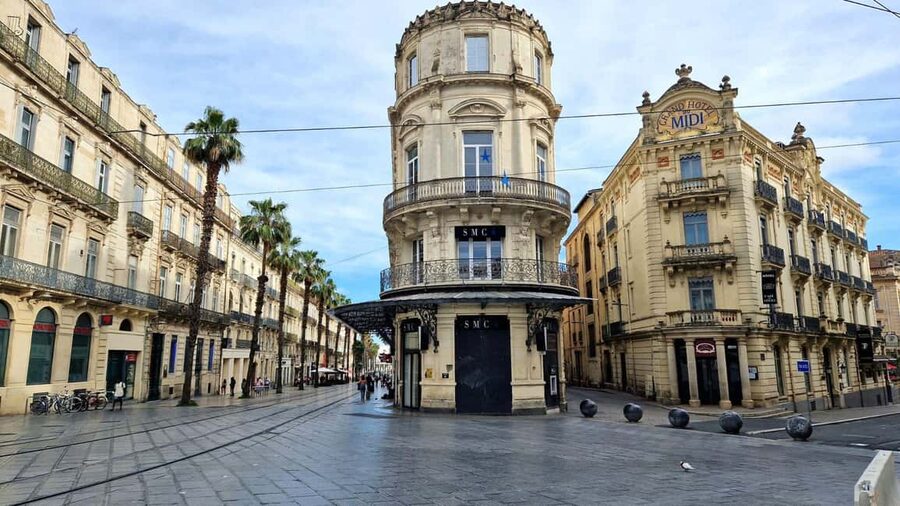
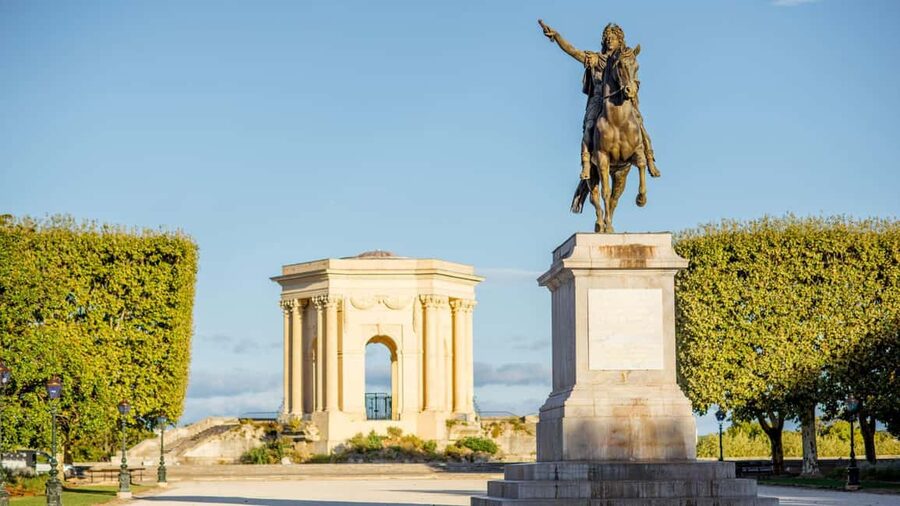
The Arc de Triomphe gives the walk a grand visual moment. It marks the approach to the Promenade du Peyrou, where Montpellier opens out into a broad public space with a calmer feel than the lanes of the old center.
Peyrou is one of the most rewarding stops for a first visit because it gives you room to pause and look across the city. On a clear day, you may see toward Pic Saint-Loup, the distinctive mountain visible in the distance. Your guide can help place that view within the wider area around Montpellier.
I would not rush this part of the walk. Ask for time to take photographs and enjoy the setting. One guide, Ceyda, has been especially flexible about photo stops, rest breaks, and weather. During rain, she split a tour across two days, showing how the private format can work when conditions change.
That flexibility is useful, but it is not unlimited. Special requirements or accommodation needs should be reported at least three days in advance. The tour is wheelchair accessible, although you should still explain your needs before the appointment so the route can be planned properly.
More Montpellier trips worth a second look
- Private Discovery of Montpellier by Bike-Taxi
★ 5.0 · 83 reviews - Paris: Private Photoshoot at the Eiffel Tower
★ 4.7 · 2,636 reviews - Top Private Cruises in Paris with French Champagne and surprises
★ 5.0 · 1,553 reviews - Private Paris Airport Arrival Transfer – CDG & ORLY Airports
★ 4.5 · 1,119 reviews
Esplanade Charles de Gaulle and Musée Fabre
The tree-lined Esplanade Charles de Gaulle adds a quieter stretch between major sights. It is a pleasant place to slow down, listen, and ask your guide what parts of Montpellier deserve more of your time.
The nearby Musée Fabre brings art into the route, even if you do not enter. The museum is one of the city’s notable cultural landmarks, and your guide can help you understand how it fits into Montpellier’s wider mix of old and new.
Admission is not included. If you decide to go inside an attraction, you pay your own entry fee and also cover the guide’s admission cost. That extra expense is easy to overlook, so include it in your budget before adding museums or other ticketed sites.
This stop works best for people who like to connect a city’s public spaces with its cultural life. If you only want outdoor sightseeing, simply tell the guide to keep the walk moving. Since the route is private, you do not have to follow every suggested stop.
Antigone and the modern side of town
Montpellier is not only a medieval city. The Antigone district brings a very different architectural mood, with modern planning and large-scale forms that contrast sharply with the old center.
Including Antigone can make the tour more useful than a standard old-town stroll. You see how Montpellier presents itself as a modern city as well as a historic one. That contrast helps explain why the city can feel both traditional and forward-looking within a relatively short walk.
The district may appeal most to you if architecture and urban design interest you. If your priority is local food or small streets, you may prefer to spend more of your time in the center. Mention that preference when you book or meet your guide.
A longer tour makes this contrast easier to include without turning the experience into a race. On a short tour, your guide will need to choose between Antigone and other areas. The private itinerary is helpful, but time still sets the limits.
Local cafes, markets, and places to eat
The most practical part of the experience may come between the formal sights. You can ask your guide for cafe, market, and restaurant suggestions, then use that advice after the walk.
Some guides have gone beyond pointing out a place on a map. Patrice has taken groups to spots they might have missed, while another guide adjusted the route for a coffee stop and extended the tour so the planned itinerary was still covered. These details show what you can reasonably ask for: a conversation-led walk rather than a rigid march from one landmark to the next.
Food and drinks are not included. That is fair for a private walk because you choose what to buy, but remember that a cafe stop is your expense. You should also ask clearly if you want a recommendation for a full meal, a market visit, or a quick place for a break.
I would use this tour to gather ideas for the rest of your stay, not as a food tour. The guide can offer local direction, but the experience does not promise tastings or included meals.
The guides and the style of the experience
The guide you receive can shape the walk. Patrice, Ceyda, Meghan, and Daska are among the guides associated with recent bookings, though you should not assume that one particular person will lead your tour unless this is confirmed.
Patrice is a native of Montpellier and has been especially valued for his local perspective, clear English and French, and easy conversation. He can discuss the city’s past alongside food, politics, and present-day changes. If you want a strong connection to local life, request him if the booking system allows it.
Ceyda has shown a different but equally useful strength: careful communication, flexibility, and the ability to adjust for rain, rest stops, coffee, and photo breaks. Meghan has led a warm, well-prepared two-hour walk, while Daska has helped make the city understandable for someone arriving without much background.
The common thread is a friendly, personal style. You should expect conversation and questions, not a polished performance from a licensed city historian. That is a benefit if you value local opinions and an informal pace. It may disappoint you if you want official credentials or a highly scripted lecture.
How much time should you choose?
The one-hour option is best for a quick introduction. You can expect a limited route, likely centered on the main square and historic center, with less time for Peyrou, Antigone, or extended advice.
Two hours is a sensible middle choice. It gives you enough time to see several important areas and still leave room for questions. One two-hour outing included many of the city’s interesting and attractive parts while keeping the pace comfortable.
A longer booking makes sense if you want to combine old Montpellier, Peyrou, the Esplanade, Musée Fabre, Antigone, and local recommendations. It also gives you a better chance to stop for photographs, rest, or coffee without sacrificing the route.
You do not need to treat the maximum six hours as a full sightseeing day. If you prefer short walks, choose less time and use the guide for orientation. If you have mobility concerns, mention them in advance and agree on a comfortable pace.
Price, value, and what you still pay
At $48 per person, this is reasonably priced for a private experience, particularly for a couple or small group that wants personal attention. The value comes from flexibility and local advice rather than from included admissions or meals.
For a group of four, the cost buys a shared guide who can respond to everyone’s questions. For a solo visitor, the per-person price is higher in practical terms, but the service becomes almost entirely personal. You should compare it with the cost of a group tour, keeping in mind that a group tour may offer more formal commentary but less control.
You will pay separately for food, drinks, buses, trains, taxis, attractions, souvenirs, and other personal purchases. If you enter a paid site, you also cover the guide’s ticket. There is no included transport, so the walking route matters.
The free cancellation policy allows a full refund when you cancel at least 24 hours ahead. You can also reserve now and pay later, which helps if your Montpellier plans are still shifting.
Who should book this walk?
I would recommend it to first-time visitors who want to understand Montpellier quickly without spending a morning in a large group. It also suits families, couples, and friends who do not all want the same standard sightseeing route.
Food-focused visitors can ask for cafe and market advice. Architecture fans can request both the medieval center and Antigone. People who already know the main square can ask the guide to avoid familiar ground and focus on less obvious areas.
It is less suitable if you want a certified guide, a fixed historical syllabus, or included access to museums. It may also be a poor match if you dislike walking or do not want to pay separately for every optional stop.
Comfortable shoes are essential. You should also arrive punctually at Place de la Comédie and contact the provider at least three days ahead about special needs.
Should you book Best of Montpellier?
Book this tour if you want a flexible first look at Montpellier and care as much about local advice as famous sights. The best version combines the old center, Peyrou, and at least one modern or cultural area, while leaving time for questions and a cafe suggestion.
If Patrice is available, he is a particularly appealing choice for history and local context. Ceyda may suit you if flexibility and careful planning matter most. Since guide assignments can vary, focus on the private format and your ability to explain your interests.
At $48 per person, the walk earns its keep when you use the guide actively. Ask questions, request food tips, and say what you do not need. If you do that, you should leave with a clearer map of Montpellier and a better plan for the rest of your stay.
FAQ
Where does the tour meet?
The tour meets at Place de la Comédie in Montpellier.
How long does the walking tour last?
The duration can be between one and six hours. Available starting times depend on the date you choose.
Is the tour private?
Yes. It is a private experience for your group, with no outside participants.
Can I customize the route?
Yes. The itinerary is flexible and tailored to your interests, pace, and requests.
Which languages are available?
The tour is offered in English and French.
Is the tour wheelchair accessible?
Yes, the activity is listed as wheelchair accessible. You should notify the provider at least three days in advance about special requirements.
Are food, drinks, and attraction tickets included?
No. You pay for any food, drinks, paid attractions, transportation, souvenirs, and other personal purchases. If you enter a paid attraction, you also cover the guide’s admission cost.
What happens if I need to cancel?
You can cancel up to 24 hours before the tour for a full refund. The reserve-now, pay-later option lets you book without paying immediately.
Recently reviewed around Montpellier
- Private Discovery of Montpellier by Bike-Taxi★ 5.0 · 83 reviews
- Small-Group Half-Day Languedoc Pic Saint-Loup Wine Tour from Montpellier★ 4.5 · 86 reviews
- The force to escape – Escape game in Montpellier★ 4.5 · 84 reviews
- Bertrand Bosc wine and food tour in Pic St Loup★ 5.0 · 242 reviews
- Escape Game Session in Montpellier★ 5.0 · 33 reviews
- Blind Test Room & karaoke Montpellier★ 5.0 · 48 reviews
- Discovery of the Grands Sites de l’Hérault from Montpellier★ 5.0 · 77 reviews
- Legendary Montpellier, flexible legends and storytelling tour★ 5.0 · 54 reviews
Walking Tours, compared.
Paris Top Sights Half Day Walking Tour with a Fun Guide
Read our review →
Montmartre Hidden Gems and Scenic Highlights Walking Tour
Read our review →
Montmartre Hill French Gourmet Food and Wine Tasting Walking Tour
Read our review →
Paris Île de la Cité and Notre-Dame Walking Tour With Crypt
Read our review →
Montmartre Cheese, Wine & Pastry Guided Walking Tour
Read our review →
Paris in a Day: Louvre or Orsay, Eiffel Tower, City Walk & Cruise
Read our review →
Montmartre Highlights Walking Tour with a Local Guide
Read our review →
Browse the lists this tour appears in