
Reviewed · CHAMPAGNE TOURS
Bubble Champagne Tour from Epernay (Small group half day tour)
The best part of this Epernay tour is its mix of famous Champagne sights and a working family estate. You visit Dom Pérignon’s village, look across the Marne Valley, pass Grand Cru vineyards, and taste bottles made by a small producer rather than only visiting a grand Champagne brand.
I like the small group of two to eight people, which gives the outing a friendly, personal feel. I also like the chance to taste three 100% Grand Cru Champagnes, including styles such as brut, vintage, oak-aged, and Champagne without dosage.
The main consideration is the pace. In three and a half hours, you cover several villages and viewpoints, but this is not a slow, long vineyard walk. Photo stops are limited, and the route returns to Epernay along much of the same road.
In This Review
- Key points to know
- Why this half-day tour works well from Epernay
- Hautvillers and the story behind the bubbles
- From Pinot Noir country to the Côte des Blancs
- Oger and a family estate since 1864
- Ratafia, Fine, and Marc: Champagne beyond Champagne
- The Avenue de Champagne puts Epernay in context
- How much value do you get for $187.06?
- What the guides add to the experience
- The drawbacks to weigh before booking
- Who should book this Epernay Champagne outing?
- Should you book it?
- FAQ
- Where does the Champagne tour start and finish?
- How long does the tour last?
- How many people can join the tour?
- Is the tour offered in English?
- Which Champagne villages are included?
- How many drinks are included?
- Is hotel pickup included?
Key points to know
- Hautvillers and Dom Pérignon: Visit the church and grave of the monk linked to Champagne’s early story.
- Grand Cru countryside: Drive through Cramant, Avize, and Oger in the Chardonnay-centered Côte des Blancs.
- Independent family producer: Tour a press, winery, and cellar at an estate that has been family-run since 1864.
- Six styles of local drink: Taste three Grand Cru Champagnes, then Ratafia, Fine de la Marne, and Marc de Champagne.
- Personal guiding: Guides including Isabelle, Philippe, Charlotte, Marine, Nina, and Victoria are praised for their warmth and regional knowledge.
- Easy half-day plan: Meet at the Epernay tourist office, travel in an air-conditioned vehicle, and finish back at the same place.
Why this half-day tour works well from Epernay
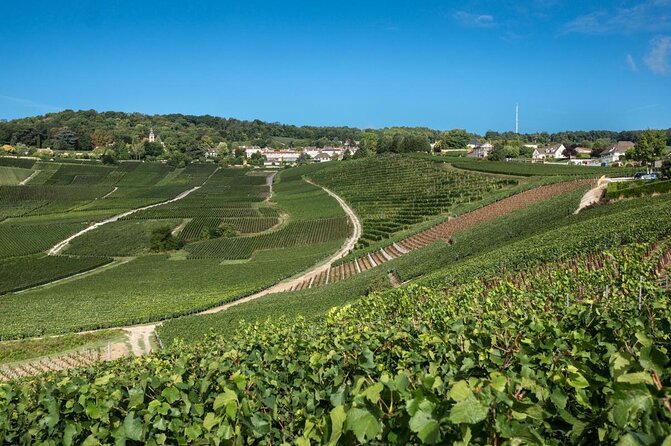
This is a compact introduction to the Champagne region, not simply a tasting room visit. The route connects the story of Dom Pérignon with the vineyards that shaped Champagne and ends with a look at how a smaller producer turns grapes into bottles.
That makes the tour especially useful if you have only one afternoon in Epernay. You see the historic Avenue de Champagne, but you also leave town for Hautvillers and the Côte des Blancs, where the experience feels more rural and personal.
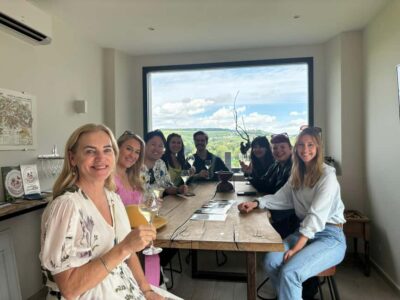
The tour is offered in English and uses a premium air-conditioned vehicle. With no more than eight people, you are less likely to feel like part of a large bus outing. Guides named in feedback include Isabelle, Philippe, Charlotte, Marine, Nina, and Victoria. The guide can make a real difference here, since much of the value comes from explanation during the drives and tastings.
More Epernay trips worth a second look
- From Reims: Champagne and Family-Run Wineries Tour
★ 4.8 · 671 reviews - The Essential Tour from Epernay with Champagne Tasting
★ 4.9 · 120 reviews - Champagne experience with a vintage van from Epernay – 3 hours
★ 5.0 · 108 reviews
Hautvillers and the story behind the bubbles
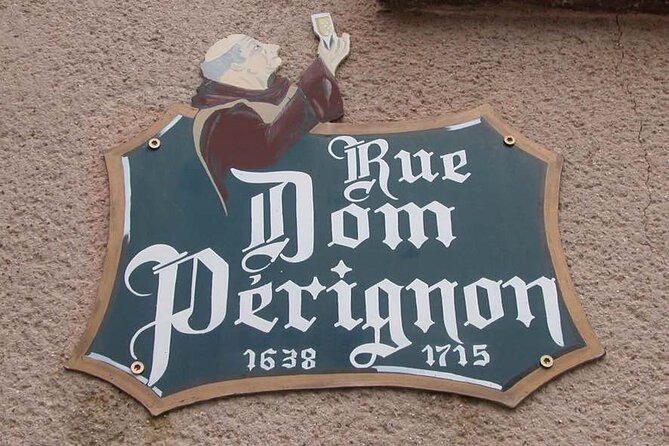
Your first substantial stop is Hautvillers, a village often called the cradle of Champagne. The church contains the grave of Dom Pérignon, the Benedictine monk whose name is now attached to one of the world’s best-known Champagne labels.
You receive a private visit to the church with an explanation of Dom Pérignon’s work and the familiar question of whether he actually invented Champagne. The answer is more nuanced than the popular legend, and that is precisely what makes the stop worthwhile. You get a clearer sense of how the region’s story grew around experimentation, vineyard work, and the development of sparkling wine.
The church visit lasts about 30 minutes. Admission is included, and the setting gives the tour a useful historical starting point before you begin tasting.
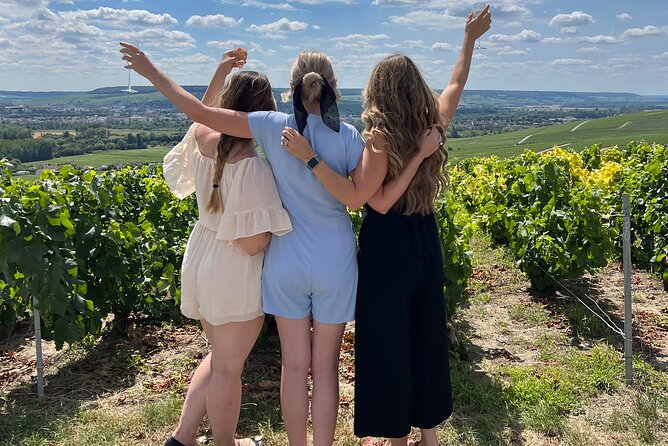
Hautvillers is also a place to look outward. The surrounding historic hillsides form part of the Champagne UNESCO World Heritage Site, and the tour pauses at a viewpoint above the Marne Valley. This is one of the prettiest moments of the outing, with vineyards spreading across the slopes and the river valley below.
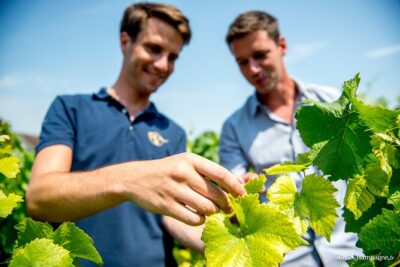
Your guide explains Pinot Noir, the work carried out in the vineyards, the local soil and climate, and sustainable viticulture. The Marne Valley around Hautvillers is mainly planted with Pinot Noir, so this is a good place to begin understanding how different parts of Champagne produce different wines.
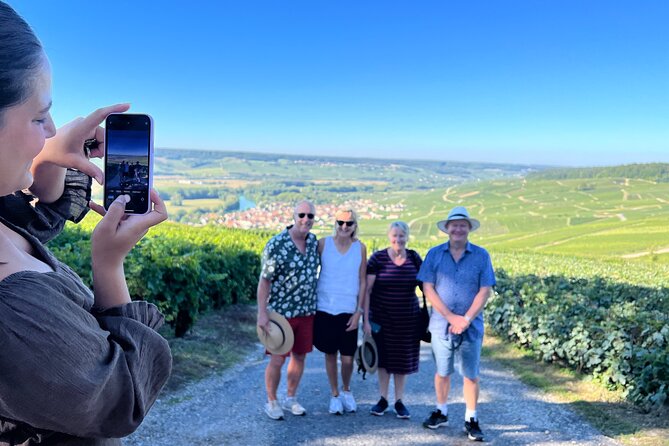
Bring a phone or camera. The viewpoint is designed for photographs, although you should not expect a long photography session. One piece of criticism about the tour was that photo stops were brief and not always at the best viewpoints. If taking vineyard pictures is your top priority, keep your expectations modest.
From Pinot Noir country to the Côte des Blancs
The drive then changes focus. South of Epernay, the route enters the Côte des Blancs, a famous area centered on Chardonnay and known for Blanc de Blancs Champagne.
The villages of Cramant and Avize are both Grand Cru villages. In Champagne, Grand Cru refers to the highest vineyard classification in the appellation, awarded to a limited number of villages. The term appears on the bottle, but seeing the villages and their vineyards helps explain why it matters.
Here you pass the large bottle factory and Château de Saran, a private property used by the LVMH group for major clients and VIP events. You also pass the Montaigu site connected with Moët & Chandon production. These drive-by sights add useful context, but they are not interior visits, so do not book this tour expecting access to Château de Saran or the industrial facilities.
The changing grape varieties are one of the tour’s strongest teaching points. Around Hautvillers, you hear about Pinot Noir. In the Côte des Blancs, the emphasis shifts to Chardonnay. Later, at the grower estate, tasting helps connect those regional differences to what you smell and taste in the glass.
Oger and a family estate since 1864
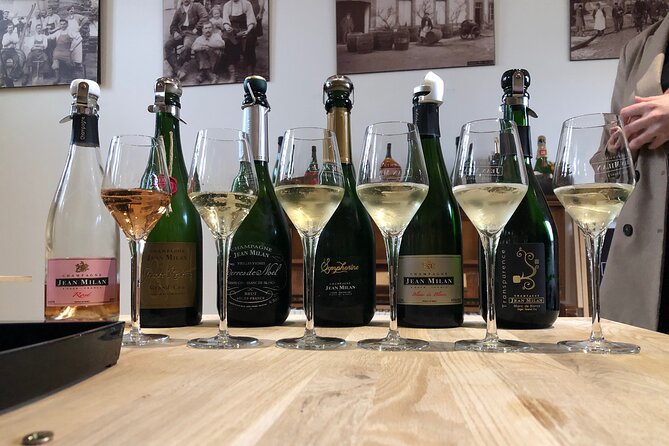
The main visit takes place in Oger, another Grand Cru village in the Côte des Blancs. Oger is associated with Blanc de Blancs made entirely from Chardonnay, and the tour visits an independent producer with a family history dating to 1864.
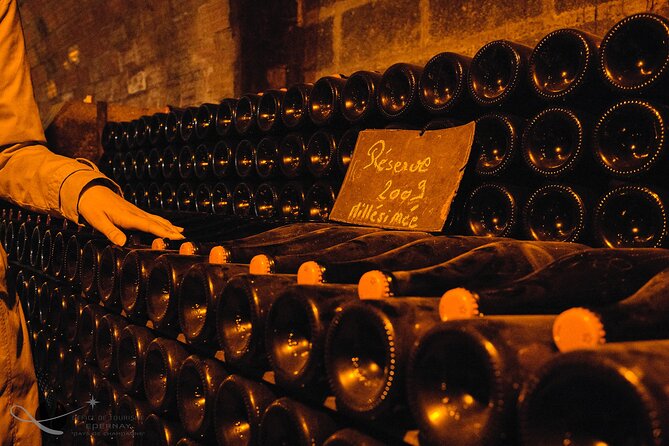
This is where the outing moves from scenic sightseeing to production. You visit the press, winery, and cellar while your guide or the producer explains how Champagne is made. That behind-the-scenes look is valuable because it shows the physical work behind a bottle, rather than treating Champagne as a luxury label without a connection to the vineyard.
The tasting includes three 100% Grand Cru Champagnes. The selections can include a natural Champagne without dosage, a brut, a vintage wine, or Champagne aged in oak barrels. These are not just three random pours. The purpose is to compare how dosage, age, and barrel treatment affect the finished wine.
If you are new to Champagne, pay close attention to dosage. It refers to the small addition made before final bottling, and a wine without dosage can taste quite different from a familiar brut. A vintage bottle may show more developed character, while oak aging can add another layer of texture and flavor.
This tasting is a good counterpoint to a visit with a large Champagne house in Reims or Epernay. The major houses offer scale, grand cellars, and famous names. A family grower offers a closer look at a smaller operation and a more direct connection between vineyard, cellar, and bottle.
You can buy bottles and souvenirs at the estate. If you plan to purchase Champagne, remember that luggage and suitcases are not allowed in the tour vehicle. A small purchase is practical, but anyone planning a major haul should arrange separate luggage storage or transport.
A different way to spend the day, same corner of France:
- From Epernay : Bubble Champagne Tour 6 tastings
★ 4.7 · 108 reviews - From Epernay: Champagne Small-Group tour with tastings & Lunch
★ 5.0 · 93 reviews - Discovery tour (2 tastings)
★ 5.0 · 77 reviews - The Connoisseurs from Epernay (Private Half day Champagne Tour)
★ 5.0 · 59 reviews
Ratafia, Fine, and Marc: Champagne beyond Champagne
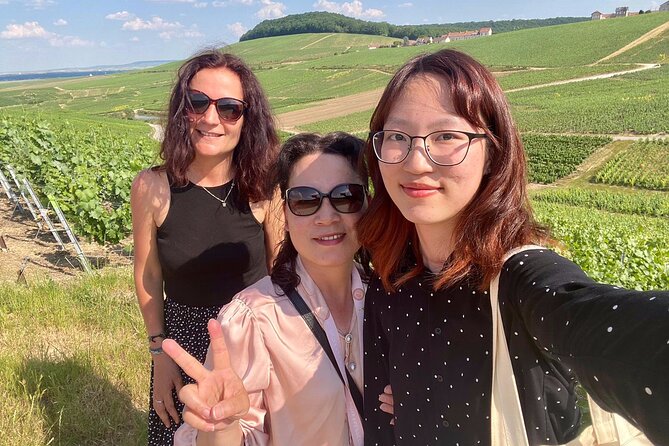
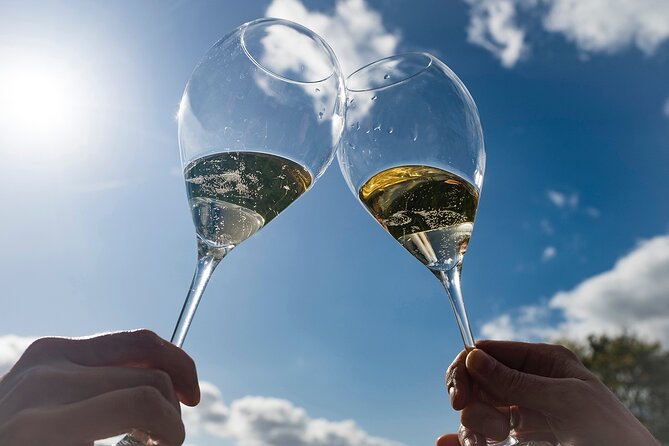
The final tasting broadens the region’s drinks menu. In Cramant, or at the family estate depending on the season and weather, you taste three traditional Champagne spirits and aperitifs from Goyard Distillery in Aÿ, founded in 1911.
The best-known is Ratafia Champenois. It is a sweet wine made from the same grape varieties used for Champagne and is served as an aperitif, digestif, or with certain foods. It remains less familiar outside the region, partly because it is not exported as widely as Champagne.
You also taste Fine de la Marne and Marc de Champagne, both brandies commonly served after a meal. These drinks are stronger and more concentrated than Champagne, so the tasting gives you a broader understanding of local production. If your interest stops at sparkling wine, this part may feel less essential. If you enjoy regional food and drink traditions, it is a welcome extra.
The setting depends on conditions. You might taste with a panoramic vineyard view, or at the grower’s domain. That flexibility is sensible, though it means the exact atmosphere is not guaranteed.
The Avenue de Champagne puts Epernay in context
Before returning to the meeting point, the vehicle makes a commented passage along Epernay’s Avenue de Champagne. This grand boulevard is lined with mansions and production buildings belonging to major Champagne houses, including Moët & Chandon, Perrier-Jouët, and Pol Roger.
The avenue sits above roughly 100 kilometers of cellars holding around 200 million bottles. That helps explain why Epernay is more than a pleasant town with tasting rooms. It is one of the central places in the Champagne trade, and the grand buildings reflect the money and prestige tied to the region.
You do not tour those cellars on this outing. Instead, the avenue provides a quick orientation to the major houses after you have seen a smaller estate. That contrast is useful. You can compare the polished public image of the large brands with the hands-on production story of the family grower.
How much value do you get for $187.06?
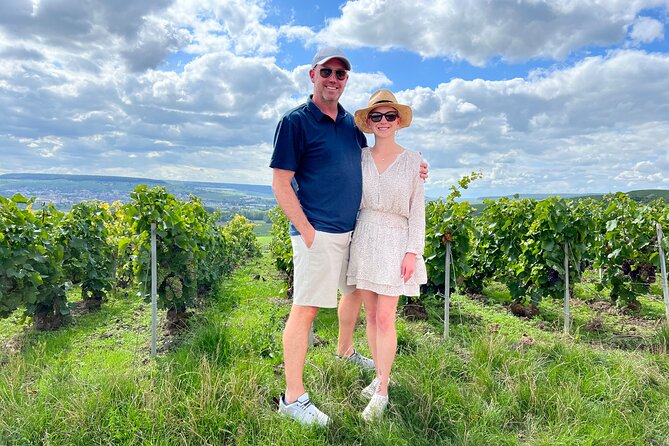
At $187.06 per person, this is not a cheap tasting, but the price includes more than three glasses of wine. You receive about three and a half hours of transportation, guiding, church and vineyard visits, three Grand Cru Champagnes, three additional local drinks, and a visit to a family producer.
The small group is central to the value. A maximum of eight people allows the guide to answer questions and keep the outing from feeling like a bus tour. If only two people book, the drive can feel almost private, which has happened on this experience.
The price makes more sense if you value interpretation and transport. Getting from Epernay to Hautvillers, the Marne Valley, Cramant, Avize, and Oger on your own would take planning, and driving after tastings is not sensible. The air-conditioned vehicle removes that problem.
It is less compelling if you mainly want a long cellar tour at a famous house or a large number of tastings. You do not get a full visit to every major brand named along the Avenue de Champagne, and the itinerary includes several short stops rather than one extended estate visit.
What the guides add to the experience
The guide is not a minor detail on this tour. The drive connects several parts of the region, and the explanations give meaning to what you see from the vehicle.
Isabelle is described as warm and personal, with a strong grasp of Champagne production and tasting. Philippe is praised for his passion and clear regional explanations. Charlotte is noted for being friendly and well informed, while Marine is praised for her English and her ability to explain vineyards, grapes, harvest, and production.
Nina has been described as fun and engaging, with strong context during the cellar visit. Victoria has also been praised for clear communication, a relaxed manner, and taking memorable photographs. Guides can vary, but the repeated pattern is clear: expect the human side of the tour to be one of its main strengths.
This is also a comfortable option for a solo visitor. A solo woman specifically found the outing friendly and safe, and the small group makes it easier to meet the people sharing your vehicle.
The drawbacks to weigh before booking
The tour covers a lot of ground in a short time. You get Hautvillers, two vineyard areas, several Grand Cru villages, Oger, a producer, a distillery-style tasting, and the Avenue de Champagne. The tradeoff is limited free time.
You may also travel some of the same roads on the way back to Epernay. If you want a constantly changing route, this could disappoint. The focus is on reaching the best-known places around Epernay, not on designing a scenic loop through every part of Champagne.
The tasting format deserves a practical note. One person felt that the three Champagnes were poured into the same glass in succession, which made careful comparison harder and required drinking each pour before the next. Tasting arrangements can vary, but if glassware matters to you, ask the guide how the tasting will be handled at the start.
Finally, not everyone will love every stop. The church and viewpoint are short visits, and the smaller producer may feel less polished than a major house. That is part of the point, but it is worth choosing this tour for its local scale rather than for theatrical displays.
Who should book this Epernay Champagne outing?
I would choose this tour if you want a well-rounded first look at the region and have limited time. It suits wine lovers who want to understand grape varieties, dosage, vintage Champagne, oak aging, and the difference between a grower estate and a major house.
It is also a good fit for couples, small groups of friends, and solo visitors who prefer an English-speaking guide and organized transport. The short duration works well for a day trip from Paris by train, provided you can reach the Epernay tourist office at 7 Avenue de Champagne for the start.
I would choose something else if you want extensive walking, many long photo stops, or a full cellar tour at a famous Champagne brand. This experience is about variety and access to a small producer, not a deep visit to one large house.
The tour has a 4.8 rating, with 93 percent of customers recommending it. Free cancellation is available up to 24 hours before the start time. The tour returns to the Epernay meeting point, does not include hotel transfers, and does not accept suitcases or luggage.
Should you book it?
Book this tour if you want the Champagne region explained as a place, not just poured into a glass. You will see Dom Pérignon’s village, compare Pinot Noir country with the Chardonnay-focused Côte des Blancs, visit a family estate dating to 1864, and taste drinks that extend beyond standard Champagne.
The strongest reason to book is the balance between scenery, regional history, and tasting. The main reason to hesitate is the quick pace and limited photography time. For a first half-day in Epernay, especially if you prefer a small group and a local grower over a grand corporate cellar, this is a sound choice.
FAQ
Where does the Champagne tour start and finish?
It starts at the Office de Tourisme d’Epernay en Champagne, 7 Avenue de Champagne, 51200 Épernay. The tour ends back at the same meeting point.
How long does the tour last?
The experience lasts approximately three hours and 30 minutes.
How many people can join the tour?
The tour is limited to a maximum of eight people. It can operate with as few as two participants.
Is the tour offered in English?
Yes. The tour is offered in English.
Which Champagne villages are included?
The route includes Hautvillers, Oger, Cramant, and Avize. You also pass through the Côte des Blancs and the Avenue de Champagne in Epernay.
How many drinks are included?
You taste three Grand Cru Champagnes. You also taste Ratafia Champenois, Fine de la Marne, and Marc de Champagne.
Is hotel pickup included?
No. Hotel transfers are not included. You must make your way to the Epernay tourist office, and luggage or suitcases are not allowed.
Recently reviewed around Epernay
- Champagne experience with a vintage van from Epernay – 3 hours★ 5.0 · 108 reviews
- The Must-sees 3h30 from Epernay (Private Half day Champagne Tour)★ 5.0 · 30 reviews
- Food & Champagne Experience from Epernay (Private tour)★ 4.5 · 28 reviews
- The Connoisseurs from Epernay (Private Half day Champagne Tour)★ 5.0 · 59 reviews
- From Epernay Full day Electric bike Champagne and lunch★ 5.0 · 36 reviews
- From Epernay: Champagne Small-Group tour with tastings & Lunch★ 5.0 · 93 reviews
- Champagne Munoz Bruneau : Half Day Visit and Tasting★ 5.0 · 50 reviews
- Discovery tour (2 tastings)★ 5.0 · 77 reviews
Champagne Tours, compared.
Reims afternoon tour Champagne and family growers
Read our review →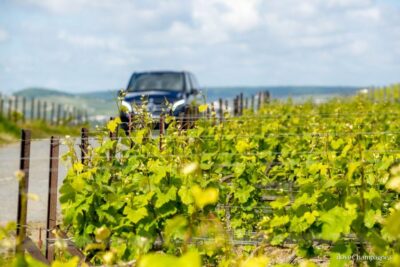
Aÿ-Champagne: Pressoria Champagne Museum with Tasting
Read our review →
Aÿ-Champagne: Champagne House Tour and Tasting Class
Read our review →
Passy-Grigny: Chocolate and Champagne Tasting Tour
Read our review →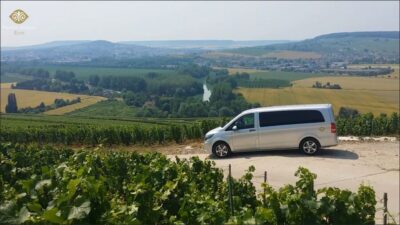
Champagne Day Trip to 3 Family Domains & Lunch
Read our review →Browse the lists this tour appears in