
Reviewed · CHAMPAGNE TOURS
Champagne: Champagne Tasting Class with Lunch
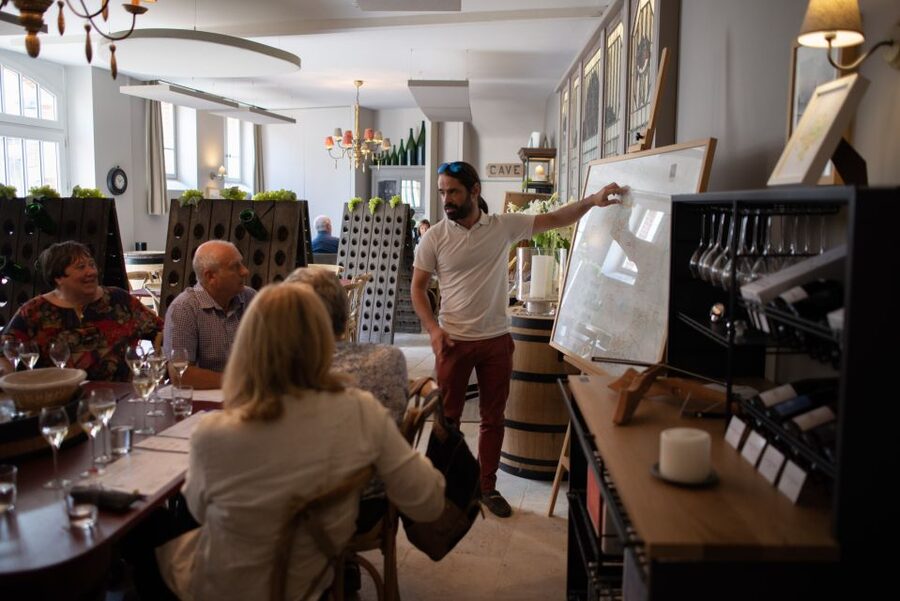
The clever part of this Champagne tasting class is that you do not simply sip three glasses and nod politely. You train your nose, test your palate, take a quiz, and then use what you learned during a blind tasting at family-run Le Clos Corbier. It gives the famous drink a human face.
I like the generous lunch, with local dishes such as pâté en croute, Langres cheese, and pink biscuit cake. I also like the small-house setting and the warm, capable guides, including Emma, Charlotte, Marie, Estelle, and others praised for clear English and lively explanations. The main consideration is that the three-hour visit is centered on the house, cellar, and tasting room rather than a long vineyard walk, and bilingual presentations can take extra time.
In This Review
- Key points at a glance
- Why this Aÿ-Champagne experience feels different
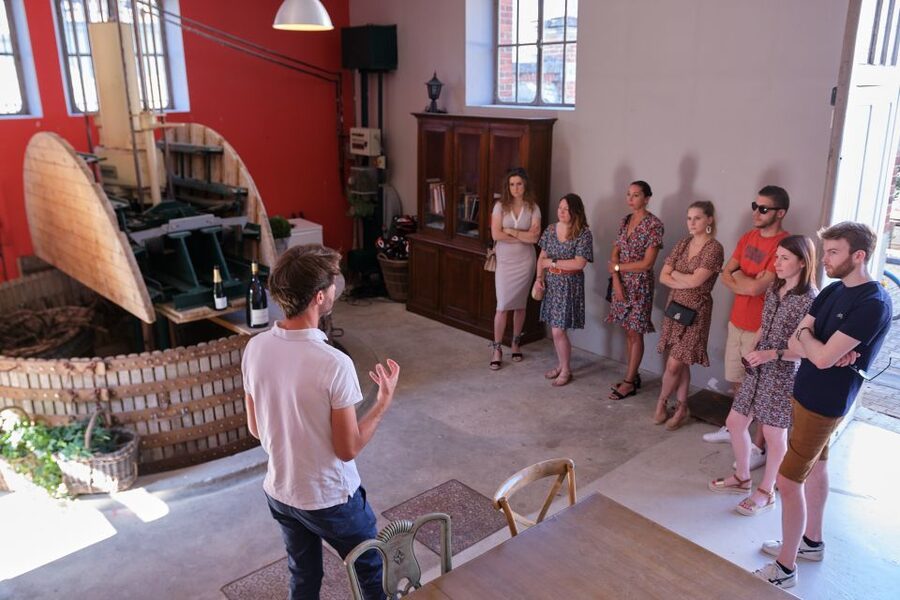
- Arriving at Le Clos Corbier
- The cellar and the Champagne-making story
- Training your nose before tasting
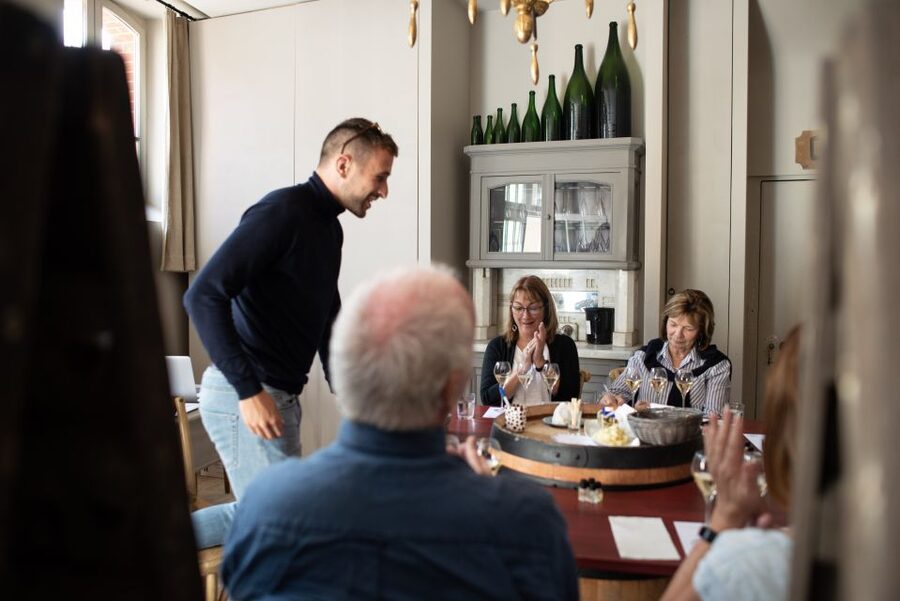
- Three Champagnes, served blind
- A regional lunch at the family house
- The guides make or break a tasting class
- Is $106 a good price?
- Who should book this experience?
- Practical details before you reserve
- Should you book Le Clos Corbier?
- FAQ
- How long does the Champagne tasting and lunch experience last?
- Where does the experience take place?
- How many wines are included?
- Is lunch included?
- Can the lunch accommodate allergies or special diets?
- Should I bring anything?
- Is the activity available in English?
Key points at a glance
- A tasting class, not just a quick pour: Learn how Champagne is made, then put your new skills to work.
- An aroma workshop: Train your nose to recognize scents and flavors found in Champagne.
- Three Champagnes served blind: Compare bottles from small producers while enjoying local snacks.
- A substantial regional lunch: Expect homemade specialties paired with Champagne and other local drinks.
- Historic working surroundings: See cellars dug in the 1850s and a traditional press at Le Clos Corbier.
- A cool cellar visit: Bring a jacket, since the temperature averages about 10°C underground.
Why this Aÿ-Champagne experience feels different
Many Champagne visits follow a familiar pattern: walk through a cellar, hear a polished explanation, taste a glass, and leave with a branded bottle in mind. Le Clos Corbier takes a more hands-on route.
You begin with the basics, including grapes, production, and the role of the Champagne region. Then you get to test yourself. That shift matters. Instead of treating tasting as a mysterious talent, the class breaks it into simple observations: what do you smell, what do you taste, and how do the wines differ?
I think this works especially well if you are new to Champagne. You do not need a trained palate or a working vocabulary of wine terms. The games and quiz give you permission to guess, get it wrong, and try again without making the experience stiff.
The setting also keeps the visit grounded. Le Clos Corbier is a family domain in the Champagne vineyards, with cellars dug in the 1850s and a traditional press. You are learning about a real small producer rather than only hearing about the giant names that dominate shop shelves and advertising.
More Food Tours in Reims
- Aÿ-Champagne: Pressoria Champagne Museum with Tasting
★ 4.7 · 239 reviews - Aÿ-Champagne: Champagne House Tour and Tasting Class
★ 4.9 · 209 reviews - Passy-Grigny: Chocolate and Champagne Tasting Tour
★ 4.8 · 208 reviews
Arriving at Le Clos Corbier
The meeting point is practical but easy to miss if you rush. Look for the Clos Corbier sign and ring the doorbell. Transportation is not included, so you need to arrange your own way to Aÿ-Champagne and allow enough time to arrive before the start.
The experience lasts three hours and ends in the early afternoon. That makes it easy to fit into a day based in the Champagne area, but you should avoid scheduling a tightly timed train or another tour immediately afterward. Lunch is part of the visit, and the pace is designed for conversation rather than a quick bite.
The host or greeter speaks English and French. Several guides have been praised for fluent or excellent English, including Charlotte, Estelle, Emma, and Marie. If the group includes both languages, some explanations may be repeated, which can make the session a little longer. For many people, that is a fair trade for clear instruction.
The activity is wheelchair accessible. Pets are not allowed, although assistance dogs are permitted.
The cellar and the Champagne-making story
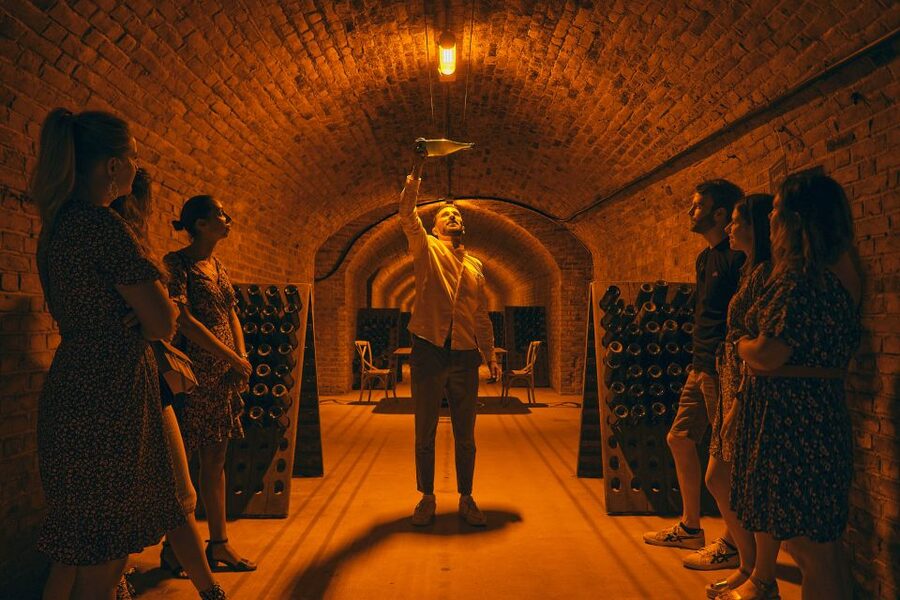
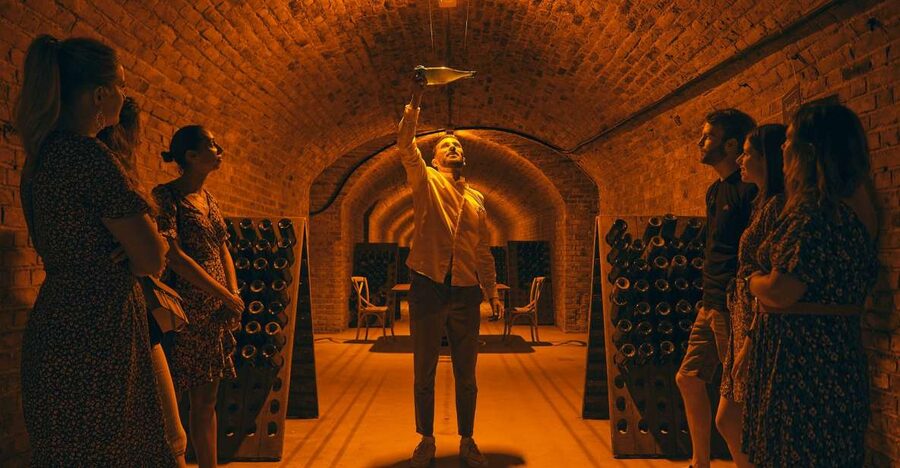
The cellar visit gives the tasting class a physical setting. Cellars dug in the 1850s help explain why Champagne producers rely on cool, dark underground spaces. The average cellar temperature is about 10°C, so take the jacket listed in the practical information. It is a small detail, but a cold cellar can distract you from an otherwise good explanation.
You will also see a traditional press. That detail helps connect the bottle in your glass with the work done before fermentation, aging, and bottling. The tour is not only about the final sparkle. It covers the process of making Champagne and the local growing conditions that shape the drink.
Do not book this expecting a long walk through rows of vines. The house is located among the Champagne vineyards, but the main program focuses on the family domain, cellar, tasting activities, and meal. If you want extensive vineyard exploration, you will need a different or additional excursion.
A useful benefit of this stop is the chance to ask questions. The best guides explain the production process in plain language and adjust the amount of detail to the group. A few past visits have even included a conversation with the owner, who answered questions about the family house and its work. That personal contact is not something you should assume will happen every time, but it captures the character of a small domain.
Training your nose before tasting
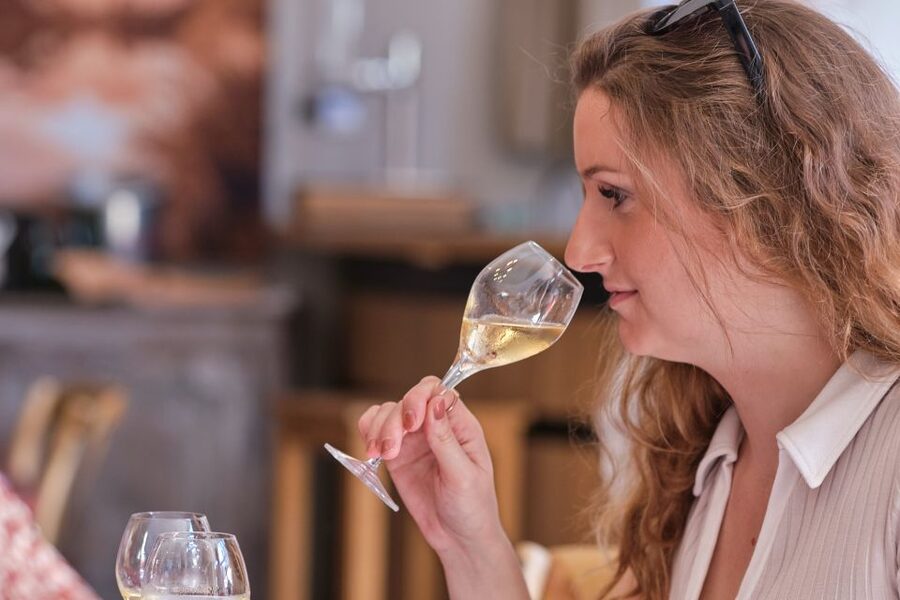
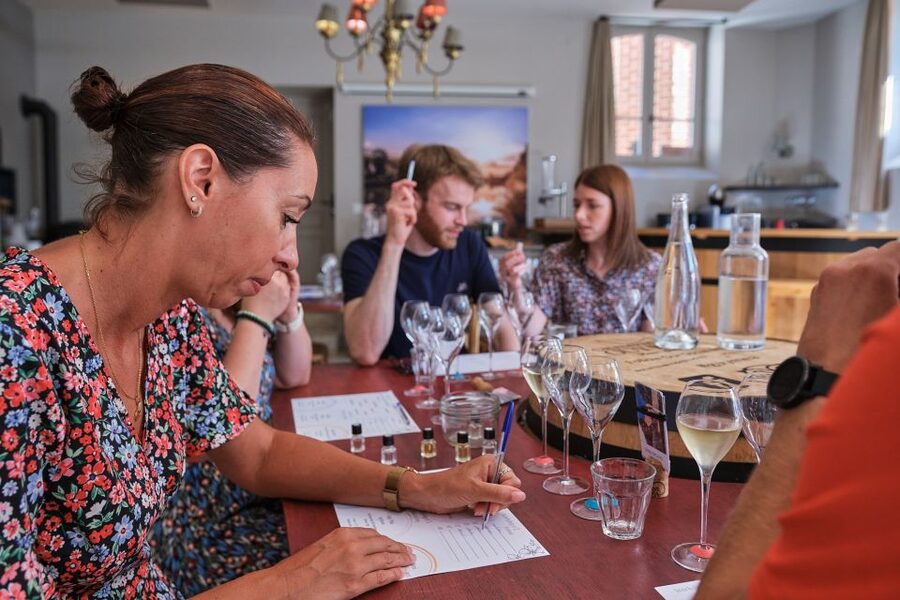
The olfactory workshop is one of the smartest parts of the program. Champagne can be full of fruit, floral, toasted, mineral, and pastry-like notes, but beginners often struggle to describe what they sense. The workshop gives you a way to practice before the glasses arrive.
You will try to identify aromas and flavors that can appear in Champagne. The point is not to produce a perfect answer. It is to slow down and notice more.
I like this format because it turns tasting into an active skill. Smell first, take a sip, compare your impressions, and listen to the guide’s explanation. Even if you cannot name every aroma, you will likely leave with a better way to think about sparkling wine.
The quiz adds a light competitive edge. It tests what you have just learned and helps the information stick. One visitor described finishing with a certificate, so a certificate may be included in some versions of the session, though it is not listed as a guaranteed inclusion. Treat it as a possible bonus rather than a reason to book.
More Champagne trips worth a second look
- From Reims: Champagne and Family-Run Wineries Tour
★ 4.8 · 671 reviews - Reims afternoon tour Champagne and family growers
★ 5.0 · 535 reviews - From Reims: Morning Champagne Tour and Tastings
★ 4.8 · 463 reviews - From Reims: Champagne Day Trip to 3 Family Domains & Lunch
★ 4.8 · 194 reviews
Three Champagnes, served blind
The central tasting compares three different Champagnes from small wineries. They are served blind, so you cannot rely on a familiar label or producer reputation. You have to pay attention to what is in the glass.
The blind format is useful for two reasons. First, it makes the tasting more fun. Second, it shows how much expectation can influence your judgment. A recognizable name can shape your opinion before you take a sip. Here, the focus stays on differences in flavor and style.
Local snacks accompany the tasting. This is more than a way to keep hunger away. Food changes how wine tastes, and small bites give you a chance to notice those changes. The guide can also connect the snacks to the region and explain why certain pairings work.
The included information lists six wine tastings overall. The program specifically describes three blind Champagne samples, followed by additional pours at lunch and tastings of Côteaux Champenois and Ratafia. The exact number and order can vary, but you should expect more than the three blind samples alone.
The portions are described as generous. That is good value, but it also means you should pace yourself. The class is followed by lunch and more wine, so it is not wise to treat the first tasting as a race.
A regional lunch at the family house
Lunch is not a token sandwich added to a wine tour. It is a proper part of the experience, built around homemade regional specialties.
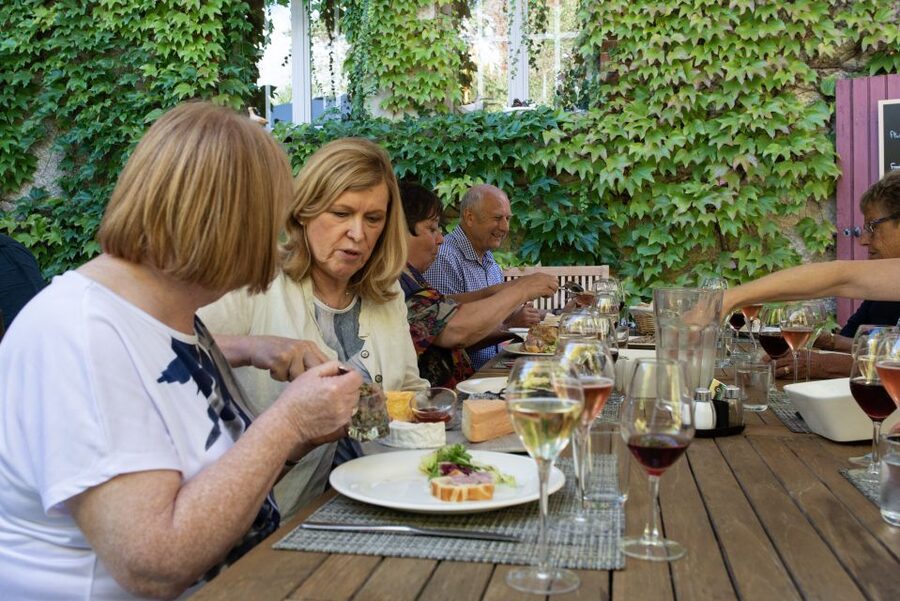
Possible dishes include pâté en croute, a meat-filled pastry, Langres cheese, and pink biscuit cake. The menu can be adapted for allergies or specific diets, but you should provide those details when booking or as early as possible. The exact dishes are not guaranteed, so think of these as examples of the local style rather than a fixed menu.
Pâté en croute gives you a classic French starting point, while Langres brings a soft, characterful cheese from the region. Pink biscuit cake provides a sweet finish associated with Champagne. Together, the meal feels more connected to place than a generic tasting-room platter.
The meal is paired with a variety of Champagnes. You may also taste Côteaux Champenois, a local still red wine, and Ratafia, a regional liquor. These extra drinks broaden the lesson. Champagne is the region’s star, but it is not the only drink made here.
I would allow yourself to enjoy the lunch slowly. The dining room and, when weather permits, outdoor setting encourage a relaxed meal with the group. One particularly appealing detail is that the owner may join the conversation and answer questions. Again, that depends on the day, but it shows why a family-run house can feel more personal than a large commercial cellar visit.
The guides make or break a tasting class
The experience depends heavily on the person leading it. The available guide names include Emma, Charlotte, Marie, Estelle, Amanda, Alvaro, Thomas, Batiste, and Cloé. The strongest descriptions consistently focus on clear explanations, patience, warmth, humor, and the ability to make a group bond.
Emma has been called a Champagne Sensei for her ability to make people feel at home while answering questions. Charlotte has been praised for explaining both the family house and the production process in fluent English. Estelle is a good match for beginners because she explains the essentials without assuming prior wine knowledge.
The bilingual format is another plus for mixed-language groups. Guides can lead in English and French, although repeated explanations may extend the timing. If you want a fast, highly polished corporate presentation, this may feel slower. If you want to ask questions and learn at a comfortable pace, it is an advantage.
The group atmosphere also matters. The quiz, blind tasting, and shared lunch naturally give people things to discuss. This is a social activity, not a private appointment built around silence. Solo visitors and couples can enjoy it, but you should expect to interact with the group.
Is $106 a good price?
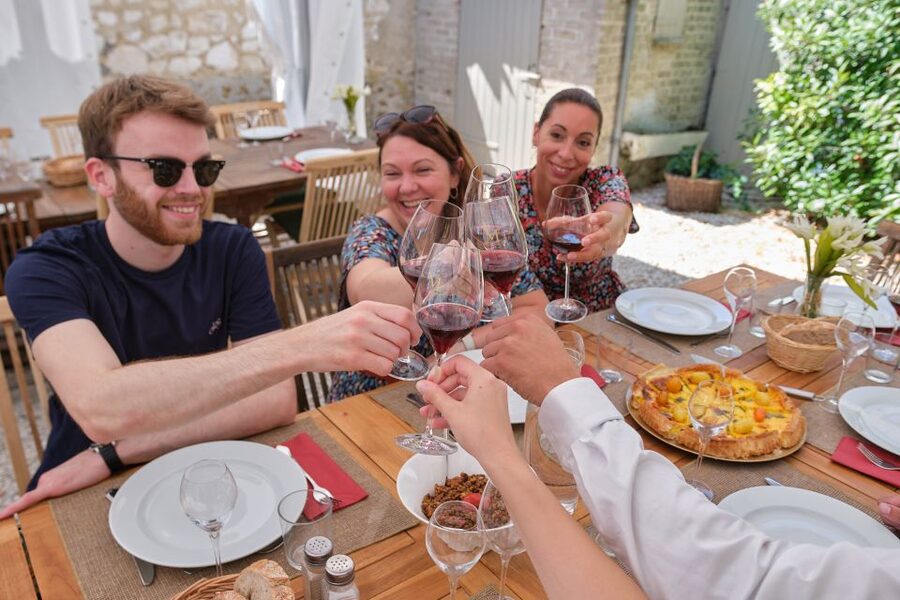
At $106 per person, the price is reasonable if you want more than a standard tasting. The fee covers a local guide, entry, the winery tour, six wine tastings, snacks, and lunch.
A simple cellar visit with one or two pours may cost less, but it will not necessarily include a three-hour class, aroma training, blind comparison, a full regional meal, red wine, and Ratafia. The value here comes from combining several activities without requiring separate reservations.
The price does not include transportation or personal expenses. That matters if you are staying outside Aÿ-Champagne or planning to rely on public transport. Add the cost of getting to the meeting point before comparing this with a tour that includes transfers.
I also see value in the small-producer focus. You are not paying only for a famous label or a large visitor center. You are paying for time with a guide, access to a family domain, and an explanation of how smaller Champagne houses work.
Who should book this experience?
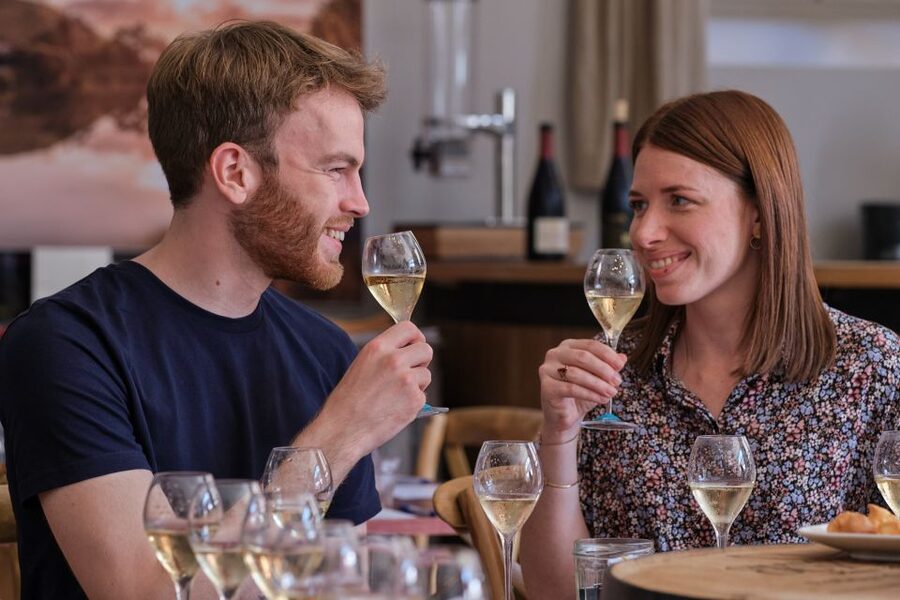
I would choose this for:
- First-time Champagne visitors who want a clear introduction
- Wine drinkers who want to improve their tasting skills
- Couples and small groups looking for a relaxed half-day
- People interested in small family producers rather than only major brands
- Visitors who value a real meal as part of a wine experience
- English or French speakers who appreciate bilingual guidance
It suits curious beginners particularly well. You will learn enough to understand the basics, but the format does not require you to study wine beforehand.
It also works for experienced wine drinkers who enjoy blind tastings and regional comparisons. Just keep your expectations realistic. This is not a technical certification course, and it is not built around a long vineyard hike.
Children under 18 may attend only within the stated alcohol restrictions, and they are not allowed to drink alcohol. Since the activity includes several tastings and a liquor, families should confirm that the format fits their plans.
Practical details before you reserve
Bring a jacket for the cellar. Ten degrees Celsius feels chilly after a warm walk or a sunny lunch.
Plan your own transportation, and use the Clos Corbier sign and doorbell to identify the meeting point. Since the meal and tasting can run at an easy pace, leave breathing room afterward.
Tell the provider about allergies or dietary needs. The lunch can be adapted, but the kitchen needs the information in advance.
Free cancellation is available up to 24 hours before the activity for a full refund. You can also reserve and pay later, which helps if your Champagne plans are still moving around.
The experience has a 4.9 rating from 384 reviews, and the most consistent strengths are clear instruction, friendly guides, generous pours, a delicious lunch, and a relaxed family setting. Those qualities matter more here than grand architecture or a long list of famous bottles.
Should you book Le Clos Corbier?
Yes, if you want a Champagne experience that teaches as much as it pours. The cellar, aroma workshop, blind tasting, and regional lunch form a well-balanced three hours, and the family-house setting gives the visit a personal feel.
I would skip it only if you need transportation included, want a major Champagne brand, or mainly hope to spend the morning walking through vineyards. For everyone else, $106 buys a useful lesson, several tastings, a substantial meal, and a genuine look at Champagne production in Aÿ-Champagne.
FAQ
How long does the Champagne tasting and lunch experience last?
The experience lasts three hours and ends in the early afternoon.
Where does the experience take place?
It takes place at Le Clos Corbier, a family Champagne domain in Aÿ-Champagne in France’s Grand Est region. Look for the Clos Corbier sign and ring the doorbell.
How many wines are included?
Six wine tastings are included. The program specifically includes three different Champagnes, along with additional tastings that can include Côteaux Champenois and Ratafia.
Is lunch included?
Yes. Lunch includes homemade regional specialties and Champagne pairings. Examples include pâté en croute, Langres cheese, and pink biscuit cake.
Can the lunch accommodate allergies or special diets?
Yes. The lunch can be adapted for allergies or specific diets. Provide your requirements when arranging the activity.
Should I bring anything?
Bring a jacket because the cellars have an average temperature of 10°C.
Is the activity available in English?
Yes. The host or greeter can speak English or French, and the experience is offered in both languages.
More Food Tours in Champagne
- The Essential Tour from Epernay with Champagne Tasting
★ 4.9 · 120 reviews - Champagne Tasting Class and Lunch near Epernay
★ 5.0 · 53 reviews - Champagne Munoz Bruneau : Half Day Visit and Tasting
★ 4.9 · 53 reviews - Champagne Munoz Bruneau : Half Day Visit and Tasting
★ 5.0 · 50 reviews
More Lunch Experiences in Champagne
- Champagne: E-Bike Champagne Day Tour with Tastings and Lunch
★ 4.7 · 192 reviews - From Epernay: Champagne Small-Group tour with tastings & Lunch
★ 5.0 · 93 reviews - Reims: Veuve Clicquot and Family-Run Winery Day Tour & Lunch
★ 4.8 · 71 reviews - From Reims: Day Trip to Veuve Clicquot Family Grower & Lunch
★ 4.8 · 62 reviews
Recently reviewed around Champagne
- Champagne experience with a vintage van from Epernay – 3 hours★ 5.0 · 108 reviews
- The Must-sees 3h30 from Epernay (Private Half day Champagne Tour)★ 5.0 · 30 reviews
- Food & Champagne Experience from Epernay (Private tour)★ 4.5 · 28 reviews
- Bubble Champagne Tour from Epernay (Small group half day tour)★ 5.0 · 58 reviews
- The Connoisseurs from Epernay (Private Half day Champagne Tour)★ 5.0 · 59 reviews
- From Epernay Full day Electric bike Champagne and lunch★ 5.0 · 36 reviews
- From Epernay: Champagne Small-Group tour with tastings & Lunch★ 5.0 · 93 reviews
- Champagne Munoz Bruneau : Half Day Visit and Tasting★ 5.0 · 50 reviews
Champagne Tours, compared.
Reims afternoon tour Champagne and family growers
Read our review →
Aÿ-Champagne: Pressoria Champagne Museum with Tasting
Read our review →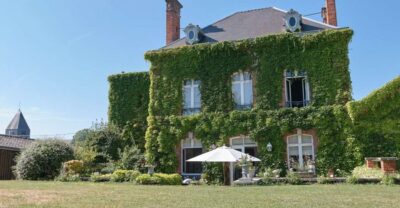
Aÿ-Champagne: Champagne House Tour and Tasting Class
Read our review →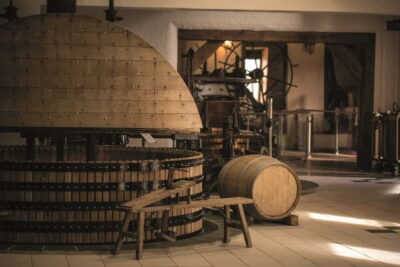
Passy-Grigny: Chocolate and Champagne Tasting Tour
Read our review →
Champagne Day Trip to 3 Family Domains & Lunch
Read our review →
E-Bike Champagne Day Tour with Tastings and Lunch
Read our review →Browse the lists this tour appears in