
Reviewed · BURGUNDY TOURS
Discover Burgundy
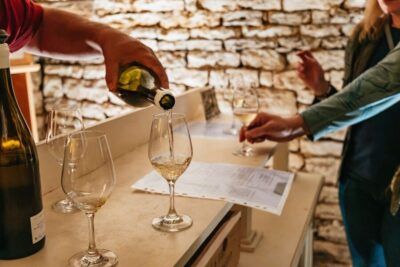
Burgundy wine can feel like a code written in French labels, tiny vineyard names, and strict classifications. This 45-minute experience at Clos Marey-Monge gives you the key before pouring five Burgundy wines, with a wine advisor explaining how soil, farming, and place shape what is in your glass.
I like the small group limit of six, which leaves room for real questions instead of a lecture aimed at a crowd. I also like the chance to taste wines from both Château de Pommard and Famille Carabello-Baum, then compare their character. The main drawback is clear: the cellars are closed for renovation, so this is an estate and tasting visit, not a cellar tour.
In This Review
- Key points at a glance
- Why this short Pommard tasting works
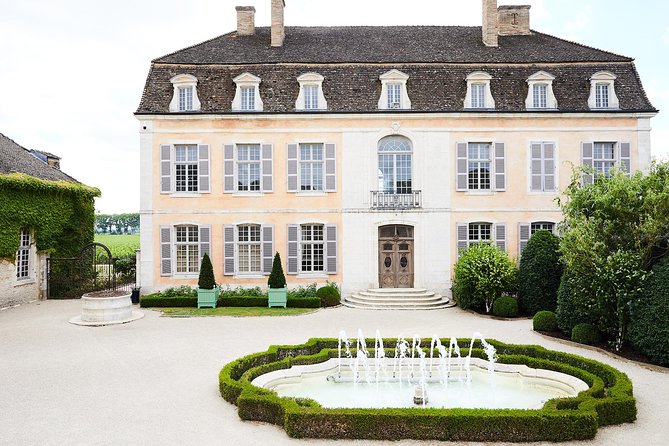
- Arriving at Clos Marey-Monge in Pommard
- The Burgundy basics: five subregions and a strict hierarchy
- Seven terroirs at one organic estate
- Learning to taste wine without the usual fuss
- Tasting wines from two Burgundy producers
- What the renovation changes
- The right amount of time for a Beaune wine day
- Is $18 good value?
- Who will enjoy this most?
- Booking, cancellation, and practical details
- Should you book Discover Burgundy?
- FAQ
- Where does the Discover Burgundy experience begin?
- Where does the activity end?
- How long does the experience last?
- How much does the experience cost?
- How many people can join the group?
- How many wines will I taste?
- Can I visit the cellars?
- Is cancellation free?
- Are service animals allowed?
Key points at a glance
- A compact Burgundy lesson: Cover the region’s five subregions, appellations, classifications, and UNESCO-listed Climats.
- Seven Clos Marey-Monge terroirs: Learn how different soils within one estate can affect the wine.
- Five-wine tasting: Sample Burgundy wines linked to Château de Pommard and Famille Carabello-Baum.
- Small group setting: The experience accepts no more than six people, useful for questions and personal guidance.
- Organic and biodynamic focus: See how farming choices connect to the final taste.
- Pommard meeting point: Start and finish at 15 Rue Marey Monge, in Pommard, near Beaune.
Why this short Pommard tasting works
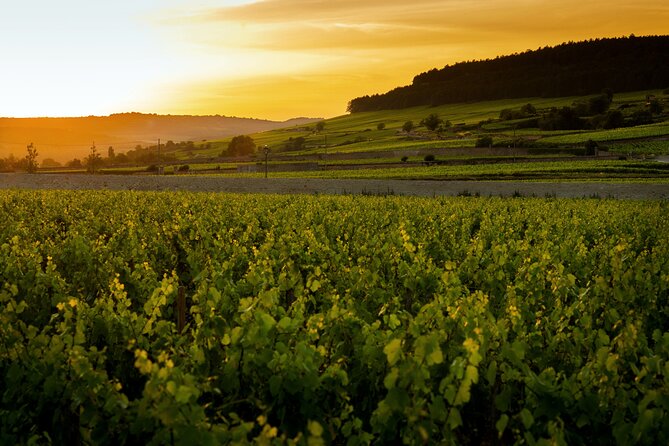
At $18, this is one of the easier ways to get a useful introduction to Burgundy wine without committing to a long estate tour or an expensive tasting menu. The session lasts about 45 minutes, so you can fit it between other stops around Beaune and Pommard.
The value comes from the structure. You are not simply handed several glasses and left to guess what makes Burgundy special. The wine advisor explains the region first, then gives you a way to taste with purpose. That matters in Burgundy, where the name on the label can refer to a village, a premier cru, a grand cru, or a small named plot.
I would treat this as a focused orientation rather than a full afternoon at a winery. You get the ideas that help you understand later tastings, plus a chance to sample wines from two producers. If you already know Burgundy well, the basic classification section may feel familiar. For most visitors, though, the short format is a strength.
Other Beaune days travellers weigh against this one:
- Burgundy Bike Tour with Wine Tasting from Beaune
★ 5.0 · 674 reviews - Beaune: Wine Tasting at Château de Pommard
★ 4.4 · 277 reviews - From Beaune: Burgundy Day Trip with 14 Wine Tastings
★ 4.8 · 248 reviews
Arriving at Clos Marey-Monge in Pommard
The meeting point is 15 Rue Marey Monge, 21630 Pommard, France. The activity begins and ends there, which keeps the plan simple. You do not need to arrange a separate drop-off at another estate or tasting room.
Pommard is closely tied to Burgundy’s wine identity, and the setting gives the lesson a useful sense of place. The estate is Clos Marey-Monge, an organic wine-growing property with seven different terroirs. Rather than treating Burgundy as one uniform region, the experience uses this estate to show how nearby plots can produce different expressions.
That approach is more helpful than a broad speech about French wine. You hear the theory, then connect it to wines from a real estate. The setting has also been praised for its beauty and calm, though you should keep your expectations in check: the visit does not include the underground cellars during the renovation.
The Burgundy basics: five subregions and a strict hierarchy
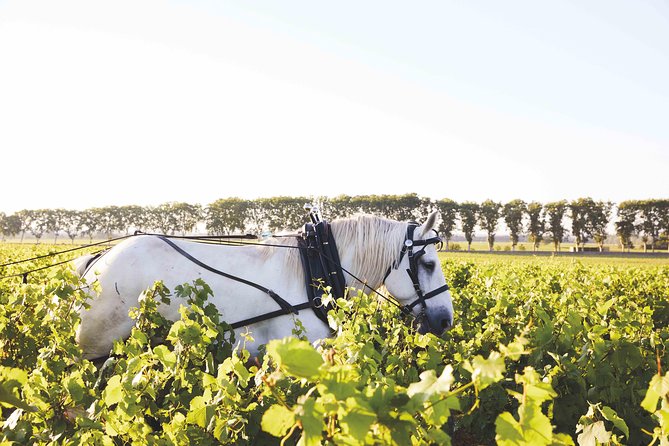
The first part of the experience builds a map in your head. Burgundy is divided into five subregions, each with its own specialties. The wine advisor introduces these areas along with the main ideas behind Burgundy’s appellations.
You will also cover Burgundy’s classification system. This is essential because the classification often tells you more about a wine’s exact place than a large producer name does. The session helps you understand how village wines, vineyard sites, and higher-ranked plots fit into the wider system.
The UNESCO-recognized Climats of Burgundy are part of that story. In this context, a Climat is not simply a pleasant stretch of vines. It refers to a precisely defined vineyard parcel whose soil, slope, exposure, and local tradition help give its wine a distinct identity.
I appreciate that the lesson connects history and geography to what you taste. You are not expected to memorize every appellation. Instead, you learn why Burgundy places such weight on location and why two wines made from the same grape can taste quite different.
Seven terroirs at one organic estate
Clos Marey-Monge provides the practical example. The estate contains seven different terroirs, and the experience uses them to explain how soil expressions appear in wine.
The word terroir can sound vague when it is used without an example. Here, it points to the combination of soil and site, along with farming and winemaking choices. The tasting lets you look for differences rather than simply accepting that they exist.
The estate’s organic approach is another important part of the visit. You learn about organic wine growing and biodynamic techniques, including the ways farming decisions can affect the vineyard and the resulting wine. The information is useful even if you are not planning to buy organic wine, because it shows that production methods begin well before grapes reach the winery.
A practical caution: the provided details do not promise a walk through every one of the seven plots. You should expect an explanation of the terroirs as part of the estate visit and tasting, not a long vineyard hike. The short schedule supports that reading.
A different way to spend the day, same corner of France:
- Burgundy Grand Crus Route Day Tour – 14 Wines Tastings in Domains
★ 5.0 · 223 reviews - Beaune: Maison Champy Guided Cellar Tour with Wine Tasting
★ 4.7 · 213 reviews - Private excursion to Côte de Beaune and Côte de Nuits (full day)
★ 5.0 · 166 reviews - Skip the Line: Abbaye de Fontenay Admission Ticket
★ 4.5 · 117 reviews
Learning to taste wine without the usual fuss
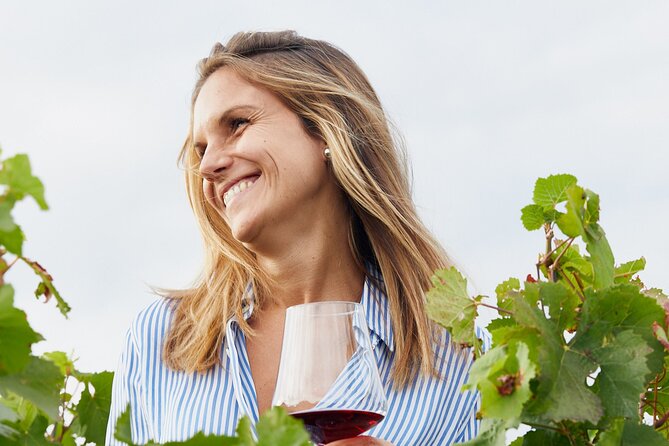
The wine advisor gives you tips for tasting like a professional. That sounds grander than it needs to be. In practice, the useful lesson is learning what to notice before you decide if you like a wine.
You may be guided through the look, smell, texture, and finish of each pour. The point is not to produce fancy tasting notes. It is to compare one wine with another and connect the differences to grape source, soil, farming, and technique.
Xavier has led the experience and is singled out for his clear explanations of the vineyard and wines. His background as a professionally trained wine advisor is especially useful for beginners, since you can ask basic questions without feeling out of place. Food and wine pairing is also part of the guidance, giving you a practical reason to pay attention to acidity, body, and structure.
The small group helps here. With no more than six people, you have a better chance to ask why a wine tastes earthy, floral, firm, or soft. That is a much better use of 45 minutes than listening to a long speech with no chance to join in.
Tasting wines from two Burgundy producers
The tasting is described as five different Burgundy wines, while the detailed program names four wines from Château de Pommard and Famille Carabello-Baum. If the exact number matters to you, confirm the current pour list when booking. Either way, the purpose is comparison across wines connected with two producers.
This is a smart format for an introduction. Burgundy is not one single style, and tasting from two producers gives you a broader view than sampling one bottle repeatedly. You can consider how producer choices interact with the vineyard source.
The estate wines come with a sense of place, but the tasting is not presented as a blind test or a formal certification course. It is a guided introduction. You will learn enough to ask better questions at your next wine shop, restaurant, or Burgundy estate.
One practical benefit is the possibility of ordering wine for shipment. Shipping is available at a reasonable fee, according to the supplied information, which can be useful if you find a bottle you want at home. Ask about current shipping rules and costs before making a purchase, since those details can change.
What the renovation changes
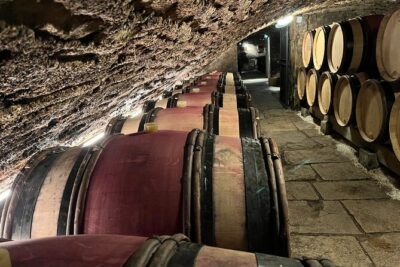
The cellars cannot be visited because of renovation. This is the one limitation you should understand before paying.
Many wine visitors picture cool underground rooms, barrels, and old stone corridors. That part is not available here right now. The experience instead centers on the estate, the wine-growing methods, the terroirs, and the tasting.
For some people, that is a serious omission. If your main goal is to see traditional Burgundy cellars, choose a different visit or wait until renovation work is complete. If your main goal is to understand Burgundy wine and taste several examples, the closed cellars matter less.
The program still offers a useful connection between vineyard and glass. Just do not book it expecting a cellar-focused tour.
The right amount of time for a Beaune wine day
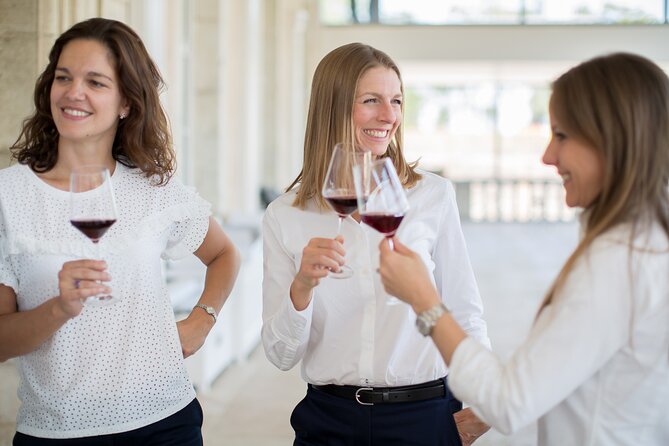
Forty-five minutes is short, but it fits the content. You get a concentrated explanation and tasting without giving up half a day.
This timing works well if you are building a wine route around Beaune, Pommard, and nearby villages. It also suits you if you have a full sightseeing schedule and want a clear introduction rather than a long estate program.
The short format has limits. There is not much room for a slow vineyard walk, a lengthy question period, or a detailed study of every wine. If you want extended conversation with the advisor, arrive ready with your questions and use the small group to your advantage.
The activity starts and ends at the same address. Transportation is not listed as included, so you should plan your own way to Pommard and allow enough time to find 15 Rue Marey Monge.
Is $18 good value?
At $18, the experience offers strong value if you are new to Burgundy wine. A guide-led lesson, an estate visit, and a tasting of four or five wines would usually cost more when purchased as separate activities. Here, those parts are combined into one compact session.
The real value is the framework. You are paying not just for wine, but for a way to understand the glass in front of you. The classification and terroir explanations can save you from buying an expensive Burgundy bottle based only on a famous name.
The price is less compelling if you already understand Burgundy’s subregions, classifications, and biodynamic farming. In that case, you are paying mainly for the setting and tasting. Even then, the small group and two-producer format may justify the modest cost.
The experience also offers a family option. The Jeunesse Experience can be combined with it, giving children a grape-focused activity while adults taste. The supplied information does not give the child program’s price or duration, so check those details separately.
Who will enjoy this most?
I would recommend this to you if Burgundy labels are confusing, if you want a first taste of Pommard, or if you prefer a short guided activity with a small group. It is also a good fit for people curious about organic and biodynamic farming but unsure how those choices affect wine.
Wine shoppers may find the session especially useful. You can learn what questions to ask before ordering bottles for home, and the estate can arrange wine shipment with a fee described as reasonable.
It is less suitable if you want a long walking tour, a broad meal pairing, or access to historic cellars. It is also not the right choice for someone seeking an advanced technical course. Think of it as a clear, friendly foundation.
The tone appears welcoming rather than formal. Marie at the front desk has helped with dinner reservations, and Xavier has guided the tasting with attention to food pairings and vineyard detail. Those touches matter when you are trying to fit wine into a busy day.
Booking, cancellation, and practical details
Confirmation arrives at the time of booking. The group is limited to six people, and service animals are allowed. The activity states that most people can participate.
Free cancellation is available if you cancel at least 24 hours before the local start time. Cancel within 24 hours, or request a change inside that window, and you should expect no refund.
The experience provider is VIVANT WINES. Since the meeting point is in Pommard rather than at a general Beaune address, check your route carefully before setting out. The end point is the same as the start.
Should you book Discover Burgundy?
Book it if you want a well-priced introduction to Burgundy wine with a real estate setting, a professional wine advisor, and enough pours to compare producers and terroirs. The six-person limit gives the session a personal feel, and the explanations about classifications, farming, and tasting have lasting use beyond this one visit.
Skip it if cellar access is essential, or if you already know Burgundy’s wine hierarchy and want a longer, more advanced estate tour. For most first-time Burgundy drinkers, though, this is a sensible 45-minute stop that turns a confusing wine region into something you can begin to read, taste, and enjoy.
FAQ
Where does the Discover Burgundy experience begin?
It begins at 15 Rue Marey Monge, 21630 Pommard, France.
Where does the activity end?
The activity ends back at the meeting point.
How long does the experience last?
The experience lasts approximately 45 minutes.
How much does the experience cost?
The listed price is $18.
How many people can join the group?
The activity has a maximum of six participants.
How many wines will I taste?
The experience overview describes a tasting of five different Burgundy wines. The detailed program names four wines from Château de Pommard and Famille Carabello-Baum, so you can confirm the current tasting lineup when booking.
Can I visit the cellars?
No. The cellars cannot be visited because they are undergoing renovation.
Is cancellation free?
Yes. You can cancel for a full refund up to 24 hours before the experience start time. Cancellations or changes made less than 24 hours before the start time are not refunded or accepted.
Are service animals allowed?
Yes. Service animals are allowed, and most people can participate.
Recently reviewed around Beaune
- Private Wine Tasting Tour – Burgundy Uncorked!!★ 5.0 · 74 reviews
- Visit of our 15th century cellars★ 5.0 · 57 reviews
- Private Tasting in Beaune : The Best of Burgundy Wines★ 5.0 · 66 reviews
- Discovery of the world of Truffles and tasting★ 4.5 · 66 reviews
- Private excursion to Côte de Beaune and Côte de Nuits (full day)★ 5.0 · 166 reviews
- Visit-Tasting-Sale★ 5.0 · 87 reviews
- Luxury Luxury Wine Tour Experience★ 5.0 · 69 reviews
- From Beaune: Full day the most of Burgundy, with lunch★ 4.5 · 30 reviews
Burgundy Tours, compared.
Burgundy Bike Tour with Wine Tasting from Beaune
Read our review →
La Cave du Palais Burgundy Wine Tasting Experience
Read our review →
Small-Group Full-Day Tour of Côte de Nuits, Côte de Beaune Vineyards and Beaune Historical District
Read our review →
Burgundy Grand Crus Route Day Tour – 14 Wines Tastings in Domains
Read our review →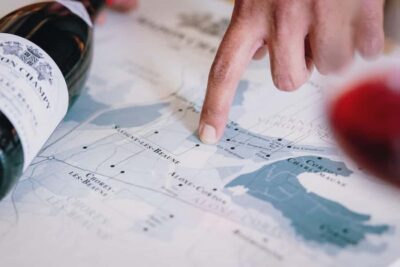
Maison Champy Guided Cellar Tour with Wine Tasting
Read our review →
Private excursion to Côte de Beaune and Côte de Nuits (full day)
Read our review →Browse the lists this tour appears in