
Reviewed · WORKSHOPS
Fragonard Paris – Mini Perfume workshop – only in Spanish
Fragonard’s short workshop lets you do more than sniff perfume at a shop counter. You tour an old private mansion filled with bottles from the pharaohs to Fabergé, then blend your own 12 ml Eau de Toilette under a Spanish-speaking instructor’s guidance. It is a compact look at French perfume making with a take-home result.
I like the mix of museum history and hands-on making, especially the chance to learn the olfactory pyramid before creating a scent. I also like that the price, $36 per person, includes both the museum visit and your finished spray. The main drawback is the tight schedule: 45 minutes leaves little room for lingering, photos, or a leisurely introduction.
In This Review
- Quick points to know
- A small Paris perfume lesson with a personal souvenir
- What happens during the 20-minute museum tour
- Learning the flower behind the fragrance
- The olfactory pyramid, explained simply
- Making your own 12 ml Eau de Toilette
- Why the $36 price can be worthwhile
- The Spanish-only format matters
- Who will enjoy this 45-minute activity
- How to get the most from the visit
- Should you book the Fragonard mini perfume workshop?
- FAQ
- Where does the Fragonard perfume workshop meet?
- How long does the activity last?
- What language is the workshop conducted in?
- What do I make during the workshop?
- Is the perfume included in the price?
- What does the museum collection include?
- Is hotel pickup included?
- Can I bring oversize luggage?
- What happens if I arrive late?
Quick points to know
- Your perfume takes about 15 minutes to make: You blend three prepared compositions and leave with a customized 12 ml spray.
- The museum covers 3,000 years of fragrance: Expect old bottles, fragrant objects, raw materials, and examples reaching from ancient Egypt to Fabergé.
- The workshop is conducted only in Spanish: This is important if you need English or another language.
- The museum visit lasts about 20 minutes: The remaining time is used for the floral explanation and perfume creation.
- Arrive five minutes early: Late arrivals cannot enter the workshop room once it begins.
- The opening may feel rushed: The front desk process can be disorganized, and the instructor may not always introduce the session clearly at first.
A small Paris perfume lesson with a personal souvenir
The Fragonard Perfume Museum offers a neat little change of pace from Paris’s major monuments. Instead of simply buying a bottle, you learn how scent is built, see the objects connected to perfume making, and prepare a fragrance of your own.
The setting gives the activity much of its charm. The museum occupies an old private mansion with a Second Empire atmosphere. Inside, the collection follows perfume through roughly 3,000 years, using bottles and scent-related objects to show how fragrance has fit into social life and daily customs.
This is not a long museum tour or a full perfumer’s course. It is a quick introduction designed to give you a few useful ideas, a guided look at the collection, and a small bottle to take home. If you want a relaxed afternoon workshop with lots of time for experimenting, this will feel brief. If you want a focused activity between sightseeing stops, the short format works well.
More Paris trips worth a second look
- Fragonard Paris: Mini Perfume Workshop
★ 4.5 · 1,924 reviews - Paris Cooking Class and Lunch with Wine plus Market Visit Option
★ 5.0 · 1,024 reviews - Paris Croissant Small-Group Baking Class with a Chef
★ 5.0 · 910 reviews
What happens during the 20-minute museum tour
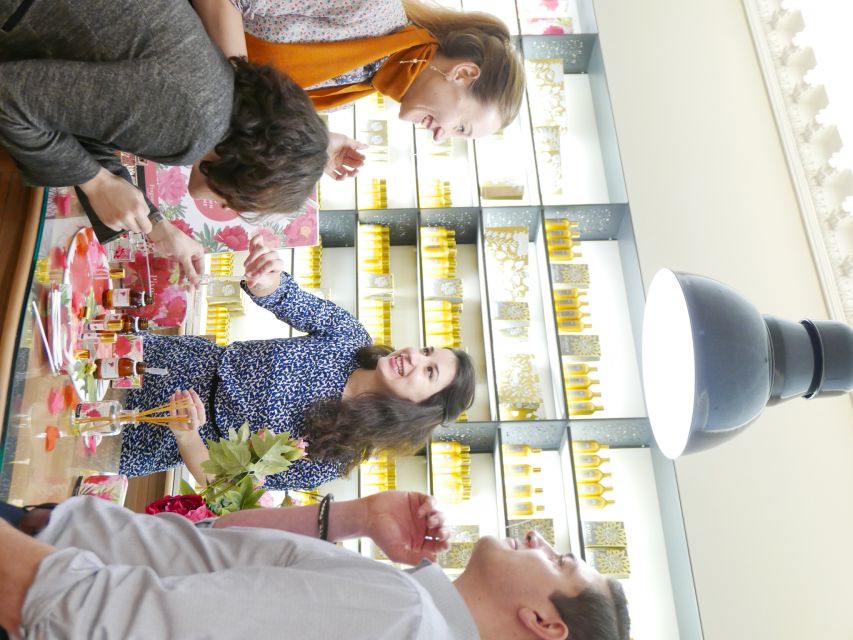
You begin at the Fragonard Perfume Museum front desk. The museum tour takes about 20 minutes, so the visit moves at a brisk pace. You should arrive at least five minutes before the scheduled start. The workshop begins on time, and late arrivals cannot enter the workshop room.
The first part explains the basic world of perfume. You learn about raw materials, the way fragrances are assembled, and the role of Grasse in French perfumery. The supplied information also points to the museum as a kind of working laboratory for a perfumer, with displays connected to ingredients and old scent-making methods.
The collection is one of the strongest reasons to book. You may see unusual bottles and fragrant objects from very different periods, including pieces associated with the pharaohs and Fabergé. These objects are not just pretty containers. They show how scent, status, ritual, fashion, and craftsmanship have been linked across time.
The second part includes artistic objects and examples of fine goldsmith work. That gives the museum visit a wider focus than a basic display of modern perfume bottles. You are looking at the history of the object as well as the liquid inside it.
The pace has both an advantage and a cost. You get a useful introduction without giving up half a day, but you will not have much time to stop for photographs or study every display. One participant found the total event too short even for taking pictures comfortably. I would treat the museum portion as a brisk orientation, not as a full museum afternoon.
Learning the flower behind the fragrance
After the museum visit, the session turns to a special flower used in perfumery. The activity explains the flower’s origin, cultural role, and use in fragrance. The provided details do not identify the flower by name, so you should expect a focused explanation rather than a broad lesson on every perfume ingredient.
This section helps connect the museum objects to the practical work that follows. Perfume can seem mysterious when you only encounter the finished bottle. Learning about a flower’s place in perfumery gives you a clearer idea of how natural materials become part of a modern scent.
The instructor also works on your sensory and olfactory memory. In plain terms, you are asked to pay attention to what you smell and remember those impressions. That may sound simple, but it is the useful part of the workshop. You start to notice that a fragrance is not one flat smell. It is made from several elements that appear and fade at different times.
The olfactory pyramid, explained simply
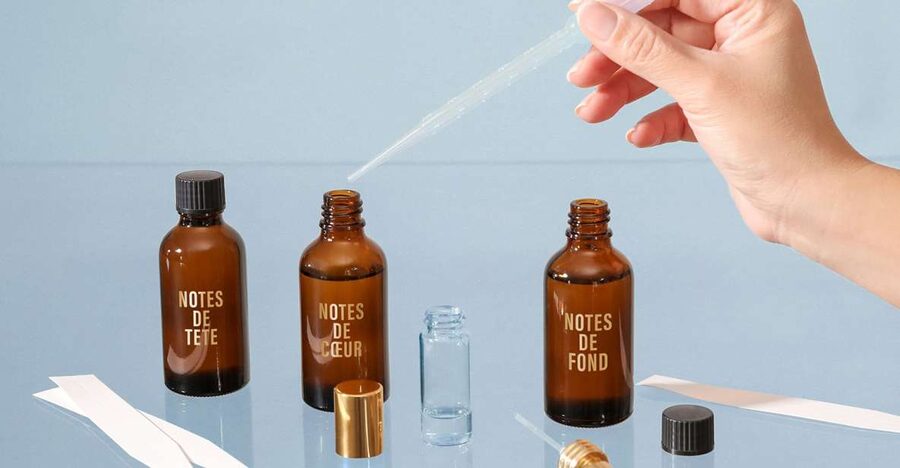
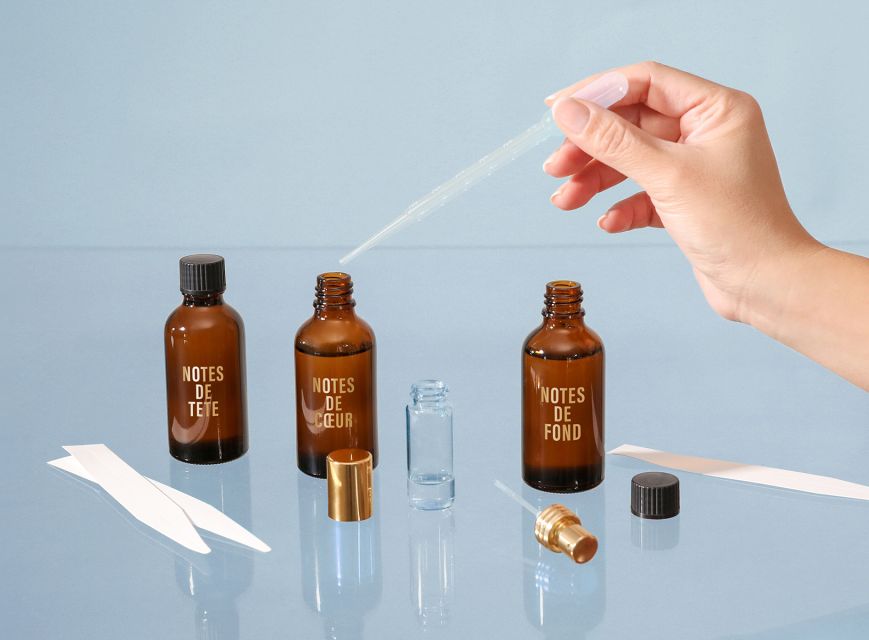
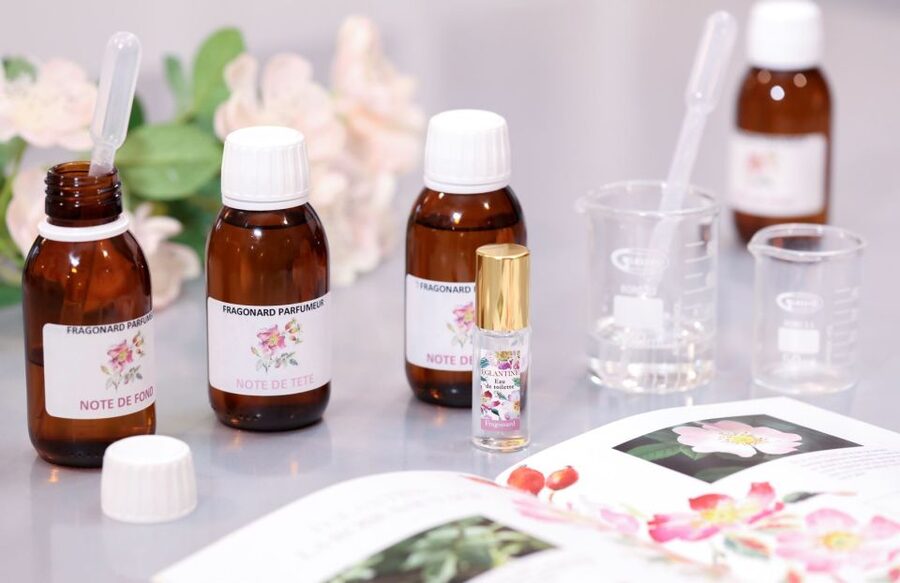
A central lesson is the olfactory pyramid. This is the basic way perfume makers describe the changing layers of a fragrance. The session uses three mixed compositions that combine to form the Eau de Toilette Flor del Year.
You get to recognize those compositions before making your own spray. The activity is not presented as an advanced technical class, so you do not need previous perfume experience. If you know very little about fragrance, the explanation should be easy to follow, provided you are comfortable in Spanish.
This is where the workshop becomes more than a souvenir stop. You are given a simple framework for thinking about scent. Instead of asking only if you like a perfume, you can begin to consider what you smell first and how the blend changes.
The limited time means you should listen closely. There is no indication of a long series of trials or a large menu of ingredients. The session centers on three mixed compositions and the teacher’s advice, so the creative choice is guided rather than completely open-ended.
A different way to spend the day, same corner of France:
- Paris: Louvre Museum Timed-Entrance Ticket
★ 4.6 · 71,977 reviews - Disneyland® Paris 1-Day Ticket
★ 4.6 · 49,412 reviews - Paris: Versailles Palace and Gardens Full Access Ticket
★ 4.6 · 41,579 reviews - Paris: Evening River Cruise with Music
★ 4.4 · 22,721 reviews
Making your own 12 ml Eau de Toilette
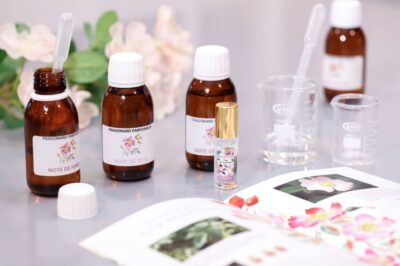
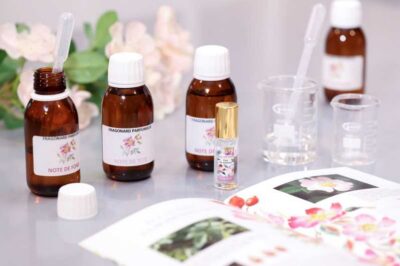
The hands-on portion lasts about 15 minutes. Following the instructor’s advice, you create and customize your own 12 ml Eau de Toilette in a spray bottle.
The finished size is small, but practical. A 12 ml bottle is easy to carry home and gives you a clear souvenir of the activity without committing you to a large bottle of a scent you may only like occasionally. The fact that you make it yourself also gives the purchase a personal connection that a standard shop bottle does not have.
You work with the compositions introduced during the sensory lesson. The process is guided, which matters because the workshop is short. You are not expected to know the correct proportions or understand professional formulation. Instead, you follow the teacher’s suggestions and make a choice within the structure provided.
Several strong points come together here. You learn the basic idea of fragrance layers, practice recognizing three blends, and then use that understanding to produce your own spray. The creation itself is the most popular part of the activity, and it is easy to see why: it gives you something tangible to take away.
Still, keep your expectations sensible. Fifteen minutes is enough for a simple guided blend, not for developing a complex signature perfume through repeated testing. If you want a professional-level lesson, look for a longer class. If you want a quick, personal Paris memento, this format makes sense.
Why the $36 price can be worthwhile
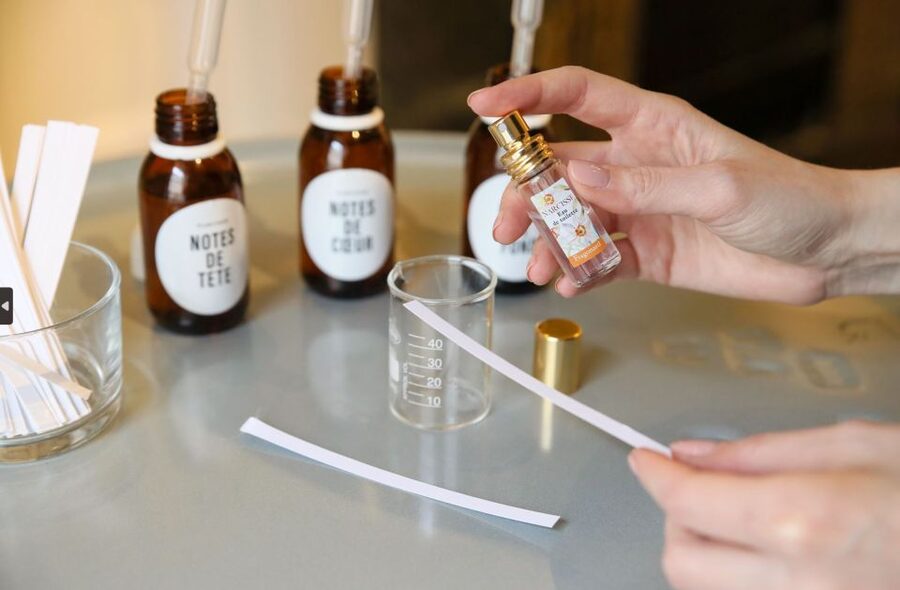
At $36 per person, the cost is reasonable if you value both parts of the program. Your ticket includes entry to the perfume museum, the guided visit, the Spanish-language workshop, and the 12 ml bottle you create.
The value depends on how you use the time. Buying a small perfume alone might give you the product but none of the context. Here, the museum objects and the explanation of scent give the bottle a story. You also receive a short introduction to French perfumery rather than only browsing a retail counter.
The price is less appealing if you mainly want an extended museum visit. The tour lasts about 20 minutes, and the full activity takes 45 minutes. You are paying for a compact combination of culture and participation, not for hours of detailed museum viewing.
Food, drinks, and hotel pickup or return are not included. The meeting point is the Fragonard Perfume Museum front desk, so you need to arrange your own way there. Oversize luggage is not allowed, another reason to schedule this before collecting large bags or shopping purchases.
The Spanish-only format matters
The instructor speaks Spanish, and the activity is offered only in Spanish. That is a major practical point, not a minor footnote.
If you understand Spanish comfortably, the format can be a good match. The lesson includes perfume vocabulary, scent descriptions, and instructions for blending, so language ability affects how much you gain from the session. If you do not speak Spanish, you may still see the museum, but you would miss much of the teaching and the guided creative process.
The instructor’s role is important because the workshop moves quickly. The teacher explains the olfactory pyramid, helps you identify the three compositions, and gives advice as you make your bottle. You should expect a structured class rather than a private consultation.
The opening deserves a little patience. The door and front desk process can feel disorganized, and the guide may begin before making a clear introduction. One account also described the instructor as focusing more attention on some participants than others. I would arrive early, stay attentive, and ask your questions promptly when there is an opening.
Who will enjoy this 45-minute activity
I would recommend this workshop to several kinds of people:
- First-time perfume learners: You get the basics without a long technical course.
- Spanish-speaking visitors: The language matches the instructor and the activity.
- Couples and friends: Making separate small bottles gives each person a personal result.
- Museum lovers with limited time: The historic bottle collection fits into a short sightseeing window.
- Visitors seeking a useful souvenir: Your 12 ml spray is both compact and connected to your own choices.
Families should consider the pace and the subject matter carefully. The provided information does not give a minimum age or a child policy, so you would need to confirm those details before booking.
This is less suitable for anyone who wants a slow, quiet museum visit. It is also not suitable for people with mobility impairments, according to the activity information. No hotel transportation is provided, and oversize luggage cannot come into the experience.
How to get the most from the visit
Arrive five minutes early, then go directly to the museum front desk. Do not plan to arrive at the last second. Since late arrivals cannot enter the workshop room, even a small delay could cost you the main hands-on portion.
Wear or bring as little competing fragrance as possible. The activity depends on your sense of smell, and strong perfume could make it harder to identify the three compositions. This is practical advice based on the nature of the workshop, not a stated rule, so treat it as a smart precaution rather than a requirement.
Listen closely during the museum portion. The tour is short, and the explanation of bottles, raw materials, and old scent customs sets up the making session. You will get more from the final blend if you understand the basic terms before the instructor asks you to compare compositions.
Save photographs for natural pauses. The schedule is tight, and trying to photograph every display can make the museum section feel even shorter. The main reward is the combination of objects, explanation, and the bottle you make, not a large collection of pictures.
Finally, remember which blend you prefer as you test the three compositions. The activity moves from recognition to creation, so paying attention early helps you make a more personal choice at the end.
Should you book the Fragonard mini perfume workshop?
Book it if you speak Spanish and want a short, affordable Paris activity that combines a museum visit with a hands-on souvenir. The 12 ml custom spray is the best reason to choose it, while the old bottles and 3,000-year story give the activity more substance than a simple perfume purchase.
Skip it if you need English instruction, dislike quick group activities, or want plenty of time for photographs and questions. The front desk start may be untidy, and the 45-minute schedule does not leave much room for delays.
For the right visitor, this is a pleasant little introduction to French perfumery. You leave with a better sense of how fragrance is layered, a glimpse into the objects that shaped perfume culture, and a bottle made through your own choices.
FAQ
Where does the Fragonard perfume workshop meet?
The meeting point is the front desk of the Fragonard Perfume Museum.
How long does the activity last?
The full activity lasts 45 minutes. The museum tour takes about 20 minutes, and the perfume-making portion takes about 15 minutes.
What language is the workshop conducted in?
The instructor speaks Spanish, and the workshop is offered only in Spanish.
What do I make during the workshop?
You create and customize your own 12 ml Eau de Toilette in a spray bottle.
Is the perfume included in the price?
Yes. The price includes the 12 ml perfume creation made during the workshop.
What does the museum collection include?
The museum contains old fragrance bottles, fragrant objects, artistic objects, and examples of fine goldsmith work. The collection covers about 3,000 years, with objects ranging from the pharaohs to Fabergé.
Is hotel pickup included?
No. Hotel collection and return are not included.
Can I bring oversize luggage?
No. Oversize luggage is not allowed.
What happens if I arrive late?
You should arrive five minutes before the scheduled start. The workshop begins on time, and late arrivals cannot access the workshop room.
Recently reviewed around Paris
- Louvre Private Tour – The Essentials and More with Expert Guide★ 5.0 · 227 reviews
- 2CV tour by night★ 5.0 · 55 reviews
- Eiffel Tower Second or Summit Floor Access by Elevator with Views★ 3.5 · 161 reviews
- The only Paris Wine Tasting experience you need to do – 2 hours★ 5.0 · 265 reviews
- 2 Hour Street-art Walk and Space Invaders Hunt in Paris★ 5.0 · 27 reviews
- 2 hour outdoor group activity in Paris: SAINT GERMAIN★ 5.0 · 48 reviews
- Sainte-Chapelle, Conciergerie & Palais de Justice Private Tour★ 5.0 · 72 reviews
- Private 2 – Hour Paris Landmarks Tour by Golf Cart Mini Moke★ 5.0 · 38 reviews
Workshops, compared.
Paris Cooking Class and Lunch with Wine plus Market Visit Option
Read our review →
Paris Croissant Small-Group Baking Class with a Chef
Read our review →
Fragonard Eze: Perfume Making Class and Factory Tour
Read our review →
Perfume Making Class and Fragonard Factory Tour
Read our review →Browse the lists this tour appears in