
Reviewed · WORKSHOPS
Paris: Bread and Croissant-Making Class
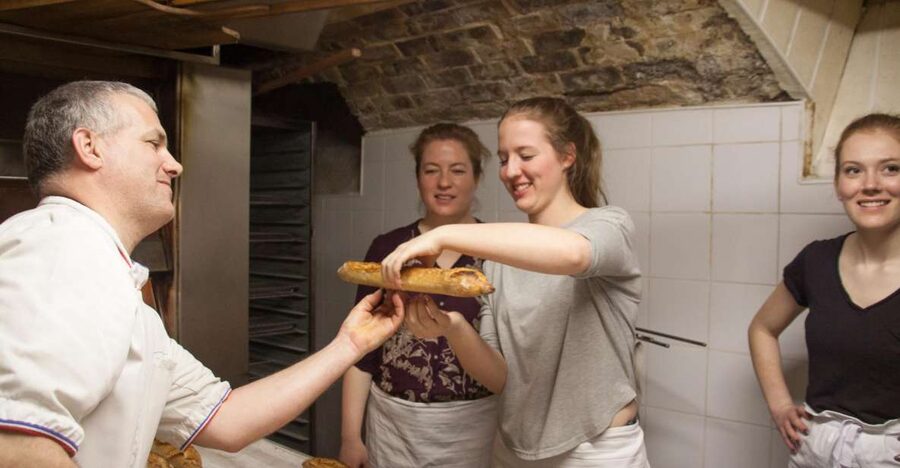
The best part of this Paris class happens behind the bakery counter, where you handle dough instead of simply watching a demonstration. A family baker, including chef Didier in many sessions, explains the small choices that create a crisp crust and soft center, then guides you through baguettes, La Parisse, and croissants.
I like the small group of no more than eight, which gives you a real chance to shape dough and ask questions. I also like the lively translation support from hosts such as Luis, Luce, and Elsa, especially if your French is limited. The main consideration is price: at $258 per person for two hours, this is a costly activity unless you value expert instruction, tastings, and recipes you can use at home.
In This Review
- Key points to know before booking
- Inside Le Petit Mitron on Rue Oberkampf
- The first lesson: what makes a baguette French
- Classic baguette and La Parisse
- Croissant shaping and the warm tasting
- Translation that keeps the lesson moving
- More than a recipe: French bread in context
- Why the eight-person limit matters
- What is included, and what you take home
- Is $258 per person a fair price?
- Timing, language, and cancellation details
- Who should book this Paris baking class?
- Should you book it?
- FAQ
- Where does the bread and croissant class meet?
- How long does the class last?
- What languages are available?
- How many people can join the class?
- Are children allowed to participate?
- What is included in the price?
Key points to know before booking
- Bake two baguette styles: Make a classic French baguette and La Parisse, the bakery’s own specialty.
- Work with real dough: You get flour on your hands and practice shaping, rather than sitting through a bakery talk.
- Learn from a baking family: Didier draws on techniques passed from his father and grandfather.
- Expect lively language help: English, French, Japanese, and Spanish instruction is available, with translators often adding history and helpful context.
- Taste the results: Warm baguettes and croissants are part of the experience, and you may have bread to carry away.
- Keep the recipes: Ingredients, utensils, an apron, and an emailed recipe copy are included.
Inside Le Petit Mitron on Rue Oberkampf
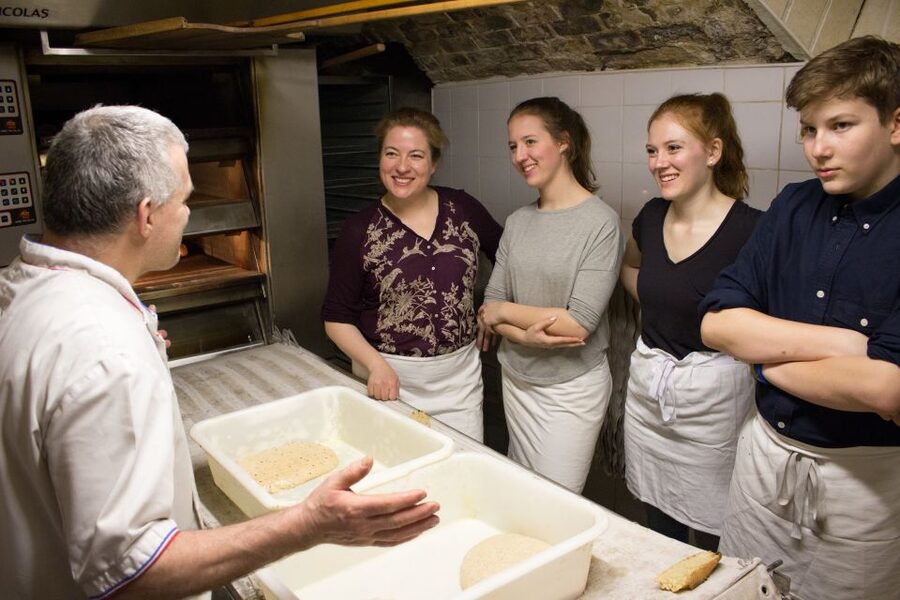
Your class meets at Le Petit Mitron, at 8 rue Oberkampf in Paris’s 11th arrondissement. This is not a staged cooking studio or a grand culinary school. You are in a working, family-run boulangerie, which gives the class its strongest sense of place.
That setting matters. French bread is not an abstract cooking topic in Paris. It is part of the daily rhythm of the city, and learning inside a bakery connects the dough on your table with the loaves sold over the counter.
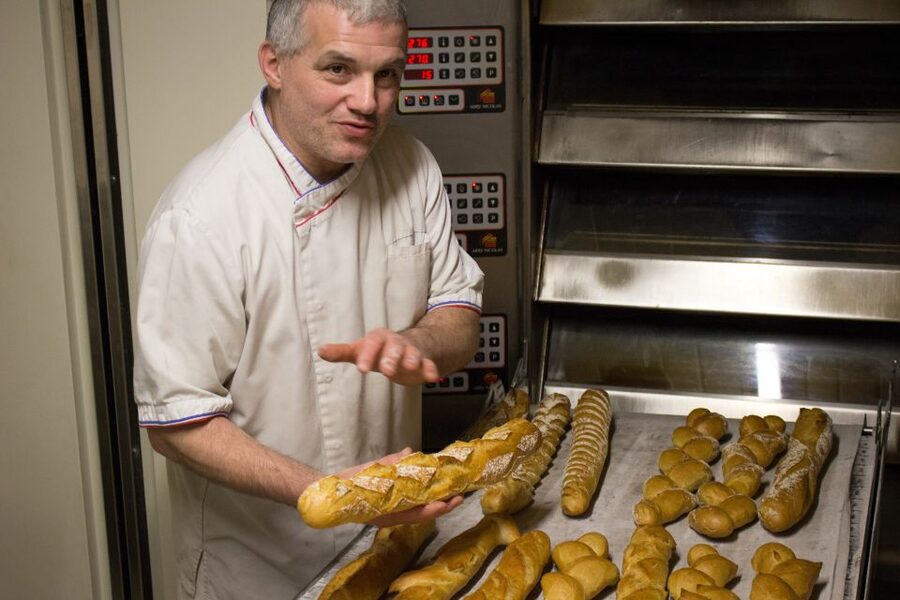
The bakery owner and baker have a family connection to the trade. Didier’s father and grandfather were bakers, and he shares techniques passed through that line. He also sources wheat and grinds it in the shop, a detail that gives the lesson more substance than a standard tourist cooking activity.
You should expect a friendly, informal atmosphere. Didier is often described as funny, warm, energetic, and generous with his time. His humor is part of the teaching, not a distraction from it. The class also brings in practical talk about flour, bread styles, French food traditions, and the pressures faced by a small bakery.
More Paris trips worth a second look
- Fragonard Paris: Mini Perfume Workshop
★ 4.5 · 1,924 reviews - Paris Cooking Class and Lunch with Wine plus Market Visit Option
★ 5.0 · 1,024 reviews - Paris Croissant Small-Group Baking Class with a Chef
★ 5.0 · 910 reviews
The first lesson: what makes a baguette French
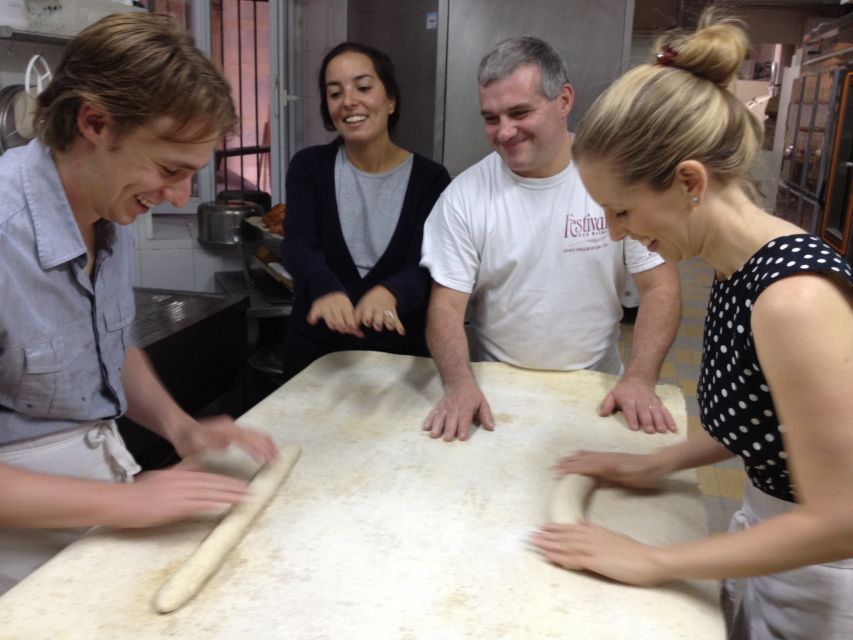
The class begins with the basics of baguette making, but it does not stop at a recipe. You learn how the ingredients feel in your hands and how the dough changes as you work it.
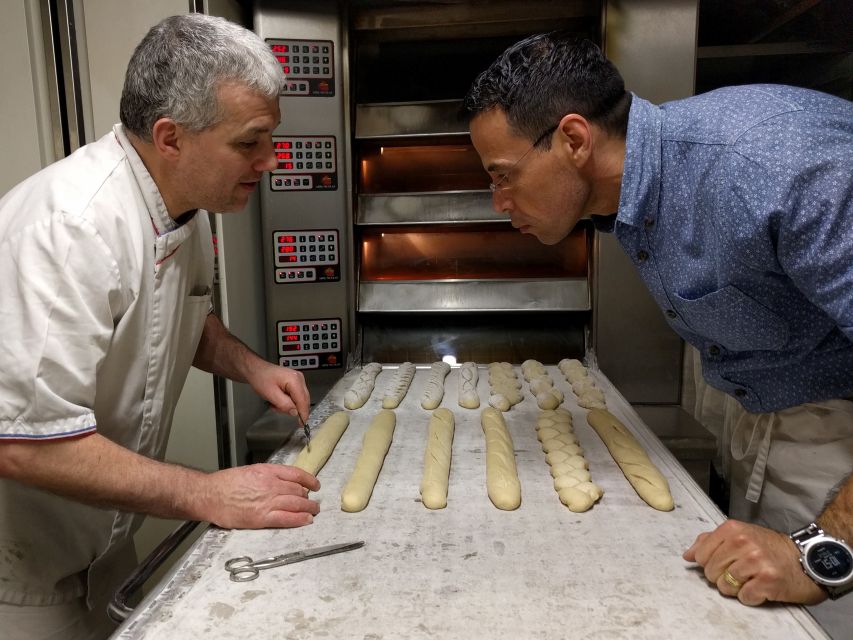
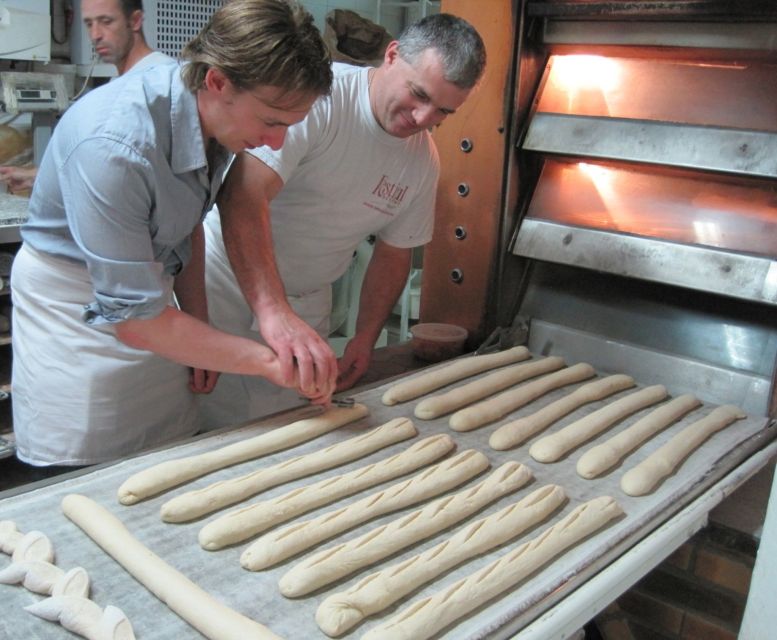
The main goal is a baguette with a golden, crunchy crust and a soft, warm middle. That sounds simple, but the lesson focuses on the details that affect the result. You see how the dough is handled, shaped, and prepared for baking.
The hands-on element is important for home bakers. You can read a recipe later, but it is harder to understand dough until you have felt its texture and resistance. During the class, you get to plunge your arms into the flour, work with the mixture, and practice the shaping techniques under guidance.
The amount of individual work can depend on the session. The class is hands-on, yet some participants have found it more demonstration-heavy than expected. If you want every minute devoted to kneading, ask questions and take your turn when the baker calls for volunteers. The small group helps here because there are fewer people competing for attention.
Classic baguette and La Parisse
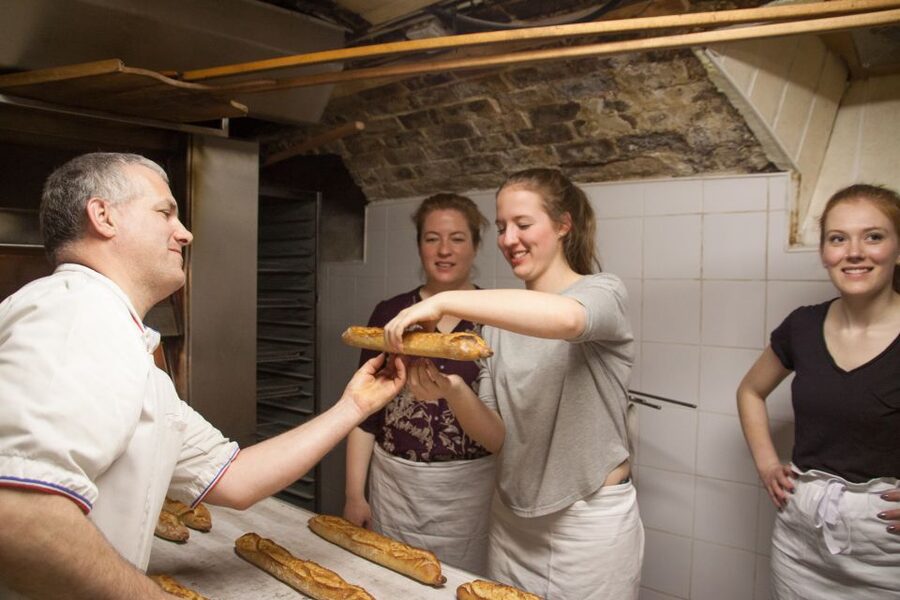
You make two types of baguette during the class. The first is the familiar classic French baguette. The second is La Parisse, a special baguette unique to the bakery and associated with its reputation in Paris.
That second loaf gives the activity a useful local touch. You are not only learning a generic bread formula that could be taught anywhere. You are learning one bakery’s own version and hearing why it is different.
The baker explains the process from start to finish, including the practical decisions that affect flavor, shape, and texture. This makes the class useful for beginners, but it also has plenty for people who already bake bread. One experienced home baker called the information more valuable than expected, while another booked the class after years of trying to make a proper French baguette at home.
Do not expect to leave as a professional baker after two hours. You will, however, leave with a better feel for the process and a clearer idea of why your home loaves may not match the ones in Paris.
Croissant shaping and the warm tasting
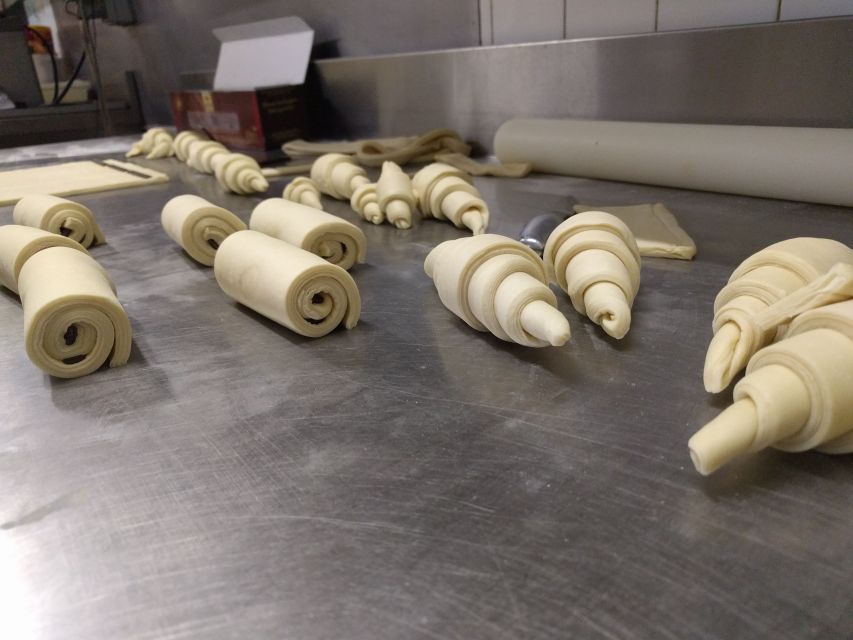
The croissant portion adds a different kind of skill. Baguette dough and croissant dough do not behave the same way, so you get a useful contrast between shaping a long loaf and forming a layered pastry.
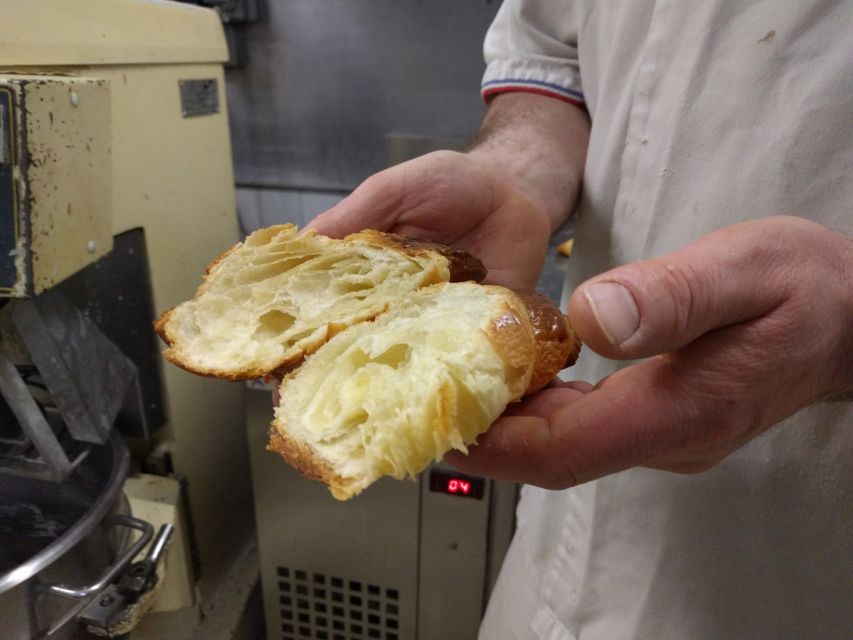
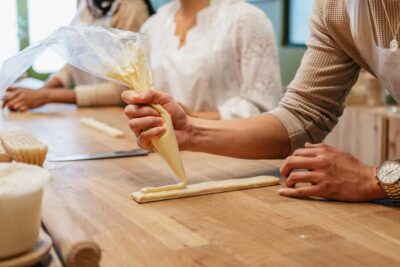
The class teaches you how to make and shape croissants, with the baker showing the proper technique. The details matter here. A croissant can look right on the outside and still lack the flaky, delicate interior you want, so watching the baker’s hand movements is valuable.
You also taste the finished bread and pastries. Warm baguettes and croissants are among the pleasures of the session, and the tasting helps you judge what the methods are meant to produce.
Come hungry. Several families left with bread and pastries, and some participants said they sampled multiple items and had plenty to take home. The exact amount you carry away can vary, so do not book this solely as a guaranteed bread haul. The included food is best viewed as part of the lesson and tasting, not a substitute for buying bakery goods afterward.
One practical point: the baking smells and fresh food are present before the final tasting, so the wait can feel long if you are hungry. A small snack before class may be wise, especially for children.
A different way to spend the day, same corner of France:
- Paris: Louvre Museum Timed-Entrance Ticket
★ 4.6 · 71,977 reviews - Disneyland® Paris 1-Day Ticket
★ 4.6 · 49,412 reviews - Paris: Versailles Palace and Gardens Full Access Ticket
★ 4.6 · 41,579 reviews - Paris: Evening River Cruise with Music
★ 4.4 · 22,721 reviews
Translation that keeps the lesson moving
The baker may teach in French, with language support available in English, Japanese, and Spanish. In many sessions, the interpreter is an important part of the experience, not just someone repeating a few instructions.
Luis has been praised for clear explanations and for adding French bread history and pastry background. Luce and Elsa have also helped keep English-speaking participants involved. The strongest interpreters understand bread making themselves, so technical points do not get flattened into vague translation.
You can still hear some French during the class. One participant found the baker’s slow, clear speech useful as French practice, while the interpreter made sure no key information was missed.
If you speak little or no French, you should be able to follow the class when booking a session with the language support you need. Check the available language before choosing a time, since the specific interpreter may differ.
More than a recipe: French bread in context
The class gives you practical instruction, but the conversation also moves into the place of bread in French life. You learn bits of bread history, including explanations of how certain baguette forms developed, along with stories about French pastries and changing food habits.
This is where the bakery setting beats a standard cooking lesson. Didier can connect the recipe to his own work, his family trade, and the realities of running a boulangerie. He also discusses flour and the way ingredients affect bread.
One particularly useful detail is the bakery’s attention to wheat and milling. Didier sources wheat and grinds it in the shop, giving you a direct example of how flour choice can affect the final loaf. The class does not promise to solve every dietary concern, so anyone with a serious allergy or intolerance should ask the provider before booking. One participant with gluten intolerance reported learning a great deal about the subject, but that personal experience should not be treated as a medical guarantee.
Why the eight-person limit matters
A group capped at eight is a real advantage for this type of class. Dough work is physical and messy, and a crowded room can turn a hands-on activity into a demonstration with a few lucky volunteers.
The smaller format lets the baker give individual attention. Families with children have found that Didier includes different ages and keeps young participants involved. Children as young as eight have taken part successfully, and one family said their children stayed engaged throughout the session.
The official minimum age is six. That does not mean every six-year-old will enjoy two hours of flour, waiting, instructions, and tasting. The activity suits children who like cooking and can follow directions. Very young children may find the technical explanations slow, while older children and teenagers can get more from the shaping work.
Couples, parent and child pairs, multigenerational families, and serious home bakers all fit the format. The class has also worked well for participants ranging from children to adults in their seventies.
What is included, and what you take home
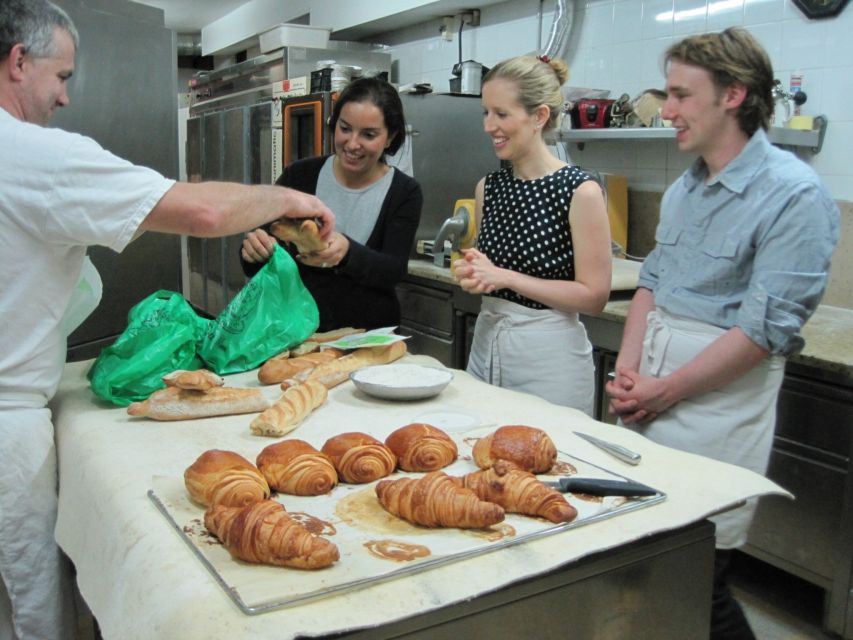
The $258 price includes all ingredients, utensils, and an apron. You also receive a copy of the recipes by email.
The recipes are a major part of the value. A short Paris activity becomes more useful when you can repeat it after returning home. The class is especially appealing if you already bake or want a practical reminder of your trip rather than another souvenir that sits on a shelf.
Some sessions have included a dough starter and a generous bag of baguettes, but those extras are not listed as guaranteed inclusions. Plan on learning, tasting, and receiving the recipes. Treat additional bread to take home as a possible bonus rather than part of the promised package.
You will probably want to buy more bread from the bakery if the class leaves you hungry for a second breakfast. That is not a bad outcome, but it does raise the total cost.
Is $258 per person a fair price?
This is an expensive two-hour activity. You can buy a baguette and croissant in Paris for a tiny fraction of the class price, so the value is not in the food alone.
You are paying for access to a working family bakery, direct instruction from an artisan baker, translation, equipment, ingredients, tastings, a small group, and recipes for home use. The value improves if you care about baking technique, want a personal activity with your family, or plan to use what you learn after the trip.
The price is harder to justify if you only want a quick taste of French pastry or a bakery visit. Paris offers cheaper ways to eat excellent bread. This class earns its cost through participation and instruction, not through the amount of food included.
I would especially consider it for someone who has tried to make baguettes at home and cannot get the crust or texture right. The baker’s tips can address the practical mistakes that recipes often fail to explain.
Timing, language, and cancellation details
The class lasts two hours, with starting times available according to the date you choose. Since it meets at a specific bakery in the 11th arrondissement, leave enough time to reach 8 rue Oberkampf without rushing.
The provider offers instruction in English, French, Japanese, and Spanish. Confirm your preferred language when booking, particularly if technical baking terms are important to you.
Children under six cannot take part. The group size is limited to eight participants, which is one reason busy dates may fill early.
You can cancel up to 24 hours in advance for a full refund. The reserve-now, pay-later option also helps if your Paris plans are still shifting.
Who should book this Paris baking class?
Book it if you want to understand French bread rather than simply eat it. It is a strong match for home bakers, food-focused visitors, families, and anyone who prefers a personal activity to another sightseeing stop.
I also like it for a parent and child trip. The class offers a shared task, a tasty reward, and recipes you can make together later. Several families found the baker especially good with children, though younger kids need enough patience for the teaching and baking time.
It is less suitable if you dislike group instruction, have limited mobility with flour and dough work, or want a polished pastry-school course with extensive individual practice. The class is lively and practical, but two hours cannot cover every detail of professional bread and croissant production.
Should you book it?
I would book this experience if the price fits your budget and you want a real connection to French baking. The family bakery setting, Didier’s personality, the skilled language support, and the chance to work with dough make it more personal than a standard food tour.
Book with realistic expectations. You may spend part of the session watching and listening, and the amount of bread you take home is not fixed. But you will taste fresh baguettes and croissants, practice the key techniques, and leave with recipes that can bring a little Paris into your own kitchen.
If your trip includes only one food activity, this is a good choice for learning by doing. If your main goal is simply to eat a croissant, save the $258 and visit a bakery instead.
FAQ
Where does the bread and croissant class meet?
The class meets at Le Petit Mitron, located at 8 rue Oberkampf, 75011 Paris.
How long does the class last?
The activity lasts two hours. Starting times vary, so check availability for your chosen date.
What languages are available?
Instruction or language support is available in English, French, Japanese, and Spanish.
How many people can join the class?
The class is limited to eight participants, making it a small-group activity.
Are children allowed to participate?
Children under six are not suitable for the activity. Children aged six and older may participate, subject to the group setting and class requirements.
What is included in the price?
The price includes all ingredients, utensils, and an apron. You also receive a copy of the recipe by email, and the class includes tastings of the bread and pastries made during the session.
Recently reviewed around Paris
- Louvre Private Tour – The Essentials and More with Expert Guide★ 5.0 · 227 reviews
- 2CV tour by night★ 5.0 · 55 reviews
- Eiffel Tower Second or Summit Floor Access by Elevator with Views★ 3.5 · 161 reviews
- 2 Hour Street-art Walk and Space Invaders Hunt in Paris★ 5.0 · 27 reviews
- 2 hour outdoor group activity in Paris: SAINT GERMAIN★ 5.0 · 48 reviews
- The only Paris Wine Tasting experience you need to do – 2 hours★ 5.0 · 265 reviews
- Sainte-Chapelle, Conciergerie & Palais de Justice Private Tour★ 5.0 · 72 reviews
- Private 2 – Hour Paris Landmarks Tour by Golf Cart Mini Moke★ 5.0 · 38 reviews
Workshops, compared.

Paris Cooking Class and Lunch with Wine plus Market Visit Option
Read our review →
Paris Croissant Small-Group Baking Class with a Chef
Read our review →
Fragonard Eze: Perfume Making Class and Factory Tour
Read our review →

Perfume Making Class and Fragonard Factory Tour
Read our review →Browse the lists this tour appears in