

Reviewed · LOUVRE MUSEUM TOURS
Paris: Les Caves du Louvre Guided Tour with Wine Tastings
The most unusual part of this Paris wine tour is beneath the street, in the 18th-century cellars once used by the King of France. Near the Louvre, you move from room to room learning how grapes become wine, with scent stations, videos, games, and hands-on displays instead of a long lecture.
I like the clever sensory approach, especially the aroma display and the demonstrations of how clay, limestone, vines, and soil affect wine. I also like the final tasting, where you choose three wines and learn how to smell and taste them with a sommelier such as JB, Lou, Pierre, Justin, or Clement.
The main consideration is time. This is a brisk one-hour introduction, not a slow country winery visit with a meal or vineyard walk. It is also conducted in English only, and it is not suitable for children under 18, pregnant women, or people with mobility impairments.
In This Review
- Key Points
- Entering the Former Royal Wine Cellars
- A Tour Built Around Your Five Senses
- French Grapes, Regions, and Terroir Made Simple
- The Tasting: Three Wines and a Practical Lesson
- Why the One-Hour Length Works
- Group Size, Language, and Physical Practicalities
- Is $41 a Fair Price?
- Who Should Book Les Caves du Louvre?
- My Take on the Experience
- Should You Book This Tour?
- FAQ
- Where does the Les Caves du Louvre tour meet?
- How long does the wine cellar tour last?
- How many wines do you taste?
- Is the tour available in languages other than English?
- Is food included with the wine tasting?
- Who cannot take part in this activity?
Key Points
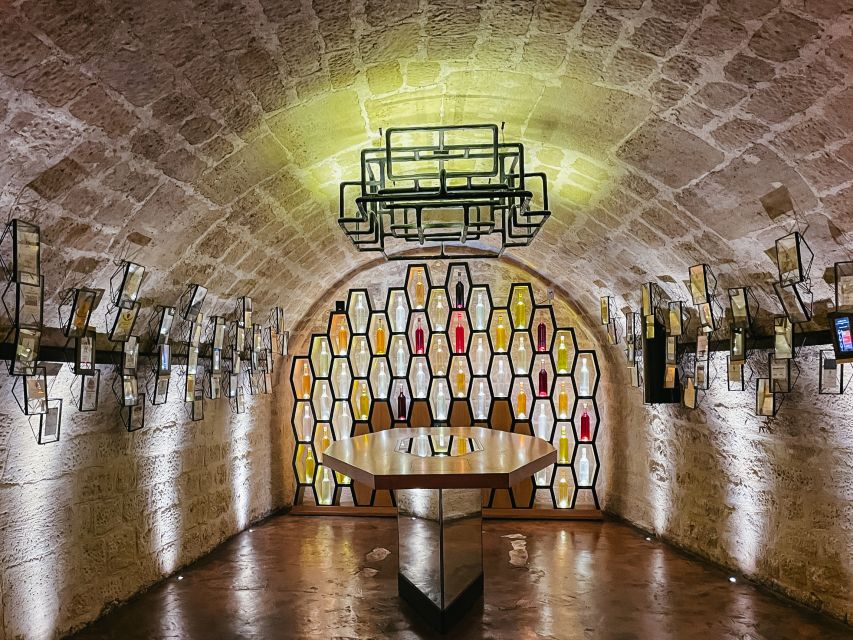
- Royal cellars near the Louvre: Visit historic underground rooms once used to store wine for the French king.
- Five-sense format: Use aromas, visuals, games, and tactile displays to understand wine without needing prior experience.
- Three French wines: Finish with a guided tasting and learn how to notice differences between regions and grape varieties.
- Strong guides: Guides including JB, Lou, Pierre, Justin, and Clement are praised for humor, clarity, and warm presentation.
- Good central stop: The address at 52 Rue de l’Arbre Sec works well before or after the Louvre and nearby sights.
- Best for adults: The tour is English-only and restricted to people aged 18 and over.
Entering the Former Royal Wine Cellars
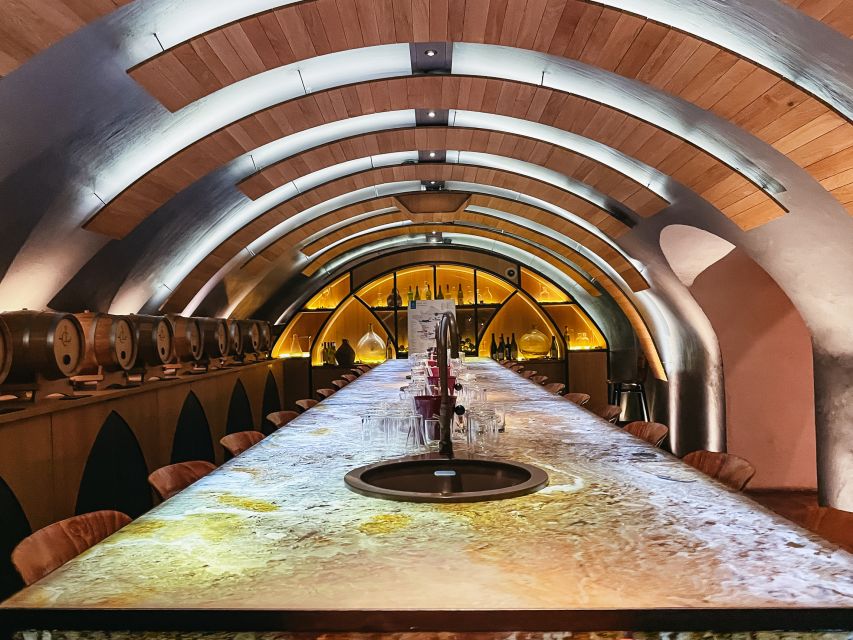
Les Caves du Louvre gives you something most Paris wine tastings cannot: a setting with genuine atmosphere. The address is 52 Rue de l’Arbre Sec in the 1st arrondissement, close to the Louvre, and the experience takes place in old wine cellars linked to the King of France.
I would plan this as a compact cultural stop between major sights. You can visit the Louvre before the tour, or use the tasting as a calmer break after a morning spent among paintings, crowds, and grand rooms. Its central location also makes it easy to continue toward the Seine and nearby bistros afterward.
The cellar rooms are not simply a backdrop for pouring wine. Each room has a different focus, and the route gives the hour a clear rhythm. You begin with the setting and the role of wine, then move into the practical stages of production before finishing with the tasting.
That change of room matters. Wine can feel intimidating when it is explained only through formal terms and long lists of regions. Here, the information is broken into small pieces, so you can connect what you see and smell with what eventually appears in your glass.
More Paris trips worth a second look
- Paris: Moulin Rouge Cabaret Show Ticket with Champagne
★ 4.7 · 16,088 reviews - Authentic Parisian Gourmet Food Tour with 10 Local Dishes & Wines
★ 5.0 · 4,754 reviews - Loire Valley Castles Day Trip from Paris with Complementary Wine
★ 4.5 · 3,907 reviews
A Tour Built Around Your Five Senses
The most useful feature is the sensory design. You do not just listen to a guide explain grapes and fermentation. You use your senses to work out why wine smells and tastes the way it does.
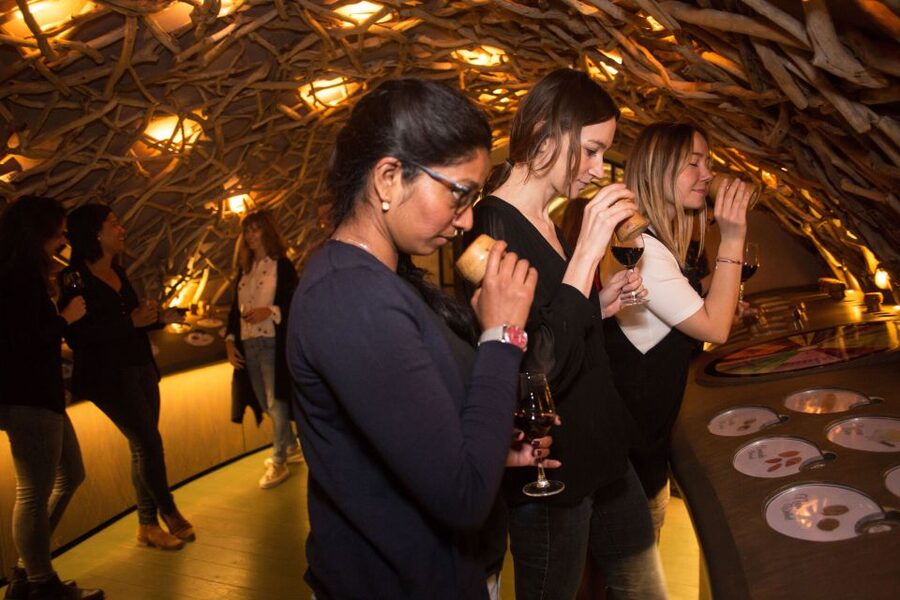
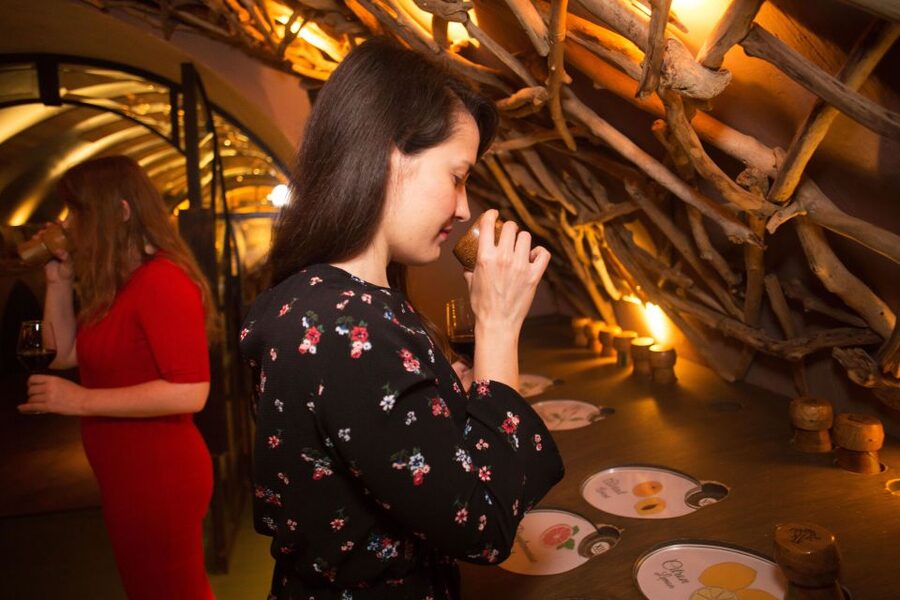
An aroma display helps you identify familiar scent notes. This is a smart teaching tool because many people can recognize a smell but struggle to describe it. The display gives you a way to connect a scent with the language used during a tasting.
The tour also uses videos, puzzles, games, and other interactive features. One display recreates the difference between soils such as clay and limestone, helping you understand the French idea of terroir. That word can sound vague until you see how soil, vines, climate, and place are tied together.
You also learn about fermentation, yeasts, and the steps between grape and bottle. The route is not designed as a technical course, so you will not leave knowing every detail of winemaking. You will, however, have a useful framework for understanding a French wine label and listening to a sommelier without feeling lost.
I especially like the way the tour treats smell as part of taste. The nose plays a major role in how you experience wine, and the displays make that point in a direct, memorable way. If you are new to wine, this is more helpful than being handed a list of tasting terms and told to memorize them.
French Grapes, Regions, and Terroir Made Simple
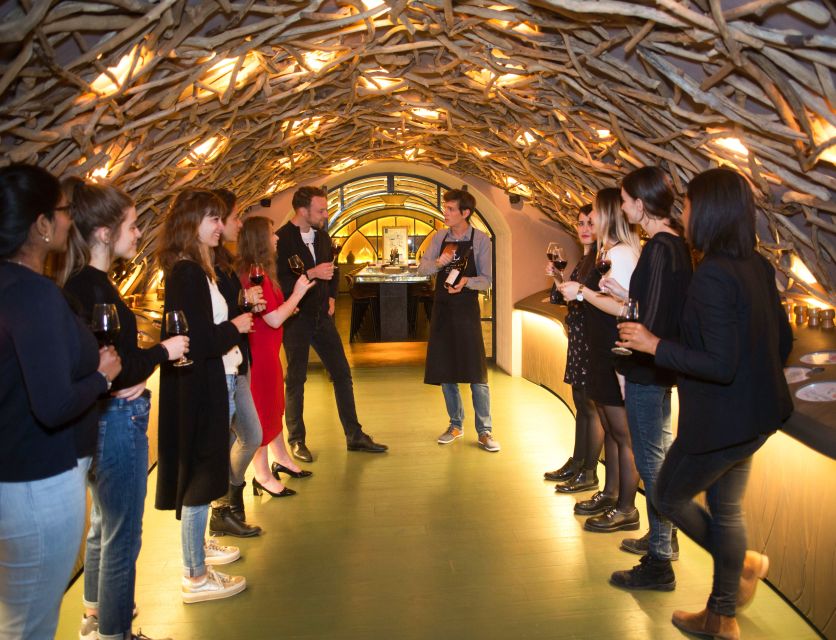
France has an intimidating number of wine regions, and each has its own grapes, traditions, and rules. The tour introduces this subject without expecting you to arrive with a map of Bordeaux, Burgundy, the Rhône Valley, Champagne, and beyond already fixed in your mind.
You learn how different French grapes behave and how regional conditions shape the final bottle. The guide connects grape variety with soil and place, rather than presenting each wine as an isolated product.
That approach gives you something practical for the rest of your trip. You may begin to notice regional names on restaurant lists or wine-shop shelves. You will also have a better idea of why two wines made from different grapes can smell, taste, and feel so different.
The guide is important here. The strongest part of the experience depends on the person leading the group, and the available guides have included JB, Lou, Pierre, Justin, Clement, Irvine, Irwin, Celia, Jean-Baptiste, and Ives. Names and assignments can change, but the pattern is clear: the guide does more than recite facts.
JB is praised for a light, funny style, while Lou is noted for making the hour friendly and easy to follow. Pierre is described as both entertaining and well informed. Other guides, including Justin and Clement, are singled out for answering questions and explaining the subject clearly.
That personality helps. Wine education can become stiff very quickly, particularly when terms such as fermentation, yeast, acidity, and terroir arrive all at once. A lively guide turns those ideas into a conversation rather than a classroom session.
The Tasting: Three Wines and a Practical Lesson
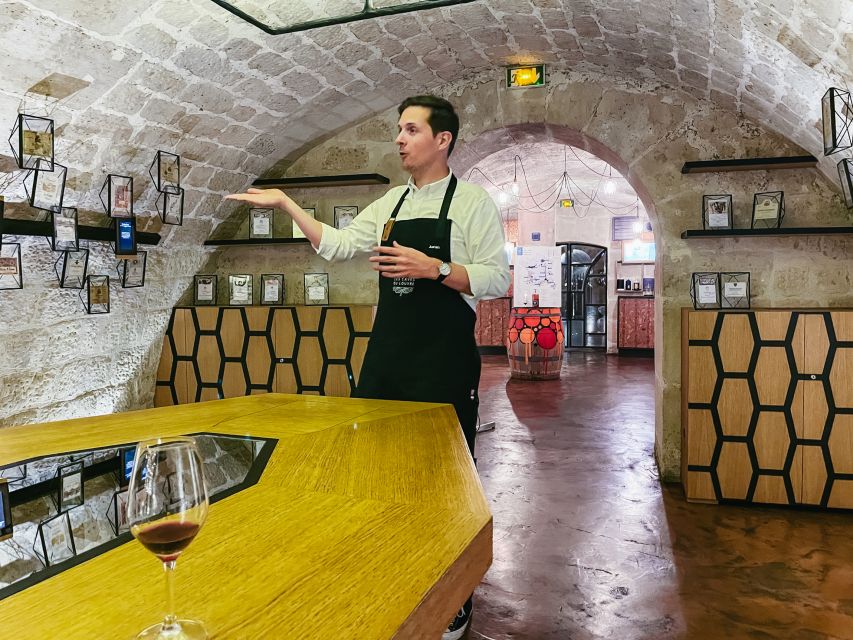
At the end, you choose and taste three French wines. The wine list changes every week, so the exact bottles are not fixed. That is good news if you enjoy variety, but it means you should not book expecting one specific producer or region.
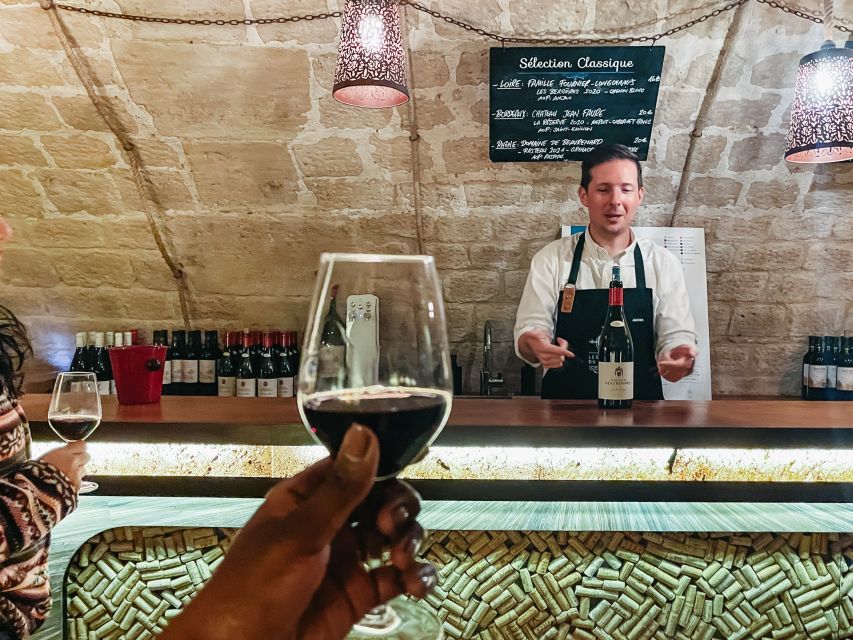
The sommelier explains basic tasting technique. You learn how to look at the wine, use your nose, take a sip, and notice its character rather than simply deciding if you like it. The point is not to turn you into a professional taster. It is to give you a few tools you can use at dinner that same evening.
The three wines are selected to show contrast. Past tastings have included wines with clearly different regional traits, which makes the lesson easier to follow. When the glasses are noticeably different, you can connect the explanation about grapes and soil with something you can actually smell and taste.
The pours have been described as generous, but the exact serving size is not specified. Food is not included. You can buy food on site, though this should not be treated as a full lunch or dinner unless the current arrangements specifically confirm it.
Some bookings may offer a premium tasting option. The supplied experience details do not spell out every difference between the standard and premium choices, but several visitors specifically say the premium upgrade is worth considering. If that option appears when you book, check what wines and serving format it includes before paying extra.
There is also a shop where you may be able to buy bottles after the tour. This is useful if you discover a style you enjoy, but remember that the weekly wine list changes. A bottle available on your visit may not be part of a future tasting.
A different way to spend the day, same corner of France:
- Paris: Louvre Museum Timed-Entrance Ticket
★ 4.6 · 71,977 reviews - Disneyland® Paris 1-Day Ticket
★ 4.6 · 49,412 reviews - Paris: Versailles Palace and Gardens Full Access Ticket
★ 4.6 · 41,579 reviews - Paris: Evening River Cruise with Music
★ 4.4 · 22,721 reviews
Why the One-Hour Length Works
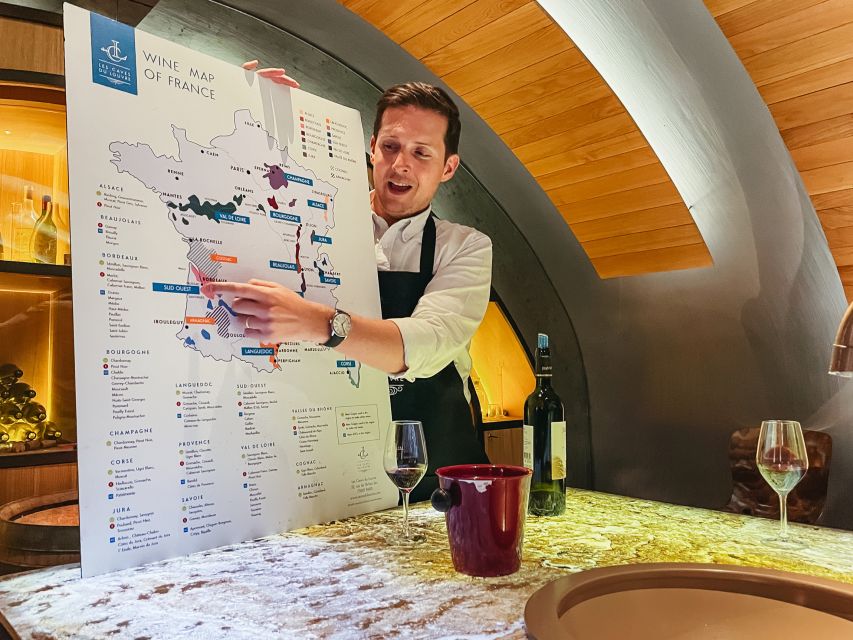
One hour is short enough to fit into a packed Paris schedule. You can add it before an afternoon at the Louvre, after a walk along the Seine, or between lunch and another central attraction.
The short format also keeps the material moving. You get the historic cellar, wine-making explanation, sensory stations, regional overview, and three tastings without committing half a day.
The trade-off is depth. If you already understand French wine, this may feel like an introduction rather than a serious study session. You will not visit vineyards, see harvest work, or spend hours comparing many bottles. The experience is better viewed as a polished primer with a tasting, not as a specialist wine seminar.
For most people, that is the right level in Paris. You receive enough information to make the tasting meaningful, but the tour does not demand a large block of your sightseeing time.
Group Size, Language, and Physical Practicalities
The tour is available in English, and the guided visit is English only. If you need another language, this is not the right choice based on the information provided.
A small-group format may be available. That matters because a tasting works better when you can ask questions and see the sensory displays without being lost in a large crowd. Group size can affect the feel of the visit, so check the booking details for your chosen time.
The cellars are not suitable for people with mobility impairments. The activity is also restricted to adults aged 18 and over, and it is not suitable for pregnant women because wine tasting is part of the experience.
The meeting point is easy to identify by its full address, 52 Rue de l’Arbre Sec, 75001 Paris. Give yourself enough time to reach the entrance, especially if you are coming from the Louvre or another busy central site.
You can cancel up to 24 hours before the start for a full refund, according to the stated terms. Reserve-now, pay-later booking may also be offered, which helps if your Paris schedule is still shifting.
Is $41 a Fair Price?
At $41 per person, this is not the cheapest way to drink wine in Paris. A bar or shop tasting may cost less, and you can certainly buy three French wines on your own for a similar sum.
The value comes from the complete package. You are paying for access to the historic cellars, an English-speaking guide, a structured explanation of French wine, the interactive displays, and three tastings with instruction. If you want more than a glass and a quick description, the price is reasonable.
The location adds value. You do not need to travel into the countryside or spend hours getting to a vineyard. You can combine the tour with a Louvre visit and keep the rest of your day for Paris.
I would be less enthusiastic about the price if your main goal is simply to drink as much wine as possible. This is an educational experience, and part of your ticket pays for the setting and presentation. You are buying understanding as much as wine.
If you are curious about French wine but do not know where to begin, the price makes more sense. The guide gives you a foundation, and the tasting lets you test the ideas right away.
Who Should Book Les Caves du Louvre?
I would recommend it to adults who want a break from museums and monuments but still want a distinctly French activity. It is especially suitable if you are new to wine, traveling with a partner or small group, or looking for something that works in bad weather.
It also suits wine drinkers who want to sharpen their basic tasting skills. You can ask questions, compare three different bottles, and leave with ideas for choosing wine at a Paris restaurant.
The activity works well for solo participants too, particularly if you enjoy guided experiences where the subject gives you an easy way to meet other people. The short duration keeps it from taking over your day.
I would skip it if you want a vineyard visit, a full meal, or a long technical tasting. It is also not the right choice if anyone in your party is under 18, pregnant, unable to manage the cellar setting, or uncomfortable with an English-only tour.
My Take on the Experience
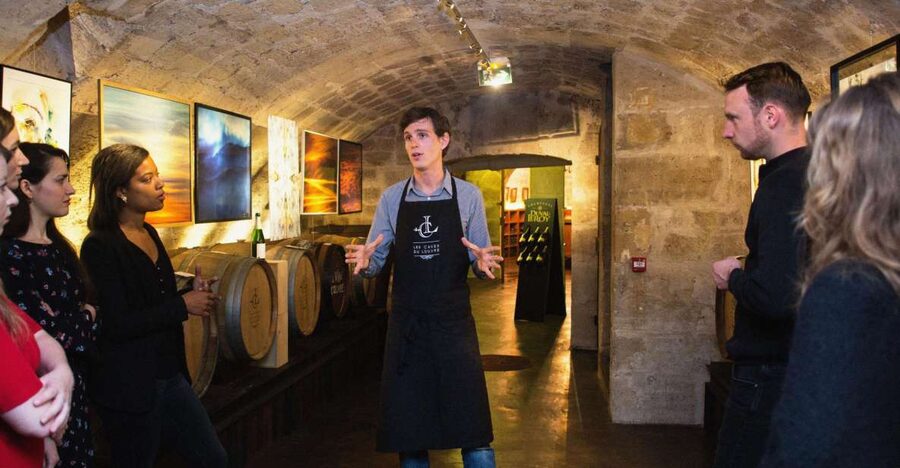
I like the balance here. The royal cellar setting gives the tour a sense of place, while the games and scent displays stop the subject from becoming dry. The sommelier-led tasting then turns the information into something you can use.
The strongest feature is the guide. Names such as JB, Lou, Pierre, Justin, and Clement appear repeatedly in the experience feedback, and each is praised for being friendly, funny, clear, and well informed. That matters more than fancy equipment. A good guide can explain a difficult subject in plain language and make room for questions.
The main weakness is that one hour can only cover the basics. The changing wine list is also a small uncertainty if you are hoping to taste a particular region or grape. Still, for a central Paris activity that combines history, sensory learning, and three French wines, it offers a lot in a compact format.
Should You Book This Tour?
Book Les Caves du Louvre if you want a practical introduction to French wine in a historic Paris setting. It is a particularly good choice for a first visit, a rainy afternoon, or a day when you need something calmer than another major attraction.
At $41, the tour is worth it when you value the guide, the cellar, the sensory displays, and the structured tasting. If you only want inexpensive wine, spend your money at a bar. If you want to understand what is in your glass and why French wine is tied so closely to place, book the cellar tour.
FAQ
Where does the Les Caves du Louvre tour meet?
The meeting point is 52 Rue de l’Arbre Sec, 75001 Paris, near the Louvre.
How long does the wine cellar tour last?
The stated duration is one hour. Starting times vary, so check availability when booking.
How many wines do you taste?
You choose and taste three French wines during the final part of the tour. The wine list changes every week.
Is the tour available in languages other than English?
No. The guided tour is conducted in English only.
Is food included with the wine tasting?
No. Food is not included, but it may be purchased on site.
Who cannot take part in this activity?
The experience is not suitable for pregnant women, people with mobility impairments, or children under 18.
Recently reviewed around Paris
- Louvre Private Tour – The Essentials and More with Expert Guide★ 5.0 · 227 reviews
- 2CV tour by night★ 5.0 · 55 reviews
- Eiffel Tower Second or Summit Floor Access by Elevator with Views★ 3.5 · 161 reviews
- 2 Hour Street-art Walk and Space Invaders Hunt in Paris★ 5.0 · 27 reviews
- 2 hour outdoor group activity in Paris: SAINT GERMAIN★ 5.0 · 48 reviews
- The only Paris Wine Tasting experience you need to do – 2 hours★ 5.0 · 265 reviews
- Sainte-Chapelle, Conciergerie & Palais de Justice Private Tour★ 5.0 · 72 reviews
- Private 2 – Hour Paris Landmarks Tour by Golf Cart Mini Moke★ 5.0 · 38 reviews
Louvre Museum Tours, compared.


Louvre Guided Tour with Reserved Access & Boat Cruise
Read our review →
Louvre Museum Masterpieces Guided Tour with Access
Read our review →
Louvre Museum Entry Ticket With Host and River Cruise
Read our review →
Priority Access Louvre with Host -Direct to Mona Lisa
Read our review →
Mona Lisa & Louvre Masterpieces Tour with Reserved Access
Read our review →
Louvre Museum – Exclusive Guided Tour (Entry Included)
Read our review →
Louvre Reserved Ticket and River Cruise Combo
Read our review →Browse the lists this tour appears in