

Reviewed · MUSEUMS
Paris Museum Pass: 2, 4, or 6 Days
The Paris Museum Pass turns Paris sightseeing into a simple numbers game: visit several major museums and monuments during consecutive days, and the $129 price per person can make good sense. The pass covers more than 60 sites, from the Louvre and Musée d’Orsay to Versailles and the Arc de Triomphe.
I like two things in particular. First, the pass can save you from buying a separate ticket at every stop. Second, its priority access often lets you use a shorter entrance line, especially at the Orsay and Arc de Triomphe. The catch is important: a pass does not always replace a timed reservation, and the Louvre cannot be guaranteed during very busy periods.
In This Review
- Key points to know before buying
- What the Paris Museum Pass actually gives you
- Picking the right two, four, or six-day pass
- The Louvre requires more planning than the pass suggests
- Musée d’Orsay and the Arc de Triomphe show the pass at its best
- Sainte-Chapelle, Conciergerie, and medieval Paris
- Versailles and the castles outside Paris
- Smaller museums can make the pass pay off
- The optional Seine cruise adds a different kind of value
- Pickup near the Louvre is easy, but it costs time
- Children and younger EU visitors may not need it
- How to plan a pass day without exhausting yourself
- Who should buy the Paris Museum Pass?
- FAQ
- How many attractions are included?
- Which pass durations are available?
- Does the pass include the Louvre?
- Do I need a reservation for Musée d’Orsay?
- Does the pass include Versailles?
- Are the Versailles gardens included?
- Where do I collect the pass?
- Does the pass work as a digital ticket?
- Are children required to buy the pass?
- Is a Seine River cruise included?
- Can I use the pass for nonconsecutive days?
- Should you book it?
Key points to know before buying
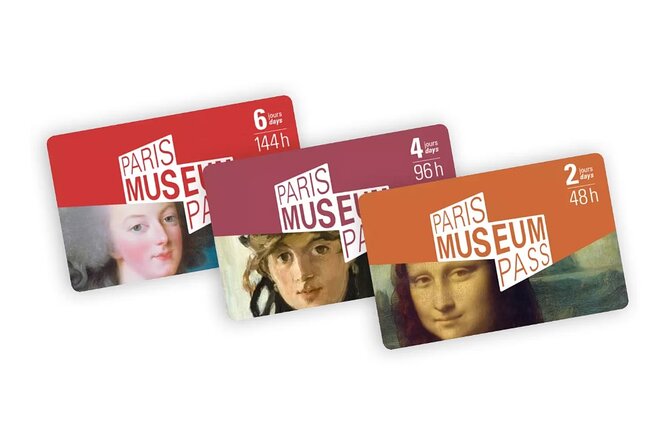
- More than 60 museums and monuments: The list includes major Paris sights plus castles and museums outside the city.
- Three validity choices: Select 2, 4, or 6 consecutive calendar days. There is no three-day version.
- Reservations still matter: The Louvre, Orangerie, Sainte-Chapelle, Versailles, and several other sites may require an advance time slot.
- Pickup is near the Louvre: Collect the physical pass at the tour office, open daily from 9:00 to 16:00.
- Permanent exhibitions are included: Temporary exhibitions and other extras may not be covered.
- A Seine cruise may be added: The boat ride is included only with the option you book, and the correct cruise company and meeting point matter.
What the Paris Museum Pass actually gives you
This is not a guided tour with a fixed route. You receive a pass and decide how to use it across Paris and the surrounding Ile-de-France region.
The pass includes admission to permanent exhibitions at participating museums and access to listed monuments. You can build a day around one major museum, or make several shorter stops. That flexibility is the main reason to buy it. You are not locked into a schedule, and you can enter a smaller museum for an hour without feeling that you have wasted the price of a single ticket.
The selection is broad. In central Paris, you can visit the Louvre, Musée d’Orsay, Musée de l’Orangerie, Musée Rodin, Musée Picasso Paris, the Musée du quai Branly, and the Musée national du Moyen Âge, also known as the Cluny Museum.
The pass also reaches beyond traditional art museums. You can visit the Conciergerie, Sainte-Chapelle, the Panthéon, the Arc de Triomphe, the Paris Sewer Museum, the Crypt beneath Notre-Dame, the Musée des Arts et Métiers, and the Cité des Sciences et de l’Industrie.
That range matters. You can mix paintings with architecture, medieval Paris, military history, science, and city views. If you only want the Louvre, Orsay, and one monument, buying separate tickets may be simpler. If you plan to visit five or more covered sites, the pass has a much stronger case.
More Paris museums and collections:
- Paris: Louvre Museum Timed-Entrance Ticket
★ 4.6 · 71,977 reviews - Louvre Museum Masterpieces Guided Tour with Access
★ 4.5 · 12,023 reviews - Paris: Louvre Museum Entry Ticket With Host and River Cruise
★ 4.6 · 9,926 reviews
Picking the right two, four, or six-day pass
The pass is valid for 2, 4, or 6 consecutive calendar days. This wording is easy to overlook.
If you first use the pass at 2:00 in the afternoon, that day counts as day one. You do not get a fresh 24-hour period starting at 2:00. Plan carefully, especially with a two-day pass. Starting late on the first day can make the pass feel shorter than expected.
The two-day version suits a tightly planned weekend focused on central Paris. You will need to group nearby sights and keep moving. The four-day version gives you more breathing room and is likely the best fit for many first visits. It lets you visit major museums without turning every day into a race.
The six-day option works best if you want art, monuments, and a few day trips outside Paris. It also gives you time to change plans because of weather, fatigue, or a museum reservation that does not line up neatly with your original schedule.
There is no three-day pass. That is a real limitation if your Paris stay is three full sightseeing days. You may need to compare a two-day pass plus individual tickets with the four-day version.
The Louvre requires more planning than the pass suggests
The Louvre is the biggest reason many people consider this pass, but it is also the place where expectations need the most adjustment.
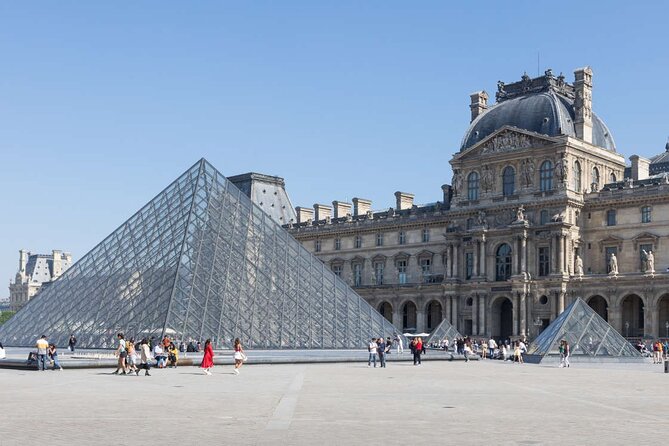
You must reserve a Louvre time slot in advance. The reservation link is provided with your voucher, and you should use it as soon as your dates are firm. The pass covers admission, but it does not guarantee that a convenient entry time will remain available.
Even with a reservation, the Louvre can be crowded. Renovation work and high visitor numbers may affect entry, and admission cannot be guaranteed under all conditions. The pass can help you avoid buying a ticket, but it cannot create space inside one of the world’s most visited museums.
I suggest treating the Louvre as a planned anchor, not an open-ended stop. Reserve it first, then place nearby attractions around that appointment. The pass is more useful here for saving money and simplifying admission than for promising a completely wait-free visit.
Musée d’Orsay and the Arc de Triomphe show the pass at its best
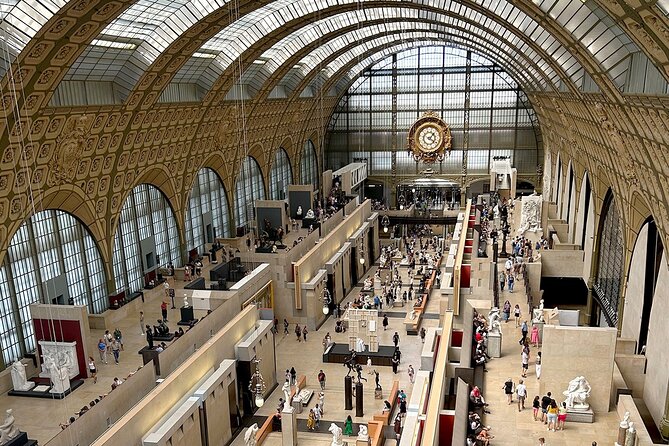
The Musée d’Orsay is one of the strongest covered stops for many visitors. Its former railway-station setting and collection of Impressionist and Post-Impressionist art make it a natural companion to the Louvre.
Priority access can be especially valuable at the Orsay. During busy summer periods, pass holders may still wait outside, but the pass can place you in a shorter line than people buying tickets on arrival. Timed individual tickets may move faster at certain entrances, so do not assume that every pass line is the fastest option at every hour.
The Arc de Triomphe is another excellent use of the pass. You can avoid purchasing a separate ticket and, at times, bypass a long ticket queue. The climb is part of the appeal, with broad views down the avenues from the top. It is also an easy stop to pair with the Champs-Élysées or an evening outing.
For these two attractions, the pass can save both money and time. That combination is more useful than either benefit by itself.
More Paris trips worth a second look
- Paris Museum Pass: 2, 4, or 6 days
★ 4.5 · 34 reviews - Six day French Cooking Course in Brittany
★ 5.0 · 30 reviews
Sainte-Chapelle, Conciergerie, and medieval Paris
The Île de la Cité has several covered sights that work well together. Sainte-Chapelle is famous for its stained-glass windows, while the Conciergerie offers a more sobering look at the former royal and prison complex.
Sainte-Chapelle may require a reservation, and the pass does not always provide a shorter line there. Reserve in advance when the system allows it, especially in the high season.
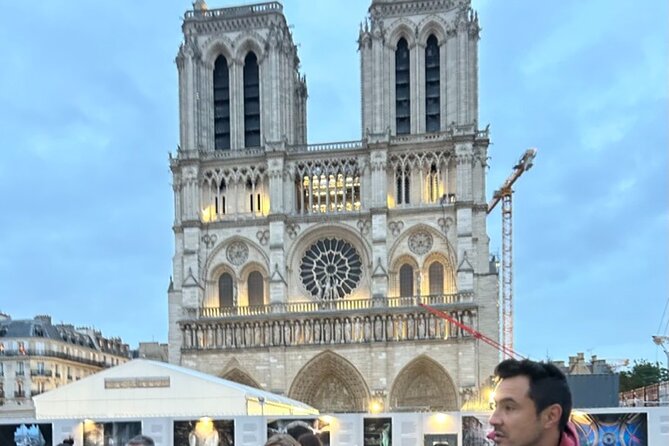
The nearby Crypt of Notre-Dame gives you a look beneath the modern city streets. Tours of Notre-Dame are also included in the listed attractions, subject to the site’s own entrance rules and reservations. These stops are not as large as the Louvre, so they fit nicely into a day when you want several different experiences without spending hours in one building.
Versailles and the castles outside Paris
The pass is not limited to central Paris. One of its most useful features is access to major sites in the surrounding region.
The Palace of Versailles and the Trianon estate are included in the list. Versailles can easily consume much of a day, so count it as a major use of your pass rather than a quick add-on. You may need to reserve a time slot, and advance planning is essential during busy periods.
The pass covers admission to the listed permanent areas, but it does not automatically include every Versailles extra. The gardens may require a separate payment, particularly when special events or fountain displays apply. Check the current entrance rules before you go.
Other covered estates include Fontainebleau, Château de Chantilly, Château de Compiègne, Château de Rambouillet, Château de Vincennes, Château de Pierrefonds, Château de Maisons-Laffitte, and the Château de Malmaison. The Musée Condé is located at Chantilly, while the Basilica Cathedral of Saint-Denis offers another worthwhile stop outside the central tourist circuit.
These sites make the four-day and six-day passes more attractive. They are not all close together, so you should not try to string several of them into one day. The value comes from choosing one extra-region destination that you genuinely want to see.
Smaller museums can make the pass pay off
The pass encourages a style of sightseeing that individual tickets often discourage. You can visit a smaller museum for 45 minutes, then move on without worrying that you have not received enough value from the admission fee.
Consider the Musée Gustave Moreau, Musée Rodin, Musée de la Poste, Musée de la Monnaie, Musée Picasso Paris, or the Musée de l’Ordre de la Libération. The Musée national des Arts asiatiques Guimet, the Musée des Arts et Métiers, and the Musée du quai Branly add different collections and subjects.
The Musée de l’Orangerie is especially convenient for visitors who want to see Monet’s Water Lilies. It requires a reservation, so do not leave it until the final afternoon of your pass period.
The Hôtel de la Marine and the Cité de l’architecture et du patrimoine also require reservations. The Museum of the Art and History of Judaism is another site with mandatory booking. Keep a running list of reservation requirements instead of assuming the pass gives automatic entry everywhere.
The optional Seine cruise adds a different kind of value
Some versions include a Seine River cruise. This is not included by default, so check the option you select.
The cruise provides a break from museum interiors and a chance to see Paris monuments from the water. An evening departure can be especially appealing for city views, according to the practical experience of people who used the pass that way.
The main difficulty is finding the correct departure point. Several boat companies operate on the Seine, and the meeting location can be confusing. Read the voucher carefully, identify the company name, and go to the correct dock rather than assuming any nearby boat will accept the pass.
The cruise is most useful when you would have paid for a boat ride anyway. If you are focused only on museums, it should not determine your purchase.
Pickup near the Louvre is easy, but it costs time
You must collect the physical pass at the tour office near the Louvre. The office is open seven days a week from 9:00 to 16:00, and the pickup point is about a ten-minute walk from the Louvre.
The location is convenient if the Louvre is your first planned stop. It is less convenient if you arrive late in the day, are staying far from central Paris, or want to begin sightseeing early the next morning.
One practical approach is to pick up the pass before your first full sightseeing day. Remember that the validity period begins with the first use, not simply with collection, but confirm the current activation instructions when you receive it.
A physical pickup also means you should protect the pass during your visit. It is your admission credential at multiple sites, so do not leave it in a hotel room or pack it away somewhere hard to reach.
Children and younger EU visitors may not need it
Public museum entrance is free for children under 18, and for EU citizens under 26. The museum may still require a free ticket or timed reservation, so free admission does not mean you can always walk straight in.
This changes the value calculation for families. Do not automatically buy a pass for every person in your group. Check the age and residency rules, then account for any required reservations.
For adults paying regular admission, the pass can be worthwhile after several major visits. For children who already qualify for free entry, it may add little financial value, though the pass could still simplify the process at some locations if accepted under the stated rules.
How to plan a pass day without exhausting yourself
The best plan groups attractions by area and mixes large museums with shorter stops.
A Louvre day might include the Arc de Triomphe later only if your energy and schedule allow it, but these are both demanding visits. A Île de la Cité day can combine Sainte-Chapelle, the Conciergerie, the Notre-Dame Crypt, and a nearby museum.
Another day could pair the Musée d’Orsay with the Orangerie and Musée Rodin. Make reservations first, then use the pass for nearby sites around those fixed times.
For a six-day pass, reserve one day for Versailles or another castle outside Paris. Avoid filling every hour. The pass rewards flexibility, and one of its quiet advantages is the freedom to step into an included museum because you happen to be nearby.
A map or well-organized list is useful. The attraction list can take work to sort, and an alphabetical format would make it easier to find a specific museum. I would group sites by neighborhood before leaving home and save the reservation links on your phone.
Who should buy the Paris Museum Pass?
You should strongly consider it if you plan to visit several major museums and monuments, like having a full sightseeing schedule, or want the freedom to make spontaneous short stops.
It suits first-time Paris visitors who have a clear list of places such as the Louvre, Orsay, Arc de Triomphe, Sainte-Chapelle, and Versailles. It is also useful for repeat visitors who want smaller museums without buying individual tickets one at a time.
You may want to skip it if your trip centers on only one or two museums, if most of your group qualifies for free admission, or if your schedule is too loose to use the pass on consecutive calendar days.
The pass is not a magic key. You still need to reserve certain attractions, follow each site’s entry rules, and accept that the busiest places may have a queue. But for an organized visitor, its best features are clear: less ticket buying, more choice, and often less time in line.
FAQ
How many attractions are included?
The pass provides free admission to more than 60 museums and monuments in Paris and the surrounding Ile-de-France region.
Which pass durations are available?
You can choose a pass valid for 2, 4, or 6 consecutive calendar days.
Does the pass include the Louvre?
Yes, the Louvre is included. You must reserve a Louvre time slot in advance, and entry cannot be guaranteed during periods of renovation or very high visitor numbers.
Do I need a reservation for Musée d’Orsay?
The provided information specifically requires reservations for the Louvre, Orangerie Museum, Museum of the Art and History of Judaism, Hôtel de la Marine, and Cité de l’architecture et du patrimoine. Check the current entry instructions for Musée d’Orsay before visiting.
Does the pass include Versailles?
Yes, the listed Versailles museums and estates are included. A time slot may be required, so plan ahead.
Are the Versailles gardens included?
The pass does not automatically include the Versailles gardens. You may need to pay separately at the garden gates.
Where do I collect the pass?
You collect it at the tour office near the Louvre, about a ten-minute walk away. The office is open seven days a week from 9:00 to 16:00.
Does the pass work as a digital ticket?
The pass must be collected at the tour office, so you should expect a physical pass rather than relying only on a phone version.
Are children required to buy the pass?
Children under 18 can enter public museums free, and EU citizens under 26 also qualify for free public museum entrance. Museums may still require a free timed ticket.
Is a Seine River cruise included?
A river cruise is included only if you select the option that contains it. Check the voucher for the correct boat company and meeting point.
Can I use the pass for nonconsecutive days?
No. The pass days are consecutive calendar days. If you first use it at 14:00, that date counts as the first day.
Should you book it?
Book the Paris Museum Pass if you can name at least several covered sights and are ready to plan reservations before arrival. The four-day option is the safest choice for many visitors, while the six-day pass makes sense if you want Versailles or another regional castle as well as central Paris.
Choose the two-day version only if your schedule is compact and organized. If your plans are centered on a few attractions, compare individual timed tickets first. The pass saves the most when you combine admission value with shorter queues, not when you buy it simply because Paris has many museums.
Recently reviewed around Paris
- Louvre Private Tour – The Essentials and More with Expert Guide★ 5.0 · 227 reviews
- 2CV tour by night★ 5.0 · 55 reviews
- Eiffel Tower Second or Summit Floor Access by Elevator with Views★ 3.5 · 161 reviews
- 2 Hour Street-art Walk and Space Invaders Hunt in Paris★ 5.0 · 27 reviews
- 2 hour outdoor group activity in Paris: SAINT GERMAIN★ 5.0 · 48 reviews
- The only Paris Wine Tasting experience you need to do – 2 hours★ 5.0 · 265 reviews
- Sainte-Chapelle, Conciergerie & Palais de Justice Private Tour★ 5.0 · 72 reviews
- Private 2 – Hour Paris Landmarks Tour by Golf Cart Mini Moke★ 5.0 · 38 reviews
Museums, compared.


Louvre Museum Masterpieces Guided Tour with Access
Read our review →
Louvre Museum Entry Ticket With Host and River Cruise
Read our review →
Les Invalides: Napoleon’s Tomb & Army Museum Entry
Read our review →
Louvre Museum – Exclusive Guided Tour (Entry Included)
Read our review →
Louvre Museum Hosted Entry and Mona Lisa Audioguide
Read our review →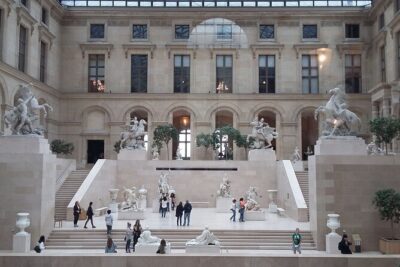
Louvre Museum Tour Mona Lisa & Iconic Masterpieces
Read our review →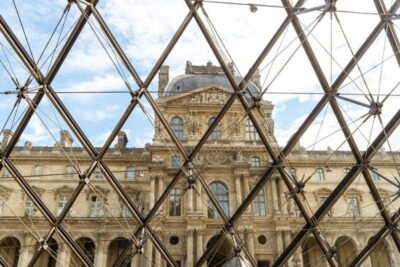
Louvre Museum: Skip-the-Line Small Group Guided Tour
Read our review →Browse the lists this tour appears in