
Reviewed · WINE TASTINGS
Château du Bois-Huaut: Cellar Tour and Wine Tasting Class
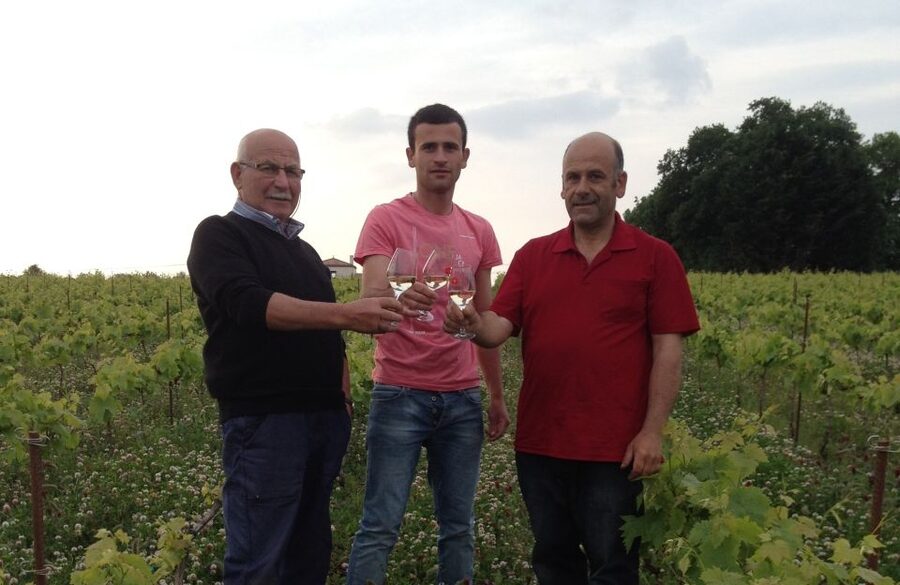
Château du Bois-Huaut gives you a good look at wine from grape to glass in just two hours. The family estate near Nantes has worked its vines for more than four generations, and the visit includes a stroll through the vineyard, a cellar tour, and eight tastings led by a sommelier.
I like the wide range of wines, which goes well beyond a single style of Muscadet. I also like the family connection: guides such as Luis share the story of a winery carried through generations, making the visit feel personal rather than factory-like.
The main point to check before booking is language. The activity is listed in French, and English tours are not always available, especially outside certain dates. The wine is the star, but you should be comfortable with a French-led explanation or confirm language arrangements first.
In This Review
- Key points at a glance
- A family winery near Nantes, not a polished wine theme park
- Starting with the vineyard walk
- Inside the cellars with a guide
- The eight-wine tasting class
- What the wine selection tells you
- The bottle you take home
- Is $38 a fair price?
- Language and the quality of the explanation
- Who will enjoy Château du Bois-Huaut most?
- Timing, cancellation, and practical planning
- Should you book this wine estate visit?
- FAQ
- Where is Château du Bois-Huaut located?
- How long does the experience last?
- How many wines will I taste?
- What kinds of wine are included?
- Is a bottle included?
- Is food included?
- What language is the tour conducted in?
- Can I cancel the booking?
Key points at a glance
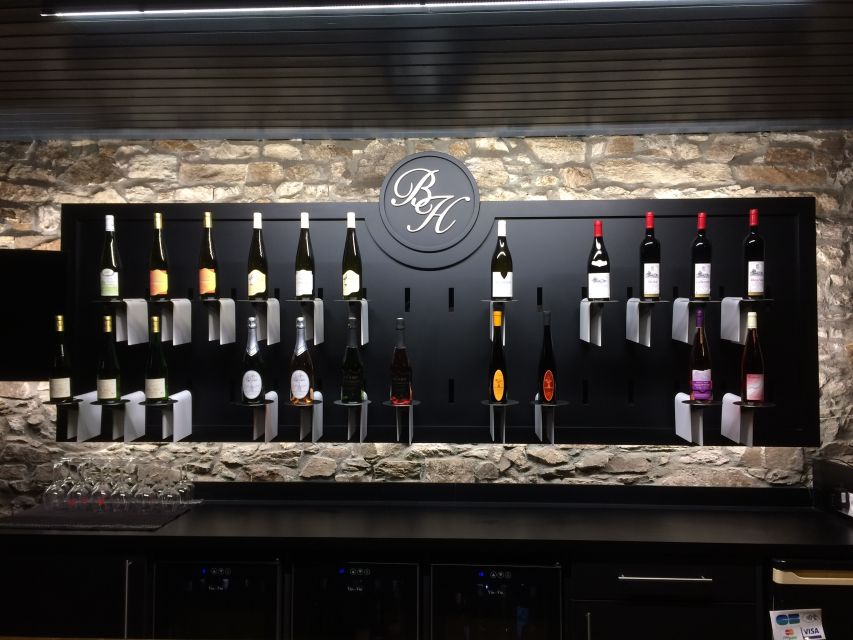
- Eight wines in one tasting: Try dry, semi-dry, sweet, vintage, sparkling, and barrel-aged bottles.
- A four-generation family estate: Château du Bois-Huaut has worked its vineyards since 1897.
- Fourteen grape varieties: The range includes Muscadet, Sauvignon, Pinot Gris, Gewurztraminer, Rosé, Pinot Noir, Merlot, Cabernet, sparkling wines, and sweet wines.
- A real cellar visit: Your guide explains the winery and the wine-making process inside the estate’s cellars.
- A bottle to take home: Each person receives one bottle after the tasting.
- French-led instruction: English support has been offered on some visits, but it is not guaranteed.
A family winery near Nantes, not a polished wine theme park
Château du Bois-Huaut is in Gorges, just outside Nantes, in the Pays de la Loire. That location makes it a useful half-day addition to a Nantes itinerary, especially if you want to get beyond the city and see where local wine is made.
The estate has been in the same family for more than four generations, with wine production dating to 1897. That matters because the visit is tied to a working family business, not just a tasting room built for quick sales. You get the sense of a place where farming, production, and family stories are linked.
The estate works with 14 grape varieties. Muscadet is an obvious local anchor, but you can also encounter Sauvignon, Pinot Gris, Gewurztraminer, Rosé, Pinot Noir, Merlot, Cabernet, sparkling wine, and sweet styles. That selection gives the tasting a useful breadth. You are not simply comparing three similar white wines.
I like this kind of variety because it helps you understand your own taste. A dry Muscadet and a sweet wine make very different impressions. A sparkling wine changes the mood again, while a barrel-aged bottle gives you a chance to think about texture and oak. You may not love every sample, but you will learn more than you would from a narrow tasting.
More Brittany trips worth a second look
- Paris: Moulin Rouge Cabaret Show Ticket with Champagne
★ 4.7 · 16,088 reviews - Authentic Parisian Gourmet Food Tour with 10 Local Dishes & Wines
★ 5.0 · 4,754 reviews - Loire Valley Castles Day Trip from Paris with Complementary Wine
★ 4.5 · 3,907 reviews
Starting with the vineyard walk
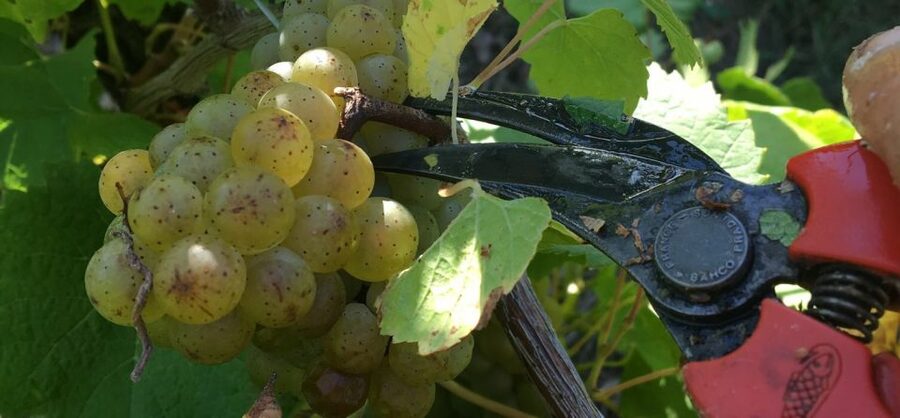
The visit begins with time in the vineyard, where you can walk at your own pace. This is not presented as a strenuous hike or a formal agricultural lesson. It is a leisurely way to see the vines before you enter the cellars.
That order makes sense. You first see the raw material, then learn what happens after the grapes are picked. The estate hand-picks its 14 grape varieties, so the vineyard walk gives context to the care involved before fermentation even begins.
The open-air portion also gives you a break between the tasting room and cellar. If you arrive early, you should allow yourself enough time to enjoy the grounds rather than rushing straight to the meeting point. You are asked to arrive 15 minutes before the activity begins, so use that early arrival to get oriented.
The visit is wheelchair accessible, which is useful for anyone planning a winery stop with mixed mobility needs. The available information does not describe every surface or route in detail, so you may still want to confirm the exact path if you need specific accessibility arrangements.
Inside the cellars with a guide
The guided cellar visit explains the winery’s past and the basics of wine-making. It is the part of the experience that connects the family story with the bottles you taste later.
Expect the guide to discuss the estate, the work of the vines, and how wine moves through production. The information provided does not promise a detailed look at every piece of equipment or every stage of fermentation, so you should think of this as an introduction rather than a technical wine-production course.
That is not a weakness for most people. A two-hour visit has to keep moving, and the cellar tour gives you enough background to make the tasting more meaningful. When you sample a dry, sweet, or barrel-aged wine afterward, you have a better sense of what you are evaluating.
The quality of the guide matters here. Luis has led visits with a strong personal connection to the estate and a clear enthusiasm for the work. One English-language visit was hosted by a member of the family connected to the founder’s generation, who explained the vineyard and production process in English. The exact host can vary, but the family involvement is a real part of the experience.
The eight-wine tasting class
The tasting is more than a line of glasses placed in front of you. A professional sommelier leads a workshop on aromas, tasting technique, and how to get more from each sip.
If you are new to wine tasting, this is useful because the class gives you a method. You learn to notice aromas and differences in sweetness, rather than simply deciding that you like or dislike a bottle. You also get a chance to compare wines while their flavors are still fresh in your mind.
The eight wines may include:
- Dry and semi-dry wines
- Sweet wines
- Vintage wines
- Barrel-aged wine
- Rosé
- Sparkling wine
- Red and white varieties
The exact selection can change, since the tasting features eight of the wine-maker’s preferred wines. That keeps the session tied to what the estate wants to present rather than promising a fixed flight that may not reflect current stock.
I like the structure because eight pours provide real range without turning the session into an all-day drinking event. You can compare the estate’s different styles, ask questions, and still remember what you tasted. The class also suits couples or friends with different preferences. One person can favor crisp white wine while another prefers sweet or red styles.
The tasting is a workshop, not a meal. Food is not included, so do not arrive expecting cheese, bread, or a full lunch. If you need something substantial, eat before the activity or plan a meal afterward. This is a small but important detail, especially if you are scheduling the tour around lunch.
More Brittany food and drink outings:
- Paris: Seine Cruise & Crepe Tasting near the Eiffel Tower
★ 4.4 · 11,231 reviews - Bordeaux: Cité du Vin Entry Ticket and Wine Tasting
★ 4.6 · 3,885 reviews - Normandy D-Day Small-Group Day Trip with Omaha Beach, Cemetery & Cider Tasting
★ 5.0 · 2,786 reviews - Paris: Illuminated Evening River Cruise & Waffle Tasting
★ 4.1 · 2,697 reviews
What the wine selection tells you
The broad wine list is one of the strongest reasons to choose this visit. Muscadet gives the estate a clear regional identity, while the other grape varieties show how far the winery’s production reaches.
Sauvignon and Pinot Gris offer a chance to compare familiar white grape styles. Gewurztraminer can bring a different aromatic profile. Pinot Noir, Merlot, and Cabernet shift the tasting toward red wine, while rosé, sparkling, and sweet wines add more contrast.
Vintage and barrel-aged samples are particularly useful in a class setting. They let you consider how age and storage affect a wine’s character. You do not need advanced wine knowledge to appreciate the difference. The sommelier’s job is to guide your attention and help you find the words.
This is also a good place to ask about what you are drinking. The estate’s family history and range of grapes give the guide plenty to work with, but the supplied information does not provide exact tasting notes or a guaranteed bottle list. Keep an open mind and focus on comparison rather than trying to predict the precise menu.
The bottle you take home
One bottle per person is included at the end of the visit. At a price of $38 per person, that changes the value calculation in a useful way.
You are paying for the estate entry, vineyard time, cellar tour, sommelier-led class, eight tastings, and a take-home bottle. If you already planned to buy wine during your trip, the included bottle makes the activity easier to justify. It also gives you a physical reminder of the visit, provided you can pack it safely.
The bottle may be chosen from the wines presented or offered according to the estate’s current arrangements. The available information does not specify that each participant selects any bottle from the full collection, so do not assume unlimited choice.
If you are flying, check your airline and baggage plans before committing to a bottle. The visit information also indicates that direct shipping to a buyer is not available, with delivery handled through pickup points instead. That is worth considering if you hoped to order several cases and send them directly home.
The temperature warning is practical, too. Wine should not sit in a hot vehicle or in extreme heat for long periods. If you collect the bottle and continue sightseeing in warm weather, store it carefully and avoid leaving it in the car.
Is $38 a fair price?
For two hours, $38 is a solid price if you value instruction and variety. Eight wines alone would make this more than a quick sample, and the cellar visit adds a proper sense of place. The bottle to take home strengthens the deal.
The value is best for people who would otherwise pay for a winery tasting and buy a bottle separately. You also get a guided lesson, which can make the money worthwhile even if you are not a serious wine collector.
The price is less attractive if you do not drink wine, want a full meal, or prefer a short tasting with only local Muscadet. It is also not the best match if your main goal is to buy a large quantity and have it shipped directly to your home.
I would compare it with the cost of a standard tasting in the Nantes area, but the practical takeaway is simple: $38 buys a complete introduction, not just a few sips. The combination of vineyard, cellar, instruction, and bottle gives it a stronger value than a basic bar-style tasting.
Language and the quality of the explanation
The activity is listed with French as the language. This should be your first booking check.
Some visits have included an English version, and one English-speaking group had a highly informative host. However, English availability is not guaranteed for every date. One visitor who did not speak French found the language issue disappointing despite enjoying the wine and vineyard.
If you speak French, you can book with more confidence. If you do not, contact the provider before booking and ask whether the specific departure will be conducted in English. Do not assume that an English-language description online means the guide will speak English on the day.
Even with limited French, you could still enjoy the vineyard, cellar, and tasting. But you would miss much of the value of the sommelier class if you cannot follow the explanation about aromas and tasting technique. Language is not a minor detail here. It directly affects the educational part of the visit.
Who will enjoy Château du Bois-Huaut most?
I would recommend this experience to:
- Couples looking for a relaxed outing near Nantes
- Wine beginners who want help tasting with more confidence
- People who enjoy family-run food and drink businesses
- Anyone curious about both local Muscadet and broader wine styles
- Small groups with different preferences, since eight wines offer plenty of range
- Visitors who want a bottle to bring home
It is less suitable for someone looking for a gourmet lunch, an English tour without advance confirmation, or a highly technical professional wine course.
Families should also consider the focus of the activity. The tour is built around wine tasting, so it naturally works best for adults who want to spend two hours on vineyards, cellars, and wine education.
Timing, cancellation, and practical planning
The activity lasts two hours, and you should arrive 15 minutes before the start time. Starting times vary, so check the schedule when you choose your date.
The estate is just outside Nantes in Gorges. The supplied details identify the location but do not provide a transport plan, so you should check how you will reach the meeting point before booking. Plan extra time if you are unfamiliar with the area.
You can cancel up to 24 hours in advance for a full refund. The reserve-now-and-pay-later option also lets you hold a place without paying immediately, which is useful when your Nantes plans are still changing.
Bring a way to carry the included bottle safely. If you are visiting in hot weather, do not leave it for hours in a warm car. That is especially important because temperature changes can damage wine.
Should you book this wine estate visit?
Book Château du Bois-Huaut if you want a personal family winery visit with plenty of tasting variety. The vineyard stroll, cellar tour, eight wines, sommelier lesson, and included bottle give you a full experience for $38.
Before paying, confirm the tour language. That is the one serious drawback, since the explanations are a major part of what you are buying. If French works for you, or an English-speaking host is confirmed, this is a practical and enjoyable way to spend two hours near Nantes.
FAQ
Where is Château du Bois-Huaut located?
The estate is in Gorges, in the Pays de la Loire region of France, just outside Nantes.
How long does the experience last?
The activity lasts two hours. You should arrive 15 minutes before it begins.
How many wines will I taste?
You will taste eight wines selected from the wine-maker’s preferred bottles.
What kinds of wine are included?
The tasting can include dry, semi-dry, sweet, vintage, sparkling, and barrel-aged wines, along with white, rosé, and red varieties.
Is a bottle included?
Yes. Each person is offered one bottle of wine to take home at the end of the visit.
Is food included?
No. Food is not included in the activity.
What language is the tour conducted in?
The listed instructor language is French. English-language visits have been available on some occasions, but English is not guaranteed for every date.
Can I cancel the booking?
Yes. You can cancel up to 24 hours before the activity for a full refund. You can also reserve now and pay later.
More Workshops in Brittany
- Fragonard Paris: Mini Perfume Workshop
★ 4.5 · 1,924 reviews - Paris Cooking Class and Lunch with Wine plus Market Visit Option
★ 5.0 · 1,024 reviews - Paris Croissant Small-Group Baking Class with a Chef
★ 5.0 · 910 reviews - Paris: Macaron Class at Galeries Lafayette
★ 4.3 · 905 reviews
Recently reviewed around Brittany
- Visit to Saline – Guérande Salt Marshes★ 5.0 · 86 reviews
- One hour quad ride between Nantes and La Baule★ 5.0 · 35 reviews
- Unusual guided tour of Dinan immersed in the Middle Ages★ 5.0 · 40 reviews
- Six day French Cooking Course in Brittany★ 5.0 · 30 reviews
- Boat trip on the Rance Canal★ 5.0 · 38 reviews
- [Walking Tour] Discover the Best of Brest in 2 hours★ 5.0 · 102 reviews
- Tour from Rennes : Mont Saint-Michel & Cancale & Saint-Malo★ 4.7 · 121 reviews
- Sea trip Golfe du Morbihan Arzon★ 4.9 · 29 reviews
Wine Tastings, compared.

Montmartre Hill French Gourmet Food and Wine Tasting Walking Tour
Read our review →
Loire Valley Castles Day Trip With Wine Tasting
Read our review →
Afternoon Saint-Emilion Wine Tasting & snack
Read our review →
Medoc or Saint Emilion Wine Tasting and Chateau from Bordeaux
Read our review →
Saint Emilion Half-Day Trip with Wine Tasting & Winery Visit from Bordeaux
Read our review →
Champagne Day Trip with 6 Tastings, Reims and Winery from Paris
Read our review →Browse the lists this tour appears in