
Reviewed · SKIP THE LINE
Giverny: Monet’s House and Gardens Skip-the-Line Tour
Giverny makes Monet’s paintings feel startlingly close. You’ll cross the Japanese bridge, look over the lily pond, smell flowers in season, and then enter the cheerful house where Monet lived and worked. The skip-the-line entry matters here, since the regular queue can be very long.
I like the balance of guided detail and free time. Guides such as Sheila, Mwamini, and Bertrand have been praised for clear storytelling, while visitors still get room to enjoy the flowers at their own pace. I also like the small village walk, including Monet’s grave in the churchyard. The main drawback is time: two hours gives you a useful introduction, but not enough for every corner of Giverny.
In This Review
- Key points at a glance
- Why Giverny is more than a pretty garden
- Meeting at Les Capucines in Giverny
- A short walk through Monet’s village
- Entering Monet’s house and gardens
- The flower garden and its changing colors
- The Oriental water garden and Japanese bridge
- A guide-led story about Monet’s life
- How much time you really need in Giverny
- Is $63 a fair price?
- Access, weather, and practical limits
- Who should book this Giverny tour?
- Should you book it?
- FAQ
- Where does the tour begin?
- Where does the tour end?
- How long does the tour last?
- Is the entrance ticket included?
- Is transportation included?
- What language is the tour in?
- Are the gardens wheelchair accessible?
- Can I cancel the booking?
Key points at a glance
- See Monet’s famous water garden: Cross the Japanese bridge and look for water lilies and weeping willows that appear in his best-known paintings.
- Enter through a shorter access line: The tour includes admission to Monet’s house and gardens, a real advantage on crowded days.
- Hear the story behind the garden: Your guide explains how Monet planned colors, flowers, and views as part of his creative work.
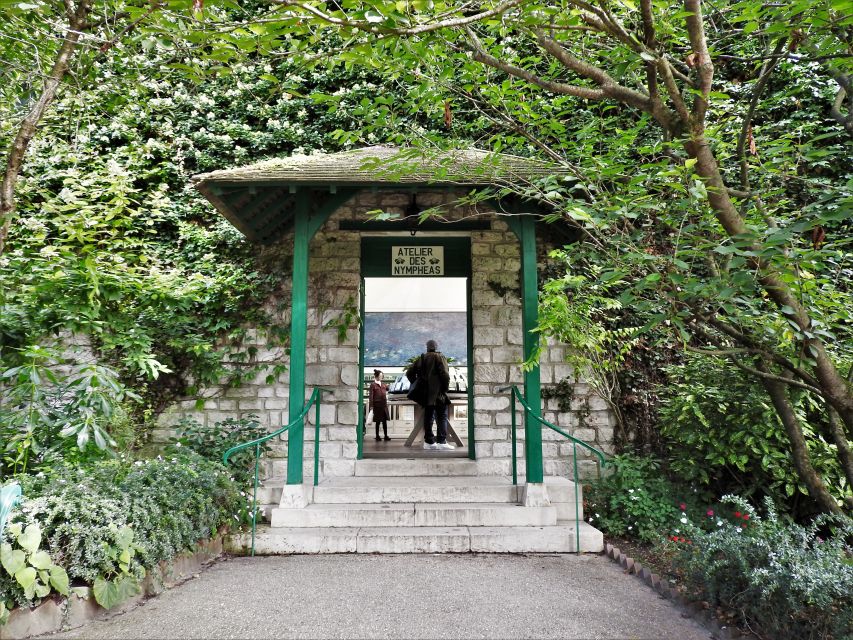
- Visit the house’s cheerful interior: See the kitchen and Monet’s collection of 18th and 19th century Japanese prints.
- Start with Giverny itself: Walk the cobblestone streets and visit Monet’s grave before entering the property.
- Plan for a short, focused visit: The tour lasts two hours and ends back at the meeting point.
Why Giverny is more than a pretty garden
Monet lived in Giverny from 1883 until his death in 1926. That long stay matters because this was not simply a country retreat he visited for a few summers. He shaped the property over decades, turning the house and garden into part of his artistic life.
As you walk through the grounds, it helps to think of the garden as a working subject rather than a decorative backdrop. Monet arranged color, height, texture, and reflections with great care. The plants were not random scenery. They gave him changing combinations to study in different light and seasons.
Your guide provides the missing context. Without it, you can admire the flowers and pond, but you may miss why the garden looks the way it does or how it connects to Monet’s paintings. The strongest guides, including Sheila and Mwamini on some departures, make the visit feel like a story about a person at work, not just a tour of an attractive property.
Giverny also drew other artists. John Singer Sargent, Paul Cézanne, and Mary Cassatt were among the artists who joined Monet in the village and helped form an informal artists’ colony. The tour places Monet within that wider circle, giving you a better sense of why this small Normandy village became so important to Impressionism.
More Paris trips worth a second look
- Versailles: Skip-the-Line Tour of Palace with Gardens Access
★ 4.7 · 9,778 reviews - Versailles: Skip-the-Line Guided Palace Tour and Full Access
★ 4.6 · 5,214 reviews - Louvre Museum: Skip-the-Line Small Group Guided Tour
★ 4.6 · 3,960 reviews
Meeting at Les Capucines in Giverny
The meeting point is outside Les Capucines, at 80 Rue Claude Monet, 27620 Giverny. You meet your English-speaking guide there, and the activity ends at the same place.
That detail is useful when planning your day. This is not a hotel pickup from Paris or another Normandy town, so you need to arrange your own transport to Giverny. Food, drinks, pickup, and drop-off are not included.
Take a moment to confirm the address before setting out. One person found the meeting point easy to locate, while another had trouble reaching the guide and ended up arranging an Uber independently. I would save the meeting details, allow extra time, and avoid arriving at the last minute.
The guide may use audio equipment on some visits. One group specifically appreciated the earphones, especially with a group of around ten people. That can make a real difference when you are standing near a busy entrance or spread through the garden.
A short walk through Monet’s village
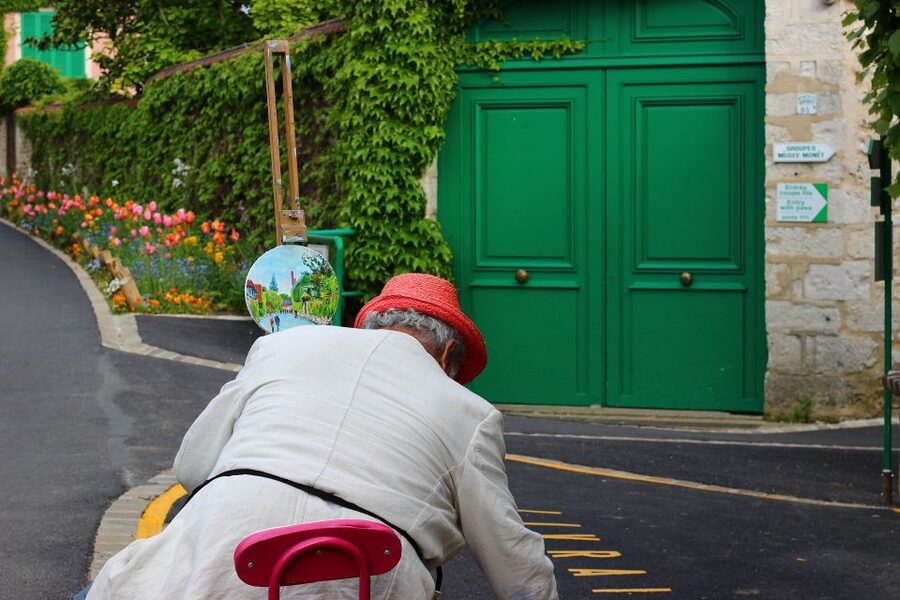
The visit begins with Giverny itself. The village is small, quiet, and easy to appreciate on foot, with cobblestone streets and a strong connection to Monet’s daily life.
The churchyard contains Monet’s grave. It is a modest but meaningful stop, since it links the famous artist to the place where he spent the final decades of his life. You do not need a long lecture here. A few well-placed facts can make the rest of the visit feel more personal.
This part also helps you slow down before entering the main attraction. Giverny is not only a gate leading to a garden. It is the setting in which Monet built a home, developed his ideas, and welcomed fellow artists.
The village walk is brief, so it should not replace time at the house and gardens. Think of it as an opening chapter rather than a separate sightseeing program.
Entering Monet’s house and gardens
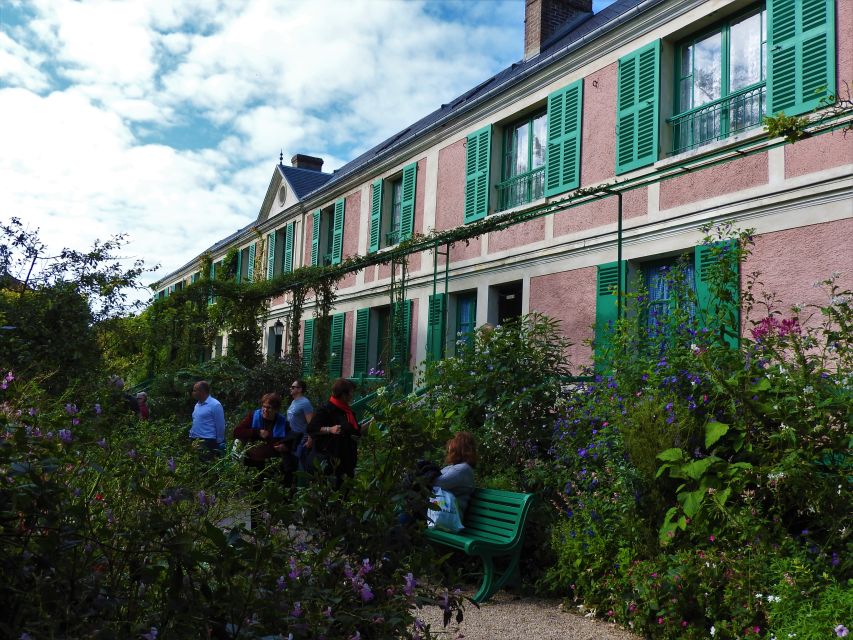
The included entrance ticket lets you bypass the standard ticket line. That is the practical reason to book a guided visit instead of simply turning up and buying admission on the spot.
The line can be especially frustrating when the garden is in full bloom. You may still encounter people and movement at the entrance, but avoiding the longest wait protects your limited time inside. At $63 per person, the price is partly paying for that saved time, along with the guide’s explanations.
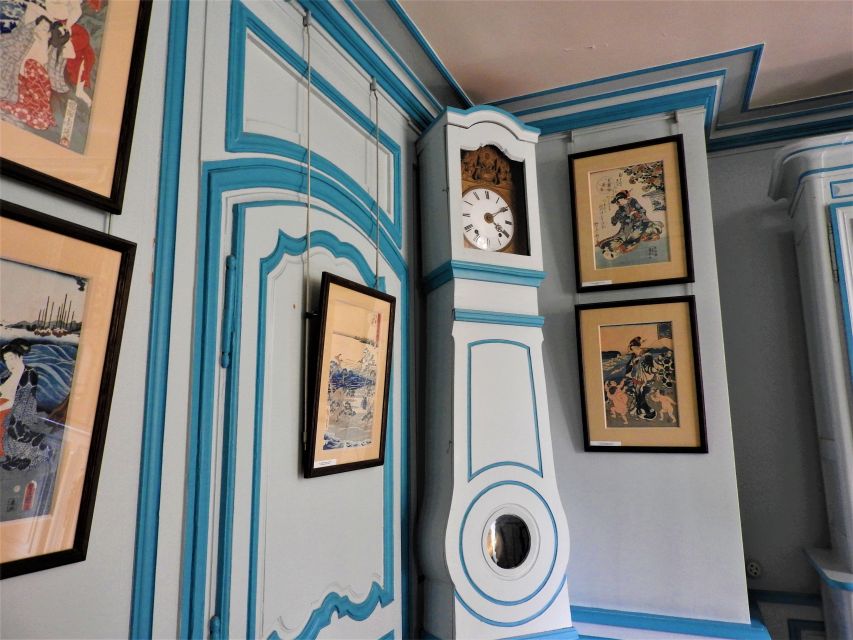
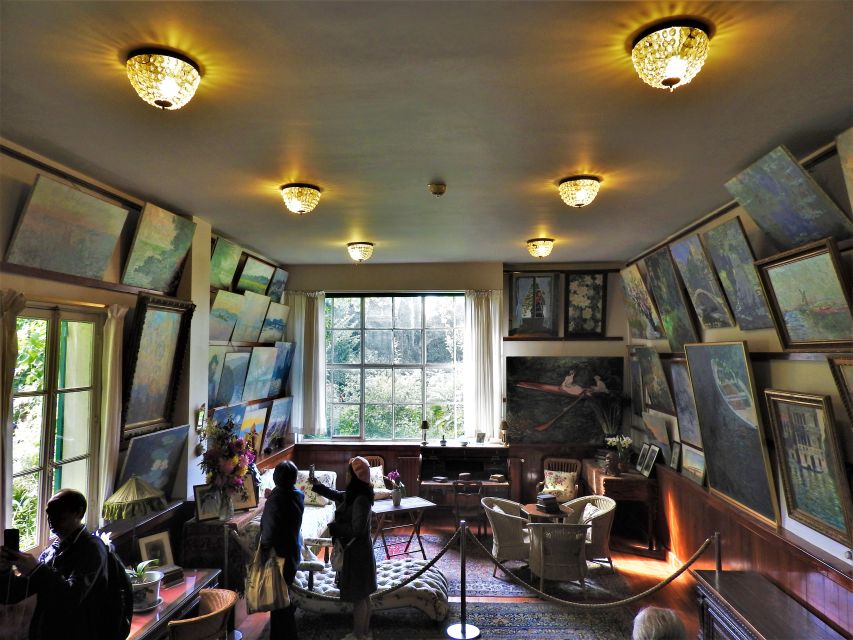
Once inside, the house gives you a direct look at Monet’s domestic world. The cheerful kitchen is one of the more memorable rooms, with its bright character and practical feel. You also see his collection of Japanese prints from the 18th and 19th centuries.
Those prints help explain the visual influence behind parts of the garden. The Japanese bridge and water garden were not just fashionable additions. They connected to Monet’s interest in composition, reflection, asymmetry, and the careful framing of natural forms.
The house is not huge, so the visit can feel compact when many people are moving through it. You should expect to keep walking rather than linger in every room. If interiors are your main interest, the garden still takes up much of the experience.
A different way to spend the day, same corner of France:
- Paris: Louvre Museum Timed-Entrance Ticket
★ 4.6 · 71,977 reviews - Disneyland® Paris 1-Day Ticket
★ 4.6 · 49,412 reviews - Paris: Versailles Palace and Gardens Full Access Ticket
★ 4.6 · 41,579 reviews - Paris: Evening River Cruise with Music
★ 4.4 · 22,721 reviews
The flower garden and its changing colors
Outside, the flower gardens provide a different experience from the water garden. Depending on the season, you might find wild roses, hollyhocks, poppies, honeysuckle, and other flowers in bloom.
The exact display changes during the year, so do not expect the same view shown in every photograph. That seasonal change is part of the point. Monet’s garden was never a fixed image. Its colors and shapes shifted as plants opened, faded, and were replaced.
A good guide draws your attention to the planning behind the planting. You may hear how color choices and plant height were used to shape views through the garden. This turns a casual stroll into a closer look at Monet’s creative process.
I recommend leaving space to pause without listening constantly. The best rhythm is a short explanation, time to look, and then another stop. Guides praised for their storytelling, including Sheila and Mwamini, have been especially good at giving visitors information without taking away the pleasure of simply being there.
The Oriental water garden and Japanese bridge
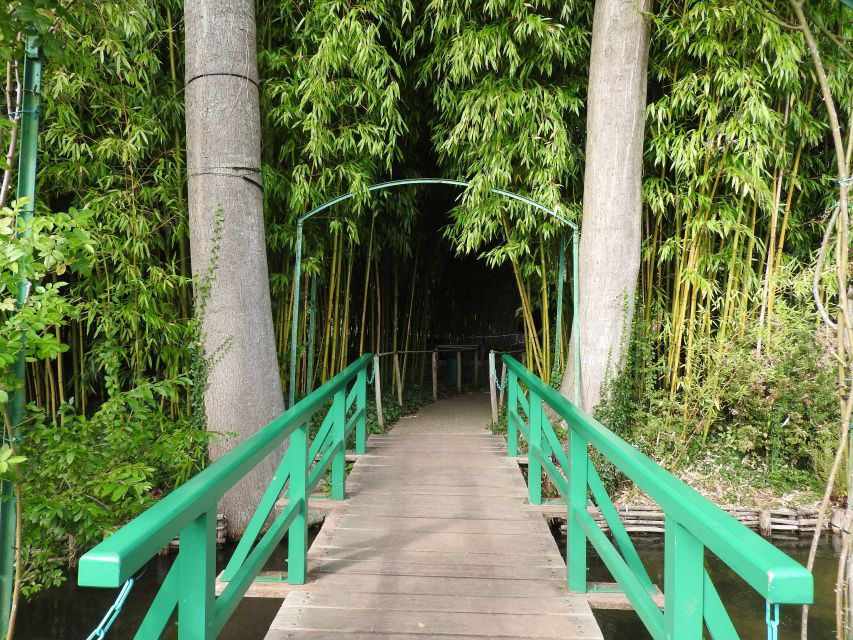
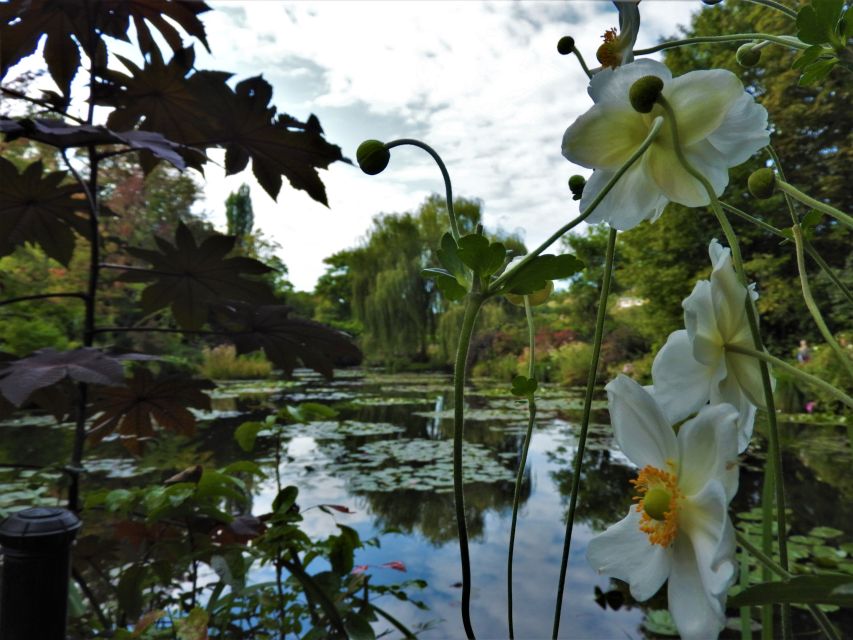
The water garden is the emotional center of the visit. Here you see the pond, the Japanese bridge, water lilies, and weeping willows associated with Monet’s paintings.
The bridge is familiar from reproductions, but its real value is scale and setting. You can look across the water rather than at a flat canvas, noticing how the bridge, plants, and reflections combine from different angles.
The lilies are instantly recognizable, but do not expect every visit to look exactly like one of Monet’s finished paintings. Light, season, weather, and plant growth all affect the view. A rainy day may soften the colors, while full bloom can make the garden feel especially dramatic.
The pond area can be busy, and the best photo position may take patience. A thoughtful guide can help the group find useful viewpoints without turning the entire visit into a photo stop. One guide, Sheila, was praised for placing people where they could get good pictures while still explaining Monet’s life and methods.
You should also give yourself a few quiet minutes here. The pond is not only a famous subject. It shows how Monet watched ordinary natural details until they became the focus of serious artistic study.
A guide-led story about Monet’s life
The guide is the main reason to choose this experience over a self-guided visit. The house and gardens are attractive on their own, but the story explains how the pieces fit together.
You’ll hear about Monet’s years in Giverny, his family life, and the way the garden developed over time. The guide also explains how Monet led the Impressionist movement from this village and how his home became a meeting point for other artists.
The strongest guiding style here is warm and conversational. Sheila has been praised for humor, patience, and vivid storytelling. Mwamini has been noted for explaining when Monet created the garden and which people mattered in his life. Bertrand has also been praised for clear and well-organized guiding.
Guide quality can vary from one departure to another, so I would not book based on a specific name unless your reservation confirms that person. Still, the pattern is clear: a good guide adds real value by explaining the choices behind the garden rather than listing dates and names.
Some guides speak both French and English, but this activity is presented in English. If you want a silent or fully independent visit, the commentary may feel like more than you need. If you want help making sense of Monet’s home and artistic process, it is a strong reason to join.
How much time you really need in Giverny
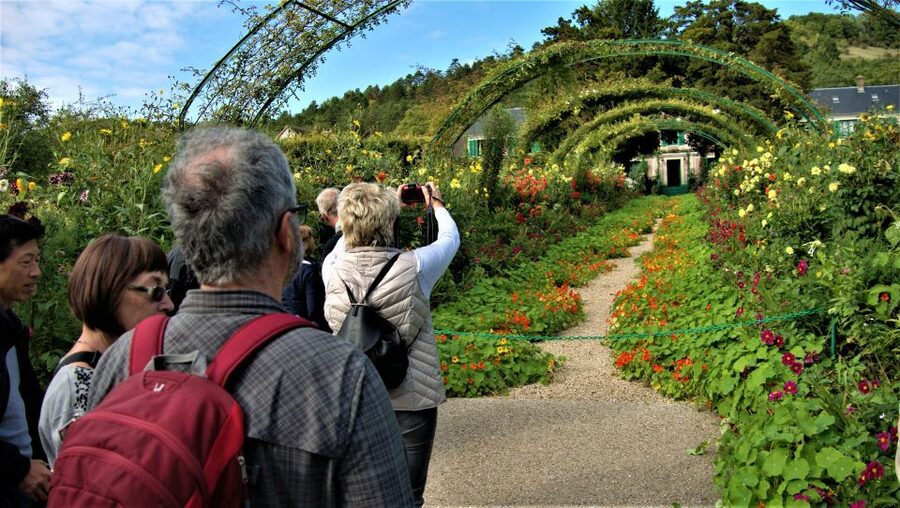
The guided activity lasts two hours and returns to the meeting point. That is enough to cover the village stop, the house, the major gardens, and the central stories about Monet.
It is not enough for an unhurried full-day visit to the area. One useful approach is to treat the tour as the core of a longer Giverny day. Afterward, you can spend more time in the village, eat at one of the nearby places, or visit the Museum of Impressionists and the Museum of Nature and Mechanics.
Do not assume the two hours includes long breaks for food or extended independent wandering. The tour has a clear route and a fixed end point. If you want to sketch, photograph every corner, or sit beside the pond for a long time, plan extra time after the tour.
The short format works well for you if Giverny is one stop in a larger Normandy itinerary. It also suits visitors who prefer a focused introduction instead of spending an entire day on one property.
Is $63 a fair price?
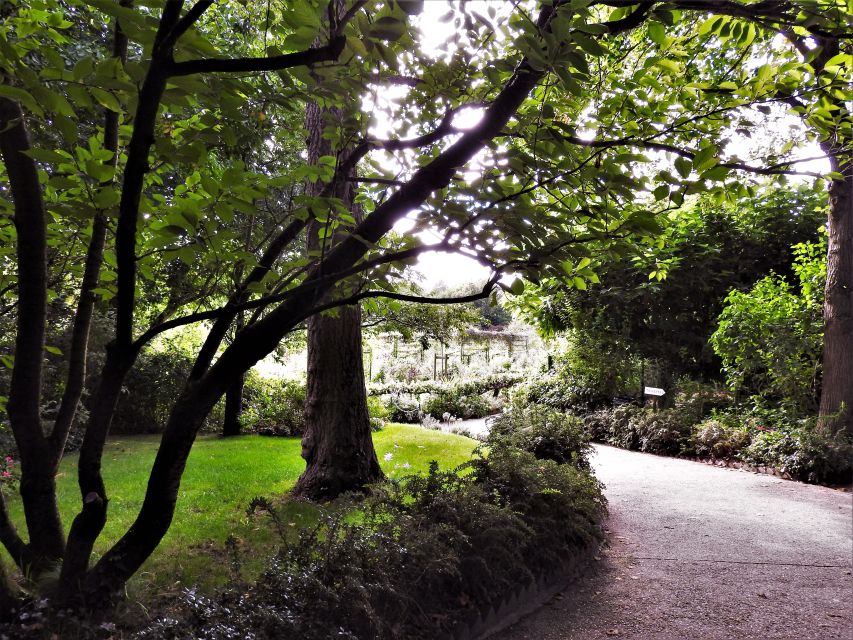
At $63 per person, this is not the cheapest way to see Monet’s gardens. The value depends on how much you care about saving time and understanding what you see.
The admission ticket is included, as is a local English-speaking guide. The skip-the-line benefit can be significant when the entrance queue is long. You are also paying for a structured visit that connects Monet’s house, Japanese prints, flower beds, pond, bridge, and artistic circle.
I think the price is fair for a first visit, especially during busy periods or peak flowering seasons. It is less compelling if you already know Monet’s life well, prefer to read signs at your own pace, or plan to spend many hours photographing the garden after the guided portion.
The group size affects the value. A group of around ten is comfortable for listening and moving through the property, while a larger group could make the house feel tighter. The available feedback points to several small, personal-feeling visits, including one where only two people attended, but you should not count on a private tour.
Access, weather, and practical limits
The gardens are wheelchair and stroller accessible. The house is not, so anyone with limited mobility should plan to enjoy the outdoor areas without assuming every interior room can be reached.
Bring a face mask or protective covering, as this is listed among the items to bring. Comfortable footwear makes sense because the visit includes village streets and walking through the grounds.
Weather can change the mood of the garden. Light rain does not cancel the beauty of the visit, but it can make the paths and photo stops less comfortable. A compact rain layer is a practical addition, especially since the experience is mainly outdoors.
Because food and drinks are excluded, eat before the tour or plan a stop afterward. Giverny has places to eat, and the village can fill out your day if you have time beyond the two-hour visit.
Free cancellation is available up to 24 hours before the start for a full refund. You can also reserve now and pay later, which helps if your Normandy plans are still shifting.
Who should book this Giverny tour?
I would choose this tour for a first visit to Monet’s home, particularly if you want the major sights explained in plain English. It is a good match for art lovers, garden enthusiasts, and anyone who prefers a guide to supply the context while they look.
Families may appreciate the short length and the outdoor setting, though the house itself is not stroller accessible. Wheelchair users can enjoy the gardens, but should plan around the interior limitation.
You should think twice if you want a full-day village experience or long stretches alone beside the pond. In that case, book the tour as an introduction and stay in Giverny afterward, rather than expecting the two-hour activity to cover everything.
Should you book it?
Yes, if you value saved time and strong storytelling. The line access protects your visit from a slow start, and a good English-speaking guide can show you why Monet’s garden was designed as carefully as his paintings.
Book with realistic expectations. This is a compact guided visit, not a private art seminar or a full-day excursion with transport and meals. Leave extra time for the village, museums, food, and another quiet look at the water garden, and the $63 price becomes easier to justify.
FAQ
Where does the tour begin?
Meet your guide outside Les Capucines at 80 Rue Claude Monet, 27620 Giverny.
Where does the tour end?
The activity ends back at the meeting point outside Les Capucines.
How long does the tour last?
The tour lasts two hours. Starting times vary, so check availability when booking.
Is the entrance ticket included?
Yes. The tour includes a skip-the-line entrance ticket to Claude Monet’s house and gardens.
Is transportation included?
No. Pickup and drop-off are not included, so you must arrange your own transportation to and from Giverny.
What language is the tour in?
The live tour guide speaks English. Some guides may also speak French.
Are the gardens wheelchair accessible?
Yes, the gardens are wheelchair and stroller accessible. The house is not wheelchair accessible.
Can I cancel the booking?
Yes. You can cancel up to 24 hours in advance for a full refund. Reserve now and pay later is also available.
Recently reviewed around Paris
- Louvre Private Tour – The Essentials and More with Expert Guide★ 5.0 · 227 reviews
- 2CV tour by night★ 5.0 · 55 reviews
- Eiffel Tower Second or Summit Floor Access by Elevator with Views★ 3.5 · 161 reviews
- The only Paris Wine Tasting experience you need to do – 2 hours★ 5.0 · 265 reviews
- 2 Hour Street-art Walk and Space Invaders Hunt in Paris★ 5.0 · 27 reviews
- 2 hour outdoor group activity in Paris: SAINT GERMAIN★ 5.0 · 48 reviews
- Sainte-Chapelle, Conciergerie & Palais de Justice Private Tour★ 5.0 · 72 reviews
- Private 2 – Hour Paris Landmarks Tour by Golf Cart Mini Moke★ 5.0 · 38 reviews
Skip the Line, compared.

Skip-the-Line Tour of Palace with Gardens Access
Read our review →
Skip-the-Line Guided Palace Tour and Full Access
Read our review →
Louvre Museum: Skip-the-Line Small Group Guided Tour
Read our review →
Versailles Skip-the-Line Tour & Gardens Access
Read our review →
Versailles Guided Tour with Skip-the-Line Entry
Read our review →
Palace of Versailles Skip-the-Line Guided Tour
Read our review →
Musée d’Orsay Skip-the-Line Tour with Expert Guide
Read our review →
Musée d’Orsay Skip-the-Line Tour with Expert Guide
Read our review →Browse the lists this tour appears in