
Reviewed · FOOD & DRINK
Languedoc: Tour and Tasting at Domaine de Baronarques
Domaine de Baronarques gives you a close look at how Languedoc wine is made, from the old estate and vineyard to the vats and barrel room. I like the 17th-century origins and the calm, personal feel of a one-hour visit. I also like that the tour ends with three wines, not just a quick sample.
The main catch is getting there. You need a car, a prearranged transfer, or a taxi from Limoux, and several visitors found taxis expensive, especially for a group. The tour itself is good value, but transport can change the maths.
In This Review
- Key points to know
- A Languedoc estate with a long paper trail
- What happens during the one-hour visit
- The vat-house shows the practical side of wine
- The barrel cellar connects time, wood, and flavour
- The château and vineyard add a sense of place
- Three wines make the finish worthwhile
- The $24 price: good value, with one important extra cost
- Who will enjoy this visit most
- Practical planning from Limoux and Carcassonne
- Final call: book it if transport is sorted
- FAQ
- How long does the Domaine de Baronarques tour last?
- How many wines are included?
- What languages are available?
- How do I reach Domaine de Baronarques from Limoux?
- Is the tour suitable for children?
- Is Domaine de Baronarques wheelchair accessible?
Key points to know
- A centuries-old estate: Domaine de Baronarques dates from the 17th century and was once connected with the Abbey de Saint-Polycarpe.
- A working wine visit: You see the vat-house, vineyard, and new barrel-aging cellar rather than only admiring the château.
- Three wines at the finish: Taste Grand Vin Rouge, La Capitalle de Baronarques, and Grand Vin Blanc.
- Strong guiding: Flore, Flor, and Jacky have been singled out for clear, friendly explanations in English.
- Easy to fit into a day: The visit lasts about one hour, leaving time for Limoux or the nearby abbey.
- Plan your ride early: Public transport may bring you to Limoux, but the onward trip to the estate is not available at the last minute.
A Languedoc estate with a long paper trail
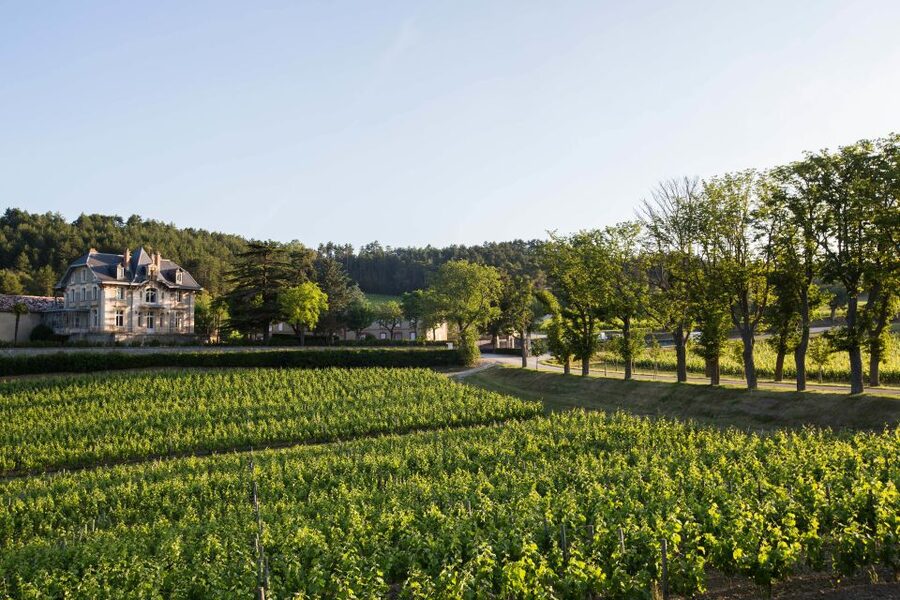
The appeal here begins before the first sip. Domaine de Baronarques is not a modern tasting room dropped into a vineyard. The property dates from the 17th century, when it was under the possession of the Abbey de Saint-Polycarpe.
That connection gives the place a useful sense of time. You are not only tasting a current wine label. You are visiting an estate that has been tied to wine production for centuries, then seeing how that tradition works in the present day.
The property was acquired in 1998 by Baroness Philippine de Rothschild and her two sons. That modern chapter matters because it links an old Languedoc estate with a well-known wine family, while the buildings and grounds retain their older character.
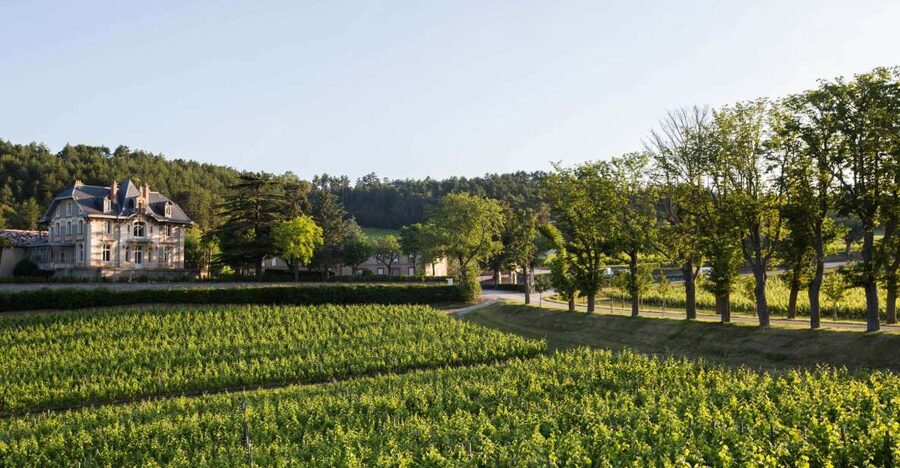
The 19th-century French château sits on a tree-covered hill. You do not need a full architectural tour to appreciate it. Even a short look at the building and grounds helps explain why this is more than a cellar appointment. The setting is part of the experience, but the working wine rooms remain the main event.
More Food Tours in Toulouse
- Toulouse Food & History Tour with a Chef (in English)
★ 5.0 · 503 reviews - Toulouse Victor Hugo Market Small Group Tasting Tour
★ 5.0 · 337 reviews - Toulouse: Guided Food Tour with Tastings
★ 4.8 · 80 reviews
What happens during the one-hour visit
The itinerary is compact and clear. You arrive at the property, meet your guide, and begin with the production areas. The tour includes the vineyard, vat-house, and new barrel-aging cellar, followed by the tasting.
A one-hour duration suits you if you want a focused introduction rather than a half-day wine course. You get the basic chain of production: grapes in the vineyard, fermentation in the vats, and further aging in barrels. That order helps you understand what you are tasting later.
The visit does not appear designed for a long walk through every corner of the estate. You should think of it as a concise guided introduction with enough background to make the wine tasting meaningful.
The guides are a major part of the experience. Flore, also referred to as Flor in one account, received especially warm praise for her clear explanations of the property, grounds, and wine. Jacky was also described as friendly and informative. English is offered alongside French, and one English-speaking guide was noted for speaking perfectly clear English.
That matters in a wine visit. You do not need a specialist vocabulary to follow the tour, but you do need explanations that connect the rooms and equipment to the finished wine. The strongest guides here seem to do exactly that, keeping the tone relaxed rather than turning the hour into a lecture.
The vat-house shows the practical side of wine
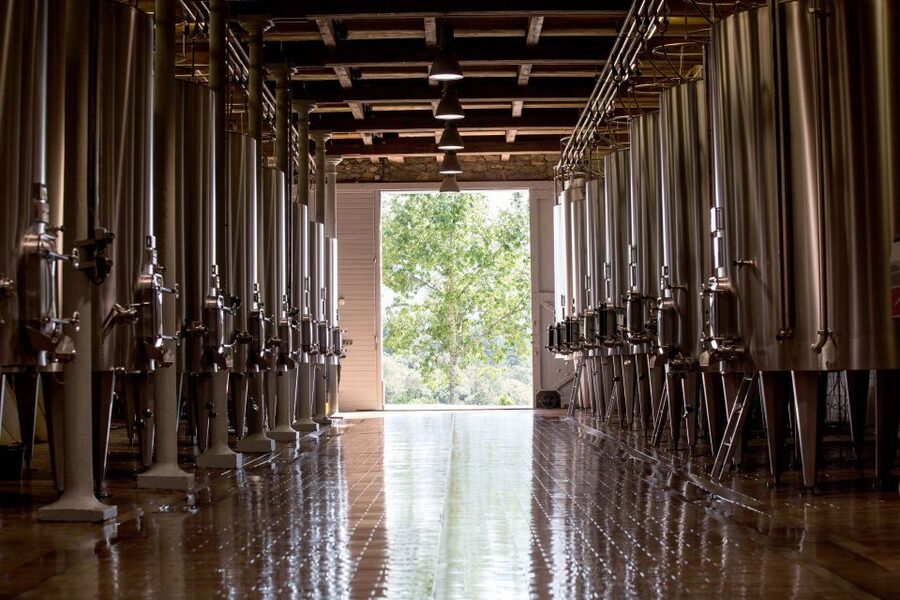
The vat-house is where the tour moves from heritage to production. This is the place to focus on the mechanics of winemaking: the grapes are processed, the wine ferments, and the character of the estate begins to take shape.
You will not simply hear that wine is made here. You can see the working equipment and understand where fermentation fits into the larger process. For anyone who usually encounters wine only in a glass, this is useful context.
I especially like this part for first-time winery visitors. A vineyard view can be lovely, but it does not explain much by itself. The vat-house gives you something concrete to look at while the guide explains how the wine moves through the estate.
The experience is also suitable for people who already know a little about wine but want a clearer picture of production at a particular property. Since the tour includes both the vat-house and barrel cellar, you can compare two different stages instead of seeing only one room.
The barrel cellar connects time, wood, and flavour
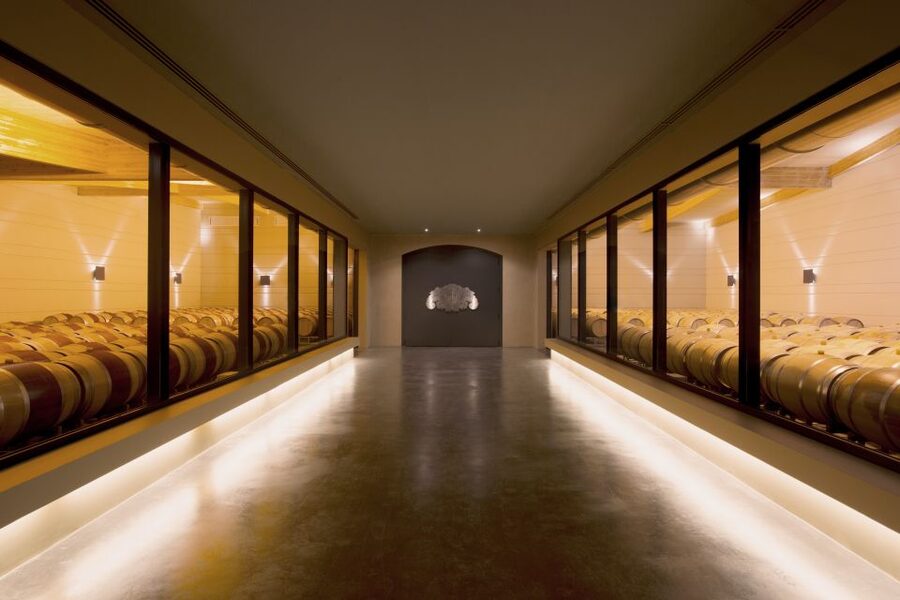
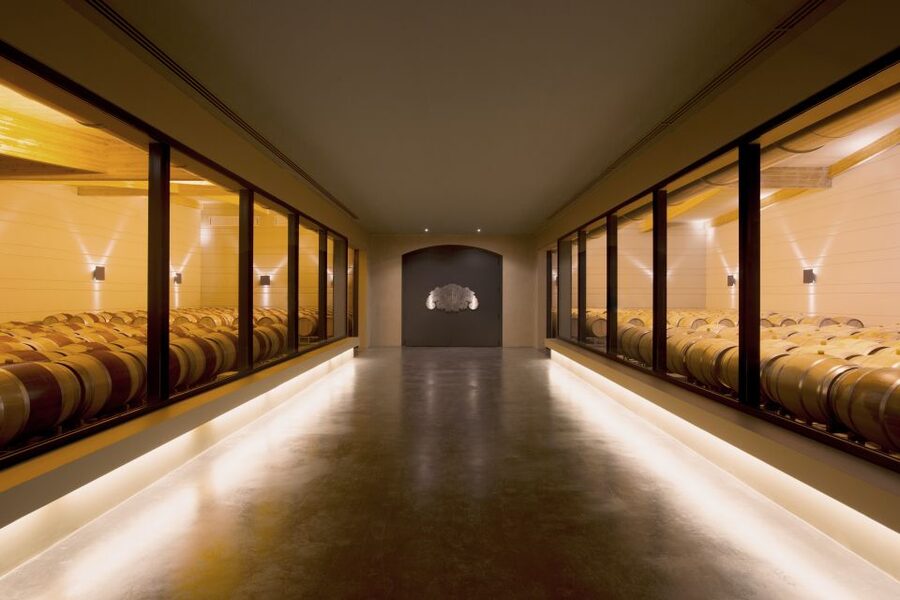
The new barrel-aging cellar is another key stop. Here, the focus shifts from fermentation to the period when wine rests and develops before release.
Barrel aging can sound abstract when it is explained only at a tasting table. Seeing the cellar gives the idea a physical setting. You can place the wine in a sequence: vineyard, vat-house, barrels, bottle, and finally your glass.
The cellar also gives the visit a more substantial feel than the price might suggest. At $24 per person, you are not paying only for three tastes at the end. You are paying for access to the production areas and for a guide who explains how the wines come together.
The information provided does not specify barrel types, aging lengths, or detailed winemaking methods, so you should not expect a technical masterclass on those points. If those details matter to you, ask the guide during the visit. The basic tour is more about understanding the estate and its process than examining every production choice.
More Toulouse food and drink outings:
- Toulouse Food & History Tour with a Chef (in English)
★ 5.0 · 59 reviews - Paris: Seine Cruise & Crepe Tasting near the Eiffel Tower
★ 4.4 · 11,231 reviews - Authentic Parisian Gourmet Food Tour with 10 Local Dishes & Wines
★ 5.0 · 4,754 reviews - Bordeaux: Cité du Vin Entry Ticket and Wine Tasting
★ 4.6 · 3,885 reviews
The château and vineyard add a sense of place
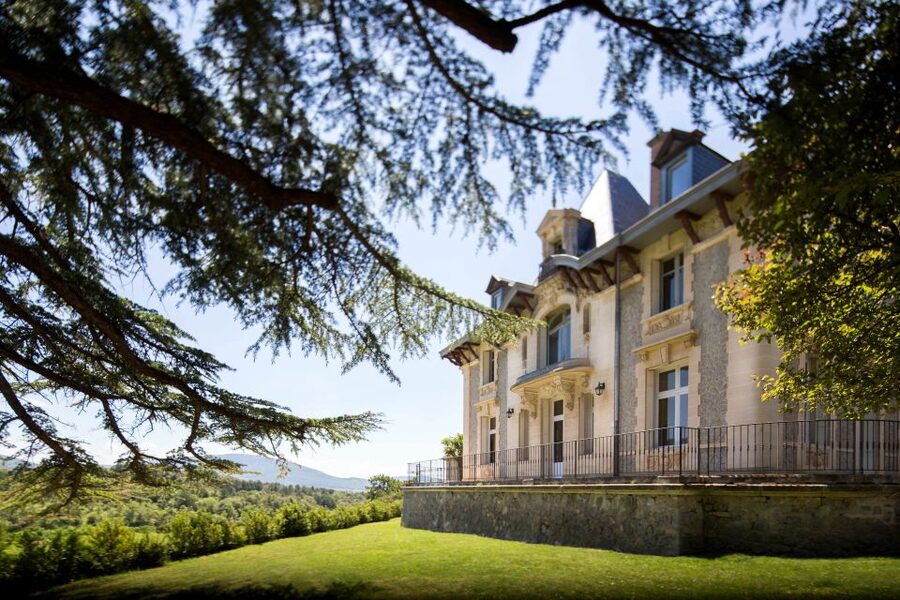
The vineyard and 19th-century château give the tour its visual interest. The château is set into a tree-covered hill, and the property has the kind of setting that makes a short stop feel like a proper outing from Limoux.
Still, keep your expectations measured. This is not advertised as a long garden visit or an extended château tour. The estate buildings and vineyard support the wine story. They are not separate attractions with a full schedule of their own.
That balance is one reason the tour works well in a day around Limoux. You get a taste of the countryside, a historic property, and a working winery without committing your whole afternoon.
If you are staying in Carcassonne, the estate can also fit into a wider outing. One account places the drive from Carcassonne at about 30 minutes, though your actual time will depend on traffic and your starting point. Limoux itself gives you another stop before or after the visit, and the Abbey de Saint-Polycarpe is mentioned as a nearby place worth adding.
Three wines make the finish worthwhile
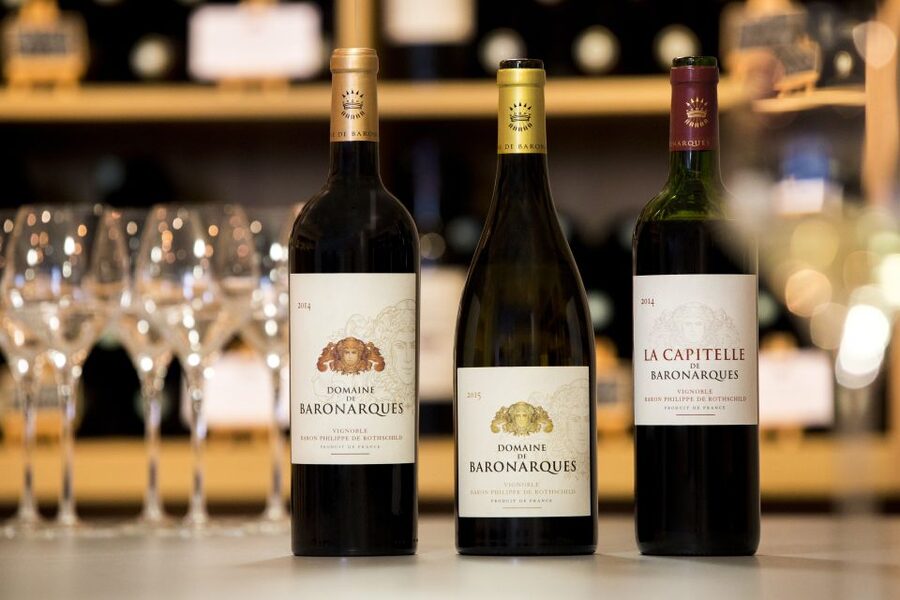
The tasting includes three wines produced at Domaine de Baronarques:
- Grand Vin Rouge
- La Capitalle de Baronarques
- Grand Vin Blanc
This is a sensible line-up because it lets you compare the estate’s red and white styles. The tasting is not limited to one signature bottle, so you get a broader idea of the property’s output.
The Grand Vin Rouge and La Capitalle de Baronarques give you two red wines to compare, while the Grand Vin Blanc adds a different expression of the estate. The guide can provide the detail that is not included in the basic tour description, such as the order to taste them and what to look for.
The tasting is served after the production visit, which is the right order. By then, you have seen where the wine begins and how it is handled. You can approach the glasses with a little more understanding instead of treating them as disconnected samples.
Several people specifically praised the wines, and the tasting was repeatedly described as a highlight. That praise fits the structure of the experience: the tasting is short, but it has a clear purpose and comes after the explanation.
If you are driving, remember that the tasting is part of the visit. Arrange a designated driver or another way back to Limoux. The supplied details do not state the pour sizes, so do not plan your return journey around assumptions about how much wine you will drink.
The $24 price: good value, with one important extra cost
At $24 per person, the tour is fairly priced for a guided visit, access to the vineyard and production rooms, and three wines. I see the value in the combination. A basic tasting alone can feel brief, while a full winery day can be costly and time-consuming. This sits neatly between the two.
The one-hour format also helps. You can add it to a day in Limoux without giving up several other plans. If you are arranging a larger family or group outing, the per-person cost is easy to understand.
The warning is transportation. Domaine de Baronarques is outside Limoux, and the final trip from town needs to be organized in advance if you arrive by train or bus. Last-minute transport is not available.
Taxis may be expensive, especially for a group of six. That means the $24 headline price does not tell the whole story. If you already have a car, the value is much better. If you need taxis in both directions, compare the total cost before booking.
You can reserve now and pay later, and cancellation is free up to 24 hours before the visit. Those terms are useful if your Limoux plans are still shifting, but they do not solve the transport problem. Plan the ride as soon as you choose a time.
Who will enjoy this visit most
I would choose this tour for you if you want a short, well-organized introduction to Languedoc wine. It works particularly well for:
- Couples with a free hour near Limoux
- Wine drinkers who want to see production rooms, not only taste
- Visitors staying in Carcassonne with a rental car
- English speakers who want a live guide
- People who appreciate old estates and a sense of local history
- Small groups able to split or share transport costs
It is also a good choice for someone who is curious about wine but does not want a highly technical course. The tour gives you enough information to understand the basics without requiring prior knowledge.
The minimum age is 10, so it is not suitable for younger children. Older children may find the historic property and machinery interesting, but the tasting remains an adult-centered part of the visit.
You should skip it if you want a long vineyard walk, a full meal, or a detailed professional wine seminar. The supplied information supports a one-hour tour and three-wine tasting, not a larger food-and-wine program.
Practical planning from Limoux and Carcassonne
The meeting point is the Domaine de Baronarques property. To find it, go first to Limoux, then enter the estate name into your GPS. That is simple if you are driving, but allow yourself time to confirm the route before setting off.
If you are using the train or bus, make the Limoux to Domaine de Baronarques connection beforehand. This is the most important practical detail in the whole booking process. Reaching Limoux does not mean you have solved the final leg.
From Carcassonne, a car is the easiest option. The estate can be combined with a visit to Limoux, and the Abbey de Saint-Polycarpe is another nearby stop mentioned as worthwhile. You can make this a compact countryside day rather than treating the winery as an isolated appointment.
The tour is wheelchair accessible, which makes it a practical option for many visitors. Starting times vary, so check availability when you book. The live guide is available in French or English.
Final call: book it if transport is sorted
I would book Domaine de Baronarques if you have a car or a confirmed ride from Limoux. The combination of an old estate, working vats, a barrel cellar, strong English guiding, and three wines makes $24 a fair price.
The best part is the balance. You get real production areas and useful history, but the visit does not take over your day. Guides such as Flore, Flor, and Jacky appear to bring warmth and clear explanations to the hour, which matters as much as the buildings.
I would hesitate only if you are relying on a last-minute taxi or public transport. The estate is not difficult to include in a planned itinerary, but the transfer needs attention. Sort that out first, then this is an easy recommendation for a wine-focused stop near Limoux.
FAQ
How long does the Domaine de Baronarques tour last?
The tour lasts one hour. It includes the vineyard, vat-house, and new barrel-aging cellar, followed by a tasting.
How many wines are included?
Three wines are included: Grand Vin Rouge, La Capitalle de Baronarques, and Grand Vin Blanc.
What languages are available?
The live tour is available in French and English.
How do I reach Domaine de Baronarques from Limoux?
Travel to Limoux first, then enter Domaine de Baronarques into your GPS. If you arrive in Limoux by train or bus, arrange transportation to the estate in advance because last-minute transport is not available.
Is the tour suitable for children?
Children under 10 are not permitted. The experience is intended for visitors aged 10 and older.
Is Domaine de Baronarques wheelchair accessible?
Yes. The activity is listed as wheelchair accessible.
Recently reviewed around Toulouse
- Carcassonne ‘s Medieval Walls: A Self-Guided Tour★ 4.5 · 43 reviews
- Carcassonne During World War 2★ 5.0 · 127 reviews
- Cité de Carcassonne Guided Walking tour. Private tour.★ 5.0 · 42 reviews
- Medieval Carcassonne: Interactive Ghost Story & City Game★ 3.5 · 33 reviews
- Private guided tour of the city of Carcassonne★ 5.0 · 58 reviews
- Toulouse Food & History Tour with a Chef (in English)★ 5.0 · 59 reviews
- Welcome to Toulouse: Private Walking Tour with a Local★ 4.2 · 47 reviews
- Toulouse: Electric Tuk-Tuk Tour with Photo Stops and Audio★ 4.8 · 138 reviews
Food & Drink, compared.

Seine Cruise & Crepe Tasting near the Eiffel Tower
Read our review →
Authentic Parisian Gourmet Food Tour with 10 Local Dishes & Wines
Read our review →
Normandy D-Day Small-Group Day Trip with Omaha Beach, Cemetery & Cider Tasting
Read our review →
Illuminated Evening River Cruise & Waffle Tasting
Read our review →
Montmartre Hill French Gourmet Food and Wine Tasting Walking Tour
Read our review →
Loire Valley Castles Day Trip With Wine Tasting
Read our review →Browse the lists this tour appears in