
Reviewed · MUSEUMS
Paris: Rodin Museum Guided Tour with skip-the-line tickets
Rodin’s museum is more than a room full of famous statues. It is the artist’s former studio and home, with works placed inside a handsome old building and scattered through formal gardens. The best part of this tour is the way it connects Rodin’s art to the political, artistic, and philosophical changes of late 19th-century Paris.
I like the small group of up to eight people, which gives you room to ask questions without the stiffness of a private tour. I also like the guides’ art background. Blerta Meraj, an artist herself, has earned special praise for getting people to look closely and form their own ideas about the sculptures.
The main consideration is the two-hour limit. You will see the key galleries and gardens, but this is a guided introduction rather than a slow, complete museum visit. Temporary exhibitions are not included, and visitors with mobility limitations should confirm arrangements before booking.
In This Review
- Key points to know before you book
- Why Rodin’s museum deserves a guided visit
- Meeting at 77 Rue de Varenne
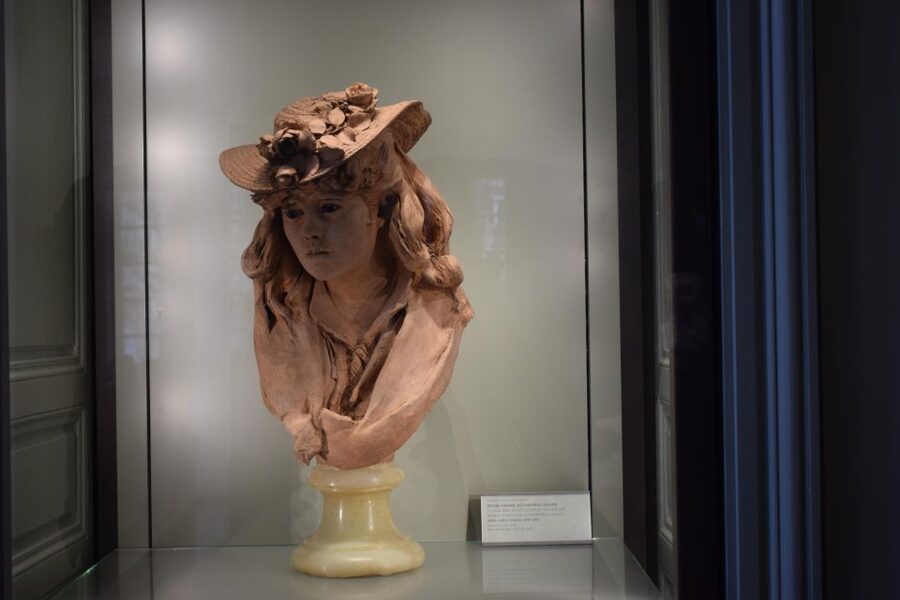
- Inside Rodin’s former studio
- The Thinker, The Kiss, and The Gates of Hell
- A small group that leaves room for questions
- From the galleries into the French gardens
- How the $116 price makes sense
- What is not included
- Timing, cancellation, and accessibility
- Who will get the most from this Rodin tour?
- Should you book the Musée Rodin guided tour?
- FAQ
- How long does the Musée Rodin guided tour last?
- Where is the meeting point?
- How many people are in the group?
- What language is the tour conducted in?
- Does the ticket include skip-the-line entry?
- Are temporary exhibitions included?
- Can I cancel the booking?
Key points to know before you book
- Rodin’s major works in one focused visit: See The Thinker, The Kiss, The Gates of Hell, Balzac, and other important sculptures.
- A former studio with a story of its own: Your guide explains the building’s rococo architecture as well as its art.
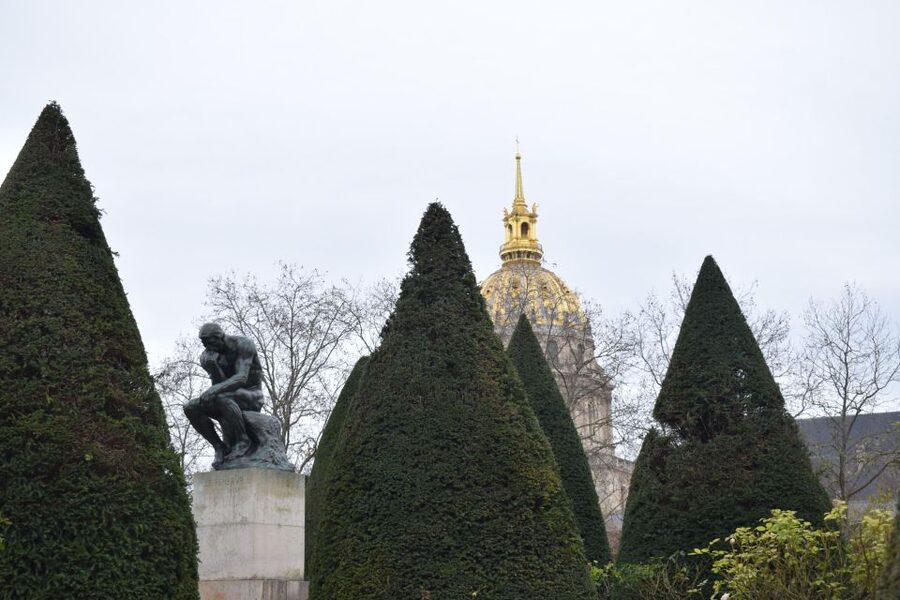
- French gardens with outdoor sculpture: The visit ends among formal paths, open views, and more of Rodin’s work.
- A genuinely small group: The tour is limited to nine participants, making discussion easier.
- Strong guide-led interpretation: Blerta and Vincent have been praised for clear explanations, humor, and an art-history point of view.
- Useful time saver: Skip-the-line museum entry lets you get inside without waiting at the ticket queue.
Why Rodin’s museum deserves a guided visit
The Musée Rodin can look easy to visit on your own. You walk into a beautiful building, find The Thinker, take a photograph, and move on to the gardens. Yet Rodin’s work rewards a slower look, and a guide can help you see why his sculptures caused such a stir.
Rodin broke from the smooth, polished style many people expected from public sculpture. His figures often look caught in motion, thought, strain, or private emotion. Surfaces can feel rough rather than finished. Limbs and bodies may seem to emerge from the stone or bronze instead of sitting neatly inside a complete outline.
That change makes more sense when you know something about the period. This tour places Rodin in the late 19th century, when artists and thinkers were questioning older rules about beauty, politics, society, and the role of art. You are not just given dates and names. You are shown how those changes shaped Rodin’s choices.
I especially like that the tour does not treat famous works as isolated icons. The Thinker, The Kiss, and The Gates of Hell become parts of a larger story about ambition, love, struggle, and the human body. Less familiar sculptures also receive attention, which keeps the visit from becoming a checklist of postcard images.
More Paris museums and collections:
- Paris: Louvre Museum Timed-Entrance Ticket
★ 4.6 · 71,977 reviews - Louvre Museum Masterpieces Guided Tour with Access
★ 4.5 · 12,023 reviews - Paris: Louvre Museum Entry Ticket With Host and River Cruise
★ 4.6 · 9,926 reviews
Meeting at 77 Rue de Varenne
The tour begins in front of the museum at 77 Rue de Varenne, 75007 Paris. Look for the guide holding a Connecting France sign. You do not receive hotel pickup or drop-off, so plan your own way to the meeting point and allow a little time to find the entrance.
Bring a passport or identity card and wear comfortable shoes. Large bags and luggage are not allowed, and umbrellas are also listed among the prohibited items. That makes a light day bag the sensible choice.
The meeting point is in the 7th arrondissement, an area where the arrival itself can feel like part of the Paris experience. Still, the practical rule is simple: do not turn up carrying shopping bags or a large suitcase. If you have been moving between hotels, store your luggage first.
Inside Rodin’s former studio
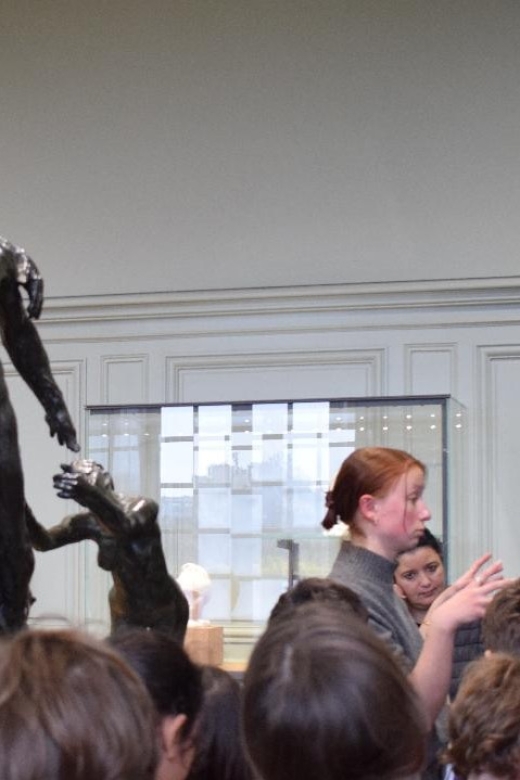
Once inside, your guide introduces the building before turning to the sculptures. The architecture matters here. The former residence and studio have a rococo character, with decorative details that contrast nicely with Rodin’s forceful, often restless work.
This contrast gives the tour a useful rhythm. You move from the elegant setting to sculptures that challenge conventional ideas of finish and beauty. The building is not just a container for the collection. It helps explain the atmosphere in which Rodin worked and the setting in which his art was first seen.
Your guide also discusses Rodin’s studio practice and his avant-garde methods. The point is not simply to admire the final bronze or marble. You gain a better sense of how a sculptor thinks through form, repeats ideas, changes scale, and leaves traces of the working process visible.
That studio perspective is one of the strongest reasons to choose the guided format. If you already know The Thinker from photographs, the guide can shift your attention to its physical presence, surface, posture, and relationship to the larger body of Rodin’s work.
The Thinker, The Kiss, and The Gates of Hell
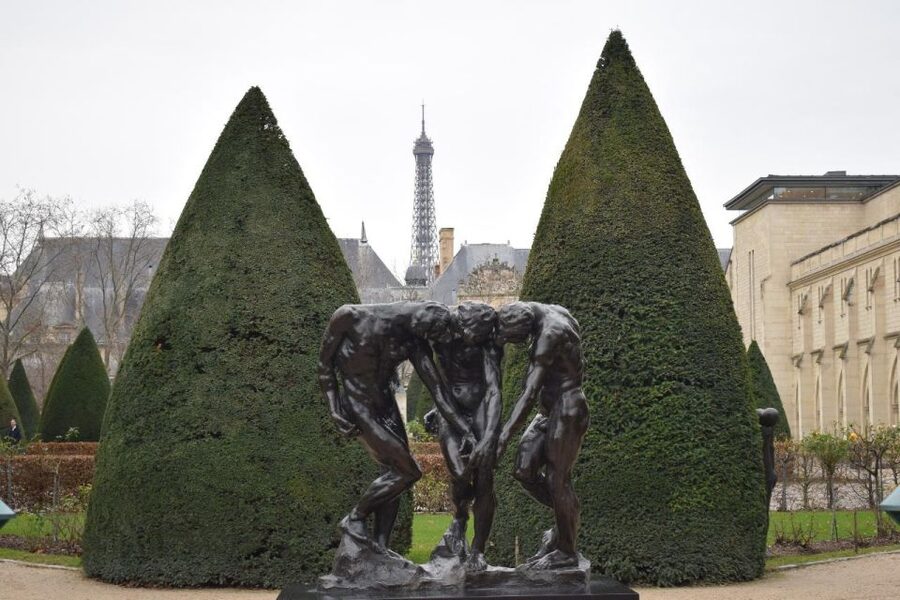
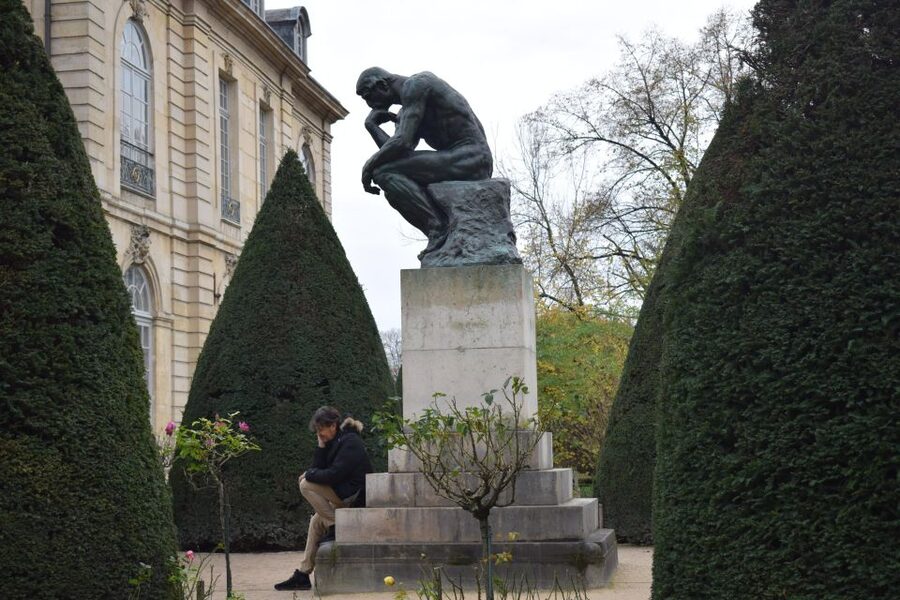
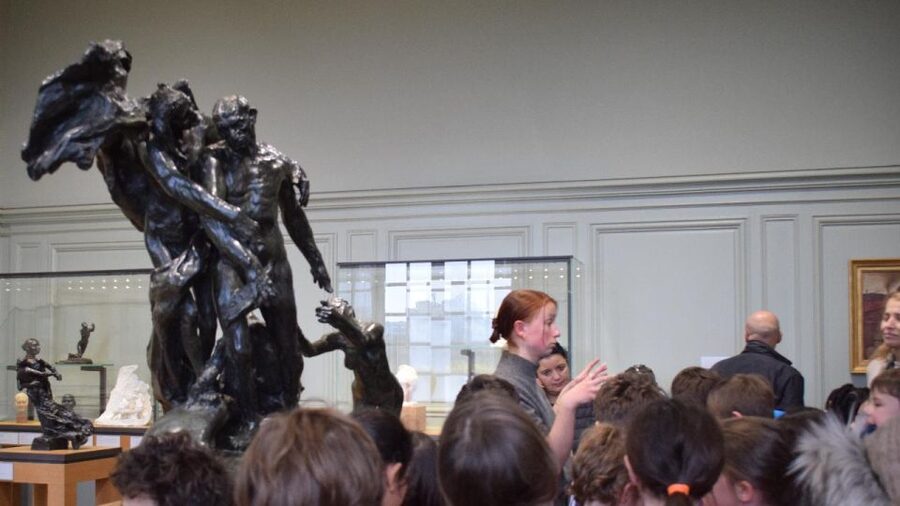
The tour gives special attention to several of Rodin’s best-known works. The Thinker is familiar enough to risk becoming visual wallpaper in a Paris itinerary. A good explanation brings it back to life by showing how its pose and placement relate to Rodin’s wider ideas.
The Kiss offers a different mood. Its subject is intimate, but the sculpture is also about bodies, balance, texture, and the way marble can suggest warmth and movement. Your guide helps you look beyond the obvious romantic subject and notice the decisions that make the work feel active rather than static.
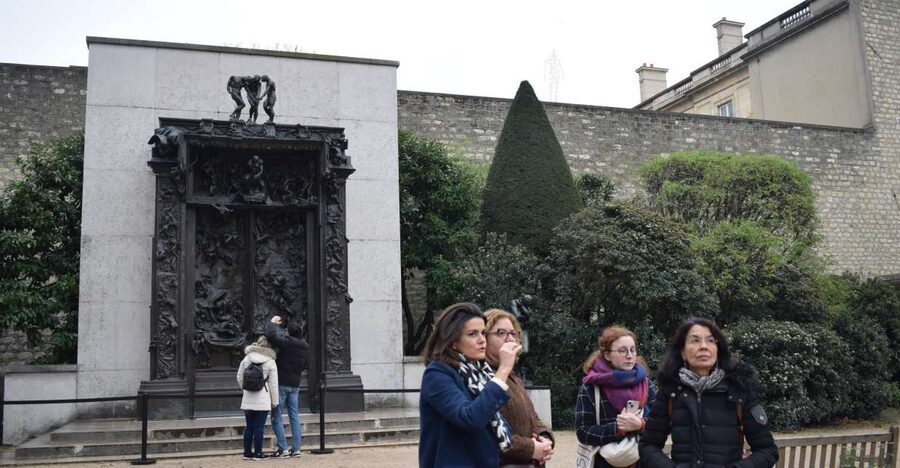
The Gates of Hell provides a larger framework for understanding Rodin’s imagination. It is crowded, dramatic, and packed with figures. The guide explains its place in Rodin’s career and points out how ideas and figures connect across his work.
You also examine Balzac and the Philosopher, along with other sculptures that may be less familiar. These stops keep the visit from becoming a greatest-hits parade. They let you compare Rodin’s treatment of the body, the face, clothing, and mass from one work to the next.
The guide’s style matters during these stops. Blerta Meraj has been praised for mixing art knowledge with humor and for asking visitors to share their own interpretations. Vincent has also received strong praise for his history-of-art background, clear English, and personable approach. Guides can vary, but the experience is designed around live explanation rather than an audio recording.
More Paris trips worth a second look
- Versailles: Skip-the-Line Tour of Palace with Gardens Access
★ 4.7 · 9,778 reviews - Versailles: Skip-the-Line Guided Palace Tour and Full Access
★ 4.6 · 5,214 reviews - Louvre Museum: Skip-the-Line Small Group Guided Tour
★ 4.6 · 3,960 reviews - From Paris: Versailles Skip-the-Line Tour & Gardens Access
★ 4.7 · 3,011 reviews
A small group that leaves room for questions
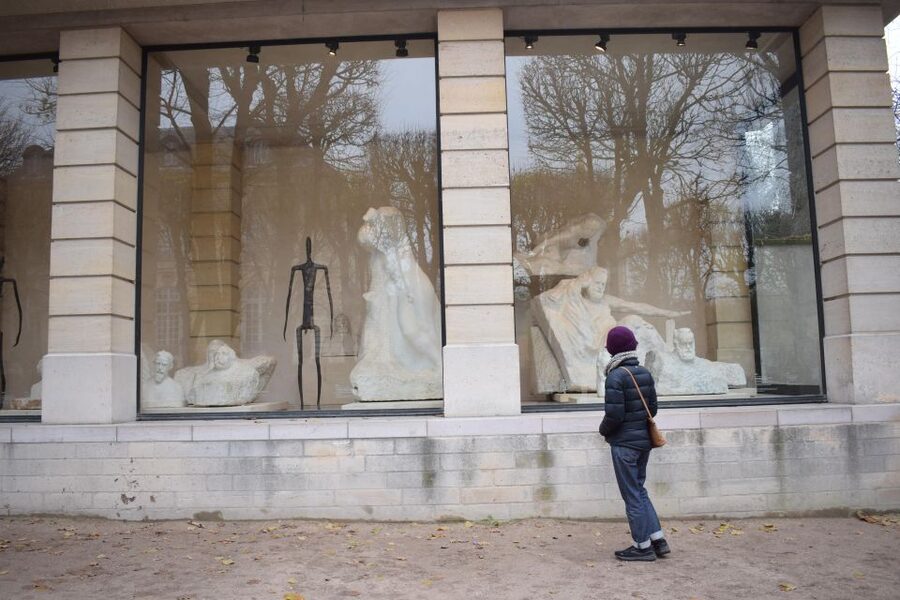
The group is limited to nine participants, described elsewhere as up to eight guests with the guide. Either way, this is much smaller than a standard museum group. You can hear the guide more easily, stand close enough to see details, and ask about a work that catches your attention.
The small size also supports discussion. One particularly useful feature is the invitation to interpret the art rather than simply accept a fixed answer. That can be valuable if you are new to sculpture. You do not need an art degree to take part.
At the same time, this is still a group tour. You will follow the guide’s pace, and the visit cannot stop for every sculpture that catches your eye. If you want to spend twenty minutes alone with one work, save that for after the tour, if opening conditions and your ticket arrangements allow.
The two-hour length is well judged for a first visit. It gives you a clear route through the main collection and gardens without asking you to absorb an entire museum in one sitting. Jet-lagged teenagers may appreciate the pace too. A previous family experience found that the guide kept young people engaged by balancing explanations with time to look around.
From the galleries into the French gardens
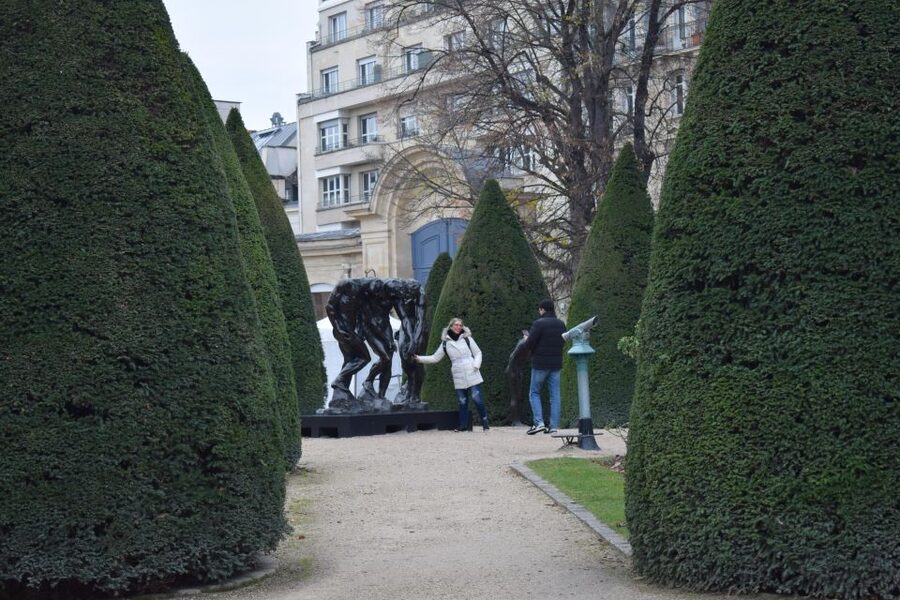
After the indoor collection, the tour continues outside. The French gardens add space, air, and long views after the concentration of the galleries. They also change the way you see the sculptures.
Outdoor placement lets you notice scale and silhouette from a distance. A work that felt compact indoors can look more commanding against the garden paths and open sky. The gardens also offer additional Rodin sculptures, so the visit does not end when you leave the building.
I like this final section because it gives the tour a natural release. Rodin’s art can be intense, especially when you have spent time with The Gates of Hell and other emotionally charged pieces. The garden walk lets you continue looking without the same enclosed feeling.
The drawback is that weather can affect the experience. The supplied information does not promise indoor alternatives for the garden portion, so comfortable shoes and sensible clothing are wise. Umbrellas are not allowed, so check conditions before you set out and avoid bringing one into the museum.
How the $116 price makes sense
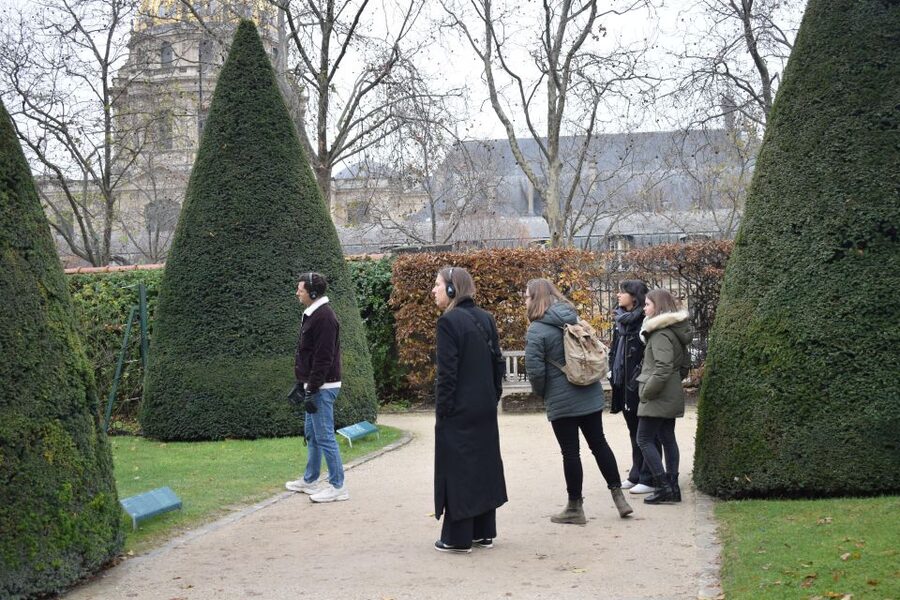
At $116 per person, this is not a cheap way to enter the Musée Rodin. You are paying for skip-the-line admission, a professional English-speaking guide, a small group, and two hours of structured interpretation.
The value depends on how you use museums. If you are happy to wander, read labels, and discover Rodin at your own pace, a guided visit may feel expensive. You can get more time for your money with a self-guided entry, assuming tickets and queues suit your schedule.
If you want context and have limited time in Paris, the price is easier to defend. The tour brings together the building, studio, major works, and gardens in a single visit. It also reduces the chance that you will spend your museum time photographing famous pieces without understanding what made Rodin important.
The 4.9 rating from 30 bookings supports the idea that the guide service is a major part of the value. The most consistent praise goes to the human side of the tour: clear explanations, enthusiasm, humor, good pacing, and the ability to connect Rodin’s life and artistic choices.
For art lovers, first-time museum visitors, and families who benefit from a lively guide, that can be money well spent. For repeat visitors who already know Rodin’s work, I would book only if you want a focused interpretation rather than more independent viewing time.
What is not included
Temporary exhibitions are not part of this tour. If a special exhibition is running during your visit, you need to treat it as a separate expense and plan.
Food and drinks are also not included, along with souvenirs and personal purchases. There is no accommodation pickup or return service. These omissions are ordinary for a museum tour, but they matter when you are building a tightly timed day.
The tour includes access to the main museum galleries and gardens covered by the visit. It is best understood as a concentrated cultural stop, not a full-day museum package.
Timing, cancellation, and accessibility
The activity lasts two hours, with starting times shown according to availability. You can cancel up to 24 hours before the tour for a full refund, and the reserve-now, pay-later option lets you keep your plans flexible.
Accessibility requires more care. Wheelchair tours are listed as available only on request, while the activity is also marked as unsuitable for wheelchair users and people with mobility impairments. Contact the provider before booking rather than relying on the general inclusion note.
The museum setting also involves walking between galleries and gardens. Even without a mobility issue, comfortable shoes are a practical choice.
Who will get the most from this Rodin tour?
I would choose this tour if you want art explained in plain English, with enough background to make the sculptures feel connected. It suits visitors who enjoy asking questions, comparing different works, and hearing how a practicing artist such as Blerta approaches Rodin.
It is also a good fit for families and mixed-interest groups. The guide can give children or teenagers a way into the art without turning the visit into a school lecture. The lively style noted in the guide feedback is useful when attention is running low.
You may want to skip it if you prefer complete independence, dislike fixed pacing, or want to spend most of your time at temporary exhibitions. You should also reconsider if you are carrying luggage or need guaranteed wheelchair access.
Should you book the Musée Rodin guided tour?
Book it if Rodin is unfamiliar to you, if museum labels leave you cold, or if you want to understand why his work helped change modern sculpture. The combination of a small group, skip-the-line entry, studio setting, major works, and gardens makes the two hours feel purposeful.
The best reason to go is the guide-led conversation around the art. Blerta’s artist perspective and Vincent’s art-history approach have both been singled out for making Rodin easier to understand without draining the fun from the visit.
At $116, the tour asks you to value interpretation as much as admission. If that sounds right, it is a strong choice for a focused Paris art experience. Just arrive light, wear good shoes, confirm accessibility needs in advance, and remember that temporary exhibitions are not included.
FAQ
How long does the Musée Rodin guided tour last?
The guided tour lasts two hours and covers the museum galleries and French gardens.
Where is the meeting point?
Meet your guide in front of the Musée Rodin at 77 Rue de Varenne, 75007 Paris. The guide will hold a Connecting France sign.
How many people are in the group?
The activity is a small-group tour limited to nine participants. It is also described as a semi-private experience for up to eight persons.
What language is the tour conducted in?
The live tour guide speaks English.
Does the ticket include skip-the-line entry?
Yes. Skip-the-line museum entrance tickets are included.
Are temporary exhibitions included?
No. Access to temporary exhibitions is not included in the tour.
Can I cancel the booking?
Yes. You can cancel up to 24 hours in advance for a full refund. You can also reserve now and pay later.
Recently reviewed around Paris
- Louvre Private Tour – The Essentials and More with Expert Guide★ 5.0 · 227 reviews
- 2CV tour by night★ 5.0 · 55 reviews
- Eiffel Tower Second or Summit Floor Access by Elevator with Views★ 3.5 · 161 reviews
- The only Paris Wine Tasting experience you need to do – 2 hours★ 5.0 · 265 reviews
- 2 Hour Street-art Walk and Space Invaders Hunt in Paris★ 5.0 · 27 reviews
- 2 hour outdoor group activity in Paris: SAINT GERMAIN★ 5.0 · 48 reviews
- Sainte-Chapelle, Conciergerie & Palais de Justice Private Tour★ 5.0 · 72 reviews
- Private 2 – Hour Paris Landmarks Tour by Golf Cart Mini Moke★ 5.0 · 38 reviews
Museums, compared.

Louvre Museum Masterpieces Guided Tour with Access
Read our review →
Louvre Museum Entry Ticket With Host and River Cruise
Read our review →
Les Invalides: Napoleon’s Tomb & Army Museum Entry
Read our review →
Louvre Museum – Exclusive Guided Tour (Entry Included)
Read our review →
Louvre Museum Hosted Entry and Mona Lisa Audioguide
Read our review →
Louvre Museum Tour Mona Lisa & Iconic Masterpieces
Read our review →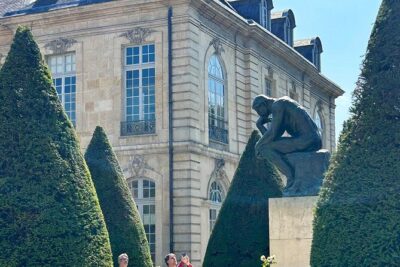
Browse the lists this tour appears in