
Reviewed · CHAMPAGNE TOURS
Epernay: Winery and Cellar Tour with Champagne Tasting
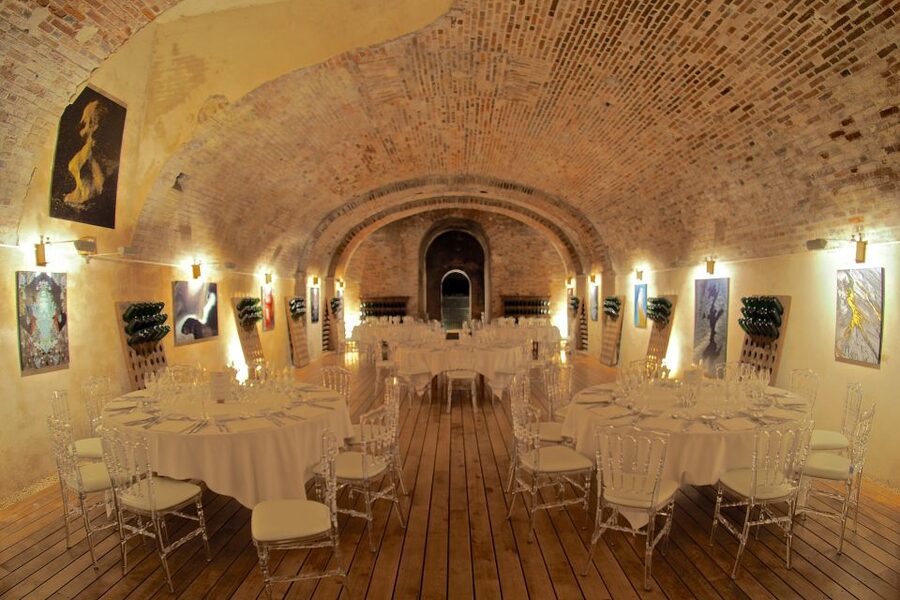
The most memorable part of this experience is the cellar itself: 1.5 kilometers of tunnels cut 25 meters under the chalk, with room for up to three million bottles. You get a close look at the working side of Champagne, from the vat house and underground galleries to the chai, rather than only standing at a polished tasting counter.
I like the family-run setting and the chance to meet wine growers whose methods have passed through three generations. I also like the small-group feel noted by Julia Sophia and the personal welcome praised in the German comments. One point to check carefully: the tour is described as offering two cuvées in the included tasting, although another description refers to three champagnes, so confirm the exact tasting lineup when you book.
In This Review
- Key points to know before you go
- A family Champagne house near Epernay
- Walking through cellars built in the early 19th century
- What the guide explains about making Champagne
- Tasting the Sélection Brut and Vieilles Vignes cuvée
- Meeting the people behind the bottles
- Why the 90-minute length works
- Who will get the most from this visit
- What the price really covers
- Practical advice for a smooth visit
- Should you book this Champagne cellar tour?
- FAQ
- Where does the Champagne tour take place?
- How long does the tour last?
- What language is the tour offered in?
- How many champagnes are included?
- What is the Sélection Brut?
- What is the Cuvée de Réserve, Vieilles Vignes Brut?
- How large is the cellar?
- How far underground is the cellar?
- Is transportation included?
- Are children allowed on the tour?
- Can I cancel for a refund?
- Do I have to pay at the time of booking?
Key points to know before you go
- The cellar reaches 25 meters below ground: Walk through early 19th-century galleries holding up to three million bottles.
- You meet a three-generation wine-growing family: The focus is on traditional production and the character of a family Champagne house.
- The tasting includes two named cuvées: Expect the Sélection Brut and the Cuvée de Réserve, Vieilles Vignes Brut.
- Alice may be your guide: A recent visitor specifically praised Alice for her friendly hosting.
- The visit lasts 90 minutes: That gives you a compact introduction, not a full-day winery program.
- The meeting point matters: The experience is connected with Mareuil-sur-Ay, even though it is marketed as an Epernay activity, and hotel transfers are not included.
A family Champagne house near Epernay
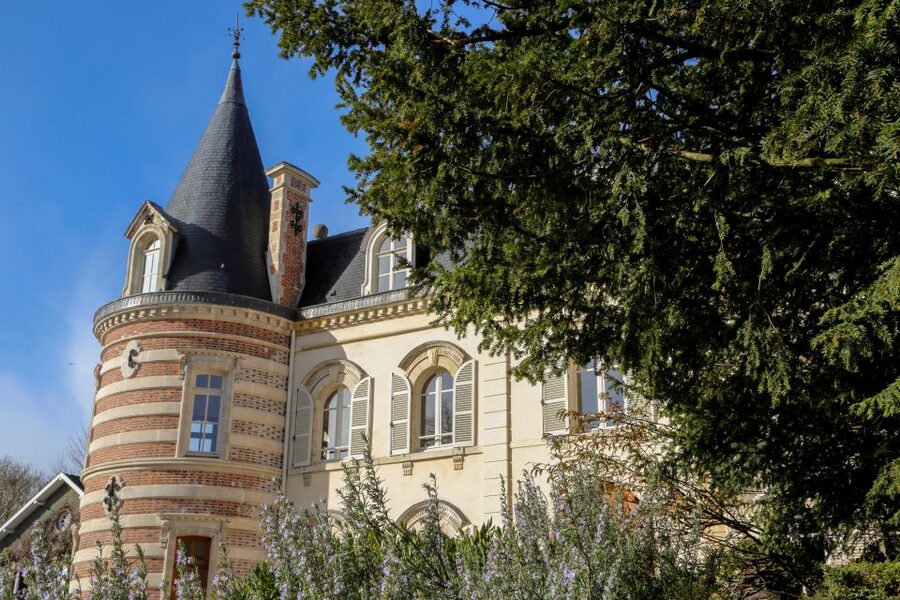
This is the kind of Champagne visit I recommend when you want more than a quick glass in a town tasting room. You visit a family-owned estate and hear how the house has kept its character through three generations of wine growers.
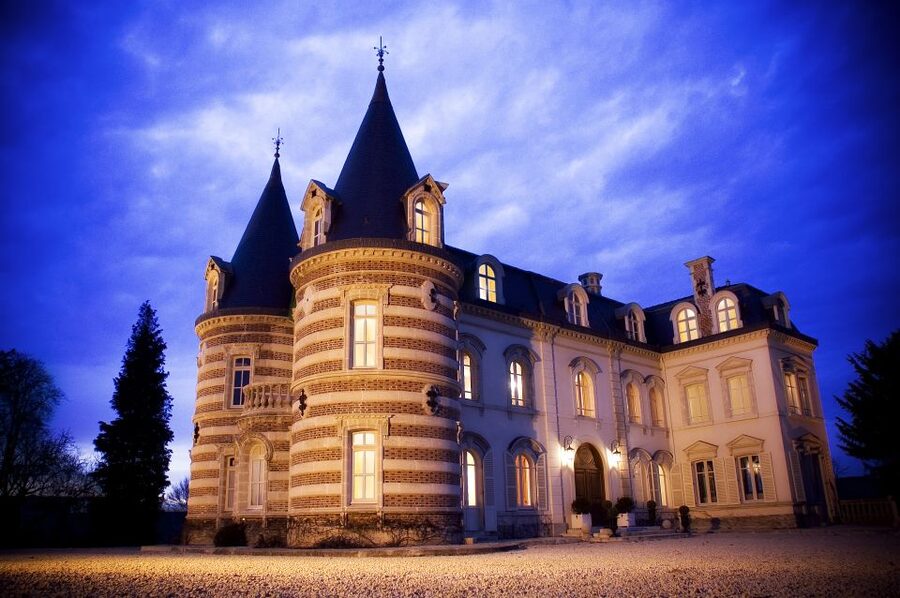
The setting is Mareuil-sur-Ay, part of the Champagne area associated with Epernay. That distinction matters. The experience is marketed under Epernay, but the welcome takes place at the family estate in Mareuil-sur-Ay. You should check the exact meeting point and allow time to reach it, since hotel pickup and drop-off are not included.
The tone is personal rather than grand and corporate. The family welcomes you into its own production world, where the cellar, vat house, galleries, and chai all form part of the story. You are not simply told that Champagne takes time. You see where the bottles rest and how the spaces support the process.
Recent feedback points to this personal quality. One German visitor described the tour as very personal in a family business, while another praised the small-group format. That is useful information if you prefer conversation and direct contact over a large tour with a microphone and a fixed script.
More Food Tours in Reims
- The Essential Tour from Epernay with Champagne Tasting
★ 4.9 · 120 reviews - Champagne Munoz Bruneau : Half Day Visit and Tasting
★ 4.9 · 53 reviews - Champagne Munoz Bruneau : Half Day Visit and Tasting
★ 5.0 · 50 reviews
Walking through cellars built in the early 19th century
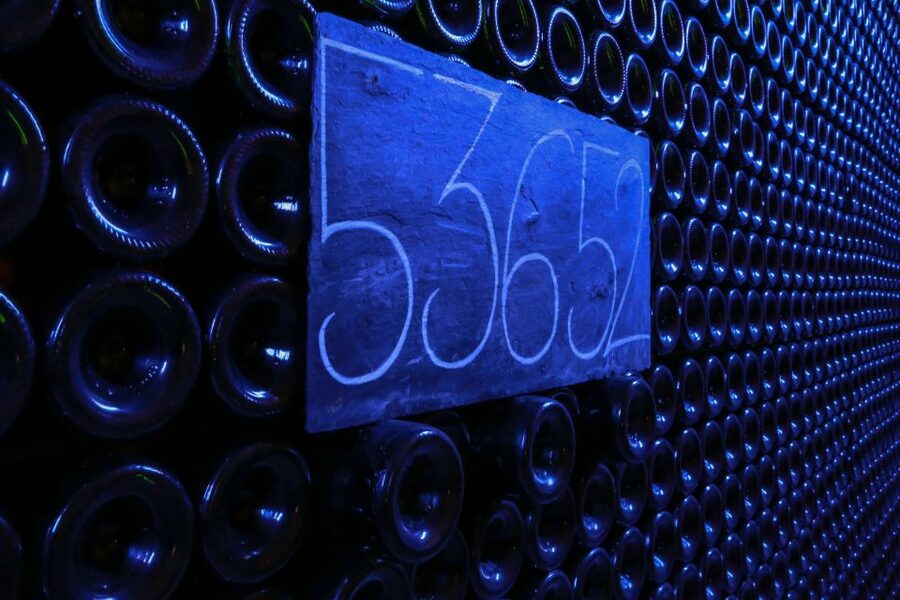
The cellar is the main reason to choose this visit. It was built at the beginning of the 19th century and runs beneath the estate in chalk. The full network measures about 1.5 kilometers, sits roughly 25 meters underground, and has capacity for three million bottles.
Those numbers give you a sense of scale, but the visit is not just about a large storage room. Your guide takes you across several working areas: the cellar unit, the vat house, underground galleries, and the chai. Each space helps explain a different part of Champagne production.
The chalk setting is especially important. You can see how the underground environment gives the bottles a protected place to mature. Rows of bottles and wooden barrels add a tangible sense of age and ongoing work. Instead of treating the cellar as a dramatic backdrop, the guide explains what happens there and how the house uses it.
Expect the cellar portion to feel practical. You are there to learn how the operation works, not to see a theatrical reconstruction. The route may also feel cool and enclosed because it is underground, so bring a light layer even if the day outside is warm. That is sensible cellar advice, not a claim about a guaranteed temperature.
The size of the galleries also helps put small-production Champagne in context. A family house can preserve traditional methods and a personal identity while still working within a large and carefully organized operation. You get a glimpse of both sides: the family scale of the welcome and the serious scale of the cellars.
What the guide explains about making Champagne
The guide describes the secrets of the Champagne-making process while you move through the estate. The exact technical depth can depend on your host, but the stated focus is clear: you learn about the cellar, production areas, wine-growing traditions, and the work behind the bottles you taste later.
I appreciate that the explanation happens beside the equipment and storage spaces. It gives you something to look at while the guide explains the stages. You can connect the words to the vat house, the galleries, the barrels, and the rows of bottles.
The family has passed its traditions from father to son for three generations. That does not mean you are being shown a museum piece. It means the visit gives you a direct look at how one Champagne family keeps a recognizable house style while working with inherited practices.
The best approach is to listen for the choices that shape the two cuvées. You can ask how the Sélection Brut differs from the Cuvée de Réserve, Vieilles Vignes Brut, and how age, grapes, blending, or cellar time affect what you taste. The available information does not specify every grape variety or production stage, so I would not expect a detailed technical lecture on every point. Still, the visit is designed to give you the working vocabulary and setting to understand the wines better.
One German visitor described the guidance as very competent. That matches the structure of the experience: the tour is not just a walk followed by an unrelated drink. The cellar visit leads into the tasting, so the production story has a clear payoff.
Tasting the Sélection Brut and Vieilles Vignes cuvée
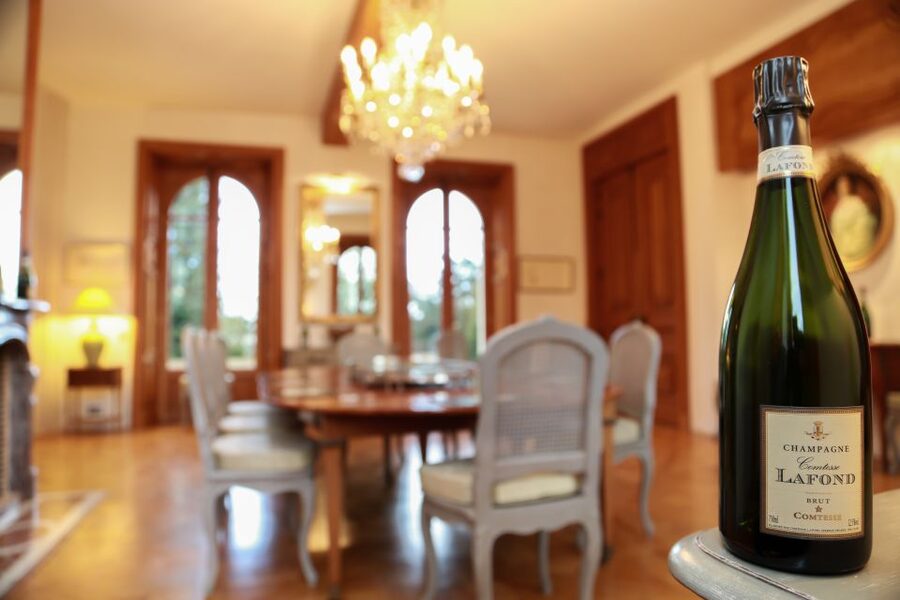
The included tasting lists two cuvées:
- The Sélection Brut
- The Cuvée de Réserve, Vieilles Vignes Brut
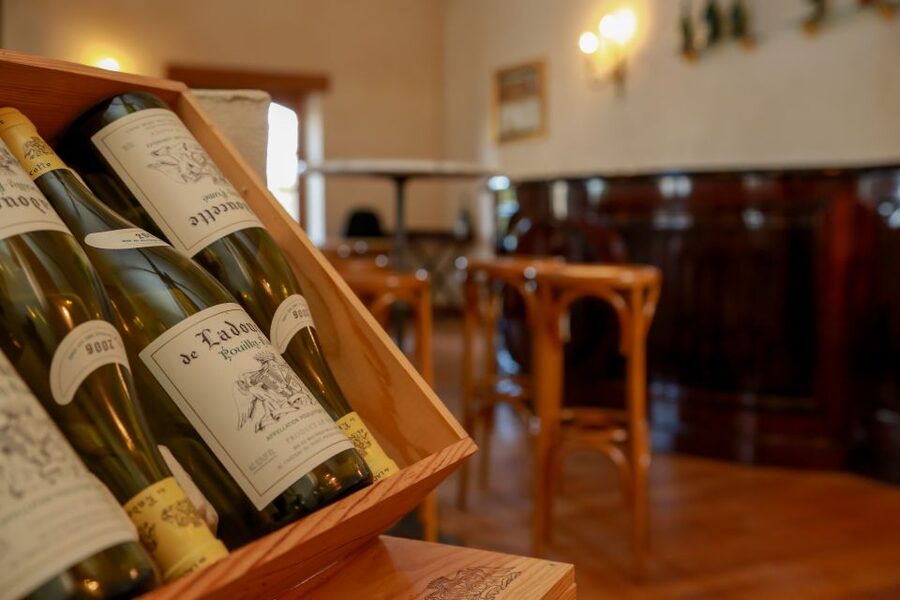
The word Brut tells you that both are dry styles, but the names also suggest a useful comparison. The Sélection gives you the house’s standard expression, while the Vieilles Vignes cuvée offers a chance to taste a wine presented as a reserve made from older vines. The supplied details do not give tasting notes, grape percentages, vintage dates, or aging periods, so you should judge the difference in the glass rather than arrive expecting specific flavors.
You taste after the cellar visit, which is the right order for a short tour. First you learn how the estate works. Then you taste with a better idea of what you are drinking and why the family presents these bottles as part of its range.
The description of the activity also refers to tasting three different champagnes, while the included section names two cuvées. That is an important small inconsistency. I would plan on the two named wines being included and ask the host whether a third sample is part of the current format. Do not base your booking decision on three pours unless that is confirmed.
The tasting is included in the $53 price, along with the guide and historic cellar visit. That makes the cost reasonable for someone who wants both an explanation and a seated tasting, rather than paying separately for a cellar entrance and a flight of wines. The value is strongest if you care about how the Champagne is made. If you only want a drink and a quick photo, a full tour may be more than you need.
You should also remember that this is an adult experience. Children under 18 are not permitted. That keeps the tasting focused, but it rules out bringing younger family members along for the cellar portion.
More Epernay trips worth a second look
- From Reims: Champagne and Family-Run Wineries Tour
★ 4.8 · 671 reviews - Champagne experience with a vintage van from Epernay – 3 hours
★ 5.0 · 108 reviews - From Epernay : Bubble Champagne Tour 6 tastings
★ 4.7 · 108 reviews - From Epernay: Champagne Small-Group tour with tastings & Lunch
★ 5.0 · 93 reviews
Meeting the people behind the bottles
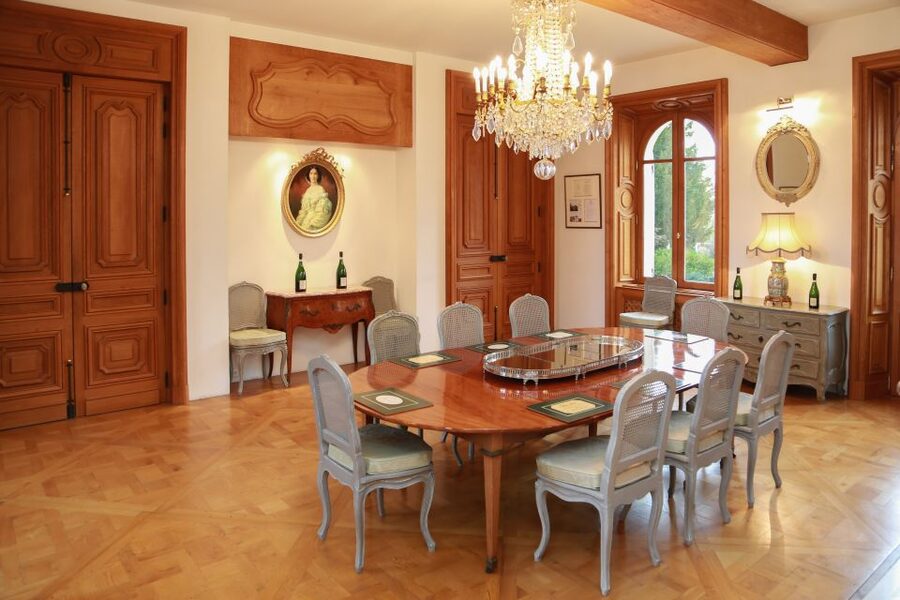
The family connection is not a decorative extra. It shapes the whole visit. You meet local wine growers and hear about traditions maintained within the family over three generations. That gives you a more direct sense of daily life in Champagne than a visit built only around a famous label.
I like this kind of encounter because it puts the region on a human scale. Champagne is often sold through grand houses and familiar names, but the area also depends on families who cultivate vines, make wine, and welcome visitors at their estates. Here, the family character is part of what you are paying to see.
The host or greeter speaks English, and the listed tour language is English. Alice is specifically named in one recent account as a friendly guide. You cannot assume she will lead every departure, but her mention suggests that she may be among the hosts you meet.
A small-group visit also leaves more room for questions. You can ask about the family’s traditions, the cellar layout, the two cuvées, and the difference between growing grapes and producing finished Champagne. The activity details do not promise a particular group size, so I would treat the personal, small-group feel as a possibility supported by recent feedback, not as a guaranteed maximum number.
Why the 90-minute length works
Ninety minutes is a good length for a focused winery stop during a Champagne day. You have enough time to walk through the estate and cellars, hear the production story, and taste the wines without turning the visit into an all-day commitment.
The tradeoff is depth. A 90-minute tour cannot cover every part of vineyard work, winemaking, bottling, aging, and regional history in detail. You will get an introduction centered on this estate, not a complete course in Champagne production.
That compact schedule works well if you are combining the visit with other stops around Epernay or Mareuil-sur-Ay. It also suits you if you want a structured activity between sightseeing plans. The lack of hotel transport means you need to handle the journey yourself, and you should account for that time outside the 90-minute program.
The schedule varies by date, so you need to check available starting times. Free cancellation is allowed up to 24 hours before the activity for a full refund, and you can reserve now and pay later. Those terms are useful if your Champagne plans are still shifting, though they do not remove the need to sort out your own transport.
Who will get the most from this visit
I would choose this tour if you want a personal introduction to a family Champagne house, especially if underground cellars interest you as much as the tasting. The 1.5-kilometer network and three-million-bottle capacity give the visit a strong physical setting, while the family story keeps it from feeling like a generic cellar stop.
It also suits people who want to learn without committing to a half-day or full-day wine program. The tour is short, the tasting is included, and the English-language format is straightforward.
You may want another option if you are looking for a famous luxury brand, a long vineyard walk, a large tasting flight, or a highly technical course. Those features are not promised here. The value lies in the combination of family contact, historic underground spaces, and two named cuvées.
I would also be cautious if your itinerary is tightly packed and the estate location is unclear to you. Since the activity is associated with Epernay but the welcome is in Mareuil-sur-Ay, confirm the address before you set your day around it.
What the price really covers
At $53 per person, the price covers a guide, a guided visit to the historic cellar, and the tasting of the two listed cuvées. It does not include hotel transportation.
For a 90-minute experience, that is fair value when you want the full context of a working family estate. You are paying for access to spaces that are not just public streets or a bar, plus an explanation of the production process and a chance to taste the house’s wines.
The price is less compelling if you plan to skip the cellar explanation and only want Champagne. In that case, a simple tasting elsewhere could be cheaper, though the comparison would not include the historic galleries or the family welcome.
I would think of this as a focused cultural stop, not merely a tasting purchase. The bottles are part of the experience, but the reason to book is the connection between the people, the cellar, and the wines.
Practical advice for a smooth visit
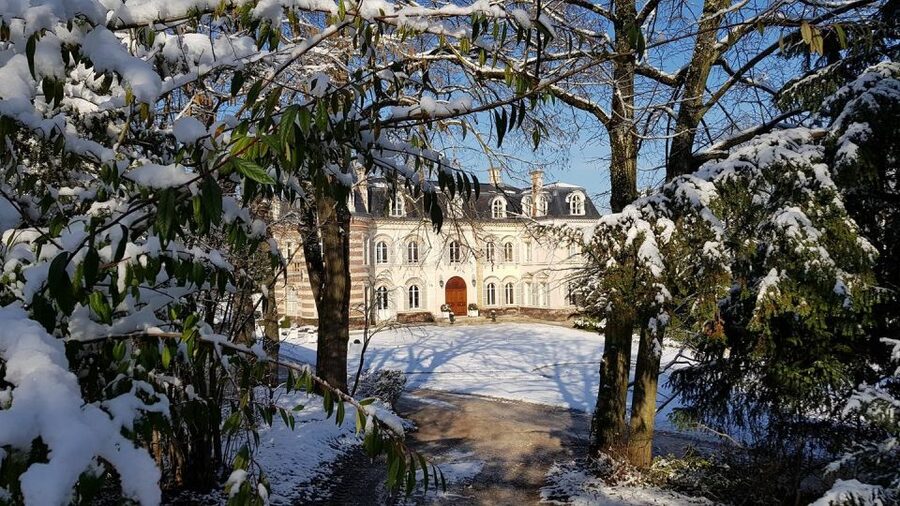
Before booking, confirm four points: the exact address in Mareuil-sur-Ay, the starting time, whether Alice or another English-speaking host will lead your visit, and whether the tasting includes two or three champagnes. The first two affect your day most directly.
Wear shoes you can walk in comfortably. The tour includes a cellar route, underground galleries, and several production spaces. The details do not state how much walking is involved inside the 1.5-kilometer cellar, so you should be prepared for a guided walk rather than a brief look at one room.
Bring a light layer for the underground sections. You may find the cellar cooler than the surface, and the visit is built around seeing the spaces rather than rushing through them.
Keep the tasting in proportion to the rest of your plans. The activity is for adults, and it is best suited to a day when you can enjoy the Champagne without hurrying to the next appointment. If you have a full schedule, the 90-minute tour itself is manageable, but the journey to and from the estate still needs to fit your plans.
Should you book this Champagne cellar tour?
Book it if you want an intimate, family-run experience with a real cellar, a clear production explanation, and a short tasting of two house cuvées. The historic galleries under the chalk, the three-generation family story, and the personal guiding style make this more interesting than a quick branded pour.
Skip it if you need hotel transport, want a large selection of wines, or prefer a famous Champagne house with grand public rooms. Also confirm the meeting point and tasting count before paying, since the experience details describe two included cuvées but elsewhere refer to three champagnes.
For the right visitor, $53 is a sensible price for 90 minutes of cellar access, local contact, and Champagne in context. I would put it on your shortlist for an adult day around Epernay, particularly if Alice is leading the departure and you enjoy small, personal visits.
FAQ
Where does the Champagne tour take place?
The experience is connected with Epernay in the Champagne region, and the estate welcome takes place in Mareuil-sur-Ay. Confirm the exact meeting address before you go.
How long does the tour last?
The visit lasts 90 minutes.
What language is the tour offered in?
The host or greeter speaks English, and English is the listed tour language.
How many champagnes are included?
The included tasting specifically names two cuvées: the Sélection Brut and the Cuvée de Réserve, Vieilles Vignes Brut. Another description refers to three champagnes, so confirm the current tasting lineup when booking.
What is the Sélection Brut?
It is one of the two cuvées listed as part of the included tasting. The available details do not provide further tasting notes or production information for it.
What is the Cuvée de Réserve, Vieilles Vignes Brut?
It is the second named cuvée included in the tasting. The available details do not specify its grape blend, vintage, or aging period.
How large is the cellar?
The full cellar measures about 1.5 kilometers and can hold up to three million bottles.
How far underground is the cellar?
The cellar is buried about 25 meters under chalk.
Is transportation included?
No. Hotel pickup and drop-off are not included.
Are children allowed on the tour?
No. The experience is not suitable for children under 18.
Can I cancel for a refund?
Yes. You can cancel up to 24 hours in advance for a full refund.
Do I have to pay at the time of booking?
No. The reserve-now, pay-later option allows you to hold your place without paying immediately.
More Food Tours in Epernay
- Food & Champagne Experience from Epernay (Private tour)
★ 4.5 · 28 reviews - Paris: Seine Cruise & Crepe Tasting near the Eiffel Tower
★ 4.4 · 11,231 reviews - Authentic Parisian Gourmet Food Tour with 10 Local Dishes & Wines
★ 5.0 · 4,754 reviews - Bordeaux: Cité du Vin Entry Ticket and Wine Tasting
★ 4.6 · 3,885 reviews
Recently reviewed around Epernay
- Champagne experience with a vintage van from Epernay – 3 hours★ 5.0 · 108 reviews
- The Must-sees 3h30 from Epernay (Private Half day Champagne Tour)★ 5.0 · 30 reviews
- Food & Champagne Experience from Epernay (Private tour)★ 4.5 · 28 reviews
- Bubble Champagne Tour from Epernay (Small group half day tour)★ 5.0 · 58 reviews
- The Connoisseurs from Epernay (Private Half day Champagne Tour)★ 5.0 · 59 reviews
- From Epernay Full day Electric bike Champagne and lunch★ 5.0 · 36 reviews
- From Epernay: Champagne Small-Group tour with tastings & Lunch★ 5.0 · 93 reviews
- Champagne Munoz Bruneau : Half Day Visit and Tasting★ 5.0 · 50 reviews
Champagne Tours, compared.
Reims afternoon tour Champagne and family growers
Read our review →
Aÿ-Champagne: Pressoria Champagne Museum with Tasting
Read our review →
Aÿ-Champagne: Champagne House Tour and Tasting Class
Read our review →
Passy-Grigny: Chocolate and Champagne Tasting Tour
Read our review →
Champagne Day Trip to 3 Family Domains & Lunch
Read our review →Browse the lists this tour appears in