
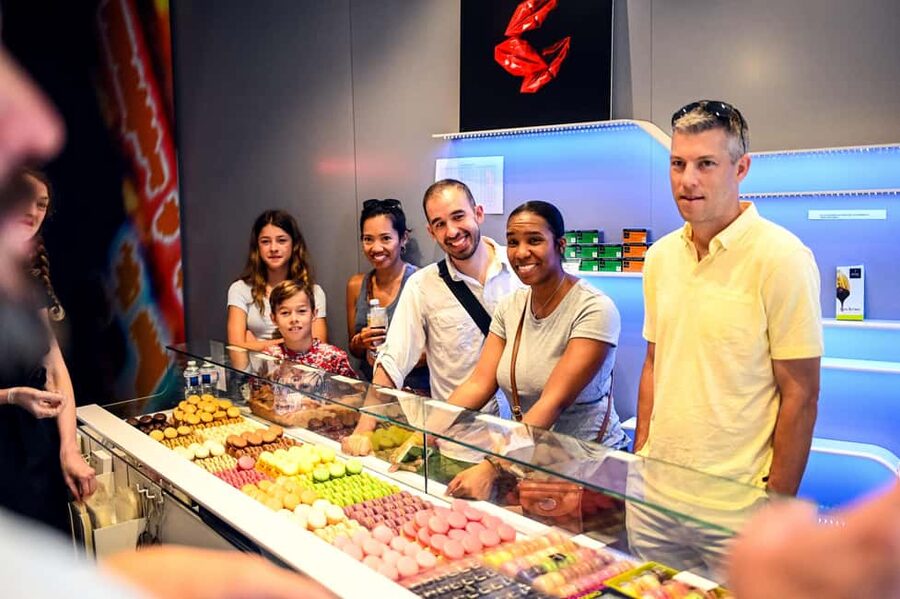
Reviewed · MONTMARTRE TOURS
Paris: Montmartre Food Tasting Walking Tour with Secret Dish
Montmartre is best understood one bite at a time. This small-group walk takes you from metro station to bakery, cheese shop, butcher, and pastry counter, with tastings along the way and a final feast built from what you have collected. I like the shop-as-you-go format, which feels more like following a Parisian food errand than ticking off restaurant tables. I also like the mix of sweet and savory stops, especially the chance to compare a crêpe with a galette and taste French food beside its source.
The main drawback is timing: starting with pastries, chocolate, macarons, and a crêpe can leave you quite full before the cheese and charcuterie arrive. The meeting point also changes with the hour and day, so read your booking details carefully. Guides including Aicha, Ioana, Celine, Imran, Baptiste, and Emmanuel have been praised for making the food and Montmartre’s story easy to follow.
In This Review
- Key points to know before you book
- Why this Montmartre food walk works
- Starting at Anvers or Abbesses
- First tastes: chocolate and macarons
- Crêpe or galette, and why the difference matters
- The bakery stop and French bread
- Cheese from a specialist shop
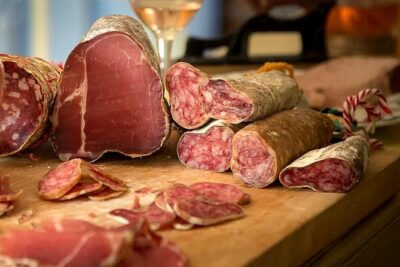
- Cured meats at the local butcher
- The secret stop and final shared feast
- The guides make the difference
- Is $148 a fair price?
- Who should book this experience?
- FAQ
- How long does the Montmartre food tour last?
- What food is included?
- Are drinks included?
- What language is the tour conducted in?
- Where does the tour meet?
- Does the tour return to the starting point?
- Is the tour suitable for wheelchair users?
- Should you book it?
Key points to know before you book
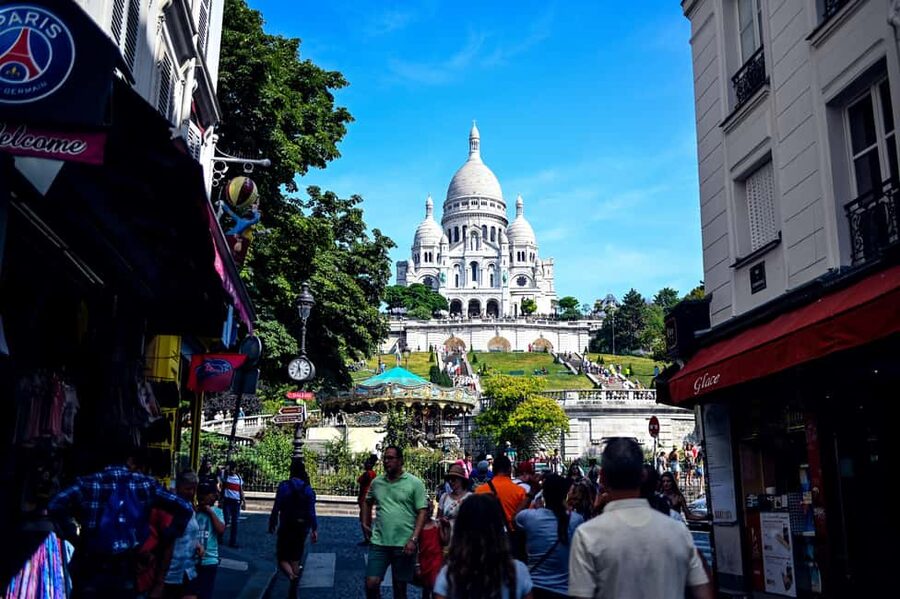
- You shop for the final meal as you walk: Tastings are gathered from several local food shops, then brought together at a secret stop.
- The food list is generous: Expect cheese, cured meats, bread, pastries, crêpes, macarons, chocolate, wine, water, soft drinks, and a secret dish.
- The guide shapes the experience: Aicha, Ioana, Celine, Imran, Baptiste, and Emmanuel are among the named guides praised for warmth, food knowledge, and local stories.
- The group is limited to 10 people: That is a useful size for asking questions and staying together on Montmartre’s streets.
- It is a walking and eating tour, not a seated tasting: Wear comfortable shoes and arrive ready for three to three and a half hours on foot.
- The meeting point depends on the schedule: Daytime tours generally meet at Anvers, while weekend and evening tours meet at Abbesses.
Why this Montmartre food walk works
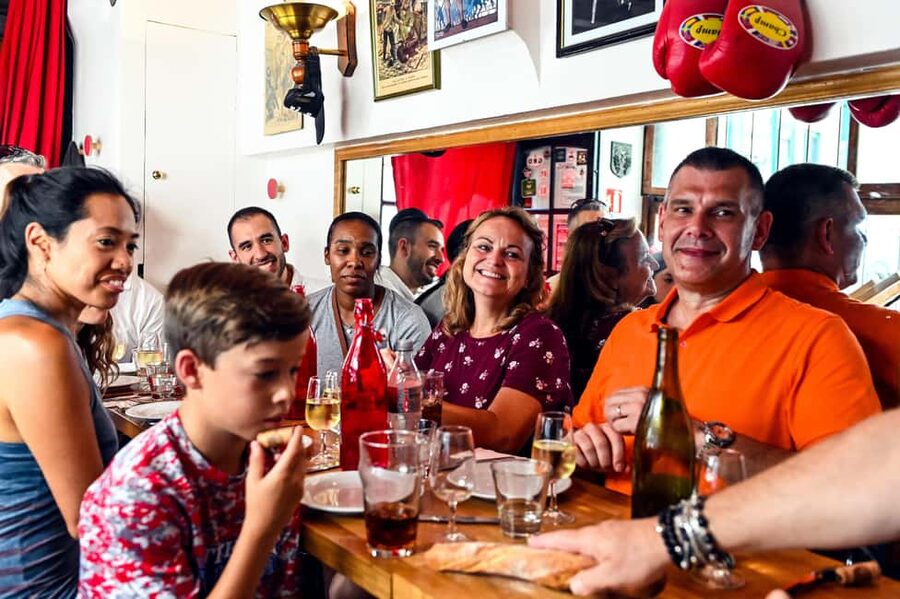
Many Paris food tours take you to a restaurant and present a fixed menu. This one uses Montmartre as its dining room. You walk through the neighborhood while the guide explains what you are eating, where it comes from, and how French food fits into daily life.
That approach gives the tour two jobs. It introduces you to French specialties, and it helps you understand the local shopping culture. Parisians often buy ingredients from several specialist shops rather than filling one large cart in one place. Here, you follow that pattern in miniature, tasting as you move.
The pace also helps Montmartre feel less like a collection of postcard views. The neighborhood is famous for Sacré-Cœur, artists, steep streets, and old village character, but its food shops show how people live there now. The food is not an accessory to the walk. It is the reason for the route.
The group size, capped at 10, matters. Food questions are easier in a small group, and the guide can keep an eye on everyone as the route winds through busy streets. You should still expect a social experience, since the final tasting brings the group together around shared food and wine.
More Food Tours in Paris
- Paris: Seine Cruise & Crepe Tasting near the Eiffel Tower
★ 4.4 · 11,231 reviews - Authentic Parisian Gourmet Food Tour with 10 Local Dishes & Wines
★ 5.0 · 4,754 reviews - Normandy D-Day Small-Group Day Trip with Omaha Beach, Cemetery & Cider Tasting
★ 5.0 · 2,786 reviews
Starting at Anvers or Abbesses
For tours running Monday through Friday from 10:30 a.m. through 5:30 p.m., the meeting point is outside Anvers metro station on Line 2. Look for the guide holding an orange umbrella by the subway entrance.
Saturday and Sunday tours, along with tours beginning at 6 p.m., meet outside Abbesses Station on Line 12. The orange umbrella is again the marker. This change is easy to miss, so check the start time and meeting instructions before leaving your hotel.
The two stations place you in different parts of Montmartre. That gives the operator room to shape the route around the time of day, but it also means you should not rely on memory from an earlier Paris visit. One person had difficulty finding the meeting point because the location had changed, so allow a little extra time.
The tour ends back at its meeting point. Hotel pickup and drop-off are not included. You will need to reach the station on your own and return from there after the meal.
First tastes: chocolate and macarons
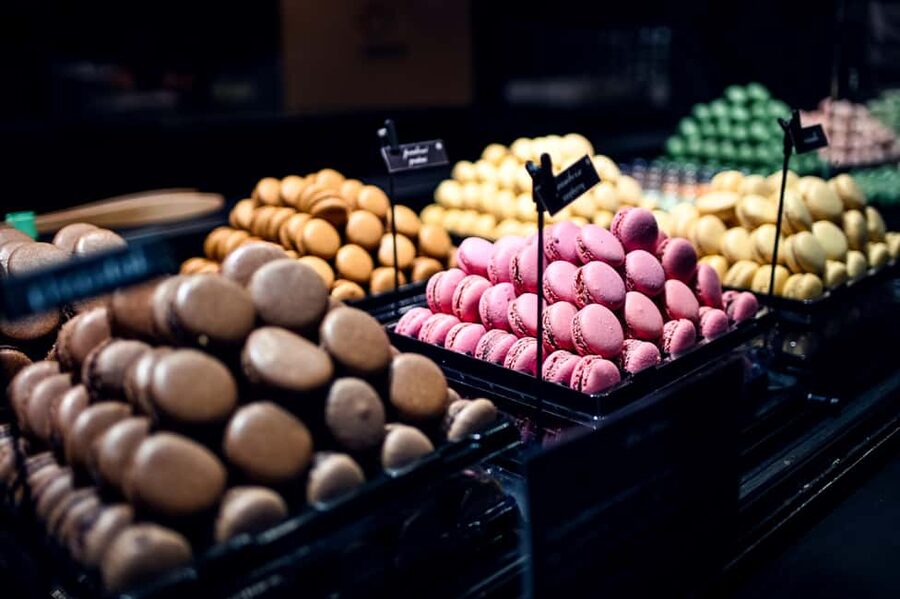
The first stop is an artisanal chocolate and pastry shop. You can expect to taste chocolates and macarons, two foods that show off the sweeter side of French technique.
Macarons are small, colorful almond-based sandwich cookies with a soft center. They are delicate and easy to underestimate, especially when you see them in polished pastry windows. Chocolate offers a different lesson, with the focus on ingredients, texture, and the work of an artisan shop.
Starting with sweets makes the tour immediately appealing, especially for families and anyone who plans a Paris food itinerary around pastry. Several guides have been praised for keeping the mood light and making the food easy to understand, so this is not meant to be a silent sampling session.
The practical issue is appetite. You are not receiving one tiny token at each stop. The portions add up, and the sweets arrive before the savory food. If you prefer to save room for cheese and ham, pace yourself early.
Crêpe or galette, and why the difference matters
A freshly made crêpe follows. The guide explains the difference between a crêpe and a galette, a useful distinction for ordering in France.
In broad terms, a crêpe is associated with a sweet, wheat-flour preparation, while a galette is traditionally linked with savory fillings and buckwheat. The tour’s purpose is not simply to hand you a warm snack. It gives you a piece of food vocabulary you can use later in Paris.
This stop is especially helpful if you have looked at a French menu and wondered why two apparently similar pancakes have different names. The fresh preparation also breaks up the pastry tasting with something warm and made to order.
Again, the order may not suit everyone. One person preferred to eat the cheese and meats first, then finish with sweets. If you share that preference, you may need to treat the early tastings as samples rather than full portions.
More Walking Tours in Paris
- Paris Top Sights Half Day Walking Tour with a Fun Guide
★ 5.0 · 2,893 reviews - Montmartre Hidden Gems and Scenic Highlights Walking Tour
★ 5.0 · 2,684 reviews - Montmartre Hill French Gourmet Food and Wine Tasting Walking Tour
★ 5.0 · 2,588 reviews - Paris Île de la Cité and Notre-Dame Walking Tour With Crypt
★ 5.0 · 2,272 reviews
The bakery stop and French bread
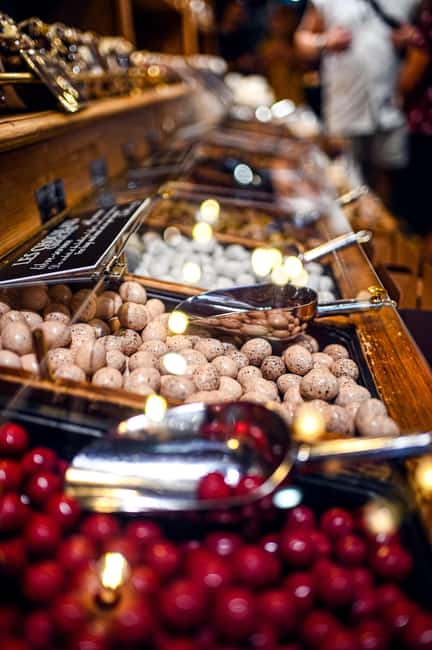
At a boulangerie, you sample classic French breads and learn how bread fits into everyday meals. This is one of the most useful stops because bread in France is not just a side item added at the end of a meal. It often carries the meal, supports the cheese, and provides the base for simple snacks.
The value here lies in context. A guide can point out why a bakery matters in French food culture and help you notice the difference between a routine loaf and something made with care. You also get to eat the bread in the right setting, alongside the other ingredients gathered during the route.
The food is presented as a sequence, but you should think of it as one growing meal. Bread becomes more important once the cheese and cured meats arrive. You may want to remember which types appeal to you, since the tour can give you ideas for a bakery visit later in your trip.
Cheese from a specialist shop
The cheese stop brings the tour into one of the central pleasures of French eating. You taste cheeses selected from a local shop, with the guide explaining the food and how it is enjoyed.
This is where the shopping format earns its keep. Instead of tasting cheese in isolation, you have bread nearby and wine waiting later. The connections between foods become clearer, and you can ask practical questions about pairings and French food habits.
French cheese can be unfamiliar in flavor and texture, especially if you normally buy mild supermarket varieties. The small-group setting helps because you can ask what you are tasting without feeling rushed. Guides such as Baptiste and Ioana have been praised for discussing French customs as well as the food itself.
The selection is not published in advance, and it may vary. That is part of the appeal, but it also means you cannot plan around a particular cheese. If you have allergies or strict dietary needs, confirm suitability before booking because the provided details do not promise substitutions.
Cured meats at the local butcher
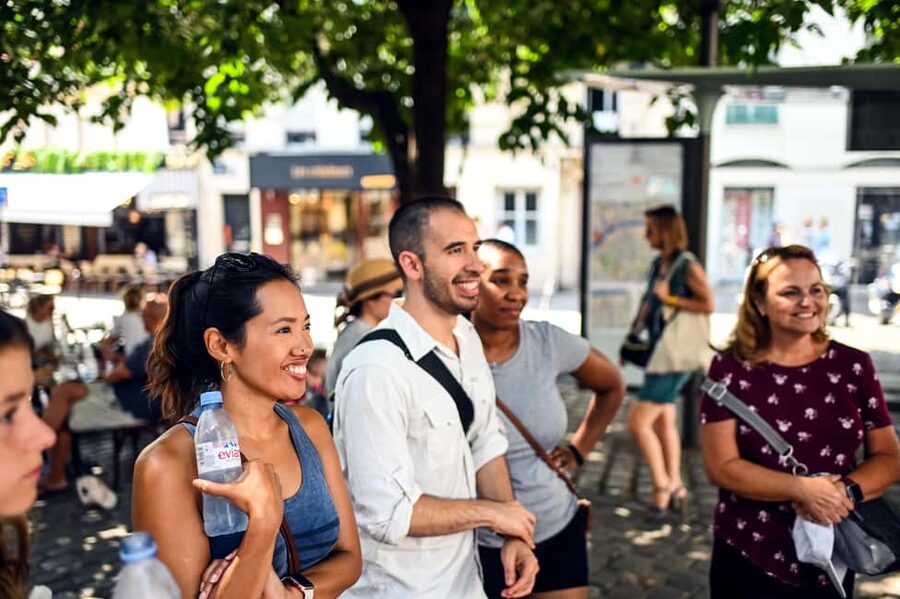
The butcher stop shifts the focus to cured sausages and hams. This is another place where the tour shows French food as a shopping culture rather than a parade of luxury bites.
You taste the meats with bread and, later, cheese and wine. The guide can explain French food rules and etiquette, including the small habits that make a meal feel different from one at home. Several guides have been praised for sharing these customs in a friendly, easy way.
By this stage, you may be full. The tour includes a lot of food, and the sequence places some of the lighter, sweeter items before the heavier savory course. I would plan a modest breakfast and avoid booking a large lunch immediately afterward.
There is also a useful lesson in restraint. You do not need to love every cheese, sausage, or ham. A good food walk gives you room to discover your preferences, and the guide can help you identify what you might want to seek out again.
The secret stop and final shared feast
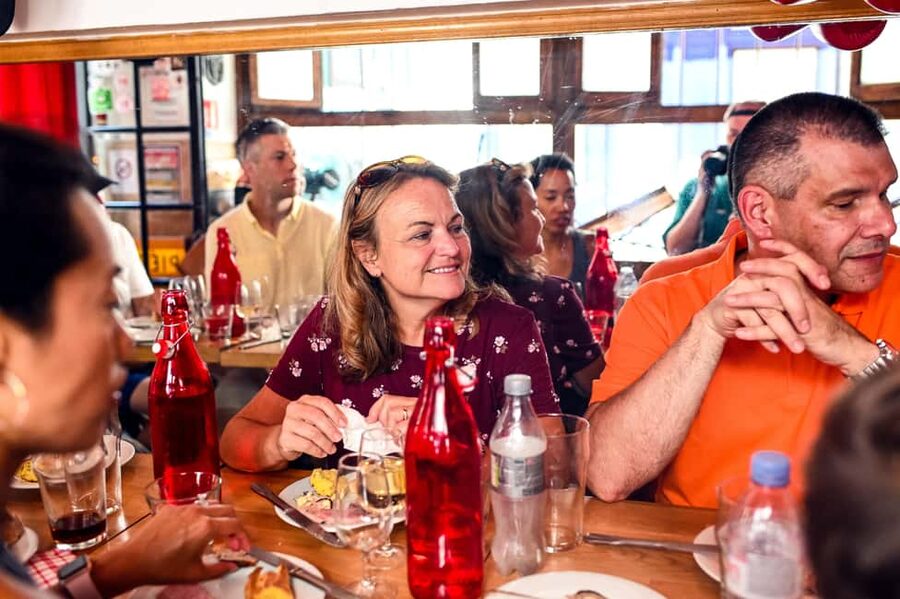
The final stop is the payoff. The food purchased along the route is brought together with wine, and you sit down to enjoy the combination. Red wine, white wine, water, and soft drinks or other nonalcoholic choices are included.
The setting is described as a secret stop, so you should not expect the exact location to be announced ahead of time. The point is the transition from scattered samples to a proper shared meal. You have seen the ingredients being chosen, tasted some along the way, and now get to understand how they work together.
The tour also includes a secret dish. Its identity is not provided in advance, which keeps one small surprise for the end. This feature will appeal to you if you like food experiences with an element of discovery. If you need to know every ingredient for dietary reasons, ask before booking.
Wine pairings add value, particularly if you are unsure how French wines are served with cheese and charcuterie. The tour offers both red and white wine, so the guide can discuss different combinations rather than forcing one drink on the whole group.
The guides make the difference
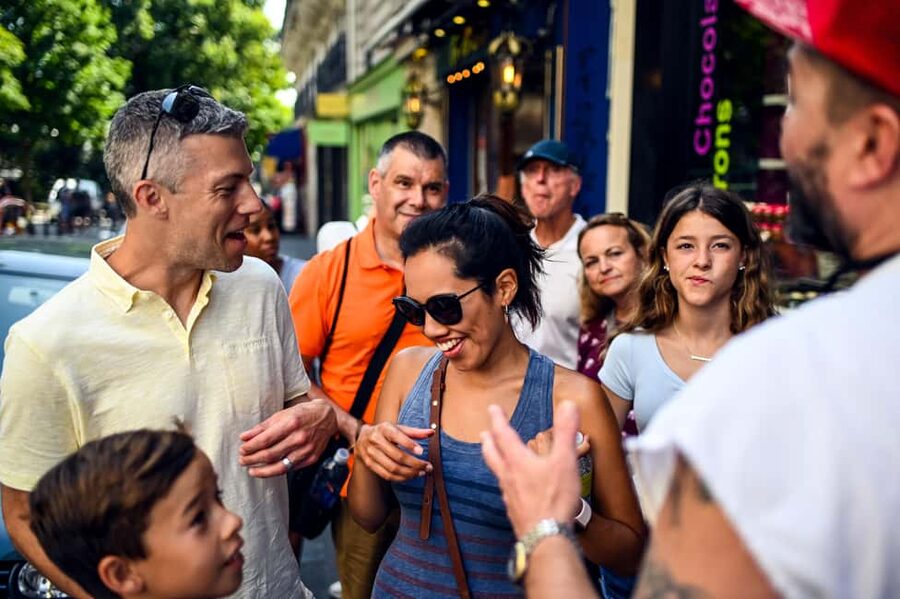
The guide is central here. You are not just paying for food, since many of these items could be bought on your own. You are paying for the route, the explanations, the introductions to shops, and the shared meal at the end.
The named guides receive praise for different strengths. Aicha is described as fun and well informed, with enough energy to keep teenagers interested. Emmanuel is praised for combining local history with French cuisine. Celine is noted for knowing good food stops and creating an easy group atmosphere.
Baptiste brings in French history and food etiquette. Imran is praised for explaining the background to the tastings, and Ioana is described as especially good at connecting food with French ideas about family, friendship, and everyday life. Luc is noted for combining Montmartre history with food history.
That range matters because the tour is not a recorded script. Your experience depends partly on the person leading your group. The consistent theme is that the guides are friendly, clear, and willing to answer questions, but you should expect the exact storytelling style to vary.
Is $148 a fair price?
At $148 per person, this is not a cheap way to grab lunch. It becomes more reasonable when you count what is included: several food stops, a three-hour guided walk, a final shared feast, red and white wine, water, and nonalcoholic drinks.
You are also paying for access to a planned route and for the chance to taste more than you would likely order alone. Buying a chocolate, macaron, crêpe, bread, cheese, charcuterie, wine, and secret dish independently could cost a substantial amount, but the real value is the explanation and the way the pieces are brought together.
I would consider it good value for a first or second day in Paris, when you want an introduction to French food and ideas for what to buy later. It is less compelling if you already know Montmartre’s food shops well or prefer a long, formal restaurant meal.
The tour has a top rating of 4.8 from 107 ratings, and the strongest praise centers on the guide, the amount of food, the wine, and the unusual shop-and-taste structure. The one recurring practical caution is the meeting location, so check it closely.
Who should book this experience?
I would recommend it to first-time Paris visitors, food-focused couples, small groups of friends, and families with older children or teenagers who enjoy trying new things. The mix of history, neighborhood walking, and food gives you more variety than a standard tasting counter.
It also suits people who want help with French food etiquette. You will leave with more than a full stomach. You will have a better sense of how bread, cheese, meat, pastry, and wine fit into a French meal.
It is not a good choice for wheelchair users, since the activity is a walking tour through Montmartre. It may also be a poor fit if you need a strictly vegetarian, vegan, or highly controlled menu, since cured meats, cheese, pastries, and a secret dish are built into the experience.
Wear comfortable shoes. The tour runs rain or shine, lasts about three to three and a half hours, and has no hotel transfer. Bring an appetite, but not an enormous one.
FAQ
How long does the Montmartre food tour last?
The tour lasts about three hours, with the full experience described as roughly three to three and a half hours.
What food is included?
The tastings include French cheeses, fresh pastries, crêpes, macarons, artisan chocolates, cured meats, freshly baked breads, and a secret dish.
Are drinks included?
Yes. The tour includes red wine, white wine, water, and soft drinks or other nonalcoholic options.
What language is the tour conducted in?
The live tour guide speaks English.
Where does the tour meet?
Monday through Friday tours starting from 10:30 a.m. through 5:30 p.m. meet outside Anvers metro station on Line 2. Saturday and Sunday tours, along with tours starting at 6 p.m., meet outside Abbesses Station on Line 12. In both cases, look for an orange umbrella.
Does the tour return to the starting point?
Yes. The activity ends back at the meeting point.
Is the tour suitable for wheelchair users?
No. The activity is listed as not suitable for wheelchair users. Comfortable shoes are recommended, and the tour operates rain or shine.
Should you book it?
Book this Montmartre walk if you want a friendly introduction to French food, prefer tasting several specialties instead of sitting through one fixed meal, and enjoy learning the customs behind what you eat. The combination of local shops, a small group, wine, and the final secret dish gives the experience a clear purpose.
Skip it if you want a short tasting, a fully predictable menu, or a quiet restaurant lunch. For everyone else, $148 buys a useful first look at Montmartre’s food culture, plus enough ideas to guide your next bakery, cheese shop, or market stop in Paris.
More Food in Paris
- Devour Paris Ultimate Food Tour
★ 5.0 · 2,087 reviews - Private Montmartre Food Tour with Wine, Cheese & Pastries
★ 5.0 · 1,027 reviews - Paris Le Marais Food Tour With 10+ Tastings, Cheese, Wine & More
★ 5.0 · 985 reviews - Paris Le Marais District Original Food and Wine Tasting Tour
★ 4.5 · 880 reviews
Recently reviewed around Paris
- Louvre Private Tour – The Essentials and More with Expert Guide★ 5.0 · 227 reviews
- 2CV tour by night★ 5.0 · 55 reviews
- Eiffel Tower Second or Summit Floor Access by Elevator with Views★ 3.5 · 161 reviews
- 2 Hour Street-art Walk and Space Invaders Hunt in Paris★ 5.0 · 27 reviews
- 2 hour outdoor group activity in Paris: SAINT GERMAIN★ 5.0 · 48 reviews
- The only Paris Wine Tasting experience you need to do – 2 hours★ 5.0 · 265 reviews
- Sainte-Chapelle, Conciergerie & Palais de Justice Private Tour★ 5.0 · 72 reviews
- Private 2 – Hour Paris Landmarks Tour by Golf Cart Mini Moke★ 5.0 · 38 reviews
Montmartre Tours, compared.
Montmartre Hidden Gems and Scenic Highlights Walking Tour
Read our review →
Montmartre Hill French Gourmet Food and Wine Tasting Walking Tour
Read our review →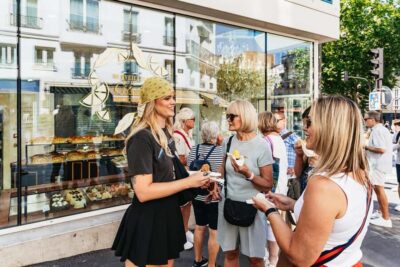
Montmartre Cheese, Wine & Pastry Guided Walking Tour
Read our review →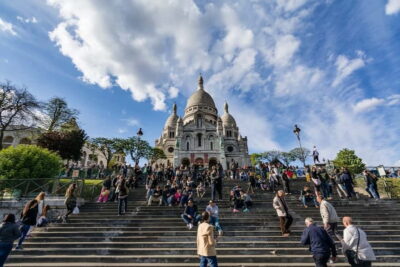
Montmartre Highlights Walking Tour with a Local Guide
Read our review →
Sacré-Coeur and Montmartre Tour with Expert Guide
Read our review →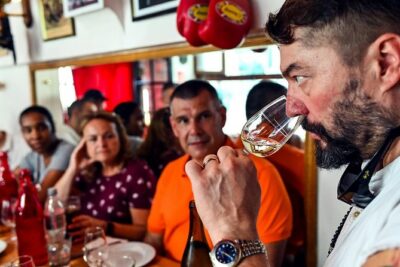
Private Montmartre Food Tour with Wine, Cheese & Pastries
Read our review →
Paris Montmartre Food Tour – A Full French Meal by Do Eat Better
Read our review →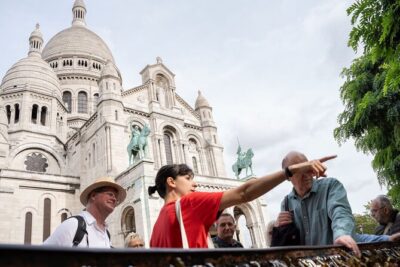
Hidden Montmartre: Paris’ Secret Streets Walking Tour
Read our review →Browse the lists this tour appears in