
Reviewed · COOKING CLASSES
Paris Cooking Class: Learn How to Make Macarons
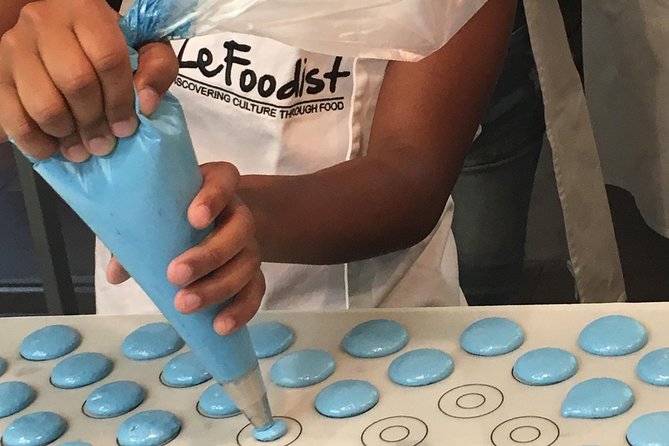
French macarons look simple, but they are fussy little pastries. In this three-hour hands-on class, you make the meringue shells, pipe the filling, bake the cookies, and learn why small changes in mixing or piping can make a big difference. It is less a demonstration than a practical pastry lesson, with a sweet payoff.
I especially like the small advertised class size of four, since macarons reward close coaching. I also like the finish: tea or coffee, a talk about the macaron in French food culture, and a box of roughly 20 to 30 macarons for later.
The one point to check is group size. The official details say a maximum of four, while some class accounts describe six or eight participants working in pairs. That is still reasonably intimate, but confirm the current setup if personal attention matters most.
In This Review
- Key points at a glance
- Why this pastry class is worth three hours in Paris
- Arriving at Le Foodist on Rue du Cardinal Lemoine
- Making meringue shells from the beginning
- Filling, assembling, and tasting the finished macarons
- What the instructors add to the experience
- Group size, pace, and the real level of personal attention
- What the $156 price includes
- Who should book this Paris baking experience
- Booking details and cancellation timing
- Should you book the macaron class?
- FAQ
- Where does the macaron class take place?
- What time does the class start?
- How long does the class last?
- Is the class taught in English?
- How many people can attend?
- What do I take home?
- What is the minimum age?
Key points at a glance
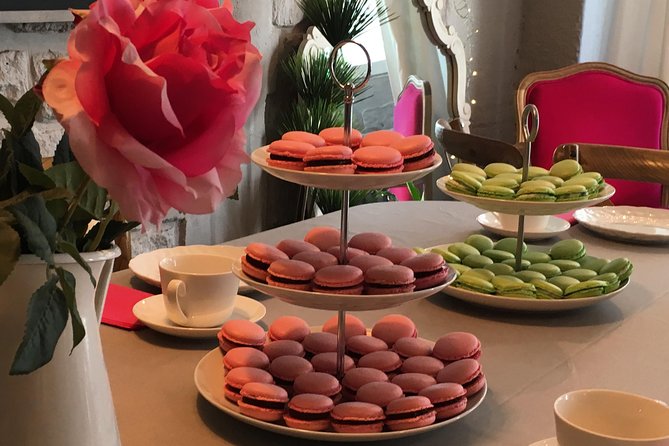
- You make the shells from scratch: The class covers the meringue mixture, colors, piping, filling, and baking.
- The class begins at 3 pm: Meet at Le Foodist, 59 Rue du Cardinal Lemoine, in central Paris.
- You leave with plenty of macarons: The included box holds about 20 to 30 of your finished pastries.
- English instruction is available: Instructors have included Stéphane, Luc, Paulo, Fanny, Florence, Ann, and Stefan.
- Tea and culture are part of the finish: Taste the macarons with coffee or tea while hearing about their place in France.
- An advanced option is available: Upgrade to explore more of the finer points of macaron making.
Why this pastry class is worth three hours in Paris
A macarons class gives you something a pastry-shop visit cannot: a clear look at the work behind those neat, colorful sandwiches in the display case. You are not simply watching a chef pipe perfect circles. You are asked to handle the mixture, make decisions, and accept that your first few shapes may be less than perfect.
That is part of the appeal. Macarons are delicate, and the class makes the process feel manageable by breaking it into steps. You work with meringue shells, then learn to pipe buttercream filling and assemble the finished cookies. The instruction is designed for different skill levels, so you do not need to arrive with baking experience.
I would choose this class for an afternoon when you want a break from museums, churches, and long walks. It gives you a seat, a warm drink, a practical activity, and food you helped produce. You also get a better sense of why French pastry depends so much on texture and technique.
The class is especially appealing for a parent and teenager, two friends, or a parent and adult child. The minimum age is 12, and children cannot attend without an accompanying adult. Solo participants can also fit in well, since the format encourages conversation and shared work.
More cooking and pastry classes in Paris:
- Paris Cooking Class and Lunch with Wine plus Market Visit Option
★ 5.0 · 1,024 reviews - Paris: Macaron Class at Galeries Lafayette
★ 4.3 · 905 reviews - Paris: French Macaron Culinary Class with a Chef
★ 4.9 · 591 reviews
Arriving at Le Foodist on Rue du Cardinal Lemoine
Your meeting point is Le Foodist, at 59 Rue du Cardinal Lemoine, 75005 Paris. The school is in central Paris and near public transportation, which makes the 3 pm start fairly easy to fit around other plans.
I would arrive a little early rather than cutting it close. Baking classes work better when you begin calm and ready to listen. You will meet the instructor over a welcome drink before the actual baking begins, giving you time to settle in and meet the other people in the room.
The welcome drink is a small touch, but it sets the tone. This is not a rushed activity where you are pushed straight into a workstation. The class has a social side, and the time between baking steps gives the chef room to talk about French food and life in Paris.
The school provides the required equipment and attire. You do not need to bring specialist baking tools or protective clothing, which makes this easy to add to a sightseeing day.
Making meringue shells from the beginning
The first major stage is the macaron shell. You learn to make the meringue mixture from scratch, with the color chosen by you or your group. This is where the class becomes more useful than a recipe copied from a book.
Macaron batter is sensitive to handling. The reviews of the class repeatedly praise the step-by-step approach, and that matters here. A chef can watch how you mix and pipe, then correct a small problem before it ruins the batch. Instructors such as Stéphane, Luc, Paulo, Stefan, and Fanny are described as patient, clear, and willing to help people individually.
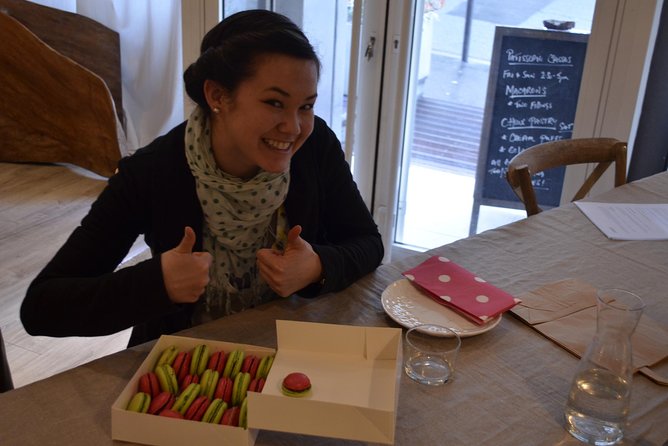
You will also practice piping. The goal is to form even rounds that can be paired after baking. Do not expect every shell to look like it came from a polished Paris pastry counter. One participant enjoyed the finished macarons even though some shapes were not perfect, which is a realistic way to approach the class.
That imperfection is useful. You see how a professional handles the process, but you also discover which parts are difficult for a home baker. By the end, you should understand the basic method and the reasons behind the main steps, even if you still need practice.
Filling, assembling, and tasting the finished macarons
Once the shells are ready, you work on the buttercream filling. Piping the filling neatly is another skill, and it affects both appearance and the balance between shell and center.
The class is hands-on, but the exact division of work can vary. Some class accounts describe participants working in pairs and making different flavors. That format lets a small group produce several varieties, then taste the results together. It also means you may not personally perform every single task for every flavor.
When the macarons are assembled, you sit down with tea or coffee and taste what you made. The pause is important. You are not simply handed a box at the door. You get to compare the finished pastries while the experience is still fresh, and you hear about the macaron’s place in French culture and tradition.
The quantity is generous. The stated inclusion is a box of 20 to 30 macarons to take home, and class accounts describe having more than enough to share or save. The exact number can depend on the batch and class format, but you should expect a substantial box rather than a token sample.
Macarons are sweet by design. If you prefer restrained desserts, the tasting may feel sugary, although the class is aimed at people who already enjoy French pastry. The best reason to attend is not only the final bite. It is learning how the shells and filling come together.
More Paris trips worth a second look
- Fragonard Paris: Mini Perfume Workshop
★ 4.5 · 1,924 reviews - Paris Croissant Small-Group Baking Class with a Chef
★ 5.0 · 910 reviews - Paris: 2-Hour Perfume Creation Workshop
★ 4.8 · 731 reviews - Paris: French Croissant Baking Class with a Chef
★ 4.9 · 712 reviews
What the instructors add to the experience
The instructor makes a large difference in a class this small. The available chefs have included Stéphane, Luc, Paulo, Fanny, Florence, Ann, and Stefan, so you should not assume a particular person will teach your date unless the booking clearly states it.
Stéphane receives especially strong praise for combining technical instruction with humor. He is also described as a Michelin-star pastry chef, and participants appreciated his tips for making more reliable macarons at home. During pauses, he has shared restaurant and food-shopping suggestions around Paris, and on one occasion helped participants contact a restaurant for a reservation.
Luc is described as enthusiastic while still giving people room to work independently. That balance is valuable. You want help when the batter goes wrong, but you also want to feel that you made the macarons yourself.
Paulo is noted for patience and a friendly manner. Fanny is praised for humor and for helping with French pronunciation. Florence has led a class with several mother-and-daughter pairs, while Ann and Stefan have also received praise for clear assistance.
These details point to an important benefit: the class is not only about a fixed recipe. You can ask questions, watch how the chef corrects mistakes, and pick up small habits that may help when you try the recipe later.
Group size, pace, and the real level of personal attention
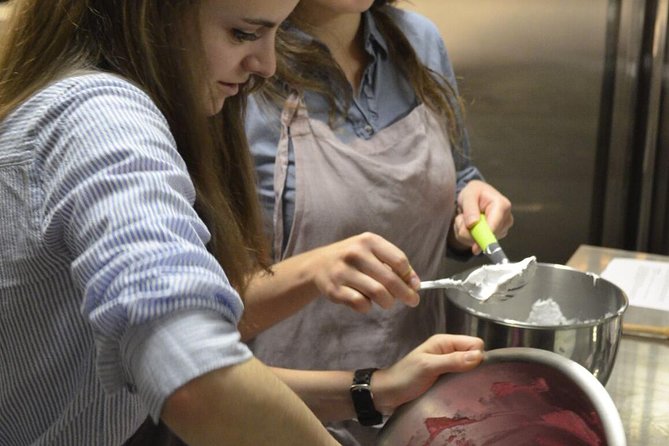
The official maximum is four people, which would make this a very personal class. A few class accounts describe six participants or groups of eight working in pairs, however, so the practical arrangement may differ by date or booking channel.
Even with eight people, pairs can work well if the chef moves around the room and the equipment is set up properly. The available accounts describe plenty of assistance, but I would not promise one-to-one coaching every minute. Baking includes waiting time while mixtures whip or shells bake, and the chef uses those pauses for explanation and conversation.
The pace appears comfortable rather than frantic. You have enough time to follow each stage, ask for help, and enjoy the tasting at the end. Three hours is a useful length: shorter would feel rushed, while much longer might be too much concentration for a single pastry.
If your priority is a private lesson, verify the group arrangement before paying. If you are happy sharing a workstation or working in pairs, the class should still offer more contact with the chef than a large demonstration.
What the $156 price includes
At $156 per person, this is not a cheap way to buy macarons. Paris has pastry shops where you can purchase a small box for far less. The value comes from the combination of instruction, equipment, food, and time.
Your fee includes the welcome drink, required equipment and attire, tea or coffee, the class itself, and a take-home box of about 20 to 30 macarons. You are also paying for an English-speaking chef who guides you through a technique that can be frustrating to learn alone.
I think the price makes sense if you value an activity as much as the food. It is also good value for a small group, especially if the maximum of four applies to your session. The class becomes less compelling if you only want to eat macarons or if you have no interest in trying the method at home.
The take-home box adds real value, but handle it carefully. Macarons are fragile, and one class account specifically advised keeping the box in carry-on luggage rather than checking it. The pastries may survive the trip better if they are protected from rough handling.
An advanced macarons option is available at a higher booking level. Choose it if you already bake or want to focus on the finer points and subtleties of the pastry. Beginners who mainly want a fun introduction may be perfectly happy with the standard class.
Who should book this Paris baking experience
I would recommend it to pastry fans, home bakers, and anyone looking for a focused afternoon activity. It is also a strong choice for families with teenagers, since the minimum age is 12 and the work is active without being physically demanding.
The class suits people who enjoy learning by doing. You will not simply watch a polished chef produce perfect pastries while standing at the edge of a kitchen. You will mix, pipe, assemble, taste, and take responsibility for the result.
It is less suited to someone with a tight sightseeing schedule. The class lasts about three hours and begins at 3 pm, so you should not plan a major timed attraction immediately afterward. The end is back at the same meeting point, making the return simple, but the class itself is the main event.
The experience is suitable for people with gluten allergies according to the supplied tour information. If this affects your booking, I would still raise the issue with the provider before attending so you can confirm the arrangements for your specific class.
Booking details and cancellation timing
You receive confirmation when you book, and the activity is offered in English with a mobile ticket. The meeting point and end point are both Le Foodist, so there is no separate transfer to arrange.
This class is often booked well ahead, with an average booking time of 57 days in advance. That is useful to know if you have fixed Paris dates, especially if you want a small group or a particular afternoon.
Cancellation rules are strict near the date. You can receive a full refund if you cancel at least six full days before the start time. Cancellation two to six full days ahead allows a 50 percent refund, while cancellation less than two full days ahead is not refundable. The provider may offer a new date, another experience, or a full refund if the minimum number of participants is not reached.
Should you book the macaron class?
Book it if you want an activity with a real result, not just another tasting. You will learn a tricky French pastry, spend time with an English-speaking chef, enjoy tea or coffee, and leave with a large box of macarons.
I would book this for a mother-daughter outing, a family afternoon with older children, or a couple who wants something more active than a pastry crawl. The strongest reasons are the practical instruction, the chance to ask questions, and the unusually generous take-home quantity.
Skip it if $156 feels high for a dessert-focused activity, if you dislike sweet pastries, or if your Paris schedule cannot spare a full afternoon. Also confirm the current group size if four-person attention is central to your decision.
For the right person, this is a memorable way to understand French pastry from the inside. You may not produce perfect shells on the first attempt, but you will leave knowing what makes macarons difficult, what to watch for, and how to try again at home.
FAQ
Where does the macaron class take place?
The class begins and ends at Le Foodist, 59 Rue du Cardinal Lemoine, 75005 Paris, France. The location is near public transportation.
What time does the class start?
The scheduled start time is 3 pm.
How long does the class last?
The experience lasts approximately three hours.
Is the class taught in English?
Yes. The class is offered in English.
How many people can attend?
The official information gives a maximum of four participants. Some class arrangements have been described as larger groups working in pairs, so confirm the setup for your date if this matters to you.
What do I take home?
You receive a box containing about 20 to 30 macarons. The class also includes the macarons you taste with tea or coffee.
What is the minimum age?
The minimum age is 12. Children cannot attend unaccompanied.
Recently reviewed around Paris
- Louvre Private Tour – The Essentials and More with Expert Guide★ 5.0 · 227 reviews
- 2CV tour by night★ 5.0 · 55 reviews
- Eiffel Tower Second or Summit Floor Access by Elevator with Views★ 3.5 · 161 reviews
- The only Paris Wine Tasting experience you need to do – 2 hours★ 5.0 · 265 reviews
- 2 Hour Street-art Walk and Space Invaders Hunt in Paris★ 5.0 · 27 reviews
- 2 hour outdoor group activity in Paris: SAINT GERMAIN★ 5.0 · 48 reviews
- Sainte-Chapelle, Conciergerie & Palais de Justice Private Tour★ 5.0 · 72 reviews
- Private 2 – Hour Paris Landmarks Tour by Golf Cart Mini Moke★ 5.0 · 38 reviews
Cooking Classes, compared.
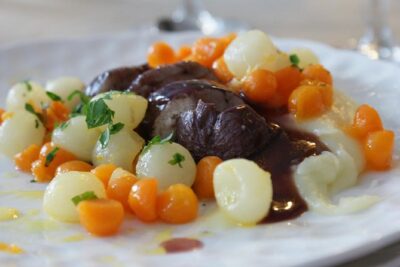
Paris Cooking Class and Lunch with Wine plus Market Visit Option
Read our review →
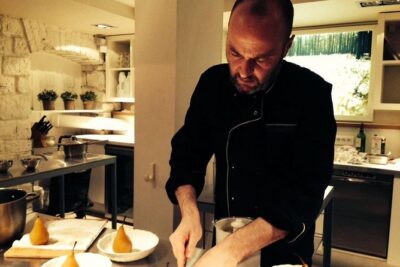
Paris Evening Cooking Class French Dinner and Market Visit Option
Read our review →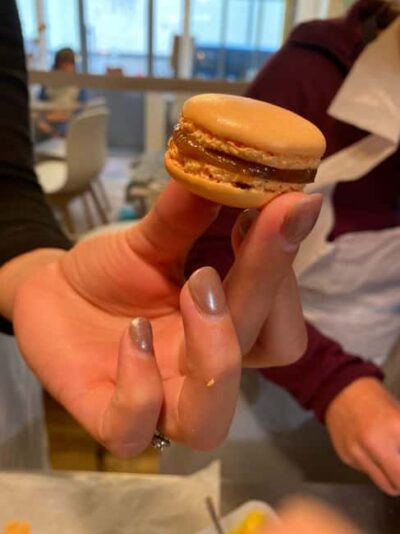
Seine Cruise and Macaron Tasting by the Eiffel Tower
Read our review →
Viator Exclusive: Local Cooking Class & Dinner with View of Nice
Read our review →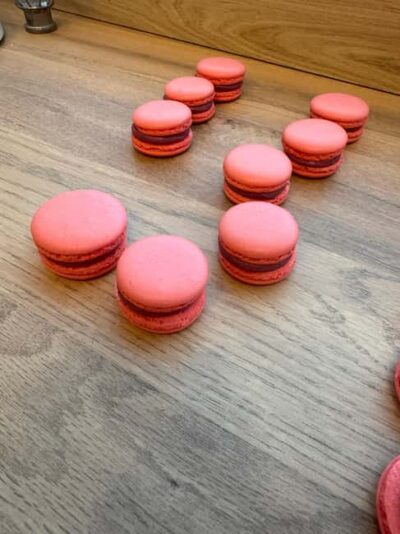
Browse the lists this tour appears in